Vasyl Gorobets
Country:
Ukraine, Kyiv
Short biography:
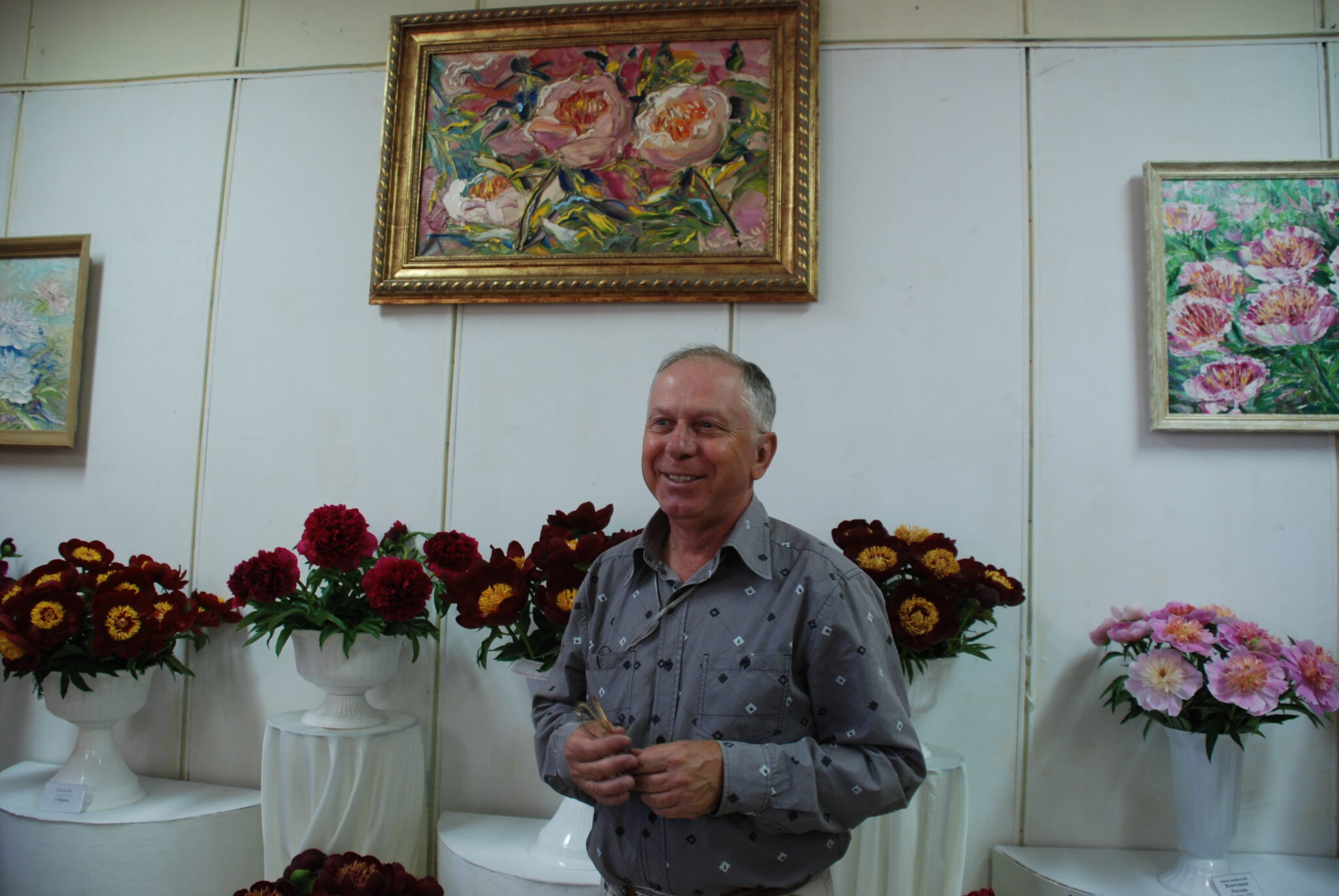
Currently I am 80 years young, still working and married to my wife Svitlana. We have a son named Andriy. I have been working in the botanical garden since 1970 (for 55 years).
More information:
Facebook profile page of Mr. Gorobets:
https://www.facebook.com/vasilij.gorobec.925177
National Botanic Garden of Kyiv:
http://www.nbg.kiev.ua/
Peony hybridizers series
-
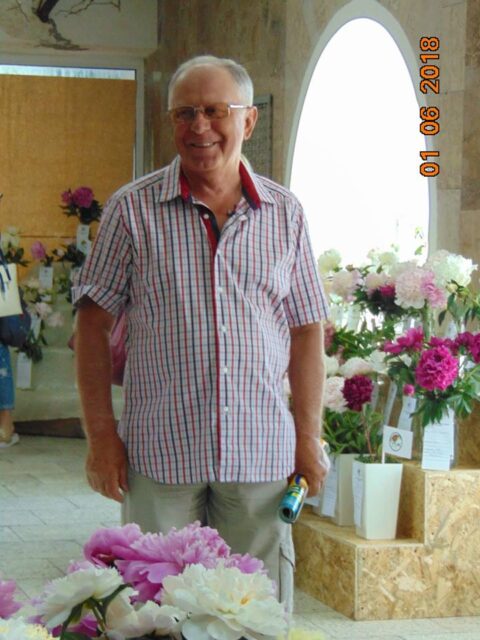
- Vasyl Gorobets
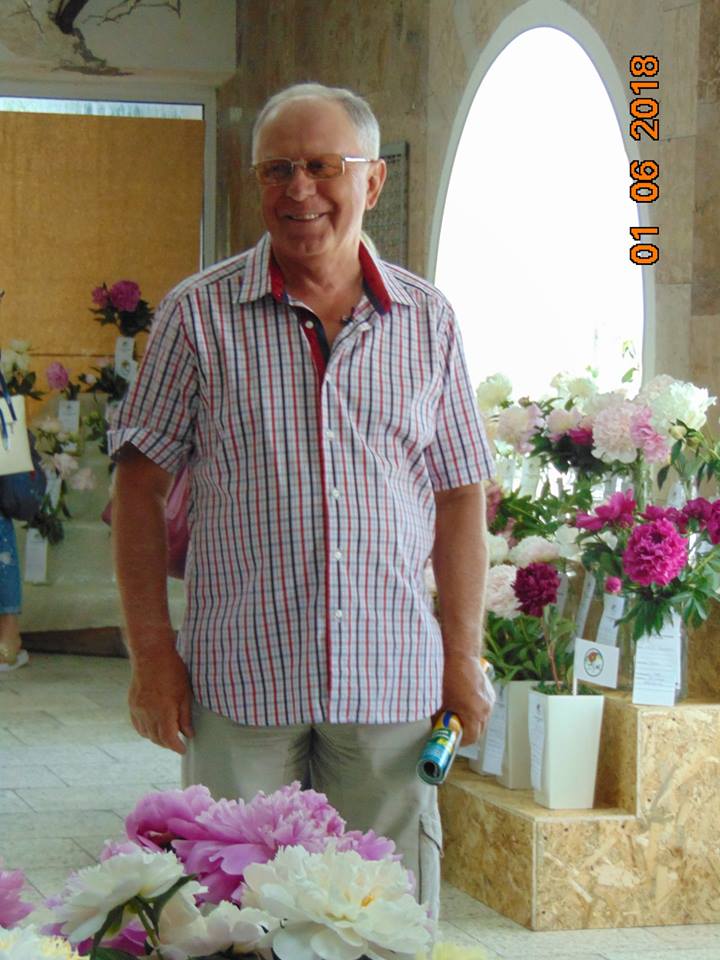
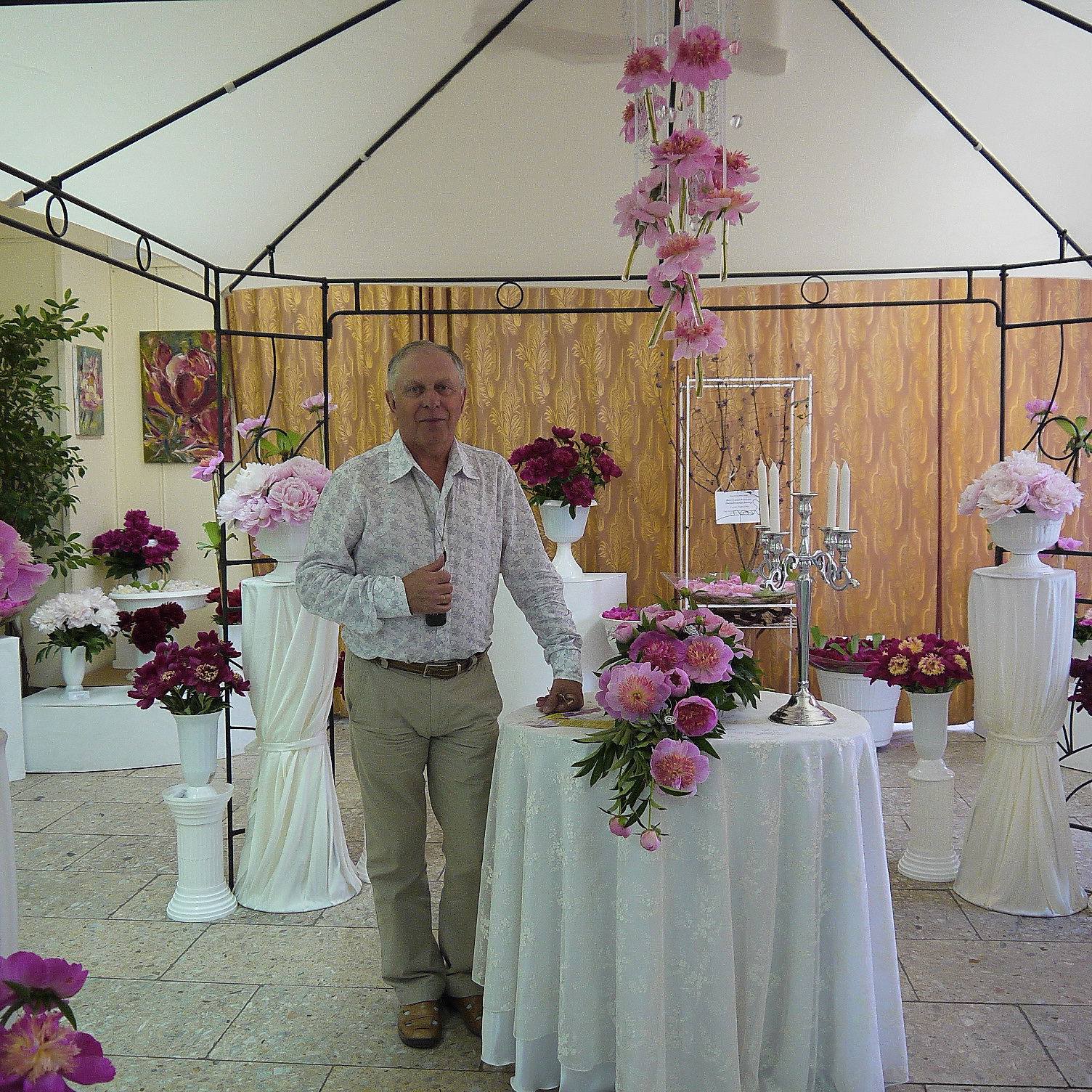
Vasyl Gorobets


How did you first get involved in peony hybridizing?
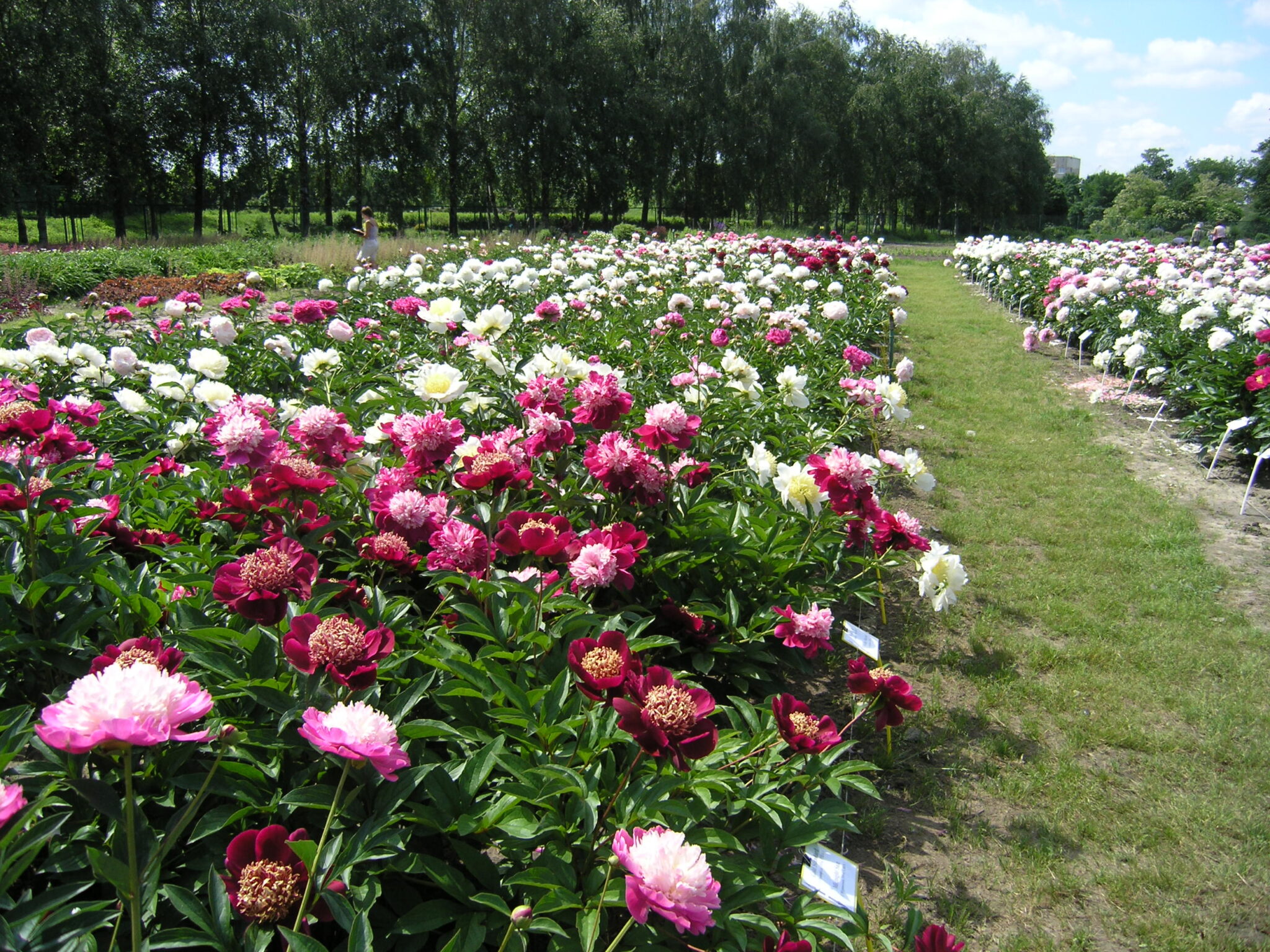
The formation of the peony collection of the National Botanical Garden named after M.M. Grishko of the NAS of Ukraine began in 1947. In January, the first 30 varieties of peonies were received from the company “Lange” (Pirna-Dresden, Germany). Later, the collection was replenished from other botanical gardens, research stations and scientific institutions.
The first stage of selection work with peonies at the National Botanical Garden was the creation of a group of new seedlings based on varieties of Paeonia lactiflora, that is, within this one species. In 1963–1966 p.p. Candidate of Biological Sciences Kateryna Dmitrievna Kharchenko and Senior Engineer Inna Oleksandrivna Tiran conducted intraspecific crosses. They analyzed hundreds of seedlings, selected and studied promising breeding forms, submitted about 20 varieties to the State Variety Testing, of which only 12 passed the tests. These were zoned in different soils and climatic zones of the former USSR and protected by copyright certificates (1984–1987): ‘Antarktida’, ‘Berehynia’, ‘Lybid’, ‘Dar Pobede’, ‘Ispolin’, ‘Kyivska Rus’, ‘Lyubymets Parkiv’, ‘Morozko’, ‘Mriya’, ‘Vizvolitelyam Kyiv’, ‘Polyarna Zirka’, ‘Talisman’.
Since 1971, I have continued this work on the selection of herbaceous peonies. The priority direction of the second stage of selection work was the creation of varieties with early and very early flowering dates. Taking into account the biological characteristics of the species of the genus Paeonia, this could only be achieved using interspecific hybridization, thus between different species and no longer only Paeonia lactiflora. The wild species of herbaceous peonies from the collection of the Botanical Garden were from that time forward involved in the selection process.
From 1970 to 1973, I studied at the postgraduate program of the M.M. Grishko National Botanical Garden of the National Academy of Sciences of Ukraine. I studied the biological properties of herbaceous peonies. I defended my thesis on the topic “Biological features of herbaceous peonies (structure, development). And at the same time, I began breeding peonies.
What was the starting material for your hybridizing?
My hybridizing of Paeonia lactiflora and Paeonia officinalis cultivars with wild species resulted in the creation of hybrid forms with fundamentally new characteristics like flowers with different shapes, new colors and intensity. In the selected hybrids, these new characteristics are combined with an early and very early bloom period, which was the goal of our selection work. The starting material for this work were domestic and foreign varieties from different ecological and geographical regions and species and breeding forms obtained by us in previous years. To enrich the initial gene pool, a series of hybrids was obtained using various methods: interspecific hybridization, controlled and open pollination, backcrossing, reverse crossing, and inbreeding (selfing) with the subsequent selection of seedlings from this new generation of seedlings.
What are your goals in hybridizing peonies?
I only hybridize herbaceous peonies. Based on the biological characteristics of species of the genus Paeonia, we aimed for varieties with the following properties:
- early and very early flowering period
- new shapes and colors of the flowers
- suitability for use in landscape design and arrangement
- high propagation rate and a high stem count
- resistance to viral, bacterial and fungal diseases
Do you mostly depend on open pollination or do you mostly make controlled crosses?
| 100% open | 50/50 | 100% controlled |
How large is your hybridizing program?
During my 55 years of hybridizing peonies, several hundred controlled crosses were conducted and several thousand seedlings were grown and evaluated. Of these, promising seedlings were selected and studied, of which eventually 66 varieties were protected by copyright certificates and entered into the State Register of Plant Varieties of Ukraine.
Do you have any plants in the market?
Іnformation about our varieties can be found on Facebook. People can purchase plants in the botanical garden shop. We do not cooperate with nurseries.
Do you know the American Peony Society (APS)? Are your plants registered there?
The American Peony Society has registered 10 of my varieties.
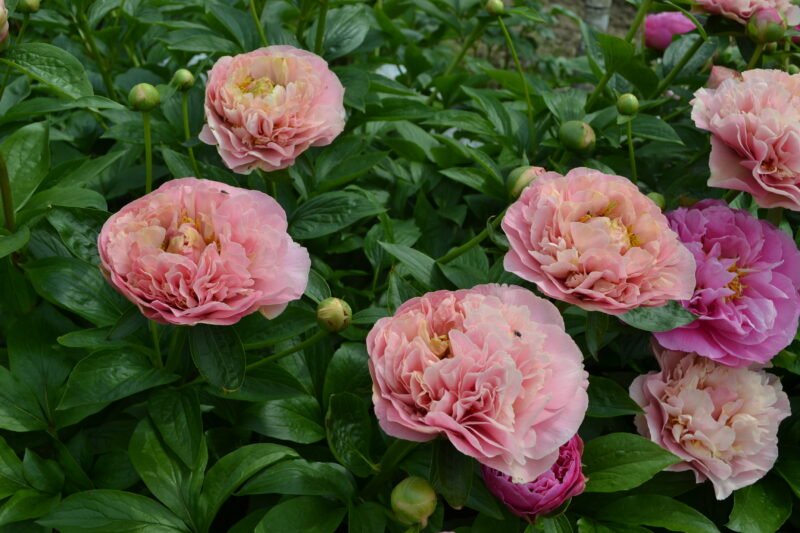
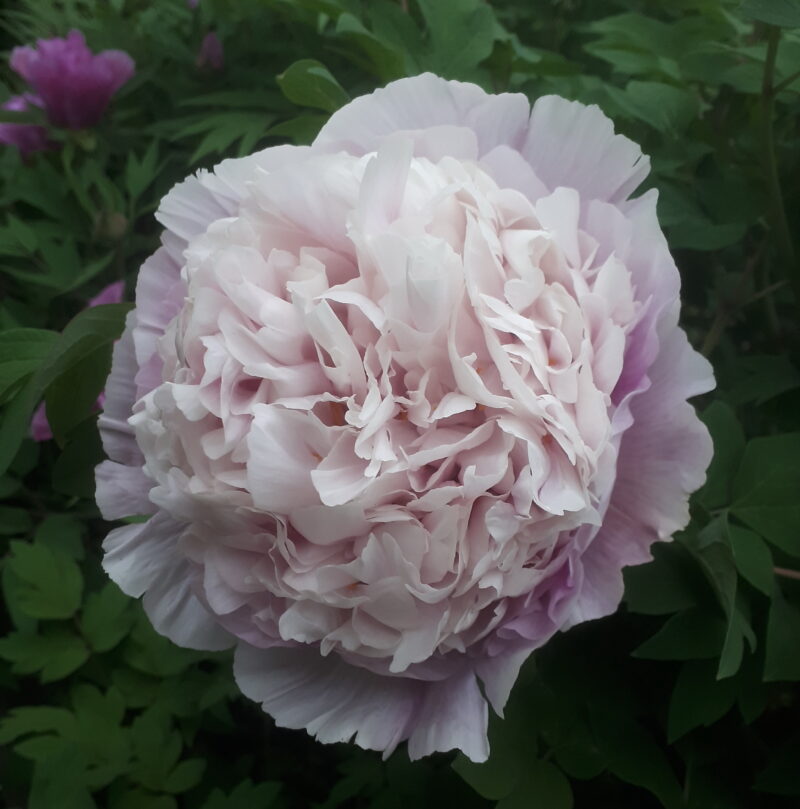
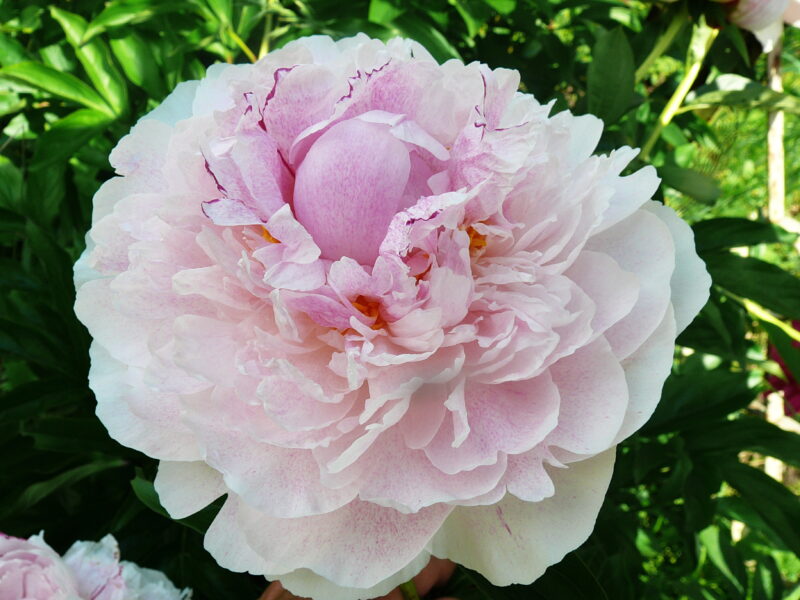
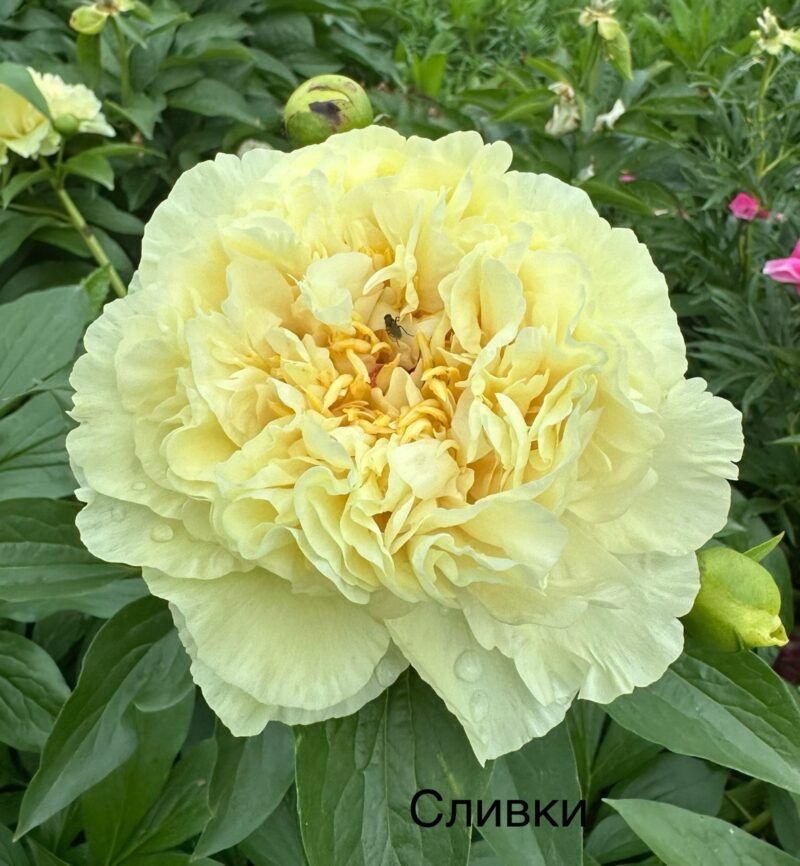
Of the Lactiflora varieties, the following are the most interesting: ‘Skarbnytsia’, ‘Svitlana’, ‘Zhemchuzhna Rossyp’ and ‘Zahadka Khersonesa’.
Of the hybrid varieties, the following are most interesting:
Can you describe a few of your plants that you consider the best or most beautiful and which are available now?
(Remark: hover over the cultivar names to get the APS registration if there is one)
Lactiflora cultivars:
Zhemchuzhna Rossyp (Gorobets, 1989)
-

- Zahadka Khersonesa (Gorobets, 2022)

Zahadka Khersonesa (Gorobets, 2022)
-
- Skarbnytsia (Gorobets, 1994)
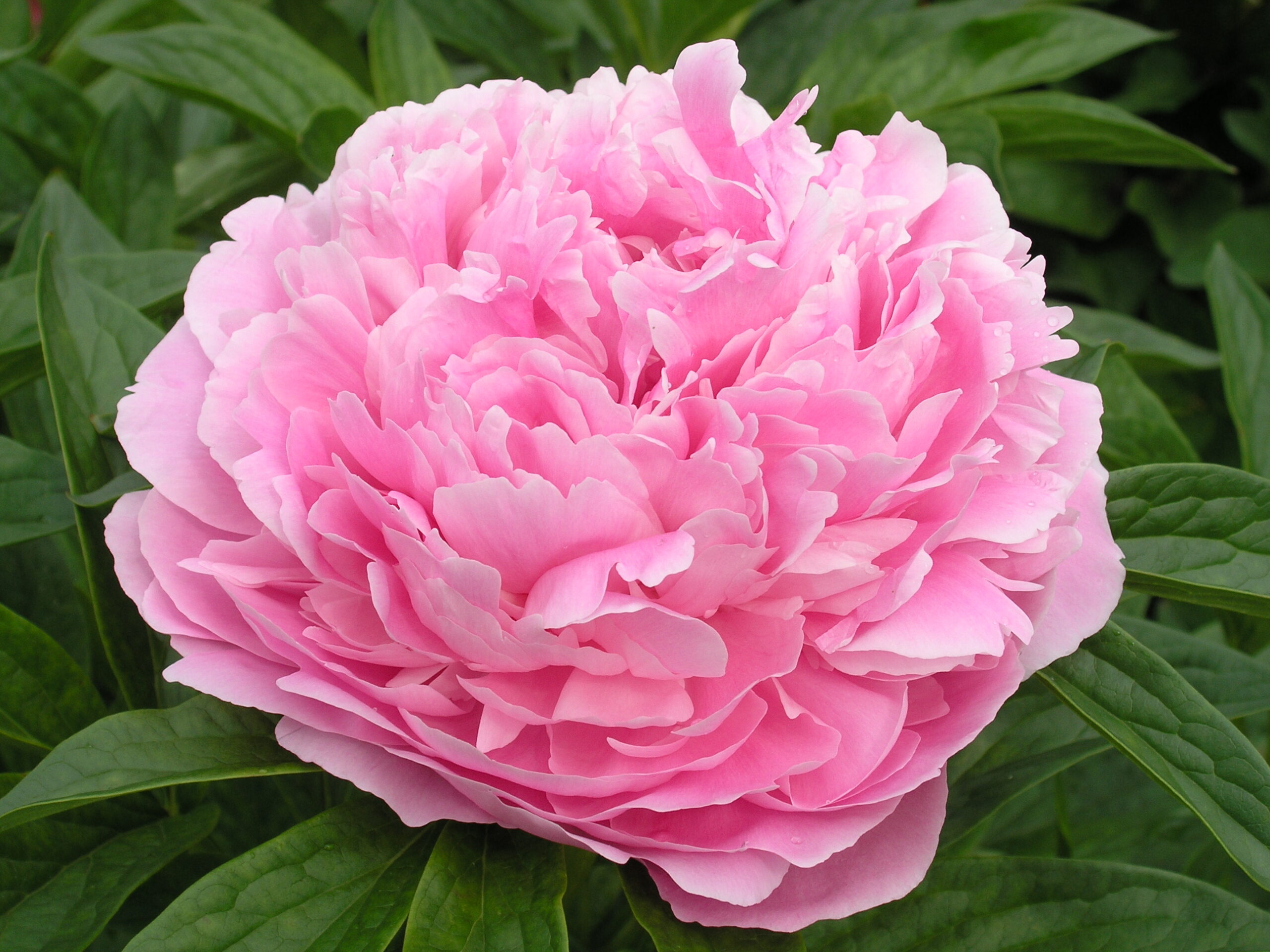
Skarbnytsia (Gorobets, 1994)
-
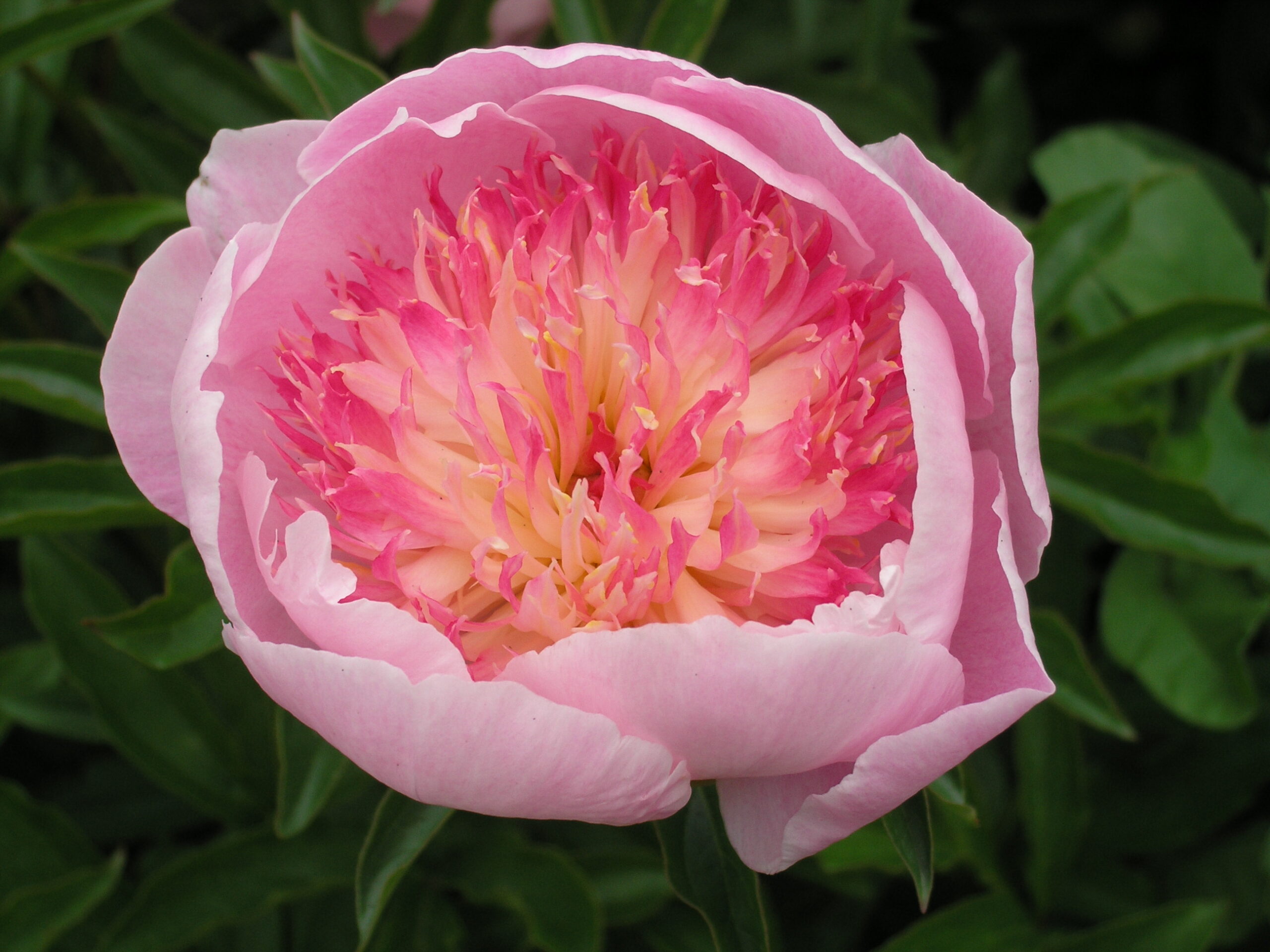
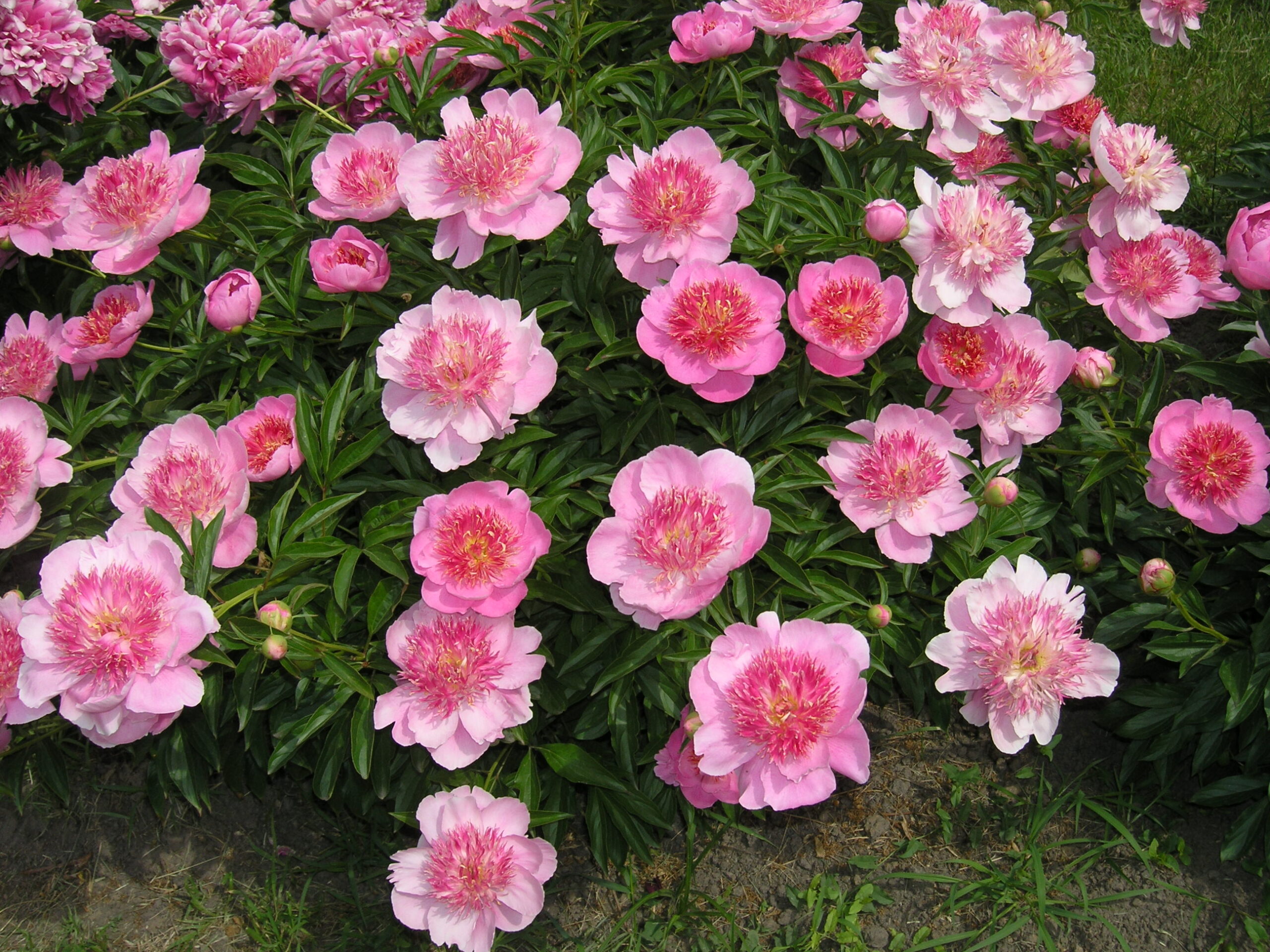
- Zoriana (Gorobets, 2011)
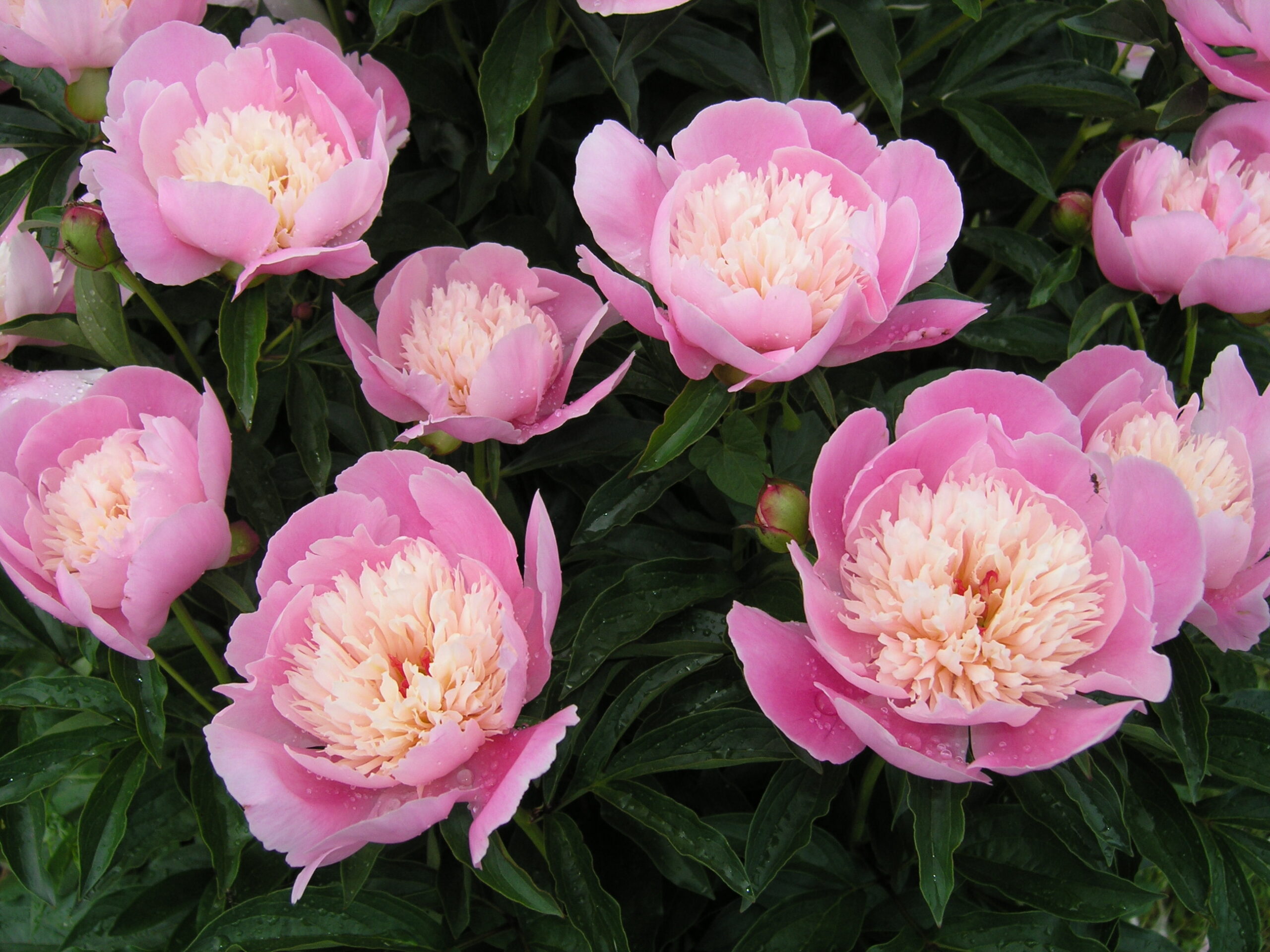
Zoriana (Gorobets, 2011) P. lactiflora. Parentage: Edulis Superba x P. lactiflora President Taft. Seed sown 1975, seedling selected 1984. Flower shape: anemone; light pink petals, flower size 12-14 cm, stamens absent, carpels glabrous, stigma pink; compact plant, strong stems, height 80-85 cm, early flowering, sets seeds. (Source: Gorobets, Vasyl, “Peonies.” National Botanic Garden M.M. Gryshko: Ukraine, 2023, 192 p.)
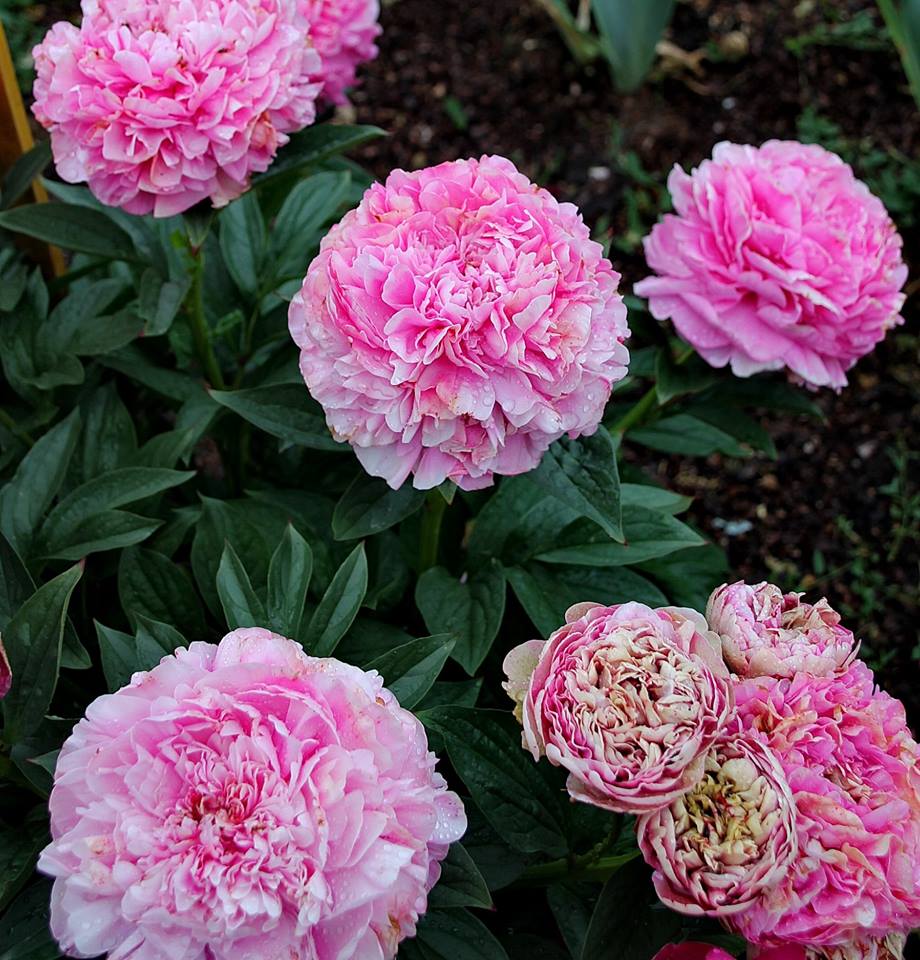
Hybrid cultivars:
-
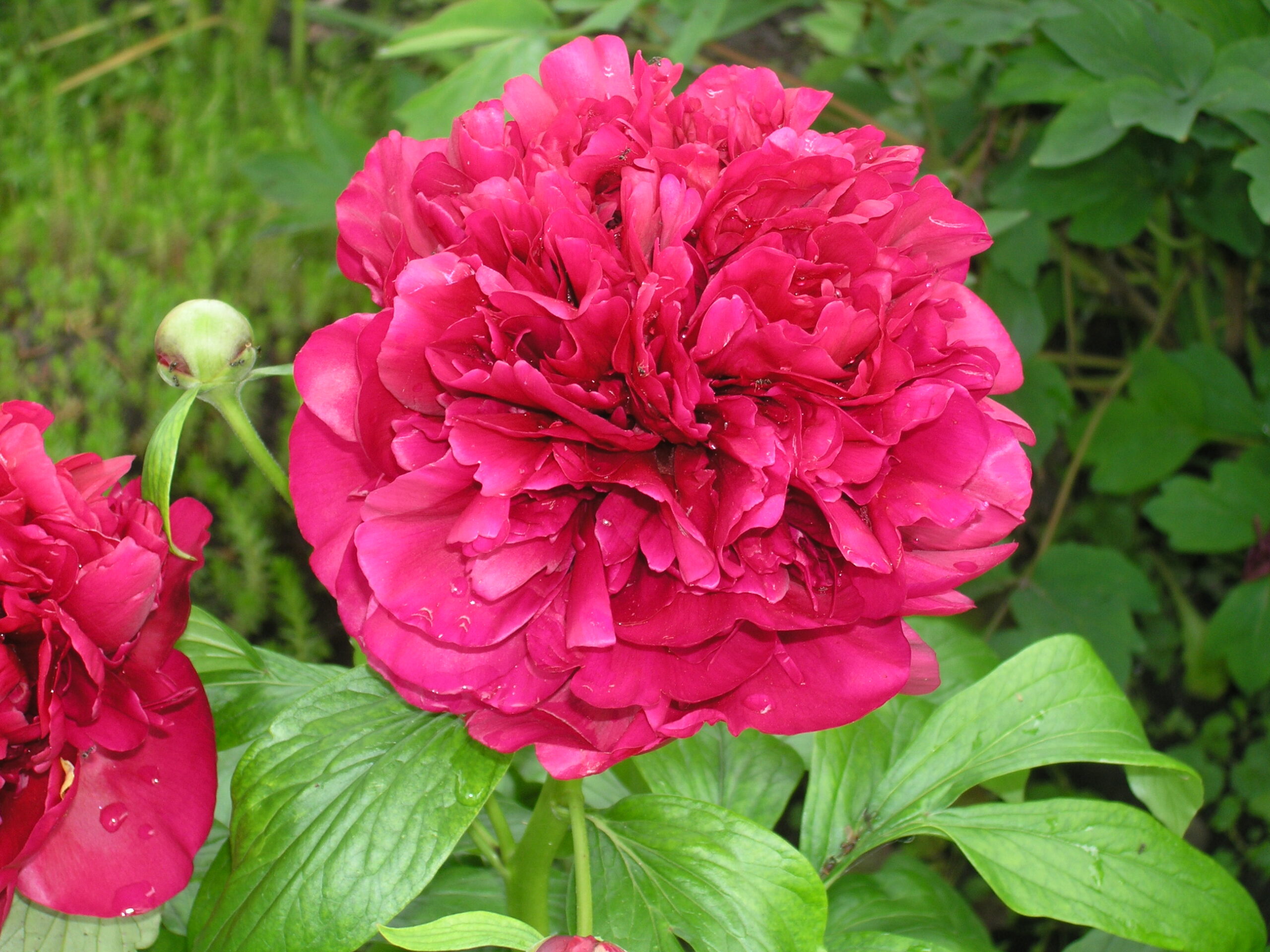
- Chornomor (Gorobets, 2013)
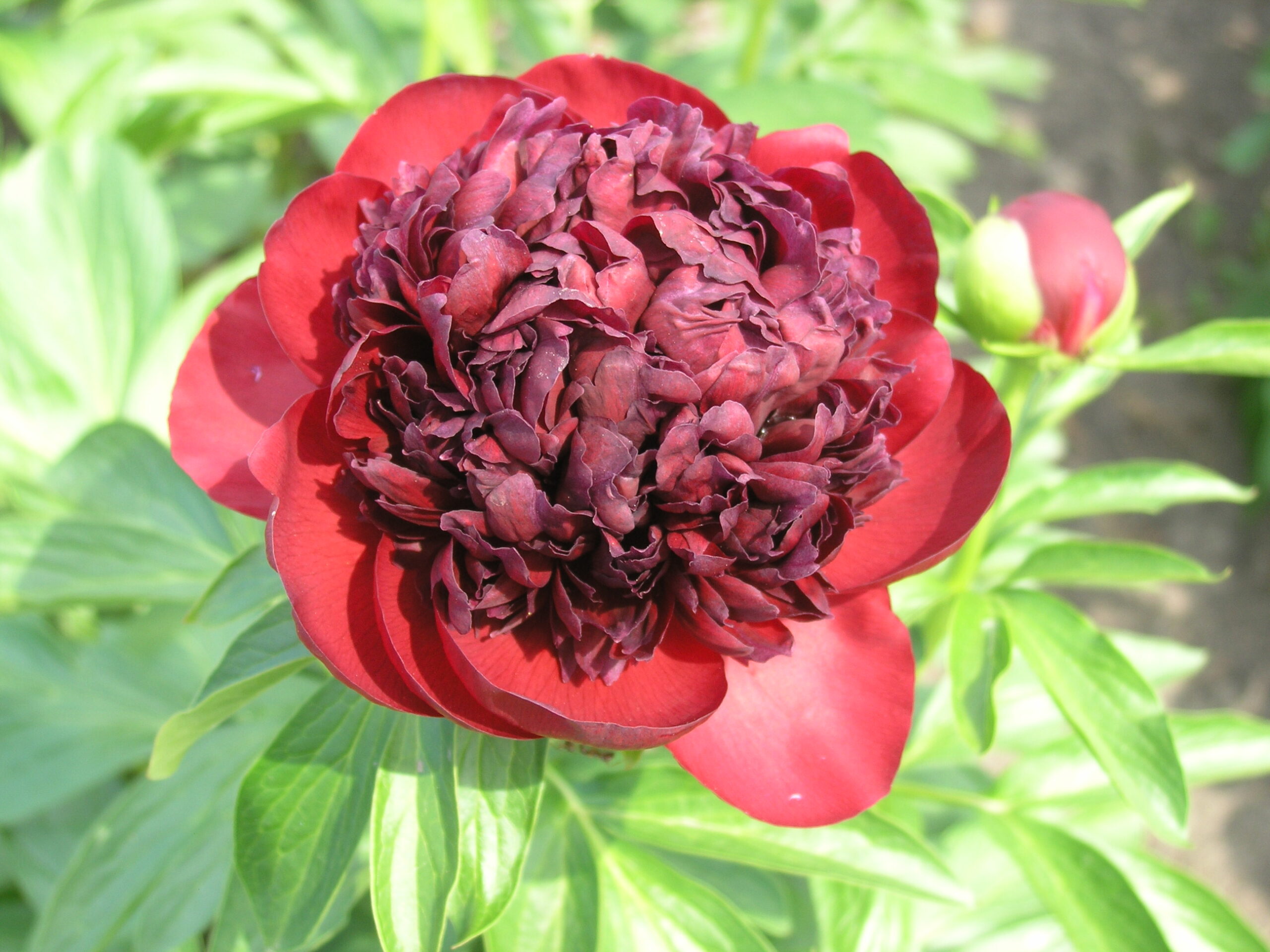
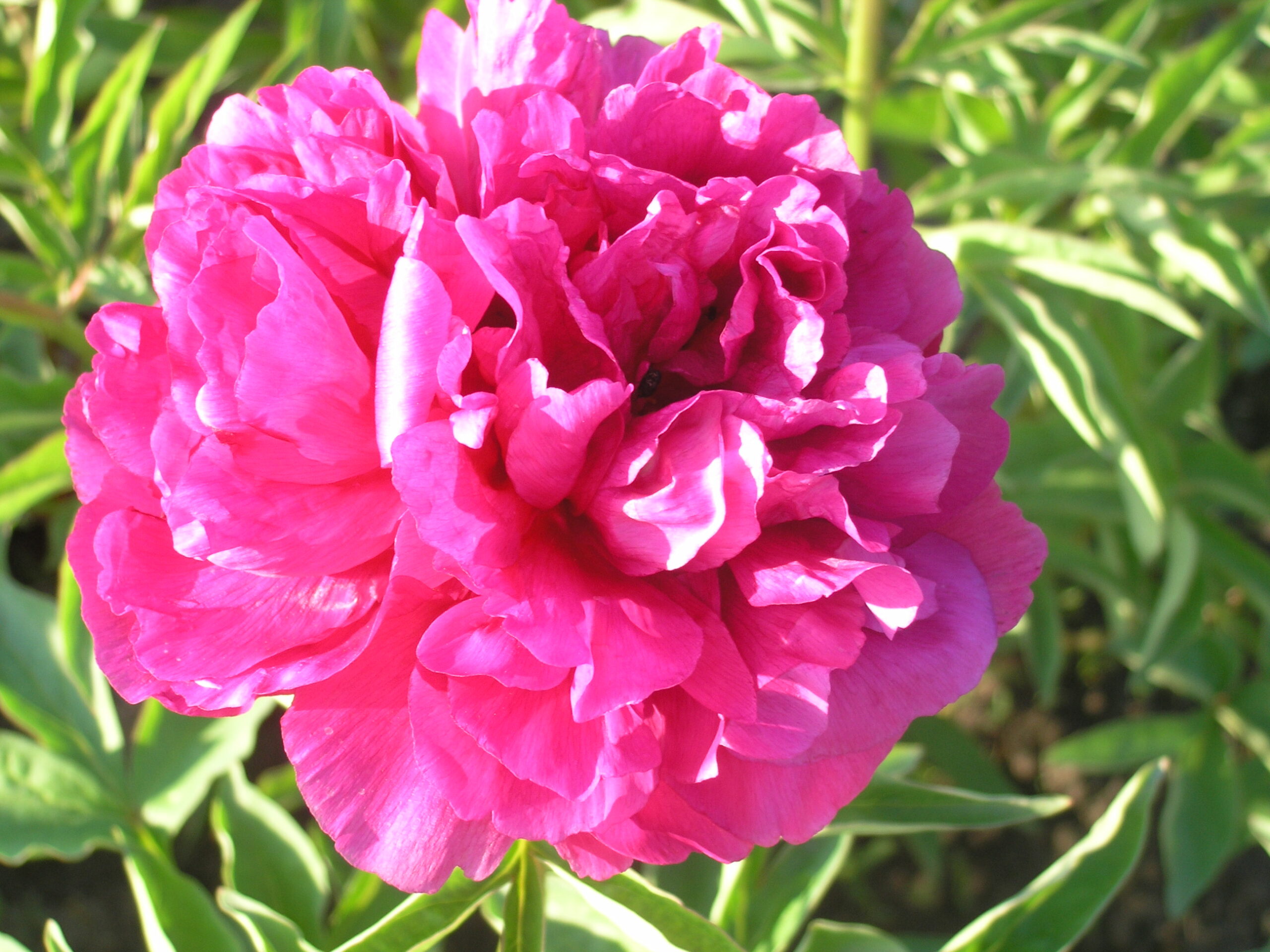
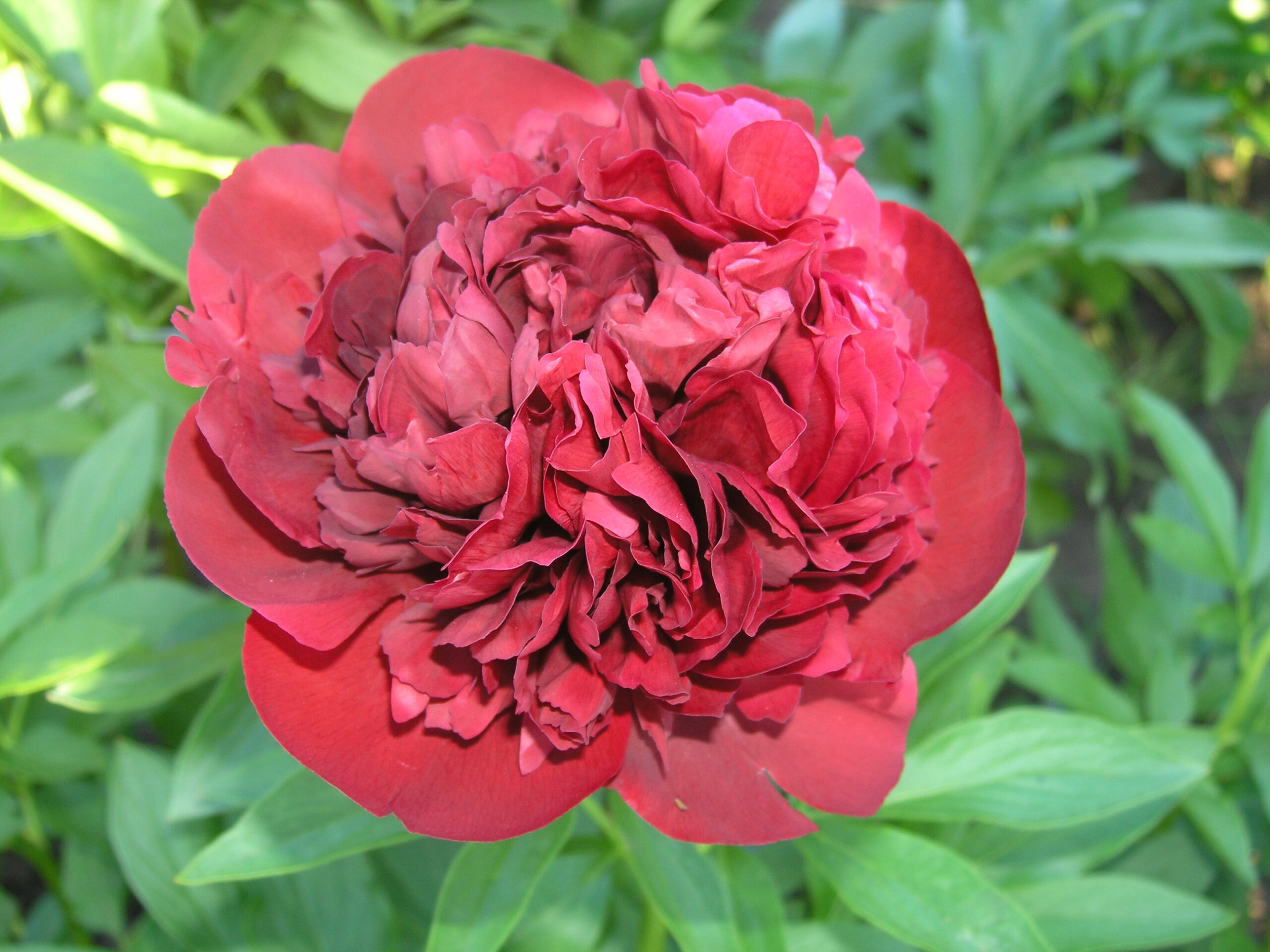
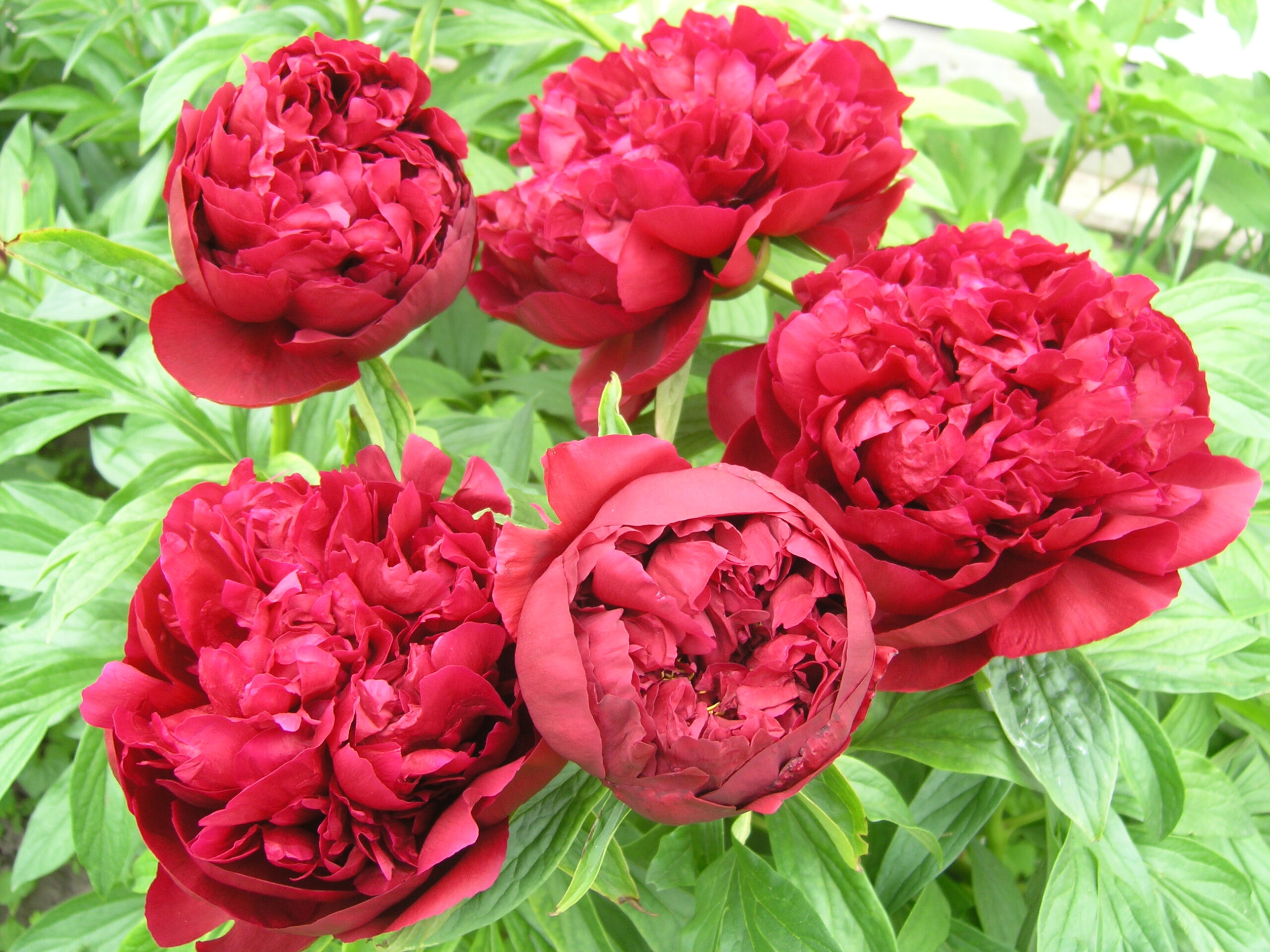
Chornomor (Gorobets, 2013). Triple hybrid. P. lactiflora ‘Lord Kitchener’ x (P. officinalis Rubra Plena x P. peregrina). Seed sown 1985, selected 1994. Dark purplish red.
-
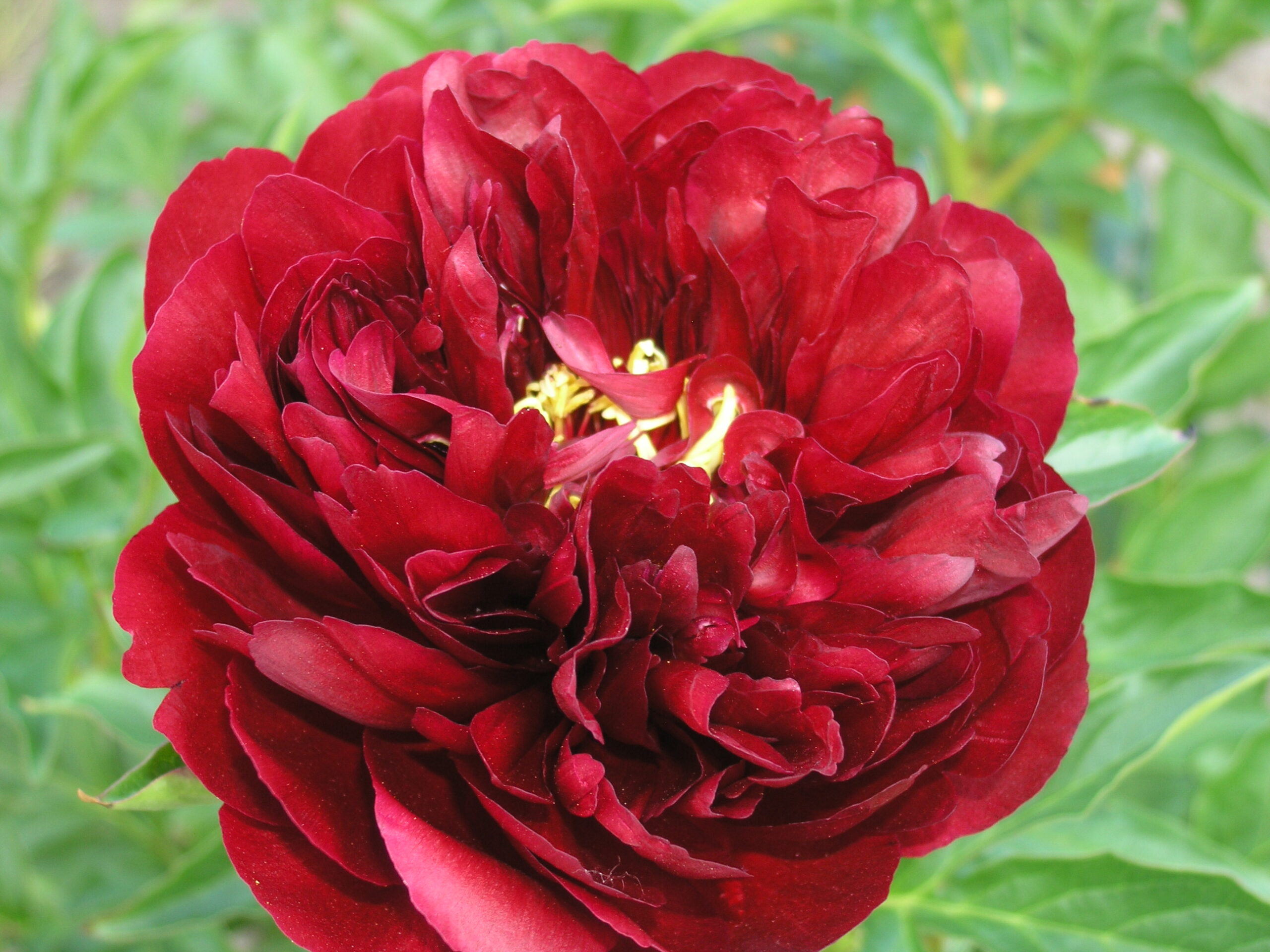
- Vesniane Defile (Gorobets, 2014)

Vesniane Defile (Gorobets, 2014). Parentage: P. officinalis Rubra Plena x P. wittmanniana.

-
- Кhokhloma (Gorobets, 1986)
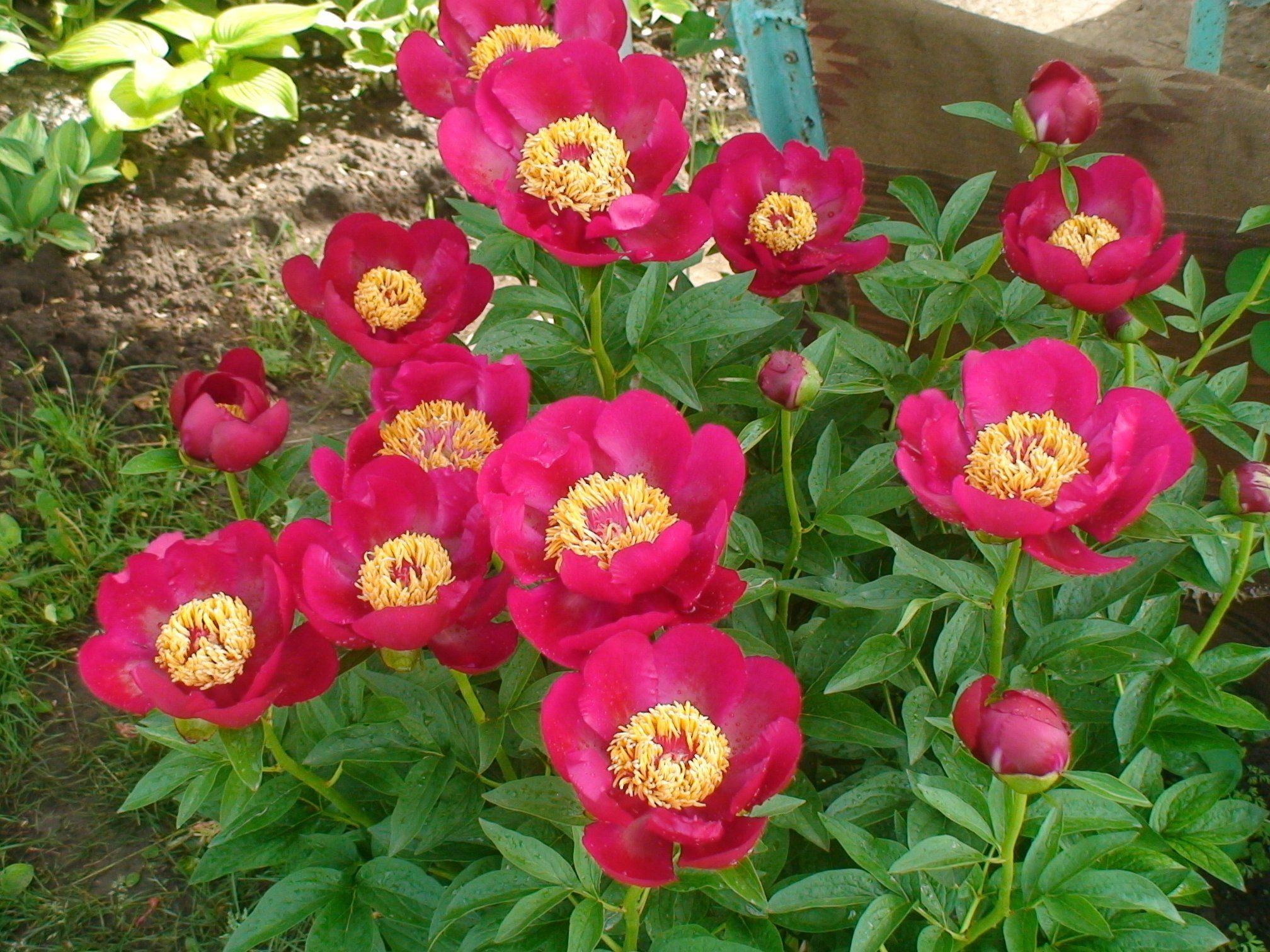
Кhokhloma (Gorobets, 1986). Parentage: P. officinalis Rubra Plena x P. lactiflora.
Within your current seedlings, what are the most promising ones?
The most promising selection numbers are: 1-25, 1-BER, 9-25, 10-25, 12-21.
- Seedling 1-25: Lemon Chiffon x Vanilla Schnapps
- Seedling 1-BER: Pastelegance x Vanilla Schnapps
- Seedling 9-25: Salmon Glow x Vanilla Schnapps
- Seedling 10-25 Triphena Parkin x Lemon Chiffon
- Seedling 12-21: (P.officinalis Rubra Plena х P. peregrina) х P.lactiflora Vesilna
-

- 1-25
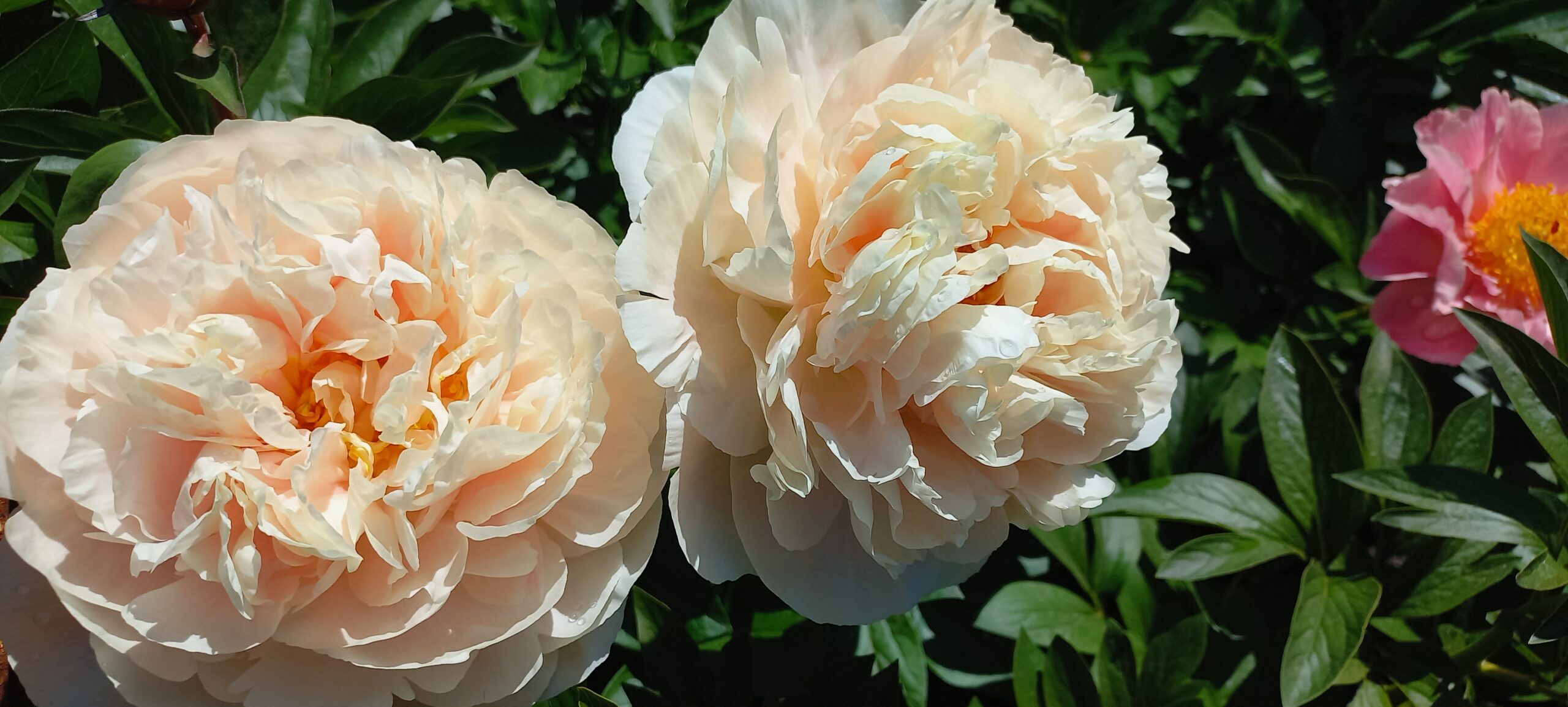
1-25
-
- 10-25
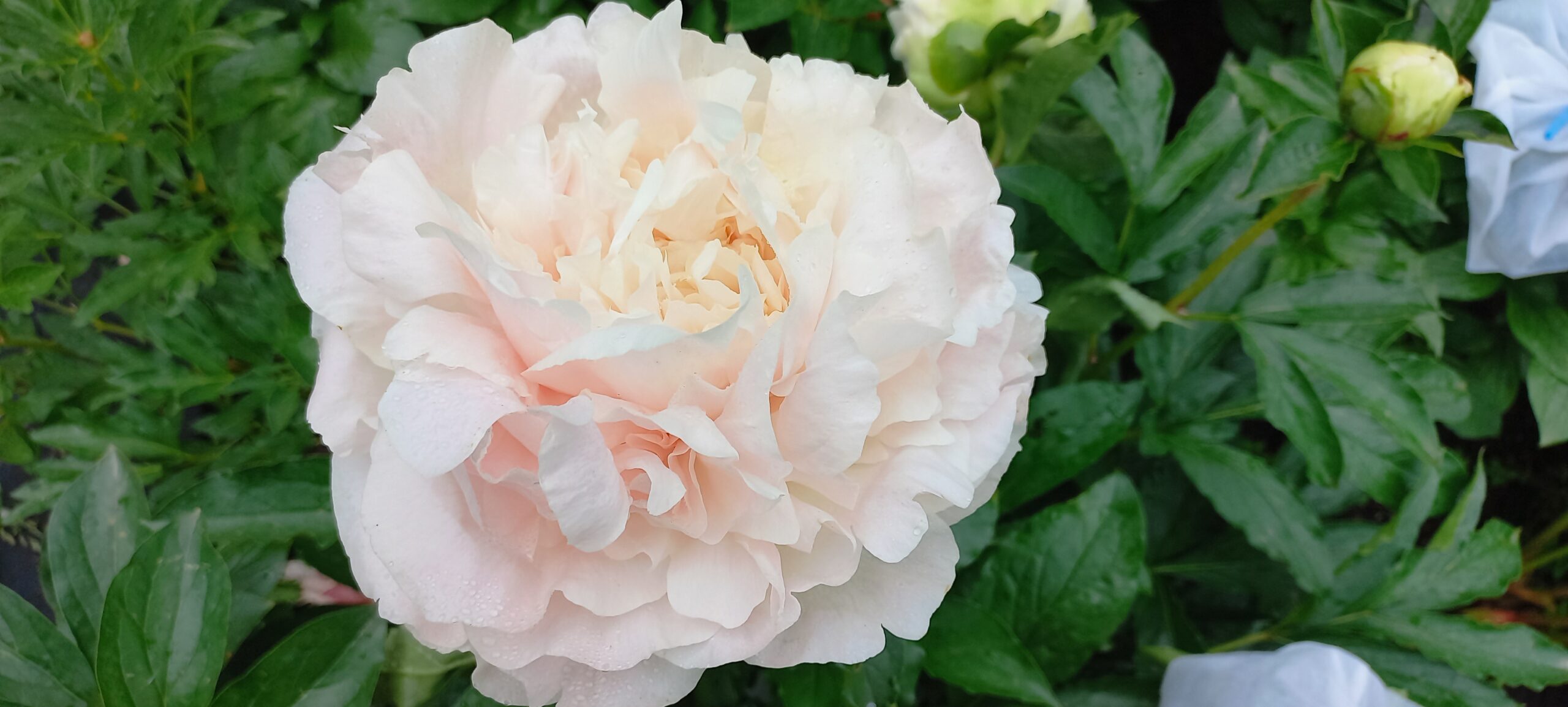
10-25
-
- 1-BER
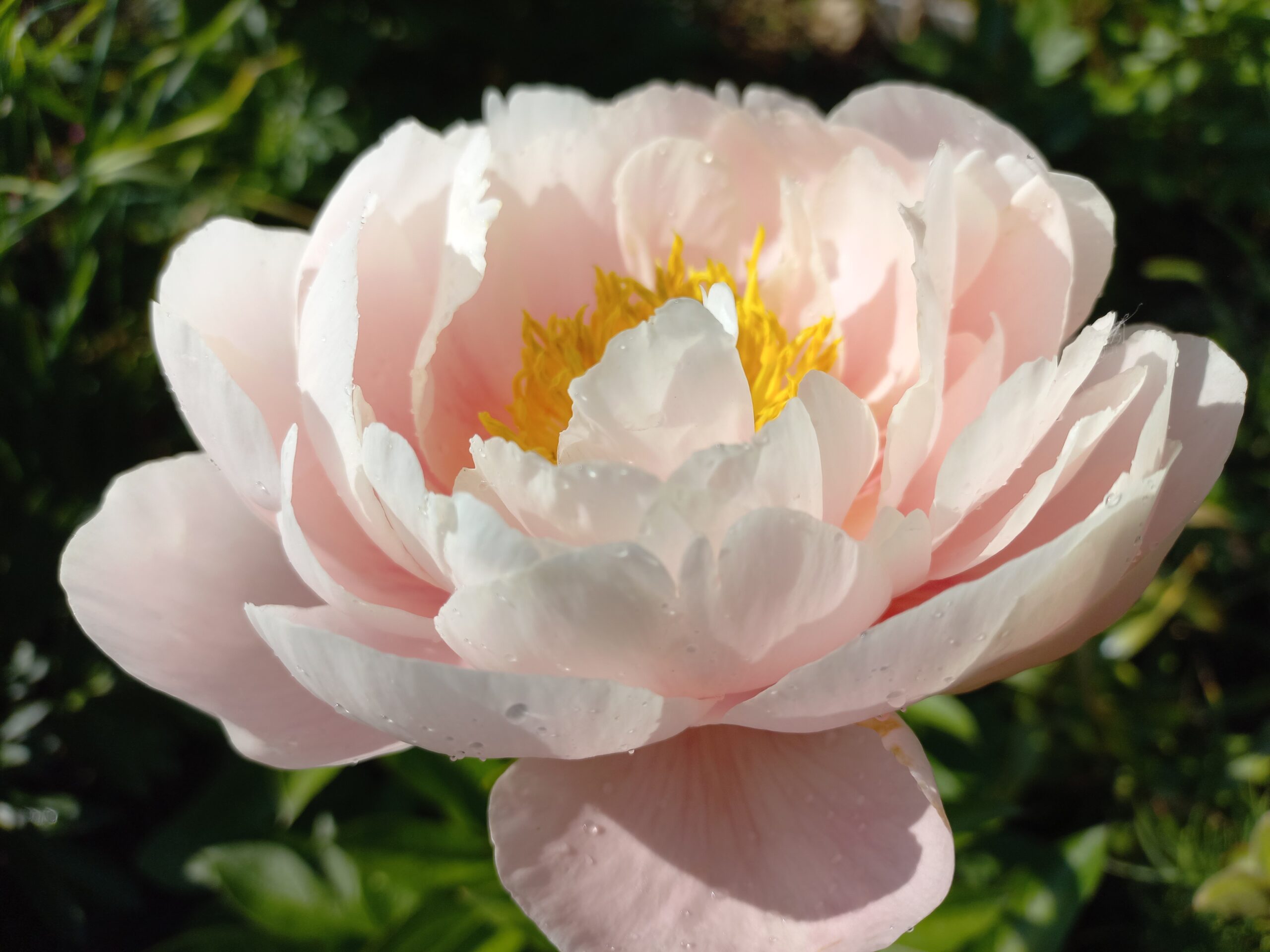
1-BER
-
- 12-21
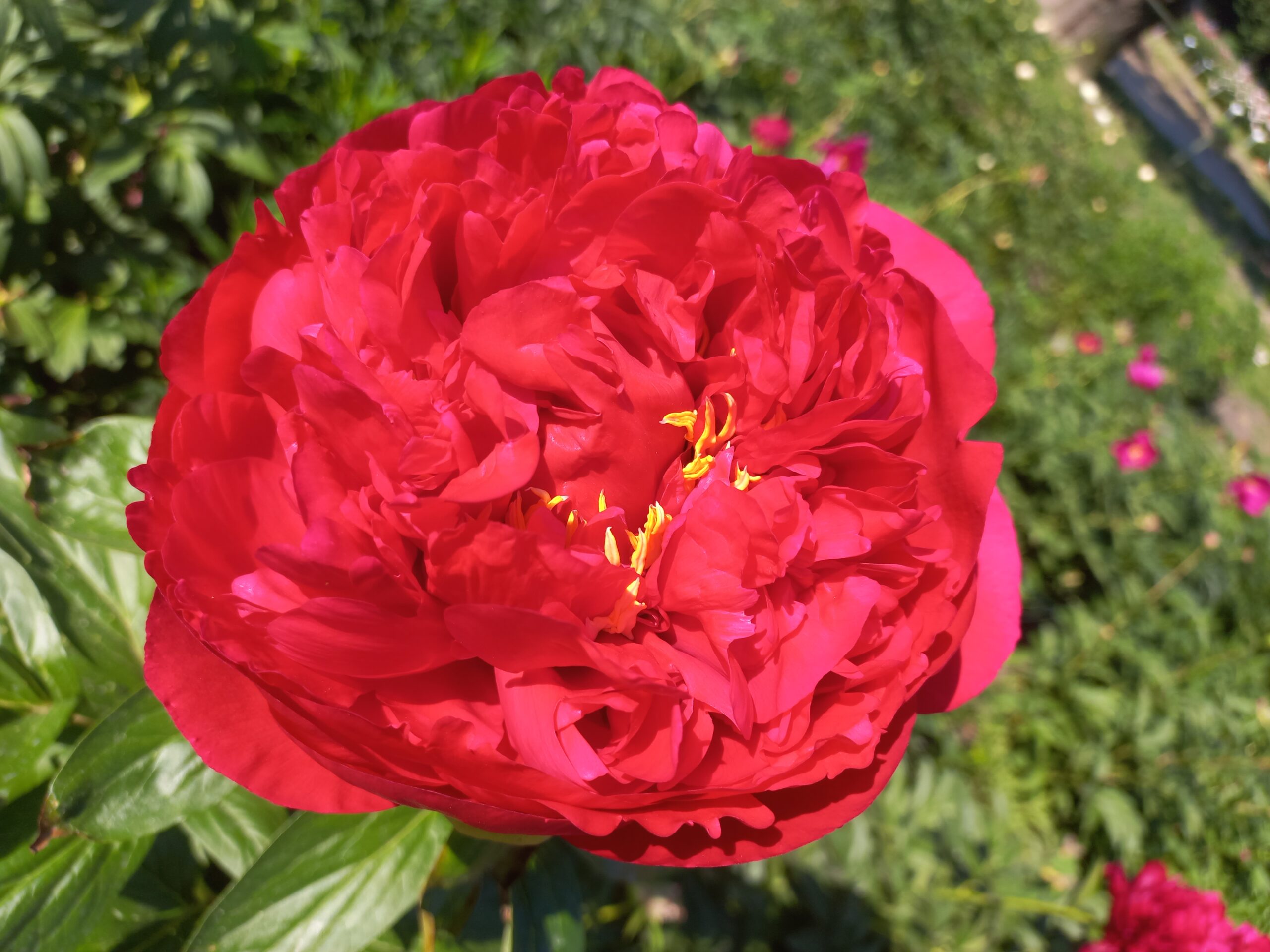
12-21
-
- 9-25

9-25
Are you in contact or working together with other peony hybridizers?
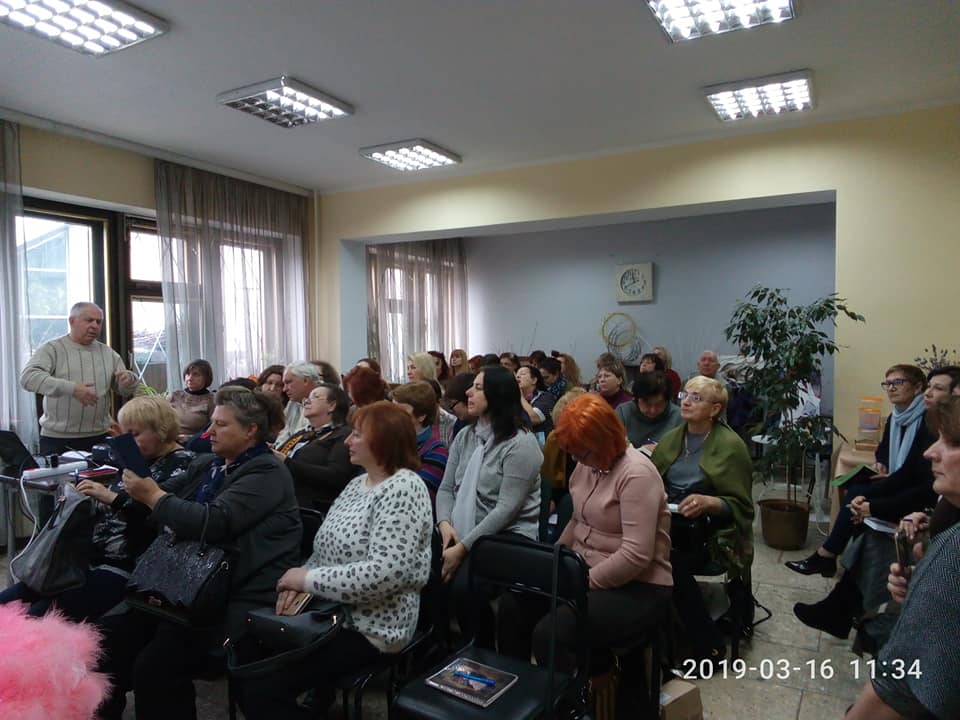
I maintain contact with peony collectors and amateur breeders from Ukraine. We exchange information, varieties and pollen. I conduct lectures and practical classes on peony breeding and cultivation. I often lead tours of the peony collection area of the botanical garden.
Do you have unregistered plants that are not good enough to introduce but have something ‘special’?
The primary goal of the second stage of hybridization was the creation of varieties with early and very early flowering periods. At that time, there were no herbaceous hybrids in the collection. Thus earliness could only be accomplished through hybridizing between different species. Paeonia officinalis Rubra Plena, Rosea Plena and wild species of herbaceous peonies were involved in this hybridizing process. Genetic sources of important qualities for modern breeding, such as early and very early flowering, are the following species: P. arietina, P. anomala, P. officinalis, P. officinalis var. banatica, P. officinalis var. alba, P. peregrina, P. steveniana, P. tenuifolia and P. wittmanniana.
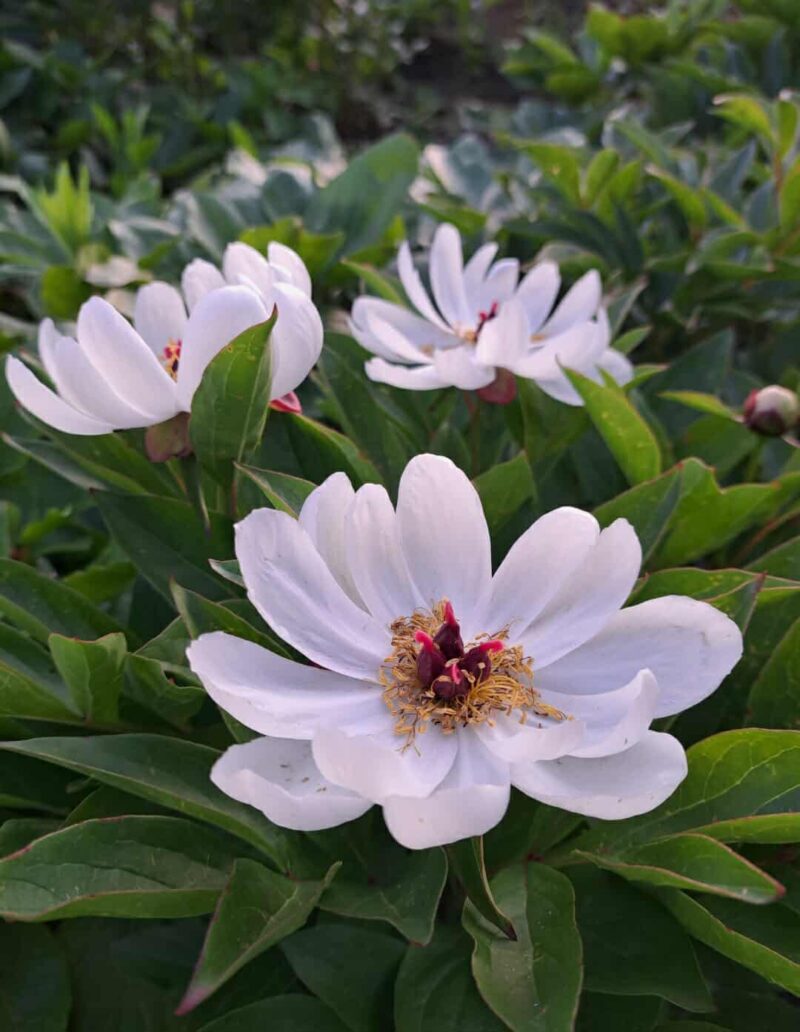
We found that in all combinations of crossings, in which the parental forms were wild species, the first generation was dominated by an unwanted trait, more precisely: the flowers were not double. To overcome this, we used backcrossing, thus crossing double varieties of P. lactiflora again with these fertile first generation (F1) interspecies hybrids. These fertile herbaceous F1 hybrids thus became the starting material for further hybridization. Some of these fertile first generation hybrids are the following:
- 21-87 from the cross P. officinalis Rubra Plena x P. officinalis var. alba (first image)
- 29-84 from: P. arietina x (P. officinalis Rubra Plena x P. peregrina) (second image)
- 15-84 from: [(P. officinalis Rubra Plena x P. peregrina) x (P. officinalis Rubra Plena x P. officinalis var. banatica)] (third image)
- F1 from (P. officinalis Rubra Plena x P. arietina)
- F1 from (P. officinalis Rubra Plena x P. peregrina)
- F1 from (P. officinalis Rubra Plena x P. humilis)
- F1 from (P. officinalis Rubra Plena x P. officinalis var. banatica)
-
- 21-87
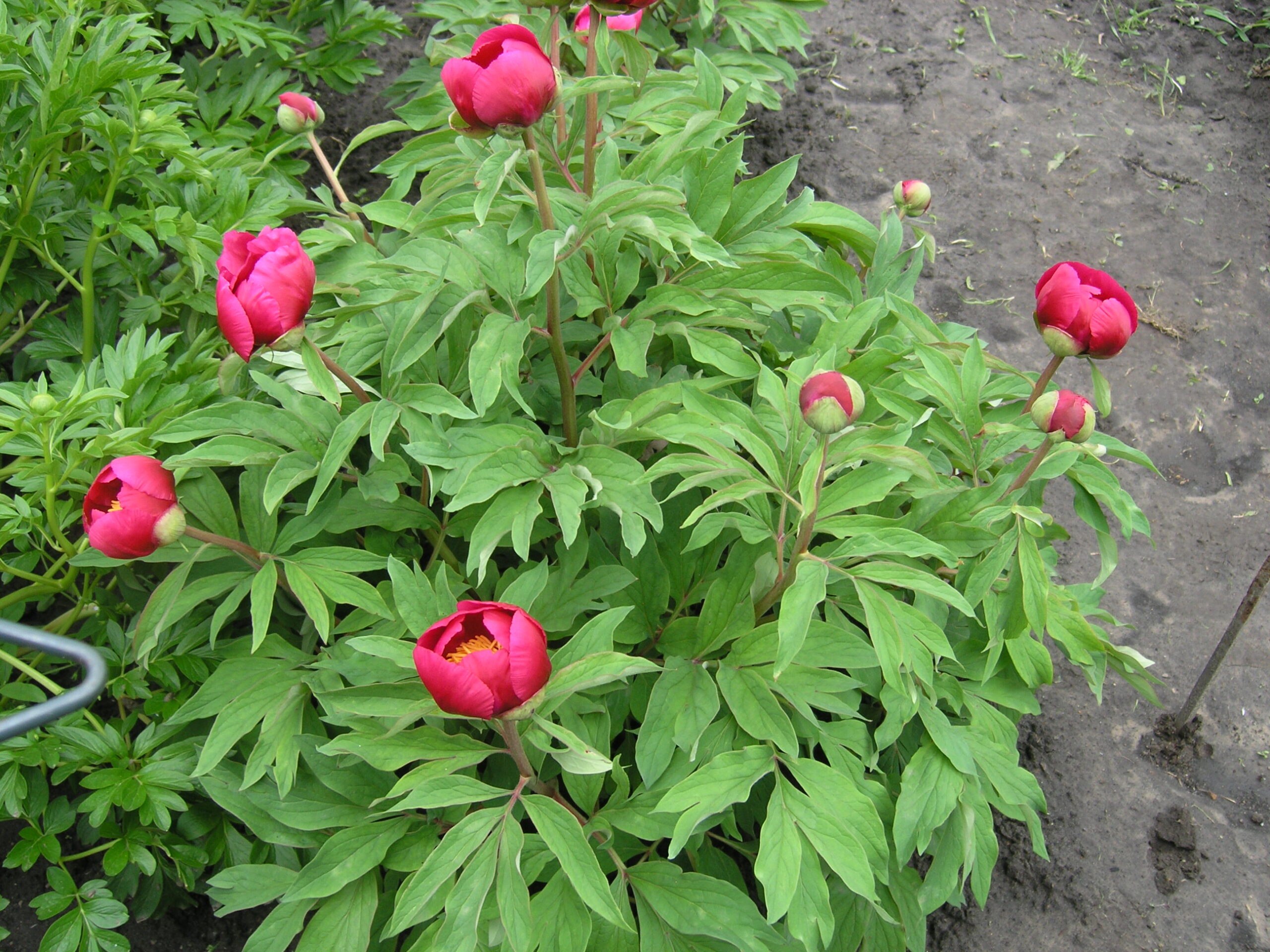
-
- 29-84
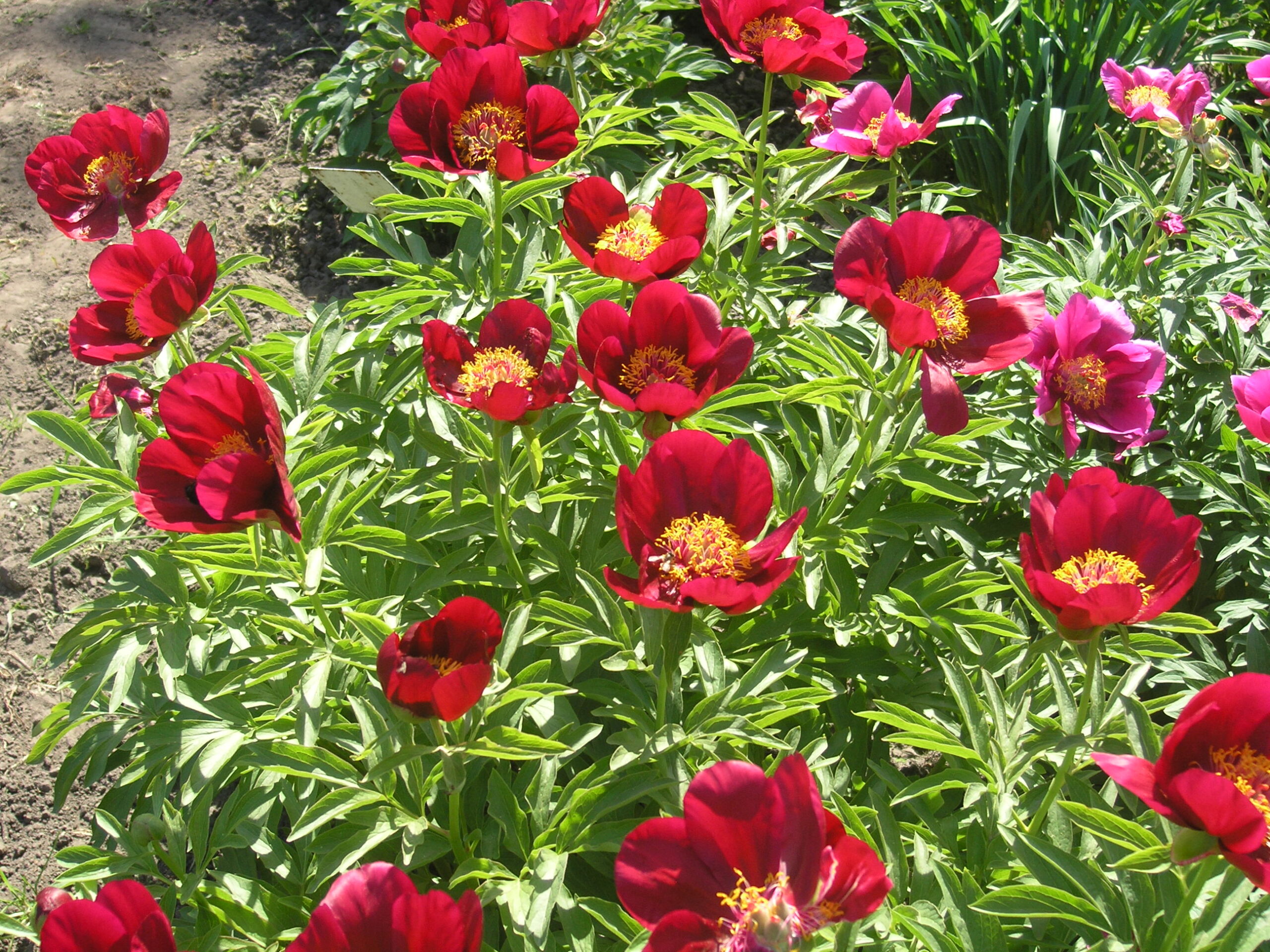
-
- 15-84

Would you like to exchange such ‘hybridizers plants’ with other hybridizers?
I willingly share plants and pollen.
Name a few peony varieties from other hybridizers which you especially like?
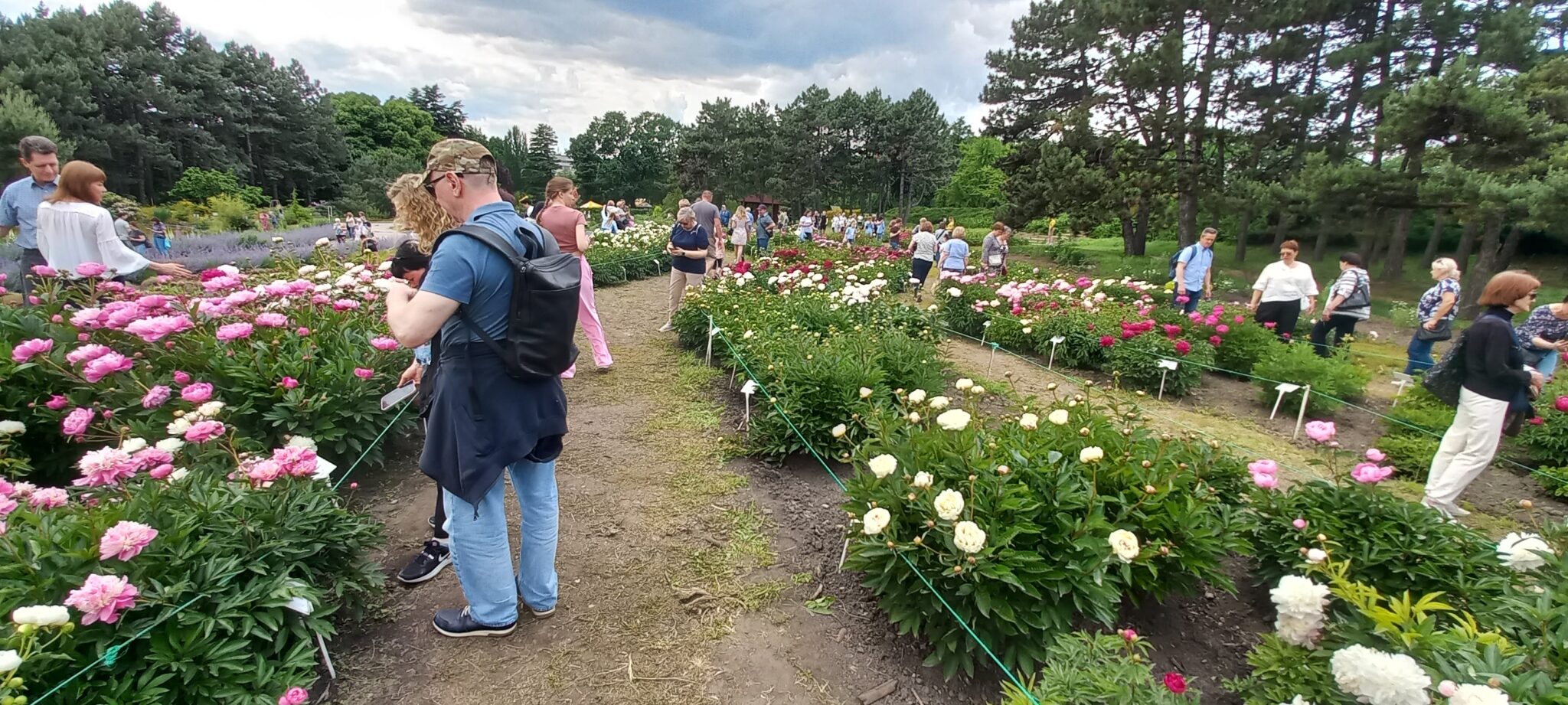
The botanical garden’s collection features 750 varieties of peonies, including both historical varieties (French classics) and the latest achievements of world breeding. They are a benchmark for breeders.
Final question. Any remarks or suggestions you may have…
The form is beautiful, convenient!!! Not knowing English, I quickly filled it out!
Endnotes:
A nice article about Mr. Gorobets can be found on the following website, it’s in Ukrainian, but any modern browser nowadays is able to translate:
Whilst there is no nursery cooperating directly with the botanic garden nor Mr. Gorobets, there is a private person specializing in his peonies, Yuliia Filon, who has (nearly) all of his plants available:
https://www.facebook.com/yuliyafilon
A list of his hybrids, supplied by Mr Gorobets, can be downloaded here.
Mr Gorobets was so generous as to send me his wonderful book about peonies (published 2023) which includes a lot of additional information about peony growing. When there is more time we are sure to write more about this. Many thanks!
Updates:
Jan 21st: Added further info about the new seedlings.
Jan 23rd: Parentage added for the remainder of the seedlings
E-mail of this person is known to the author. If you want to contact this hybridizer, we can forward your message.