Elina Vynogradska
Country:
Ukraine, Kyiv
Short biography:
I am married—my husband, Sergiy Vynogradsky, is a well-known breeder of gladioli.
We have a son, Andriy. He is 39 years old.
More information:
Peony hybridizers series
-

- Elina Vynogradska


How did you first get involved in peony hybridizing?
I became fascinated with peonies a long time ago, about 20 years ago. I was especially attracted to Japanese-form and anemone-type flowers because of their unusual beauty.
Like all florists, I wanted to create something new in the world of peonies, especially since I already had experience in the hybridization of gladioli, irises (we have two registered varieties), and daylilies.
Hybrid plants (one’s own seedlings) produce very interesting specimens across various plant species, including peonies. I was told this a long time ago by Nina Opanasivna Myroshnychenko, the famous Ukrainian breeder of gladioli, irises, and lilies.
Nowadays, there are many new peony varieties worthy of attention and applause. I cannot single out just a few. I also have many seedlings; they are diverse, and some already possess unique characteristics, but much more time is needed to ensure these traits remain stable.
What was the starting material for your hybridizing?
I first sowed peonies in the spring of 2010 from the 2009 harvest.
At that time, I had about 100 varieties in my collection from the M.M. Gryshko National Botanical Garden in Kyiv.
What are your goals in hybridizing peonies?
I was very captivated by the variety ‘The Fawn’ due to its unusual speckling. I wanted to create more varieties with this characteristic.
My goal as a breeder is for a variety to have its own unique characteristics so that it is not confused with others. It is difficult, but that is the goal.
Do you mostly depend on open pollination or do you mostly make controlled crosses?
| 100% open | 50/50 | 100% controlled |
How large is your hybridizing program?
I no longer sow seeds in the spring as I did the first time—since they only germinated in the third year—but immediately after harvesting in August, directly into prepared soil. I get about 100-200 seeds per year because not all crosses produce seeds. I have approximately 400 seedlings, with 200-250 of them currently blooming.
Do you know the American Peony Society (APS)? Are your plants registered there?
I am not a member of the APS, but I have 6 registered varieties. I am not joining the society because I won’t have the opportunity to participate in exhibitions to show my plants.
My varieties registered with the APS:
- Vesnyana Krapel (Spring Droplet), registered in 2011.
- Kolyska (Cradle) – 2021. In 2023, the APS released a summer bulletin with a photo of this variety on the cover, but at that time it was still named “Kolybelnaya.” However, following my appeal and request to the registration team, my varieties were translated into Ukrainian due to the start of Russia’s full-scale war against Ukraine; therefore, the transliteration now appears this way.
- Almazna Broshka
- Charivna Myt
- Ptashyne Moloko
- Rayskyi Patkh
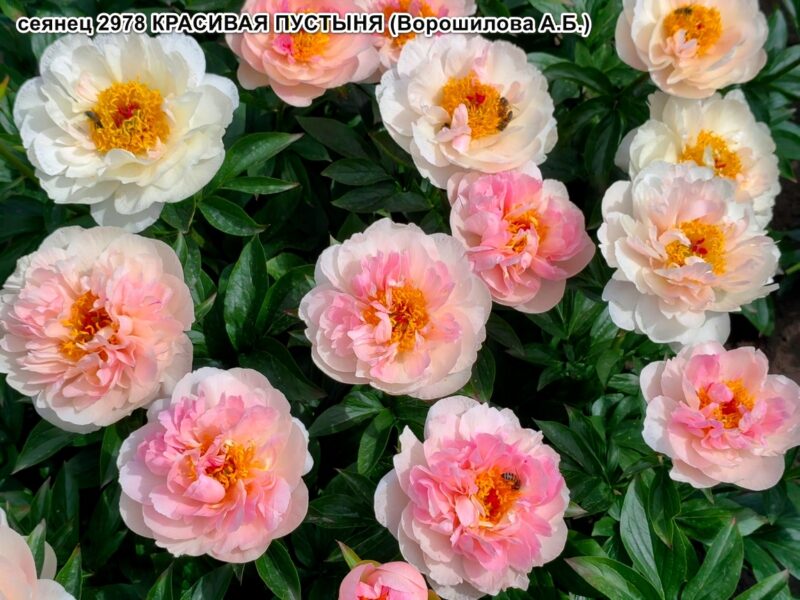
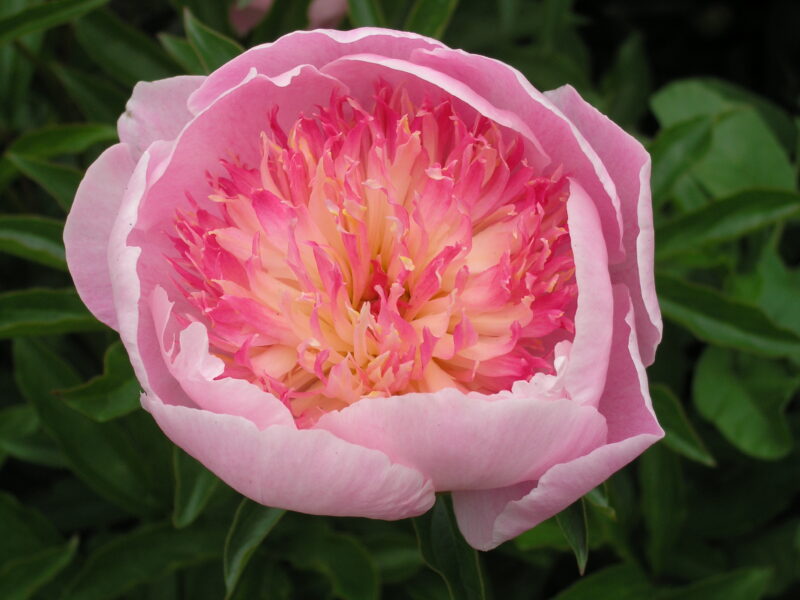
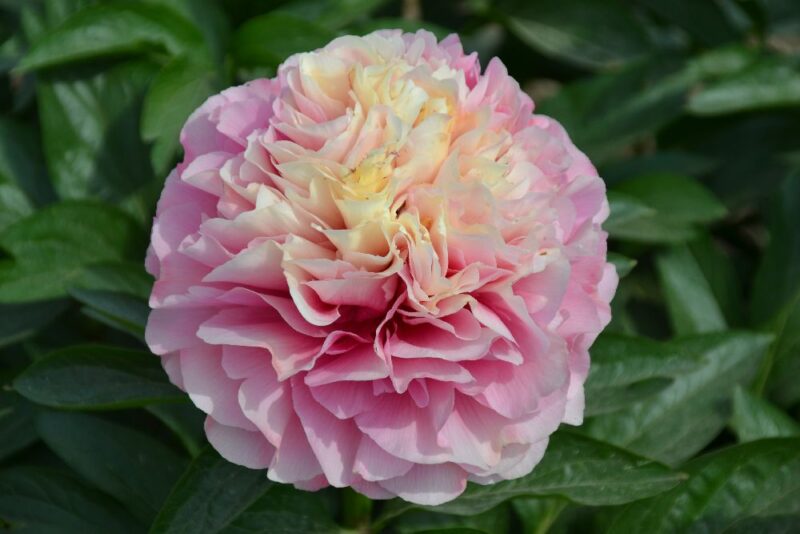
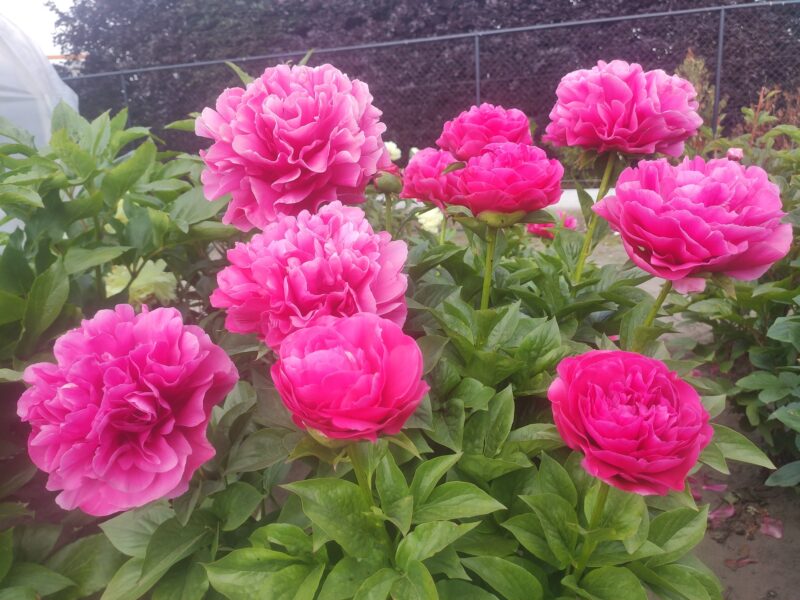
Can you describe a few of your plants that you consider the best or most beautiful and which are available now?


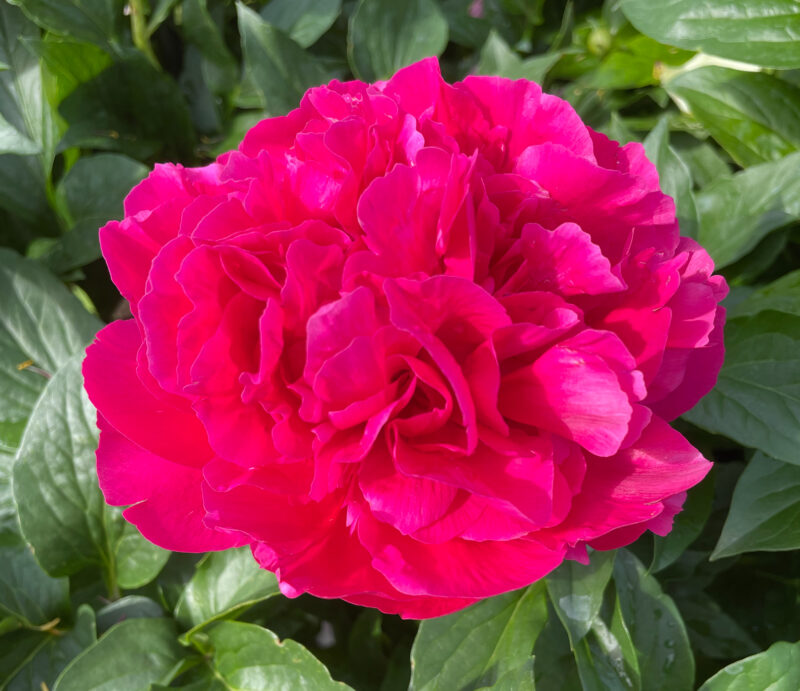
Чарівна Мить – Charivna Myt

-

- РАЙСЬКИЙ ПТАХ – RAYSKYI PTAKH

-

- РАЙСЬКИЙ ПТАХ – RAYSKYI PTAKH

РАЙСЬКИЙ ПТАХ – Rayskyi Ptakh
-
- Letnyi Kapriz

Letnyi Kapriz
-

- Zoriane Siaivo

Zoriane Siaivo


Within your current seedlings, what are the most promising ones?


Are you in contact or working together with other peony hybridizers?
Final question. Any remarks or suggestions you may have…
E-mail of this person is known to the author. If you want to contact this hybridizer, we can forward your message.