Max & Stephan Tetzlaff
Country:
Germany, Nordrhein-Westfalen, Grevenbroich (close to Düsseldorf and Köln)
Short biography:
Stephan Tetzlaff (founder of the nursery Pfingstrosen-Paradies): 62 years old, married to his wife Cordula, 2 sons (Max and Leo)
Max Tetzlaff: 30 years old (officially joined the company in 2022)
My father, Stephan and me (Max) are both fulltime peony enthusiasts and can call our hobby and passion our everyday business. We both have experience in other areas of horticulture and have a university degree in horticultural production.
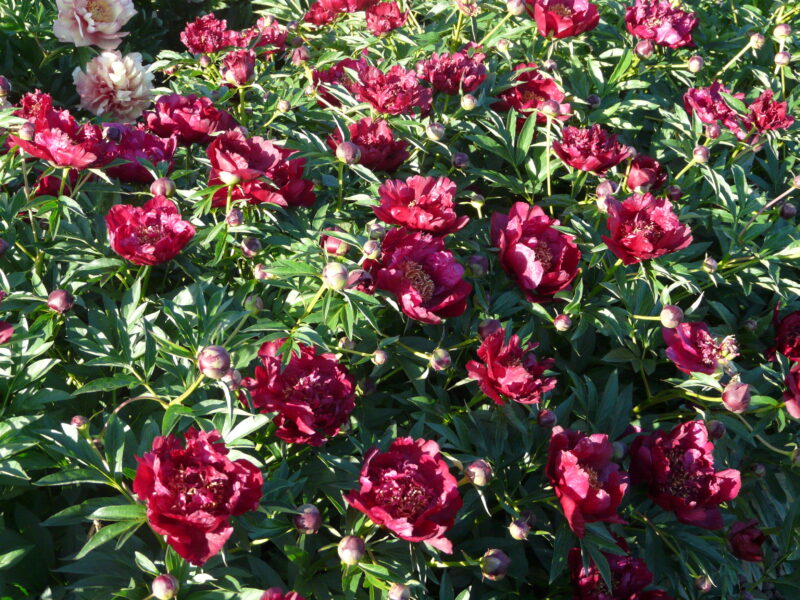
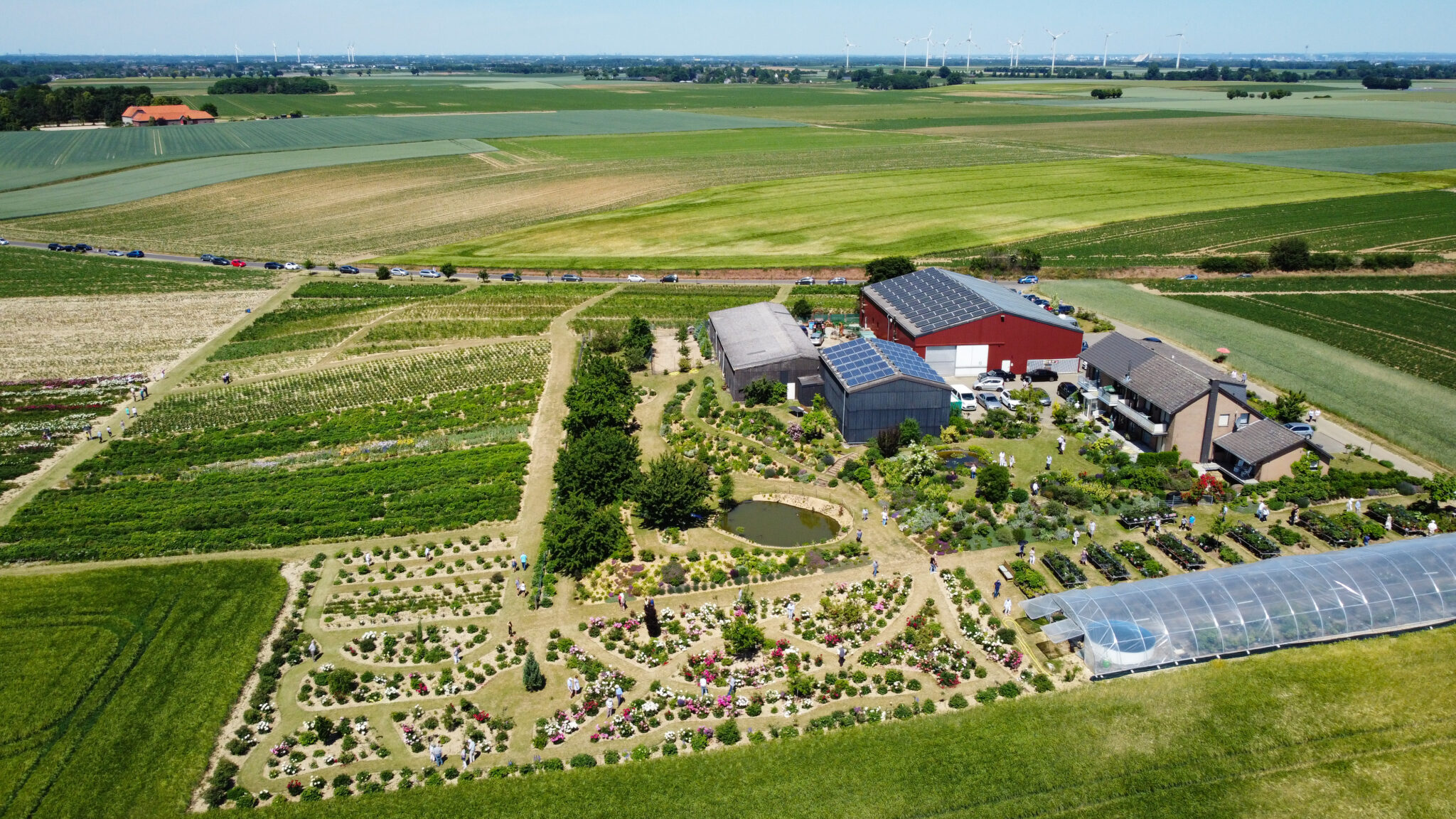
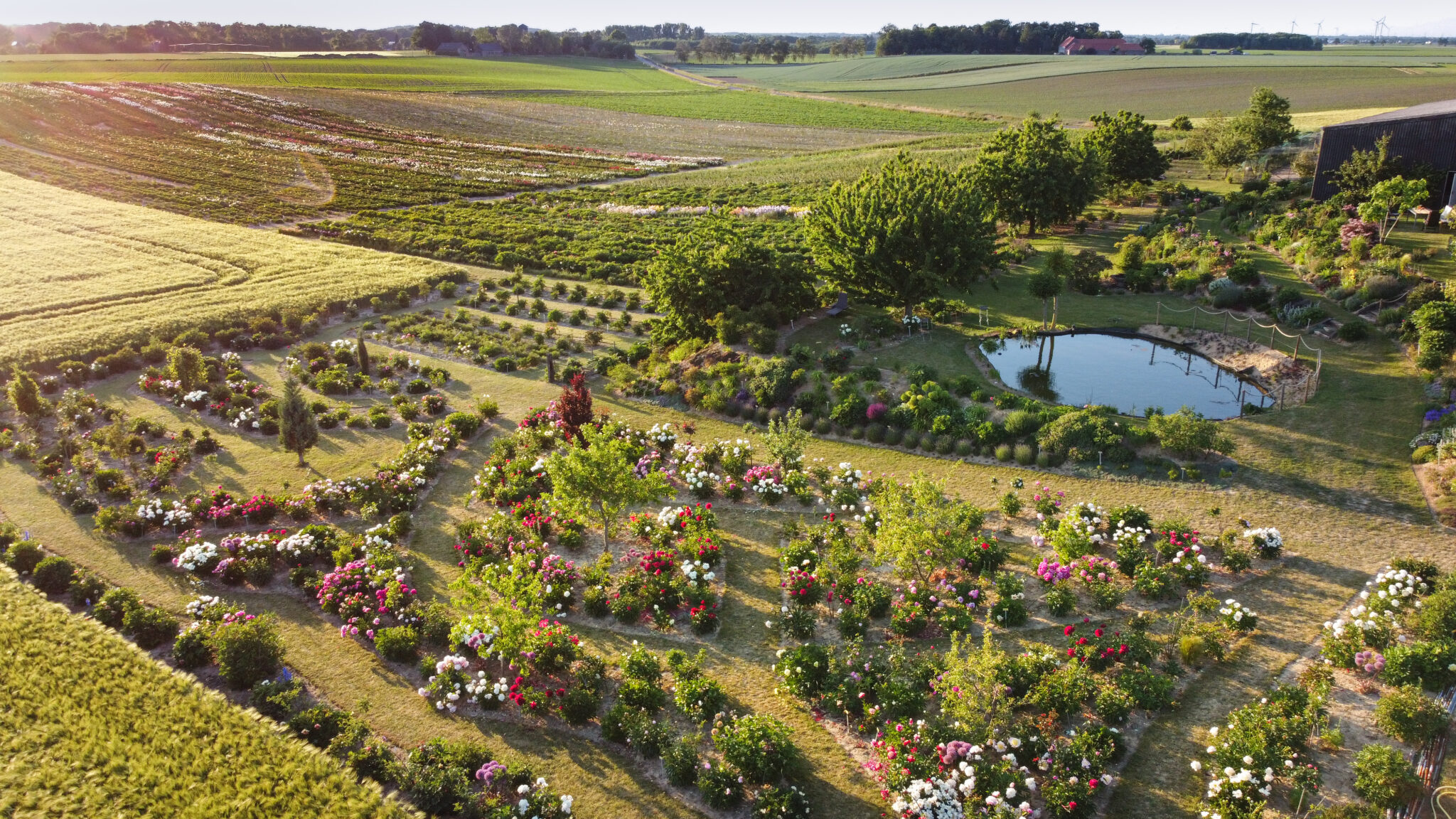
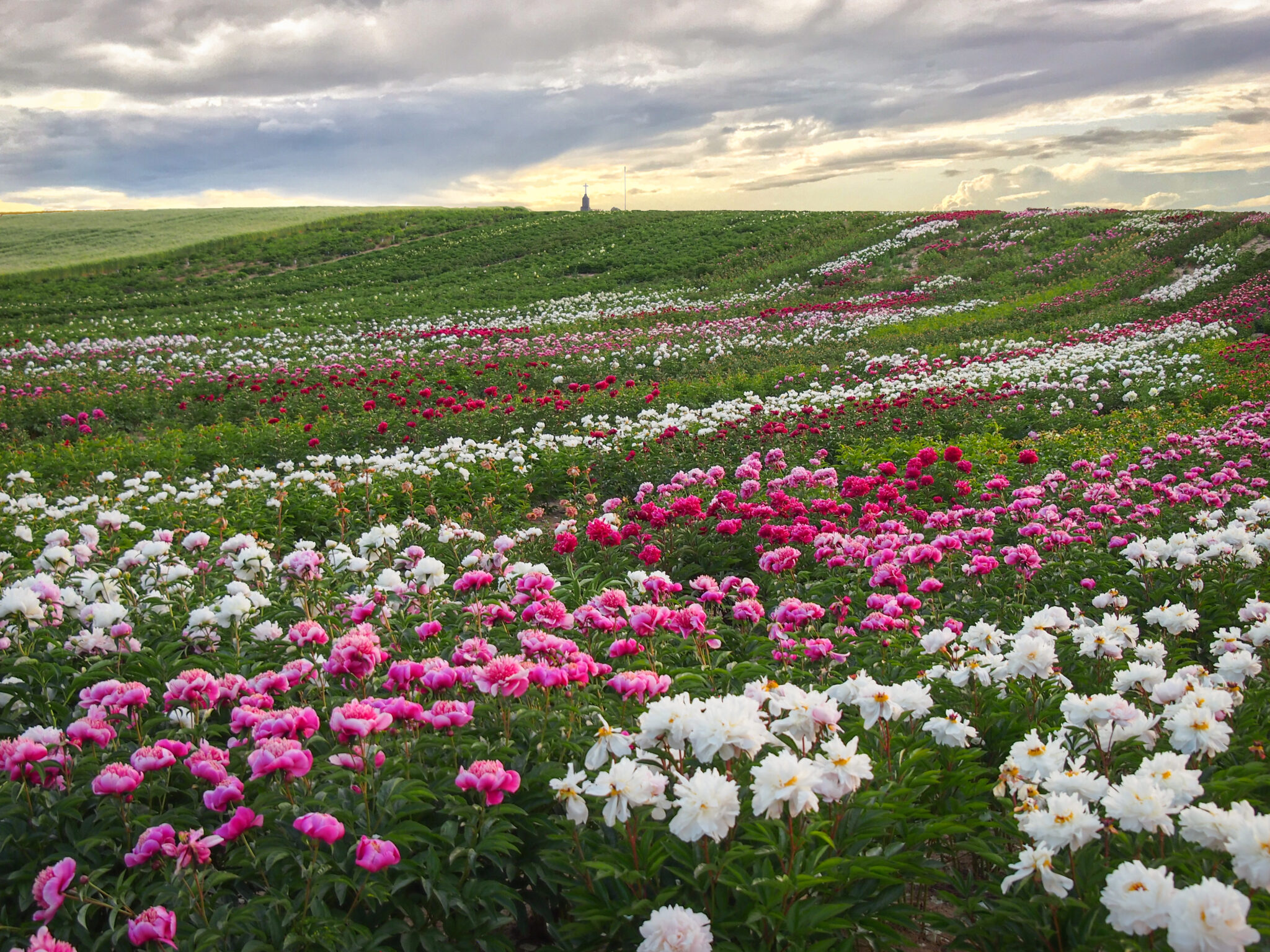
Stephan started with peonies at an early age when he leased a small field in his hometown Düsseldorf, close to the Rhine. Next to fruits, vegetables and other flowers, the peony cut flower acreage grew continually. Our nursery (Pfingstrosen-Paradies) was founded by Stephan in the 90s when his hobby became a profession. In 2002, my parents Stephan and Cordula fulfilled their dream and acquired their own nursery with a house and land in Korschenbroich, Germany. In 2014, when I decided to become a nurseryman myself, we took a chance to start anew and moved our entire business, including all plants, to our current home in Grevenbroich. Today, we grow peonies for cut flowers, root production, potted plants and breeding on about 3 hectares (7.5 acres), with over 1,000 varieties in our show garden. Our gardens are open to the public from May to June.
More information:
https://pfingstrosen-paradies.de/
Peony hybridizers series
-
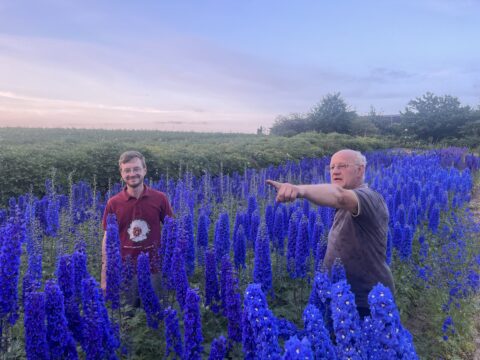
- Max Tetzlaff & Stephan Tetzlaff
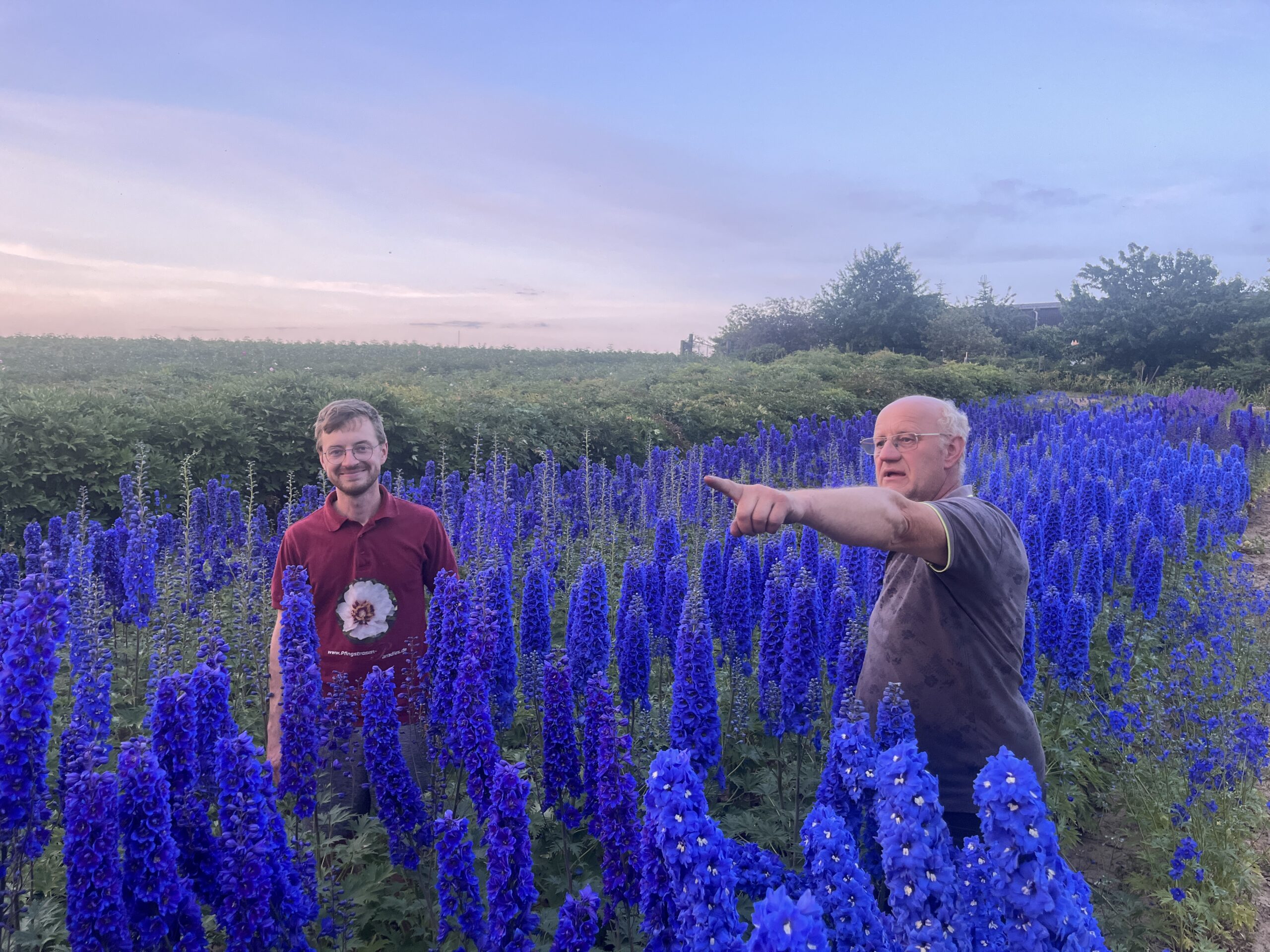
-
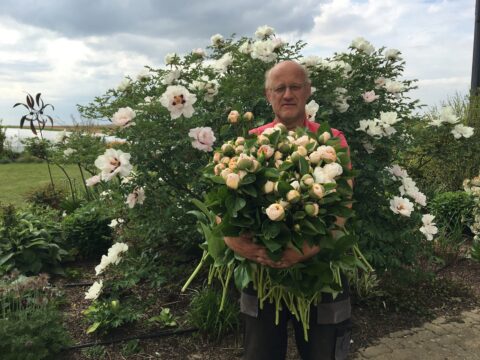
- Stephan Tetzlaff
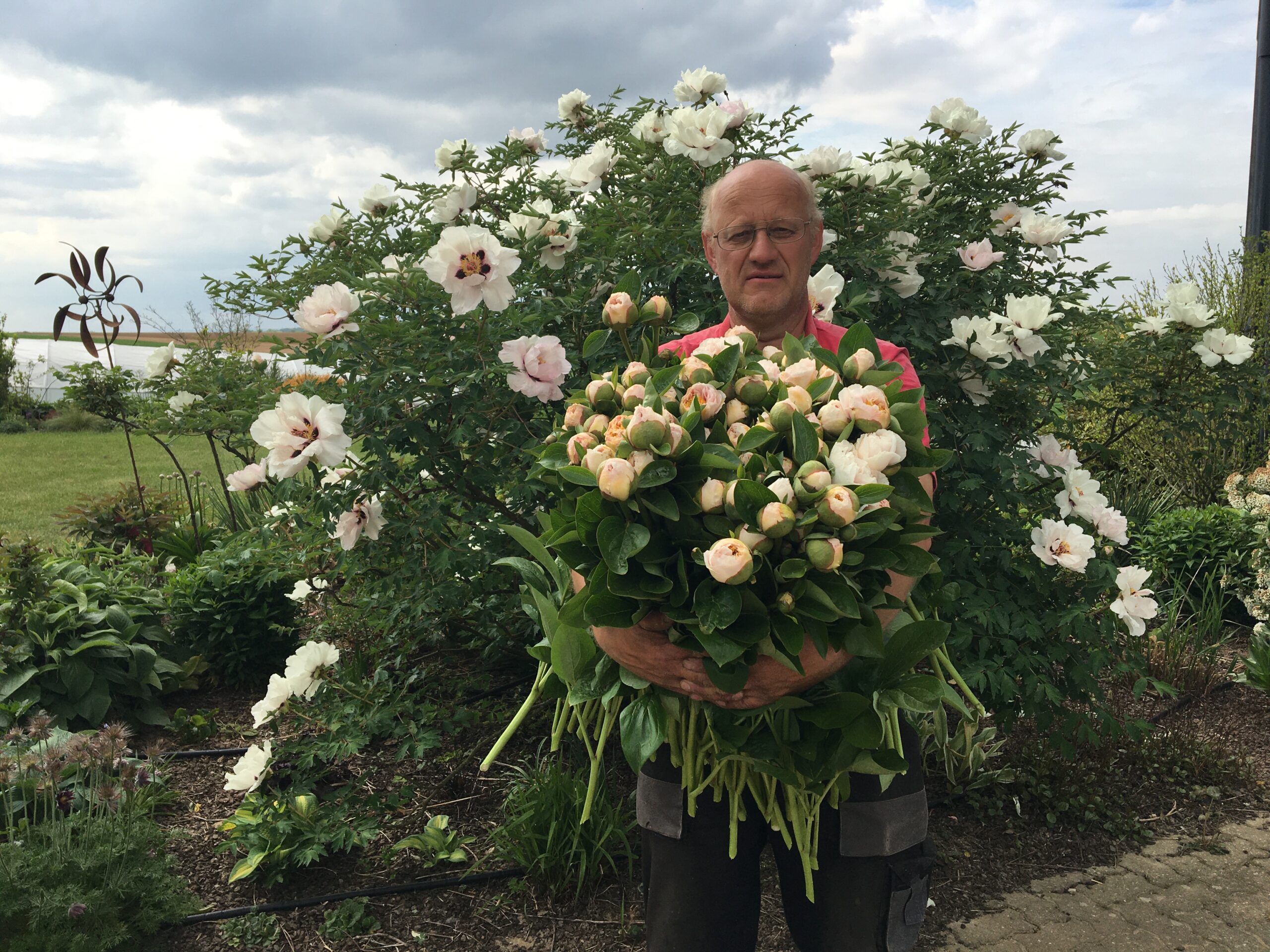
Max & Stephan Tetzlaff
How did you first get involved in peony hybridizing?
Because time is always a limiting factor during a short peony season we mainly started with breeding when I joined my father to help in the nursery. When Stephan was running it alone there were always a few chance seedlings too, but the focus was on cut flowers and propagating existing varieties.
What was the starting material for your hybridizing?
My father Stephan started collecting peonies in the early 90s. In addition to varieties from German and other European nurseries, he received new plants after several trips to the US, where he visited breeders such as Anderson, Klehm, Bremer, Seidl and Tolomeo. With about 300 woody / tree peony varieties, 80 Itoh and over 600 herbaceous varieties, from all over the world, we have a large gene pool, which we can now use for our breeding goals.
What are your goals in hybridizing peonies?
We work on Lutea-Hybrids, herbaceous hybrids, Itohs and (reverse) intersectional backcrosses. The goal is primarily to create healthy, vigorous and sturdy varieties for the garden and also cut flower use. We very much like fully double plants which can be grown without mechanical support.
Do you mostly depend on open pollination or do you mostly make controlled crosses?
| 100% open | 50/50 | 100% controlled |
How large is your hybridizing program?
We do a few thousand controlled pollinations every season. Of these, many are challenging crosses with varieties of very limited fertility like Itohs or less fertile P. lutea hybrids. Every year we put a few hundred seeds in the ground. Our pollination work takes place mostly during evenings, after our opening hours, when all our cut flowers have been harvested for the day, so again, time is limited unfortunately.
Do you have any plants in the market?
We sell our plants throughout Europe via our webshop and also provide a lot of information about them on our site or social media. We do not commercially ship overseas, but do exchange plants with breeders in the US as well.
Do you know the American Peony Society (APS)? Are your plants registered there?
Yes, we did register some of our own plants with the APS, and also some plants we received from other breeders like Roger Anderson (e.g. Amarillo Star) or Hermann Krupke (e.g. Swedish Pastel).
Can you describe a few of your plants that you consider the best or most beautiful and which are available now?
We have not yet brought many of our own seedlings to market, as we ensure all seedlings undergo extensive testing before we decide to propagate them.
-

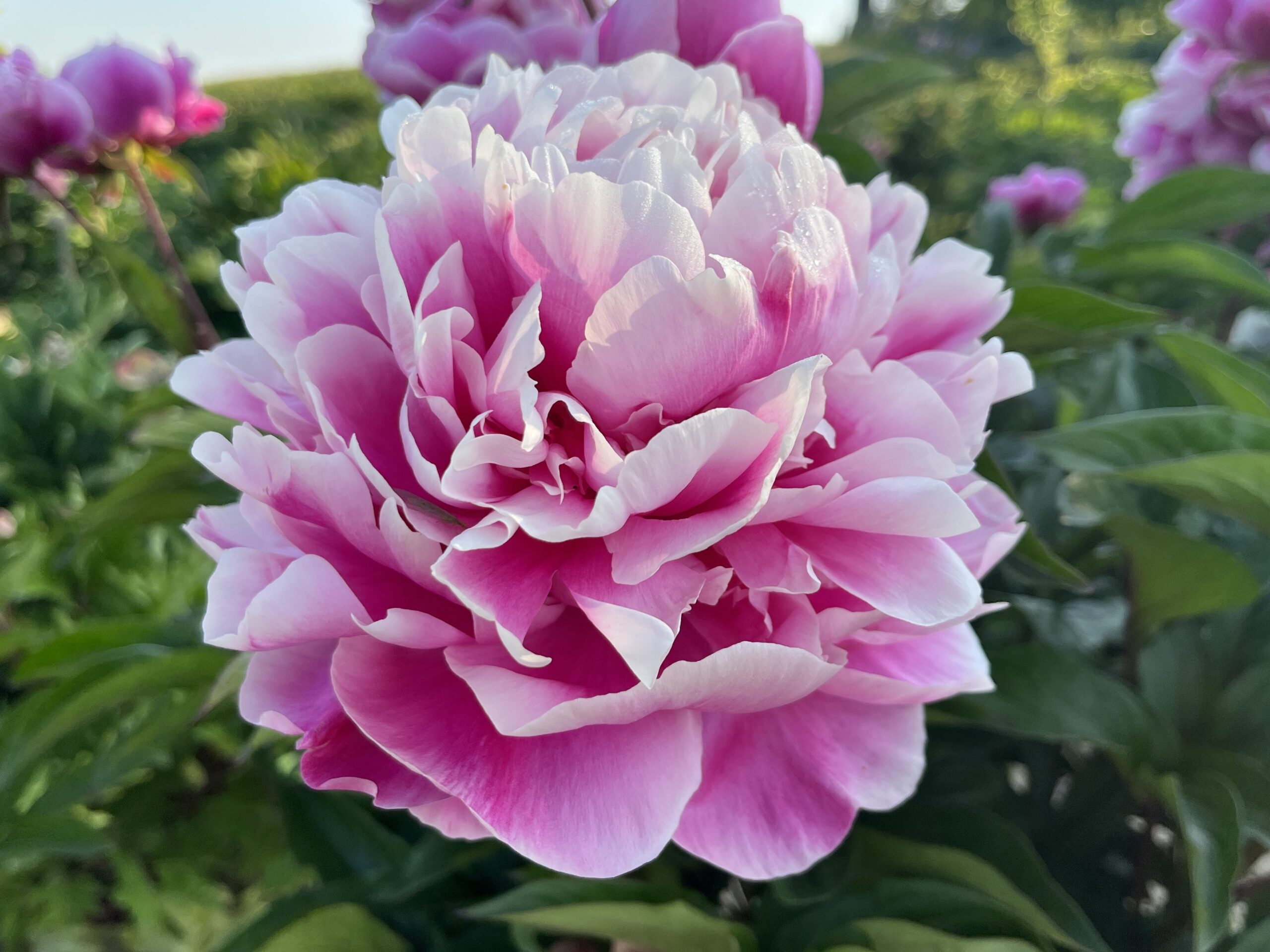
- James E. Behrens (Tetzlaff, 2026)
-
- James E. Behrens (Tetzlaff, 2026)
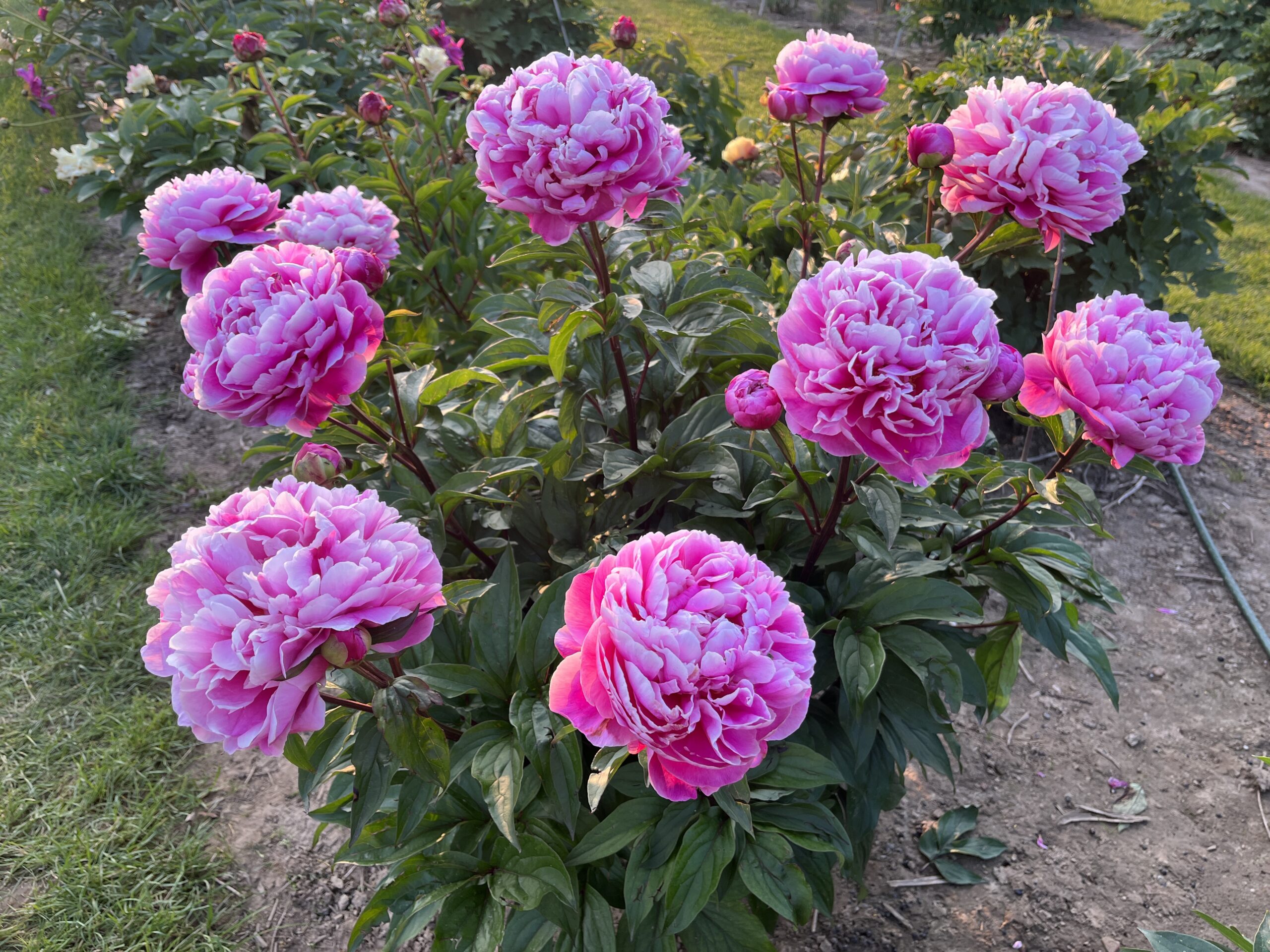
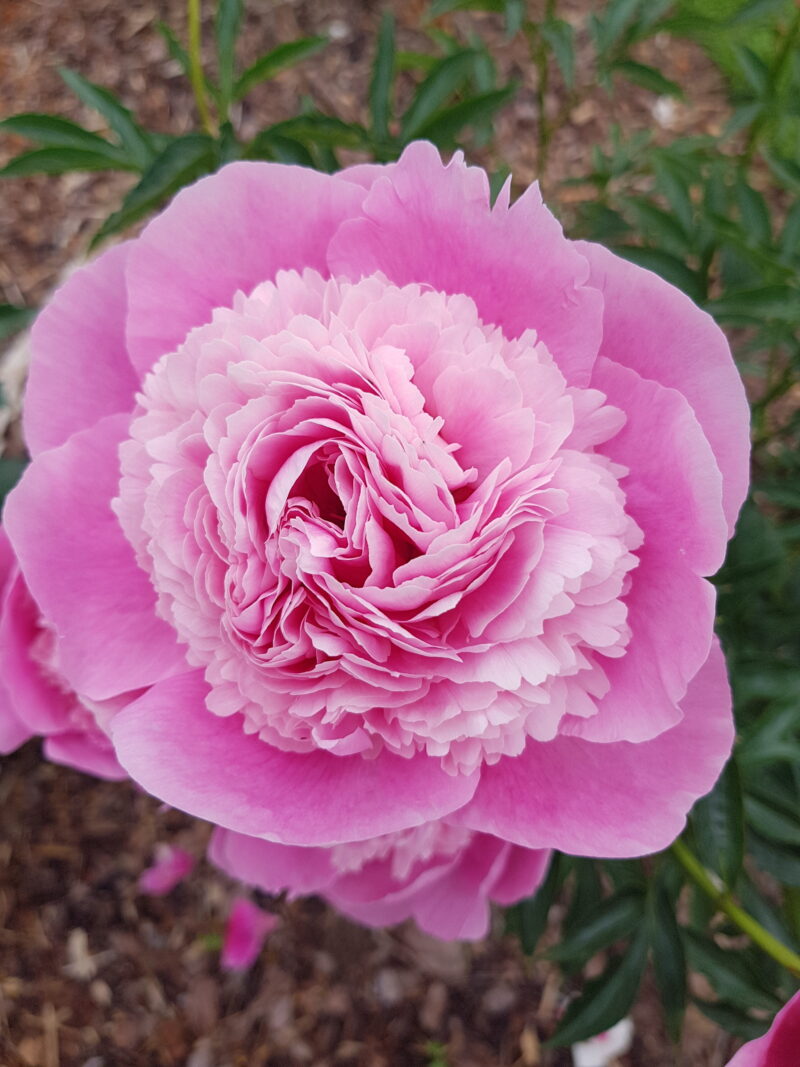
James E. Behrens (Tetzlaff, 2026). Our most recent introduction is James E. Behrens (APS registration already submitted), a beautiful lactiflora seedling from ‘Orlando Roberts’ with a strong pink and interesting silvery overlay towards the edges.
-
- Lucky Luke (Tetzlaff)
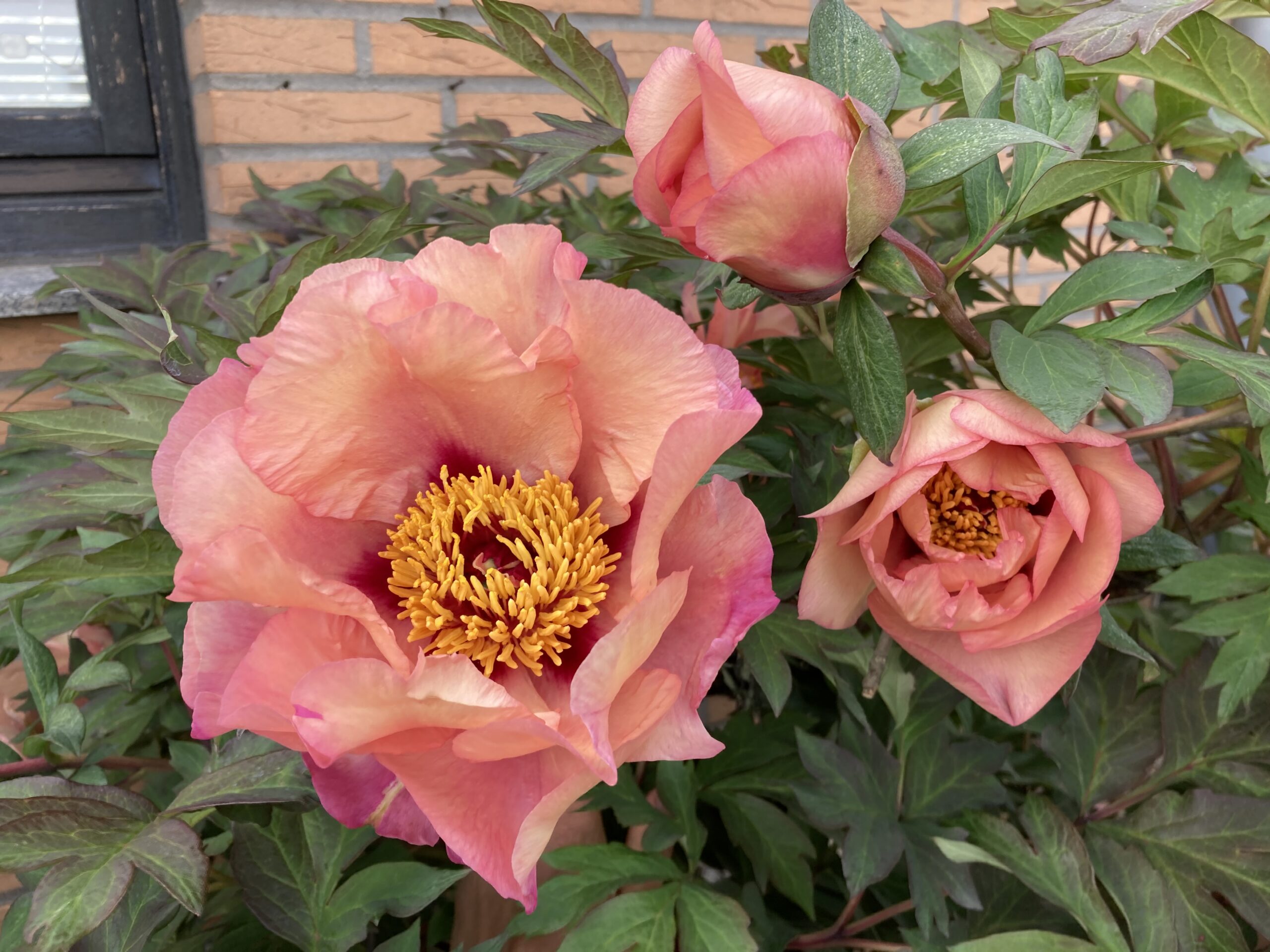
Lucky Luke (Tetzlaff). A Lutea seedling derived from seeds harvested from Bernard Chow’s Australian Luteas, with a striking apricot, pink and orange color.
-
- Razvan Rosu (Tetzlaff)
-
- Razvan Rosu (Tetzlaff)
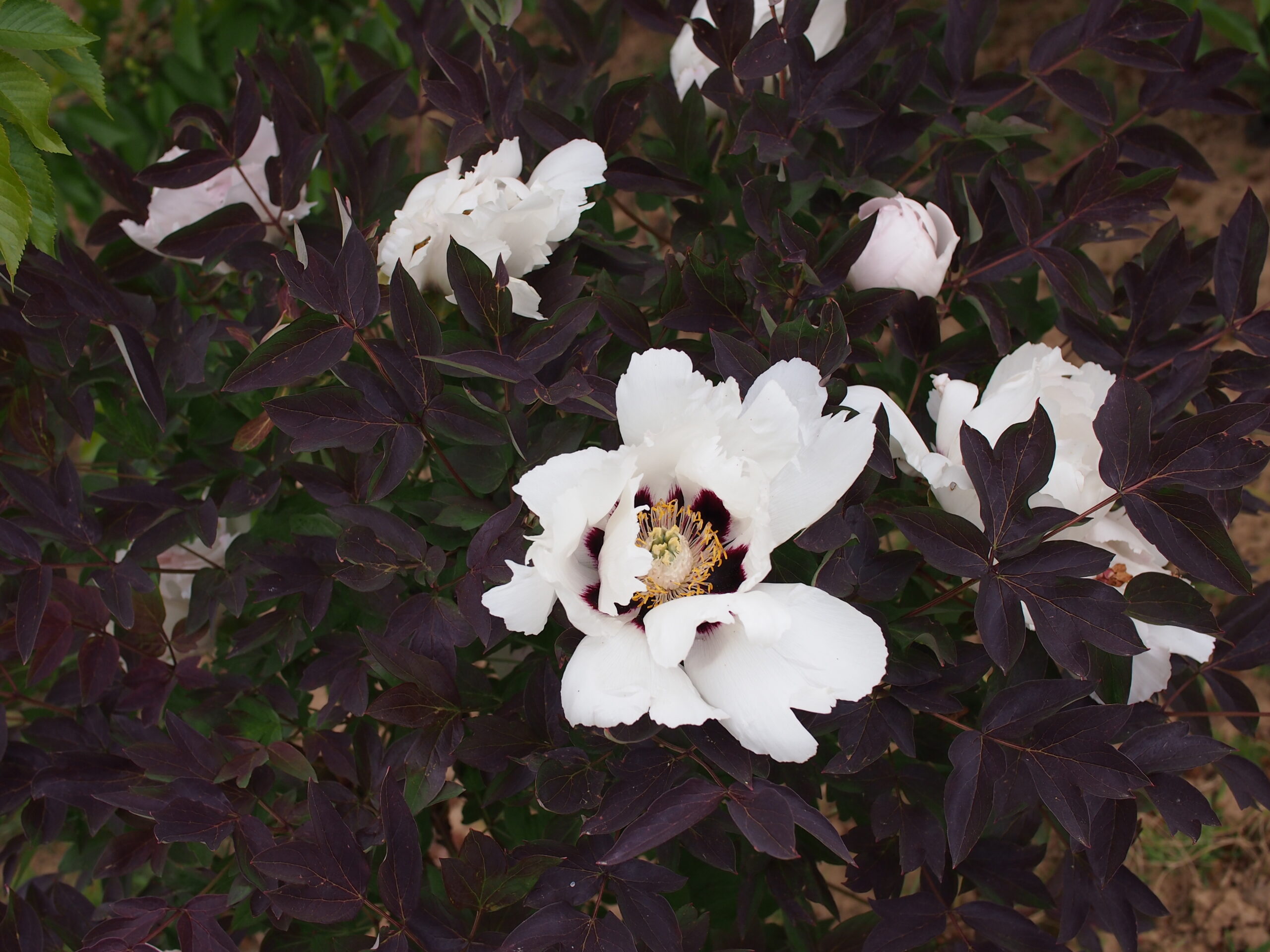
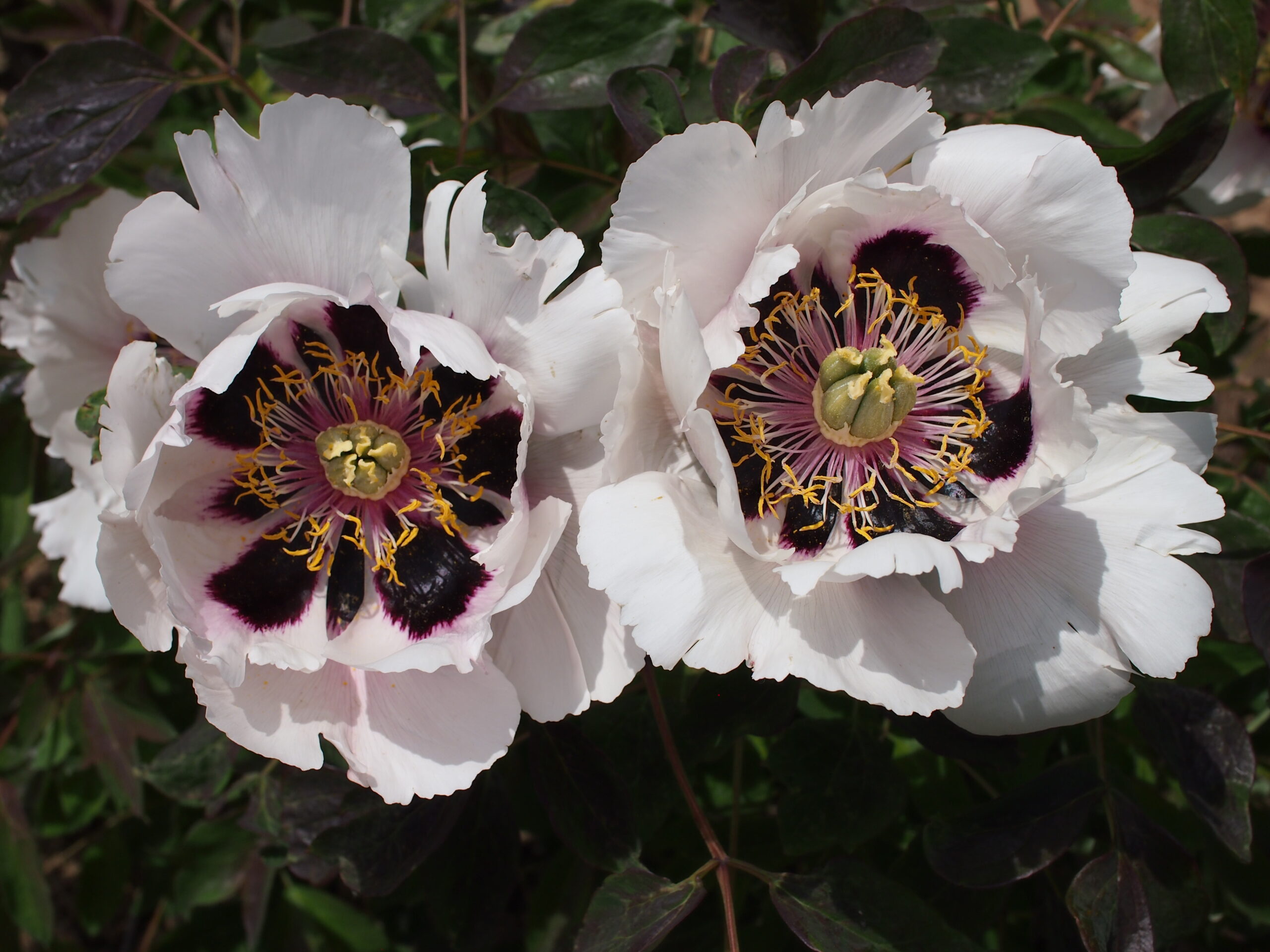
Razvan Rosu (Tetzlaff). P. rockii group seedling, parentage unknown, named in honor of our former employee. This variety has extremely dark foliage throughout the flower season, which contrasts beautifully with its symmetrical, single white flowers.
-
- CoDo (Tetzlaff, 2023)
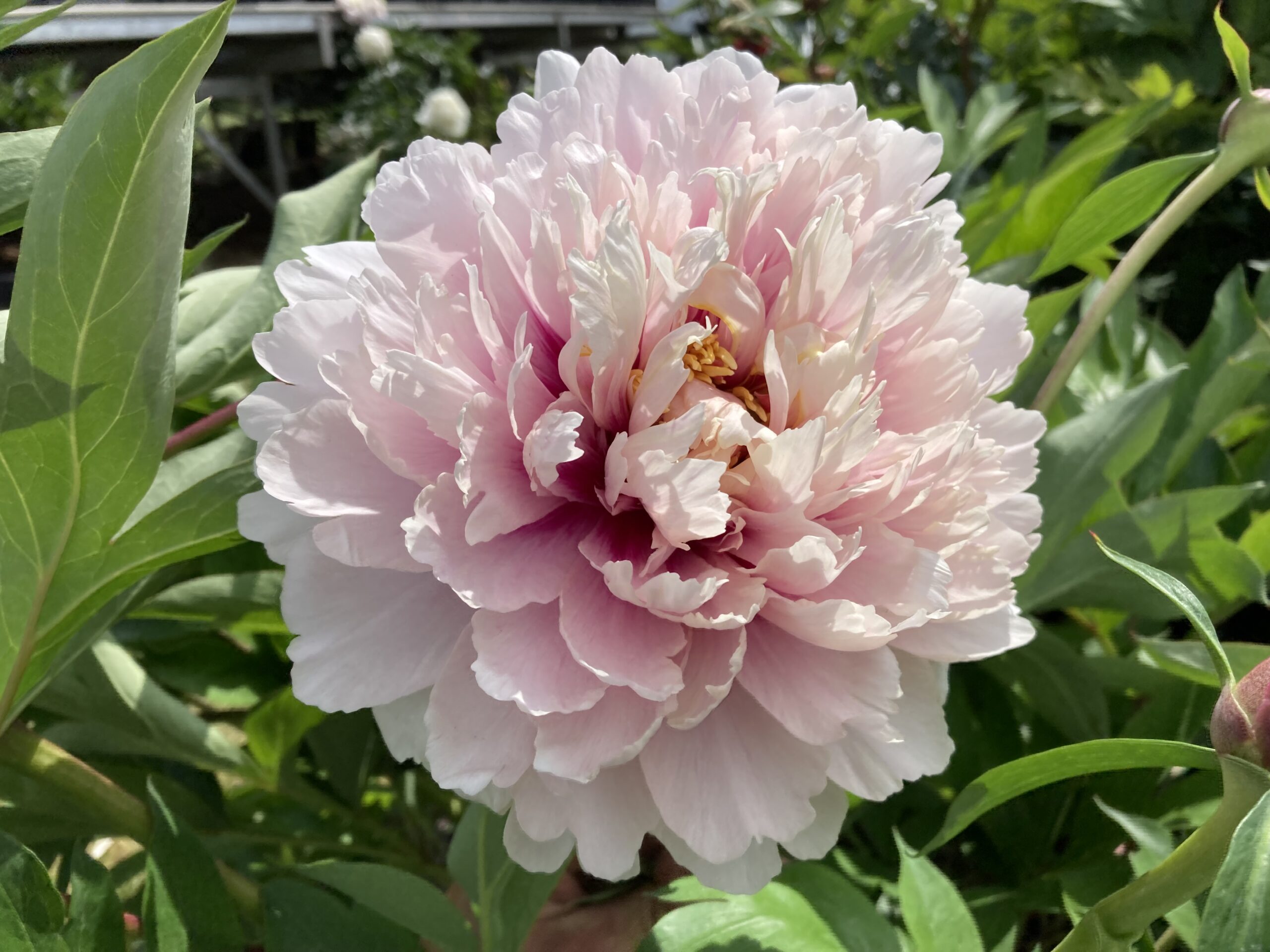
CoDo (Tetzlaff, 2023). An example showing that breeding is not only about pollination and seedlings. This mutation occurred in our lot of Irene Tolomeo’s variety ‘Sonoma Yedo’ and has proven to be a great double pink Itoh.
-
- Düsseldorf Helau (Tetzlaff)
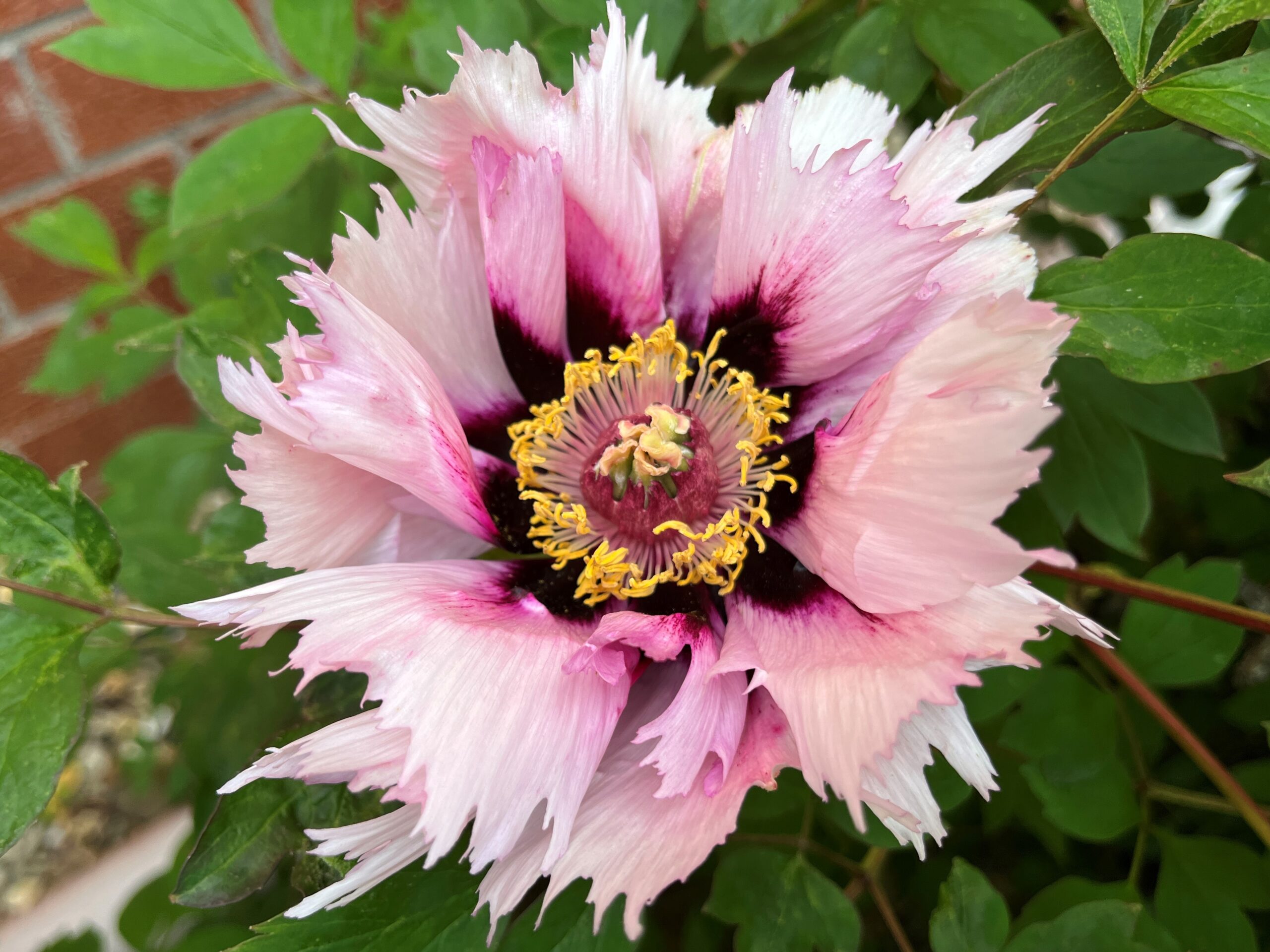
Düsseldorf Helau (Tetzlaff). P. rockii group seedling, parentage unknown, very vigorous with deeply fringed flowers.
Within your current seedlings, what are the most promising ones?
These seedlings don’t have names yet, and not many pictures of them have been taken.
-
- Nameless Apricot Seedling (Tetzlaff)
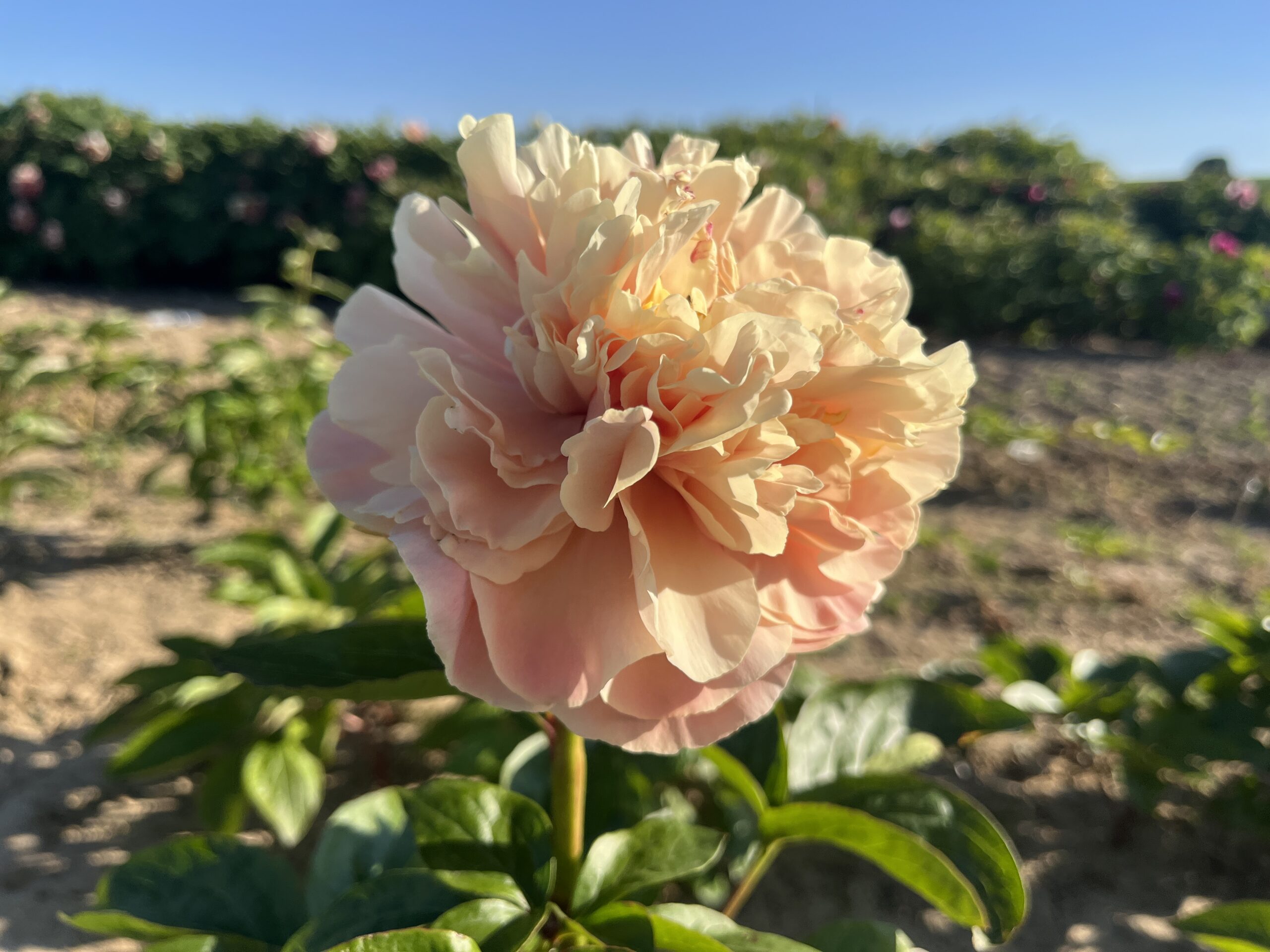
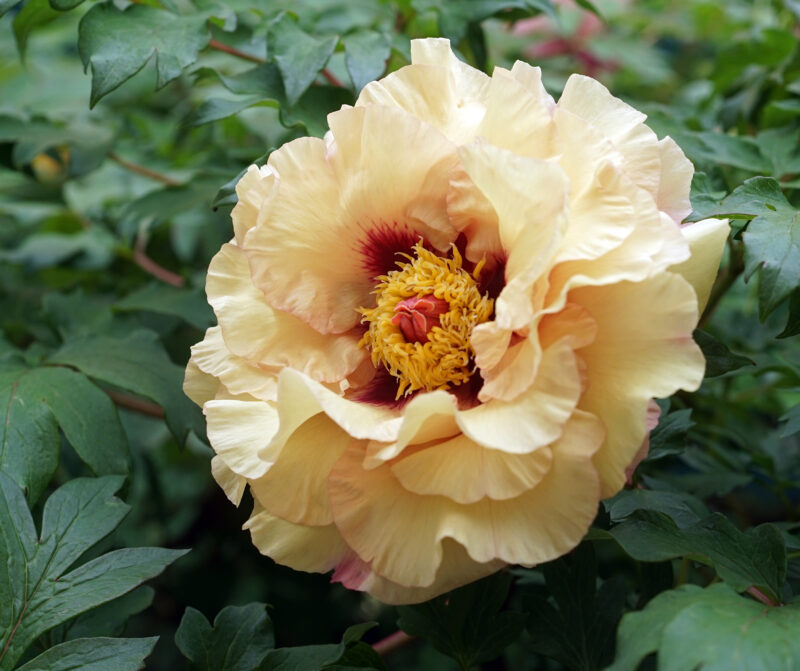
Nameless Apricot Seedling (Tetzlaff). Amarillo Star x open pollination. Our unnamed apricot seedling is our most promising one, since the flowers were huge and it has very sturdy stems from the first bloom on.
-
- Seedling from Blushing Princess x Dycker Flamingo (Tetzlaff)
-
- Seedling from Blushing Princess x Dycker Flamingo (Tetzlaff)
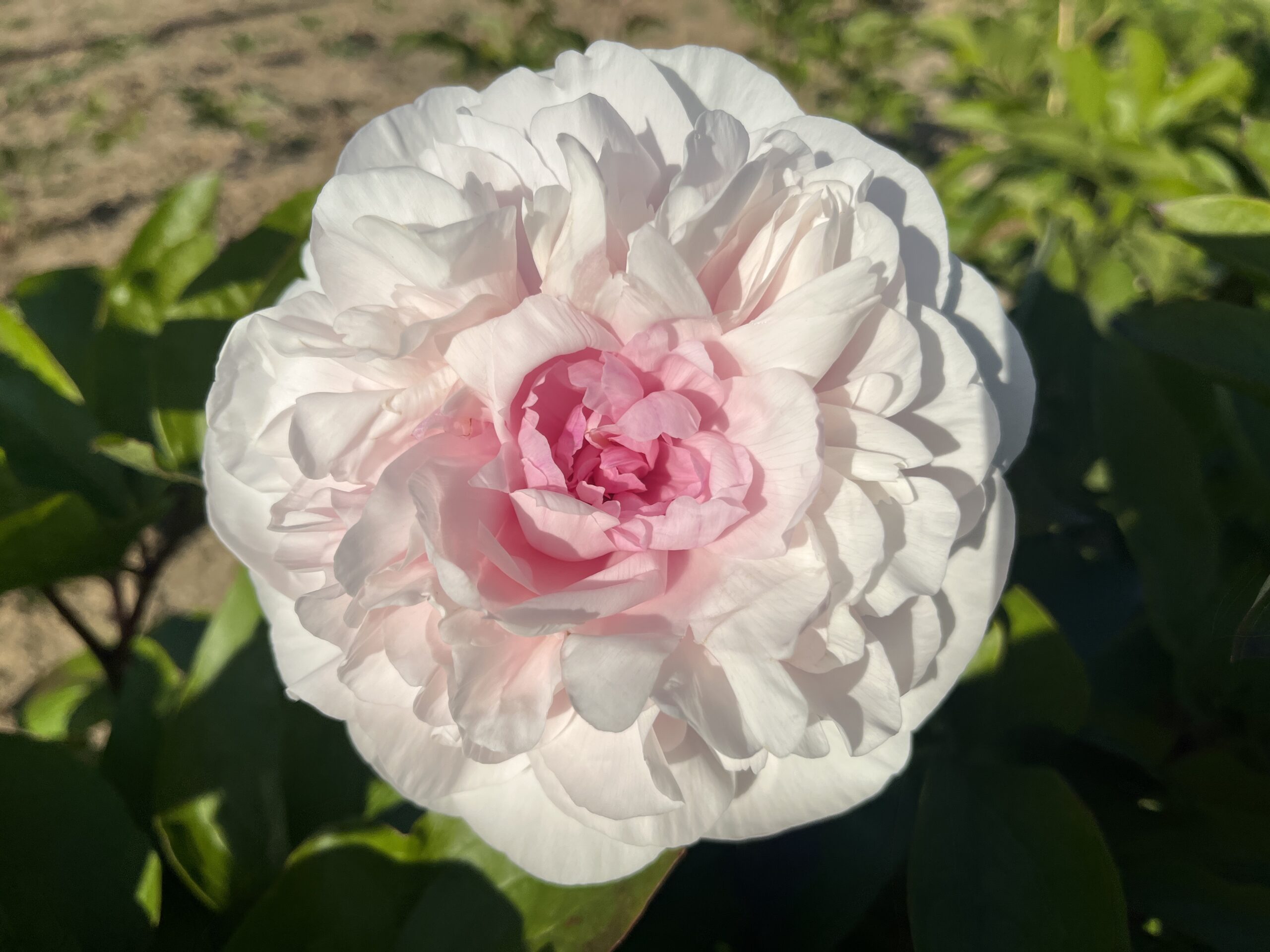
-
- Seedling from Blushing Princess x Dycker Flamingo (Tetzlaff)
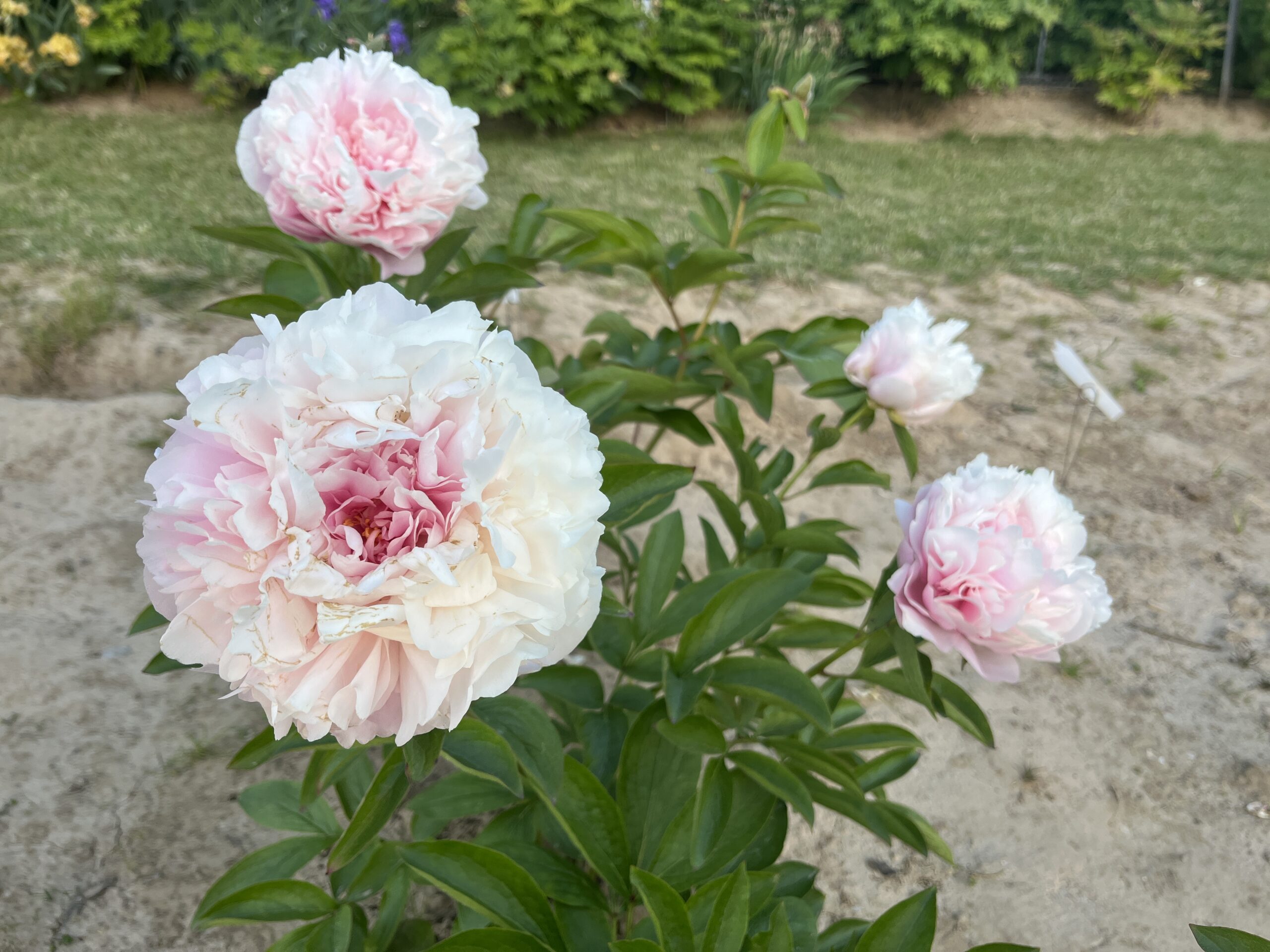
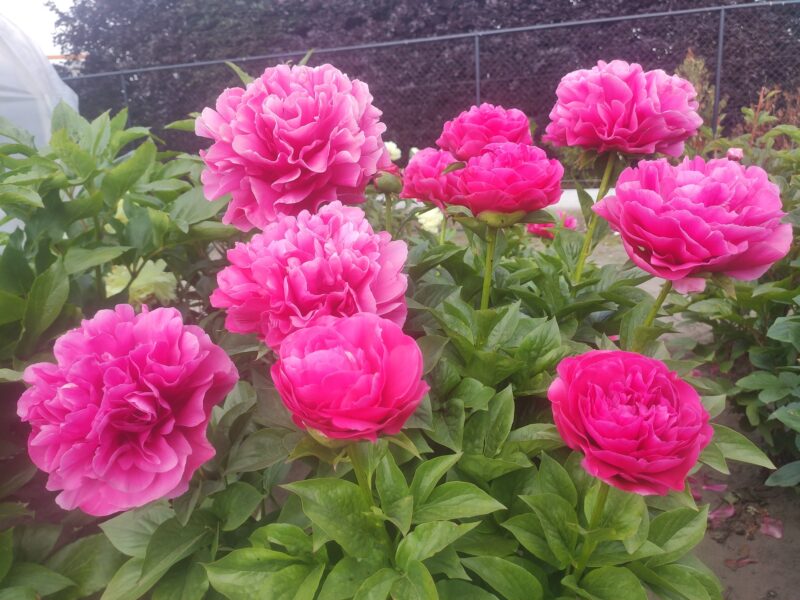
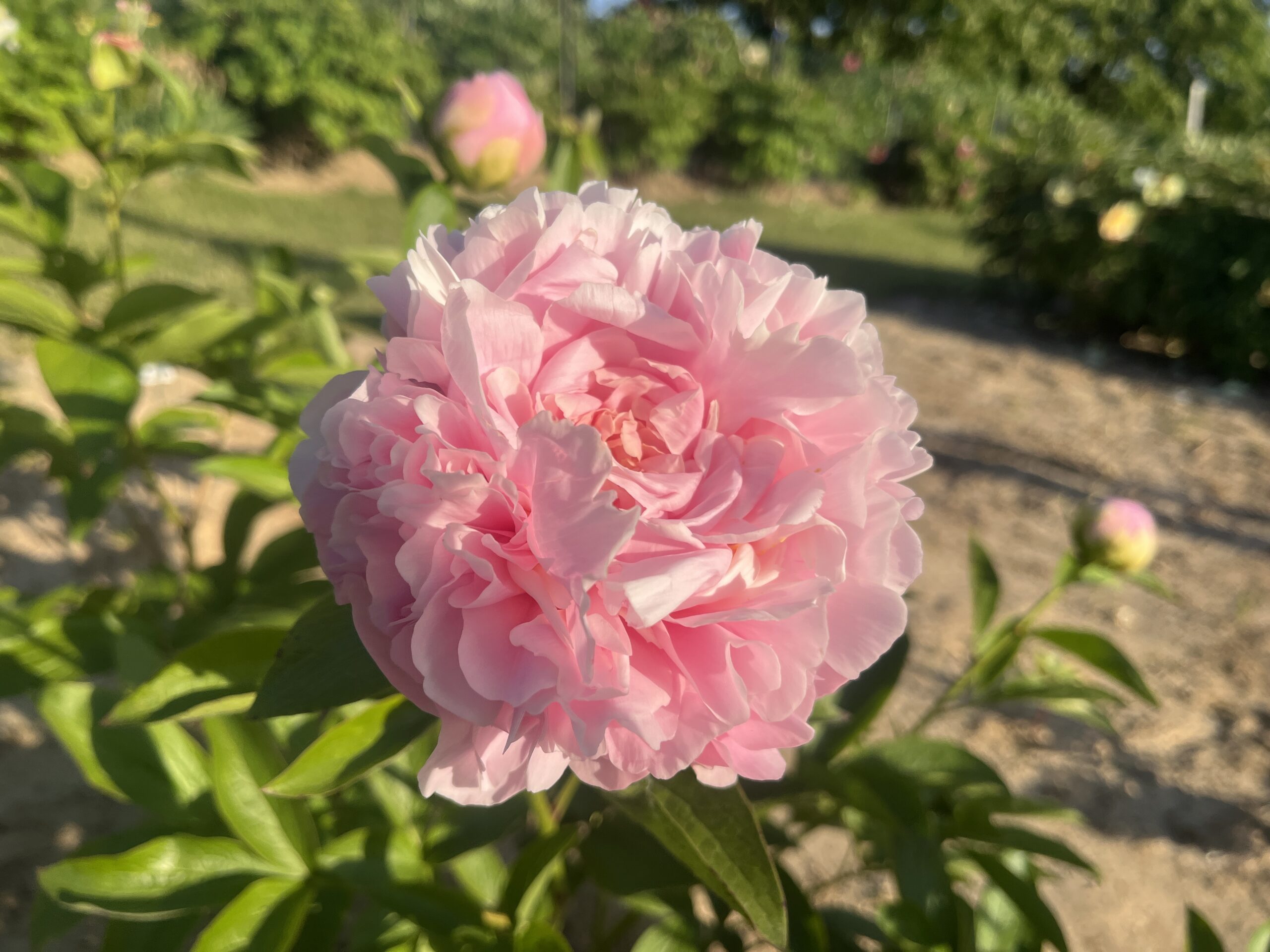
Seedling from Blushing Princess x Dycker Flamingo (Tetzlaff). We do have some interesting seedlings from Blushing Princess. These pictures of Blushing Princess x Dycker Flamingo show the same plant in different stages. Early, full-double, opening in a clear pink, later fading blush. (Dycker Flamingo is an unregistered semi-double pink herbaceous hybrid)
Are you in contact or working together with other peony hybridizers?
We are in contact and exchange with many breeders and peony enthusiasts, not only in Europe but also other parts of the world. We believe that the exchange of knowledge and plants is invaluable for advancing progress in breeding.
Do you have unregistered plants that are not good enough to introduce but have something ‘special’?
Yes, there are always plants where the decision is very hard whether to keep them or not. Sometimes almost everything can be “perfect” but a hanging flower for example will always be reason for not introducing it. In the hope that certain characteristics will have a different effect in the next generation, it may well make sense to use such plants in further breeding.
Would you like to exchange such ‘hybridizers plants’ with other hybridizers?
We are already exchanging plants and pollen with other breeders, because that is what progress depends on.
Name a few peony varieties from other hybridizers which you especially like?
It is hard to pick favorites. Among my favorites (also for breeding) are:
Blushing Princess
Golden Anniversary
Katrin
New Millennium
Normalin
Old Faithful
Origin of Serenity
Pastelegance
Rosalind Elsie Franklin
Queen Titania
Soshi
Spellbound
Final question. Any remarks or suggestions you may have…
Koen, we thank you for your diligent work in creating such a modern platform for the international exchange of knowledge and interest in the world of peonies!
Best regards,
Stephan and Max
Updates:
Jan 5th: Additional image added of Razvan Rosu, showing the dark foliage better. Cultivar name Flamingo updated to Dycker Flamingo. Parentage added for the new apricot seedling.
E-mail of this person is known to the author. If you want to contact this hybridizer, we can forward your message.