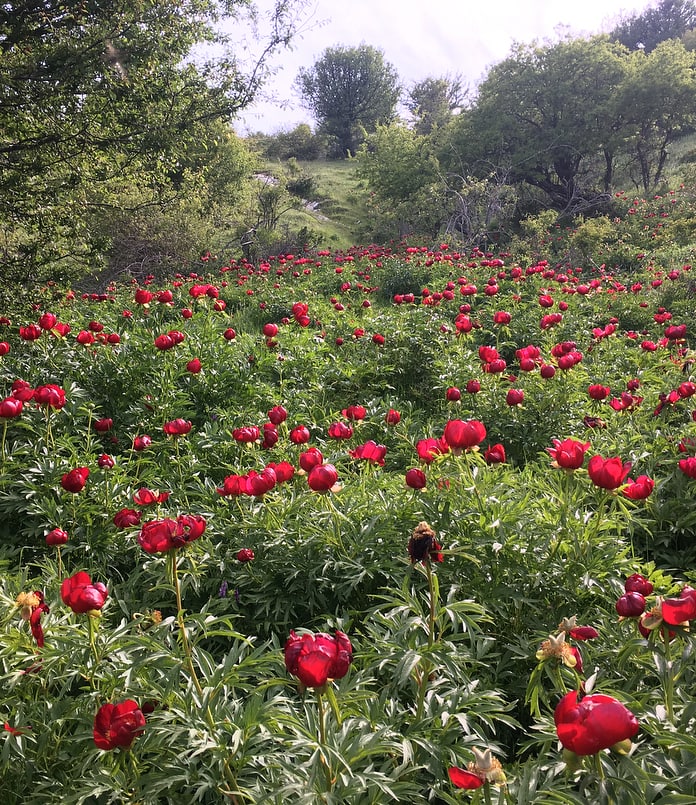
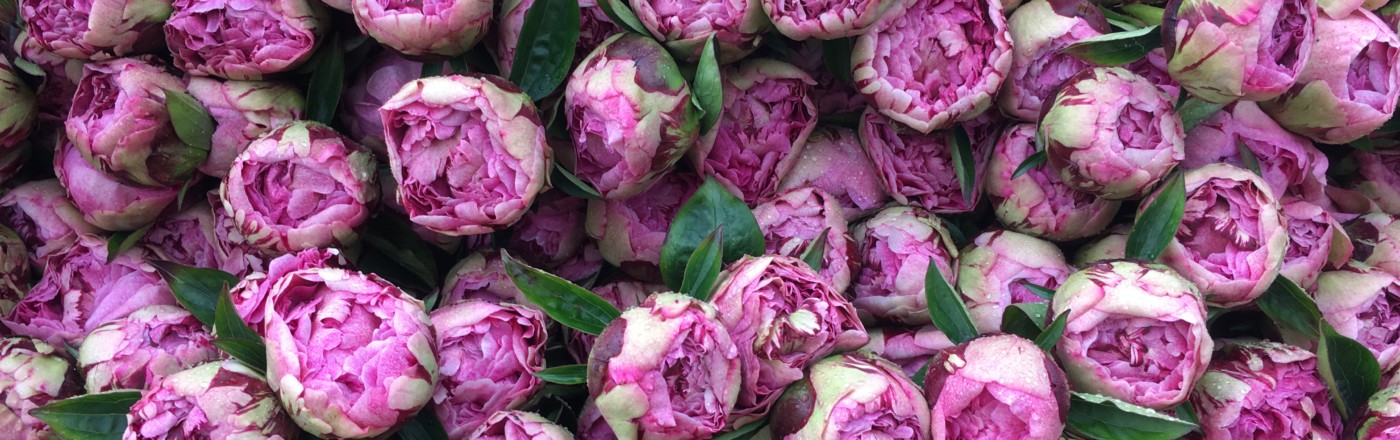
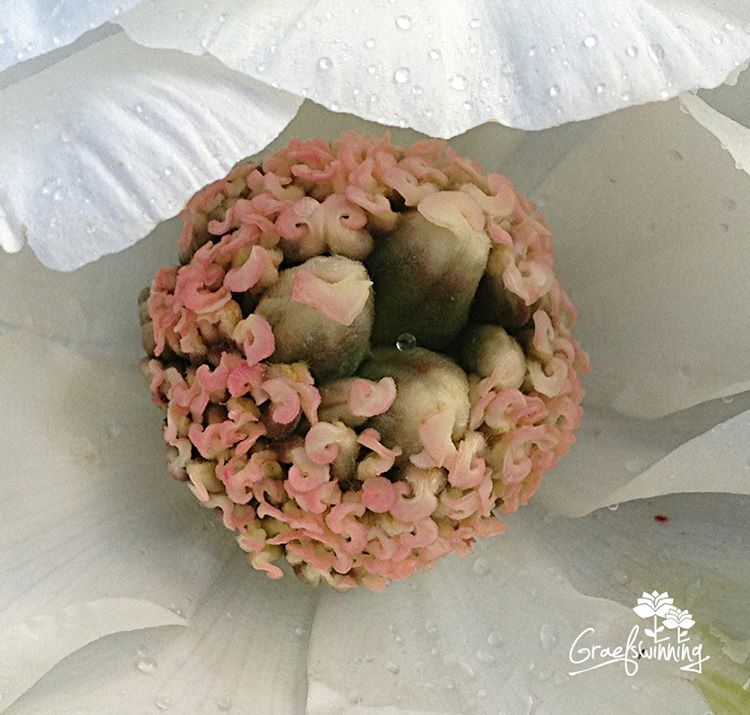
Domestication and Breeding of Peonies of Turkey
Source: Kaya, E. “Türkiye Şakayıklarının (Paeonia spp.) Kültüre Alınması ve Islahı.” In: SÖĞÜT Z.; AYDIN A. & M. HOCAGİL. “IV. SÜS BİTKİLERİ KONGRESİ BİLDİRİLER, 22-24 Ekim 2010, Erdemli-Mersin.” Alata Bahçe Kültürleri Araştırma Enstitüsü, Erdemli-Mersin, 2010. pp. 226-238.
Erdal KAYA
Atatürk Horticultural Central Research Institute, Yalova
Abstract
Peony, which exists only in herbaceous form in our country, is a perennial plant with tuberous roots that blooms in various colors and can grow up to 1 m in height. In the Flora of Turkey, which is accepted as the main gene center of herbaceous peonies, 57 populations covering 11 existing taxa were identified, and promising individuals were transferred to cultivation through preliminary selection. In order to investigate and develop usage possibilities, their adaptation capabilities and cultivation techniques were determined. In the second phase of the project, emphasis was placed on breeding studies; 8 candidate varieties were selected from the individuals obtained as a result of cross-breeding in line with technical characteristics and consumer preferences, and applications for Plant Breeder’s Rights were submitted for 4 of these candidate varieties. Concurrently, in cooperation with Gazi University Faculty of Pharmacy, the root phytochemical contents and biological activities of Turkish peony species were determined, while studies on seed phytochemical properties are ongoing. Consequently, ex-situ conservation of peony genetic resources has been ensured, and efforts have been made to introduce new species and varieties with aesthetic appearance and rich chemical content to the relevant sectors. Breeding studies are still ongoing, and the newly obtained candidate varieties will be introduced to the ornamental plants sector.
Introduction
Herbaceous peony is a perennial plant with tuberous roots that blooms in red, pink, yellow, and white, and can grow up to 1 m in height. Researchers have reported that seven species exist in our flora, and although they are rare in nature, their tuberous roots are exported (Baytop, 1994; Özhatay and Koyuncu, 1998). Because the plant has not been domesticated and its cultivation techniques are unknown, the exported tuberous roots are collected from the wild, leading to the extinction of endemic and rare species in particular. Due to insufficient studies on peonies—leaving it unknown exactly how many species exist, which regions they inhabit, which species are endangered, and what their cultivation techniques and usage possibilities are—we have not been able to utilize them effectively or contribute to the national economy, despite possessing the main gene center for peonies. Although their primary area of use worldwide is as ornamental plants, they are neither produced nor even known for ornamental use in our country. With this research, in addition to studies conducted on the taxonomy of the genus Paeonia, significant progress has been made in propagation and cultivation techniques. Ex-situ conservation of peony genetic resources has been ensured, and new species and varieties with aesthetic appearance and rich phytochemical content have been introduced to the ornamental plants and medicinal-aromatic plants sectors. To date, all regions of our country have been surveyed, and 57 populations—generally from high altitudes of 500–2500 m and rocky areas—have been identified and brought into cultivation. Propagation and cultivation techniques have been determined, and the root phytochemical properties and biological activities of the populations have been studied to identify their medicinal properties. P. turcica and P. x kayae, which are endemic to the flora of Turkey, along with previously unknown subspecies of other species, are being introduced at an international level. In particular, the wide distribution of P. peregrina across numerous locations and the inter-population differences among these locations have been highlighted, and breeding studies via hybridization and mutation have been carried out using existing genetic resources unavailable to other countries in order to obtain new varieties. As a result of breeding studies ongoing since 2002, 8 candidate varieties were selected, and applications for Plant Breeder’s Rights were submitted for 4 candidate varieties. Breeding studies will continue with increasing intensity every passing day.
Material and Method
The material of this study consists of plants and propagation materials belonging to peony (Paeonia spp.) species distributed in the natural vegetation of Turkey. The trial was conducted in the experimental fields of the Atatürk Horticultural Central Research Institute at Yalova. Furthermore, to determine propagation and cultivation techniques, a growth chamber, rooting media, seedbeds/trays, hormones, and pots of various sizes were used. Meanwhile, Istanbul University Faculty of Pharmacy was utilized for species identification, and Gazi University Faculty of Pharmacy Laboratories were used for phytochemical analyses.
Method
The methodology of this research consists of 10 stages: 1) Population Identification and Plant Collection, 2) Herbarium, Species Identification, and Chromosome Analyses, 3) In-situ and Ex-situ Conservation, 4) Domestication and Adaptation, 5) Determination of Cultivation Techniques, 6) Variety Development (Hybridization, Mutation, and Selection Breeding), 7) Morphological and Molecular Characterization, 8) Selection of Candidate Varieties According to Intended Use, 9) Protection of Plant Breeder’s Rights for New Varieties, and 10) Phytochemical Properties and Biological Activities.
1. Population Identification and Plant Collection:
For the purpose of population identification, correspondence was conducted with Provincial Directorates of Agriculture and Directorates of Nature Conservation and National Parks to gather localities and local plant names that had not been identified in previous flora studies (such as ‘Flora of Turkey’ and botanical theses). In light of the information obtained, our flora was surveyed and existing populations were identified. In early spring, at least 10 relatively uniform plants were selected from each population, potted, and brought to the experimental field. Additionally, soil samples were taken from the natural habitats of the plants for analysis, and these data were used when determining the soil requirements of the species.
2. Herbarium, Species Identification, and Chromosome Analyses:
Herbarium specimens belonging to the 57 populations distributed in our flora were prepared, and species identification was performed by Prof. Dr. Neriman ÖZHATAY at the Department of Pharmaceutical Botany, Istanbul University Faculty of Pharmacy. Species identifications were also carried out on live plants conserved in the ABKMAE (Atatürk Horticultural Central Research Institute) Peony Genetic Garden.
Chromosome analyses: Performed on samples taken from the root tips of plants belonging to the collected populations (Özhatay et al., 2008).
3. In-situ and Ex-situ Conservation:
To determine whether in-situ conservation was necessary for the peonies of the Flora of Turkey—which harbors half of the world’s herbaceous peonies—decisions were made by examining whether a taxon was represented by a single population and whether it was under any threat. For ex-situ conservation, a peony collection garden was established on an area of 2 decares.
4. Domestication and Adaptation:
The collected plants were cleaned, treated with 1% captan + 0.4% benomyl against fungal diseases, divided so as to contain at least 3 buds (eyes), and planted into 20-liter pots with 4 plants per replicate in 3 replicates. In the resulting plants, criteria such as plant height, plant diameter, leaf count, leaf shape, flower diameter, petal size, petal color, fragrance, and pubescence on leaves and stems were recorded and compared with data from their natural habitats. The adaptation capabilities of the domesticated plants were determined in accordance with these criteria.
5. Determination of Cultivation Techniques
Propagation Techniques: Various propagation materials and methods were used to determine the propagation techniques for the identified species selected according to their areas of use.
Seed Propagation: Seeds maturing between June and September depending on the species in the established peony collection garden were collected, dried, and stored under room conditions until sowing time. A 1:1 ratio of peat-perlite was used as the sowing medium. Seed sowings were carried out using the most suitable method and sowing time determined in previous studies.
Propagation by Tuberous Roots: Tuberous roots divided to contain at least 3 buds were planted in September, which is the most suitable time for Yalova.
Propagation by Tissue Culture Method: Emerging buds located on the tuberous roots of promising species were used as explants. Trials were conducted as pot experiments, and the amount of material and number of replicates used in the trials were arranged according to the abundance of plants that could be collected from the flora.
Propagation by Grafting: Scions of woody peonies were grafted onto the tuberous roots of herbaceous species existing in the Flora of Turkey using the cleft grafting method, and the graft take rate and plant growth were examined.
Cultivation Requirements: Because no other study had been conducted on peonies in our country, this foundational study aimed to determine critical cultivation techniques. Soil, water, temperature, and light requirements were determined by taking natural habitat data into account. Furthermore, diseases and pests were identified as a result of observing the domesticated plants over a long period of 10 years.
6. Variety Development:
Cross-Breeding (Hybridization): Natural species and subspecies brought into the breeding program, along with cultivated varieties, were used as parents in order to transfer color, fragrance, flowering time, and other purpose-specific traits between species and to obtain hybrid vigor (heterosis). Purpose-specific combinations were prepared, and new hybrid individuals were obtained using the standard hybridization method. Maturing seeds were harvested using the necessary techniques according to the species, stored until the most suitable sowing time, and sown in 1-liter pots with a peat + perlite medium.
Mutation Breeding: Colchicine was used as a mutagen. In ornamental plants, colchicine is generally applied for 6–24 hours as a solution prepared by adding 0.25 g of colchicine for herbaceous plants and 1 gram of colchicine for woody plants to 100 cc of water. Efforts were made to obtain polyploid plants by applying colchicine to the seeds of wild peonies possessing diploid or tetraploid chromosomes. In September, colchicine prepared at doses of 0.1%, 0.5%, and 1% was applied to the seeds of several promising species for 24 hours, after which the removed seeds were sown in a peat + perlite medium.
7. Morphological and Molecular Characterization:
Morphological characterization of the 57 populations domesticated from different regions of the Flora of Turkey was conducted in accordance with specific selection criteria. Meanwhile, for the bred candidate varieties, 50 characteristics were added to a “Peony Morphological Characteristic Documents,” developed by utilizing UPOV variety characteristic guidelines for roses and lilies.
Molecular studies were carried out at the TÜBİTAK MAM Genetic Engineering and Biotechnology Institute on fresh leaf samples taken when the four developed candidate varieties first began to sprout, and the DNA fingerprints of these candidate varieties were identified.
8. Selection of Candidate Varieties According to Intended Use:
Technical selection according to intended use was performed among the pre-candidate varieties obtained via clonal selection, hybridization, and mutation breeding. Additionally, candidate varieties were selected by determining market preferences for the pre-candidates.
Technical Selection According to Intended Use: The following criteria were used as technical selection parameters when choosing candidate varieties, with measurements and data collection carried out every other day.
Use as Cut Flowers: Criteria such as a relatively long stem, thick flower stalk, absence of side buds, semi-double or double flower type, flowering period, flower color, and vase life were taken into consideration.
Use as Outdoor/Garden Plants: Flower color, many side buds, relatively short height, double or semi-double flower type, and abundant leafy branching were considered important criteria.
Use as Potted Flowers: Criteria such as flower type (double or semi-double), relatively short height, uniform leaves, showy flowers, and flowering period were highlighted.
Use as Medicinal Plants: The phytochemical contents of all taxa were determined and grouped according to the findings, with species falling into the first group highlighted as medicinal plants.
Market Preferences According to Intended Use: Market preferences and sector demands were determined through promotional days and bilateral meetings. Preferences of other segments were determined based on data obtained from “Consumer Preference Surveys” featuring posters of the candidate varieties.
Consumer Preference Survey: Photographs of the developed candidate varieties were taken and made into posters. To facilitate preferences, each candidate variety on the poster was assigned a selection number. A questionnaire was prepared to allow respondents to identify their top five among the candidates. With the help of these questionnaires, the individual preferences of selected participants for each candidate variety were collected. Additionally, the questionnaires included demographic characteristics of the respondents such as age, education, and income levels, along with supplementary information such as whether they owned a home or a garden. To weight the preferences, coefficients were assigned as follows: 5 for the first choice, 4 for the second choice, 3 for the third choice, 2 for the fourth choice, and 1 for the fifth choice. Total preference scores were generated by multiplying the total number of choices by these coefficients, and the candidate varieties were ranked using the resulting preference scores (Kaya et al., 2009).
By matching candidates selected for technical characteristics with those preferred by consumers, the candidate varieties best suited for intended use and market preference were chosen.
9. Protection of Plant Breeder’s Rights for New Varieties:
For the four developed candidate varieties, technical questionnaires were prepared, the developed peony (UPOV-like) variety characteristics documents were filled out, photographs were taken and printed, molecular studies were conducted and DNA fingerprints were added to the files, and after completing the other required documents and paperwork, applications were submitted to the Directorate of Variety Registration and Seed Certification Center. Furthermore, a catalog was prepared by taking macro flower shots as well as photographs of plant portraits, fruiting stages, tuberous roots, and seeds for 11 taxa and 8 candidate varieties. It was published alongside other genera within the scope of TÜBİTAK project no. 105G068.
Results
Population Identification and Plant Collection:
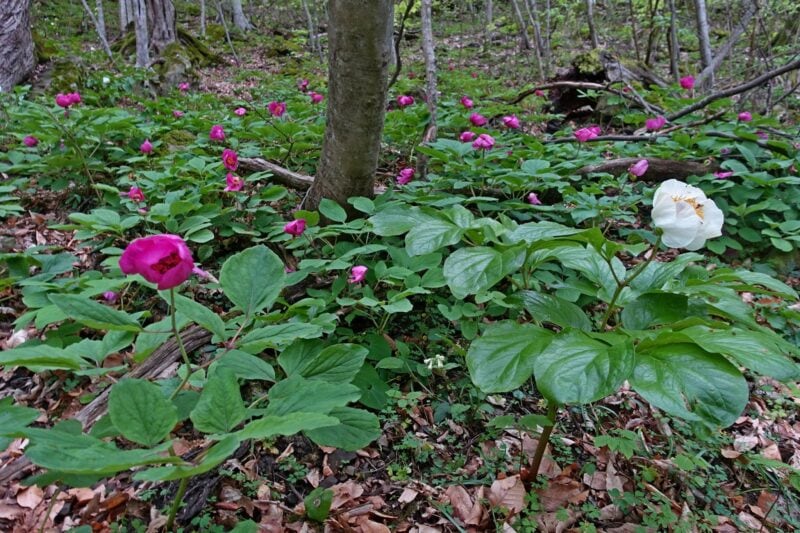
As a result of flora studies conducted since 2001, 57 populations—many of which are new records and include a new hybrid species—were identified. The species names, population numbers, and local names of these populations are given in Table 1. In early spring, at least 10 relatively uniform plants were selected from each of the 57 populations, potted, and brought to the experimental field, ensuring their ex-situ conservation. Additionally, soil samples were collected from the natural habitats of the plants for analysis, and these data were used when determining the soil requirements of the species.
Table 1. Peony (Paeonia) species existing in the flora of Turkey and their local names
Serial No | Population No | Species Name | Location | Local Name |
1 | 0302 | Paeonia arietina ssp. arasicola | Afyonkarahisar | Ayı kulağı (Bear’s ear) |
2 | 1604 | Bursa, Uludağ | Ayı gülü (Bear’s rose) | |
3 | 1002 | Paeonia arietina | Balıkesir, Kazdağı | Tombak |
4 | 1003 | Balıkesir, Kazdağı | Tombak | |
5 | 1708 | Çanakkale, Kazdağı | Tombak | |
6 | 2401 | Erzincan, Çağlayan | Savul | |
7 | 2801 | Giresun, Dereli | Ayı gülü (Bear’s rose) | |
8 | 2902 | Gümüşhane, Kelkit | Ayı gülü (Bear’s rose) | |
9 | 4401 | Malatya, Doğanşehir | Dağ gülü (Mountain rose) | |
10 | 5302 | Rize, İkizdere | Yaban gülü (Wild rose) | |
11 | 5801 | Sivas, Zara | Ayı gülü (Bear’s rose) | |
12 | 6601 | Paeonia arietina (?) | Yozgat | Cehirlik gülü (Buckthorn rose) |
13 | 3301 | Paeonia daurica | Mersin | Ayı gülü (Bear’s rose) |
14 | 5201 | Ordu, Gölköy | Ayı gülü (Bear’s rose) | |
15 | 5501 | Samsun | Gül çiçeği (Rose flower) | |
16 | 1703 | Paeonia x kayae (P. arietina x P. mascula) | Çanakkale | Tombak |
17 | 3101 | Paeonia kesrouanensis | Hatay, Yayladağı | Atlas |
55 | 5301 | Paeonia macrophylla | Rize, İkizdere | Yaban Gülü (Wild rose) |
56 | 5303 | Rize, İkizdere | Yaban Gülü (Wild rose) | |
57 | 5304 | Rize, Çamlıhemşin | Yaban Gülü (Wild rose) | |
21 | 0301 | Paeonia mascula ssp. mascula | Afyonkarahisar, Sultandağı | Ayı kulağı (Bear’s ear) |
19 | 1709 | Çanakkale | Tombak | |
22 | 2901 | Gümüşhane, Torul | Yaban gülü (Wild rose) | |
23 | 3201 | Isparta, Eğirdir | Dağ gülü (Mountain rose) | |
24 | 4201 | Konya, Doğanhisar | Ayı gülü | |
25 | 4601 | Kahramanmaraş, Andırın | Ayı gülü (Bear’s rose) | |
26 | 6201 | Tunceli, Ovacık | Savul | |
27 | 6401 | Uşak, Banaz | Dağ gülü (Mountain rose) | |
28 | 6001 | Paeonia mascula ssp. mascula (?) | Tokat, Erbaa | Yaban gülü (Wild rose) |
29 | 3102 | Paeonia mascula ssp. orientalis | Hatay, Dörtyol | Ayı gülü (Bear’s rose) |
30 | 3103 | Hatay, Yayladağı | Ayı gülü (Bear’s rose) | |
31 | 1001 | Paeonia peregrina | Balıkesir, Savaştepe | Lale (Tulip) |
32 | 1101 | Bilecik | Kame, Zambak (Lily) | |
33 | 1401 | Bolu, Seben | Ayı gülü (Bear’s rose) | |
34 | 1402 | Bolu, Göynük | Ayı gülü (Bear’s rose) | |
35 | 1601 | Bursa, M.Kemalpaşa | Guguk (Cuckoo) | |
36 | 1602 | Bursa, İznik | Kan çiçeği (Blood flower) | |
37 | 1603 | Bursa, Kestel | Kan çiçeği (Blood flower) | |
38 | 1701 | Çanakkale, Yenice | Tombak | |
39 | 1704 | Çanakkale, Bayramiç | Tombak | |
40 | 1705 | Çanakkale, Çan | Tombak | |
41 | 1706 | Çanakkale, Lapseki | Kame | |
42 | 2601 | Eskişehir, Mihalıççık | Kame, Ayı çiçeği (Bear’s flower) | |
43 | 3401 | İstanbul, Şile | Kame | |
44 | 3402 | İstanbul, Çatalca | Kame | |
45 | 3701 | Kastamonu, Daday | Ayı gülü (Bear’s rose) | |
46 | 3901 | Kırklareli, Dereköy | Kame | |
47 | 3902 | Kırklareli, Babaeski | Kame | |
48 | 4501 | Manisa | Ayı gülü (Bear’s rose) | |
49 | 7701 | Yalova | Ayı gülü (Bear’s rose) | |
50 | 2201 | P. tenuifolia | Edirne | Kame |
51 | 0701 | P. turcica | Antalya, Elmalı | Orman gülü (Forest rose) |
52 | 0702 | Antalya, Kemer | Orman gülü (Forest rose) | |
53 | 1501 | Burdur, Gölhisar | Orman gülü (Forest rose) | |
54 | 2001 | Denizli, Acıpayam | Ayı gülü (Bear’s rose) |
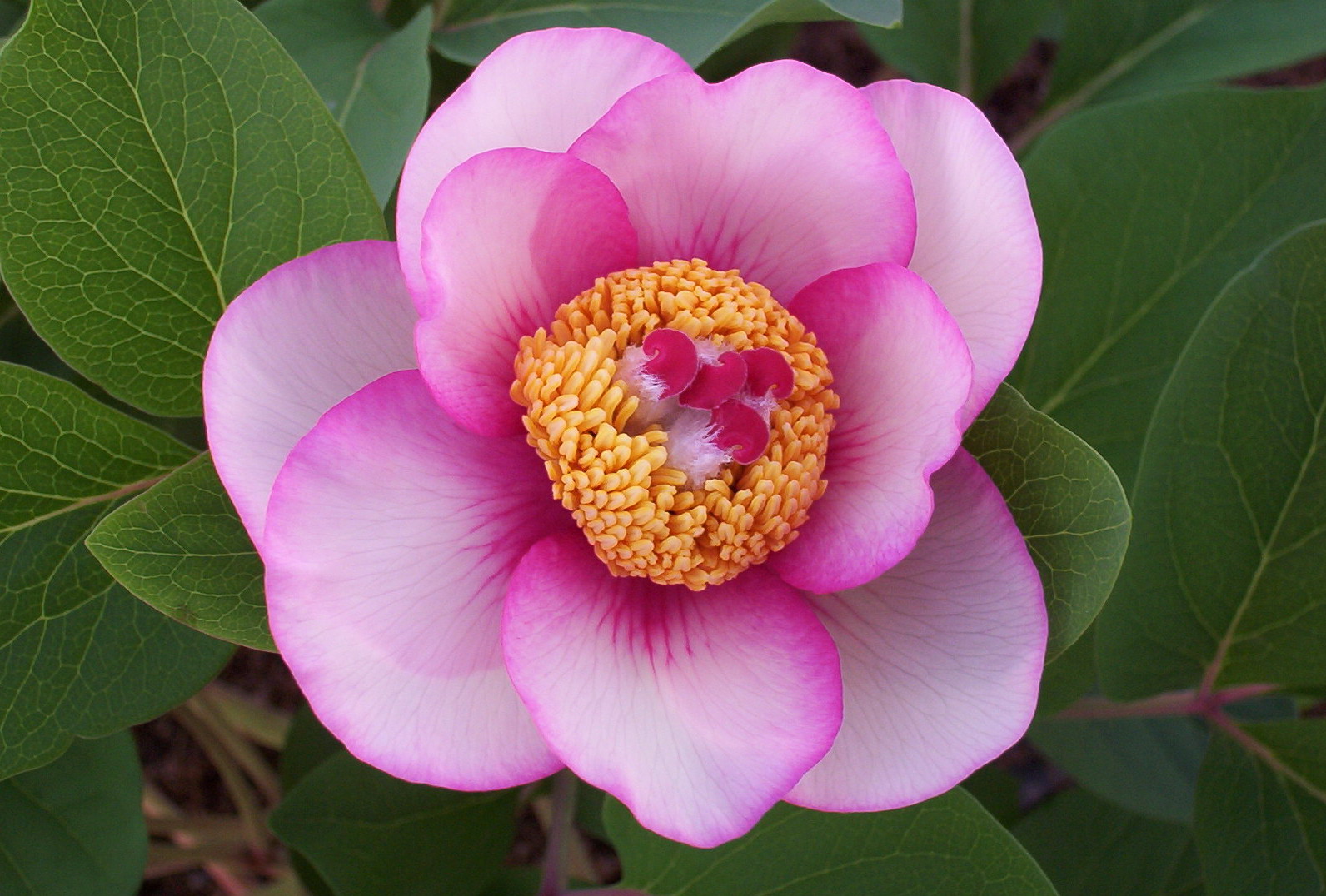
Paeonia x kayae ‘Kaya’
Herbarium, Species Identification, and Chromosome Analyses:
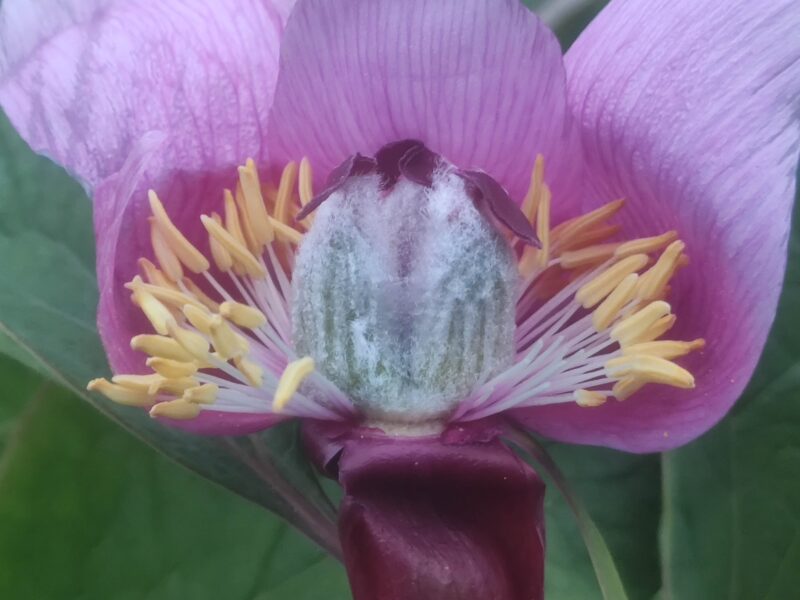
Species identifications and chromosome analyses on the prepared herbarium specimens and live plants were performed by Prof. Dr. Neriman ÖZHATAY in collaboration with Istanbul University Faculty of Pharmacy (Table 2). It was decided that the genus Paeonia requires revision for the Flora of Turkey, and studies are ongoing while also taking chromosome analyses into account. Within this scope, a new hybrid species was discovered, and new registration procedures are being carried out under the name Paeonia x kayae.
In-situ and Ex-situ Conservation: To determine whether in-situ conservation is necessary for the peonies of the Flora of Turkey—which harbors half of the world’s herbaceous peonies—it was examined whether any taxon was represented by a single population and whether it was under threat, leading to the conclusion that in-situ conservation is not necessary. For ex-situ conservation, a peony collection garden was established on an area of 2 decares.
Domestication and Adaptation: In plants grown under cultivation conditions, criteria such as shoot height, shoot diameter, leaf count, leaf shape, flower diameter, petal size, petal color, leaf color, fragrance, pubescence on leaves and stems, and seed harvest date were recorded and compared with data from their natural habitats.
Shoot Height: Varies considerably by species; P. tenuifolia (15–30 cm) was found to be the shortest and P. kesrouanensis (60–80 cm) the tallest, with shoot diameter correlating parallel to height.
Flowering Date: From earliest to latest, the order was determined as P. kesrouanensis, P. turcica, P. x kayae, P. daurica, P. mascula, P. tenuifolia, P. arietina, P. macrophylla, and P. peregrina. When no treatment (cold storage forcing) was applied, initial flowering began on March 1 and continued until May 15.
Table 2. Chromosome numbers of peony (Paeonia) species existing in the flora of Turkey
Species Name | Herbarium No | Pop. No | Locality | 2n |
P. arietina | ISTE 84822 | 5801 | Sivas: Zara | 20 |
P. arietina ssp. arasicola | ISTE 84827 | 0302 | Afyonkarahisar; Sultandağı | 20 |
P. daurica | ISTE 84823 | 3301 | Mersin; Tepeköy | 10 |
P. kesrouanensis | Leaf | 3101 | Hatay; Yayladağı | 20 |
P. macrophylla | Leaf | 5301 | Rize; İkizdere | 20 |
P. mascula ssp. bodurii | ISTE 84824 | 1702 | Çanakkale; Kalkım | 20 |
P. mascula ssp. mascula | ISTE 84825 | 2901 | Gümüşhane; Torul | 20 (10?) |
P. peregrina | ISTE 84829 | 1601 | Bursa; M. Kemalpaşa | 20 |
P. tenuifolia | ISTE 84832 | 2201 | Edirne; Lalapaşa, Ortakça Village | 10 |
P. turcica | none | 0701 | Antalya; Elmalı, | 20 |
P. x kayae | ISTE 84833 | 1703 | Çanakkale; Yenice | 20 |
Flowering Duration: Although climatic conditions affect flowering duration, this period varies between 5 and 10 days. On the other hand, population no. 1001 of P. peregrina does not shed its petals, though the petals deteriorate after 10 days.
Petal Count: Petal count was found to be between 5 and 13. The highest petal count was identified in populations no. 2601 and 7701 belonging to P. peregrina.
Petal Size: P. tenuifolia was observed to have the smallest petal size, while P. x kayae (population no. 1703) had the largest petals.
Petal Color: Numerous colors ranging from white to dark red were identified, varying by species (202 C, 206 C, 207 C, 214 C, 220 C, 221 C, 229 C, 233 C, 585 C, 247 U {Pantone Color Scale}).
Leaf Color: Determined to be in several shades ranging from light green to dark green (364 U, 370 U, 377 U, 378 U, 384 U, 370 C, 371 C, 545 C {Pantone Color Scale}).
Seed Harvest Date: Under Yalova climatic conditions, seeds reached harvest time on June 10–20 for P. tenuifolia, July 20–30 for P. peregrina and P. arietina, August 1–20 for P. macrophylla, P. mascula (its subspecies), and P. daurica, August 10–30 for P. x kayae and P. turcica, and September 1–10 for P. kesrouanensis.
These obtained data were compared with data collected from the plants’ natural localities, and the adaptation capabilities of the species to Yalova conditions were determined.
Determination of Cultivation Techniques
Propagation Techniques: Various propagation materials and methods were used to determine the propagation techniques for the identified species selected according to their areas of use.
Seed Propagation: Seeds belonging to the species and seeds obtained from hybridizations were sown at the optimal time and in the optimal medium determined in previous studies (Kaya and Gürsan, 2006) to obtain seedlings (Table 3).
Propagation by Tuberous Roots (Division): Propagation by dividing plants newly added to the trial and plants from localities with small population sizes in different ways and at different periods was tested; the best result in division propagation was obtained by dividing tubers containing 3–5 buds in September–October.
Propagation by Tissue Culture Method: Preliminary trials were conducted to propagate using the tissue culture method, and during the culture establishment stage, explants belonging to nearly all species rotted due to contamination. Culture establishment, multiplication, and rooting were only achieved in P. peregrina. Studies on other species are ongoing (Fidancı and Kaya, 2007).
Propagation by Grafting: New saplings were obtained by grafting woody species of Far Eastern origin onto herbaceous species native to the Flora of Turkey. Grafting was performed in September using the cleft grafting method. Peat + perlite was used for planting, achieving a graft take rate of around 90%.
Table 3. Seed emergence rates of peony species
Species Name | Population No. | # Sown | # Emerged | Rate (%) |
P. arietina | 2902 | 322 | 258 | 80.1 |
5801 | 215 | 200 | 93.0 | |
P. arietina ssp. arasicola | 0302 | 63 | 36 | 57.14 |
1604 | 50 | 39 | 78.0 | |
P. arietina? | 6601 | 163 | 149 | 91.4 |
P. daurica | 3301 | 135 | 105 | 77.8 |
P. kesrouanensis | 3101 | 41 | 13 | 31.7 |
P. macrophylla | 5303 | 7 | 7 | 100 |
P. mascula ssp. bodurii | 1707 | 291 | 262 | 90.0 |
P. mascula ssp. mascula | 1709 | 70 | 63 | 90.0 |
P. peregrina | 3901 | 200 | 200 | 100.0 |
P. tenuifolia | 2201 | 1516 | 1261 | 83.2 |
P. turcica | 0701 | 89 | 60 | 67.4 |
P. x kayae | 1703 | 70 | 69 | 98.6 |
Total | 3232 | 2722 | 84.2 |
Cultivation Requirements:
For this purpose, studies conducted in other countries were reviewed, and certain cultivation requirements were determined by considering the natural habitats of the species.
Soil Requirement: Soil, water, and light requirements (full sun, partial shade, and orientation (North facing slope, South facing slope…)) were determined by considering the environmental data of the peony’s natural distribution. Soil samples were collected from the natural habitats of the peonies for analysis, and these data were used when determining the soil requirements of the species (Table 4). According to the study results, the collected soil samples contained low levels of salt, and almost all of them had high organic matter content. Soil reaction (pH), ranging from 6.4 to 7.8, averaged 7.11. Anderson et al. (2006) reported a suitable pH range of 6.0–7.0 for peonies, while Stevens et al. (1993) gave an optimum soil pH of 6.5. While lime was present at low levels or completely absent in most of the examined soils, high values were found in two soil samples. Available phosphorus contents of the soils varied between 4–243 mg kg⁻¹ (=ppm) and exchangeable potassium contents varied between 118–1133 mg kg⁻¹. Peonies prefer deep, well-drained soils with high organic matter content (Anderson et al., 2006; Stevens et al., 1993).
Table 4. Analysis results of soils taken from localities in the flora
Pop. No | Paeonia species | Saturation (%) | EC mmhos/cm | PH | Lime (%) | Organic Matter (%) | P (ppm) | K (ppm) |
1002 | P. arietina | 70 | 0.12 | 6.54 | 6.17 | 10 | 173 | |
1708 | 85 | 0.12 | 6.54 | 6.17 | 10 | 173 | ||
2401 | 85 | 0.60 | 7.33 | 2 | 14.90 | 240 | 1032 | |
2902 | 67 | 0.32 | 6.76 | 10.27 | 21 | 594 | ||
5302 | 78 | 0.67 | 6.52 | 0.20 | 11.69 | 45 | 304 | |
5801 | 61 | 0.26 | 6.54 | 9.59 | 28 | 310 | ||
0302 | P. arietina ssp arasicola | 72 | 0.28 | 7.55 | 2.34 | 10.27 | 26 | 608 |
3301 | P. daurica | 53 | 0.24 | 7.64 | 1.97 | 4.54 | 243 | 581 |
3101 | P. kesrouanensis | 73 | 0.36 | 7.48 | 1.97 | 10.98 | 207 | 1039 |
5301 | P. macrophylla | 52 | 0.42 | 6.90 | 0.59 | 7.95 | 38 | 250 |
1702 | P. mascula ssp bodurii | 50 | 0.29 | 6.98 | 0.39 | 4.13 | 237 | 508 |
0301 | P. mascula ssp mascula | 79 | 0.44 | 7.25 | 1.17 | 13.47 | 60 | 696 |
1709 | 68 | 0.18 | 7.73 | 16.38 | 9.59 | 17 | 471 | |
2901 | 39 | 0.22 | 7.72 | 0.20 | 1.41 | 10 | 118 | |
3201 | 69 | 0.22 | 7.68 | 1 | 12.4 | 14 | 254 | |
4201 | 68 | 0.16 | 6.85 | 5.37 | 4 | 178 | ||
1001 | P. peregrina | 53 | 0.13 | 6.47 | 0 | 7.95 | 50 | 539 |
1101 | 110 | 0.41 | 7.07 | 0.39 | 13.47 | 33 | 305 | |
1401 | 46 | 0.30 | 7.83 | 23.90 | 8.4 | 9 | 465 | |
1601 | 101 | 0.24 | 7.11 | 0.20 | 10.27 | 22 | 328 | |
1602 | 88 | 0.19 | 7.60 | 0.95 | 9.59 | 12 | 426 | |
1701 | 93 | 0.27 | 7.37 | 0.98 | 9.59 | 22 | 250 | |
1704 | 47 | 0.24 | 7.11 | 0 | 8.40 | 106 | 371 | |
1705 | 73 | 0.34 | 6.94 | 0.39 | 12.40 | 33 | 555 | |
1706 | 84 | 0.29 | 7.17 | 0.20 | 6.99 | 49 | 696 | |
2601 | 52 | 0.21 | 7.28 | 0.39 | 4.24 | 27 | 251 | |
3701 | 54 | 0.33 | 7.83 | 11.40 | 5.9 | 7 | 461 | |
3901 | 62 | 0.27 | 7.05 | 0.98 | 10.27 | 17 | 249 | |
4501 | 79 | 0.31 | 7.55 | 2 | 13.47 | 36 | 493 | |
7701 | 70 | 0.15 | 7.00 | 8.40 | 5 | 200 | ||
2201 | P. tenuifolia | 81 | 0.29 | 7.70 | 2.95 | 3.95 | 19 | 360 |
0701 | P. turcica | 62 | 0.44 | 7.33 | 2.36 | 12.40 | 177 | 765 |
2001 | 73 | 0.54 | 7.28 | 2.95 | 15.00 | 136 | 1133 | |
1703 | P. x kayae | 81 | 0.43 | 7.29 | 1.18 | 16.77 | 82 | 539 |
Min/Max Value | 39/110 | 0.13/0.67 | 6.4/7.8 | 0/23.9 | 1.41/16.77 | 4/243 | 118/1133 | |
Planting Medium Pots | 58 | 0.80 | 7.25 | 2.50 | 9.56 | 120 | 2438 | |
Irrigation: Peony, which belongs to the class of drought-tolerant plants, has water requirements from April to September depending on climatic and soil conditions. In cases where rainfall is absent or insufficient, watering once a week is sufficient in pot cultivation—though this interval needs to be shortened further during hot summer months—whereas in garden cultivation, this irrigation frequency should be extended up to two weeks.
Fertilization: If fertilizer has been added to the planting medium, it should be applied when the plants reach 20–30 cm in height; otherwise, if the production area is irrigated via drip irrigation, a compound fertilizer containing N:20, P₂O₅:20, K₂O:20, Mg:2, Fe:0.08, Mn:0.05, Zn:0.04, Cu:0.03, and B:0.02 should be calculated at a dose of 10 g/plant and applied together with drip irrigation 4 times a year: 1. At the start of sprouting, 2. At the start of budding, 3. At the end of flowering, and 4. At the start of seed harvest.
Temperature and Light: The natural distribution areas of peonies are regions with cold winters at altitudes of 1000–2000 m. Therefore, regions where minimum temperatures drop below -6°C are recommended. Cultivation can be carried out even in places where minimum temperatures drop down to -35°C. In the wild, peonies were found to grow on limestone cliffs with East-Southeast orientation under full sun. Considering their natural distribution, they were determined to be suitable for cultivation in full sun or partial sun.
Preparation (Forcing): To induce early flowering, the effect of cold storage for different durations was determined. Plants stored at +4°C for 3 months bloomed approximately 1 month earlier compared to other plants. Paeonia kesrouanensis began blooming on February 5, followed by P. turcica on February 18. These species were followed in order by P. daurica, P. mascula, P. tenuifolia, and P. peregrina. The positive effect of artificial chilling was observed both in the greenhouse and in the open field.
Disease and Pest Control: As a result of observing the domesticated plants over a 10-year period, Fusarium and Botrytis fungal diseases were identified, and control measures were carried out in accordance with Ministry of Agriculture instructions. Additionally, as a cultural precaution against diseases, dry plant stems should be cut at a height of 5–7 cm in autumn. Thus, infected material is eliminated and aeration is improved. Meanwhile, no pests were detected throughout the study.
Other Maintenance Tasks: If the plant is tall and the flower is semi-double or double, plant support must be provided as it will be damaged by rain, snow, and wind. Just as with chrysanthemums, either netting should be woven or a stake should be driven next to each plant, tying the stem to the stake at several points with twine.
Variety Development (Hybridization, Mutation, and Selection Breeding)
Cross-Breeding (Hybridization): Hybridization studies were conducted to obtain new purpose-specific varieties by utilizing traits of wild species such as early flowering, fragrance, and flowering in various colors. Work continues with particular emphasis on intersectional crosses (herbaceous species × woody species). As a result of the crosses performed, 4,644 hybrid individuals were obtained (Table 5).
Table 5. Total number of seedlings obtained through hybridization and emergence rates
Hybridization Year | Sown Seeds (Count) | Obtained Seedlings (Count) | Emergence Rate (%) |
2005 | 555 | 229 | 41.26 |
2006 | 806 | 469 | 58.19 |
2007 | 1728 | 1014 | 58.68 |
2008 | 1224 | 928 | 75.82 |
2009 | 2737 | 2004 | 73.21 |
Total | 7050 | 4644 | 65.87 |
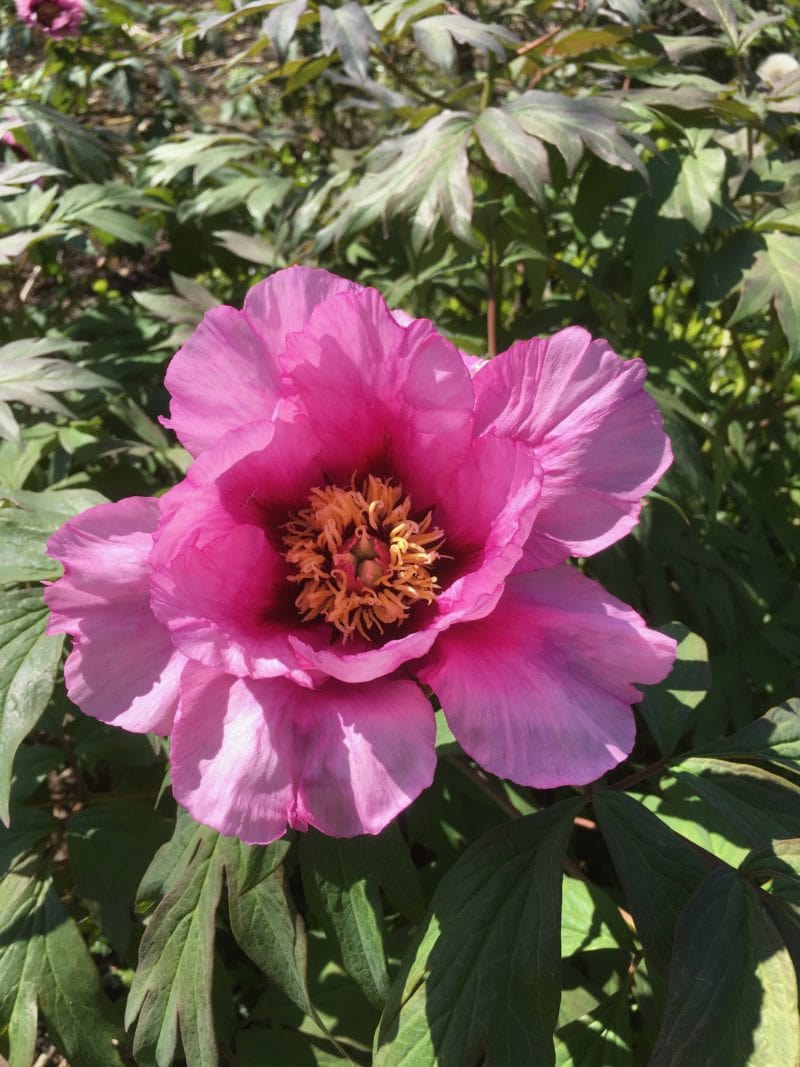
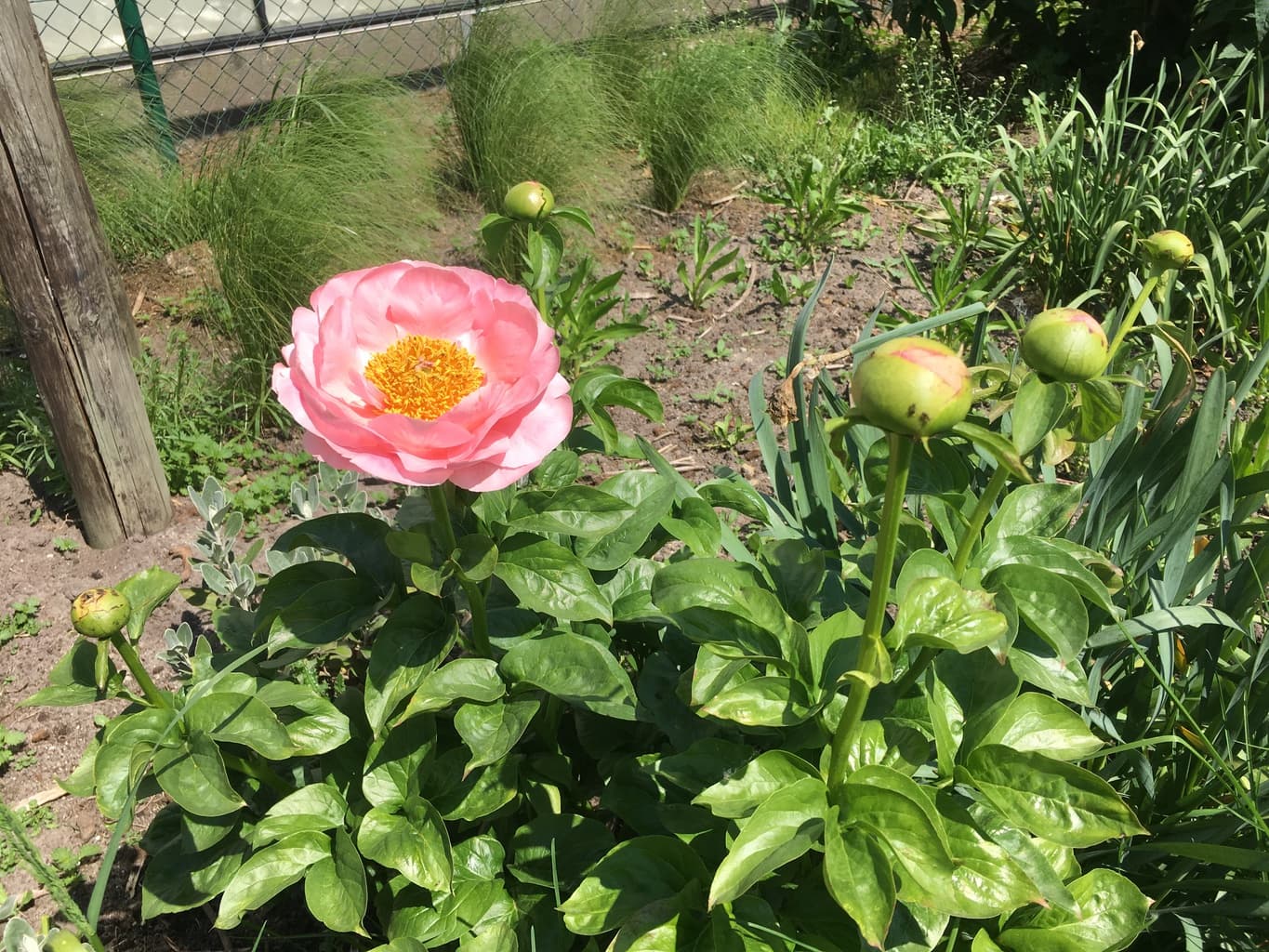
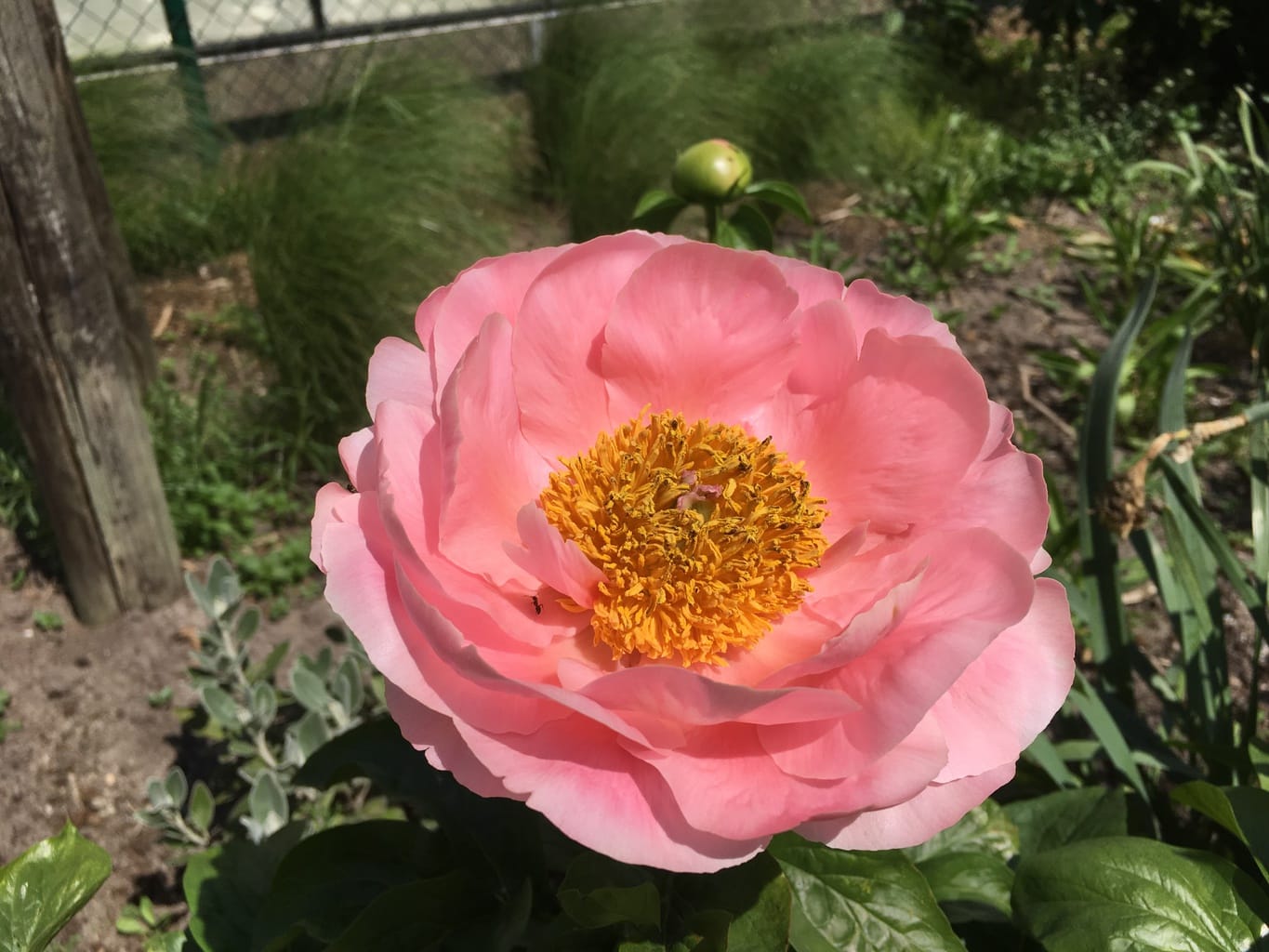
As a result of selections made among the flowering hybrid individuals, 8 candidate varieties were identified. Applications for Plant Breeder’s Rights were submitted for 4 of these candidate varieties under the names ‘Alev Topu’, ‘Eful’, ‘Tombak’, and ‘Kaya’.

Alev Topu (image by Erdal Kaya)
Mutation Breeding: Colchicine treatments at concentrations of 1%, 0.5%, and 0.1% were applied to the seeds of two different species (P. x kayae, P. arietina) in order to obtain new varieties possessing desired traits.
Selection Breeding: Types standing out in terms of desired traits within populations in their natural distribution areas were selected and designated as candidate varieties under the names ‘Kaya’ and ‘Zara’.
Morphological and Molecular Characterization: Morphological characterization of the 57 populations was completed; for the four bred candidate varieties, “Peony Morphological Characteristic Documents” were filled out and DNA fingerprints were determined.
Selection of Candidate Varieties According to Intended Use:
Shoot Height and Diameter: From tallest to shortest, the order is ‘Bocur’, ‘Eful’, ‘Tombak’, ‘Alev Topu’, ‘Kaya’, and ‘Kançiçeği’. Shoot diameter runs parallel to height.
Petal Count: Although petal count varies even among flowers on the same plant, double flowers have 40–140 petals, semi-double flowers have 15–40 petals, and single flowers have 7–15 petals. From highest to lowest petal count, those with double flower structures were identified as ‘Alev Topu’, ‘Eful’, and ‘Tombak’; semi-double as ‘Bocur’; and single-flowered candidate varieties as ‘Kançiçeği’ and ‘Kaya’. On the other hand, since petal sizes among these candidate varieties are close to each other, petal count can be said to be directly proportional to flower size.
Average Vase Life: 7 days for ‘Kaya’ and ‘Kançiçeği’, and 10 days for the other candidate varieties.
Fragrance: The candidate variety ‘Eful’ has a strong pleasant fragrance, while the other candidate varieties have a faint fragrance.

Eful (Image by Erdal Kaya))
Flowering Time: Varies from early March to late May, ordered as ‘Kaya’, ‘Kan Çiçeği’, ‘Bocur’, ‘Tombak’, ‘Alev Topu’, and ‘Eful’.
Flower Size: Although all of the candidate varieties fall into the large-flowered class, ‘Alev Topu’ was observed to have the largest flower.
Use as Cut Flowers: The candidate varieties standing out for cut flower use are ‘Alev Topu’, ‘Eful’, and ‘Tombak’, respectively.
Use as Outdoor/Garden Plants: The candidate varieties standing out for outdoor plant use are ‘Kaya’, ‘Kan Çiçeği’, ‘Bocur’, ‘Alev Topu’, ‘Tombak’, and ‘Eful’, respectively.
Use as Potted Flowers: The candidate varieties standing out as suitable for potted flower use are ‘Kan Çiçeği’ and ‘Alev Topu’, respectively.
Use as Medicinal Plants: The phytochemical properties of all taxa were determined and grouped accordingly as medicinal plants; Group 1 included, in order, 1702 (P. mascula ssp. bodurii), 3301 (P. daurica), 5301 (P. macrophylla), and 1703 (P. x kayae).
Market Preferences According to Intended Use: Based on the scores received by the candidate varieties in the consumer preference survey, the preference ranking was formed as ‘Alev Topu’, ‘Eful’, ‘Tombak’, ‘Kaya’, ‘Kançiçeği’, and ‘Bocur’, respectively. Meanwhile, other candidates (Zara, Ahsen, etc.) received lower scores and were eliminated.
Protection of Plant Breeder’s Rights for New Varieties:
For the four developed candidate varieties, technical questionnaires were prepared, the developed UPOV variety characteristic documents were filled out, photographs were included, molecular studies were conducted to add DNA fingerprints to the files, and applications were submitted to the Directorate of Variety Registration and Seed Certification Center. Furthermore, 12 taxa and 6 candidate varieties were featured in the catalog produced within the scope of TÜBİTAK project no. 105G068 (Kaya, 2009).
Conclusion and Discussion
From the flora of Turkey, which is the most important gene center for herbaceous peony species, 57 populations were identified through this project starting in 2001, and plant specimens from these 57 populations—covering 11 taxa—were collected to establish the ‘Peony Collection Garden’ at ABKMAE. Using this genetic garden, studies on the adaptation capabilities, cultivation techniques, phytochemical contents, and morphological, karyological, and molecular characterizations of the peony species were conducted. Using this same collection, variety development studies—the primary objective—are also being carried out.
Seven species are recorded in the Flora of Turkey (Davis et al., 1988). In addition, Dane and Olgun (1992) reported a new plant collected from Lalapaşa, Edirne A1(E) in Thrace (1987), Paeonia tenuifolia L., for the first time in our country, providing a brief description and illustrations of the species. Özhatay (1995) described a new subspecies of P. mascula Miller (Paeoniaceae) from Northwestern Anatolia named P. mascula Miller subsp. bodurii N. Özhatay, providing a new subspecies record along with illustrations and its karyotype. Daşkın et al. (2005) reported a new subspecies record from the Bursa region named Paeonia mascula (L.) Miller subsp. arasicola Kaynak (=P. arietina subsp. arasicola). With this project, a new hybrid species found in the Çanakkale region is being reported as a new hybrid record under the name Paeonia x kayae Özhatay, together with its karyological analyses.
Mutlugil (1989) identified monoterpenoids in her PhD thesis titled “Pharmacognostic Researches on the Subterranean Parts of Paeonia daurica Andrews” and determined the anti-inflammatory activity of this species. Yeşilada et al. (1992) determined the tuberous root phytochemical contents of Paeonia daurica and conducted biological activity studies. Şahin (2007) determined the antibacterial properties in a study on three species distributed in the flora of Turkey. Yaylı (2008) analyzed the essential oil of Paeonia mascula naturally distributed in Turkey and determined its antimicrobial activity. In this study, the paeonol contents of all taxa distributed in the Flora of Turkey (11 taxa) were determined and divided into four groups, with Group 1 comprising 1702 (P. mascula subsp. bodurii), 3301 (P. daurica), 5301 (P. macrophylla), and 1703 (P. x kayae). Furthermore, 14 ethanolic essential oil contents and antioxidant potentials obtained from the tuberous roots of all taxa were determined.
Lee (1992) conducted research on two species in Korea; P. lactiflora seeds were sown in August, September, and October, yielding 95% germination when sown on August 24, 85% when sown on August 29, and 28% when sown on September 19. When sown at later dates, no germination occurred in the same year, with seedlings emerging in the seedbed one year later. In propagation by division, the best result was obtained in September with a 3.5% loss (due to drying), followed by April with a 15% loss. In P. moutan (P. x suffruticosa) (=tree peonies) when shoot cuttings were taken during full bloom rather than before or after the flowering period, root formation was optimum and shoot emergence reached 63%. This rate increased up to 71% when 1000 ppm IBA was used. The root chemical content of both peony species was examined, finding paeoniflorin at 0.46 mg/g root in P. moutan and 0.79 mg/g root in P. lactiflora, while paeonol was found at 7.34 mg/g root in P. moutan and 0.13 mg/g root in P. lactiflora. Under Yalova conditions, September was determined to be the most suitable time for seed sowing, whereas seeds sown in November were able to emerge the following year. On the other hand, this study also determined that the most suitable time for dividing tuberous roots is September and that divisions must contain at least three shoot buds.
Peony variety development studies began in China (first Millennium) and European countries (19th century), resulting in thousands of varieties to date. In this study, species native to our country were predominantly used as parents, emphasis was placed on cross-breeding, and 4,644 hybrid seedlings were obtained. New individuals obtained from breeding studies carried out via hybridization, selection, and mutation since 2002 have begun to flower, and 8 candidate varieties were selected from these individuals based on specific selection criteria. Applications for “Protection of Plant Breeder’s Rights” were submitted for four of the selected candidate varieties under the names ‘Alev Topu’, ‘Eful’, ‘Kaya’, and ‘Tombak’. Studies are ongoing on other individuals.
In conclusion, this study on the effective utilization of our natural plant diversity has served as a model for future variety development studies in terms of its methodology and interdisciplinary collaboration. The first locally sourced varieties developed in Turkey were obtained through this project.
Notes:
|
References:
Anderson, M.A., Lindgren D.T., Chaky J.F., 2006. Peonies http://elkhorn.unl.edu/epublic/pages/publicationD.jsp?publicationId=508.
Baytop, T., Mathew, B., 1984. Bulbous plants of Turkey. London.
Baytop, T., 1994. Türkçe Bitki Adları Sözlüğü [Dictionary of Turkish Plant Names]. Turkish Language Association Publications p:37, Ankara.
Dane, F., Olgun, G., 1992. A New Record For The Flora of Turkey. Doğa Tr. J. of Botany. 16(1): 18-20.
Daşkın, R., Yılmaz Ö., Kaynak G., Açık L., Çelebi A., 2005. A New Taxon of Paeonia (Paeoniaceae) from Northwest Anatolia. Turkey. (In press)
Davis, P.H., Mill. R.R., Tan, K., (Eds), 1988. Flora of Turkey and the East Aegean Islands (Supplement). Vol. 10, University Press. Edinburgh.
Hong D.Y., Wang X.Q., Zhang D.M., 2005. Paeonia saueri (Paeoniaceae), A New Species from the Balkans. Taxon, 53(1): 83-90.
Güner, A., 1983. New Records for the Flora of Turkey and Two Species From Anatolia, Notes RBG, 41, (2): 283. Edinburgh.
Kaya, E., 2009. Türkiye’nin Doğal Süs Bitkileri Katalogu [Catalog of Natural Ornamental Plants of Turkey], ABKMAE Pub. No: 9, Pages: (8-80), (168-192), (255-271), Yalova.
Kaya, E., Erken, K., Arı, E., Ulun, A., Aslay, M., Saraç, Y., Rastgeldi, U., Kesici A., 2009. Bazı Doğal Bitkilerin Kültüre Alınması Yeni Tür ve Çeşitlerin Süs Bitkileri Sektörüne Kazandırılması-I [Domestication of Some Native Plants and Introduction of New Species and Varieties to the Ornamental Plants Sector-I], (Final Report), TÜBİTAK, KAMAG, Project No: 105G068.
Kaya, E., Gürsan, K., Tınmaz, A.B., Uysal, E., 2009. Türkiye Florasında Mevcut Şakayık (Paeonia spp.) Türlerinin Tespiti Seleksiyonu ve Yetiştirme Tekniklerinin Belirlenmesi [Identification, Selection, and Determination of Cultivation Techniques of Peony (Paeonia spp.) Species Existing in the Flora of Turkey], ABKMAE Publications, (Final Report) (Pub. No: 228) Yalova.
Kaya, E., Gürsan, K., 2006. Türkiye Florasında Mevcut Şakayık (Paeonia spp.) Türlerinin Tohumla Çoğaltılması [Seed Propagation of Peony (Paeonia spp.) Species Existing in the Flora of Turkey] (III. Ornamental Plants Congress), Page: 340, İzmir.
Kim, H.T.; Seong,-J.D.; Suh,-H.S.; Park,-Y.J.; Hahn,-S.J., 1996. Forcing of Herbaceous peony (Paeonia lactiflora Pallas.), Korean-Journal-of-Medicinal-Crop-Science (Korea Republic). (Sep 1996). v. 4(3) p. 187-192. (Korean).
Lee, H.D., 1992. Korean Journal of Crop Science. 37: 3, 283-287, Korea.
Osti, G.L., 2004. Il Libro Delle Peonie Mediterranee, Umberto Allemandi and C. Publishing, Italy.
Özhatay, N., Özhatay, E., 1995. A New White Paeonia L. from NW Turkey: P. mascula Miller subsp. bodurii N. Özhatay, The Karaca Arboretum Magazine, 3, 1, 17-26.
Özhatay, N., Koyuncu, M., 1998. New Trends and Methods in Natural Products Researchs. pp: 11-38.
Özhatay, N., 2000. Paeonia L. In: A. Güner, N. Özhatay, T. Ekim, K. H. C. Başer (eds.), Flora of Turkey and the East Aegean Islands. Vol. 11. Edinburgh Univ. Press, Edinburgh, 15-16.
Stevens, S., Stevens A.B., Gast, K., L.B,. O’Mara J.A., Tisserat N.A., Bauernfeind R., 1993. Commercial Specialty Cut Flower Production Peonies.
Zheng, X.M., Zhou, R.B., Gu, L.P., Mao, D.J., Zhou, J.H., 1995. Plant Physiology Communications. 31: 4, 260-262, China.
Fidancı, A., Kaya, E., 2007. Şakayığın (Paeonia peregrina Mill.) In Vitro’da Üretilebilirliğinin Araştırılması [Investigation of In Vitro Propagability of Peony (Paeonia peregrina Mill.)]. V. National Horticultural Congress, Erzurum.