Erdal Kaya
Country:
Turkey (Türkiye)
Short biography:
Born in Erzurum in 1969. Graduated from Cumhuriyet University, Tokat Faculty of Agriculture, Department of Horticulture in 1992. In 1993, I started working as Agricultural Engineer at Veliağagil Ornamental Plants Company in Yalova. In 1996, I started working as Ornamental Plants Production Specialist at Gaziosmanpaşa University. I completed my Master’s degree in 1999 at Gaziosmanpaşa University, Institute of Science, Department of Horticulture. In 2000, I was appointed to Atatürk Horticultural Research Institute. Since 2000, I’ve been conducting government-supported projects on geophytes, including breeding, agronomy, taxonomy, phytochemical content, pharmaceutical raw materials, and pharmaceutical active ingredients. I conduct research on variety development, particularly in peonies, lilies, and fragrant ornamental bulbs. I’ve served as the Head of the Geophyte Research Center since 2015.
I am married and have two children.
Full CV of Erdal Kaya (download pdf)
More information:
LinkedIn profile:
https://www.linkedin.com/in/erdal-kaya-615a11100/
The Atatürk Horticultural Research Institute at Yalova:
https://arastirma.tarimorman.gov.tr/yalovabahce
Facebook page of the research institute:
https://www.facebook.com/ABKAE
Peony hybridizers series
-
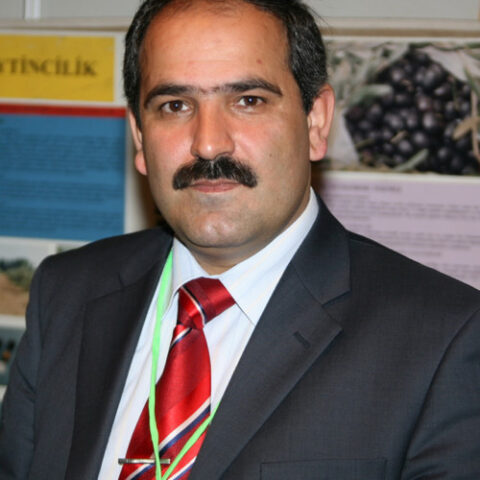
- Erdal Kaya
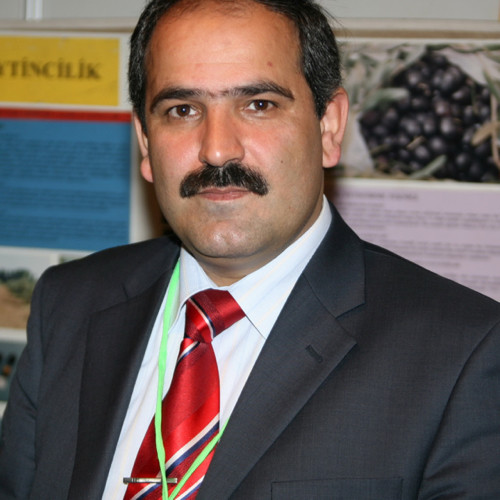
Erdal Kaya
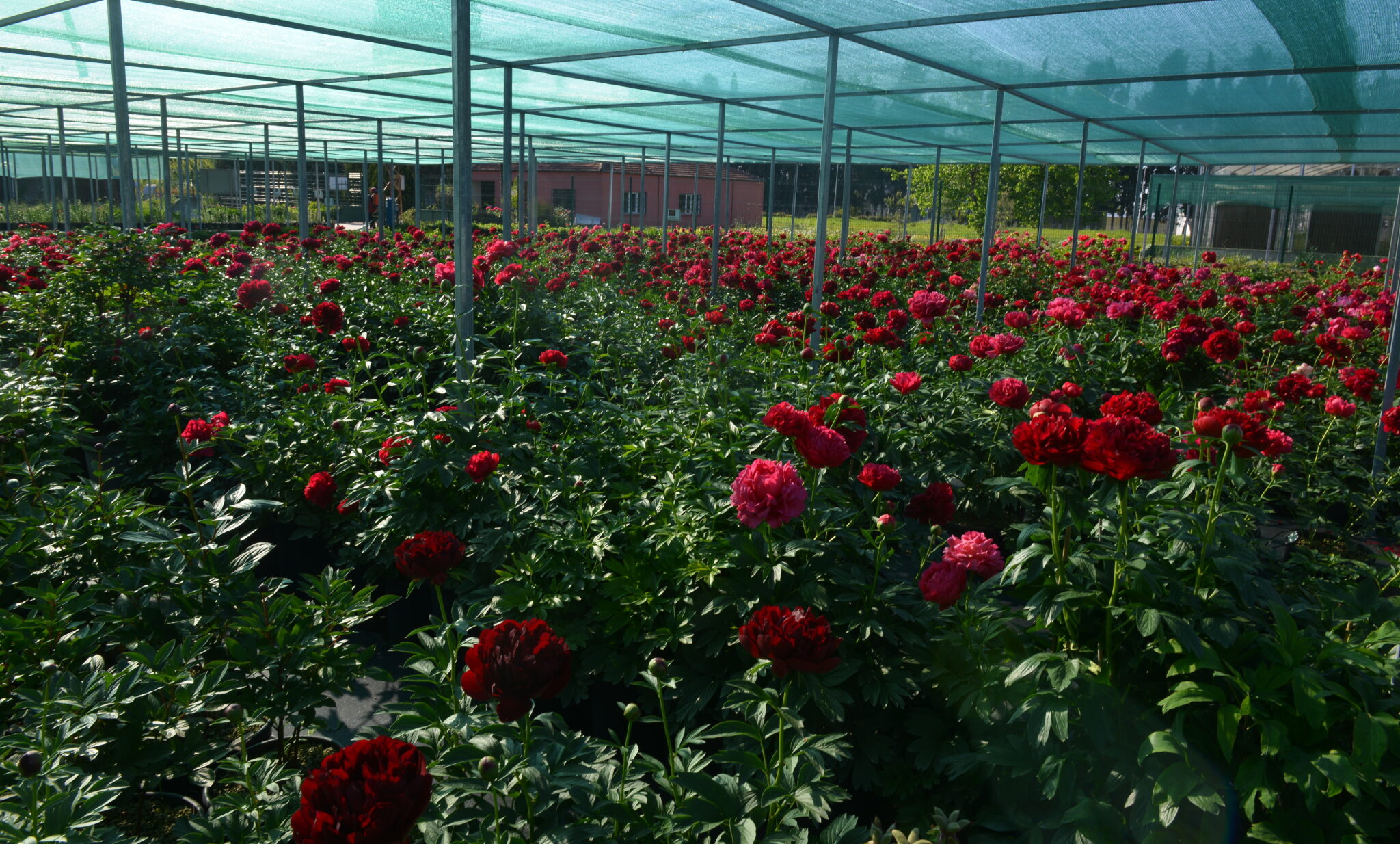

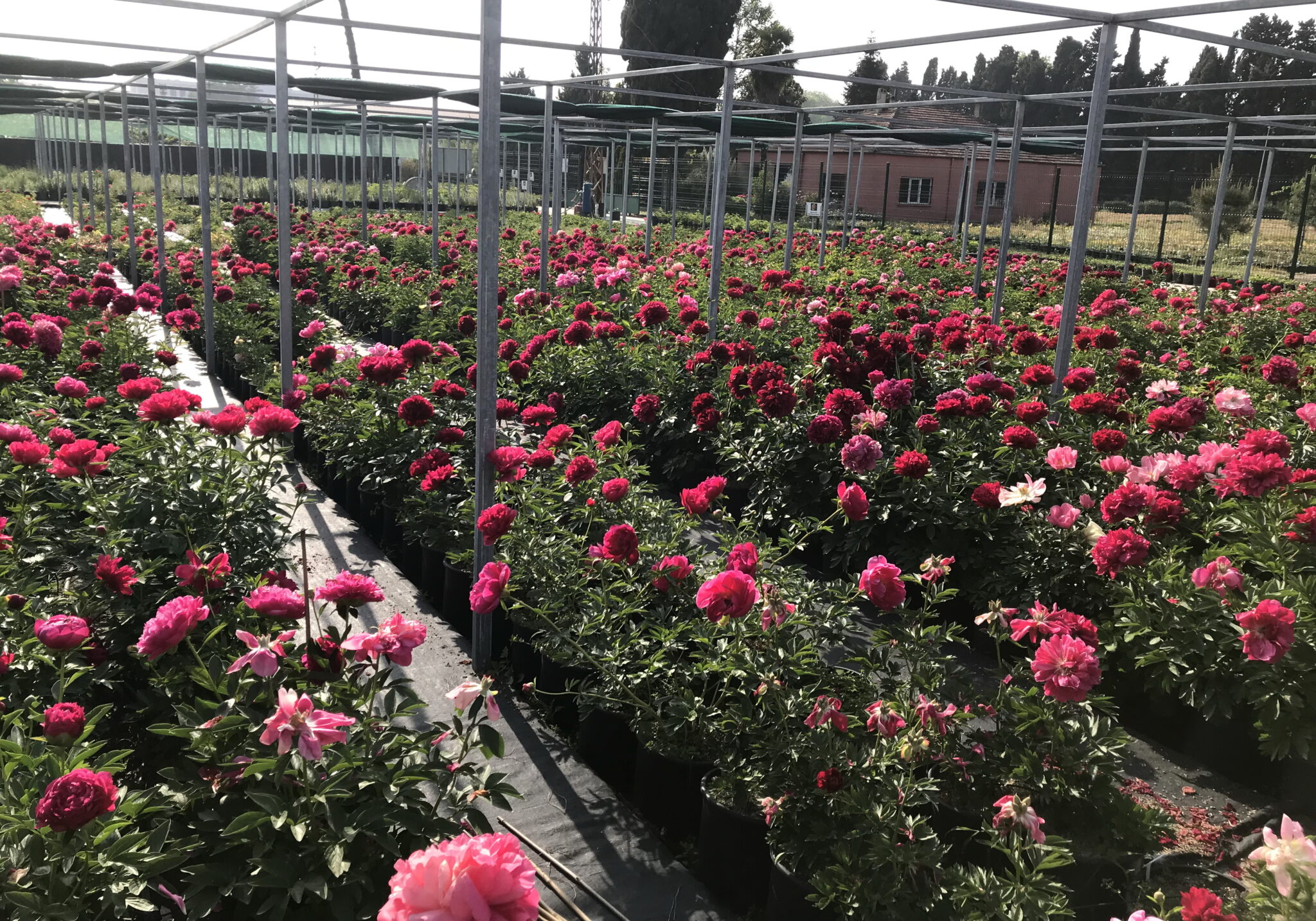
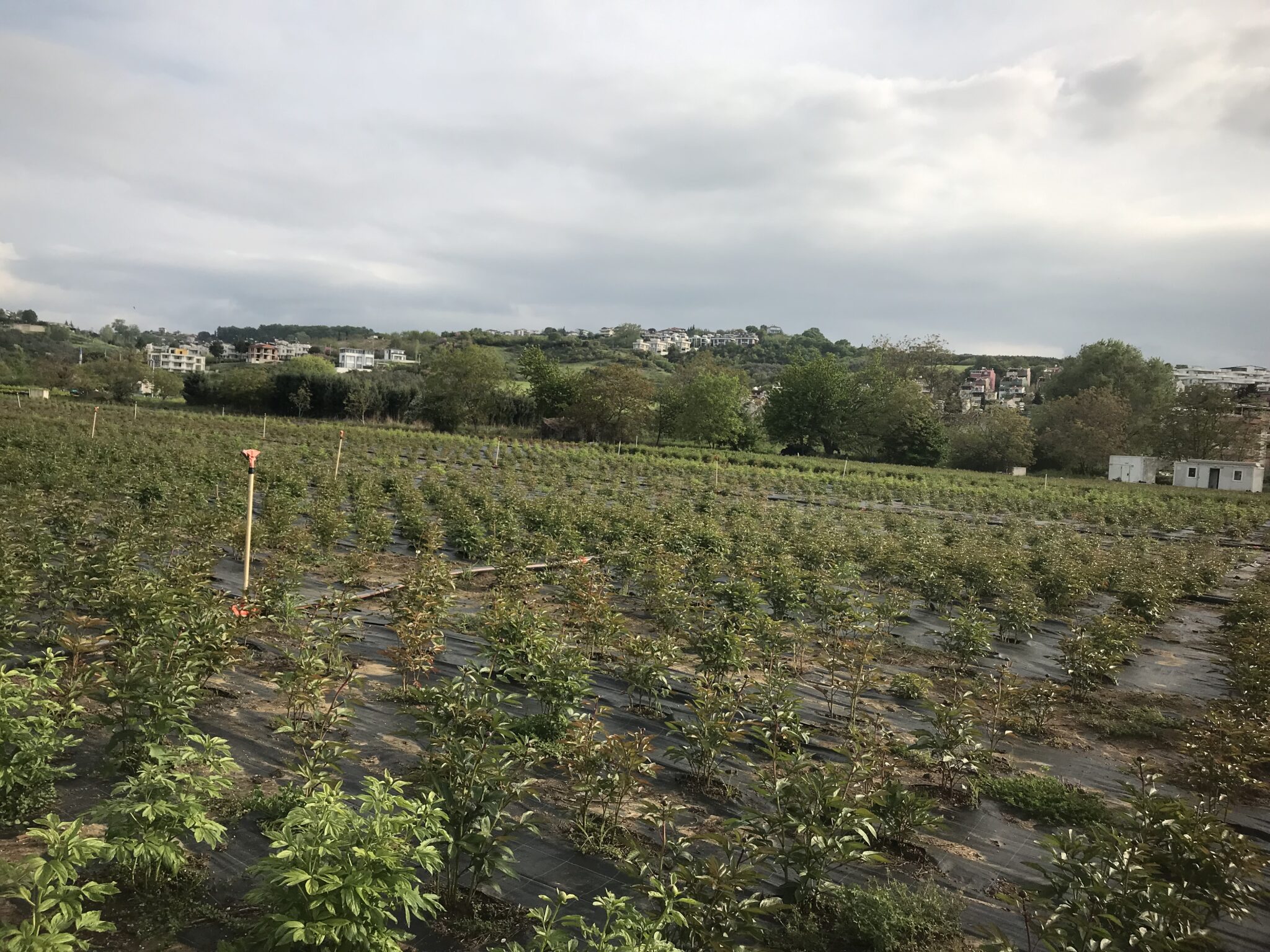

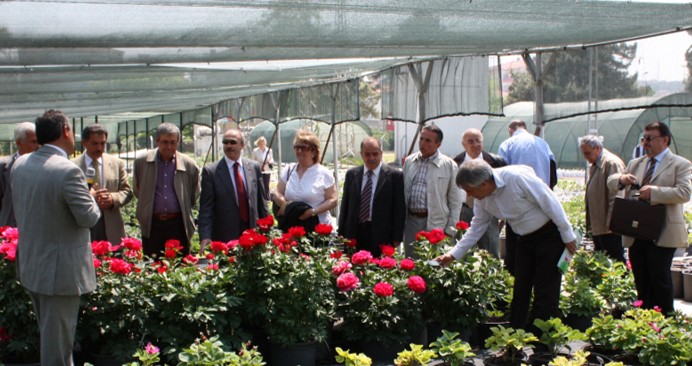
How did you first get involved in peony hybridizing? What was the starting material for your hybridizing?
The first, second, third, and fourth phases of the project “Determination, Improvement, and Cultivation Techniques of Peony Species Existing in the Flora of Turkey” (2000-2015), government supported (by TAGEM), have been completed. Within this scope, the entire flora of Turkey was surveyed, and plants were collected from 71 wild peony populations and preserved in the gene resources garden. The first 4 naturally occurring varieties developed from Turkey were registered in 2011. In the “Ornamental Plants Variety Catalog” published in 2014, the “Peony Section” was published with 54 varieties. In 2015, 3 more varieties were submitted for registration. In 2020, a total of 7 varieties were registered.
I am currently conducting the 5th phase of the only peony study in my country, which I thus started in 2001, each in 5-year increments.
The majority of hybrids we have obtained so far are P. peregrina hybrids.
In the recently completed project “Determination of Rapid Propagation Techniques of Registered Native Peony Varieties with High Economic Potential,” we worked on rapid propagation with tissue culture and root pieces. Many of those with P. peregrina as a parent can be rapidly propagated from blind root pieces.
What are your goals in hybridizing peonies?
In line with the main goal of effectively evaluating Turkish geophytes and the desire for originality, at least one of the parents used was a local species; I also hybridized with 5 other species of foreign origin.
Only double flowering varieties are valued in our country.
I also have a P. daurica x P. x suffruticosa intersectional hybrid; the double-flowered, very early, purple-colored Şahika variety has been registered.
Wild P. lactiflora has also been used to obtain the first generation hybrids. Reciprocal hybridization (backcrosses) was then in the next step performed on these F1 hybrid varieties. This was done with double flowered lactiflora varieties like Sarah Bernhardt, Festiva Maxima, Dr. Alexander Fleming, etc… Local wild species were also used as one of the parents in the first generation.
Hybrids of P. x suffruticosa have also been used; I created variations by open-pollinating them among themselves, obtaining new tall, double-flowered individuals (they don’t have names), and I hybridized them with herbaceous species.
Do you mostly depend on open pollination or do you mostly make controlled crosses?
| 100% open | 50/50 | 100% controlled |
How large is your hybridizing program?

Do you have any plants in the market?
Currently, only the Bayraktar variety is commercially produced in the cut flower sector.
When we started the project, there were no peony producers; now there are around 20 cut flower growers on 10-15 hectares (25-38 acres), and this number is increasing.
A recent overview of peony varieties developed at the research institute can be downloaded (pdf).
Do you know the American Peony Society (APS)? Are your plants registered there?
Regarding the International Cultivar Registration Authority (ICRA) which the APS is, as you know, we are an official institution, so I cannot make a decision on my own. I will need to examine this matter in the future.
Can you describe a few of your plants that you consider the best or most beautiful and which are available now?
-

- Alev Topu (Kaya Erdal)

Alev Topu (2012). Parentage: Paeonia peregrina x Paeonia lactiflora. It is herbaceous, semi-dwarf, with light red, semi-double, fragrant flowers.
-

- Tombak

Tombak. Parentage P. peregrina and P. lactiflora hybrid. Bright red, double, fragrant, tall.
-
- ŞAHİKA
-

- ŞAHİKA

-

- ŞAHİKA
-
- ŞAHİKA
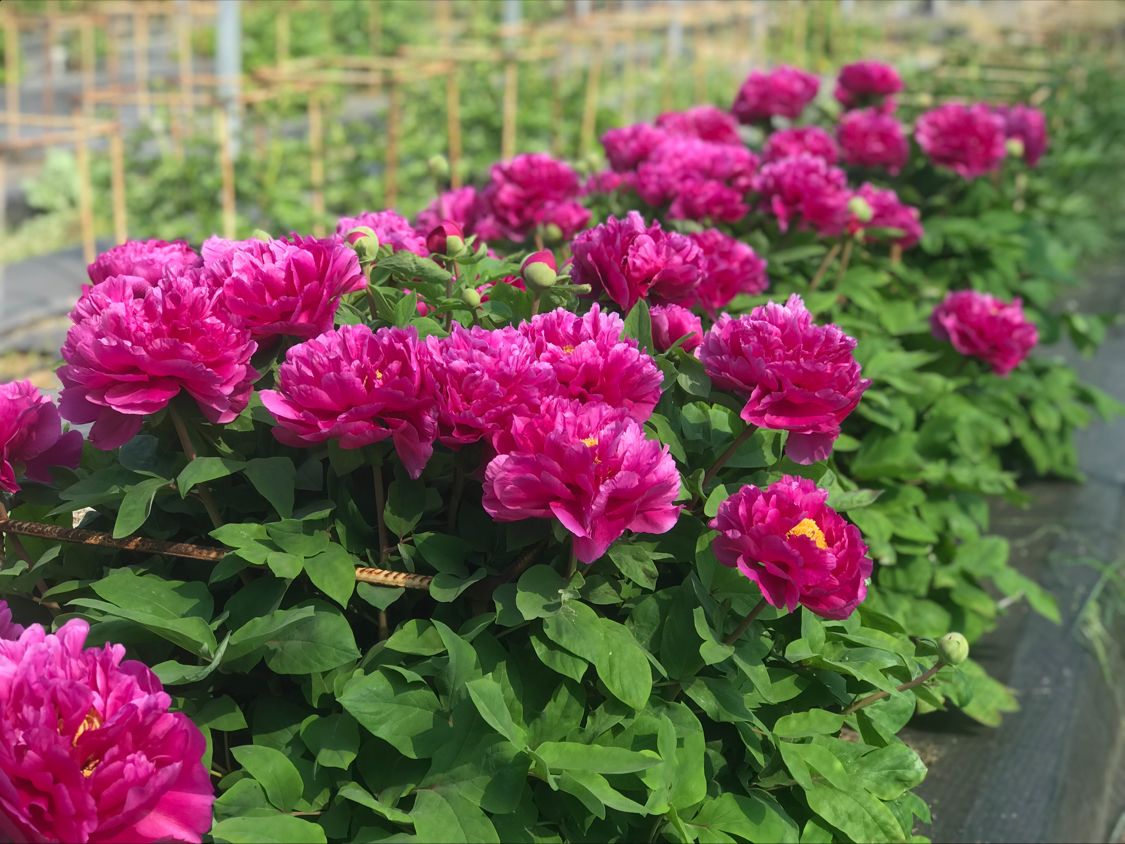
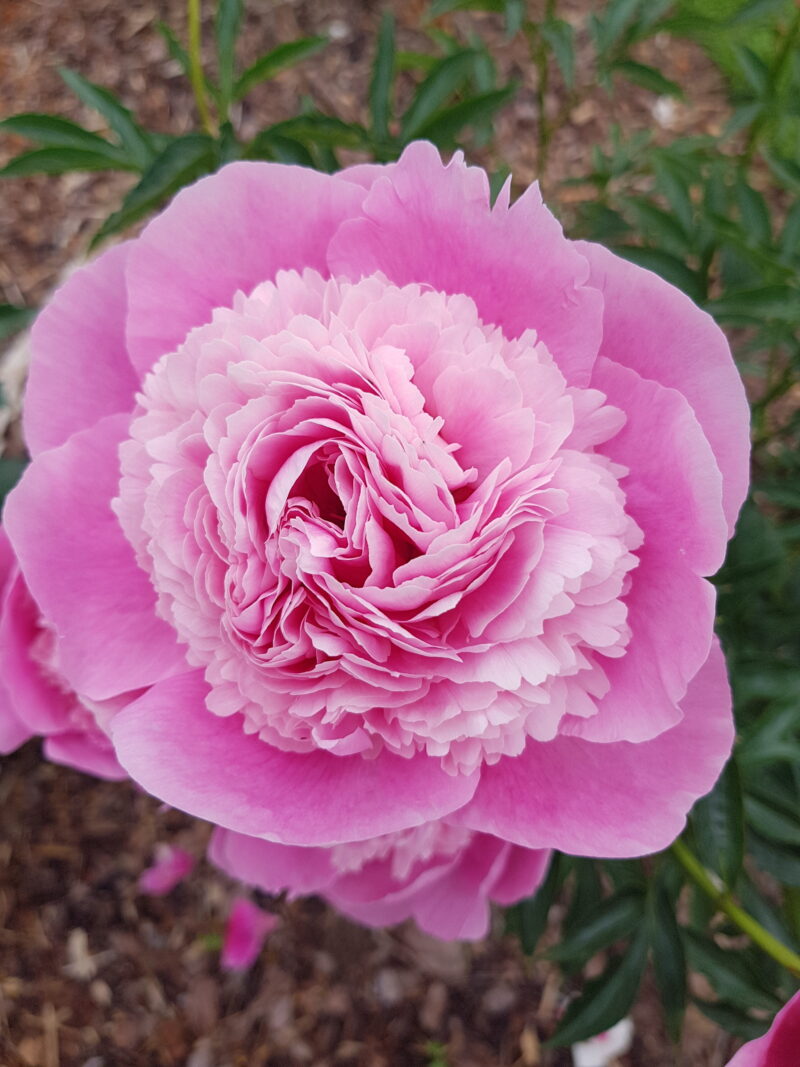
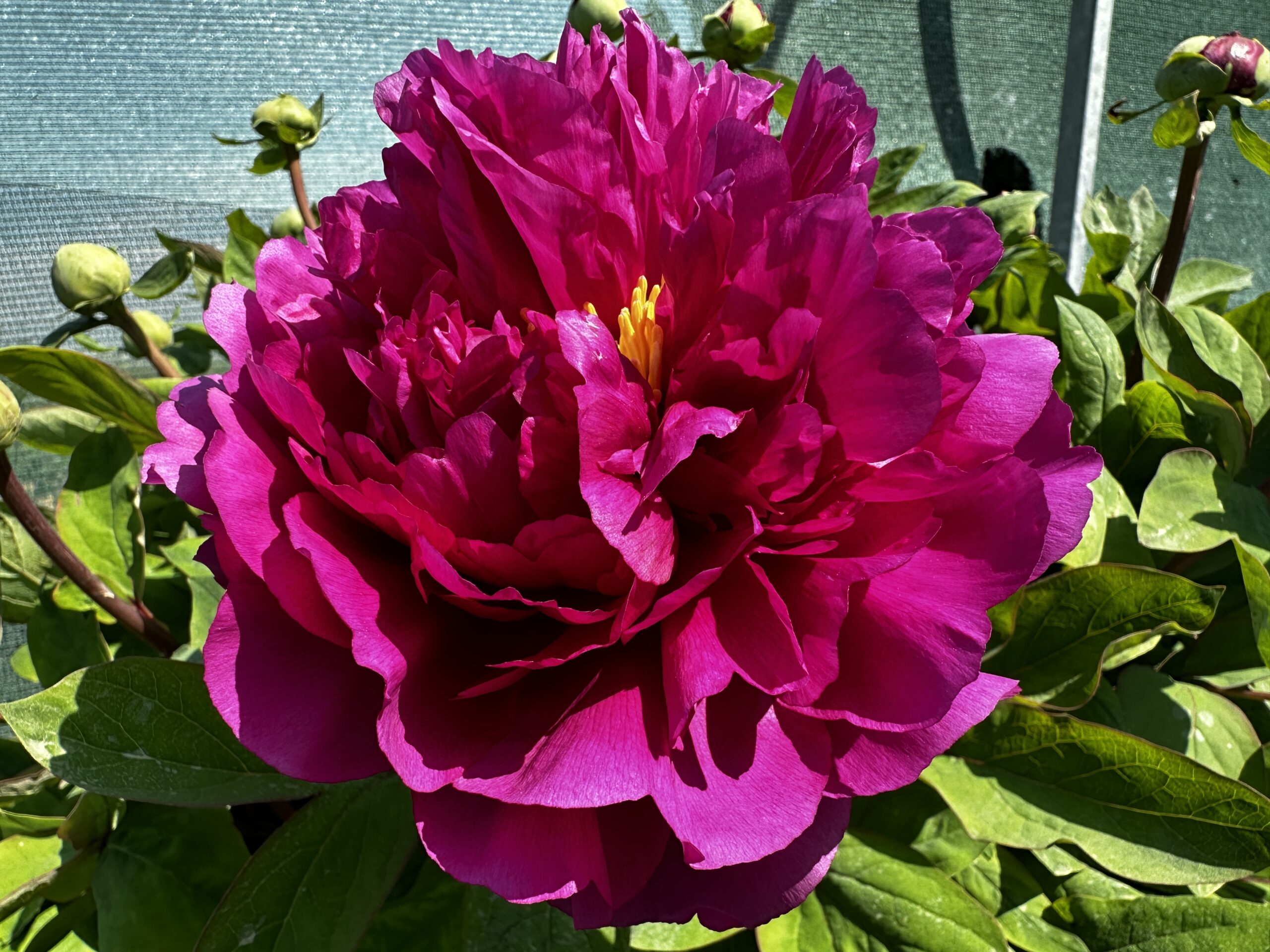
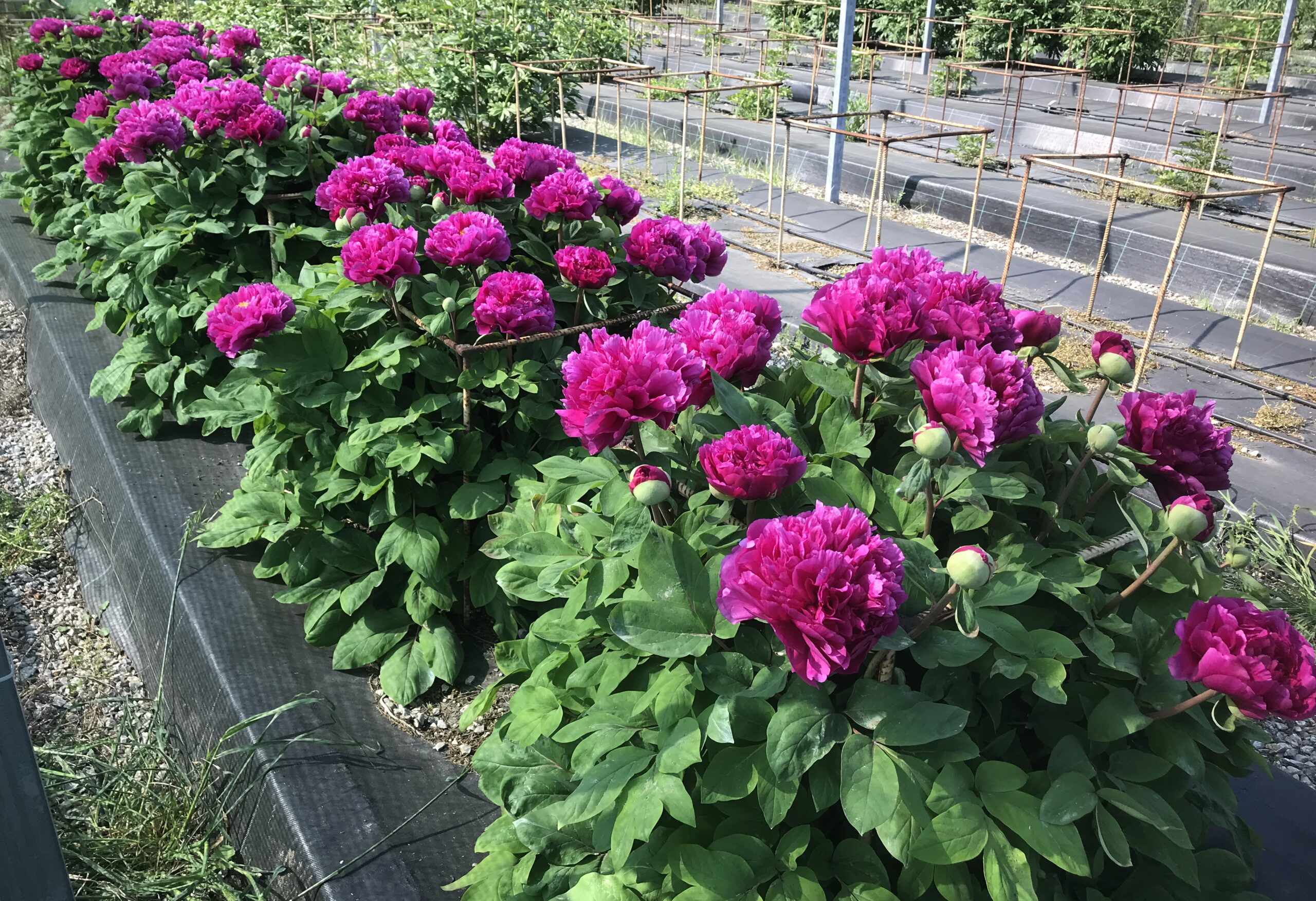
ŞAHİKA. Intersectional hybrid between P. daurica and P. x suffruticosa. Double, purplish pink, very early bloom time, semi-woody stems, can be used as cut flower, pot plant and garden plant.
-

- Eful (Kaya Erdal)

Eful (2012) Hybrid between P. peregrina and P. lactiflora. Dark pink, double fragrant flowers, tall.
-

- Gönülaçan
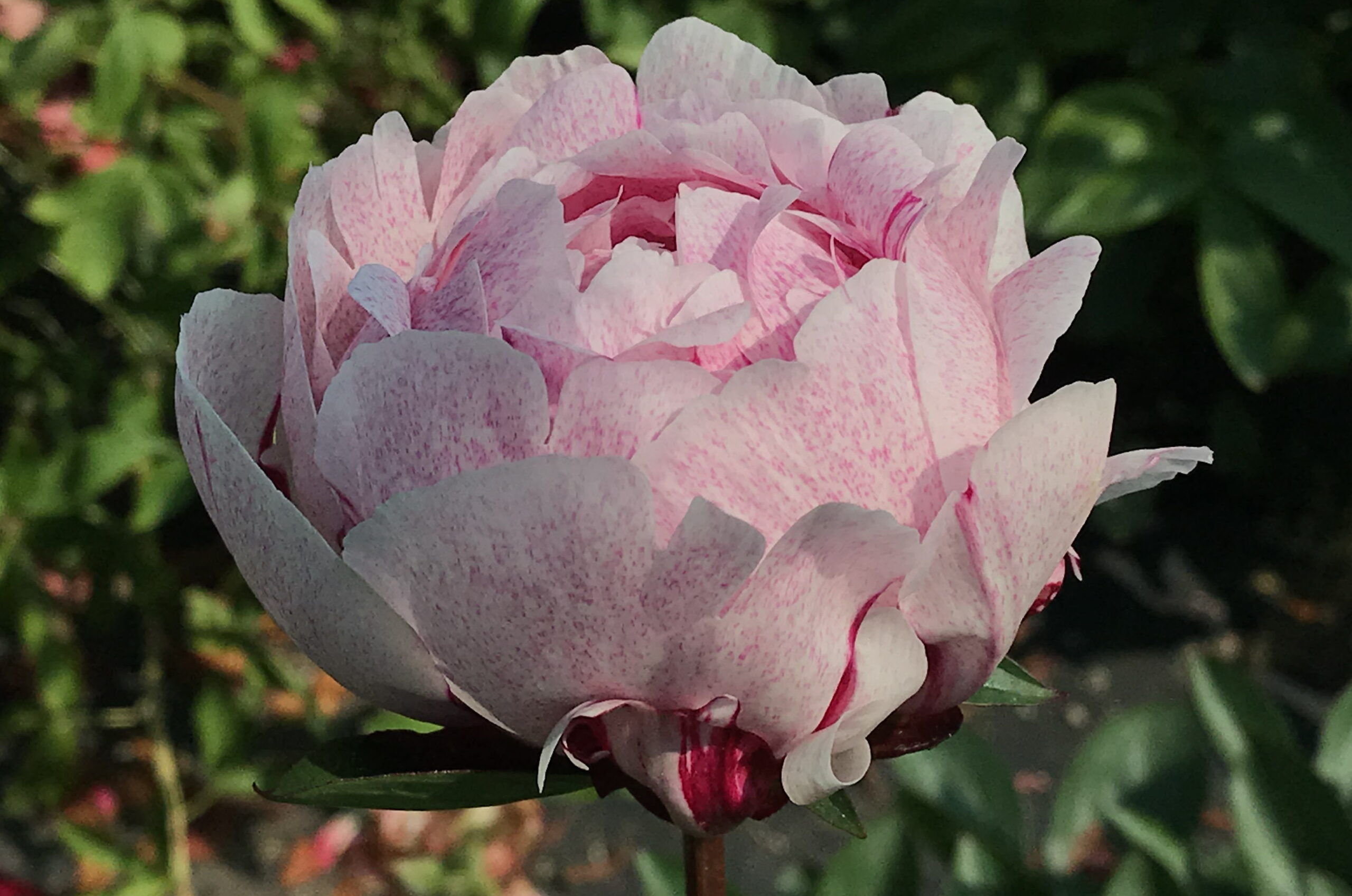
Gönülaçan. P. peregrina and P. lactiflora hybrid.
-

- GELİN RÜYASI

-

- GELİN RÜYASI

GELİN RÜYASI. P. peregrina and P. lactiflora hybrid.
-

- ÖNCÜ
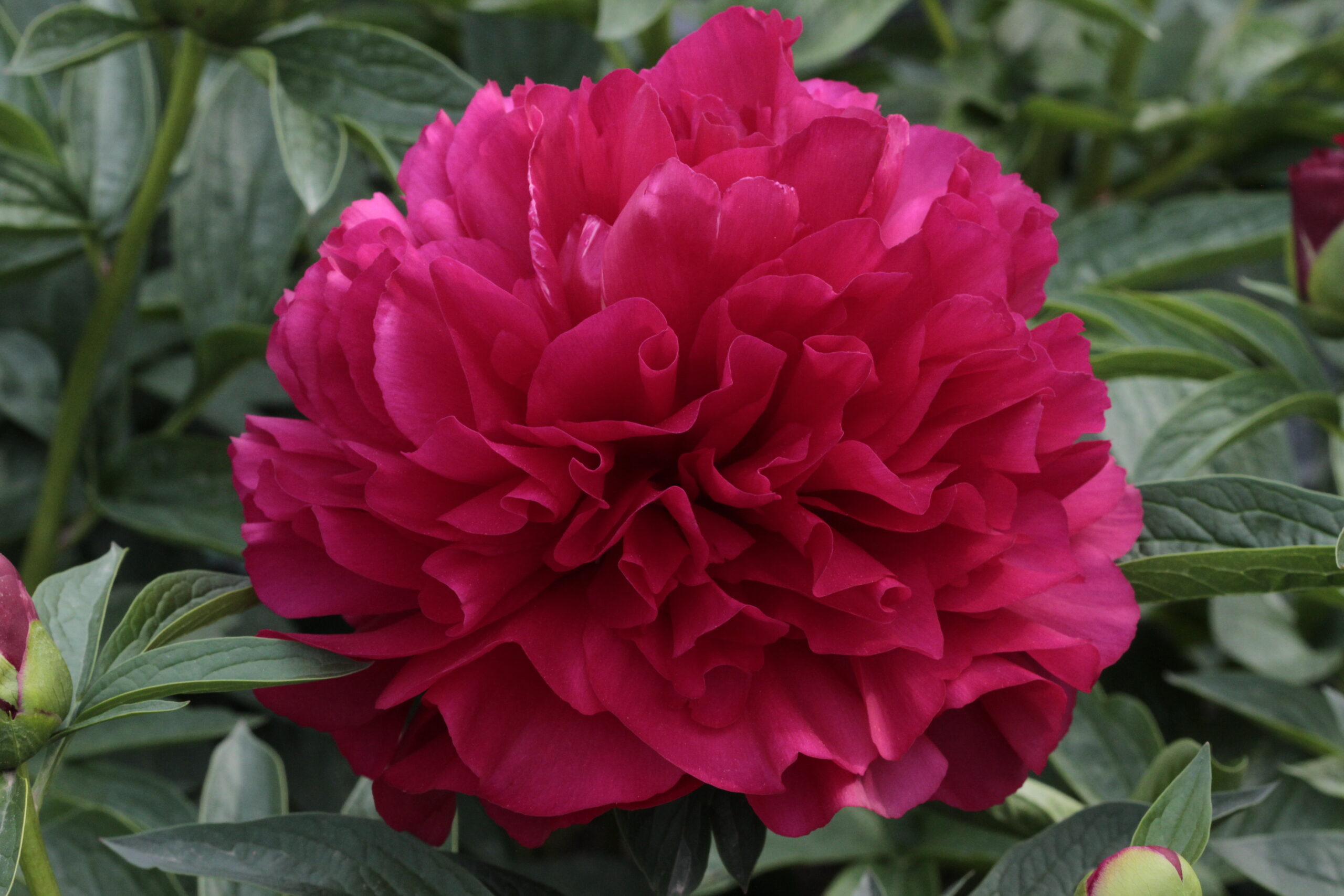
ÖNCÜ
-

- MUAZZEZ
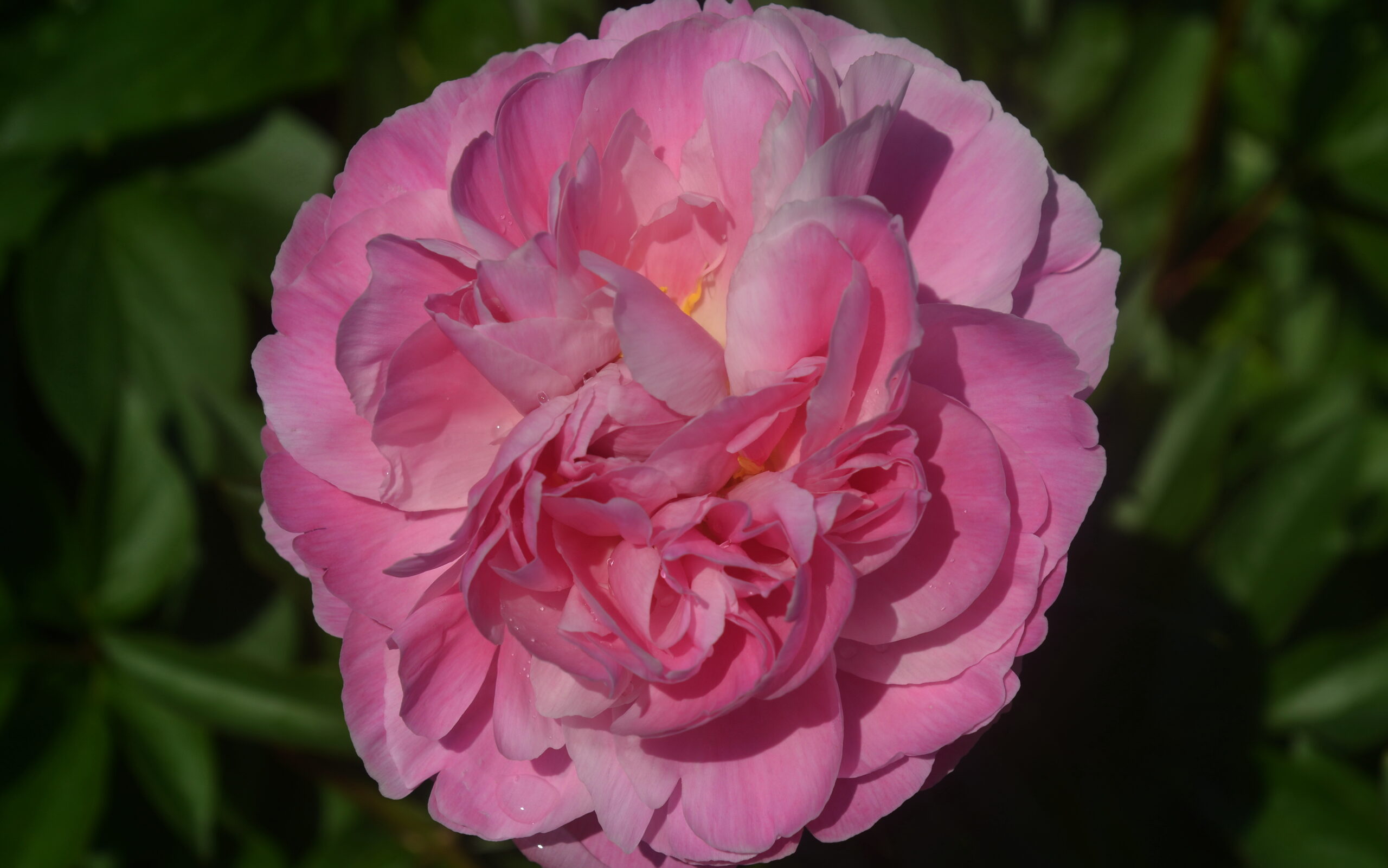
MUAZZEZ
-

- Paeonia x kayae ‘Kaya’
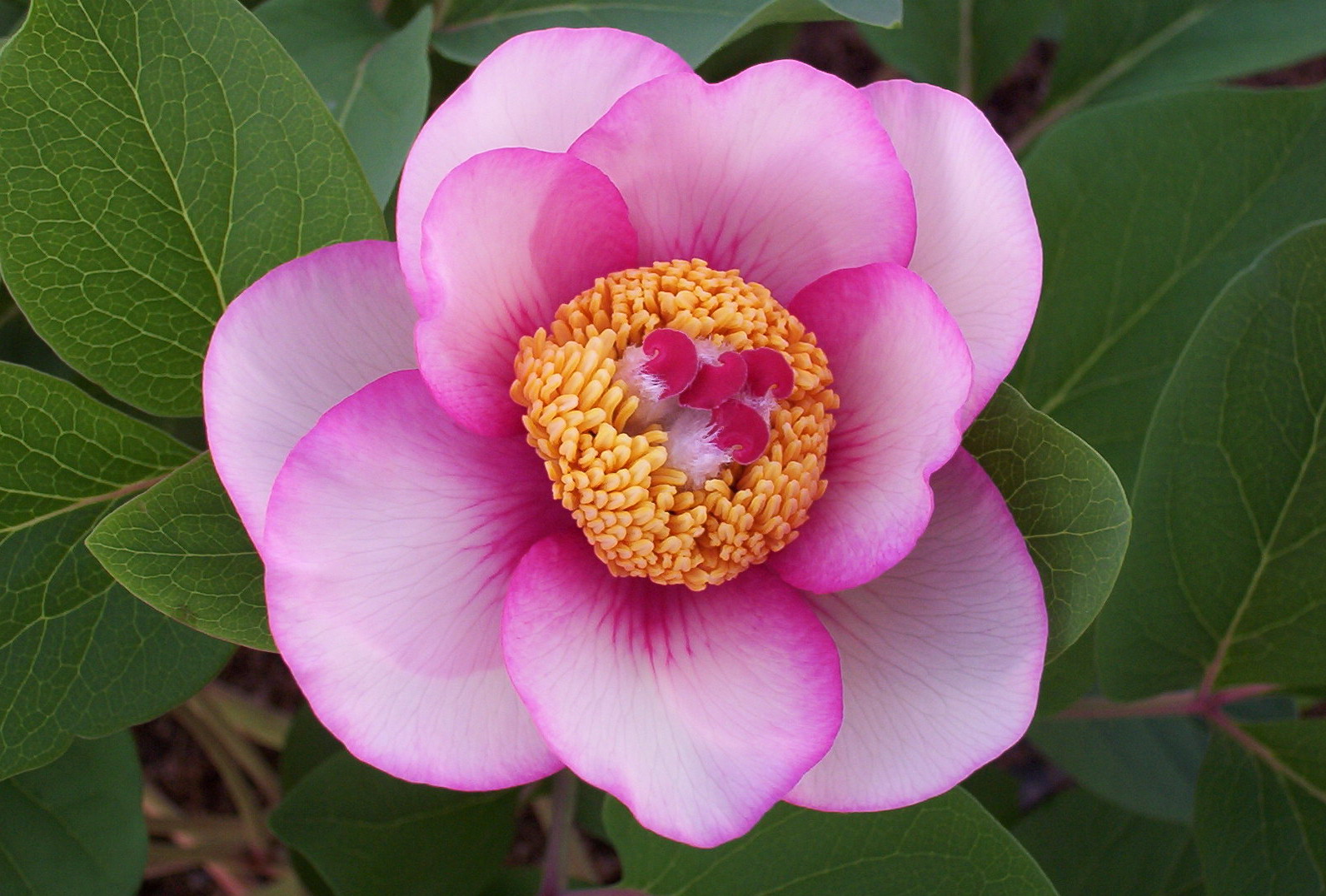
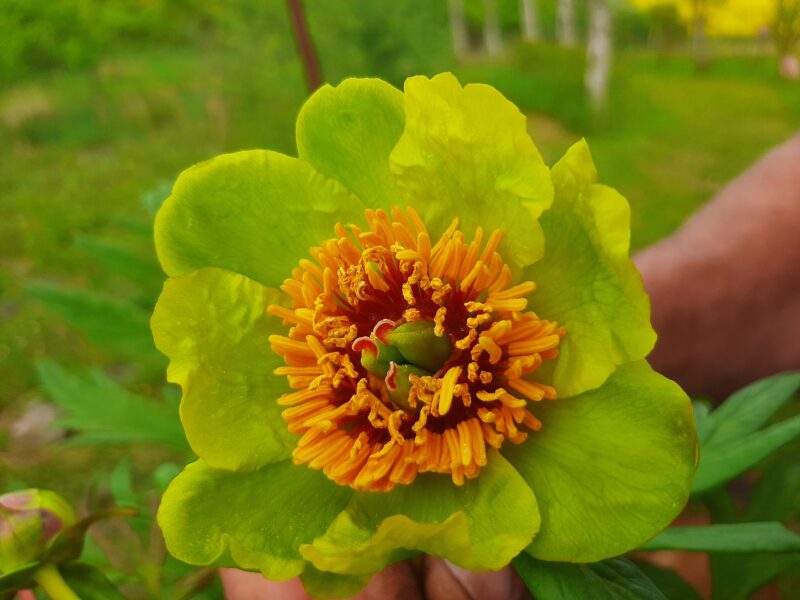
Paeonia x kayae ‘Kaya’. Single, fragrant, short. The naturally occurring hybrid bearing my name is a bit finicky; its adaptation to Yalova conditions is limited, so I couldn’t produce many of them. There are only 10-15 individuals; unfortunately, they are not for sale.
-

- SÜVEYDA

-
- SÜVEYDA

-
- SÜVEYDA
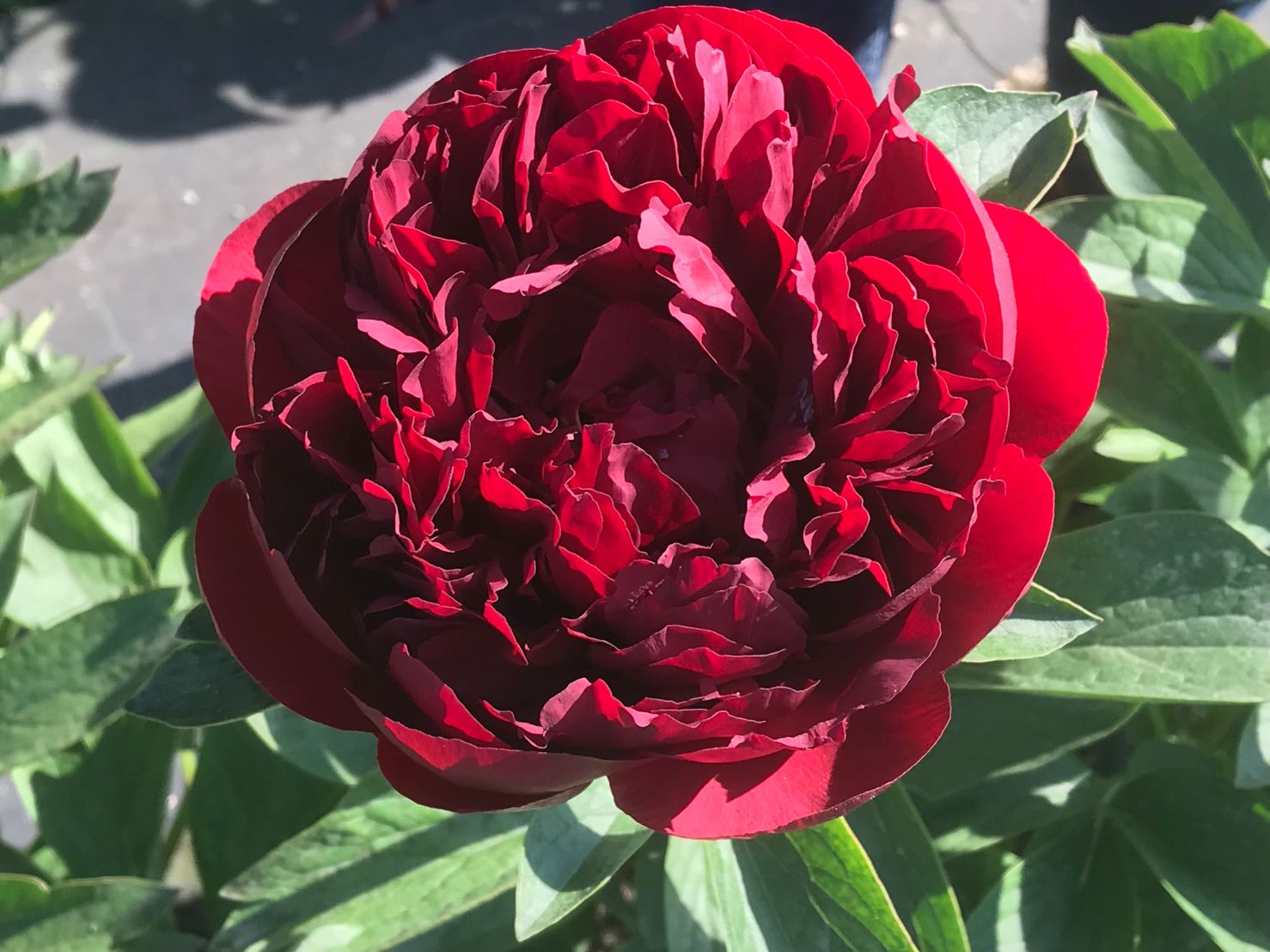
SÜVEYDA. P. peregrina and P. lactiflora hybrid. Double, blackish red, fragrant, tall.
-

- BAYRAKTAR
-
- BAYRAKTAR
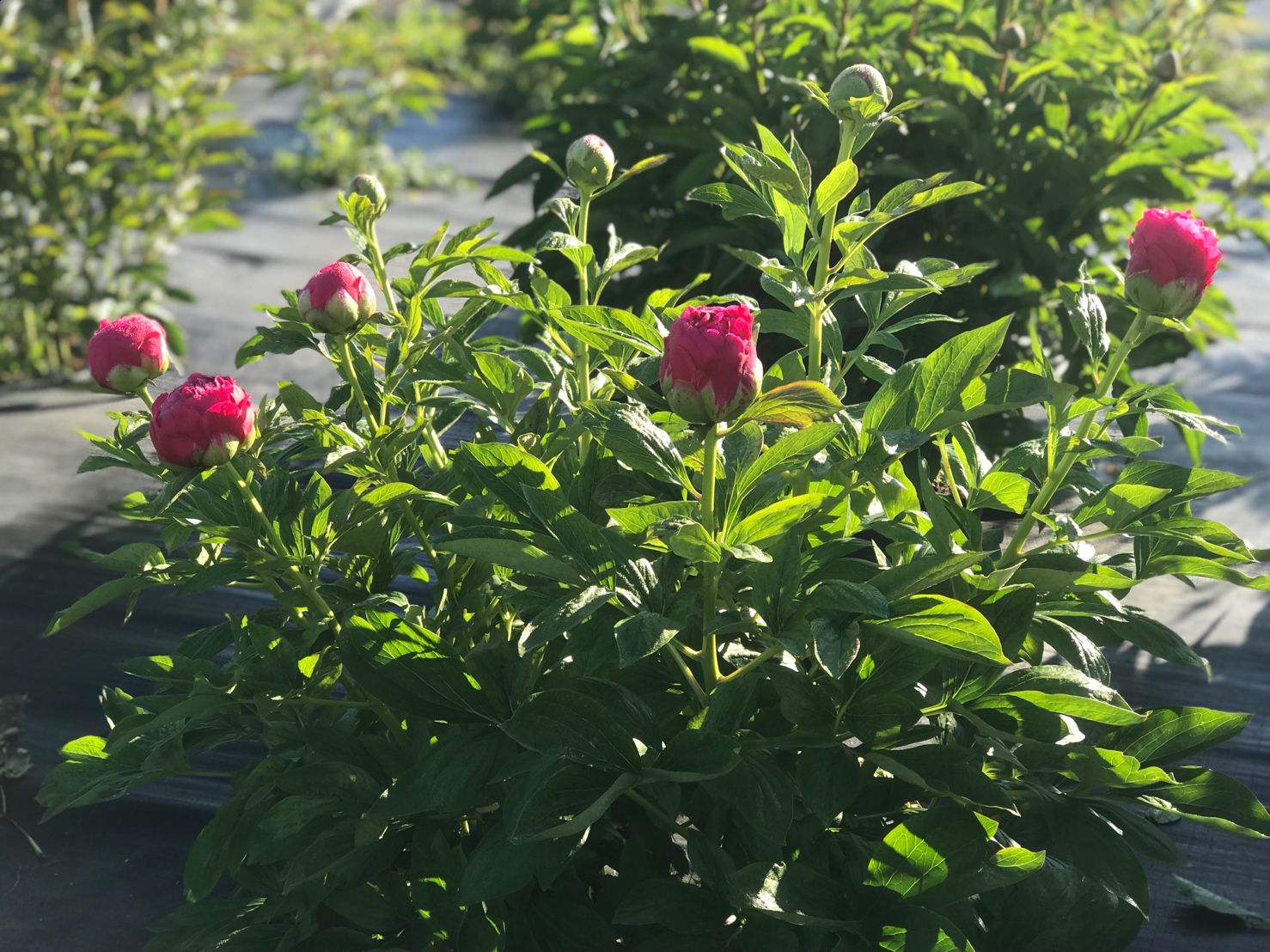
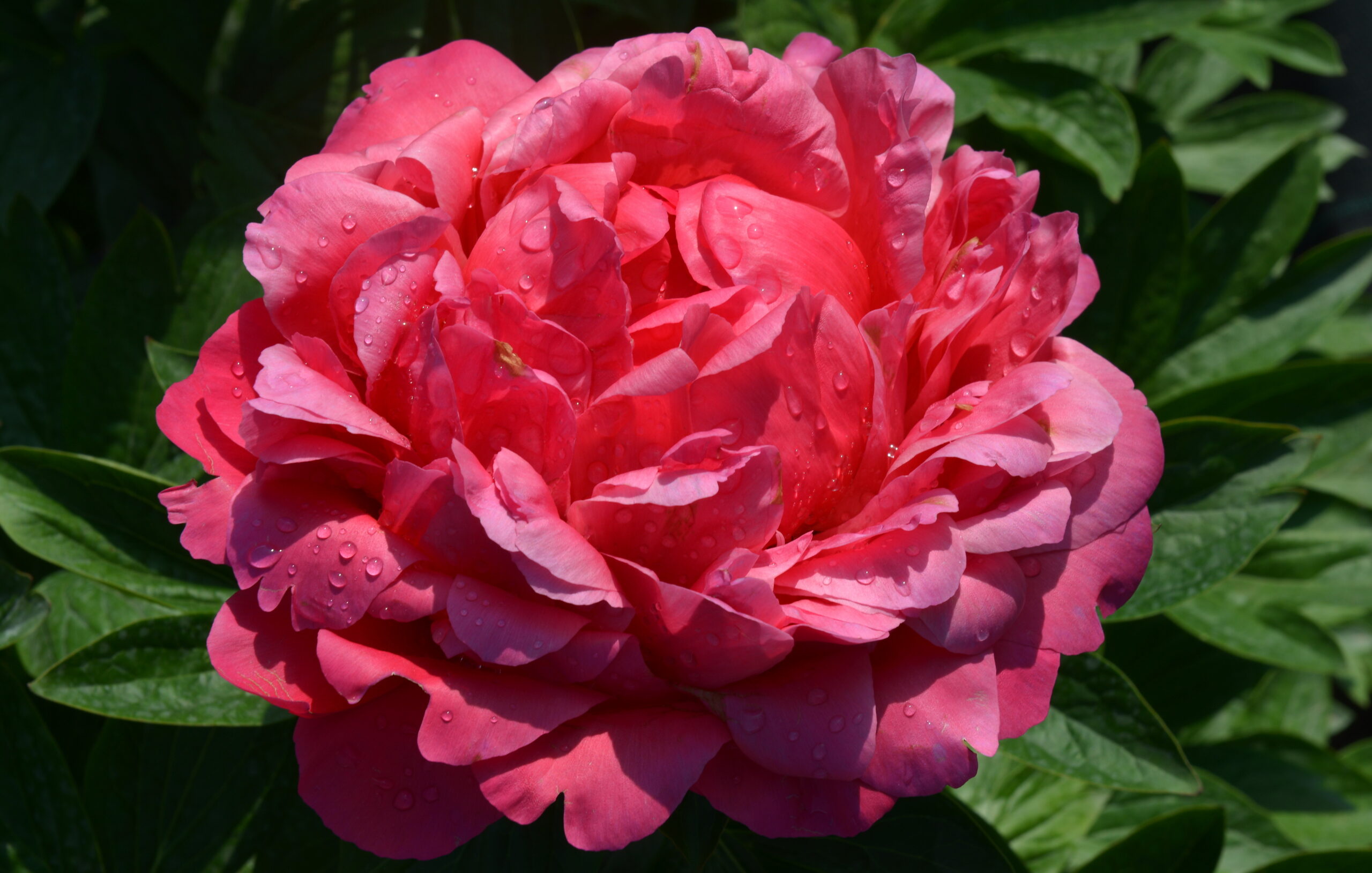
BAYRAKTAR. P. peregrina and P. lactiflora hybrid.
Within your current seedlings, what are the most promising ones?
-
- Seedling
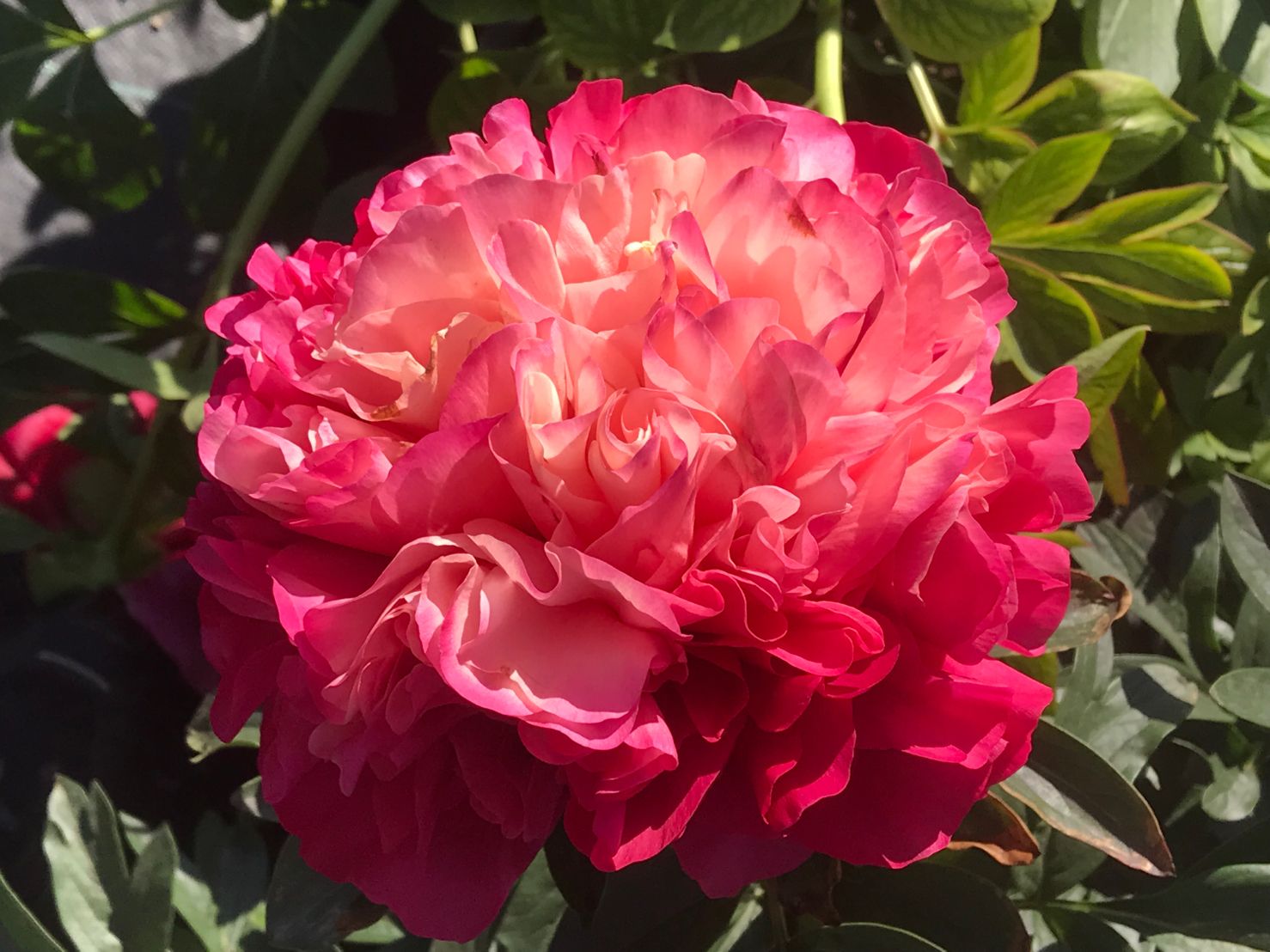
I have a variety candidate called 1601xsb-15, which is not unlike Coral Sunset, but a fully double-flowered variety candidate. I also have a variety called Mercam, which is also similar.
Updates:
-Jan 15th: corrected the parentage of Sahika which was wrongly credited to be a daurica-lactiflora hybrid, it is in fact an intersectional daurica-suffruticosa hybrid.
-Jan 20th: added the table with the candidate varieties and the part about how large the program is, with a longer answer to the APS registration question.
E-mail of this person is known to the author. If you want to contact this hybridizer, we can forward your message.