


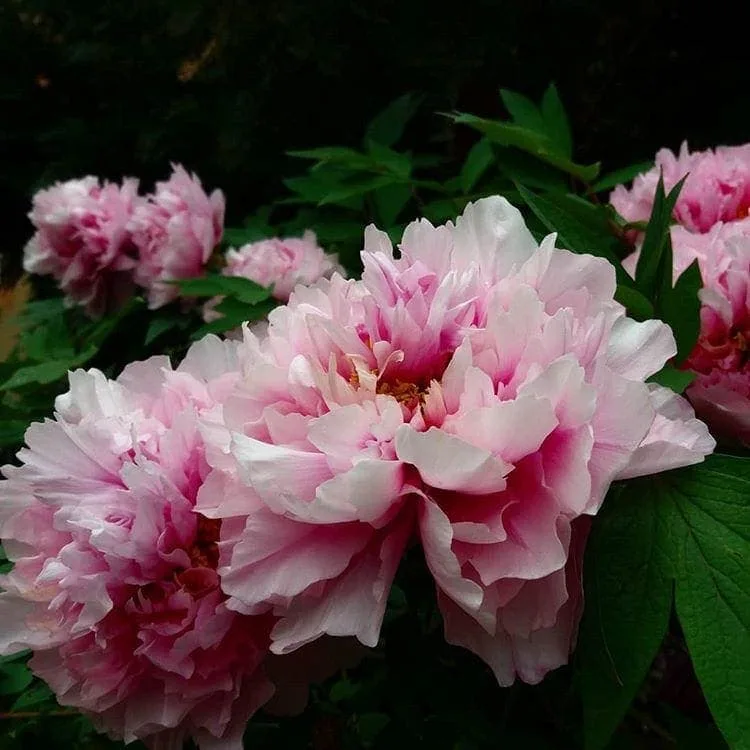
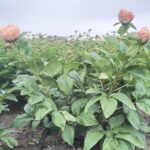
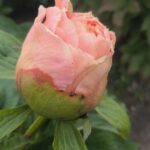
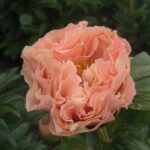
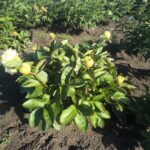
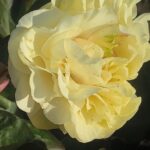
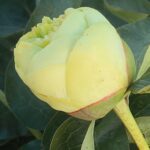
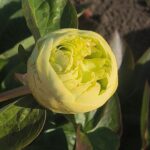
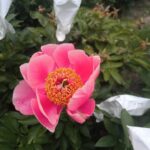

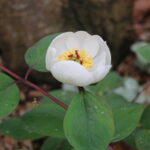


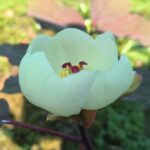

From these last series, they've received a long warm period and will now go into cold storage. Here the two…
- 2 Comments

This is an unfortunate problem to hear about, as it’s something that could give the public a bad feeling about peonies as a cut flower. Here in Oregon the growers that I am familiar with make every effort to harvest their cuts at the proper time, and get a premium price as a result. Also, I know that the bosses of their crews know the proper…Read More
https://m.facebook.com/photo.php?fbid=4482991541726764&id=100000478875706&set=a.957266220965998&source=48&ref=page_internal
Dark red ones shown on Facebook. First ever image I’ve seen of <a class="wpg-linkify wpg-tooltip" title="<div class="wpg-tooltip-content"><p>Officinalis x lactiflora. Single, early red. Seedling A1A77, second generation Otto Frobel hybrid. This is a very remarkable, small, black single which is a second generation hybrid as stated above and was displayed at the Milwaukee, Wis., show in 1944. M</p>
</div>" href="https://www.peonysociety.org/registered_peonies/sable/" >Sable</a>. Peter Brand is in reality much paler and more reddish compared to &amp;amp;amp;amp;amp;lt;a class=&amp;amp;amp;amp;amp;quot;wpg-linkify wpg-tooltip&amp;amp;amp;amp;amp;quot; title=&amp;amp;amp;amp;amp;quot;&amp;amp;amp;amp;amp;amp;lt;div class=&amp;amp;amp;amp;amp;amp;quot;wpg-tooltip-content&amp;amp;amp;amp;amp;amp;quot;&amp;amp;amp;amp;amp;amp;gt;&amp;amp;amp;amp;amp;amp;lt;p&amp;amp;amp;amp;amp;amp;gt;&amp;amp;amp;amp;amp;amp;lt;/p&amp;amp;amp;amp;amp;amp;gt;
&amp;amp;amp;amp;amp;amp;lt;/div&amp;amp;amp;amp;amp;amp;gt;&amp;amp;amp;amp;amp;quot; href=&amp;amp;amp;amp;amp;quot;https://www.peonysociety.org/registered_peonies/buckeye-belle/&amp;amp;amp;amp;amp;quot; &amp;amp;amp;amp;amp;gt;Buckeye Belle&amp;amp;amp;amp;amp;lt;/a&amp;amp;amp;amp;amp;gt;. &amp;lt;a class=&amp;quot;wpg-linkify wpg-tooltip&amp;quot; title=&amp;quot;&amp;amp;lt;div class=&amp;amp;quot;wpg-tooltip-content&amp;amp;quot;&amp;amp;gt;&amp;amp;lt;p&amp;amp;gt;Officinalis X Chinensis hybrid. Under No. 2225 awarded first class certificate, 1937. Very large &amp;amp;quot;five-layered single,” rich unfading dark red. Seedling # 2225.&amp;amp;lt;/p&amp;amp;gt;
&amp;amp;lt;/div&amp;amp;gt;&amp;quot; href=&amp;quot;https://www.peonysociety.org/registered_peonies/red-glory/&amp;quot; &amp;gt;Red Glory&amp;lt;/a&amp;gt; I’ve never seen and the Russian (?) one in the lower right…Read More
2 Comments
Interesting to see a picture of ‘<a class="wpg-linkify wpg-tooltip" title="<div class="wpg-tooltip-content"><p>Officinalis x lactiflora. Single, early red. Seedling A1A77, second generation Otto Frobel hybrid. This is a very remarkable, small, black single which is a second generation hybrid as stated above and was displayed at the Milwaukee, Wis., show in 1944. M</p> </div>" href="https://www.peonysociety.org/registered_peonies/sable/" >Sable</a>’. I’ve always wondered if it still existed. I obtained a plant of Pherson’s <a class="wpg-linkify wpg-tooltip" title="<div class="wpg-tooltip-content"><p>Officinalis x lactiflora. Single, early red. Seedling A1A77, second generation Otto Frobel hybrid. This is a very remarkable, small, black single which is a second generation hybrid as stated above and was displayed at the Milwaukee, Wis., show in 1944. M</p> </div>" href="https://www.peonysociety.org/registered_peonies/sable/" >Sable</a> x <a class="wpg-linkify wpg-tooltip" title="&lt;div class=&quot;wpg-tooltip-content&quot;&gt;&lt;p&gt;(officinalis Rubra Plena x coriacea) Glaucous blue-green foliage, veins very dark, flowers black purple maroon.&lt;/p&gt; &lt;/div&gt;" href="https://www.peonysociety.org/registered_peonies/eclipse/" >Eclipse</a> from Don Hollingsworth some years ago, but it’s more of an oddity than anything else. It’s very very tall; much taller than other hybrids, with long and twisted awkward stems, and a red color that is not…Read More
![Profile picture of khurtekant]()
Hello Bob. I’ve also got both &amp;amp;lt;a class=&amp;amp;quot;wpg-linkify wpg-tooltip&amp;amp;quot; title=&amp;amp;quot;&amp;amp;amp;lt;div class=&amp;amp;amp;quot;wpg-tooltip-content&amp;amp;amp;quot;&amp;amp;amp;gt;&amp;amp;amp;lt;p&amp;amp;amp;gt;Seedling number 74H120-6. Parentage: &amp;amp;amp;#039;Blushing Princess&amp;amp;amp;#039; x Pehrson&amp;amp;amp;#039;s unnamed <a class="wpg-linkify wpg-tooltip" title="<div class="wpg-tooltip-content"><p>Officinalis x lactiflora. Single, early red. Seedling A1A77, second generation Otto Frobel hybrid. This is a very remarkable, small, black single which is a second generation hybrid as stated above and was displayed at the Milwaukee, Wis., show in 1944. M</p> </div>" href="https://www.peonysociety.org/registered_peonies/sable/" >Sable</a>-<a class="wpg-linkify wpg-tooltip" title="&lt;div class=&quot;wpg-tooltip-content&quot;&gt;&lt;p&gt;(officinalis Rubra Plena x coriacea) Glaucous blue-green foliage, veins very dark, flowers black purple maroon.&lt;/p&gt; &lt;/div&gt;" href="https://www.peonysociety.org/registered_peonies/eclipse/" >Eclipse</a> hybrid. Has had distribution under both seedling number and name. First bloomed mid 1970’s, propagated since early 2000’s. Large (up to 7 inches (18 cm)) medium red SEMI-DOUBLE flowers, with 2-3 side buds. Flowers fade to a pink-red as they age. Light green <a class="wpg-linkify wpg-tooltip" title="&lt;div class=&quot;wpg-tooltip-content&quot;&gt;&lt;p&gt;carpel: an organ at the centre of a flower, bearing one or more ovules and having its margins fused together or with other carpels to enclose the <a class="wpg-linkify wpg-tooltip" title="<div class="wpg-tooltip-content"><p>a part inside the ovary (= organ that produces eggs) of a plant that contains the female sex cell and develops into a seed when that cell is fertilized</p> </div>" href="https://www.peonysociety.org/registered_peonies/ovule/" >ovule</a> in an <a class="wpg-linkify wpg-tooltip" title="<div class="wpg-tooltip-content"><p>the hollow base of the carpel of a flower, containing one or more ovules</p> </div>" href="https://www.peonysociety.org/registered_peonies/ovary/" >ovary</a>, and consisting also of a <a class="wpg-linkify wpg-tooltip" title="<div class="wpg-tooltip-content"><p>The pollen-receptive surface of a carpel, usually sticky. It sits above the ovary on the style.</p> </div>" href="https://www.peonysociety.org/registered_peonies/stigma/" >stigma</a> and usually a style.&lt;/p&gt; &lt;p&gt;&lt;/p&gt; &lt;/div&gt;" href="https://www.peonysociety.org/registered_peonies/carpels/" >carpels</a> (3-5 in number), pink <a class="wpg-linkify wpg-tooltip" title="&lt;div class=&quot;wpg-tooltip-content&quot;&gt;&lt;p&gt;<a class="wpg-linkify wpg-tooltip" title="<div class="wpg-tooltip-content"><p>The pollen-receptive surface of a carpel, usually sticky. It sits above the ovary on the style.</p> </div>" href="https://www.peonysociety.org/registered_peonies/stigma/" >Stigma</a>: the pollen-receptive surface of a carpel or group of fused carpels, usually sticky.&lt;/p&gt; &lt;p&gt;&lt;/p&gt; &lt;/div&gt;" href="https://www.peonysociety.org/registered_peonies/stigmas/" >stigmas</a> and yellow &amp;lt;a class=&amp;quot;wpg-linkify wpg-tooltip&amp;quot; title=&amp;quot;&amp;amp;lt;div class=&amp;amp;quot;wpg-tooltip-content&amp;amp;quot;&amp;amp;gt;&amp;amp;lt;p&amp;amp;gt;filament: the stalk of a stamen&amp;amp;lt;/p&amp;amp;gt; &amp;amp;lt;/div&amp;amp;gt;&amp;quot; href=&amp;quot;https://www.peonysociety.org/registered_peonies/filaments/&amp;quot; &amp;gt;filaments&amp;lt;/a&amp;gt;. Foliage is deep green and broad, carried on thick heavy 28 to 32 inch (71-81 cm) stems that do not require staking. Plants go dormant at the end of September. A fast growing plant that is highly fertile both ways and produces some of the largest seed we have seen in herbaceous hybrids. Presumed tetraploid. Very good double seedlings of bright pink coloration from this plant are under observation. Week 3-4 bloom time. &amp;amp;amp;lt;/p&amp;amp;amp;gt; &amp;amp;amp;lt;/div&amp;amp;amp;gt;&amp;amp;quot; href=&amp;amp;quot;https://www.peonysociety.org/registered_peonies/old-soldier/&amp;amp;quot; &amp;amp;gt;Old Soldier&amp;amp;lt;/a&amp;amp;gt; and <a class="wpg-linkify wpg-tooltip" title="&lt;div class=&quot;wpg-tooltip-content&quot;&gt;&lt;p&gt;Seidl #74H120-2. Seidl seedling. Unregistered. Garden named &#039;Valkyrie&#039;. Dark red loose double. Large flowers that have shiny petals and glowing rich deep color. Fertile both ways. Choice flowers, but plant habit requires mechanical support due to long stems between leaves and flowers. As a parent Valkyrie produces a wide range of colors and forms. Recommended for hybridizers as the plant habit require work. (Blushing Princess x Pehrson&#039;s <a class="wpg-linkify wpg-tooltip" title="<div class="wpg-tooltip-content"><p>Officinalis x lactiflora. Single, early red. Seedling A1A77, second generation Otto Frobel hybrid. This is a very remarkable, small, black single which is a second generation hybrid as stated above and was displayed at the Milwaukee, Wis., show in 1944. M</p> </div>" href="https://www.peonysociety.org/registered_peonies/sable/" >Sable</a> x Eclipse hybrid). Fertile both ways.&lt;/p&gt; &lt;/div&gt;" href="https://www.peonysociety.org/registered_peonies/valkyrie/" >Valkyrie</a> with the latter being my favorite as well and with the same remarks. Another nice dark red one is &amp;amp;lt;a class=&amp;amp;quot;wpg-linkify wpg-tooltip&amp;amp;quot; title=&amp;amp;quot;&amp;amp;amp;lt;div class=&amp;amp;amp;quot;wpg-tooltip-content&amp;amp;amp;quot;&amp;amp;amp;gt;&amp;amp;amp;lt;p&amp;amp;amp;gt;(Saunders, 1950) - Formerly VIKING. Semi-double. Dark Red - Hybrid. Anomala seedling. List in Bulletin 129.&amp;amp;amp;lt;/p&amp;amp;amp;gt; &amp;amp;amp;lt;/div&amp;amp;amp;gt;&amp;amp;quot; href=&amp;amp;quot;https://www.peonysociety.org/registered_peonies/night-watch/&amp;amp;quot; &amp;amp;gt;Night Watch&amp;amp;lt;/a&amp;amp;gt;, which grew very well here. Haven’t done anything with it. I do have a few seedlings with &amp;amp;amp;amp;lt;a class=&amp;amp;amp;amp;quot;wpg-linkify wpg-tooltip&amp;amp;amp;amp;quot; title=&amp;amp;amp;amp;quot;&amp;amp;amp;amp;amp;lt;div class=&amp;amp;amp;amp;amp;quot;wpg-tooltip-content&amp;amp;amp;amp;amp;quot;&amp;amp;amp;amp;amp;gt;&amp;amp;amp;amp;amp;lt;p&amp;amp;amp;amp;amp;gt;Growing at the edges and in openings of Abies forests, or in sparse Abies forests, on limestones, at an altitude of 1,100—1,500 m. Found only in the mountains Parnassos and Elikonas (Helicon) of Greece.&amp;amp;amp;amp;amp;lt;/p&amp;amp;amp;amp;amp;gt; &amp;amp;amp;amp;amp;lt;p&amp;amp;amp;amp;amp;gt;The most remarkable characters of Paeonia parnassica are its very dark purple petals and purple <a class="wpg-linkify wpg-tooltip" title="&lt;div class=&quot;wpg-tooltip-content&quot;&gt;&lt;p&gt;anther: pollen-bearing structure in the stamen (male organ) of the flower usually located on top of the filament of the stamen&lt;/p&gt; &lt;/div&gt;" href="https://www.peonysociety.org/registered_peonies/anthers/" >anthers</a>, which distinguish it from &amp;amp;lt;a class=&amp;amp;quot;wpg-linkify wpg-tooltip&amp;amp;quot; title=&amp;amp;quot;&amp;amp;amp;lt;div class=&amp;amp;amp;quot;wpg-tooltip-content&amp;amp;amp;quot;&amp;amp;amp;gt;&amp;amp;amp;lt;p&amp;amp;amp;gt;Growing usually in sparse oak or coniferous woods, or in clearings of forests, also in pastures, on limestones but also granites, with a wide range of altitudes from 300 m in Emilia of Italy to 2,100 m in Kutahya Province of Turkey. Distributed in Turkey, Romania, Bosnia-Herzegovina, Albania, Croatia and Italy (Emilia) from the east to the west.&amp;amp;amp;lt;br /&amp;amp;amp;gt; &amp;amp;amp;lt;a href=&amp;amp;amp;quot;https://www.peonysociety.org/species/herbaceous/paeonia/arietina/&amp;amp;amp;quot;&amp;amp;amp;gt;More info&amp;amp;amp;lt;/a&amp;amp;amp;gt;&amp;amp;amp;lt;/p&amp;amp;amp;gt; &amp;amp;amp;lt;/div&amp;amp;amp;gt;&amp;amp;quot; href=&amp;amp;quot;https://www.peonysociety.org/registered_peonies/p-arietina/&amp;amp;quot; &amp;amp;gt;P. arietina&amp;amp;lt;/a&amp;amp;gt;. It has fewer leaflets/leaf &lt;a class=&quot;wpg-linkify wpg-tooltip&quot; title=&quot;&amp;lt;div class=&amp;quot;wpg-tooltip-content&amp;quot;&amp;gt;&amp;lt;p&amp;gt;a leaf is &amp;#039;segmented&amp;#039; when it consists of pieces of various shapes, which are more or less separated from one another&amp;lt;/p&amp;gt; &amp;lt;/div&amp;gt;&quot; href=&quot;https://www.peonysociety.org/registered_peonies/segments/&quot; &gt;segments&lt;/a&gt; (9—15, rarely up to 25) than &amp;amp;lt;a class=&amp;amp;quot;wpg-linkify wpg-tooltip&amp;amp;quot; title=&amp;amp;quot;&amp;amp;amp;lt;div class=&amp;amp;amp;quot;wpg-tooltip-content&amp;amp;amp;quot;&amp;amp;amp;gt;&amp;amp;amp;lt;p&amp;amp;amp;gt;Growing usually in sparse oak or coniferous woods, or in clearings of forests, also in pastures, on limestones but also granites, with a wide range of altitudes from 300 m in Emilia of Italy to 2,100 m in Kutahya Province of Turkey. Distributed in Turkey, Romania, Bosnia-Herzegovina, Albania, Croatia and Italy (Emilia) from the east to the west.&amp;amp;amp;lt;br /&amp;amp;amp;gt; &amp;amp;amp;lt;a href=&amp;amp;amp;quot;https://www.peonysociety.org/species/herbaceous/paeonia/arietina/&amp;amp;amp;quot;&amp;amp;amp;gt;More info&amp;amp;amp;lt;/a&amp;amp;amp;gt;&amp;amp;amp;lt;/p&amp;amp;amp;gt; &amp;amp;amp;lt;/div&amp;amp;amp;gt;&amp;amp;quot; href=&amp;amp;quot;https://www.peonysociety.org/registered_peonies/p-arietina/&amp;amp;quot; &amp;amp;gt;P. arietina&amp;amp;lt;/a&amp;amp;gt; (11-25, rarely up to 32).&amp;amp;amp;amp;amp;lt;br /&amp;amp;amp;amp;amp;gt; &amp;amp;amp;amp;amp;lt;a href=&amp;amp;amp;amp;amp;quot;https://www.peonysociety.org/species/herbaceous/paeonia/parnassica/&amp;amp;amp;amp;amp;quot;&amp;amp;amp;amp;amp;gt;More info&amp;amp;amp;amp;amp;lt;/a&amp;amp;amp;amp;amp;gt;&amp;amp;amp;amp;amp;lt;/p&amp;amp;amp;amp;amp;gt; &amp;amp;amp;amp;amp;lt;/div&amp;amp;amp;amp;amp;gt;&amp;amp;amp;amp;quot; href=&amp;amp;amp;amp;quot;https://www.peonysociety.org/registered_peonies/p-parnassica/&amp;amp;amp;amp;quot; &amp;amp;amp;amp;gt;P. parnassica&amp;amp;amp;amp;lt;/a&amp;amp;amp;amp;gt;, although still very small and, until now, many of them have struggled and died…Read More
CC-1-1, which descends two generations down from &amp;amp;amp;lt;a class=&amp;amp;amp;quot;wpg-linkify wpg-tooltip&amp;amp;amp;quot; title=&amp;amp;amp;quot;&amp;amp;amp;amp;lt;div class=&amp;amp;amp;amp;quot;wpg-tooltip-content&amp;amp;amp;amp;quot;&amp;amp;amp;amp;gt;&amp;amp;amp;amp;lt;p&amp;amp;amp;amp;gt;F2, inbred Officinalis Otto Froebel (tetraploid). A huge bowl shaped flower with a brilliant penetrating coral color, which has a mild agreeable sheen. The color lightens to a pale cream as the golden center of stamen&amp;amp;amp;amp;#039;s is approached. It is semi-double. The guards and second row of petals are large and have no undesirable petal notches. The petals become narrower and become gradually erect toward the center of the flower. The flower has unusual substance and is a free bloomer. Borne on 36 in. rigid stems, with good foliage. It is late &amp;amp;amp;amp;quot;June 1st here&amp;amp;amp;amp;quot; for a hybrid, and has real vigor. It had three blooms the first time it bloomed in 1S62, seven blooms the second year in 1963, and ten blooms in 1984. It has the stamina to stay in refrigeration for ten days at least and still do well. Seedling # 640.&amp;amp;amp;amp;lt;/p&amp;amp;amp;amp;gt; &amp;amp;amp;amp;lt;/div&amp;amp;amp;amp;gt;&amp;amp;amp;quot; href=&amp;amp;amp;quot;https://www.peonysociety.org/registered_peonies/coral-<a class="wpg-linkify wpg-tooltip" title="<div class="wpg-tooltip-content"><p>Very dark red Jap. Good upright grower, vigorous, late, 34 inches. An improvement on Fuyajo. Seedling # JE-3.</p> <p>Award of Landscape Merit (ALM) description: 'Charm' (Franklin, 1931) Lactiflora Group, Late mid-season, 38? — A lustrous and satiny, dark red Japanese form bloom with a center of the same red petaloids, etched yellow. Stiff and relatively straight stems angle outward gracefully to form a very large, harmoniously mounded, fountain of blooms. An eight-year-old plant matures to 40 or so stems that emerge from a relatively compact area. Although individual blooms are at their peak for a shorter duration than those of other lactifloras, plenty of side buds help 'Charm' maintain its striking presence in the landscape. One of the later Japanese form peonies to bloom.</p> </div>" href="https://www.peonysociety.org/registered_peonies/charm/" >charm</a>/&amp;amp;amp;quot; &amp;amp;amp;gt;Coral <a class="wpg-linkify wpg-tooltip" title="<div class="wpg-tooltip-content"><p>Very dark red Jap. Good upright grower, vigorous, late, 34 inches. An improvement on Fuyajo. Seedling # JE-3.</p> <p>Award of Landscape Merit (ALM) description: 'Charm' (Franklin, 1931) Lactiflora Group, Late mid-season, 38? — A lustrous and satiny, dark red Japanese form bloom with a center of the same red petaloids, etched yellow. Stiff and relatively straight stems angle outward gracefully to form a very large, harmoniously mounded, fountain of blooms. An eight-year-old plant matures to 40 or so stems that emerge from a relatively compact area. Although individual blooms are at their peak for a shorter duration than those of other lactifloras, plenty of side buds help 'Charm' maintain its striking presence in the landscape. One of the later Japanese form peonies to bloom.</p> </div>" href="https://www.peonysociety.org/registered_peonies/charm/" >Charm</a>&amp;amp;amp;lt;/a&amp;amp;amp;gt;. Many sidebuds and a better stature, but of course a single flower and a totally different colour.
![Profile picture of khurtekant]()
It does fade into a soft peach yellow, quite attractive when you have all stages of the flower on the same plants I must say.
![]()
Nice to see these plants from Hans. I have quite a number of seedlings I’ve bloomed using Hans’ CC-3 pollen (a first generation from &amp;amp;amp;lt;a class=&amp;amp;amp;quot;wpg-linkify wpg-tooltip&amp;amp;amp;quot; title=&amp;amp;amp;quot;&amp;amp;amp;amp;lt;div class=&amp;amp;amp;amp;quot;wpg-tooltip-content&amp;amp;amp;amp;quot;&amp;amp;amp;amp;gt;&amp;amp;amp;amp;lt;p&amp;amp;amp;amp;gt;F2, inbred Officinalis Otto Froebel (tetraploid). A huge bowl shaped flower with a brilliant penetrating coral color, which has a mild agreeable sheen. The color lightens to a pale cream as the golden center of stamen&amp;amp;amp;amp;#039;s is approached. It is semi-double. The guards and second row of petals are large and have no undesirable petal notches. The petals become narrower and become gradually erect toward the center of the flower. The flower has unusual substance and is a free bloomer. Borne on 36 in. rigid stems, with good foliage. It is late &amp;amp;amp;amp;quot;June 1st here&amp;amp;amp;amp;quot; for a hybrid, and has real vigor. It had three blooms the first time it bloomed in 1S62, seven blooms the second year in 1963, and ten blooms in 1984. It has the stamina to stay in refrigeration for ten days at least and still do well. Seedling # 640.&amp;amp;amp;amp;lt;/p&amp;amp;amp;amp;gt; &amp;amp;amp;amp;lt;/div&amp;amp;amp;amp;gt;&amp;amp;amp;quot; href=&amp;amp;amp;quot;https://www.peonysociety.org/registered_peonies/coral-<a class="wpg-linkify wpg-tooltip" title="<div class="wpg-tooltip-content"><p>Very dark red Jap. Good upright grower, vigorous, late, 34 inches. An improvement on Fuyajo. Seedling # JE-3.</p> <p>Award of Landscape Merit (ALM) description: 'Charm' (Franklin, 1931) Lactiflora Group, Late mid-season, 38? — A lustrous and satiny, dark red Japanese form bloom with a center of the same red petaloids, etched yellow. Stiff and relatively straight stems angle outward gracefully to form a very large, harmoniously mounded, fountain of blooms. An eight-year-old plant matures to 40 or so stems that emerge from a relatively compact area. Although individual blooms are at their peak for a shorter duration than those of other lactifloras, plenty of side buds help 'Charm' maintain its striking presence in the landscape. One of the later Japanese form peonies to bloom.</p> </div>" href="https://www.peonysociety.org/registered_peonies/charm/" >charm</a>/&amp;amp;amp;quot; &amp;amp;amp;gt;Coral <a class="wpg-linkify wpg-tooltip" title="<div class="wpg-tooltip-content"><p>Very dark red Jap. Good upright grower, vigorous, late, 34 inches. An improvement on Fuyajo. Seedling # JE-3.</p> <p>Award of Landscape Merit (ALM) description: 'Charm' (Franklin, 1931) Lactiflora Group, Late mid-season, 38? — A lustrous and satiny, dark red Japanese form bloom with a center of the same red petaloids, etched yellow. Stiff and relatively straight stems angle outward gracefully to form a very large, harmoniously mounded, fountain of blooms. An eight-year-old plant matures to 40 or so stems that emerge from a relatively compact area. Although individual blooms are at their peak for a shorter duration than those of other lactifloras, plenty of side buds help 'Charm' maintain its striking presence in the landscape. One of the later Japanese form peonies to bloom.</p> </div>" href="https://www.peonysociety.org/registered_peonies/charm/" >Charm</a>&amp;amp;amp;lt;/a&amp;amp;amp;gt;) which he was kind enough to send me several years ago. This was the year that they all bloomed : some showed signs of coral color, or interesting and uncommon shades of pink, and I crossed them all…Read More
khurtekant posted in the group Nederlandstalig (Dutch language)
Een nederlandse video waarin de reporter op bezoek gaat bij My Peony Society, een collectief van pioenenkwekers en -kopers. Ze verhandelen ongeveer 30 miljoen pioenen per jaar, terwijl de totale Nederlandse productie wordt geschat op een goede 100 miljoen stuks jaarlijks. Wie wat inzicht wil in hoe de handel daarvan verloopt, kan dit best…Read More
CNB, a dutch broker for plant growers, organises a peony show yearly. Due to the coronavirus unfortunately not this year. Instead they’ll be making some videos this year to give you an impression of the people that show those peonies. First is Harry van Dongen. The spoken language is of course dutch, but there are english subtitles (choose ‘…Read More
1 Comment

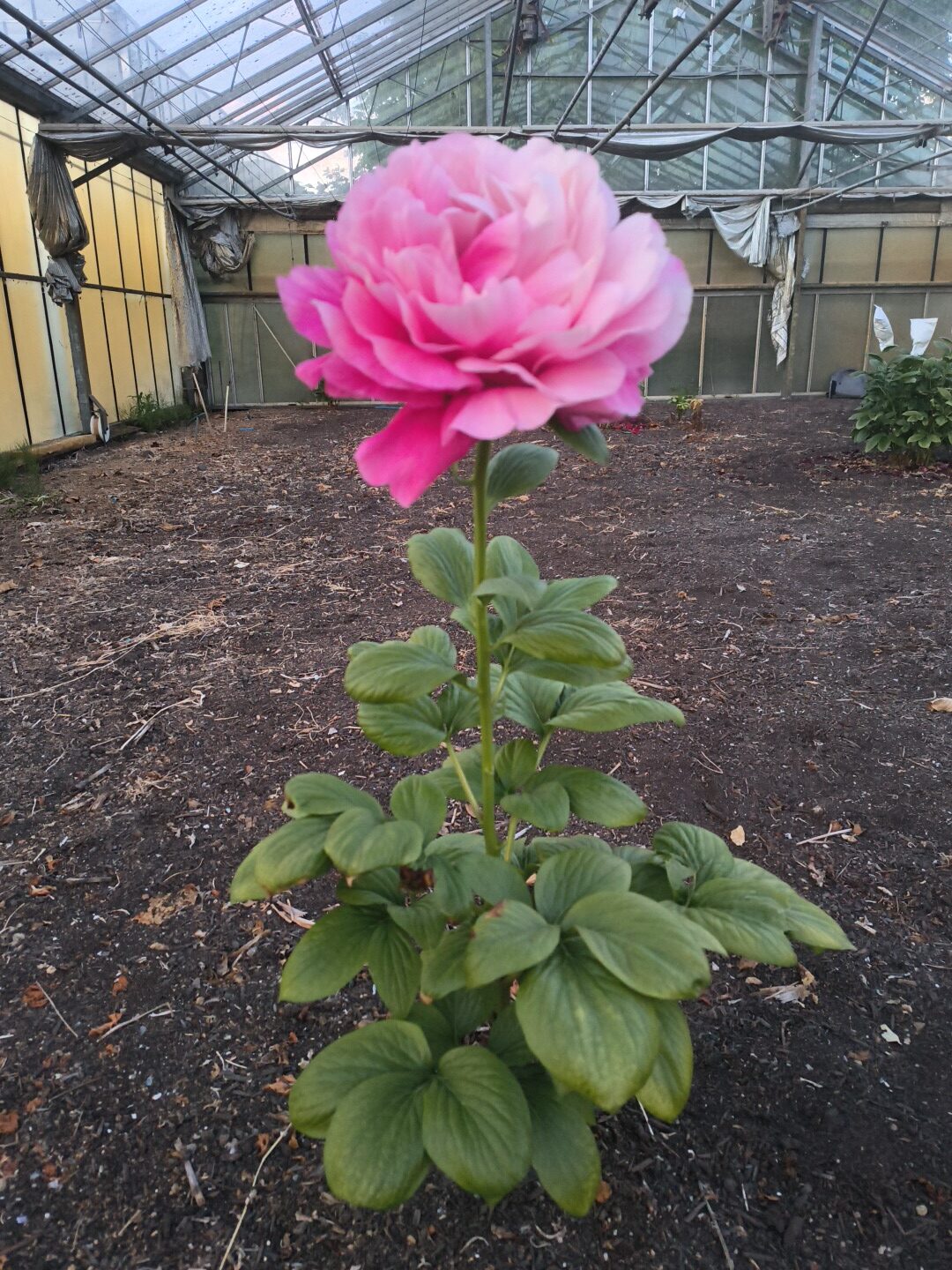
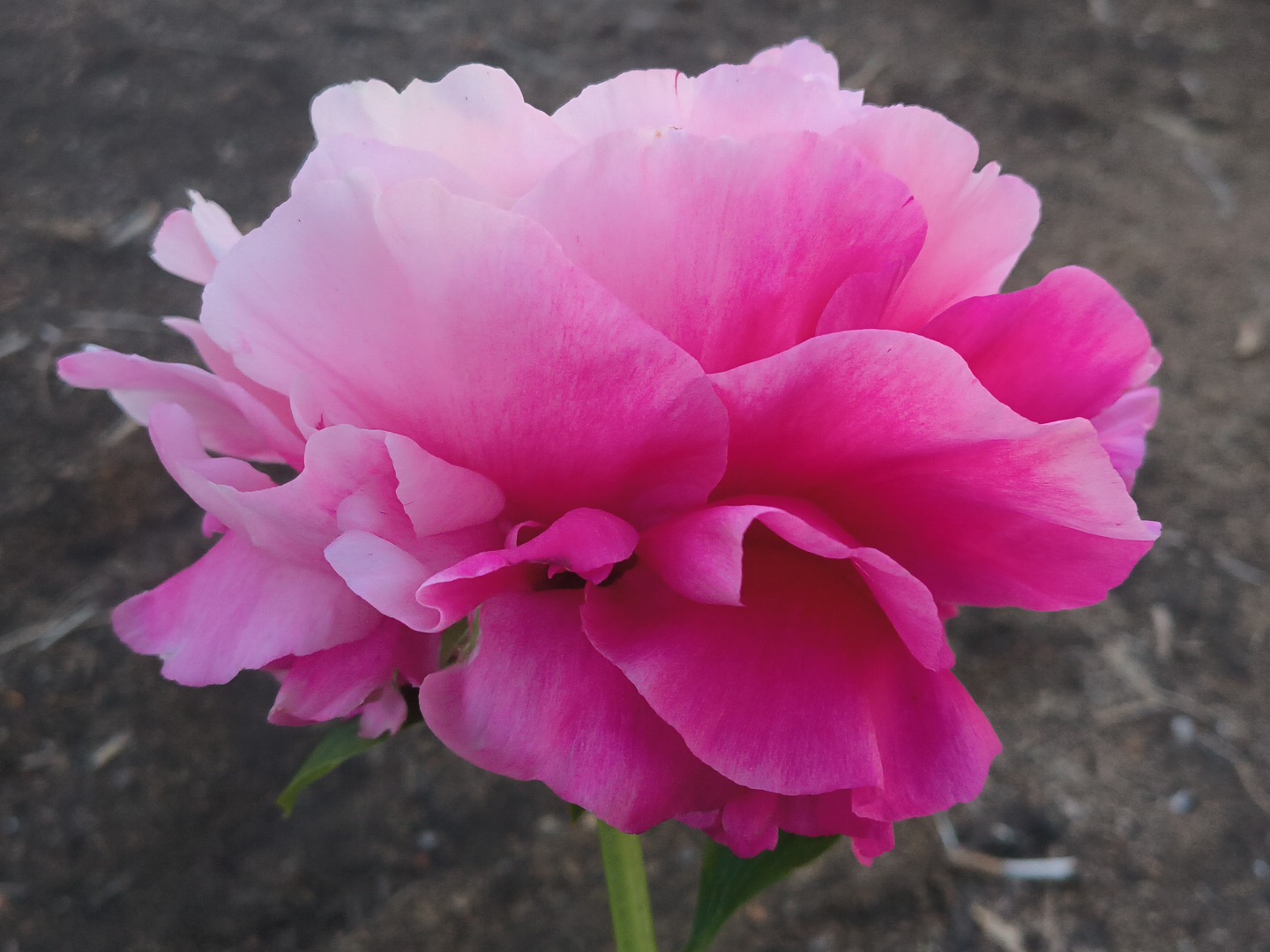
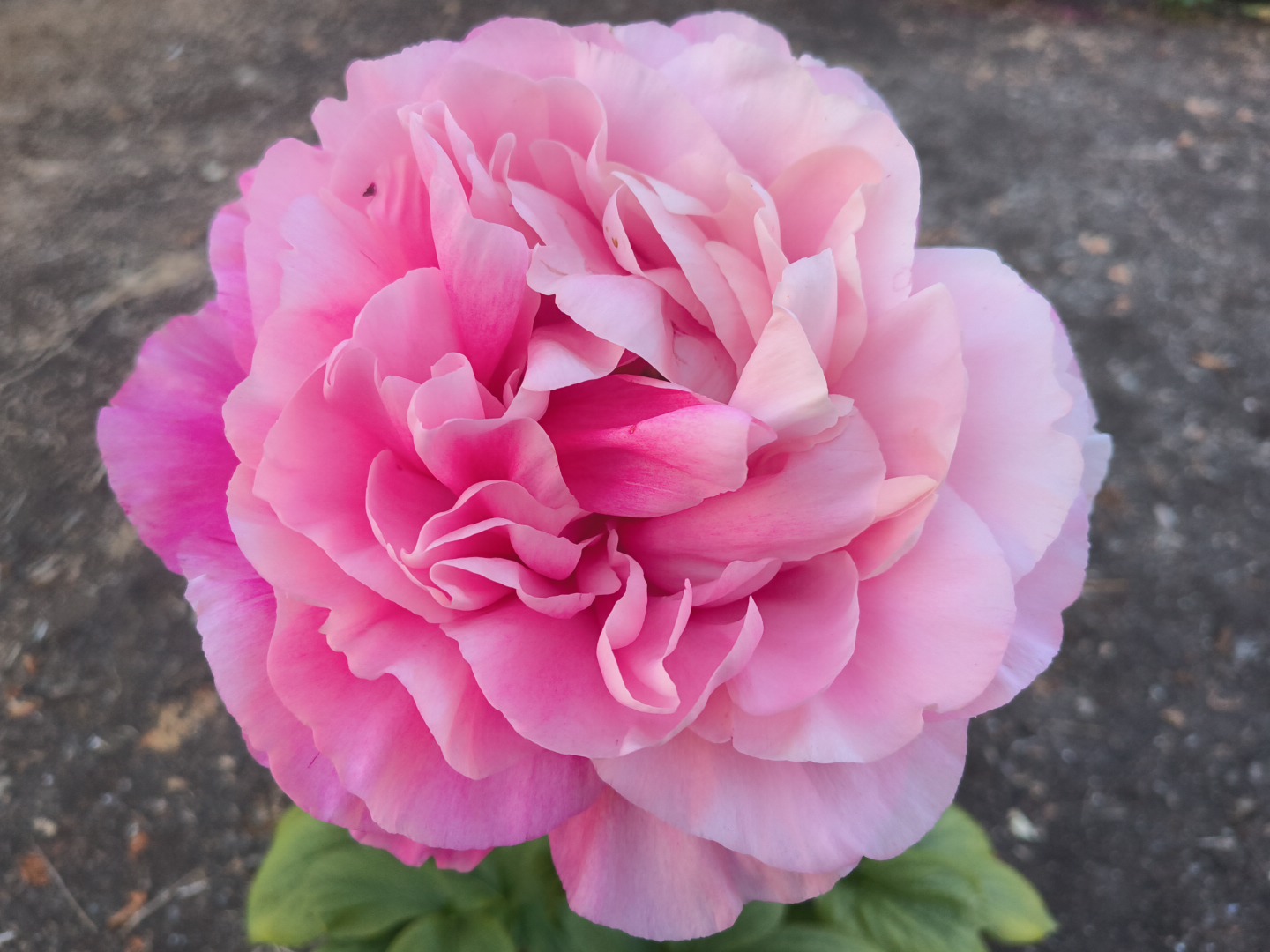
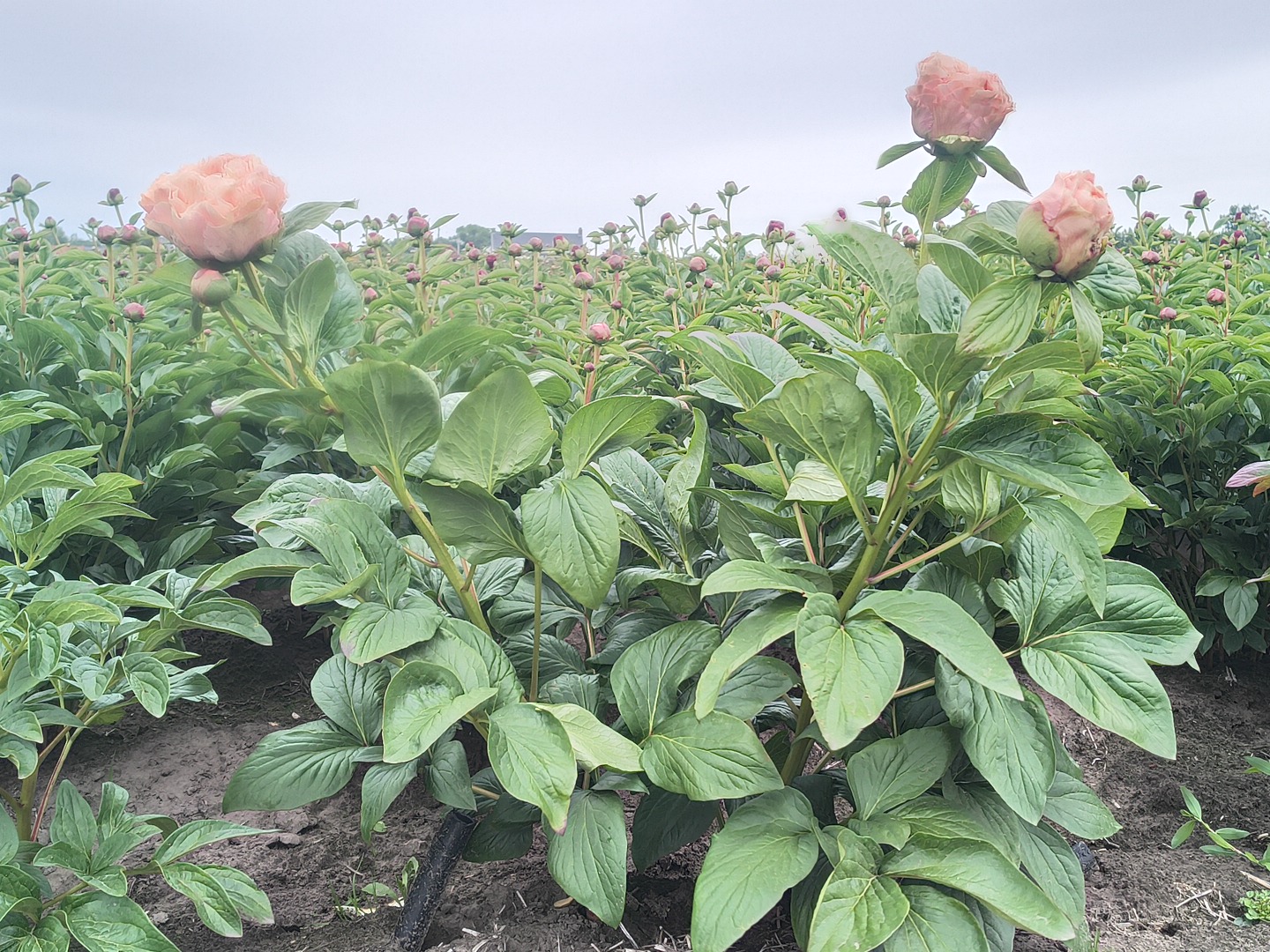
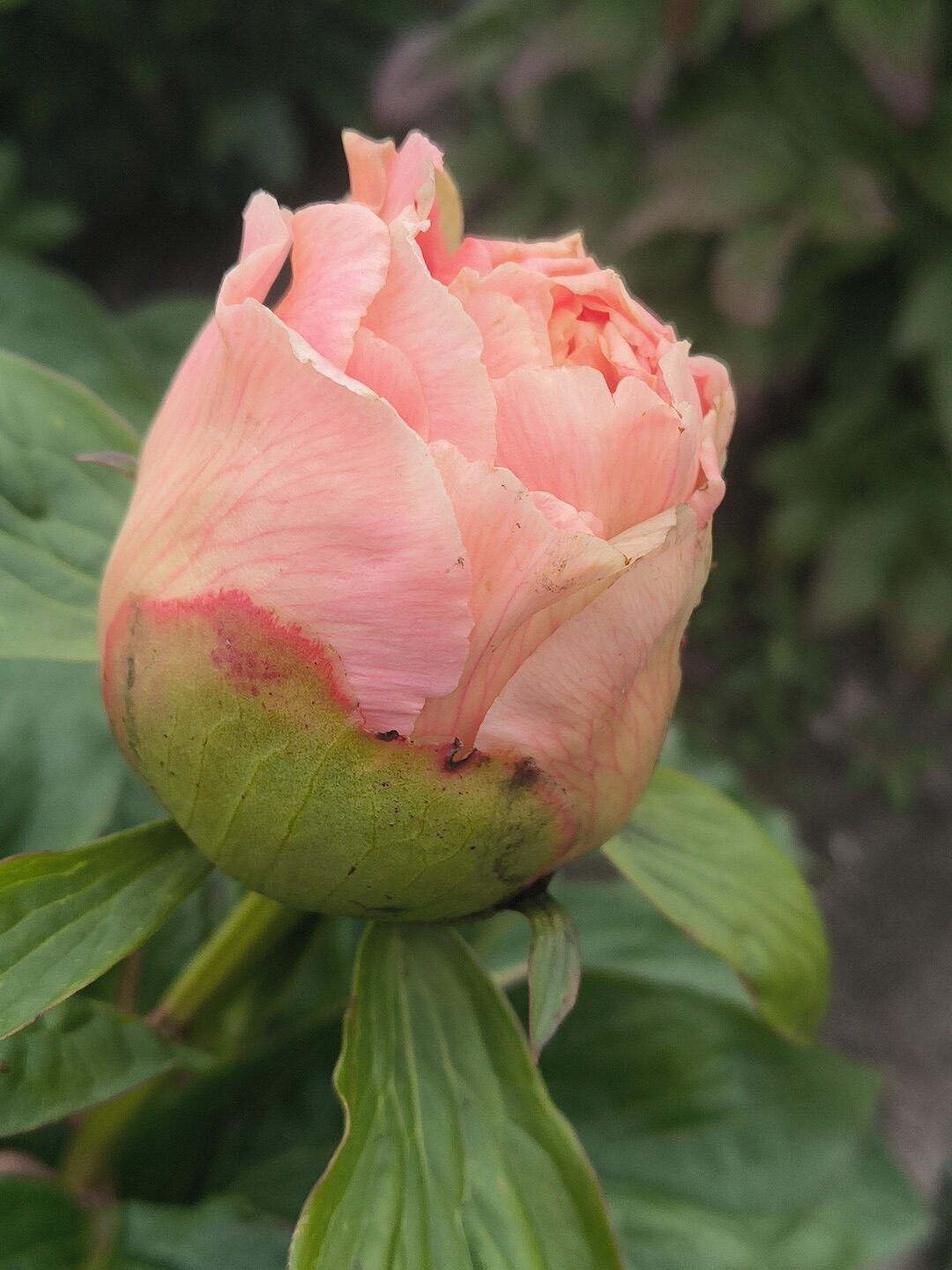
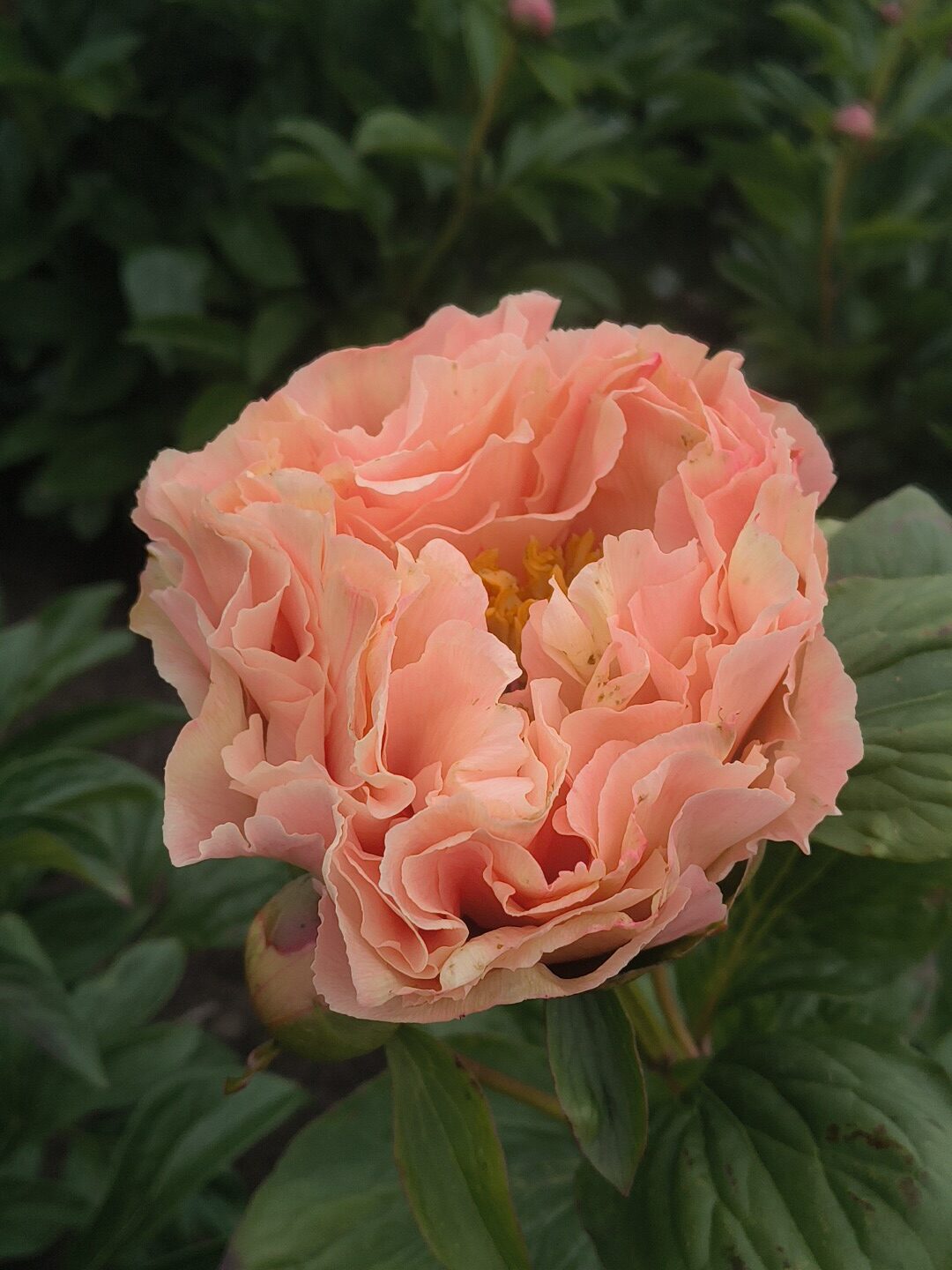
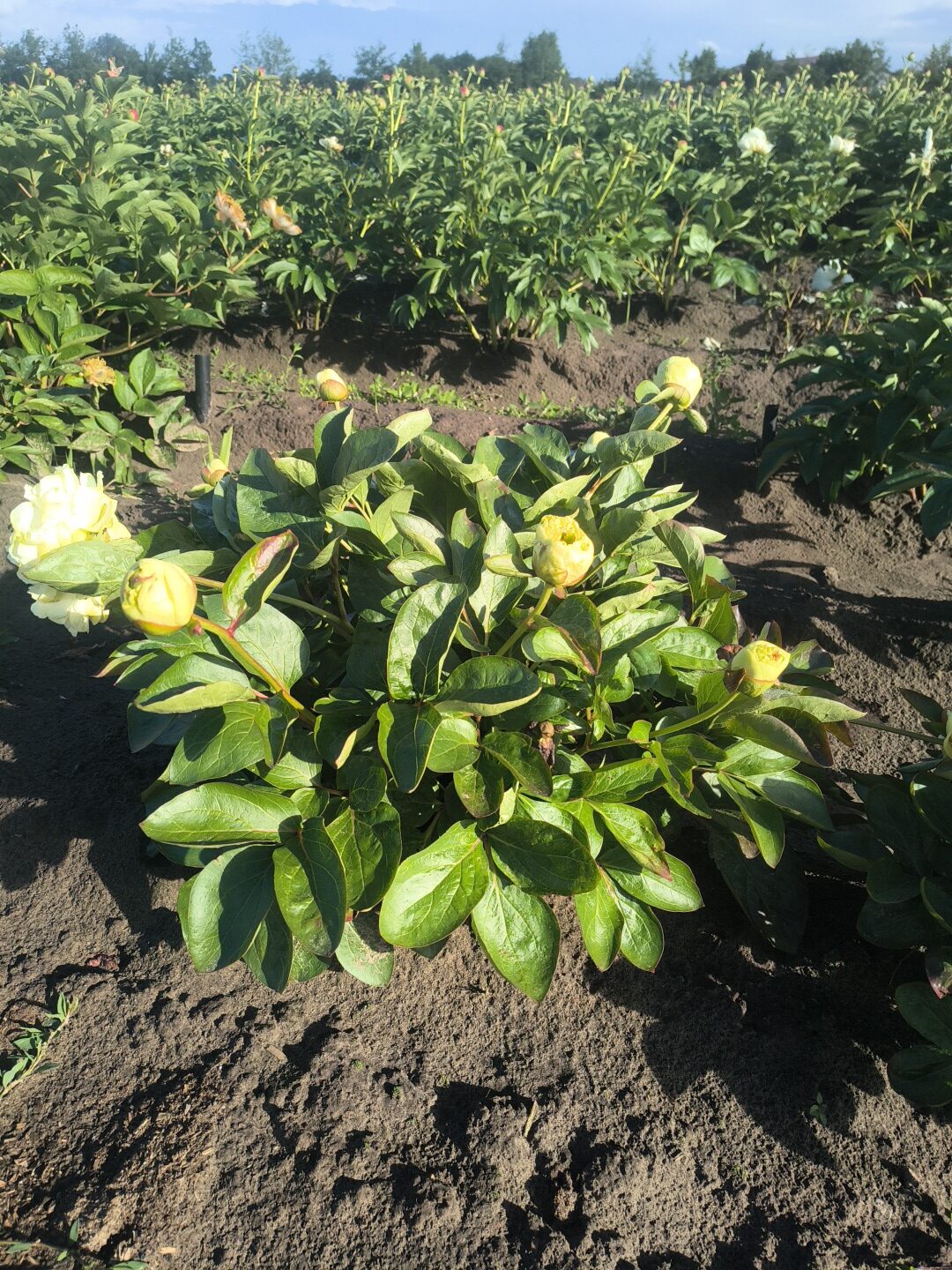
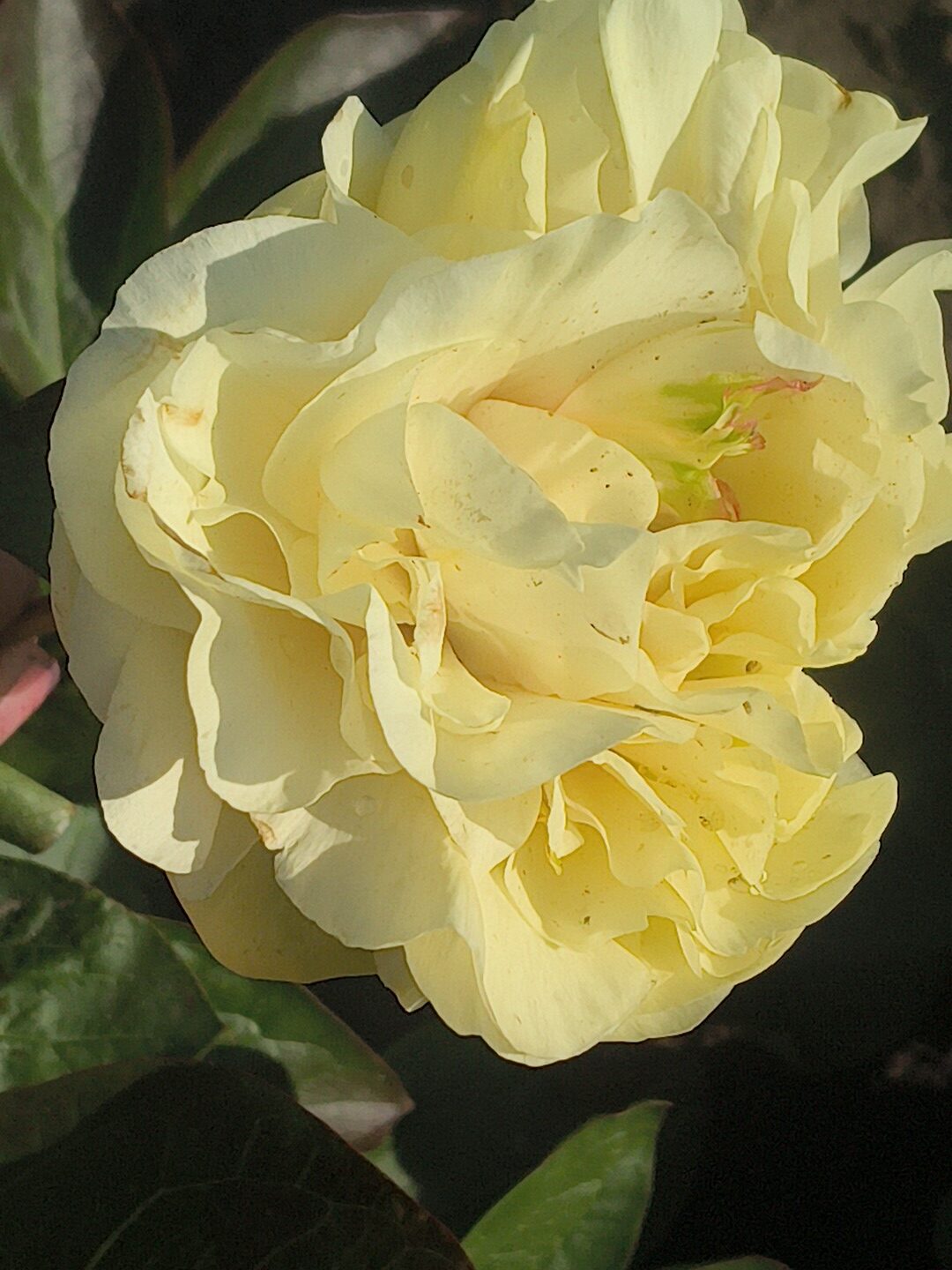
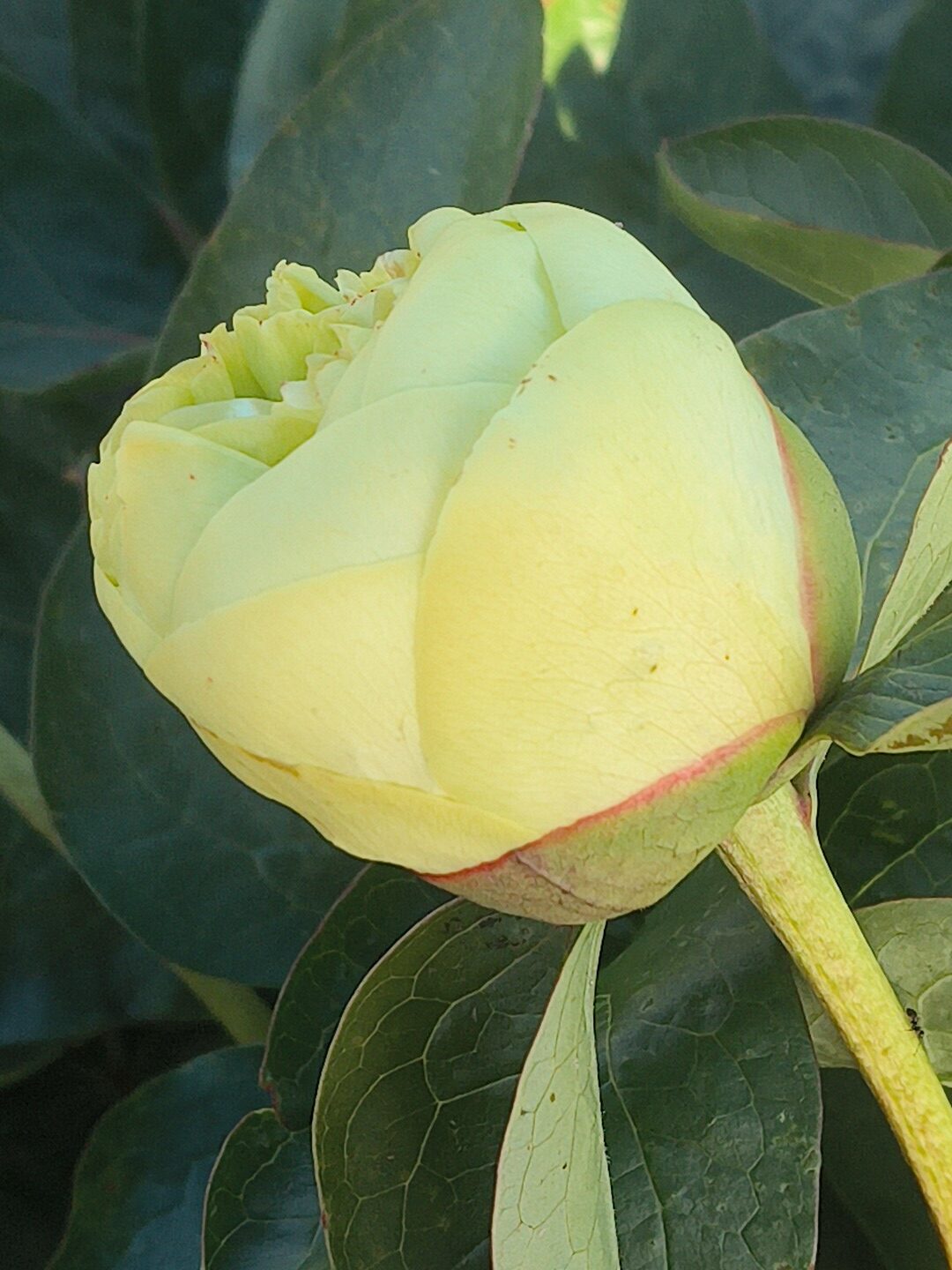
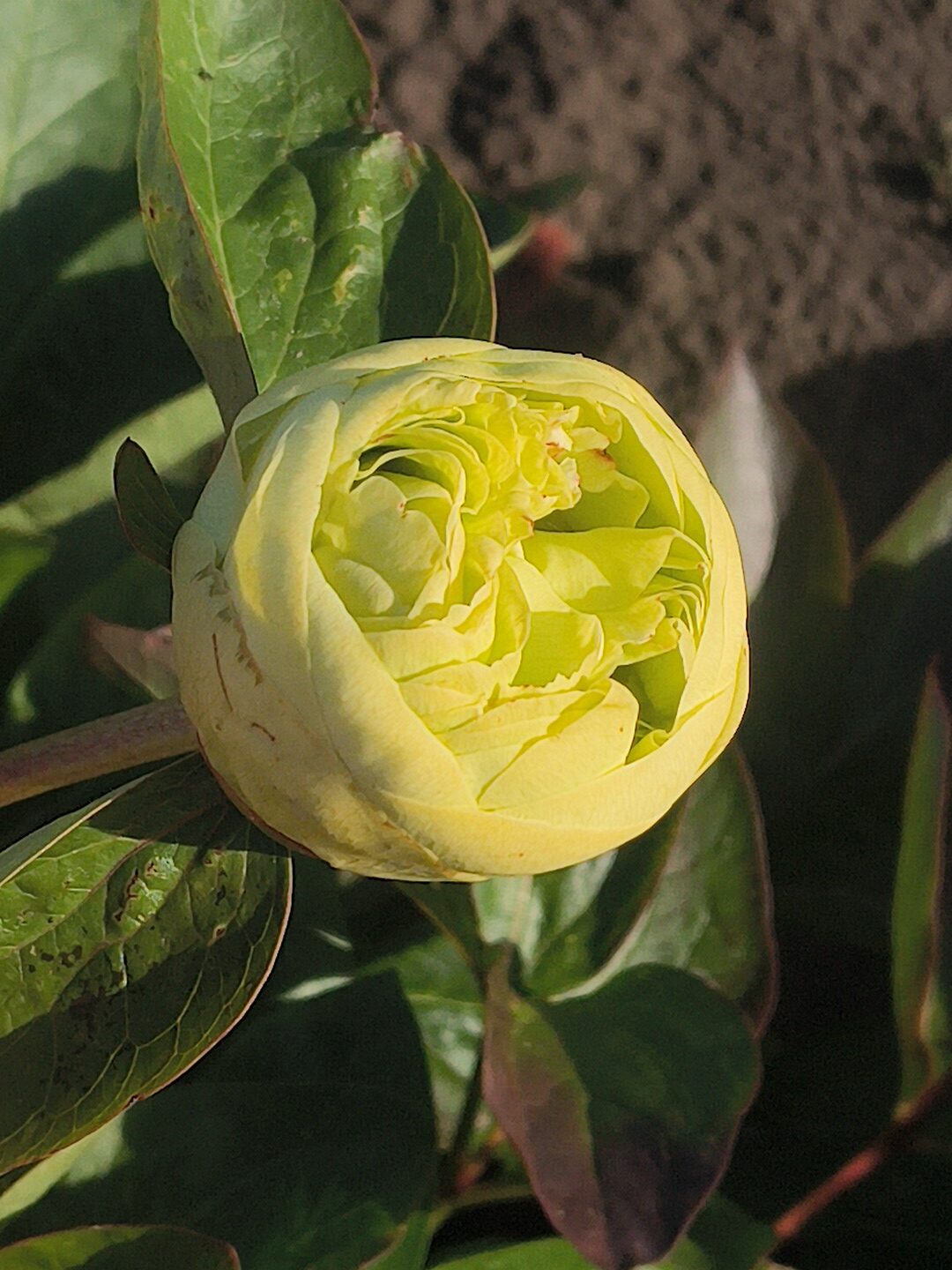
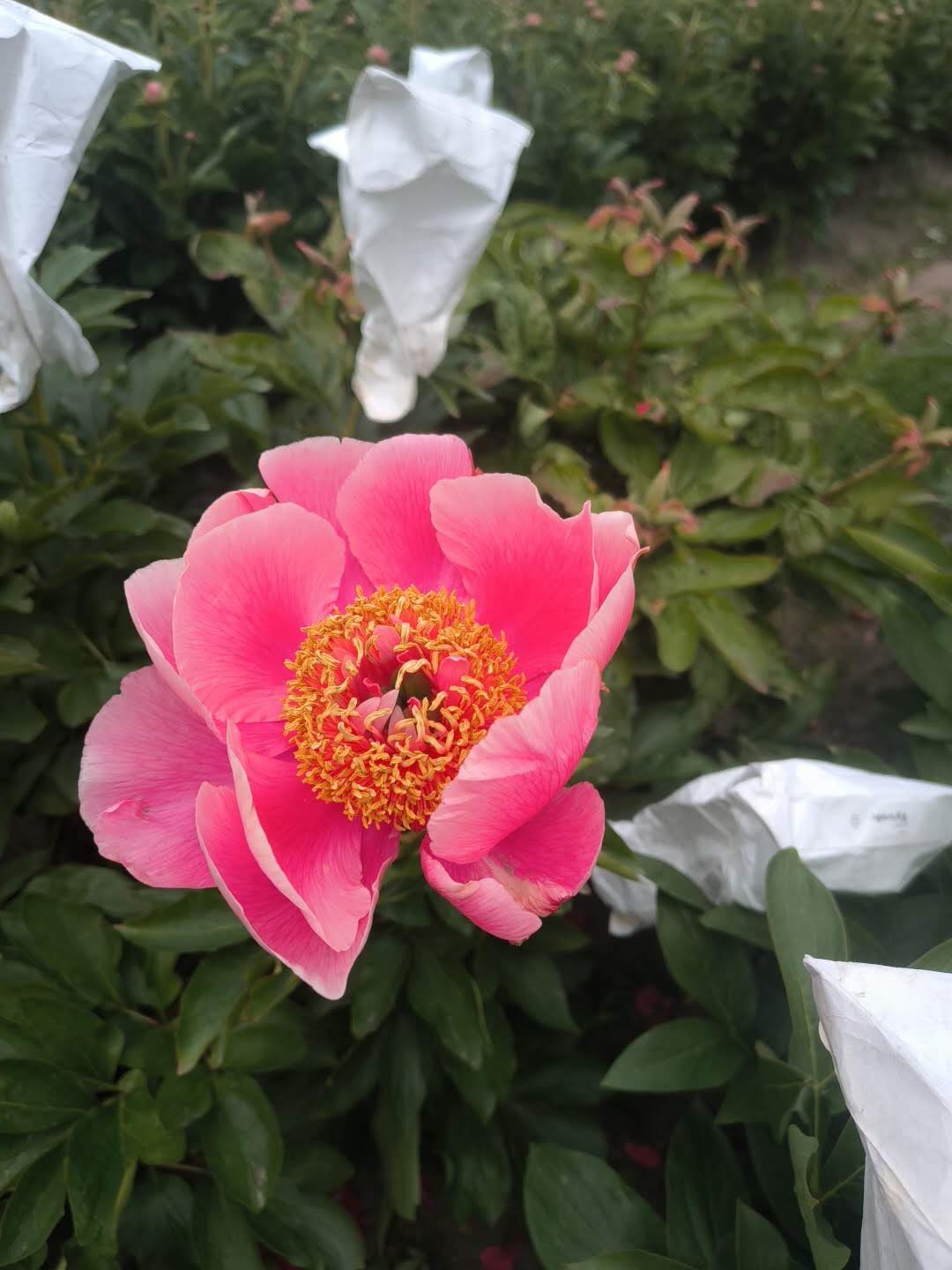
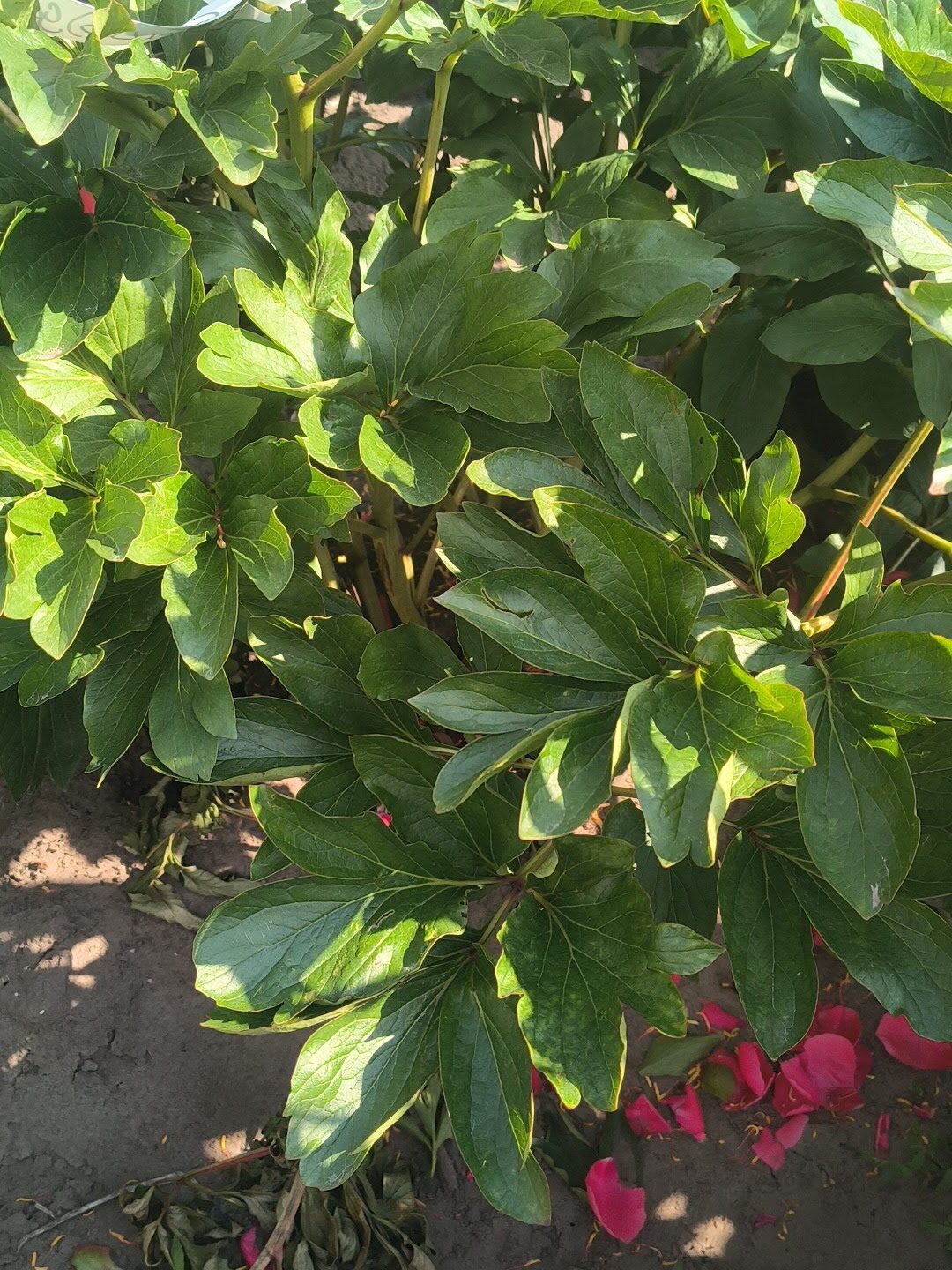
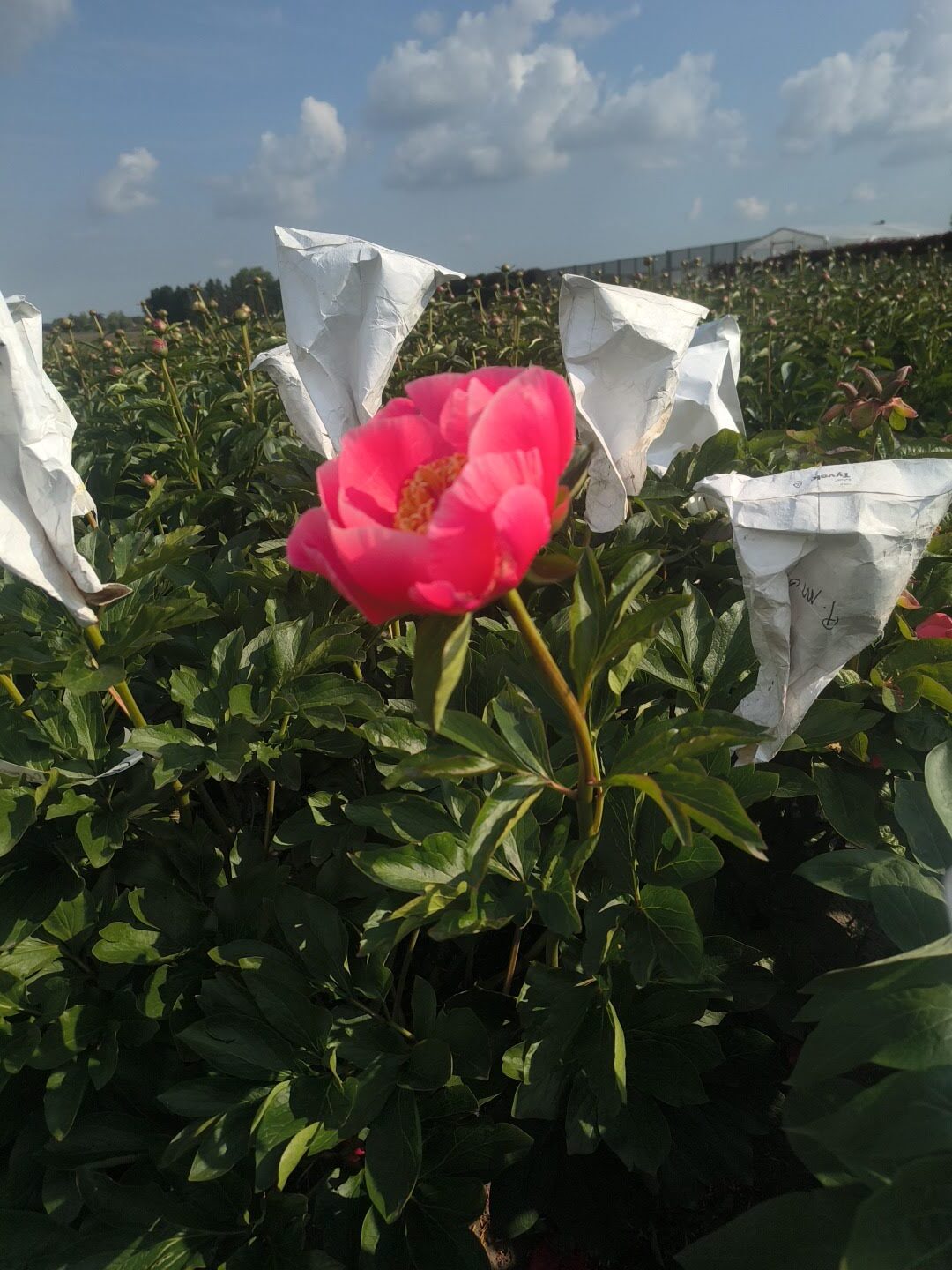
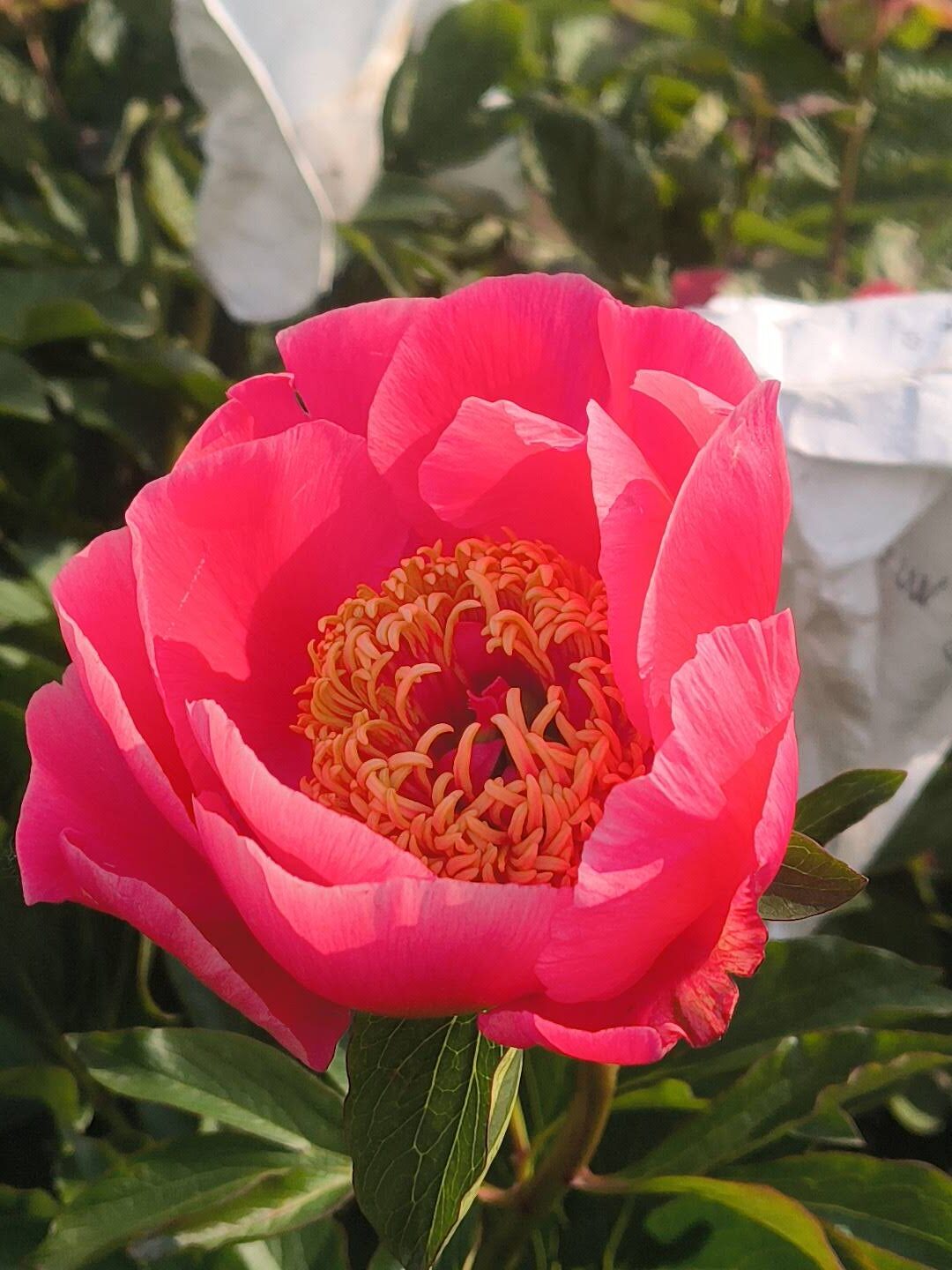
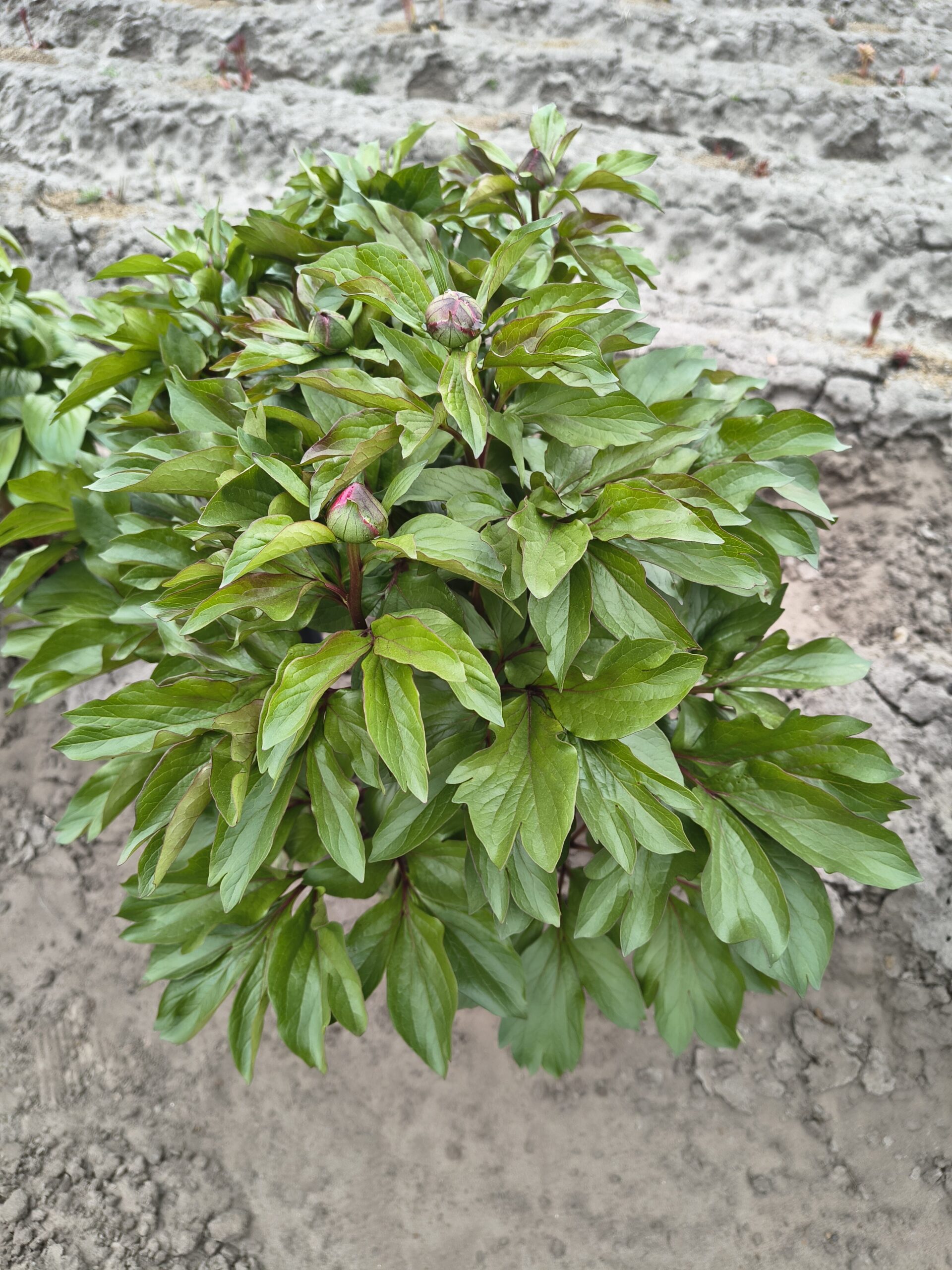
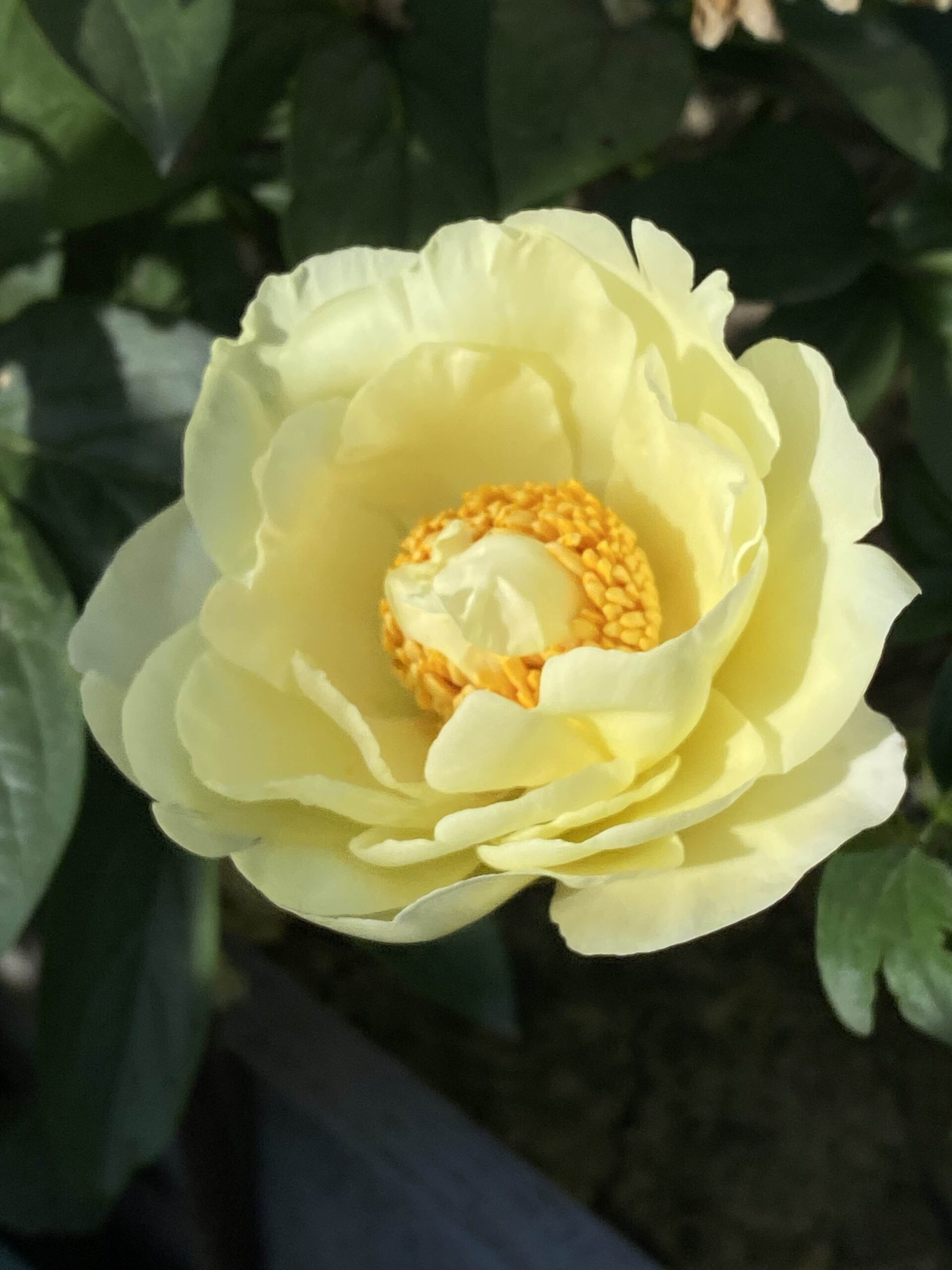
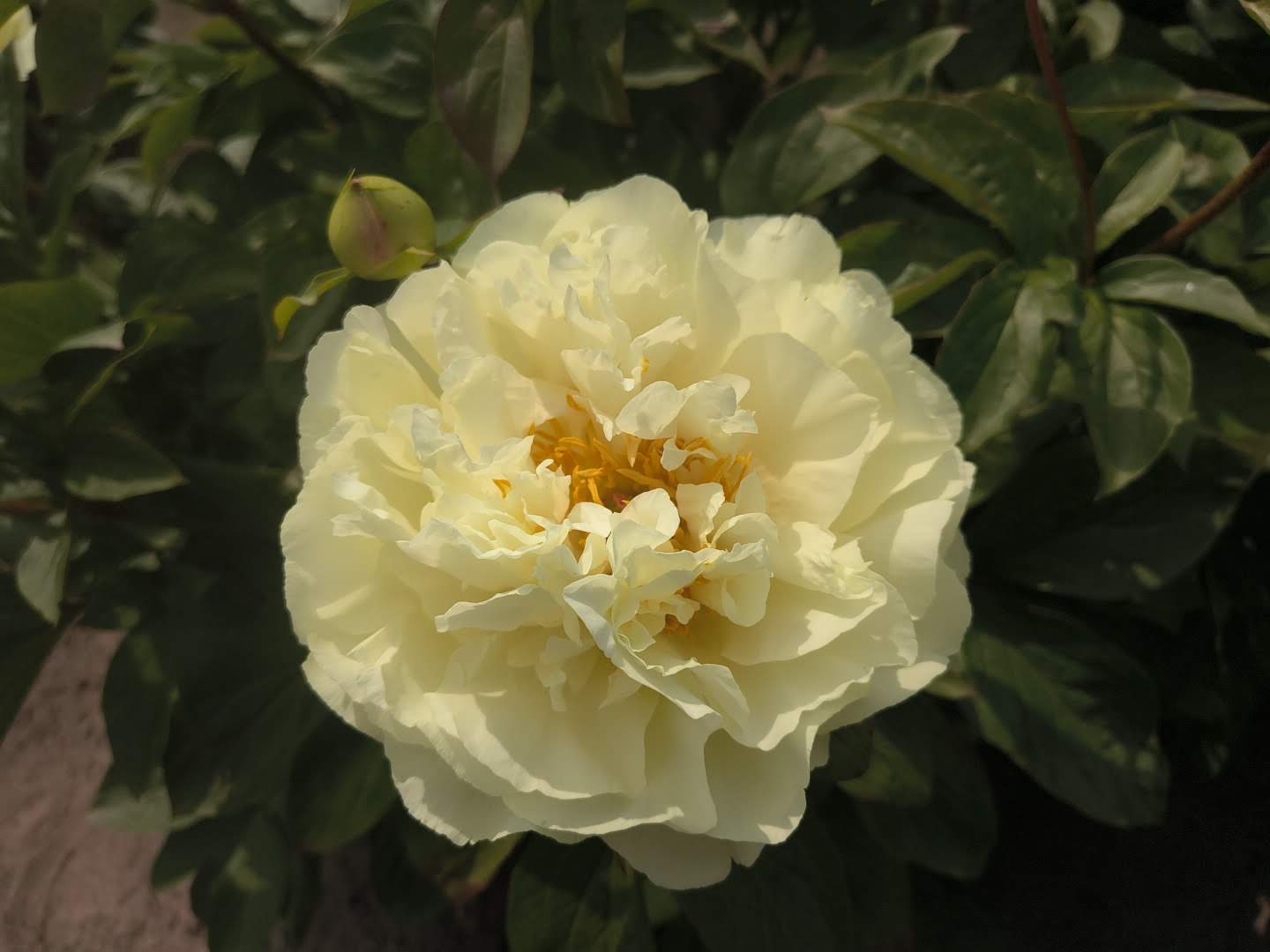
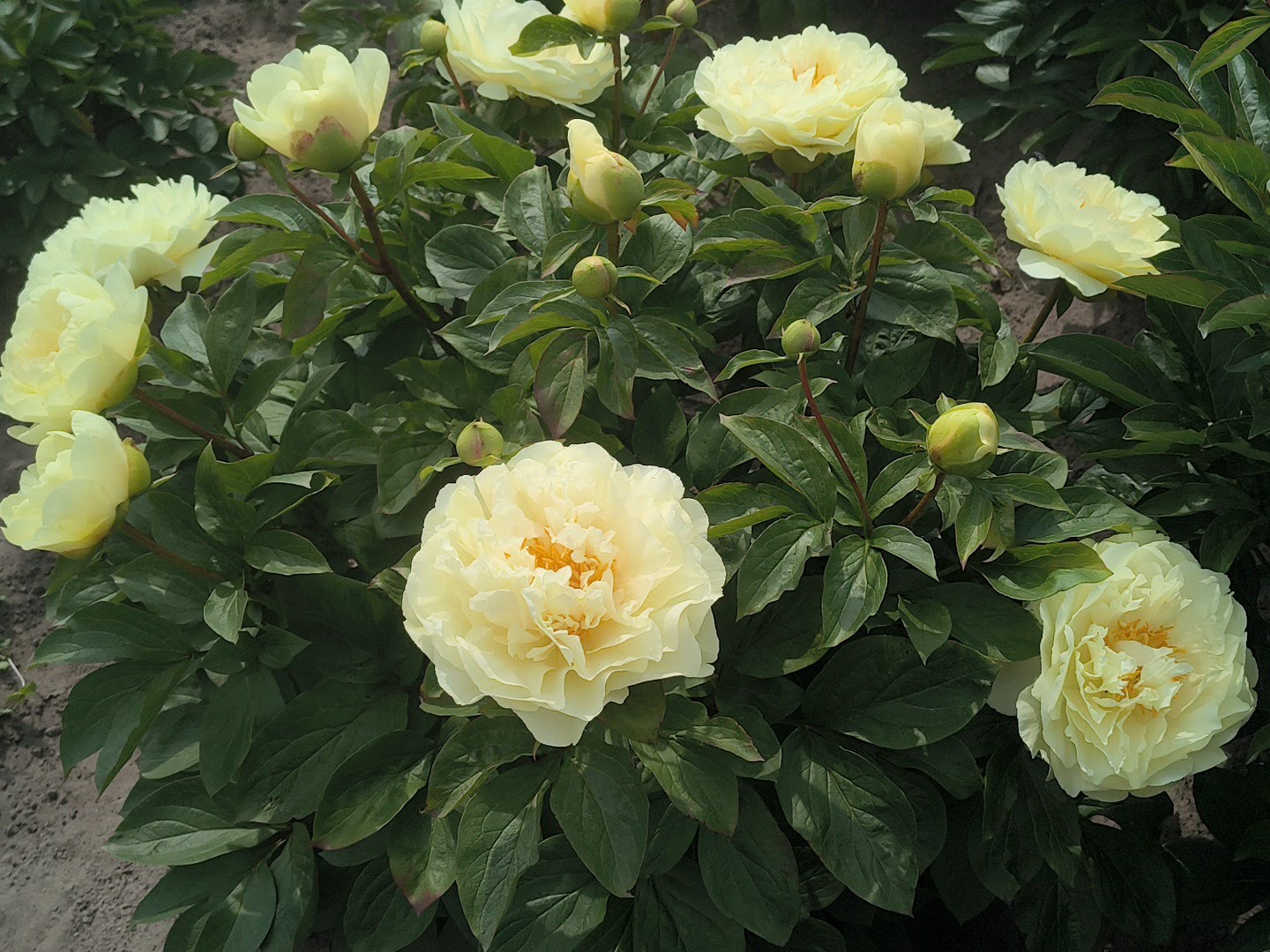
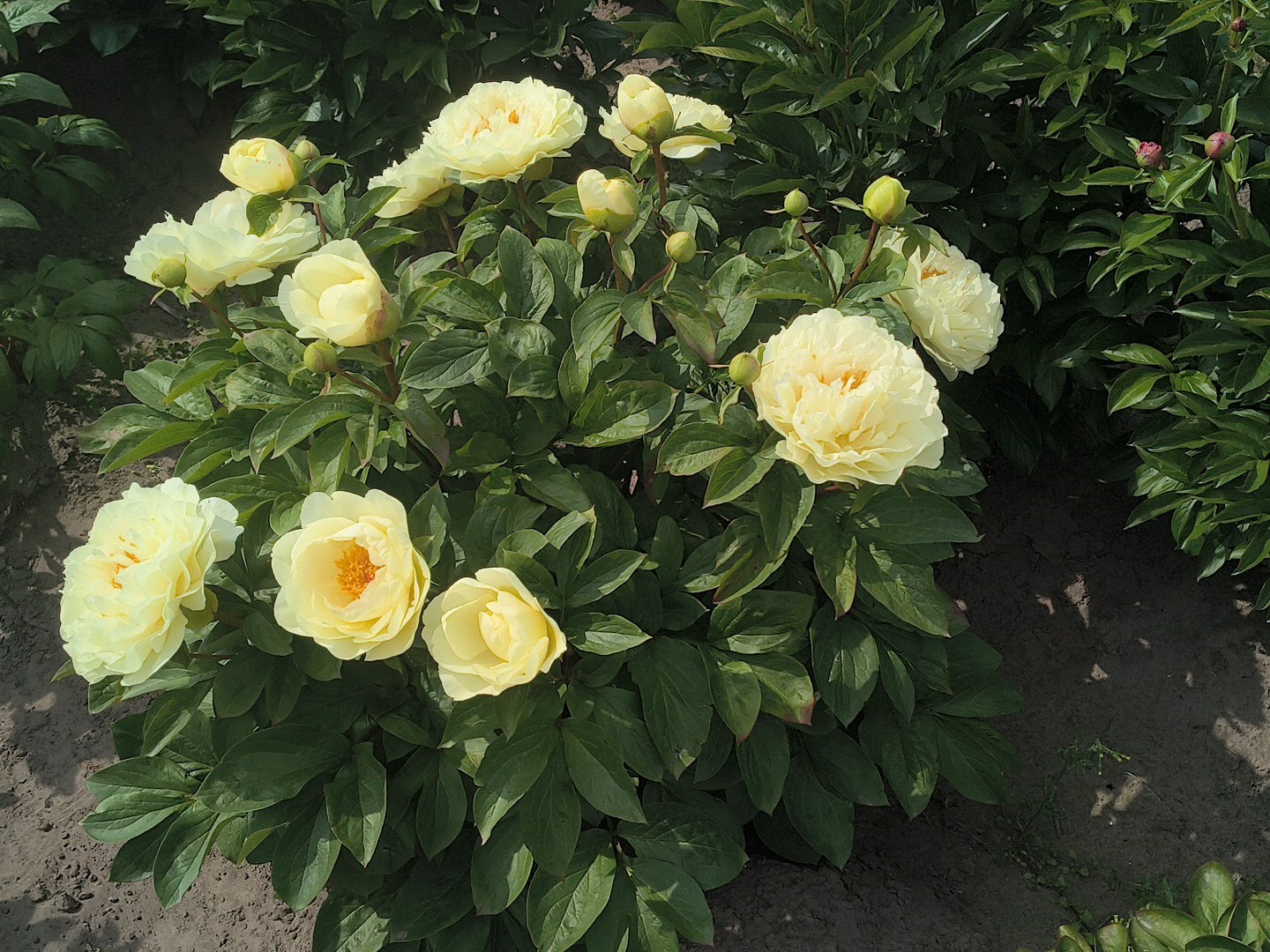
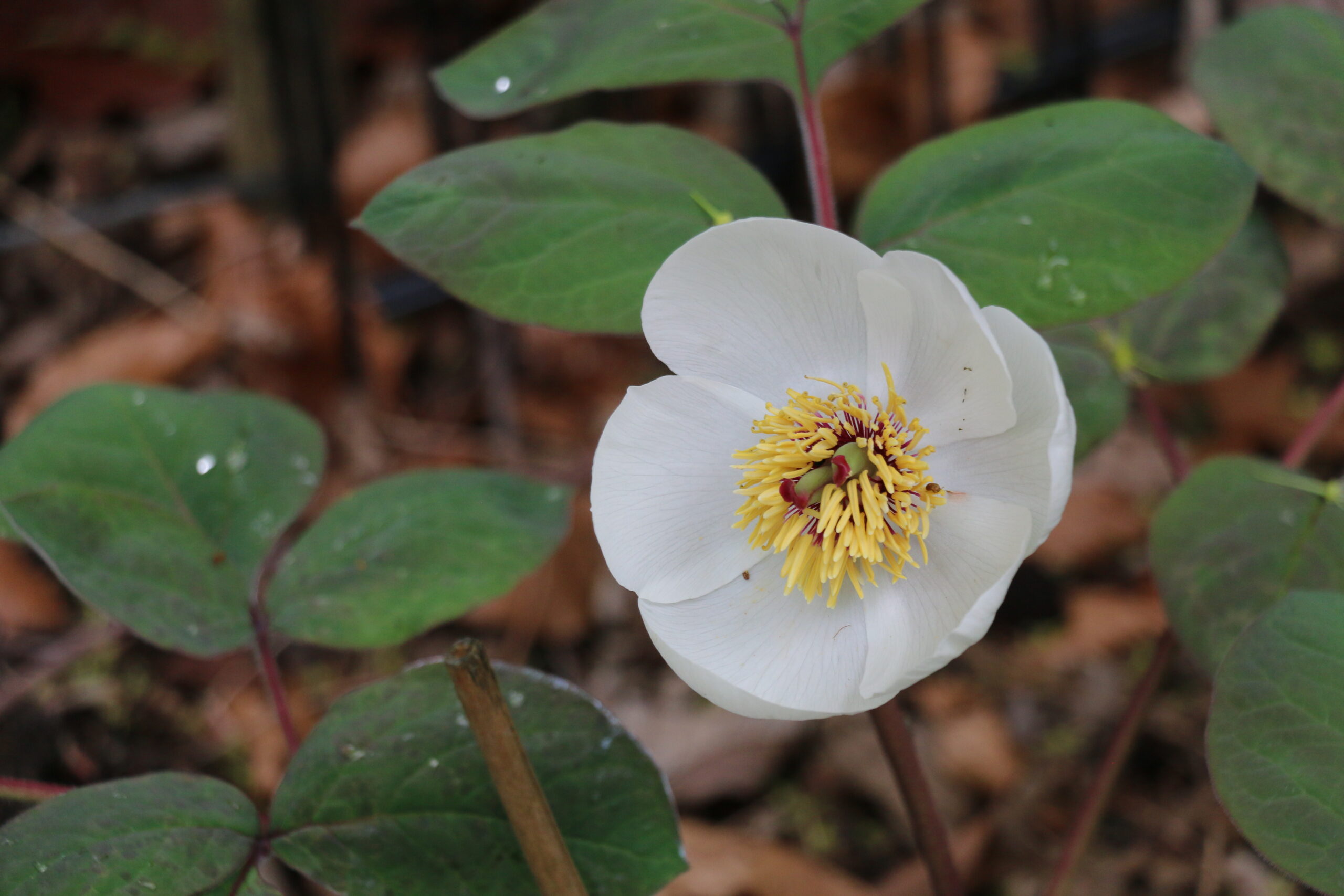
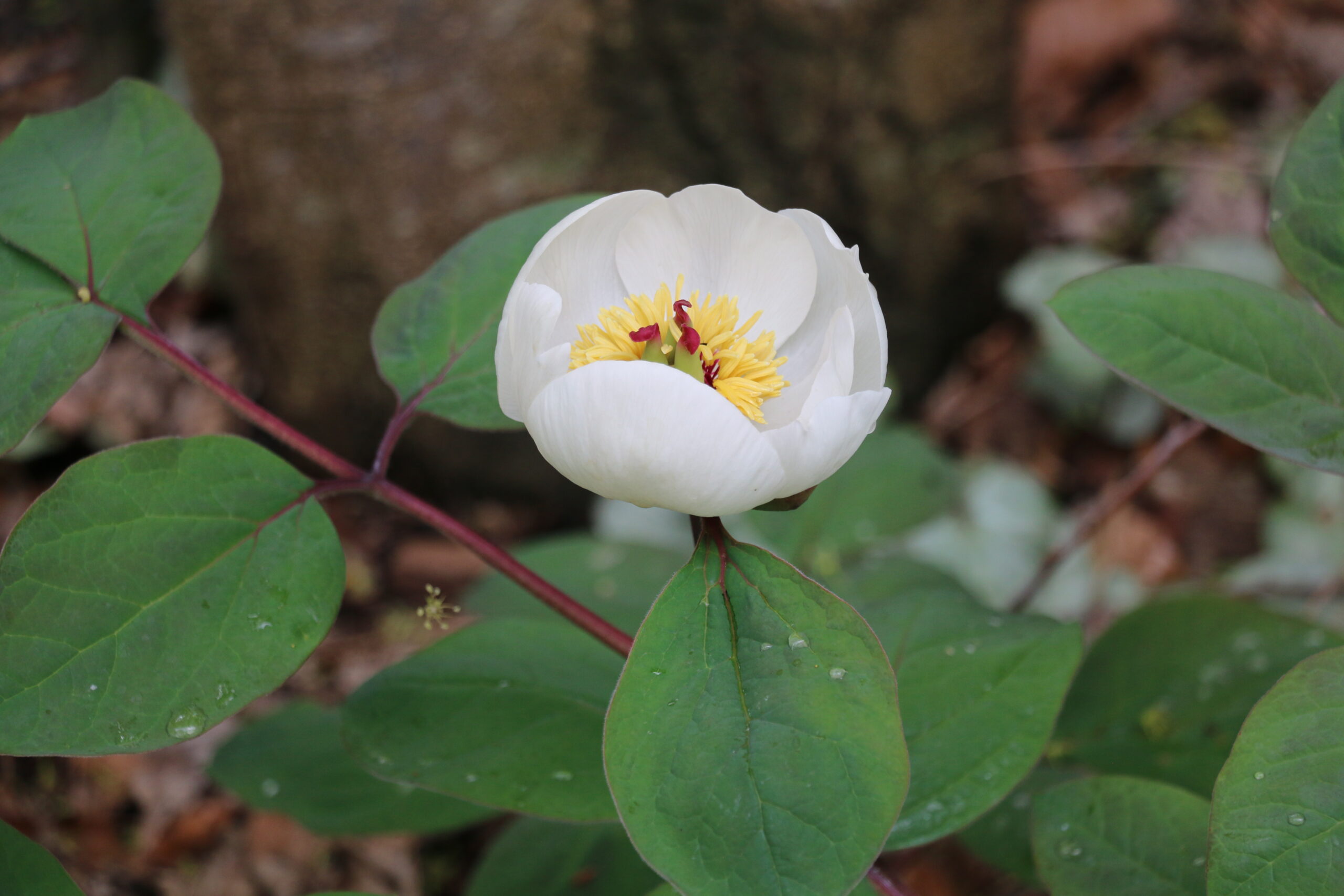
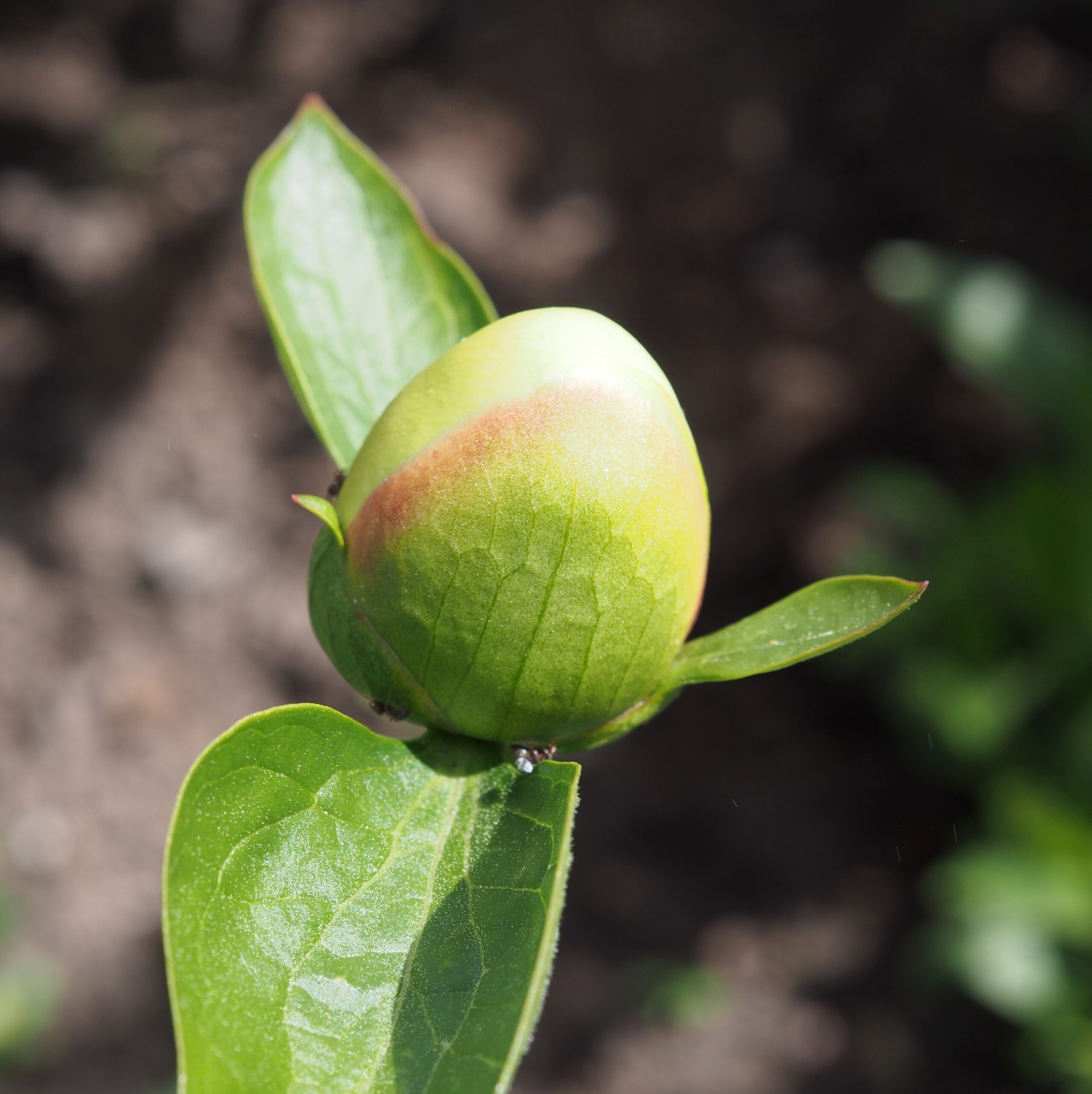

Not really sure about the reasons they list. Transportation of open flowers is obviously difficult, but peonies that merely have ‘soft’ buds can’t be that much of a problem I guess? I’m also not completely sure that large growers only go once through their field to harvest them all. Sure, if you place twenty interim workers that have never cut…Read More