Harald Fawkner
Country:
Sweden
Short biography:
Speedcloud has been a 50/50 thing involving two people, myself and my wife Pia Fawkner. My wife is Swedish. About me there is nothing Swedish, except my passport. I am English / Norwegian.
More information:
Peony hybridizers series
Mr. Fawkner has supplied us with some information about his hybridizing work which we present here. He did however not list his favorite varieties, thus we requested some info and photographs from other people who actually grow them. Special thanks to Marina Balasis and Viktoriya Pikul.

Northrepps and Southrepps in the garden, image by Marina Balasis
How did you first get involved in peony hybridizing?
I first became interested in yellow-flowered plants (e.g, daffodils) at the age of 2. The very large gene pool we started with had its genetic point of invaluable origin in the fields of A.P. Saunders, Silvia Saunders, and Chris Laning. We worked exclusively with that, starting in the mid 1990s. We used a completely wild and reckless methodology, drastically different from the ‘logical’ outlook that used to be popular in Europe. Our methodology, or lack thereof, included a few key ideas formulated by Auten: “Try everything at least once,” “Use resultant seedlings, abandon parent.” We have done everything out in the fields, nothing indoors; used no machinery whatever. It has all been very manual. Our peony-thinking has been lightyears away from the scientific – which in the field of gardening we find unattractive, overly cerebral. Invaluable have been various pages and chapters in APS books like Wister, “The Peonies” and Kessenich: “The Best of 75 Years.” It should finally be mentioned that countless questions we have had about peony breeding have over the years been exhaustively clarified for us by the immensely helpful flow of answered letters received from Don Hollingsworth.
What are your goals in hybridizing peonies?
My interest is flowers and flower colour.
Do you mostly depend on open pollination or do you mostly make controlled crosses?
| 100% open | 50/50 | 100% controlled |
Do you know the American Peony Society (APS)? Are your plants registered there?
Yes, they are.
Some varieties of Mr. Fawkner:
-

- Maly Semyachik (Fawkner, 2015) Image by Viktoriya Pikul

-

- Maly Semyachik (Fawkner, 2015) Photograph by Viktoriya Pikul

Maly Semyachik (Fawkner, 2015) Image by Viktoriya Pikul
Description by Viktoriya Pikul: “There’s literally everything I love about the Maly Semyachik peony: it’s a magnificent, tall bush that dominates the garden; it has perfectly shaped, large, heart-shaped leaves with distinct veining; it has large, double-flowered blooms on thick stems; and it has and extraordinary flower color, which is difficult to sum up in a single word (pale cream with lilac-pink and lemon-green accents).”
-

- Concordia Droysen (Fawkner, 2003)
-
- Concordia Droysen (Fawkner, 2003)
-
- Concordia Droysen (Fawkner, 2003)
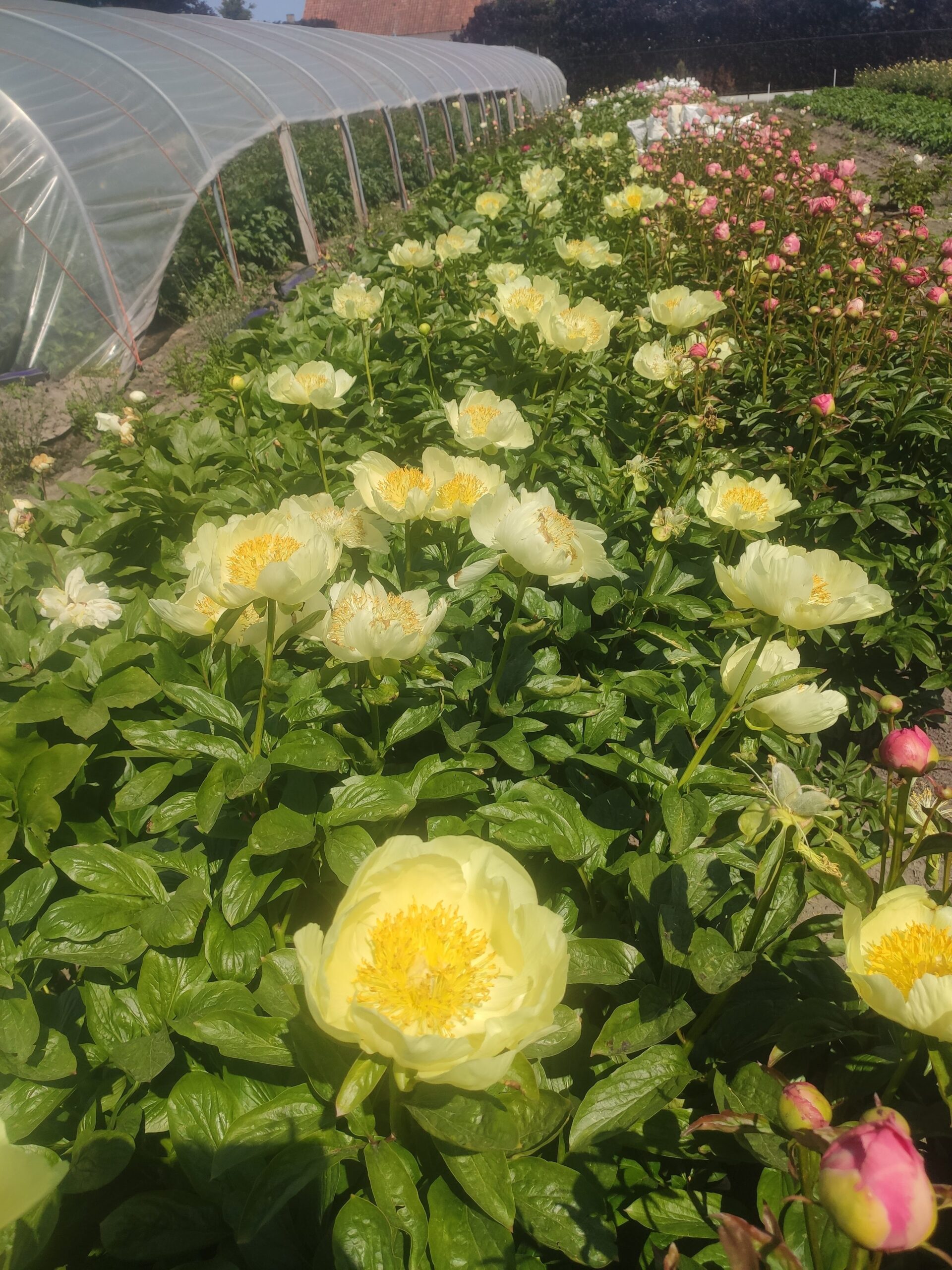
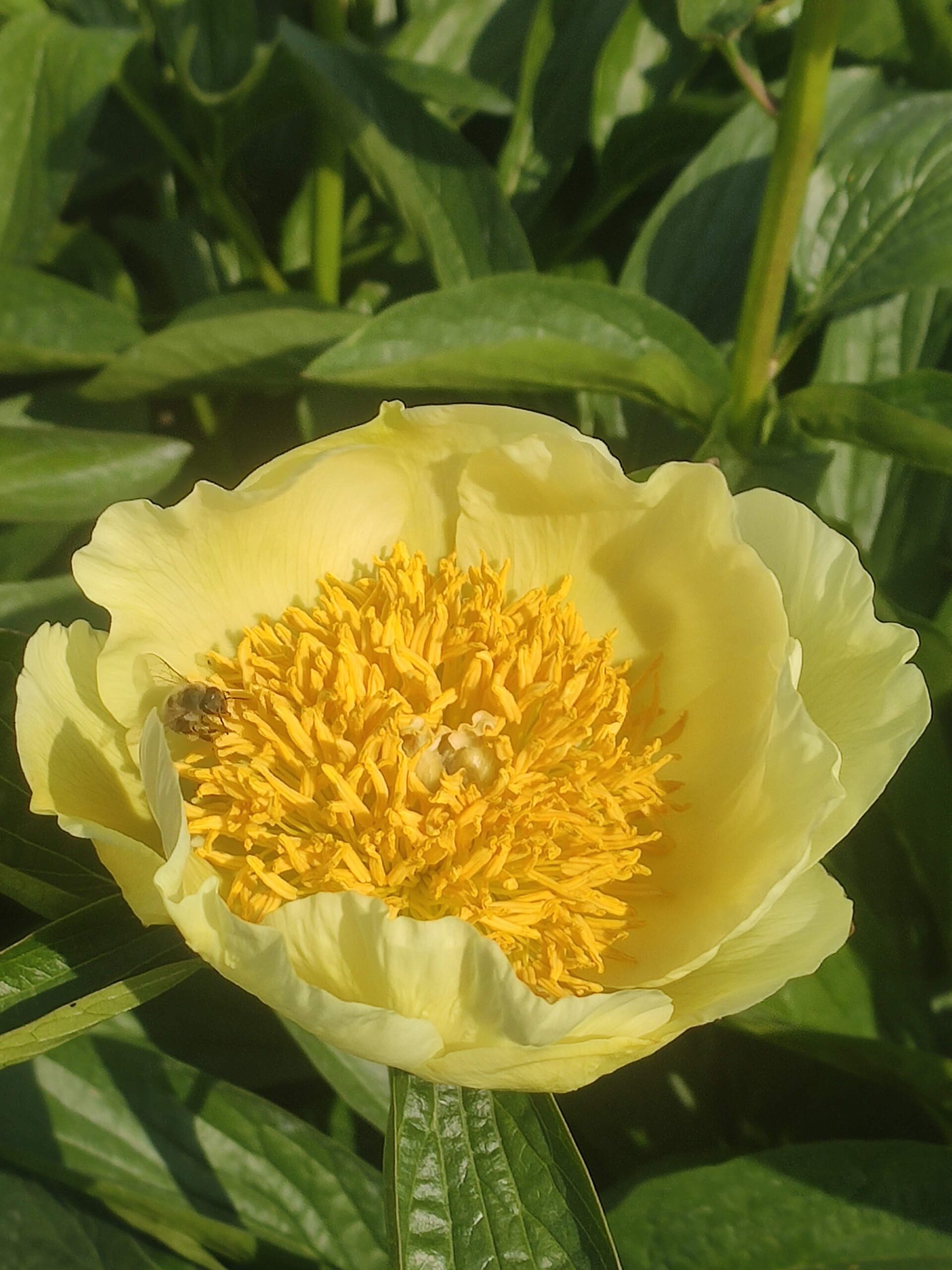
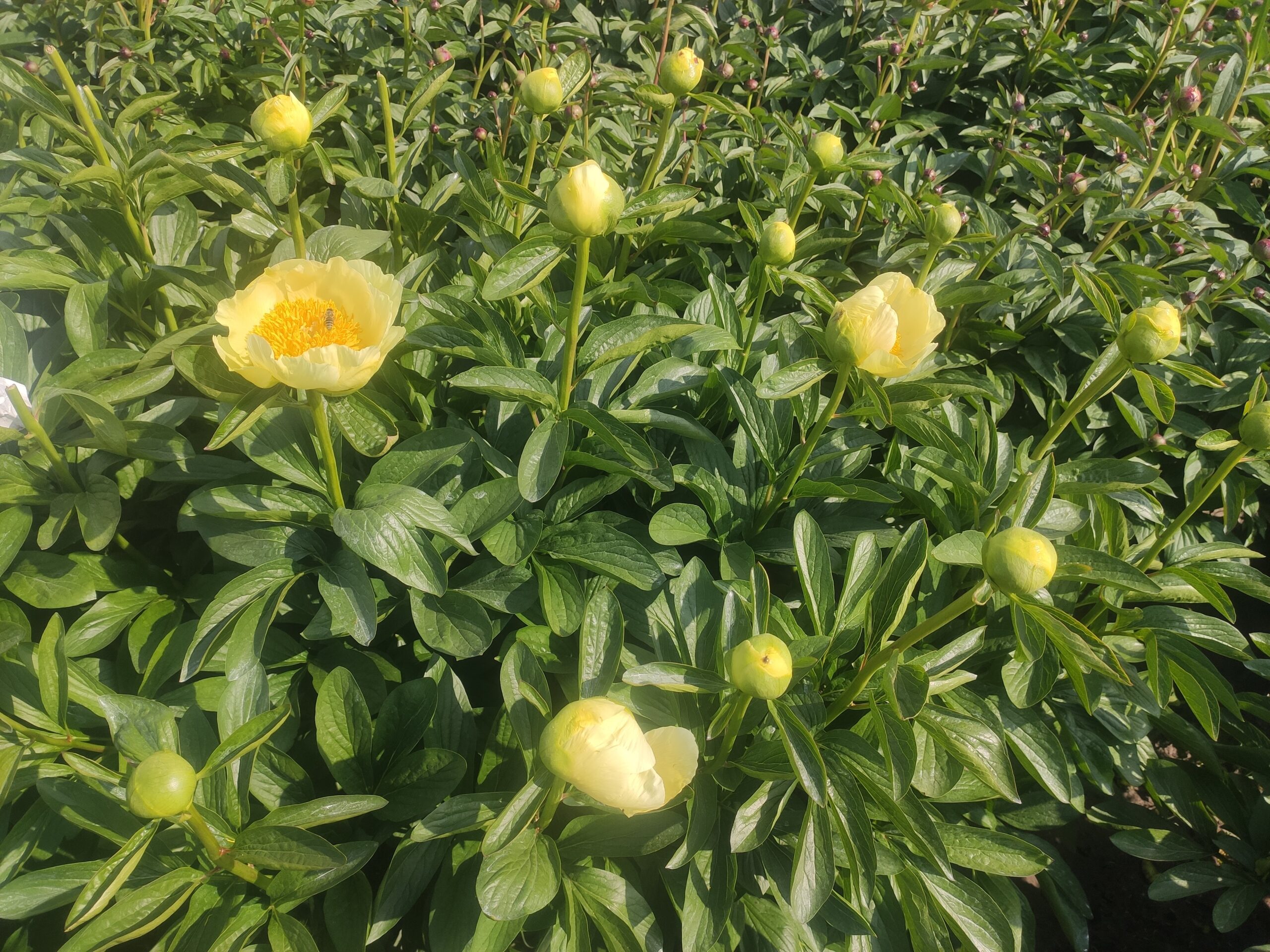
Concordia Droysen (Fawkner, 2003)
Koen Hurtekant: “Tall, very sturdy upright, floriferous single lemon yellow.”
-

- Appleton House (Fawkner, 2011) Image by Viktoriya Pikul
-
- Appleton House (Fawkner, 2011) Image by Viktoriya Pikul
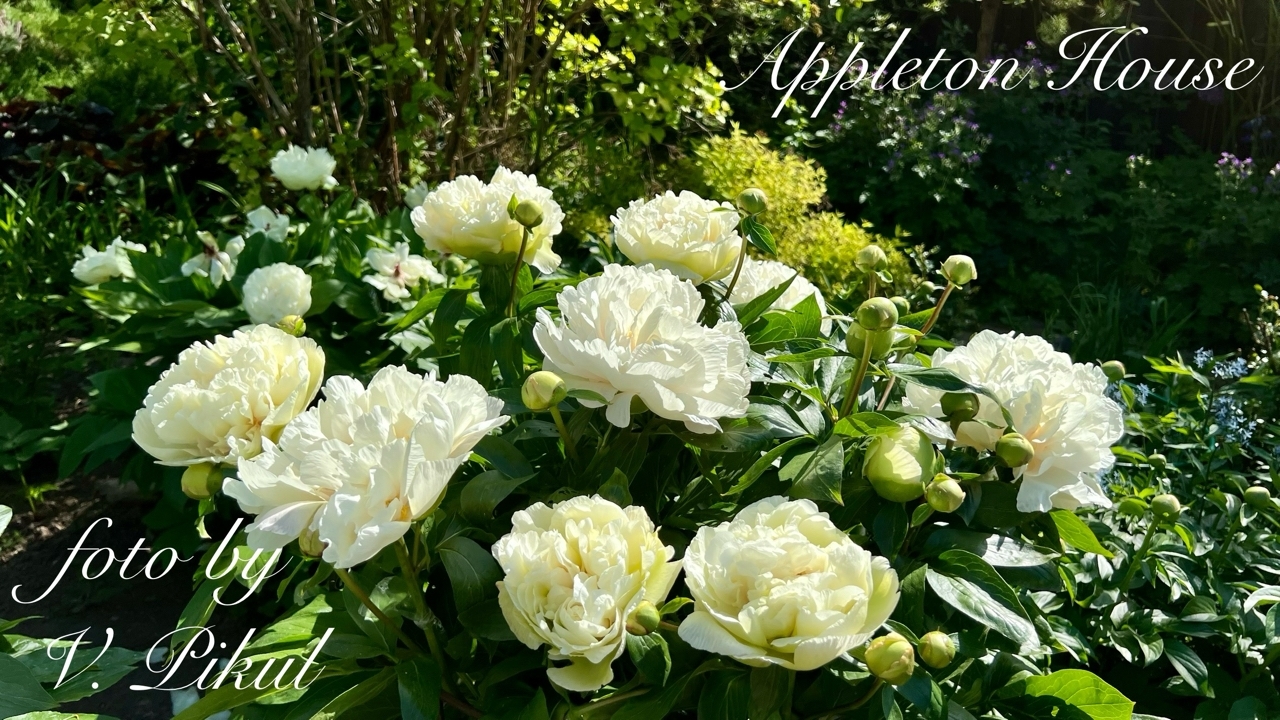
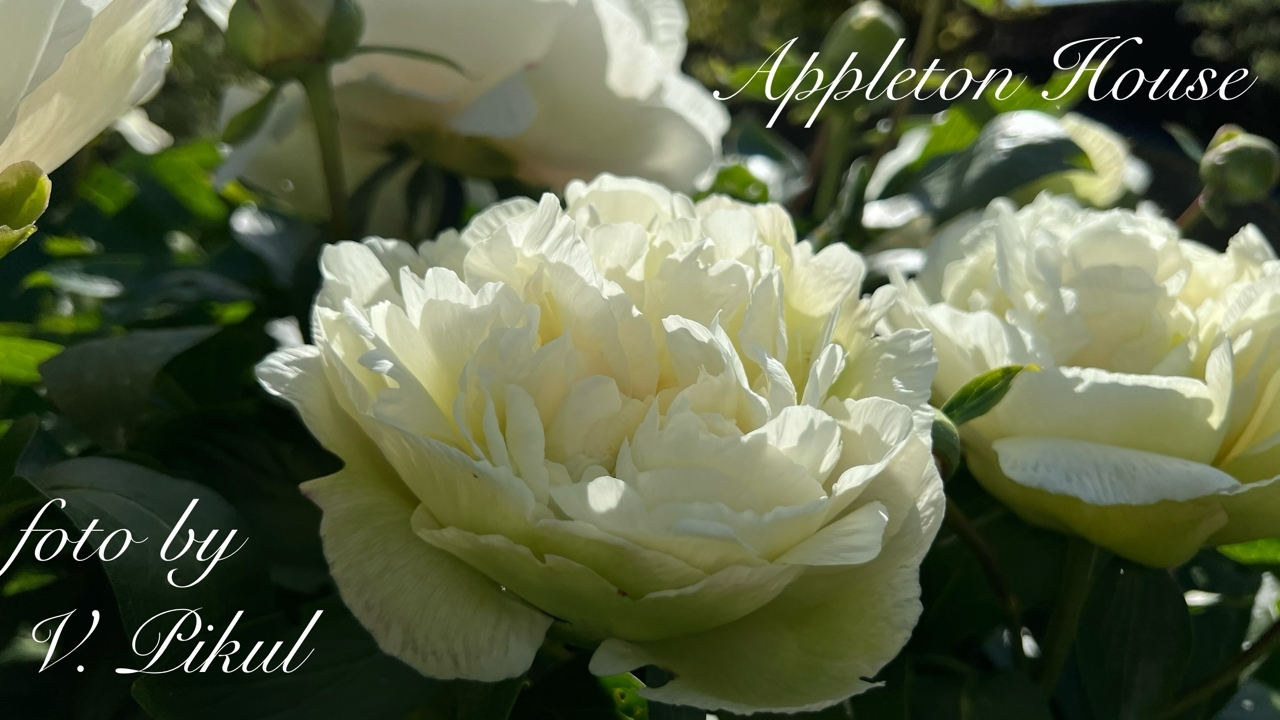
Appleton House (Fawkner, 2011) Image by Viktoriya Pikul.
Jevgenia Meng on vk.com: “A double peony of the latest generation. A majestic, vigorous, fast-growing herbaceous hybrid.
Very large flowers, over 20 cm, white, highlighted with a barely noticeable cool lilac at the base. The petals have iridescent ivory tones—a very complex white color. In cool weather, they open with a slight blush. The buds have a slight greenish tint. The stems are very strong, perfectly supporting the heavy, enormous flowers, which point straight upward. Profuse flowering. A vigorous hybrid that quickly grows into a magnificent plant of impressive volume and height, up to 110 cm at maturity. Tetraploid—pollen and numerous seeds.”
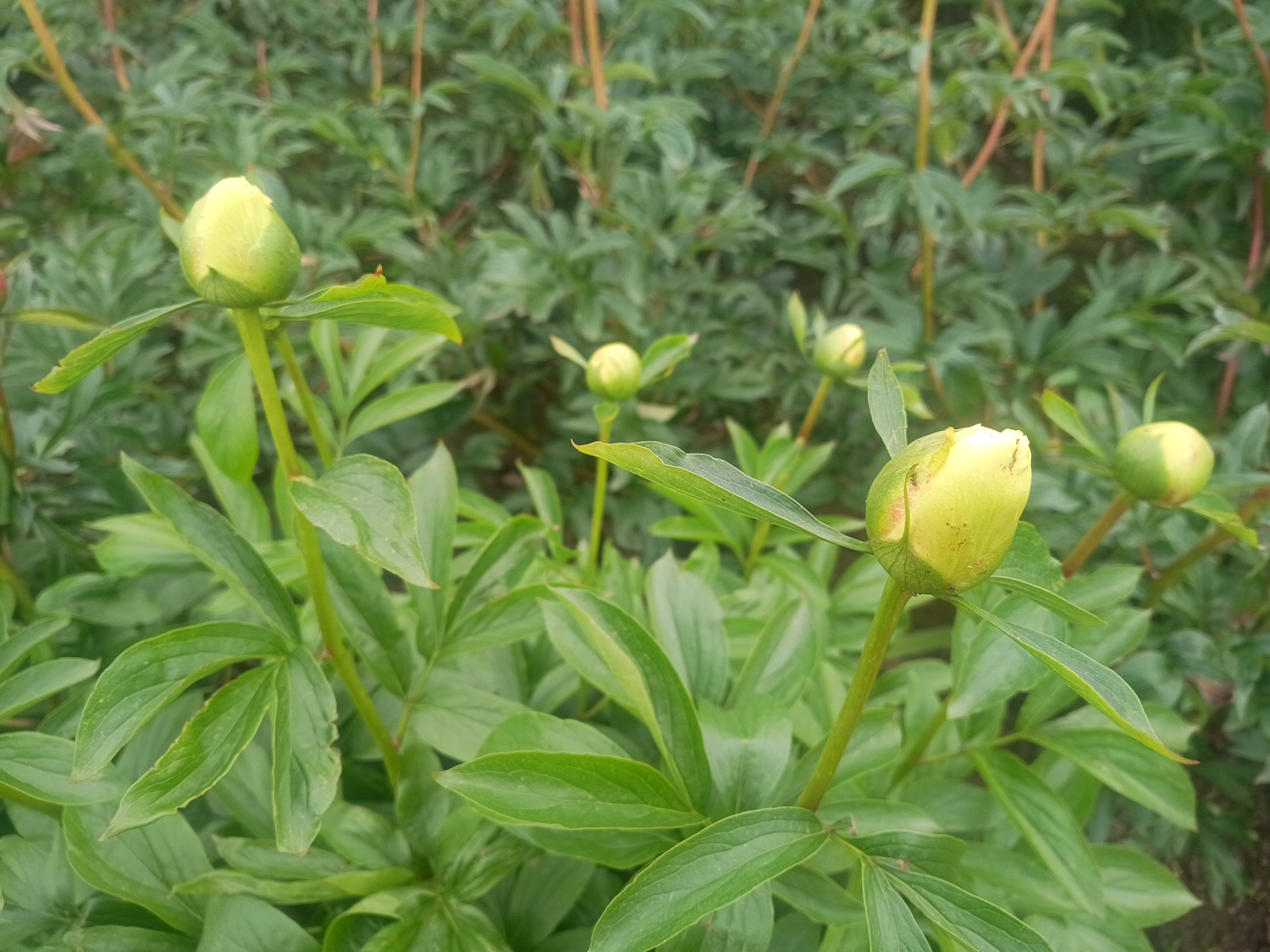
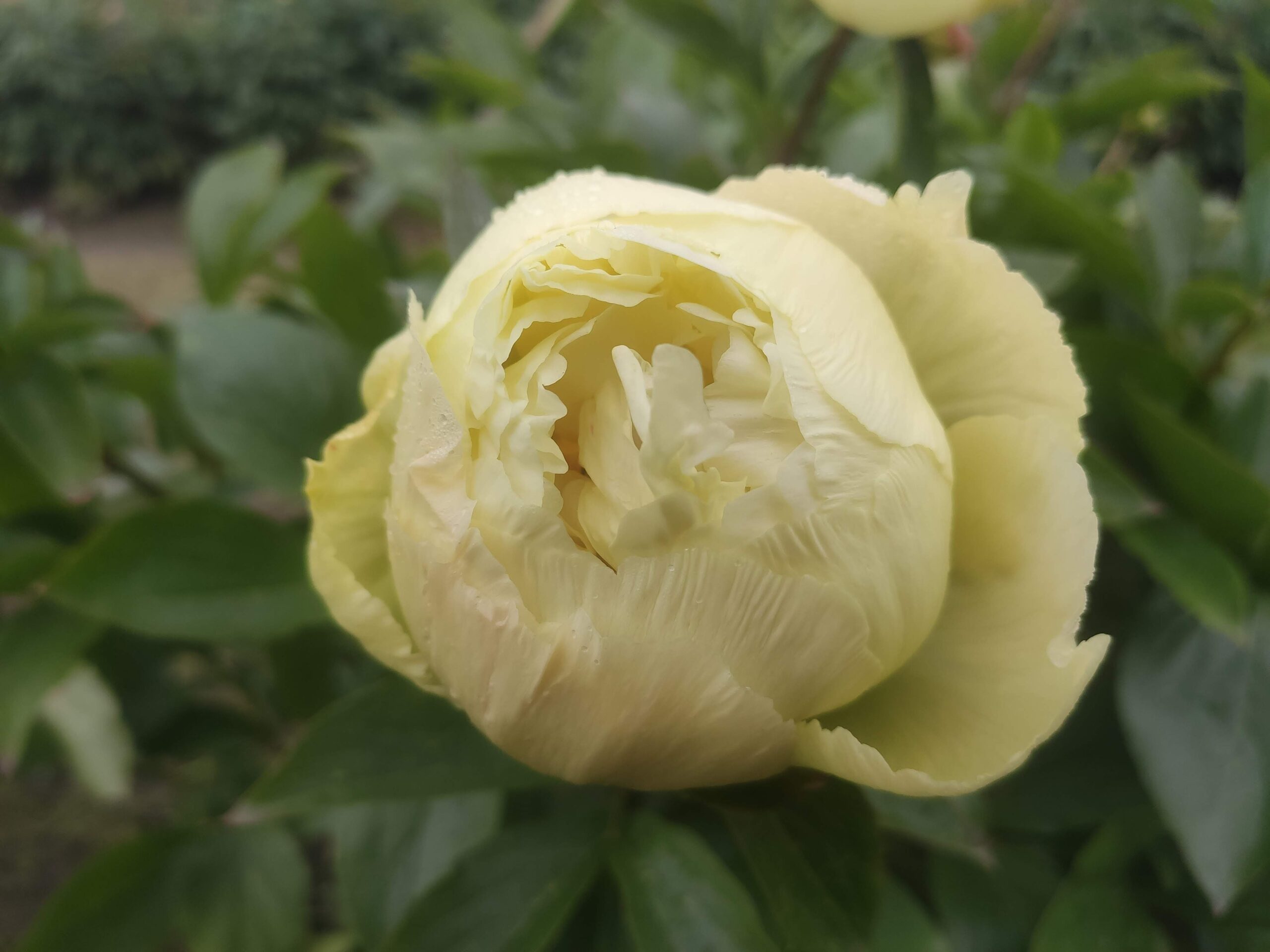
Dipple Gowt (Fawkner, 2013)
Koen Hurtekant: “Very healthy cultivar with the most greenish yellow petals I know of. Buds are always well closed. Stems are average, but strong enough to keep the semi-double flowers upright. Highly fertile.”

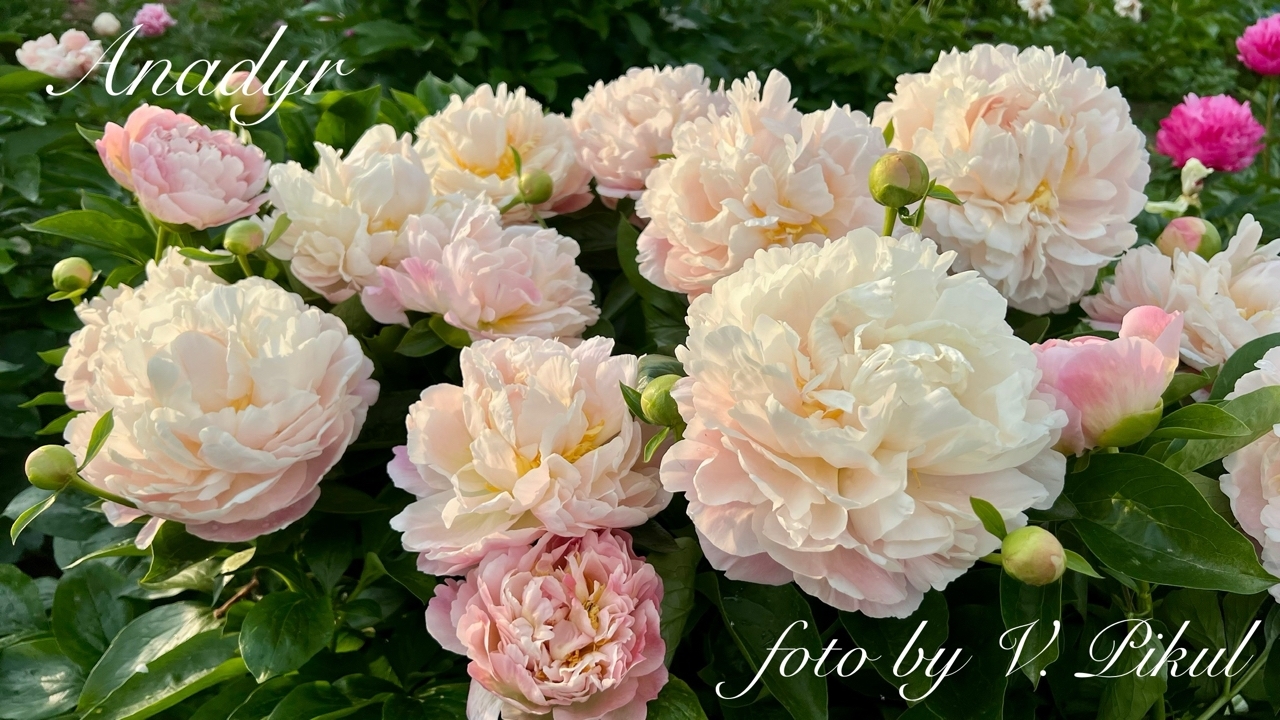
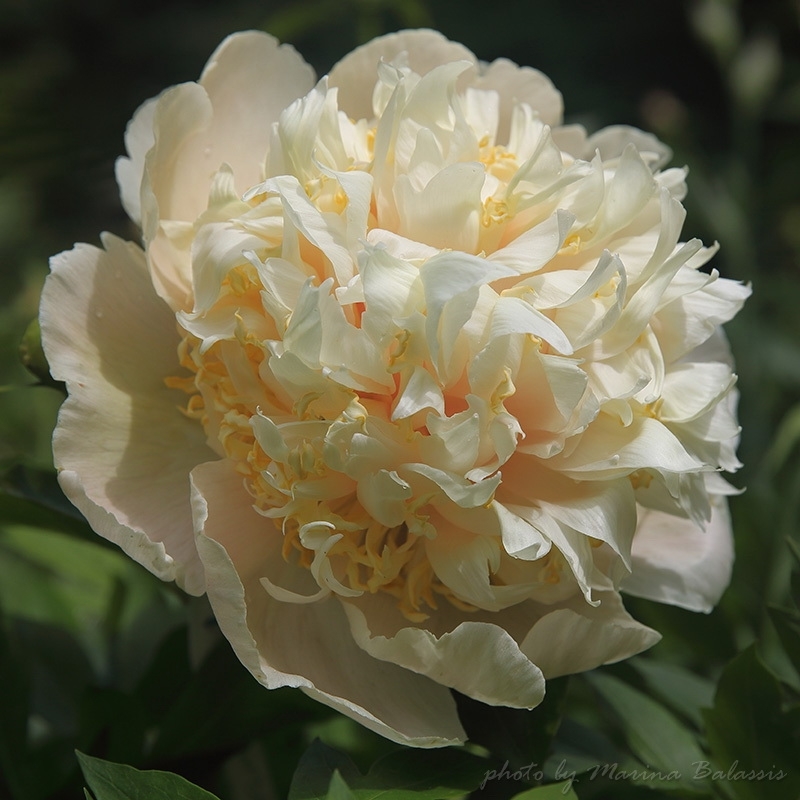
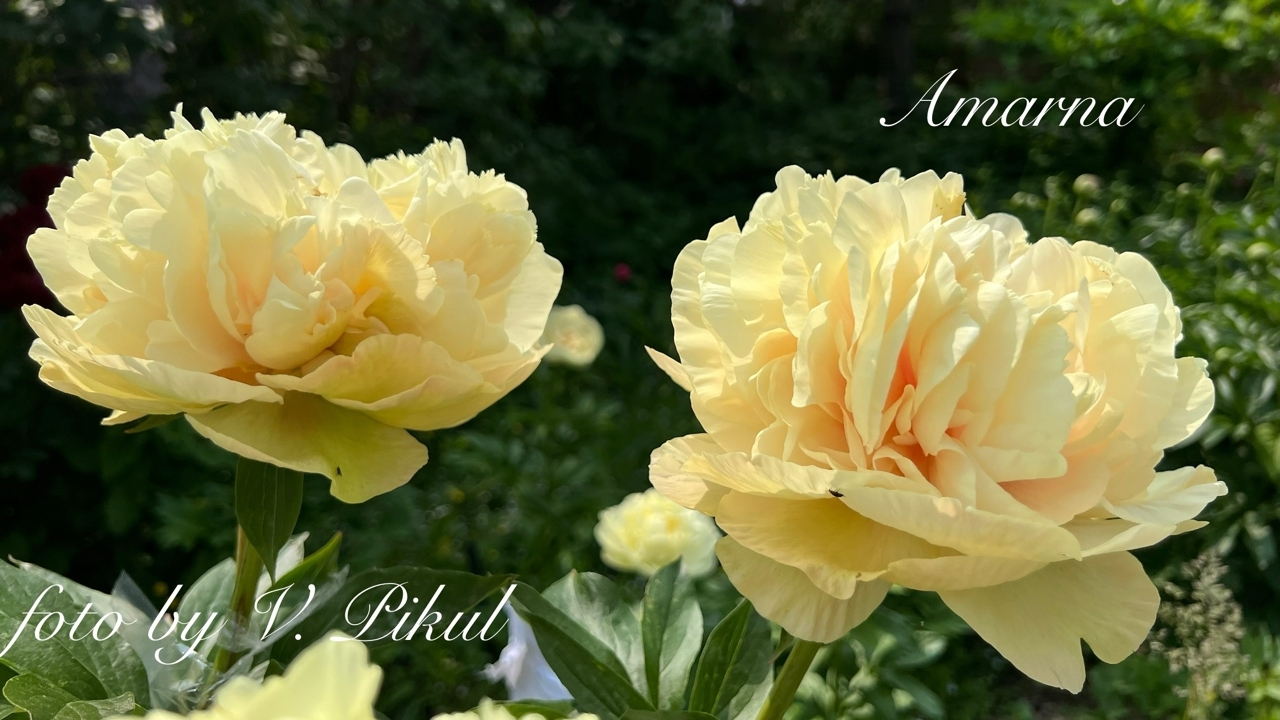
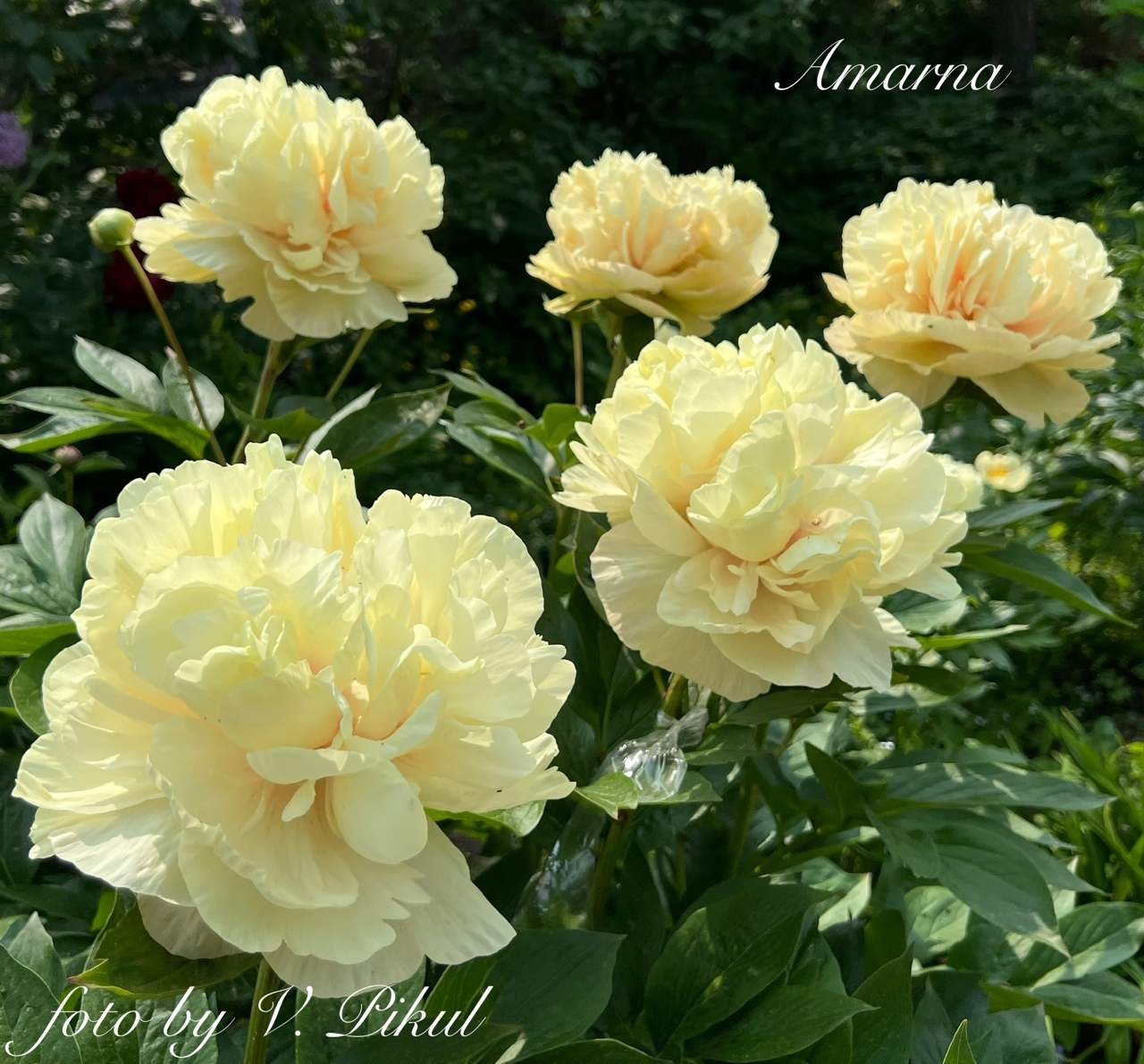
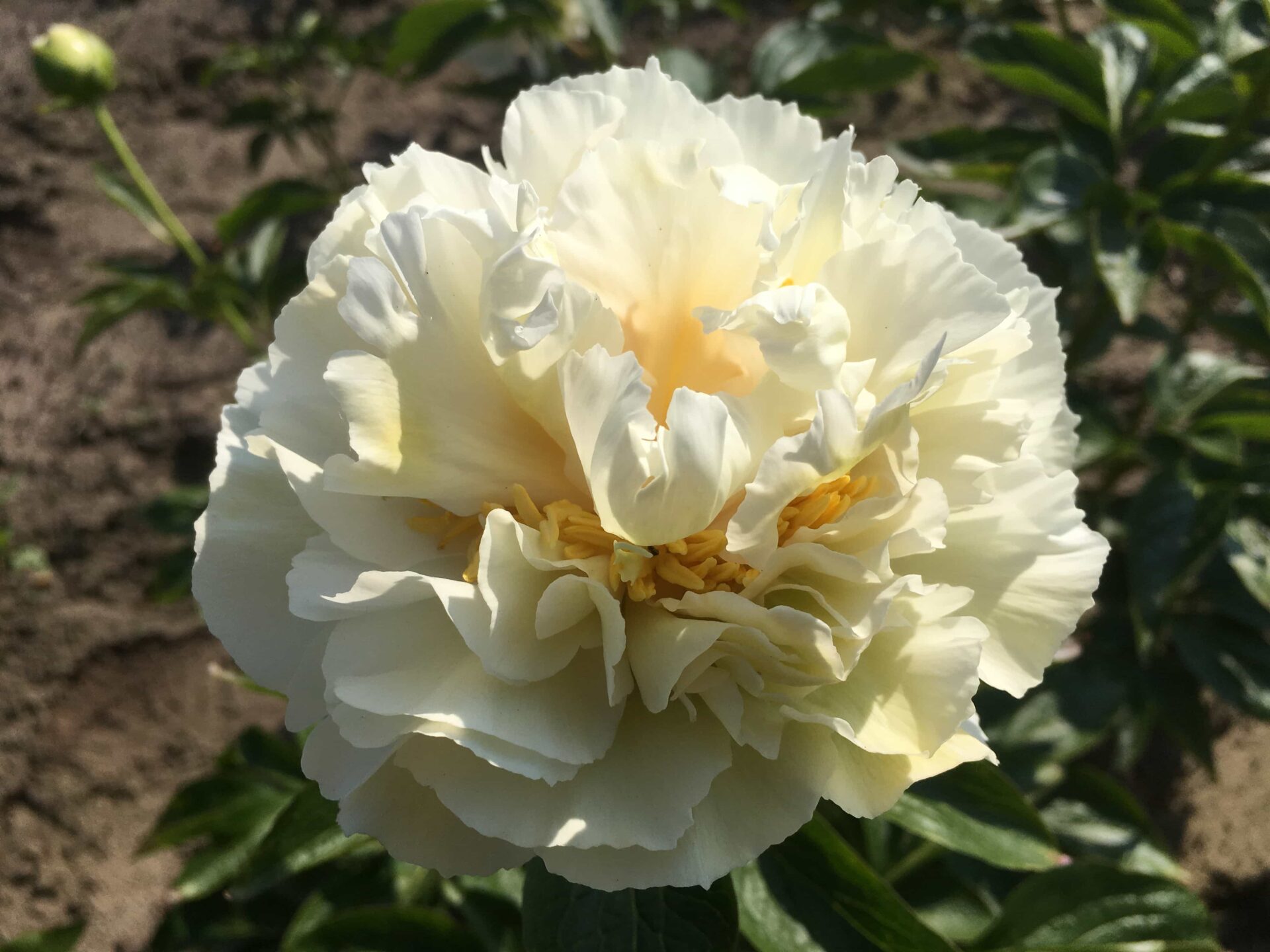
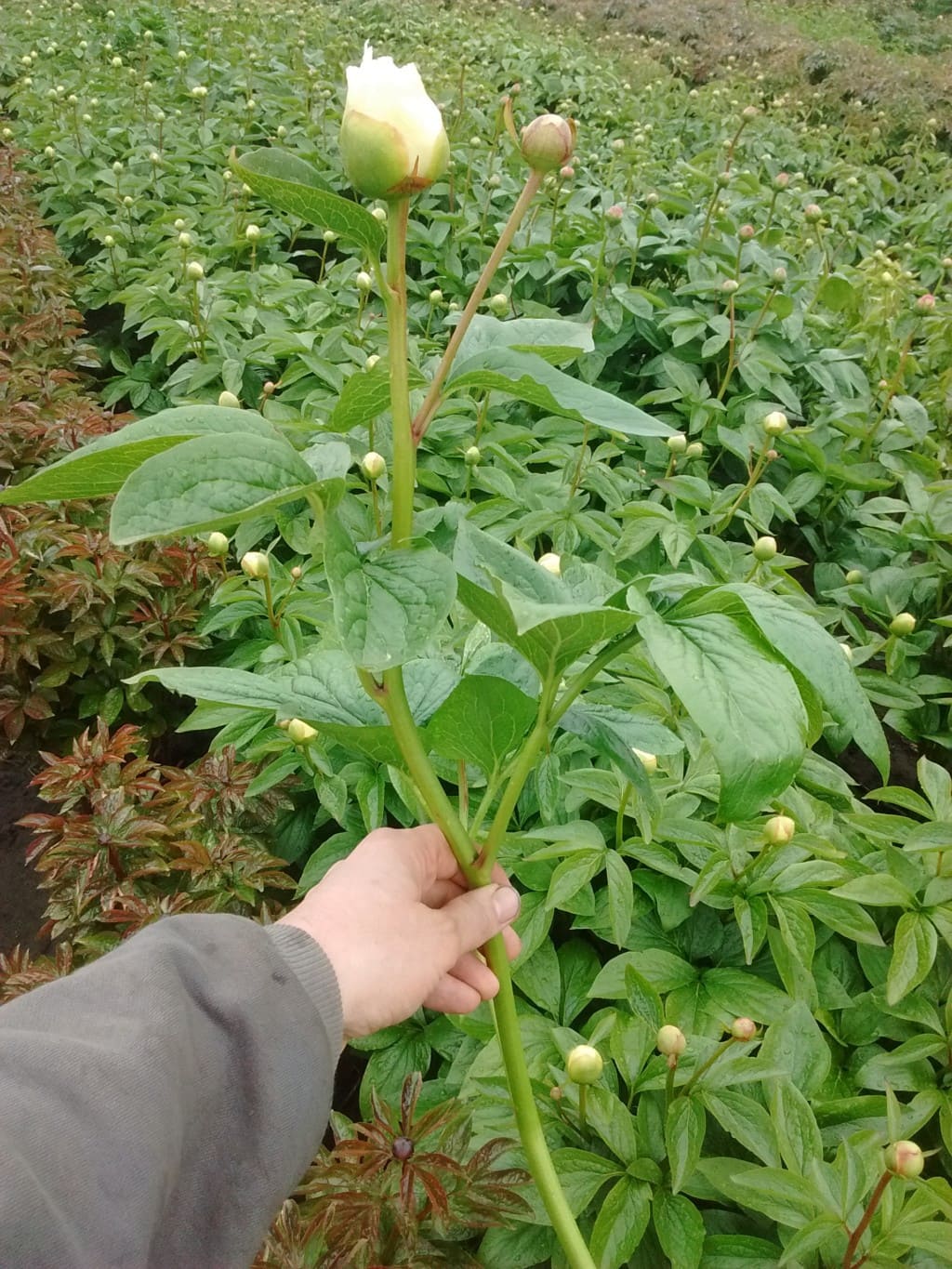
Grand Massive (Fawkner, 2003)
Harald Fawkner (in 2011): “We do have some very very early white semi-double hybrids. In fact these are not only our very earliest plants to flower in the season, but also the best and most healthy bushes, with good stems and great foliage, and very many flowers on each plant. I am thinking first of all of Grand Masssive, which we have had for many years. To give you an idea of how early it is, our season began this year on 29 May when seedling F90 (Nilitz x Obovata Willmottiae) came into flower. The last plants to open on our grounds opened at the beginning of July. Grand Massive started to open on 3 JUNE. Grand Massive is slightly shorter and more compact than our average plant. This is one of the two or three best garden varieties we have. It has many seeds, grows very fast after division, and, as stated, is very very early. We already have
registered offspring from this variety.”
Koen Hurtekant: “A very good semi-double white which flowers very early in the season. The buds are always well closed and pure white. The stems are strong and it has dark green foliage. It grows very fast and is very healthy.”
-
- Triphena Parkin (Fawkner, 2009)

-
- Triphena Parkin (Fawkner, 2009)
-

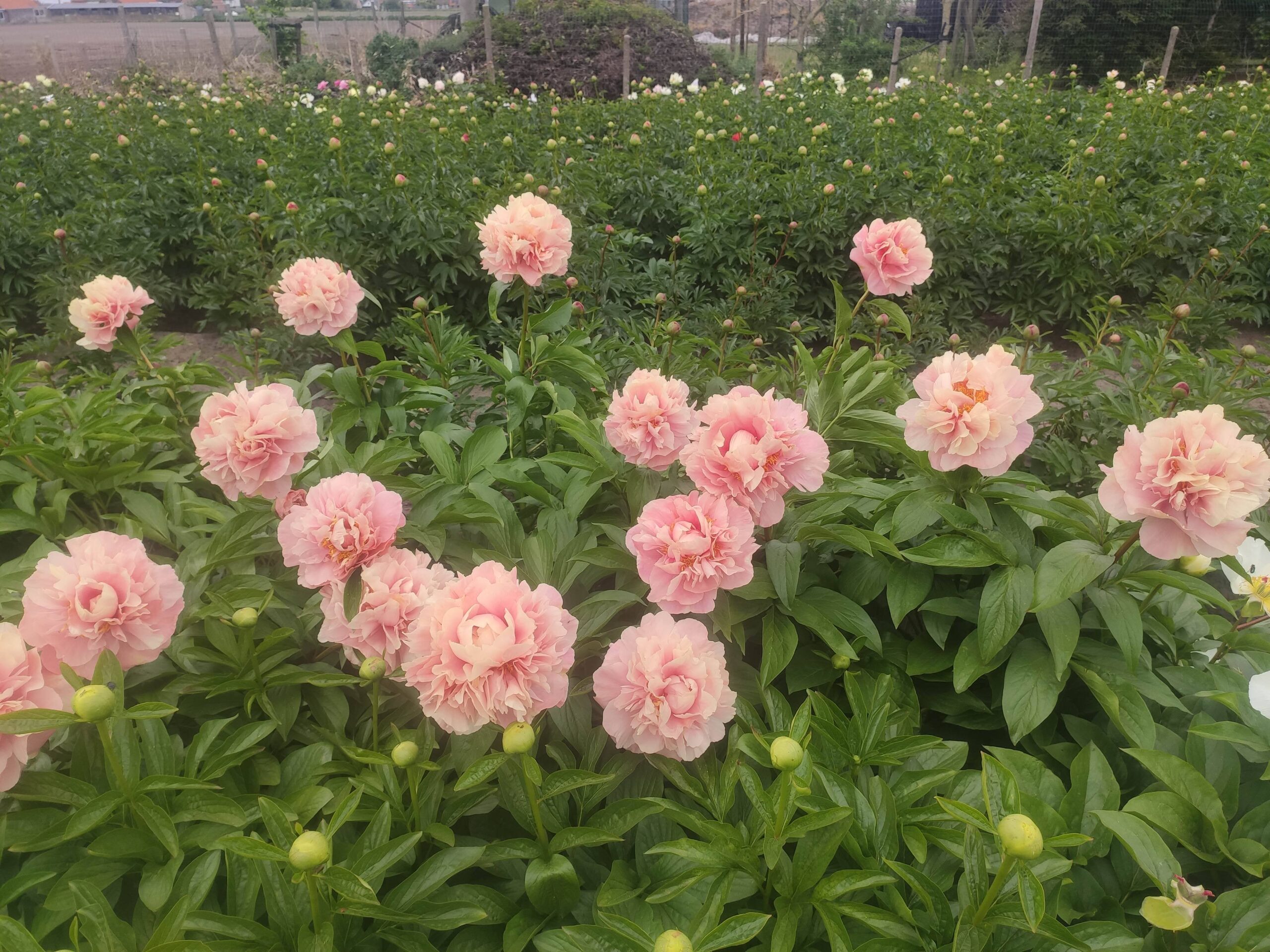
- Triphena Parkin (Fawkner, 2010) Image by Marina Balasis
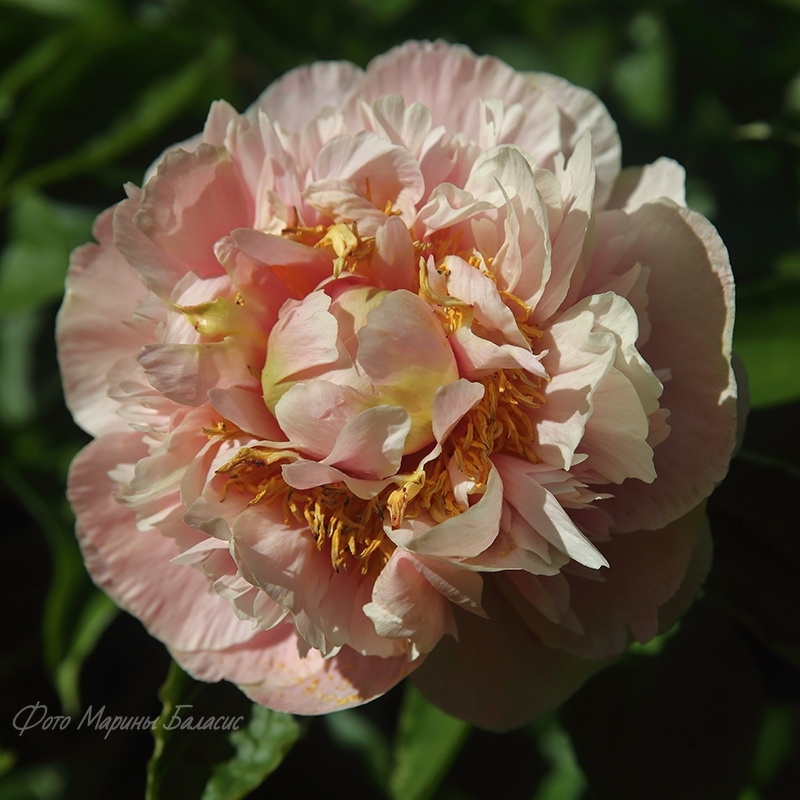
Triphena Parkin (Fawkner, 2009)
Koen Hurtekant: “Very vigorous and floriferous. Very large double flowers. Remains upright. Cold, harsh winds during growth may result in some open buds; when grown in a sheltered place these do not occur.”
-
- Southrepps (Fawkner, 2010) Image by Marina Balasis
-
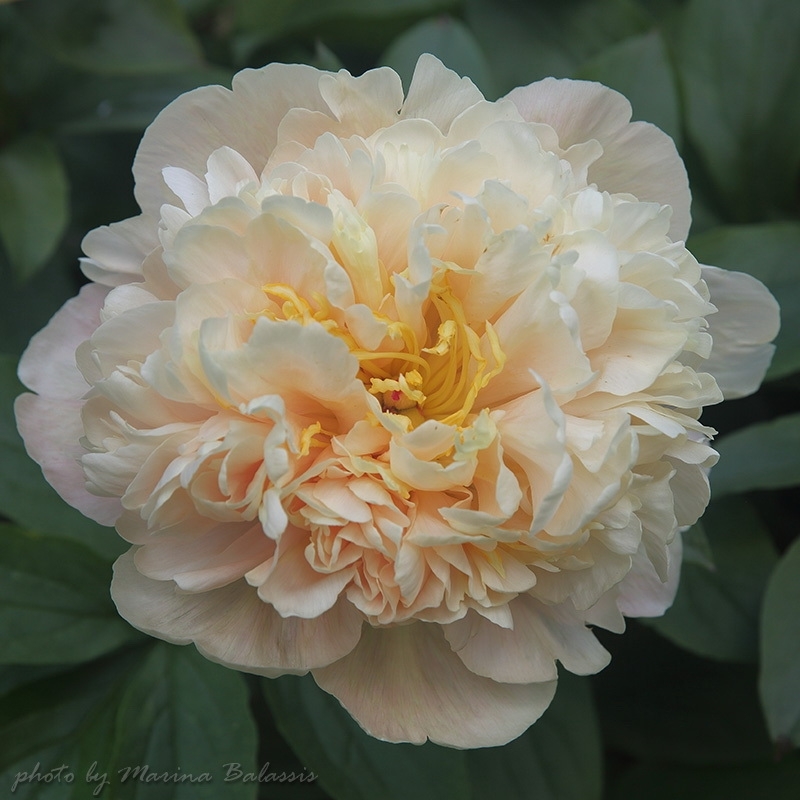
- Southrepps (Fawkner, 2010) Image by Viktoriya Pikul
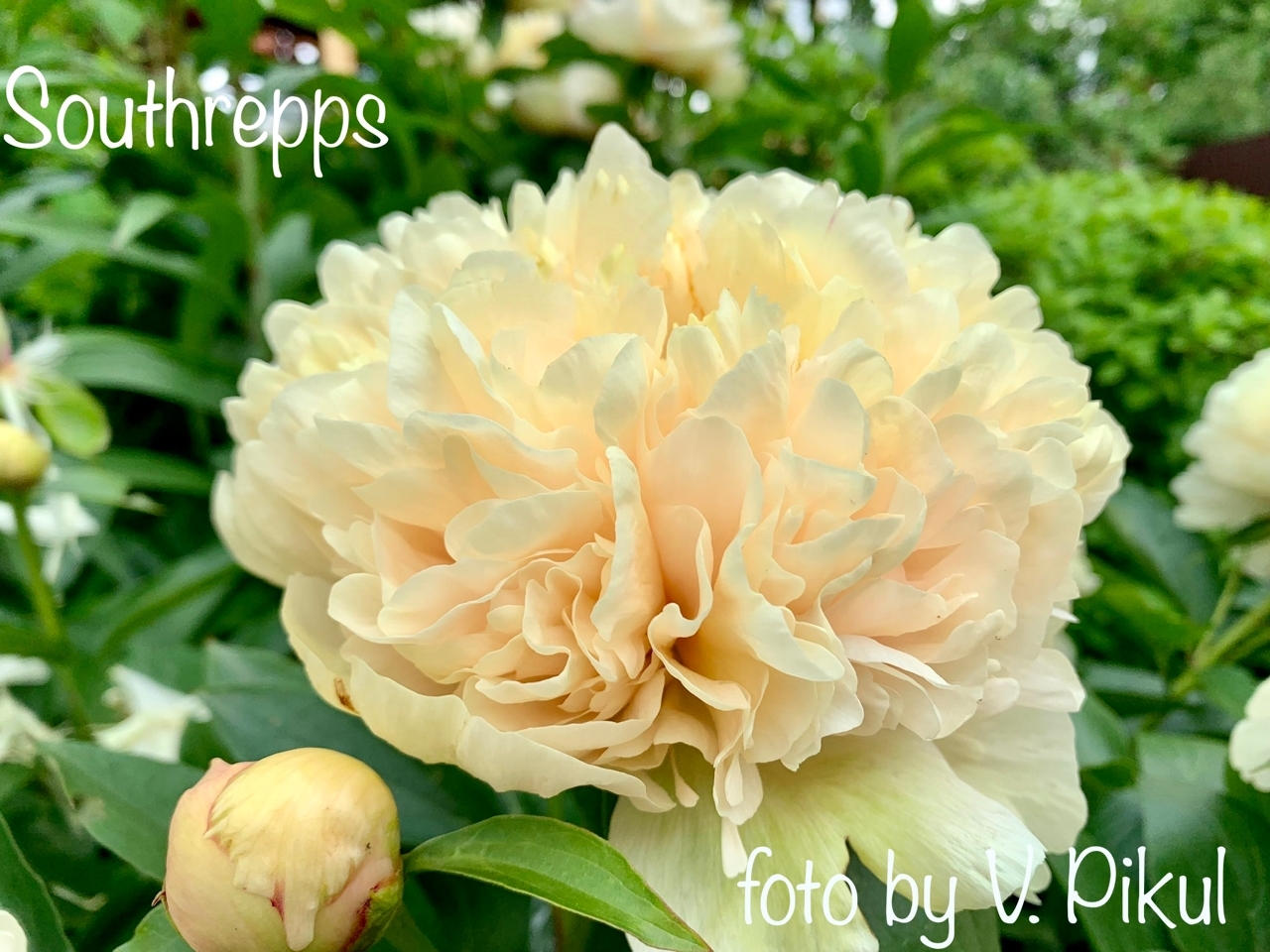
Southrepps (Fawkner, 2010)
-

- Northrepps (Fawkner, 2010) Image by Marina Balasis

-
- Northrepps (Fawkner, 2010) Image by Marina Balasis
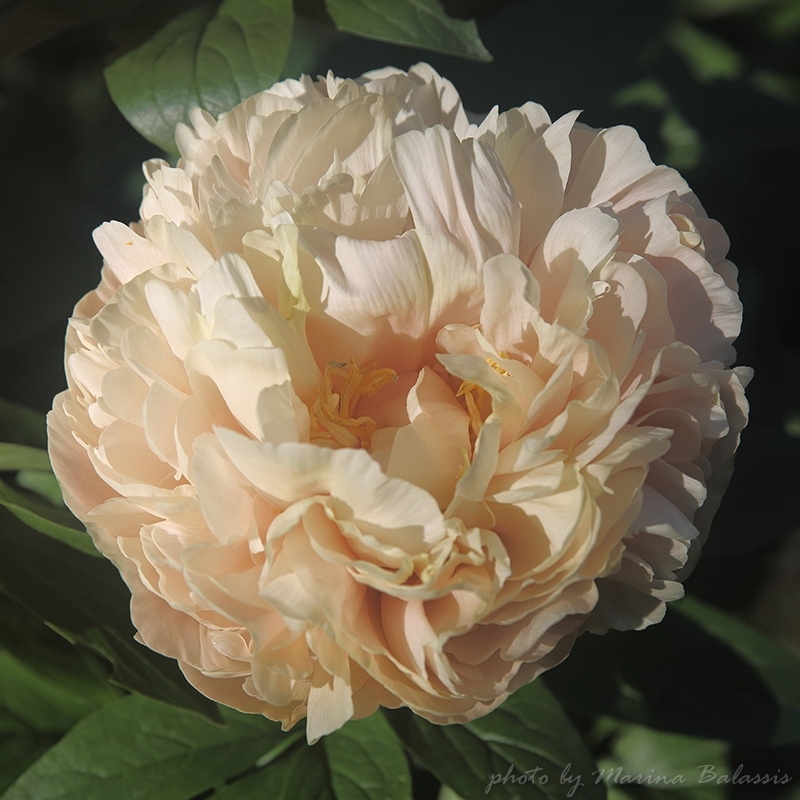
Northrepps (Fawkner, 2010) Image by Marina Balasis
-
- Wavelength (Fawkner, 2013) Image by Marina Balasis
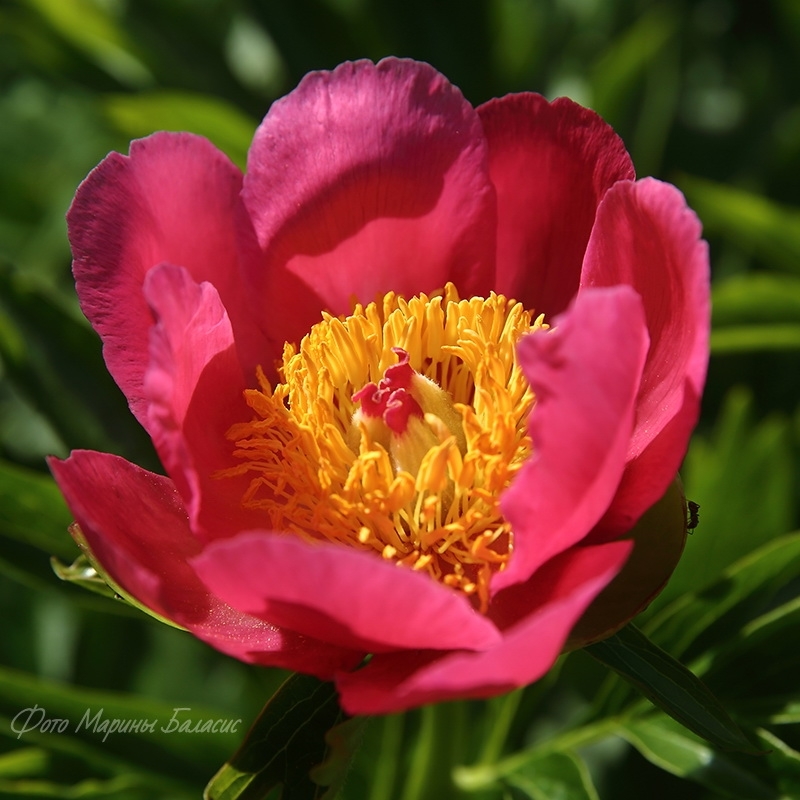
Wavelength (Fawkner, 2013) Image by Marina Balasis
-

- Appleton Eau (Fawkner, 2019) Image by Viktoriya Pikul

Appleton Eau (Fawkner, 2019) Image by Viktoriya Pikul
-
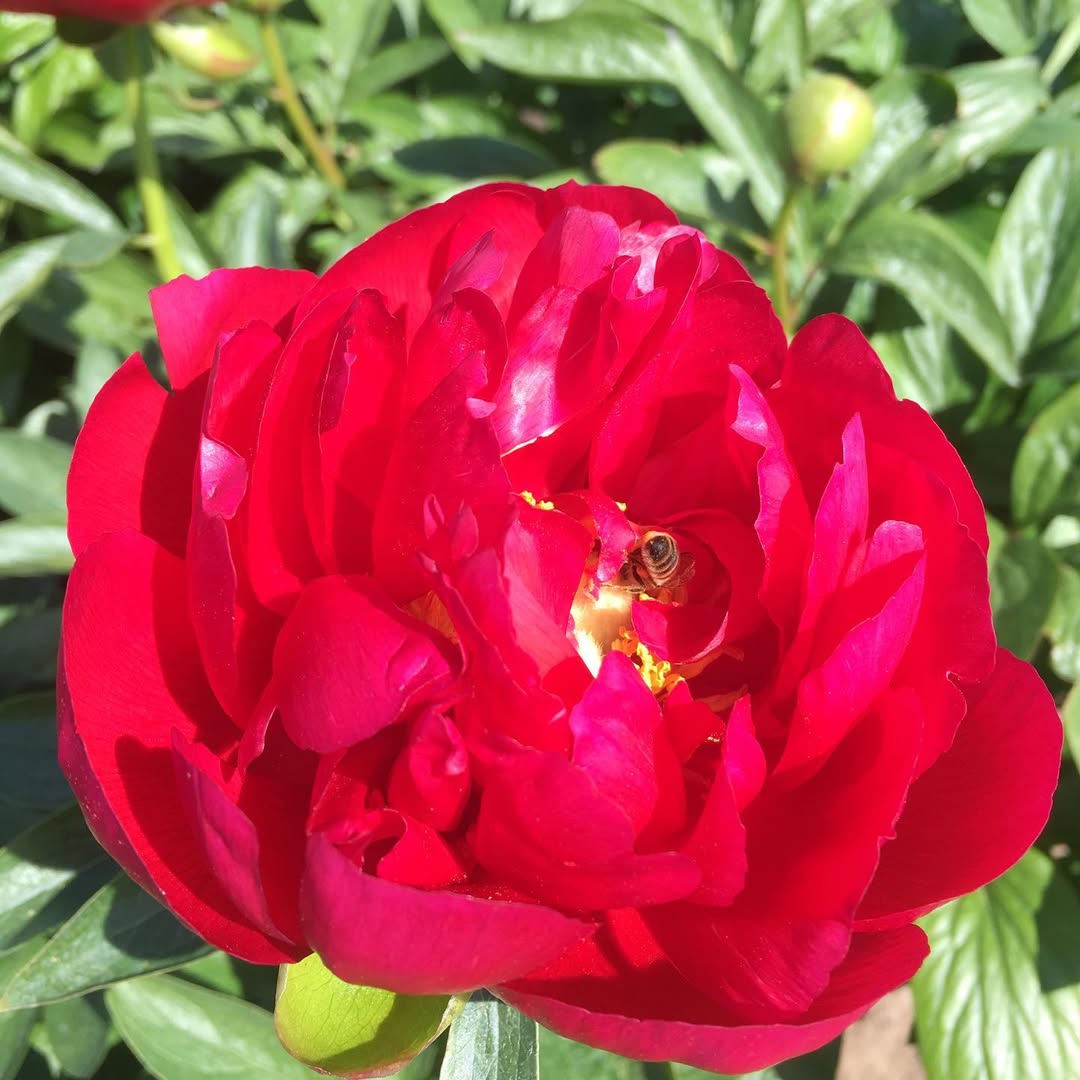
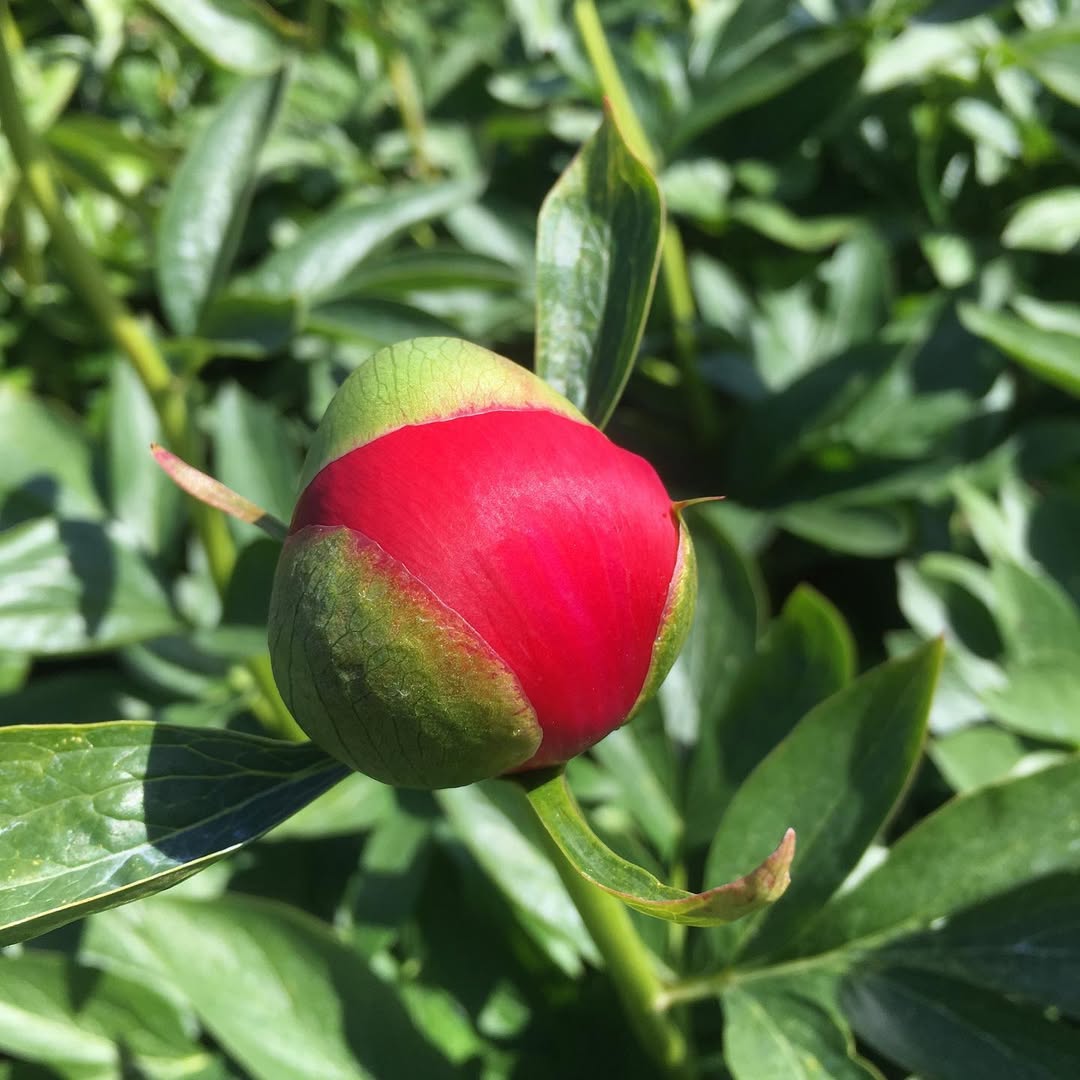
- Peony ‘River Tud’, a Perihelion F2 seedling. To be registered with the American Peony Society.
-
- Peony ‘River Tud’, a Perihelion F2 seedling. To be registered with the American Peony Society.
-
- Peony ‘River Tud’, a Perihelion F2 seedling. To be registered with the American Peony Society.
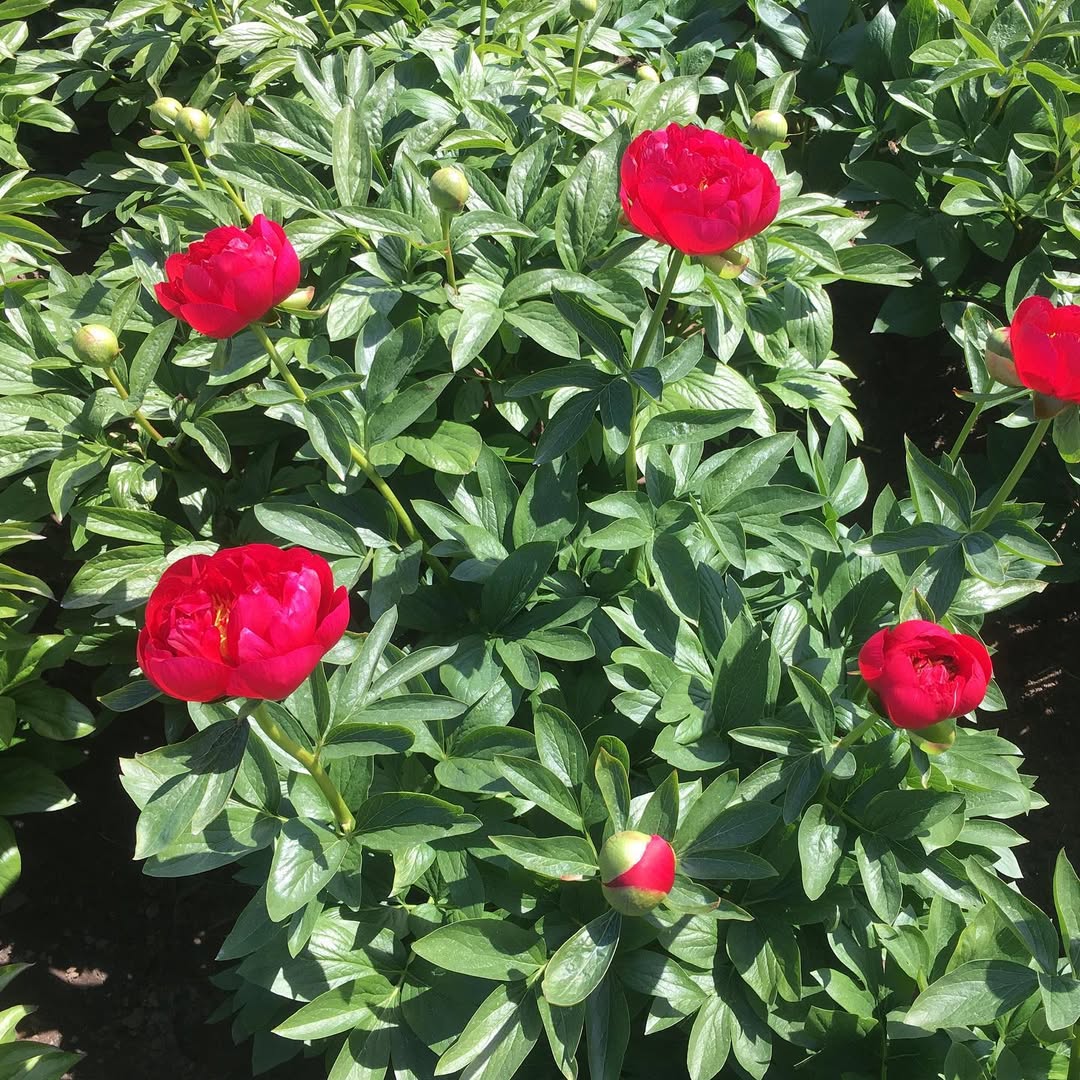
Peony ‘River Tud’, a Perihelion F2 seedling. To be registered with the American Peony Society. Seedling name D-413.
Koen Hurtekant: “River Tud has exceptionally shiny, red petals. The foliage is very good and the stems are enormously strong. It has also been noted to withstand dry and warm conditions remarkably well.”
-

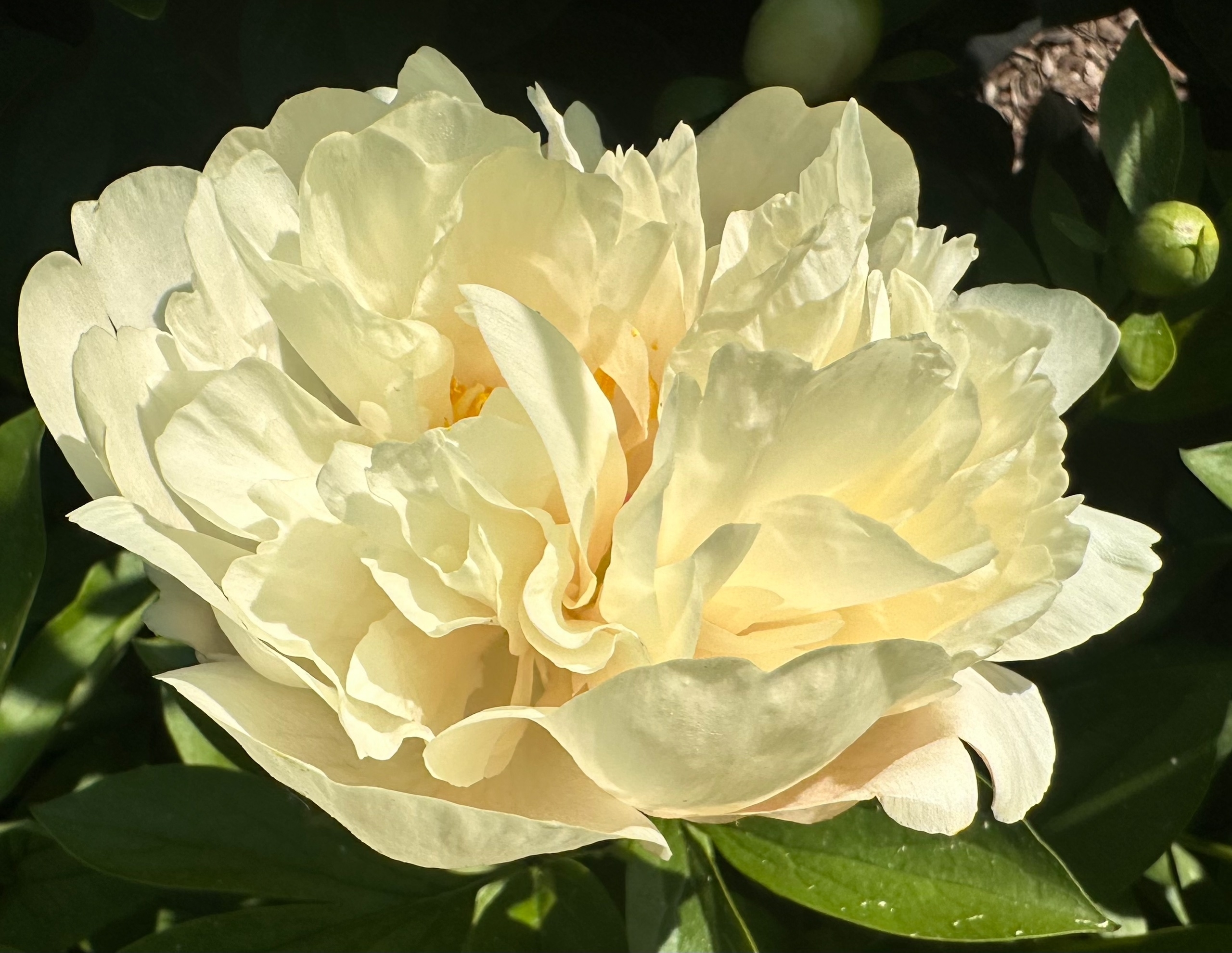
- Maria Fairfax (Fawkner, 2001). Image by Оранжевый Сад

-

- Maria Fairfax (Fawkner, 2001). Image by Оранжевый Сад
-

- Maria Fairfax (Fawkner, 2001). Image by Оранжевый Сад
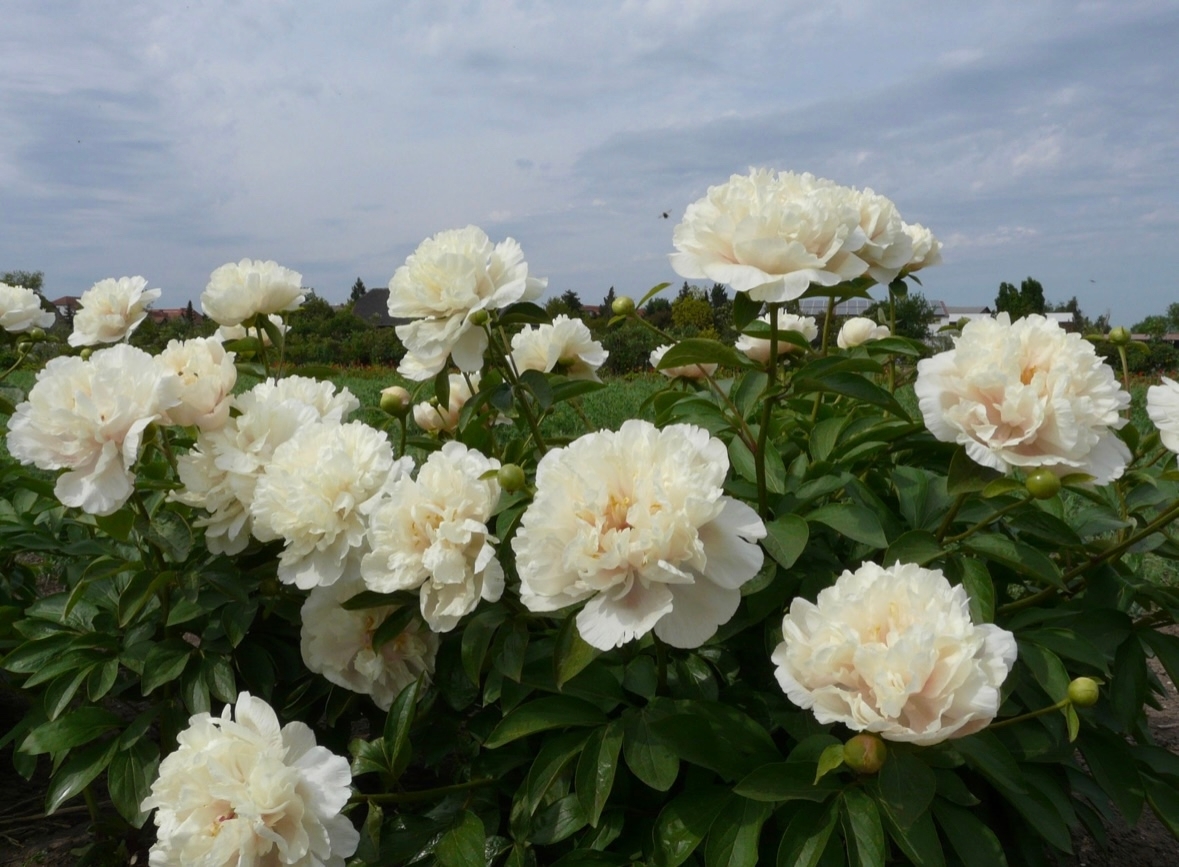
Maria Fairfax (Fawkner, 2001). Image by Оранжевый Сад.
Оранжевый Сад on vk.com: “The double, cream-colored flower is 17-18 cm in diameter. The outer petals are large with a slight pink tint, the stamens are yellow, and the pink stigmas are set on pale yellow-green pistils, surrounded by a symmetrical cluster of creamy petals. The bush has strong stems and large leaves. This prolific bloomer produces seeds. It blooms early.”
-

- Charlotte Rattenbury (Fawkner, 2011) Image by Viktoriya Pikul

-
- Charlotte Rattenbury (Fawkner, 2011) Image by Viktoriya Pikul

Charlotte Rattenbury (Fawkner, 2011) Image by Viktoriya Pikul
-
- Strykylthorne (Fawkner, 2011) Image by Marina Balasis
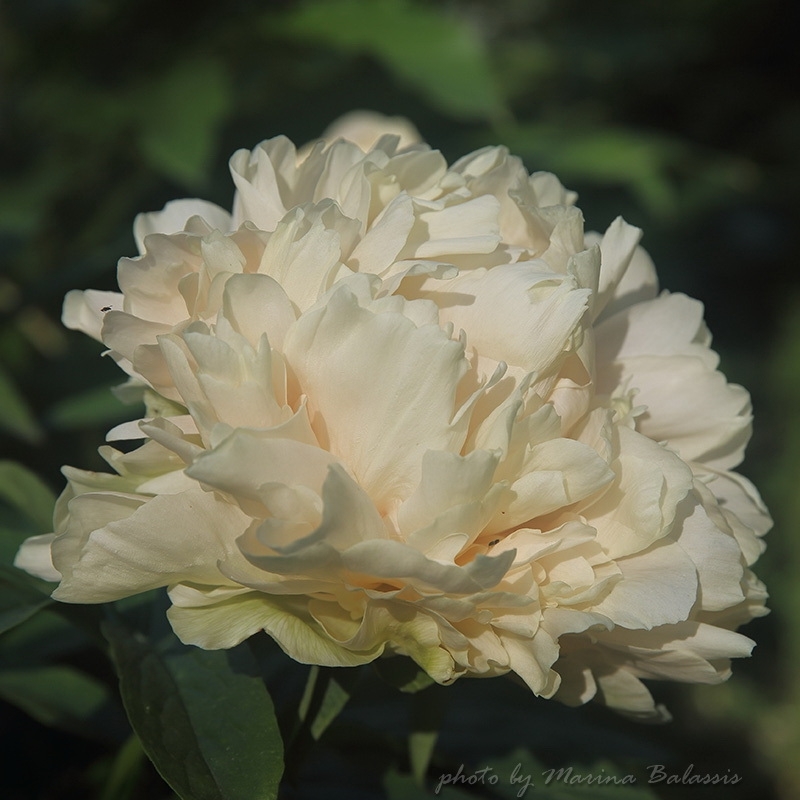
Strykylthorne (Fawkner, 2011) Image by Marina Balasis
-
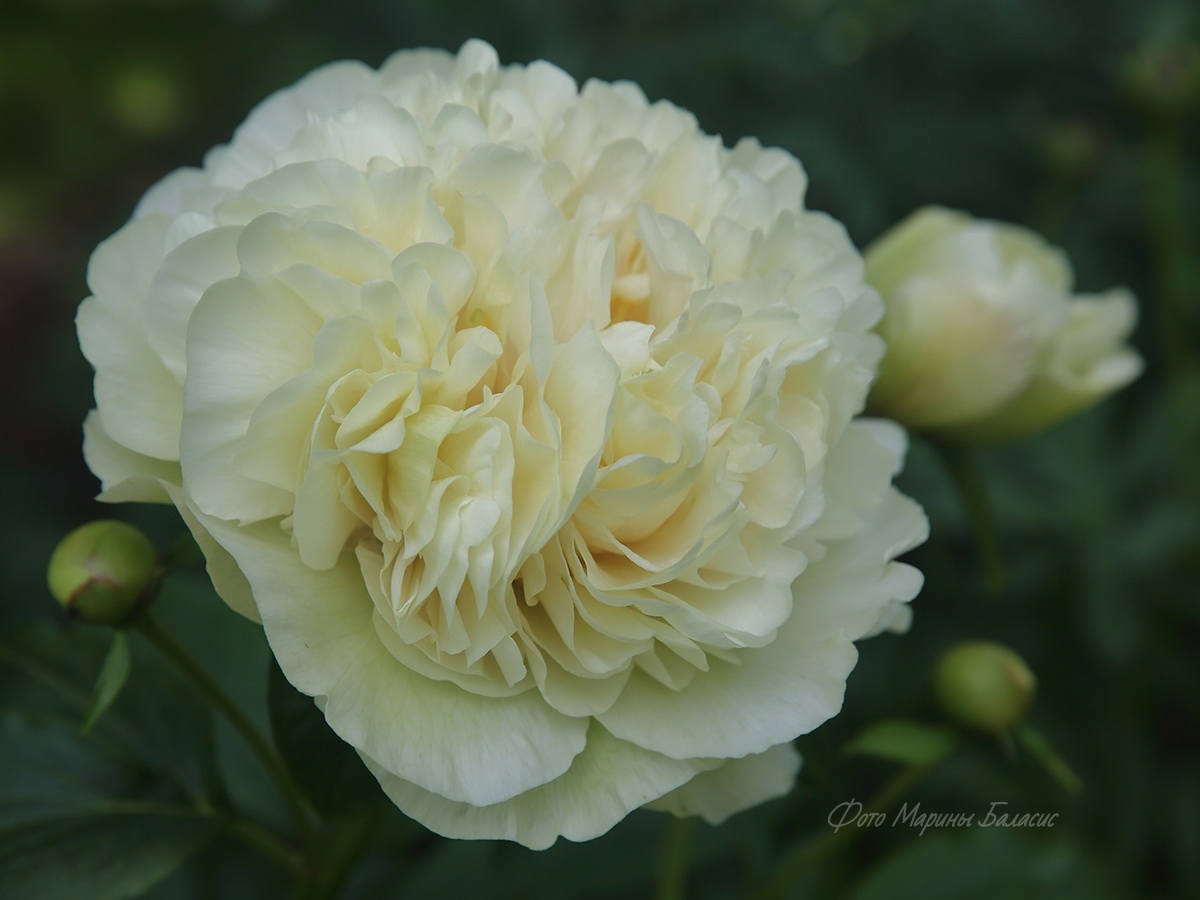
- Richard Greenham (Fawkner, 2013) image by Marina Balasis
-
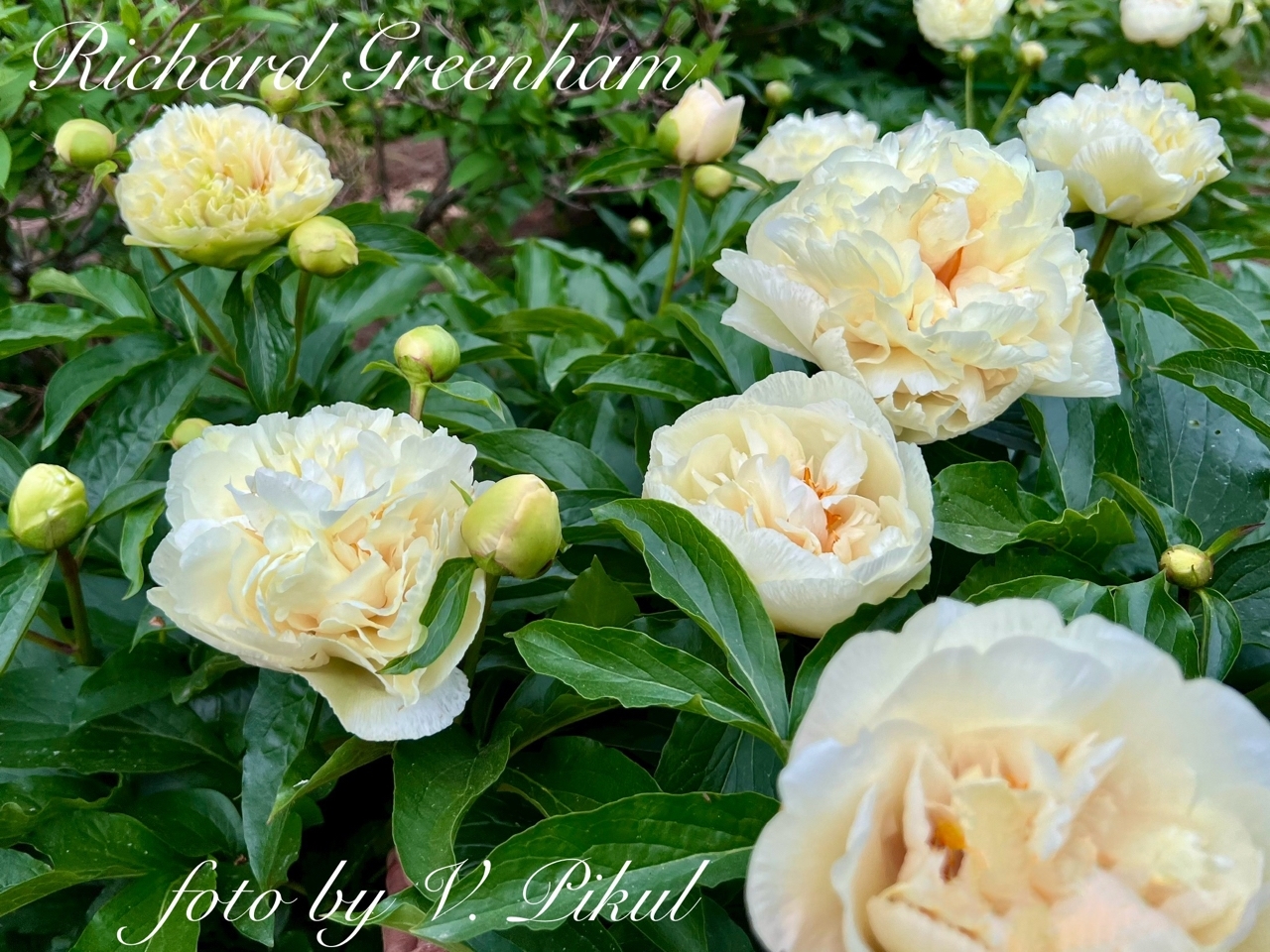
- Richard Greenham (Fawkner, 2013) Image by Viktoriya Pikul
-
- Richard Greenham (Fawkner, 2013) Image by Viktoriya Pikul

Richard Greenham (Fawkner, 2013)
-
- Liboria Maas (Fawkner, 2003) Image by Marina Balasis
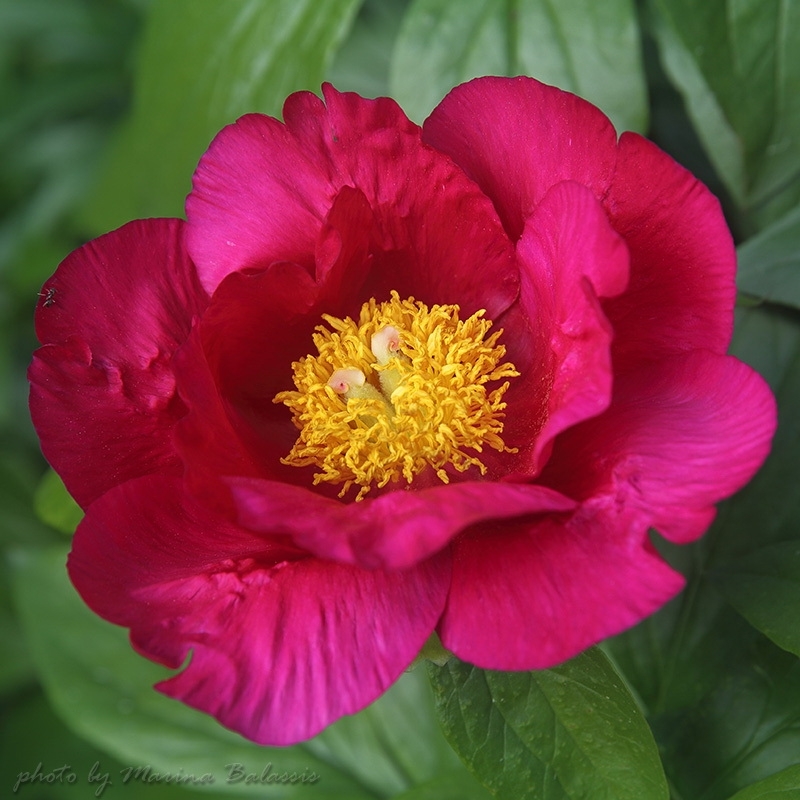
Liboria Maas (Fawkner, 2003) Image by Marina Balasis
E-mail of this person is known to the author. If you want to contact this hybridizer, we can forward your message.