
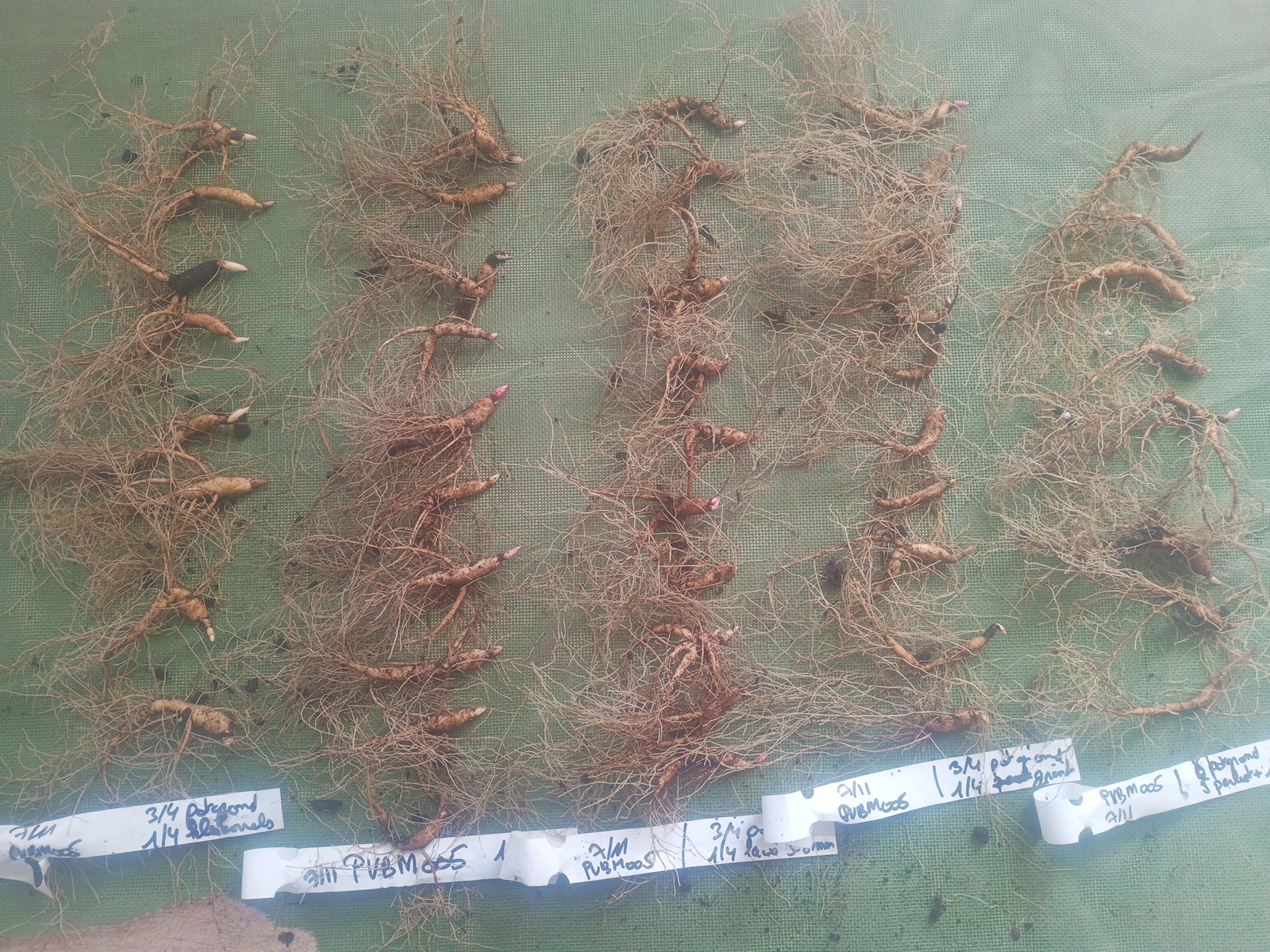


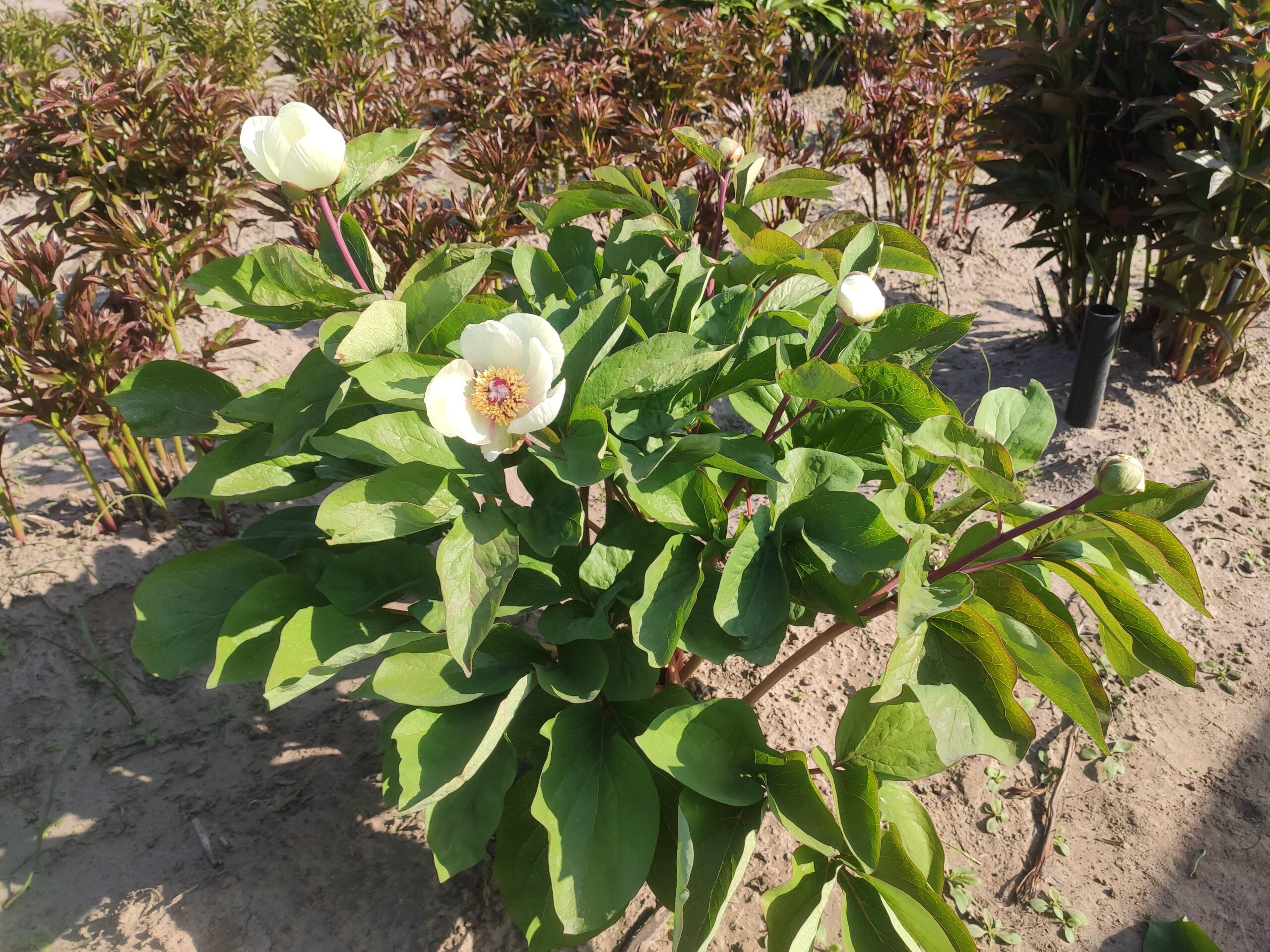
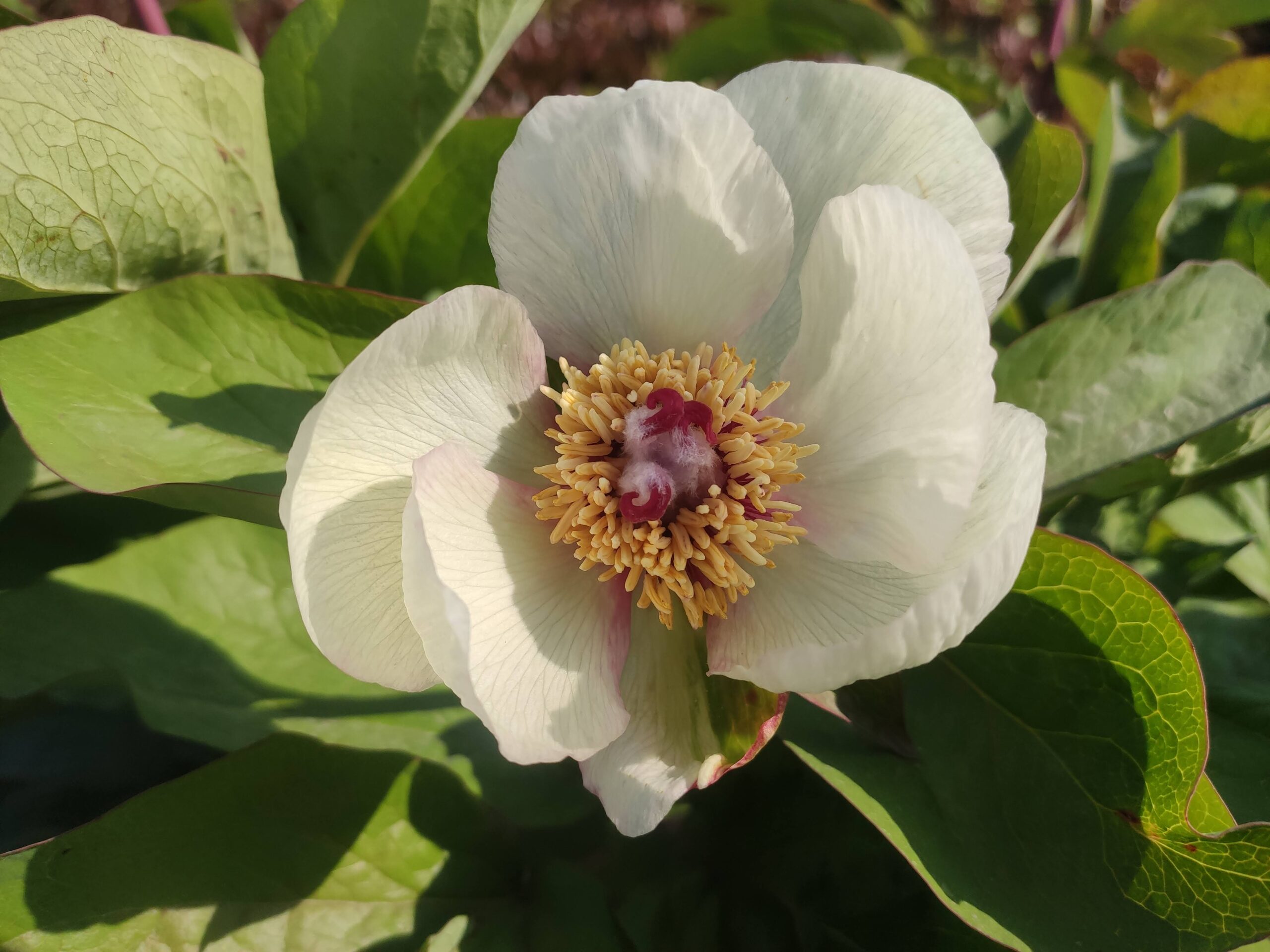


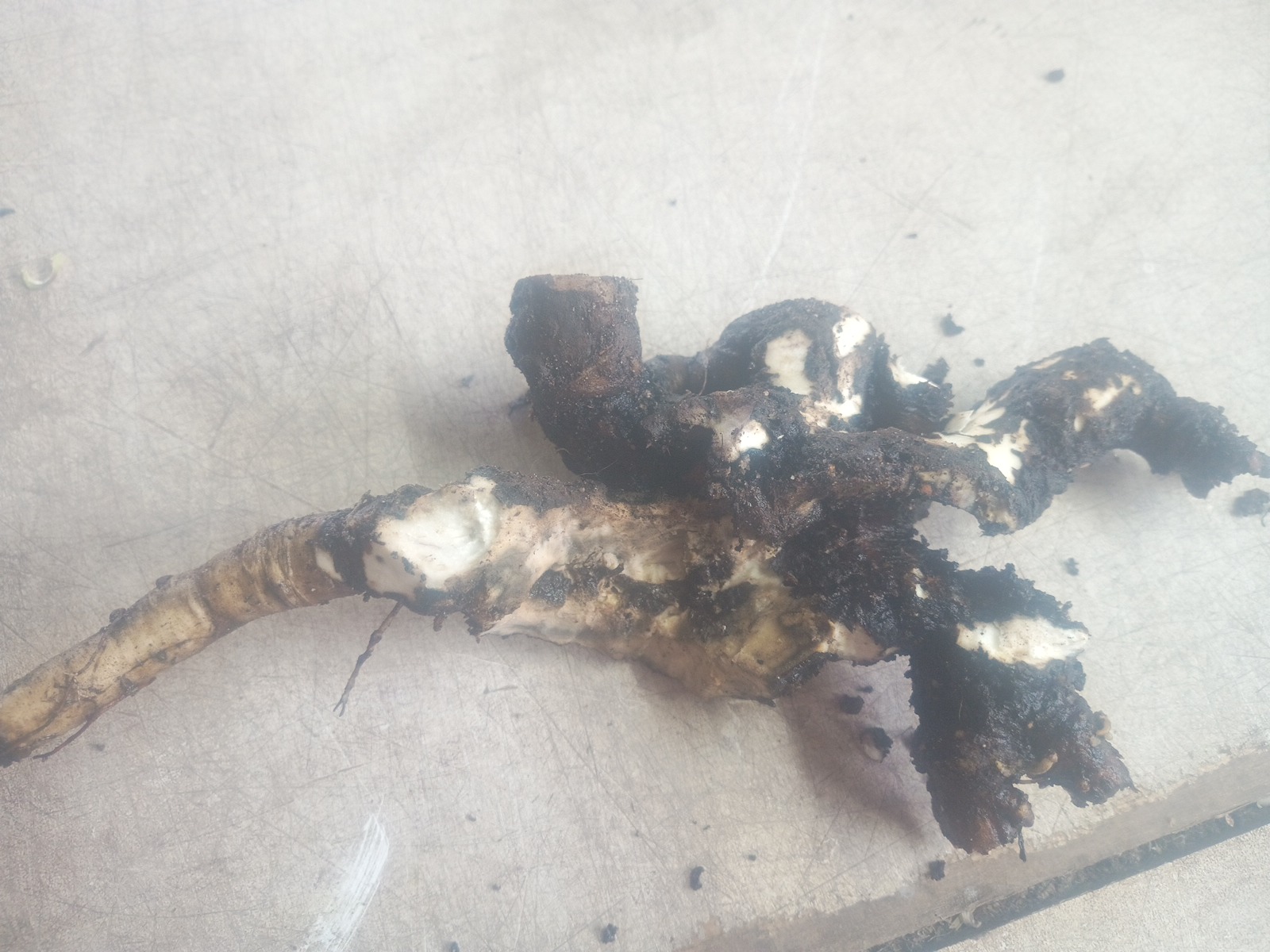


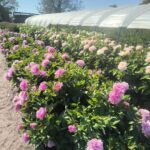
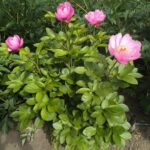
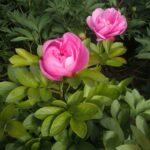
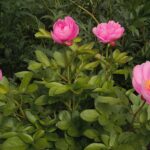
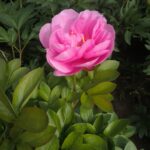
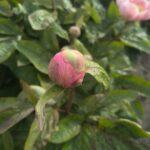
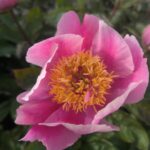
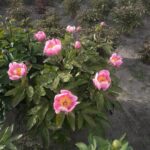

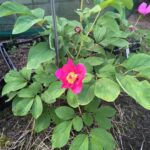
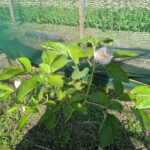
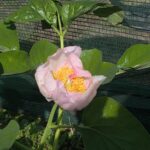
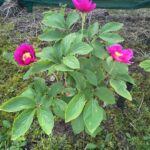


From these last series, they've received a long warm period and will now go into cold storage. Here the two…
![Profile picture of khurtekant]()
khurtekant wrote a new post
![]() Read More
Read MoreThe best growing substrate for peony seedlings Last year we tried to find out which was the best germinating substrate for peony seeds. This year we've tried to find out in which substrate those germinated seedlings would grow best. We...
1 Comment![Profile picture of khurtekant]()
khurtekant wrote a new post
![]() Read More
Read MoreA hybridizing program for peonies I've been hybridizing peonies since 2009, so with 15 years of trials and errors I think the time has come to give a short overview of where we're heading. We've registered a few peonies which...
![Profile picture of The Peony Society]()
The Peony Society posted in the group Species Peonies International Network (SPIN)
I finally dug some of the peonies that had a tough time coping with the extremely wet Winter and Spring last season. Disappointing results to be fair. Whilst losses are everywhere, the species are a negative outlier still. Some are completely gone, the label around the roots which was planted with them is at times all that remains, with some…Read More
2 Comments![Profile picture of Uwe]()
I think you should think about converting part of your wild paeonia growing area into a rock garden. This may provide conditions closer to the natural habitat for many of the plants that originate from rocky elevations.
![Profile picture of The Peony Society]()
I’ve moved them into crates with a substrate filled with lots of clay granules, pebbles and grit, thus lots of good drainage and air. A rock garden might be the next step I suppose…
- Load More Posts




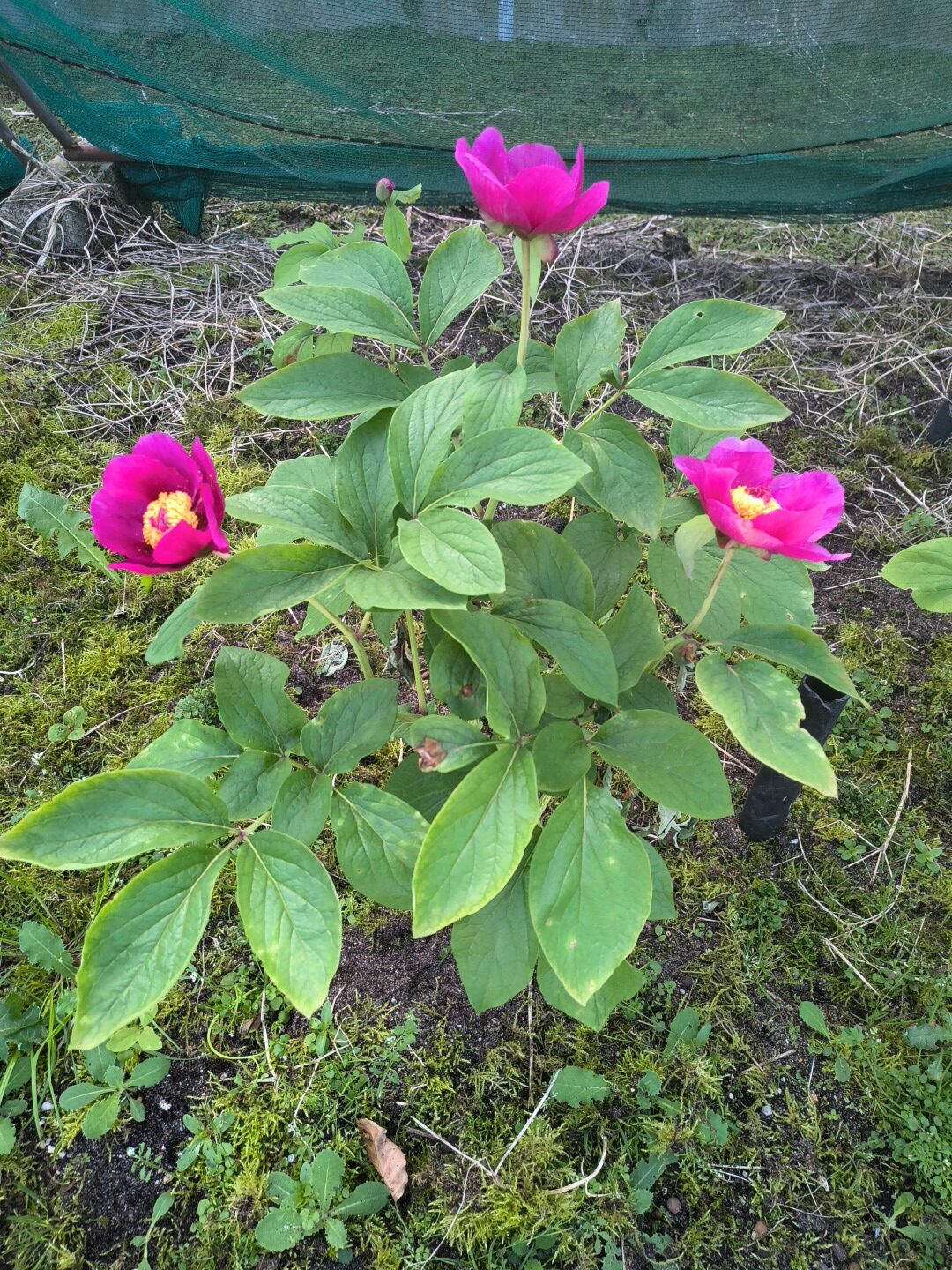


I must say that I grow all my seedlings in potting soil, 24 seeds to a #3 pot. I keep them in pots for two seasons, before planting them out in the fields. My working space makes it convenient for me to do it this way.
I’m not sure that my results show anything different than you have discovered. Other than, much like yourself, I’m not a big fan of perlite. It seems to me that perlite is abrasive, and that tender roots don’t like that, particularly when used as an initial medium to start bagged seeds.
I’m glad to see that you got relatively good results with all of your medums though. For myself, I like the idea of “live” soils, which is one reason why I use potting soil. It would seem that one might get more soil organisms using it ? If one thinks that that might make a difference.
Also I think it’s reasonable to look into the clay grains you mentioned. My sense has always been that seedlings get a certain amount of shock, when transferred from the open medium of their seedling pots, into the much more closed clay soils of the fields. That first year in the fields seems to be a bit of a struggle for them, foliage increase-wise, when compared to their increase rate in the pots, and their subsequent years of growth in the fields.