
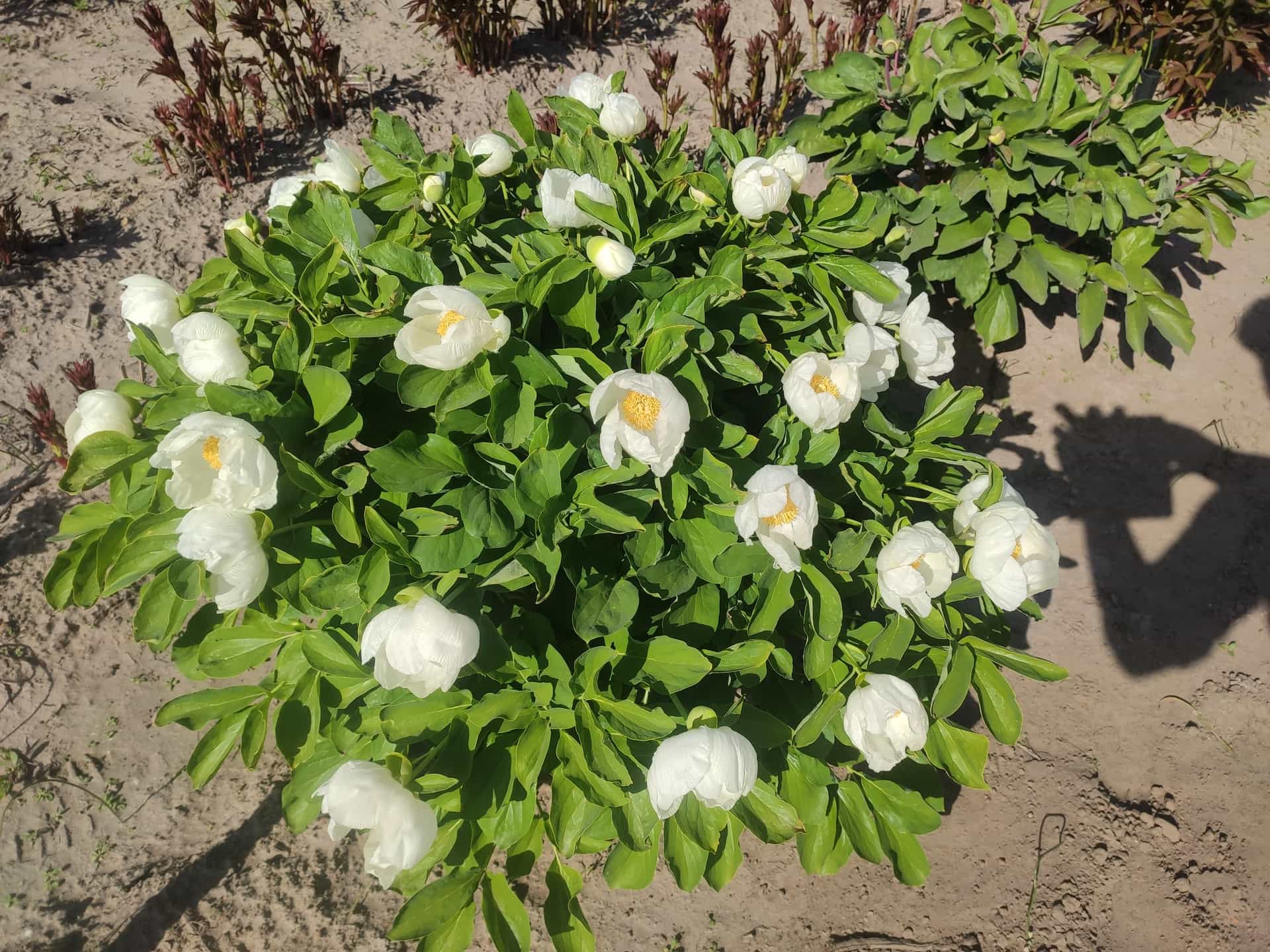




From these last series, they've received a long warm period and will now go into cold storage. Here the two…
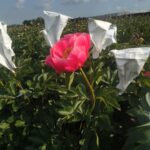
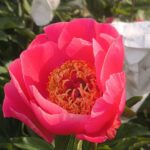
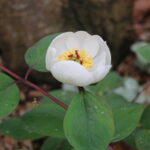
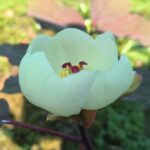
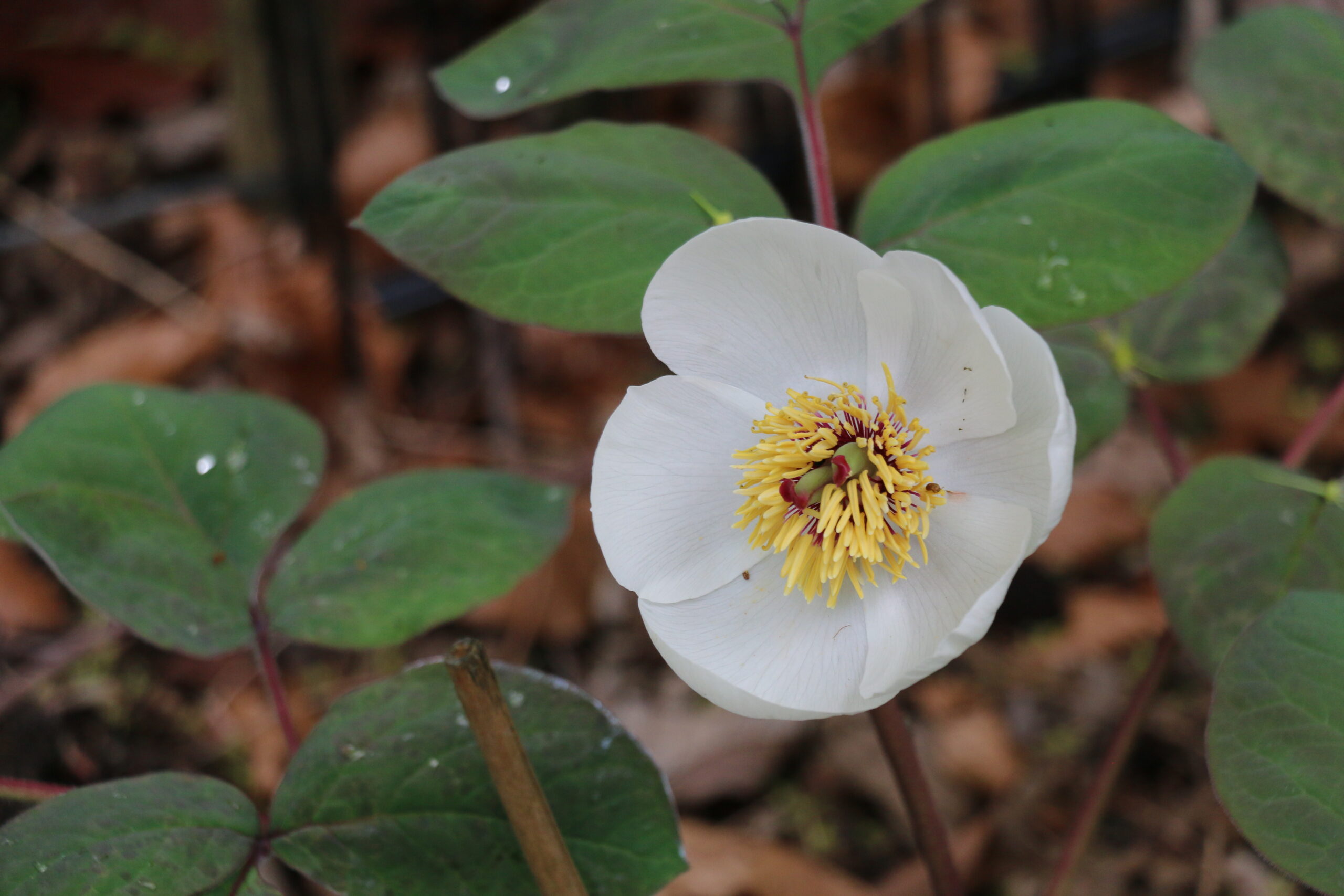
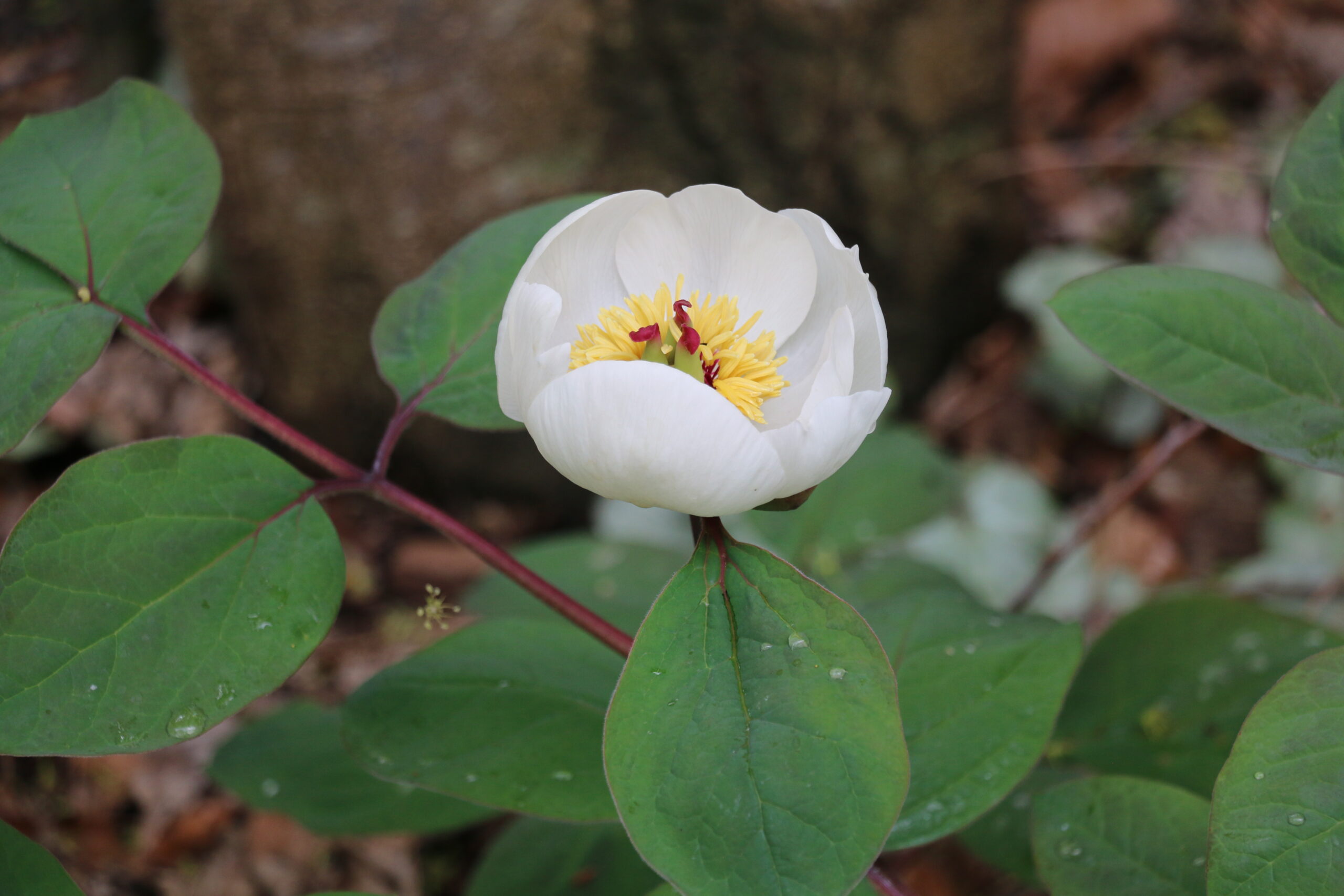
Two days later, more fully open. P. caucasica forma alba, P. daurica subsp daurica, P. daurica subsp coriifolia.
P. daurica subsp daurica again
Thus P. daurica subsp daurica
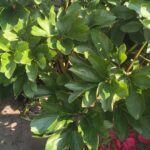
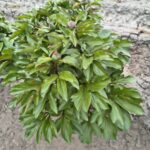
Another P. daurica. This time subspecies daurica. Grows next to subsp coriifolia, so easier to compare. Greener foliage, much wider leaflets. Colour of the flowers is the same. Somewhat taller. Same flowering time. The main difference surely is the shape of the leaflets. I find the daurica classification rather difficult, but we can’t change it.…Read More
- Load More Posts

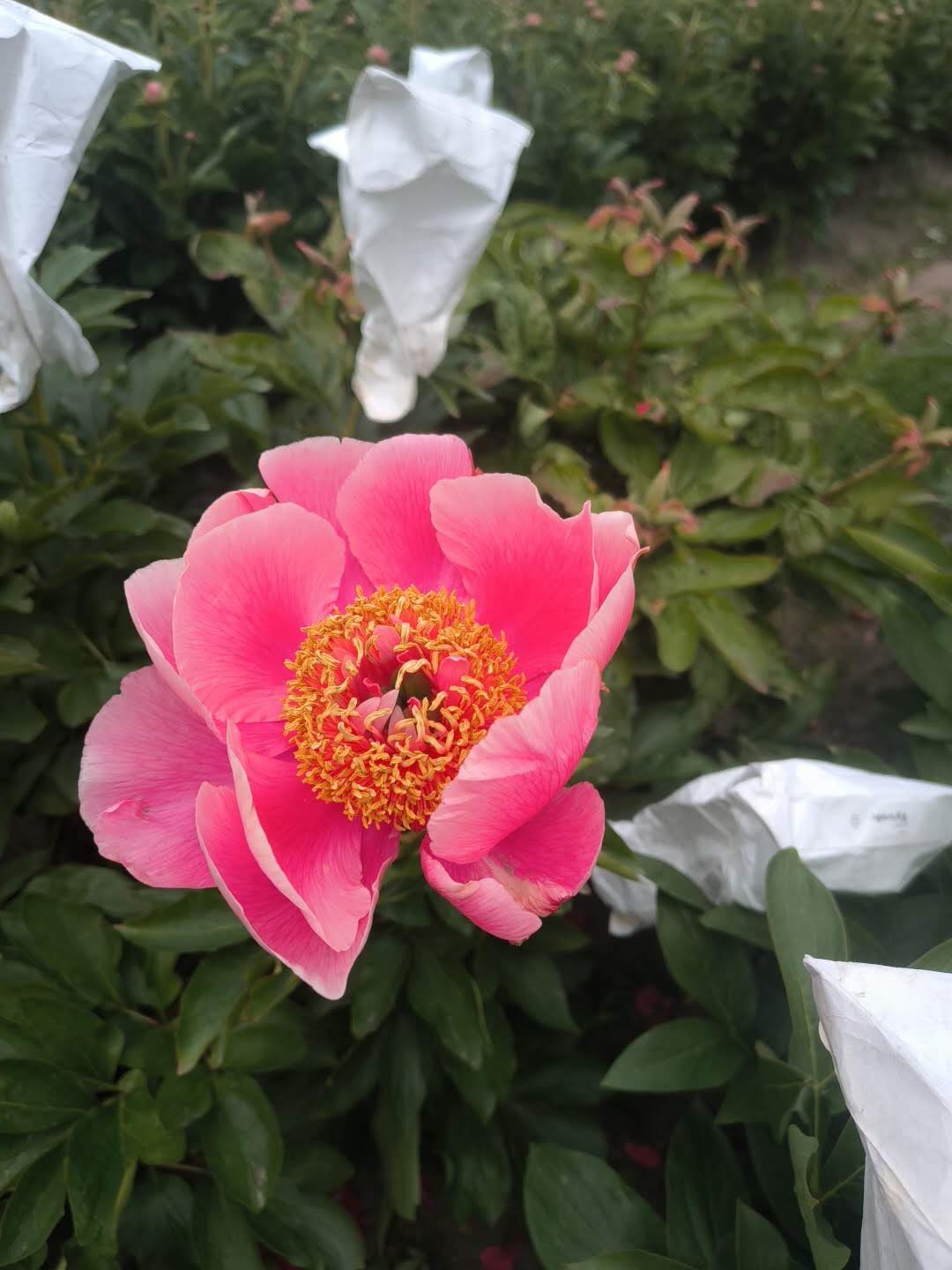
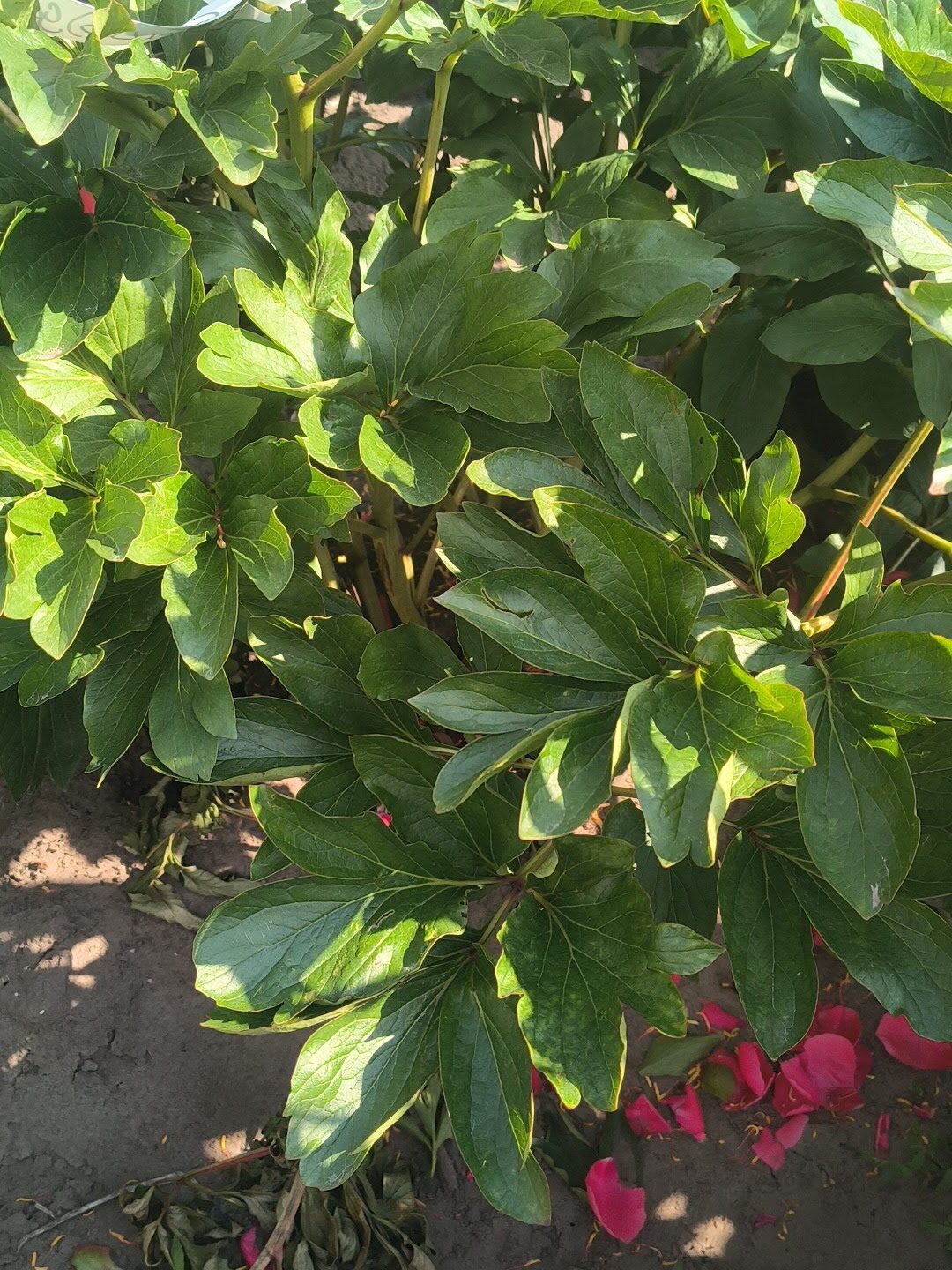
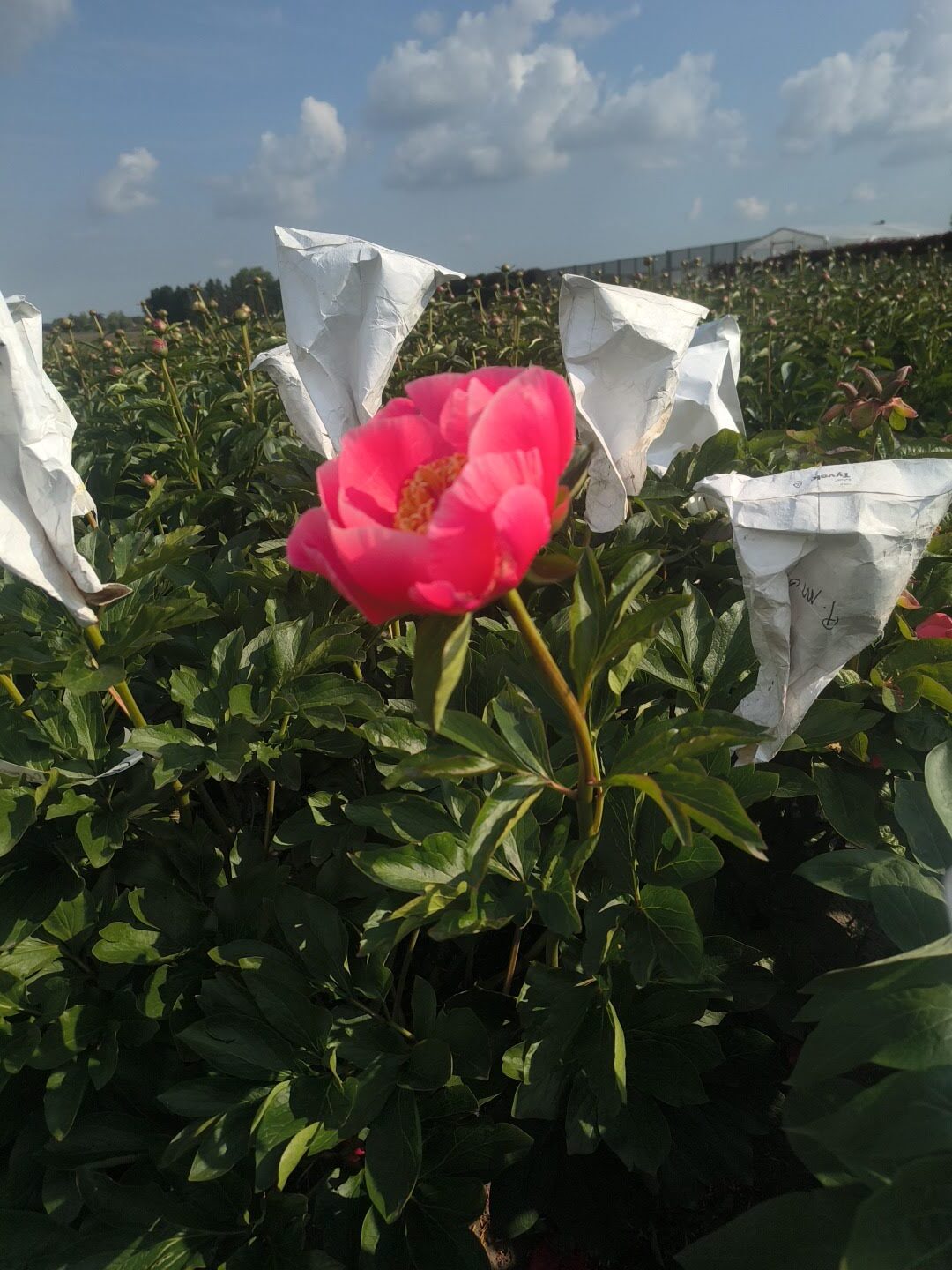
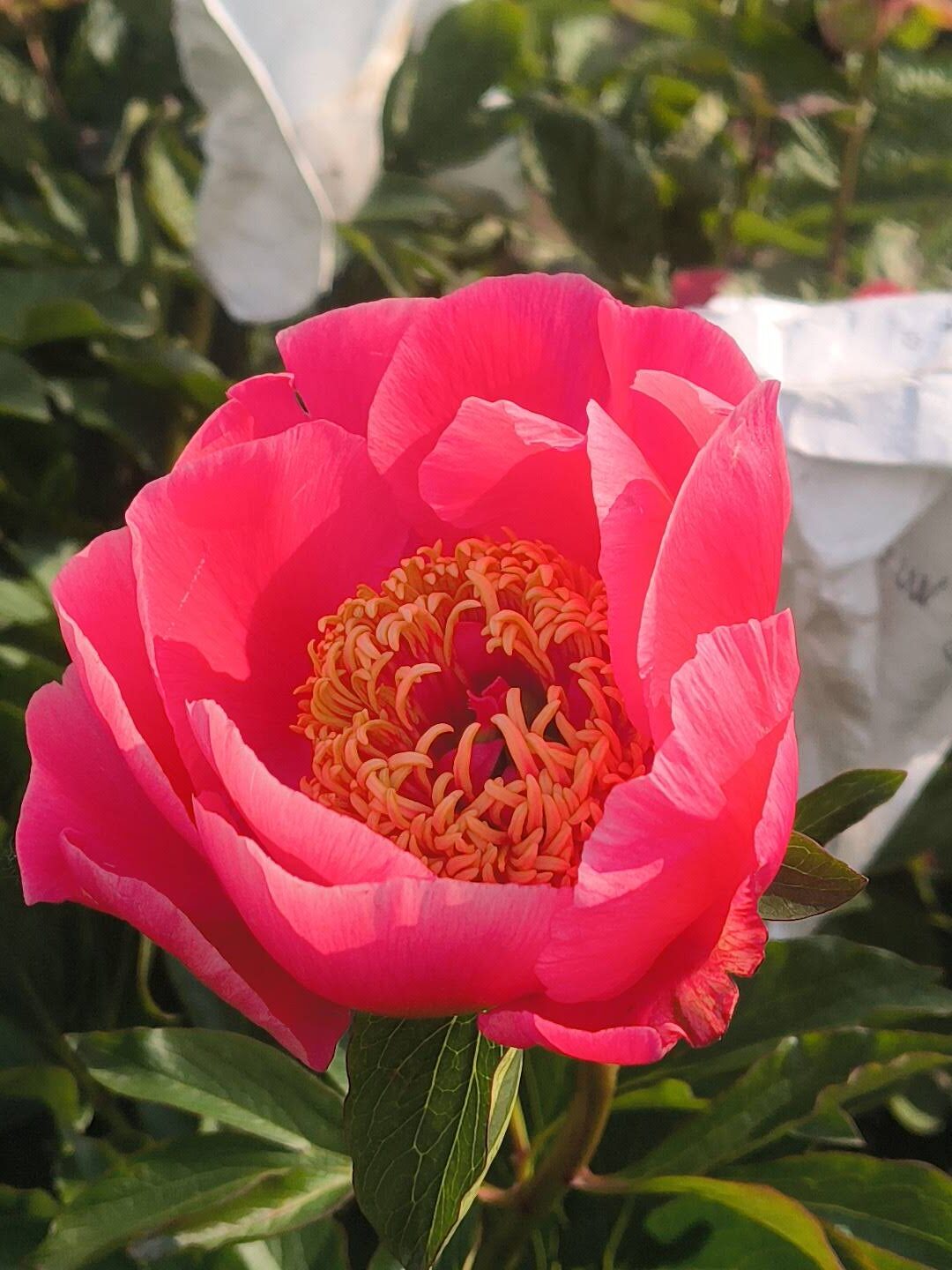
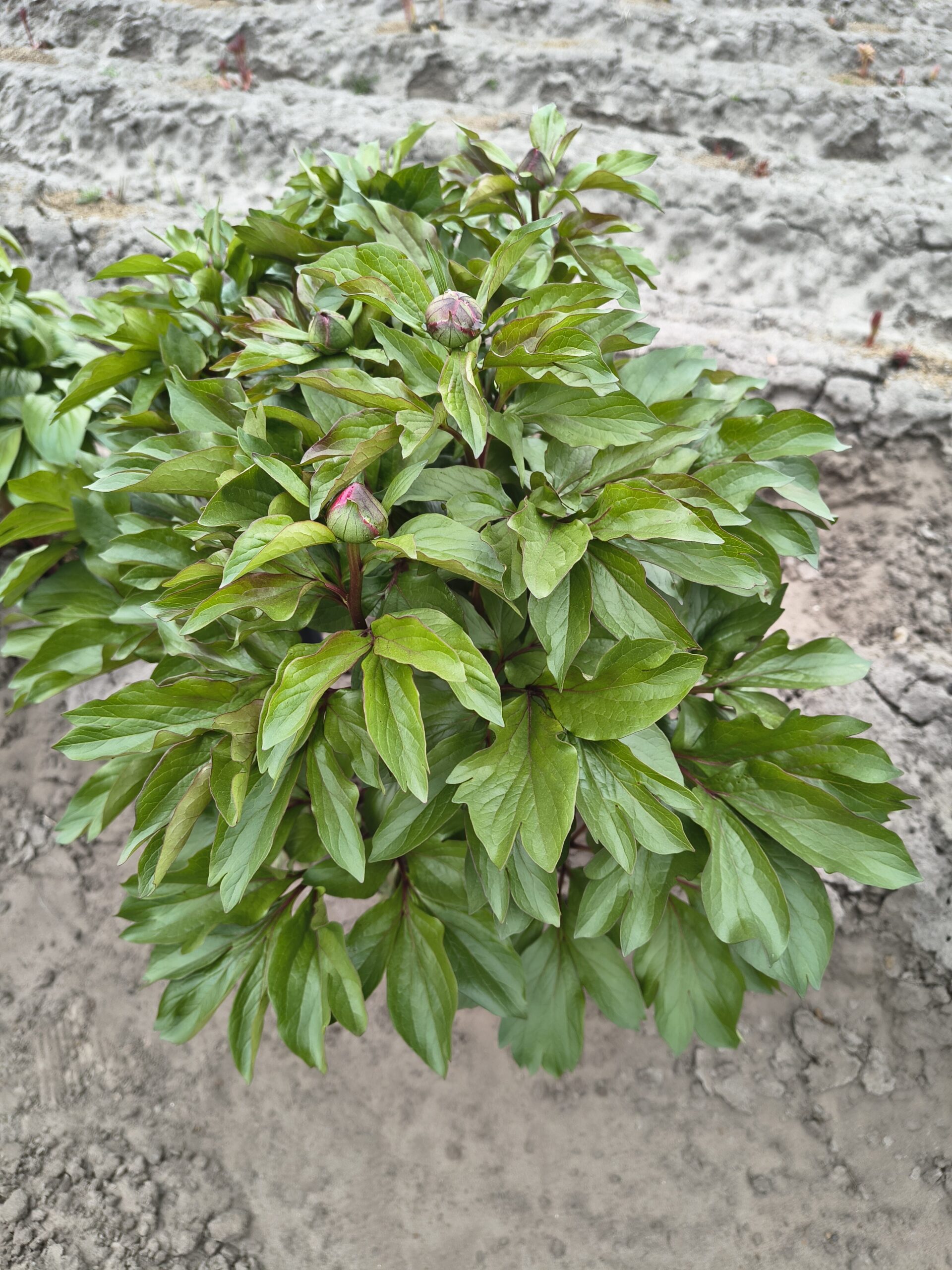
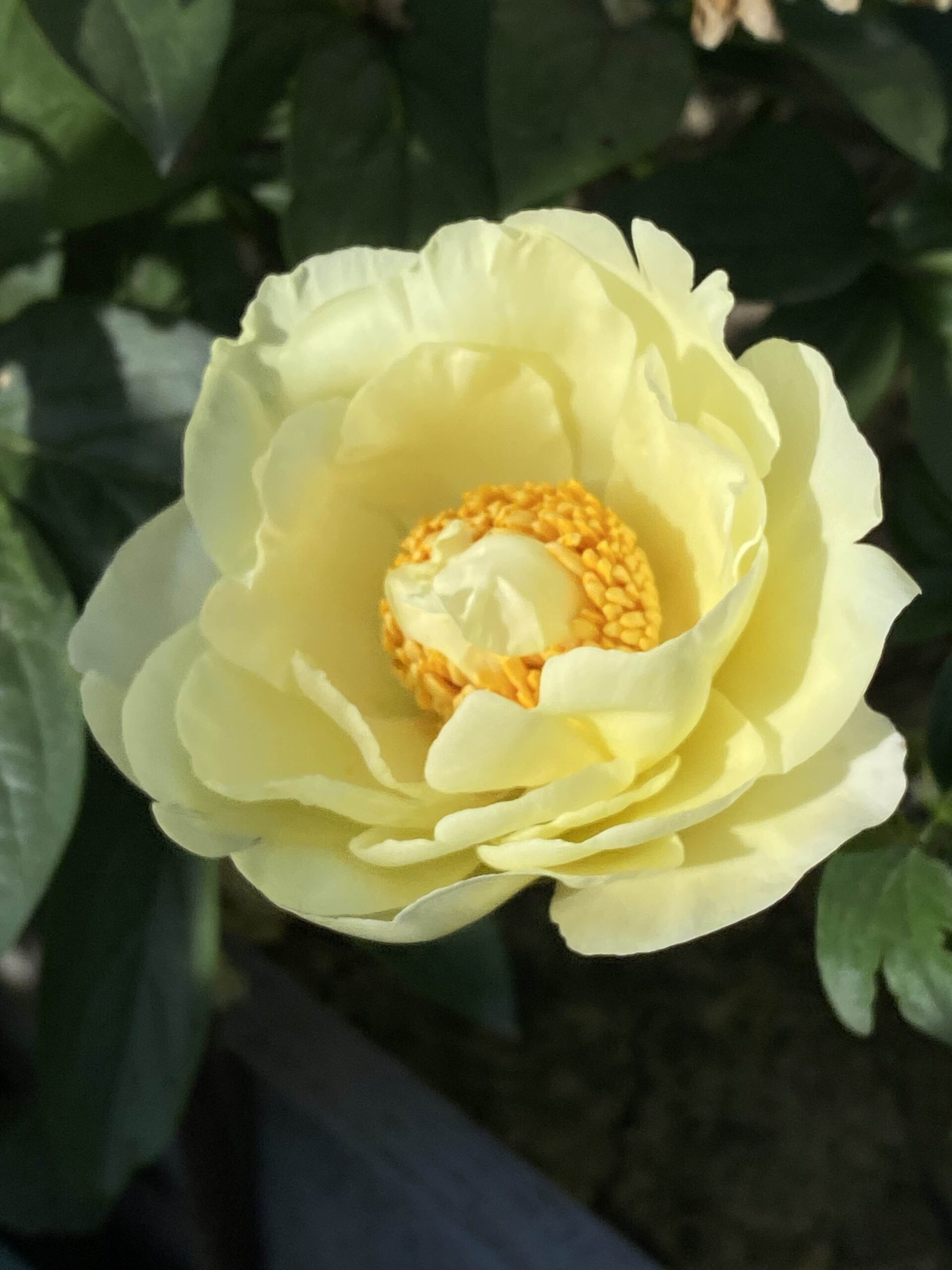
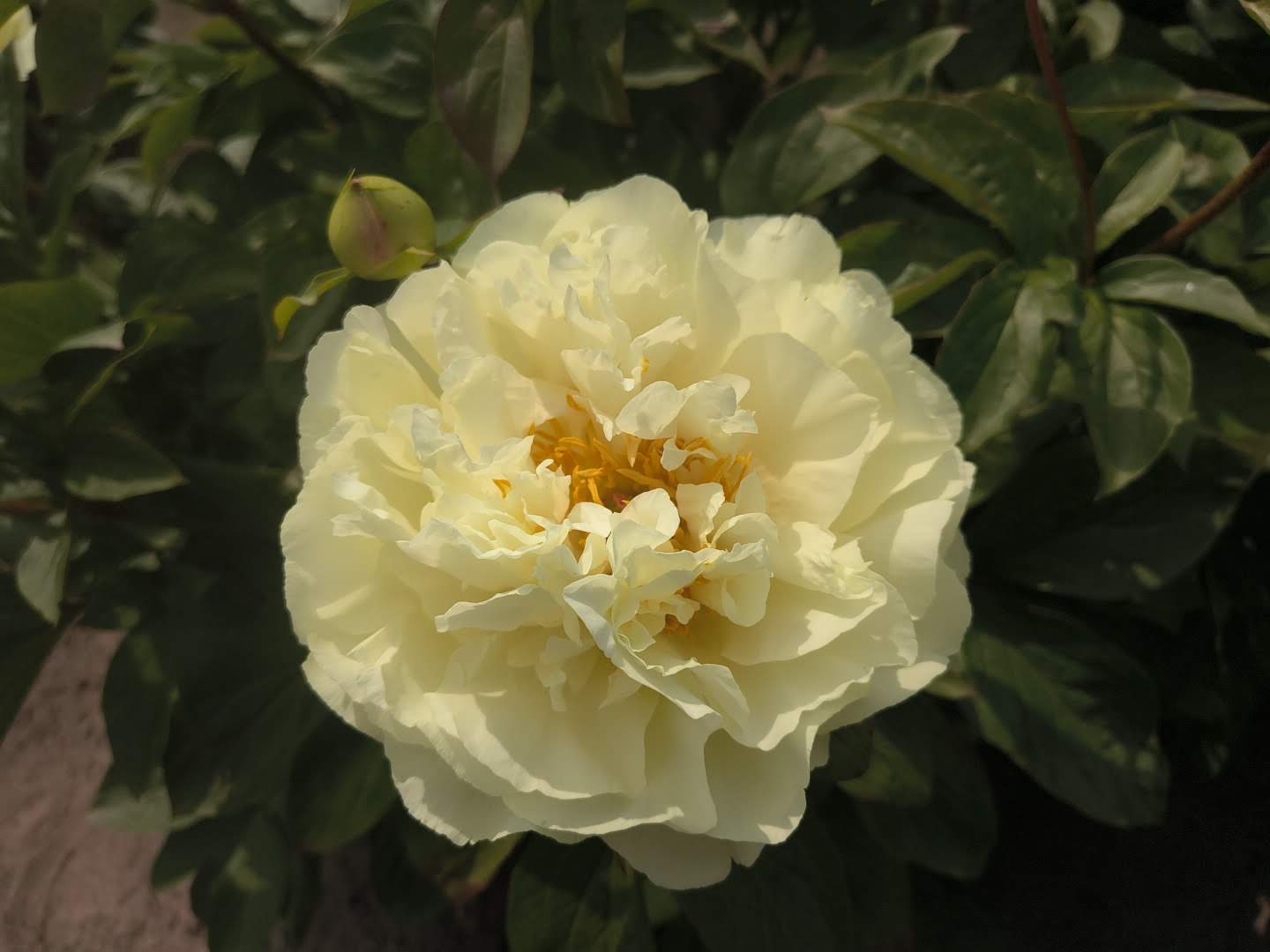
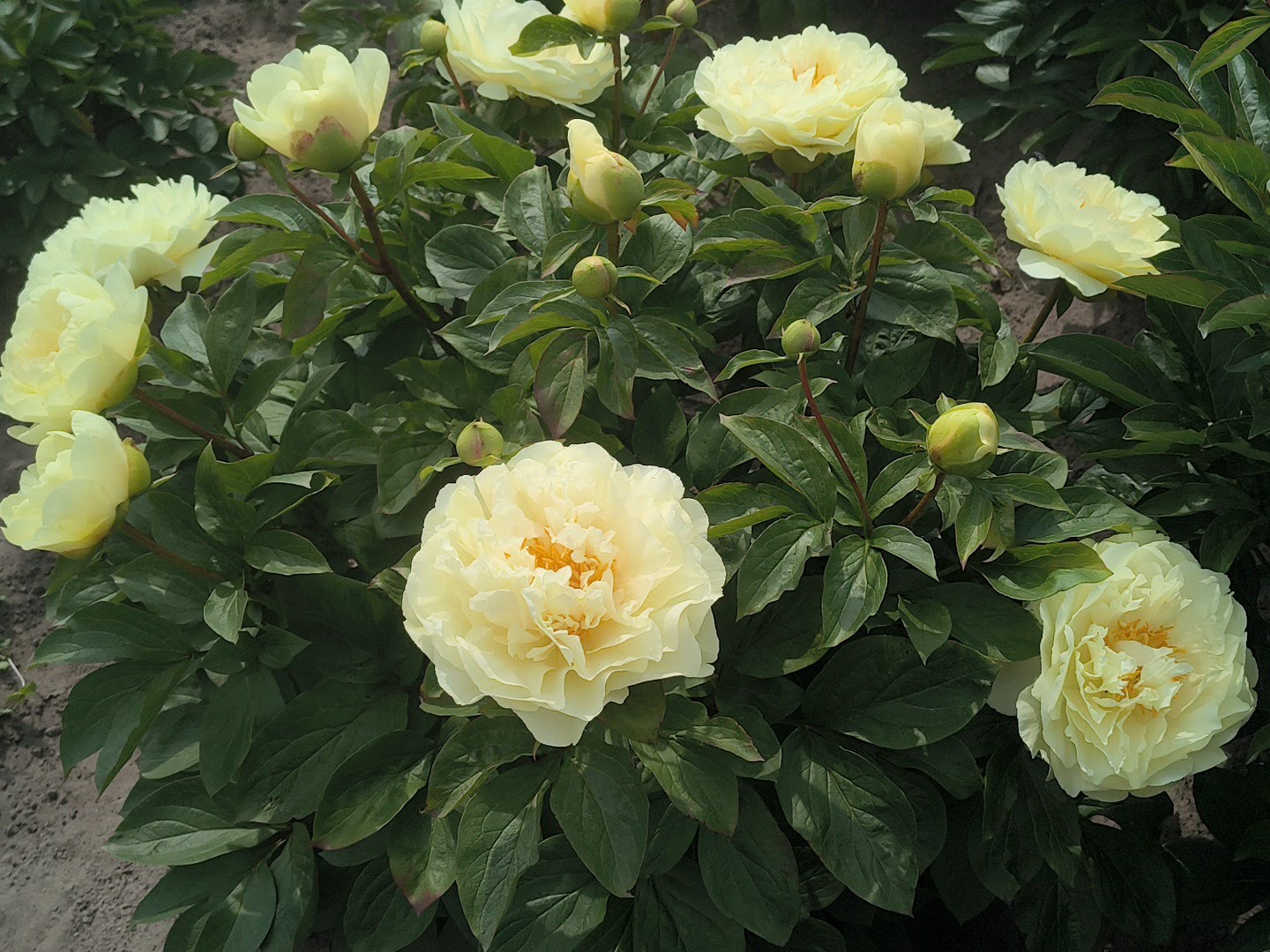

From these last series, they've received a long warm period and will now go into cold storage. Here the two…
Worked like a <a class="wpg-linkify wpg-tooltip" title="<div class="wpg-tooltip-content"><p>Very dark red Jap. Good upright grower, vigorous, late, 34 inches. An improvement on Fuyajo. Seedling # JE-3.</p>
&amp;amp;amp;amp;amp;amp;amp;amp;amp;amp;lt;p&amp;amp;amp;amp;amp;amp;amp;amp;amp;amp;gt;Award of Landscape Merit (ALM) description: &amp;amp;amp;amp;amp;amp;amp;amp;amp;amp;#039;<a class="wpg-linkify wpg-tooltip" title="<div class="wpg-tooltip-content"><p>Very dark red Jap. Good upright grower, vigorous, late, 34 inches. An improvement on Fuyajo. Seedling # JE-3.</p> <p>Award of Landscape Merit (ALM) description: 'Charm' (Franklin, 1931) Lactiflora Group, Late mid-season, 38? — A lustrous and satiny, dark red Japanese form bloom with a center of the same red petaloids, etched yellow. Stiff and relatively straight stems angle outward gracefully to form a very large, harmoniously mounded, fountain of blooms. An eight-year-old plant matures to 40 or so stems that emerge from a relatively compact area. Although individual blooms are at their peak for a shorter duration than those of other lactifloras, plenty of side buds help 'Charm' maintain its striking presence in the landscape. One of the later Japanese form peonies to bloom.</p> </div>" href="https://www.peonysociety.org/registered_peonies/charm/" >Charm</a>&amp;amp;amp;amp;amp;amp;amp;amp;amp;amp;#039; (Franklin, 1931) &amp;amp;amp;amp;lt;a class=&amp;amp;amp;amp;quot;wpg-linkify wpg-tooltip&amp;amp;amp;amp;quot; title=&amp;amp;amp;amp;quot;&amp;amp;amp;amp;amp;lt;div class=&amp;amp;amp;amp;amp;quot;wpg-tooltip-content&amp;amp;amp;amp;amp;quot;&amp;amp;amp;amp;amp;gt;&amp;amp;amp;amp;amp;lt;p&amp;amp;amp;amp;amp;gt;Growing in bushes and grasslands, but also in open woods, at altitudes from lowlands to 2,300 m, but to 3,400 m in Sichuan Province (Kangding), China. In E Asia: China, the Korea Peninsula, E Mongolia, and Russia (the Far East and SE Siberia).&amp;amp;amp;amp;amp;lt;/p&amp;amp;amp;amp;amp;gt; &amp;amp;amp;amp;amp;lt;p&amp;amp;amp;amp;amp;gt;The most distinct character of Paeonia lactiflora is the cartilaginous thickening along the leaf margins, which are <a class="wpg-linkify wpg-tooltip" title="&lt;div class=&quot;wpg-tooltip-content&quot;&gt;&lt;p&gt;Having a toothlike or serrated edge.&lt;/p&gt; &lt;p&gt;&lt;a href=&quot;https://www.peonysociety.org/wp-content/uploads/2019/07/Leaf_morphology_dentate.png&quot;&gt;&lt;img class=&quot;size-full wp-image-25337 alignleft&quot; src=&quot;https://www.peonysociety.org/wp-content/uploads/2019/07/Leaf_morphology_dentate.png&quot; alt=&quot;&quot; width=&quot;204&quot; height=&quot;122&quot; /&gt;&lt;/a&gt;&lt;/p&gt; &lt;/div&gt;" href="https://www.peonysociety.org/registered_peonies/dentate/" >dentate</a>—spinose on these thickenings.&amp;amp;amp;amp;amp;lt;br /&amp;amp;amp;amp;amp;gt; &amp;amp;amp;amp;amp;lt;a href=&amp;amp;amp;amp;amp;quot;https://www.peonysociety.org/species/herbaceous/albiflorae/lactiflora/&amp;amp;amp;amp;amp;quot;&amp;amp;amp;amp;amp;gt;More info&amp;amp;amp;amp;amp;lt;/a&amp;amp;amp;amp;amp;gt;&amp;amp;amp;amp;amp;lt;/p&amp;amp;amp;amp;amp;gt; &amp;amp;amp;amp;amp;lt;/div&amp;amp;amp;amp;amp;gt;&amp;amp;amp;amp;quot; href=&amp;amp;amp;amp;quot;https://www.peonysociety.org/registered_peonies/p-lactiflora/&amp;amp;amp;amp;quot; &amp;amp;amp;amp;gt;Lactiflora&amp;amp;amp;amp;lt;/a&amp;amp;amp;amp;gt; Group, Late mid-season, 38? — A &lt;a class=&quot;wpg-linkify wpg-tooltip&quot; title=&quot;&amp;lt;div class=&amp;quot;wpg-tooltip-content&amp;quot;&amp;gt;&amp;lt;p&amp;gt;Herbaceous hybrid. Semi-Double. Lacti x lobata. Intense, luminous, vermilion scarlet bomb. Very large.&amp;lt;/p&amp;gt; &amp;lt;/div&amp;gt;&quot; href=&quot;https://www.peonysociety.org/registered_peonies/lustrous/&quot; &gt;lustrous&lt;/a&gt; and satiny, dark red Japanese form bloom with a center of the same red petaloids, etched yellow. Stiff and relatively straight stems angle outward gracefully to form a very large, harmoniously mounded, fountain of blooms. An eight-year-old plant matures to 40 or so stems that emerge from a relatively compact area. Although individual blooms are at their peak for a shorter duration than those of other lactifloras, plenty of side buds help &amp;amp;amp;amp;amp;amp;amp;amp;amp;amp;#039;<a class="wpg-linkify wpg-tooltip" title="<div class="wpg-tooltip-content"><p>Very dark red Jap. Good upright grower, vigorous, late, 34 inches. An improvement on Fuyajo. Seedling # JE-3.</p> <p>Award of Landscape Merit (ALM) description: 'Charm' (Franklin, 1931) Lactiflora Group, Late mid-season, 38? — A lustrous and satiny, dark red Japanese form bloom with a center of the same red petaloids, etched yellow. Stiff and relatively straight stems angle outward gracefully to form a very large, harmoniously mounded, fountain of blooms. An eight-year-old plant matures to 40 or so stems that emerge from a relatively compact area. Although individual blooms are at their peak for a shorter duration than those of other lactifloras, plenty of side buds help 'Charm' maintain its striking presence in the landscape. One of the later Japanese form peonies to bloom.</p> </div>" href="https://www.peonysociety.org/registered_peonies/charm/" >Charm</a>&amp;amp;amp;amp;amp;amp;amp;amp;amp;amp;#039; maintain its striking presence in the landscape. One of the later Japanese form peonies to bloom.&amp;amp;amp;amp;amp;amp;amp;amp;amp;amp;lt;/p&amp;amp;amp;amp;amp;amp;amp;amp;amp;amp;gt;
&amp;amp;amp;amp;amp;amp;amp;amp;amp;amp;lt;/div&amp;amp;amp;amp;amp;amp;amp;amp;amp;amp;gt;&amp;amp;amp;amp;amp;amp;amp;amp;amp;quot; href=&amp;amp;amp;amp;amp;amp;amp;amp;amp;quot;https://www.peonysociety.org/registered_peonies/<a class="wpg-linkify wpg-tooltip" title="<div class="wpg-tooltip-content"><p>Very dark red Jap. Good upright grower, vigorous, late, 34 inches. An improvement on Fuyajo. Seedling # JE-3.</p> <p>Award of Landscape Merit (ALM) description: 'Charm' (Franklin, 1931) Lactiflora Group, Late mid-season, 38? — A lustrous and satiny, dark red Japanese form bloom with a center of the same red petaloids, etched yellow. Stiff and relatively straight stems angle outward gracefully to form a very large, harmoniously mounded, fountain of blooms. An eight-year-old plant matures to 40 or so stems that emerge from a relatively compact area. Although individual blooms are at their peak for a shorter duration than those of other lactifloras, plenty of side buds help 'Charm' maintain its striking presence in the landscape. One of the later Japanese form peonies to bloom.</p> </div>" href="https://www.peonysociety.org/registered_peonies/charm/" >charm</a>/&amp;amp;amp;amp;amp;amp;amp;amp;amp;quot; &amp;amp;amp;amp;amp;amp;amp;amp;amp;gt;<a class="wpg-linkify wpg-tooltip" title="<div class="wpg-tooltip-content"><p>Very dark red Jap. Good upright grower, vigorous, late, 34 inches. An improvement on Fuyajo. Seedling # JE-3.</p> <p>Award of Landscape Merit (ALM) description: 'Charm' (Franklin, 1931) Lactiflora Group, Late mid-season, 38? — A lustrous and satiny, dark red Japanese form bloom with a center of the same red petaloids, etched yellow. Stiff and relatively straight stems angle outward gracefully to form a very large, harmoniously mounded, fountain of blooms. An eight-year-old plant matures to 40 or so stems that emerge from a relatively compact area. Although individual blooms are at their peak for a shorter duration than those of other lactifloras, plenty of side buds help 'Charm' maintain its striking presence in the landscape. One of the later Japanese form peonies to bloom.</p> </div>" href="https://www.peonysociety.org/registered_peonies/charm/" >charm</a>&amp;amp;amp;amp;amp;amp;amp;amp;amp;lt;/a&amp;amp;amp;amp;amp;amp;amp;amp;amp;gt; this time. Rooted seeds of nearly all 'difficult' samples and almost all of them looking perfectly…
Updated with some more info I received from Aleksej.
OF never makes good carpals at my house, so the method I used was to use OF as a pollen…
I haven't followed up on it and I don't grow any of them myself. You're right to ask for it…