

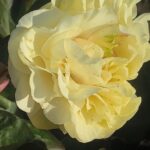
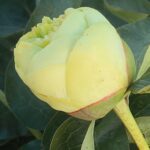
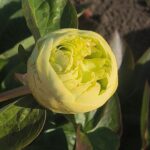
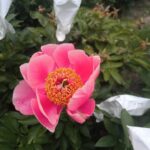




From these last series, they've received a long warm period and will now go into cold storage. Here the two…
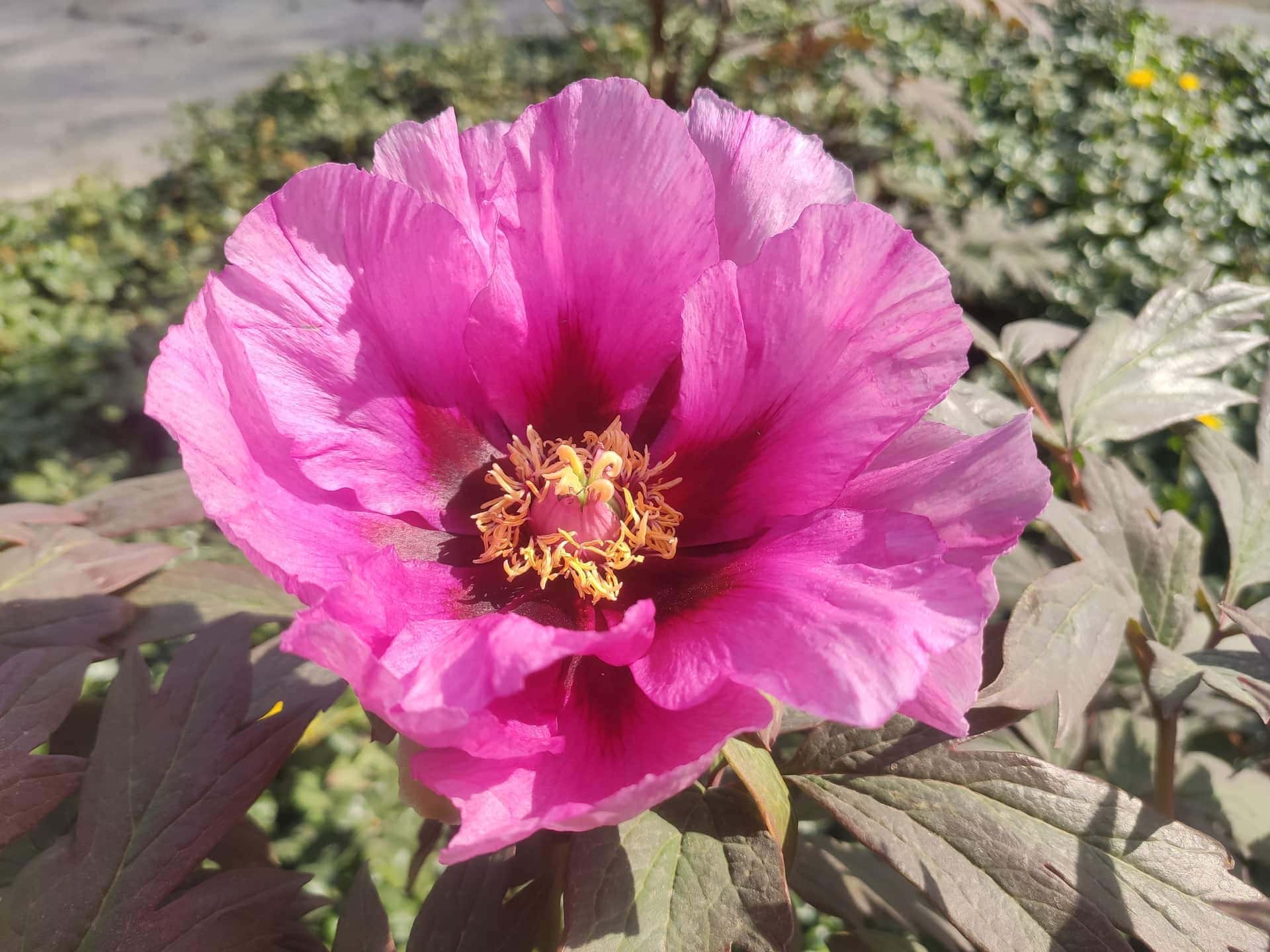
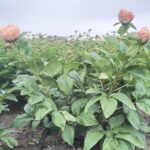
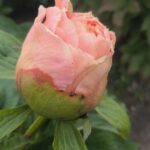
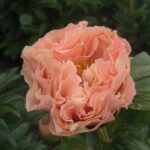
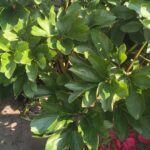
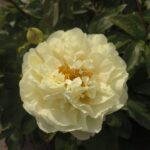
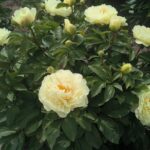
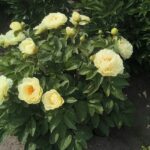
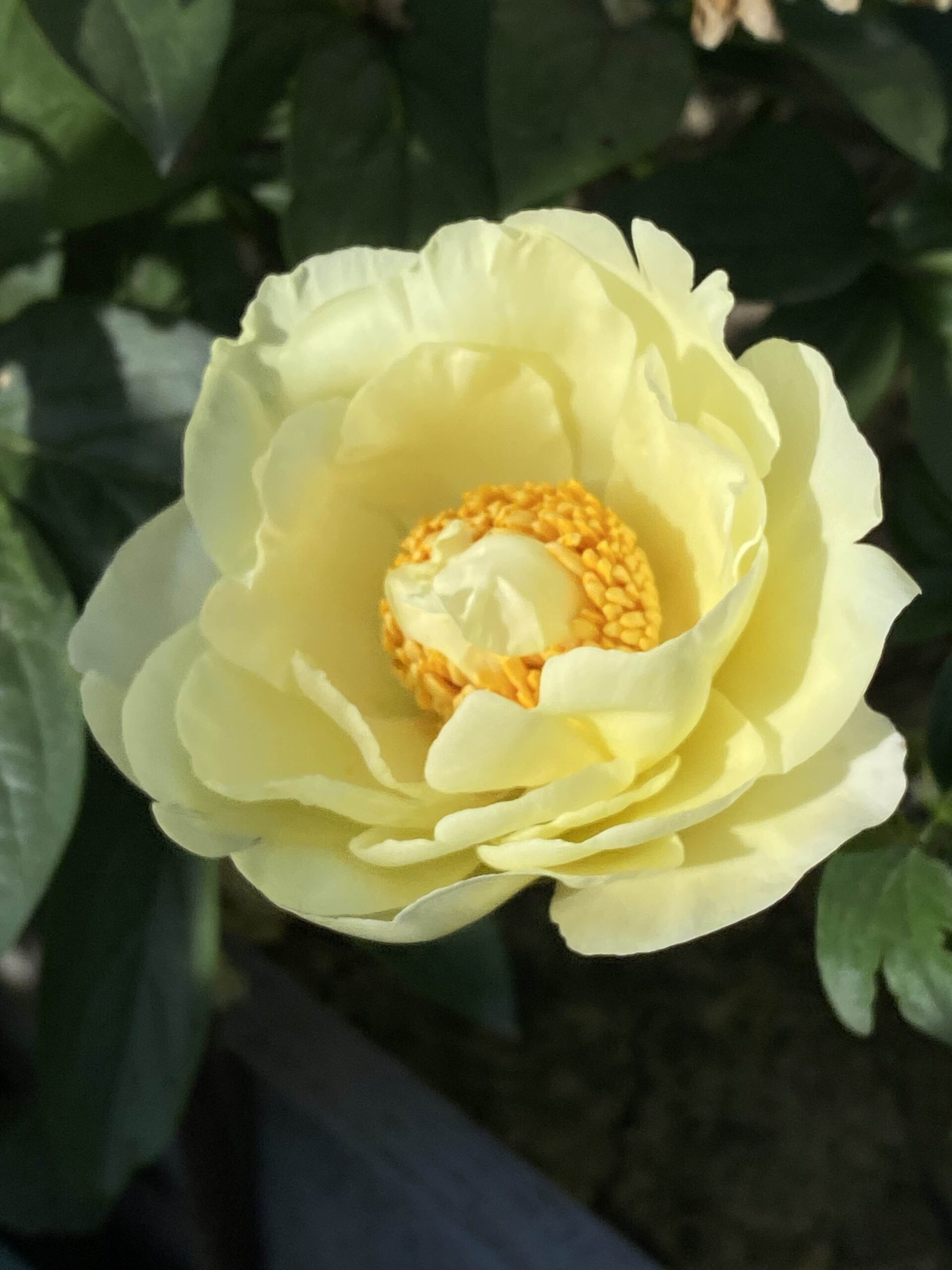
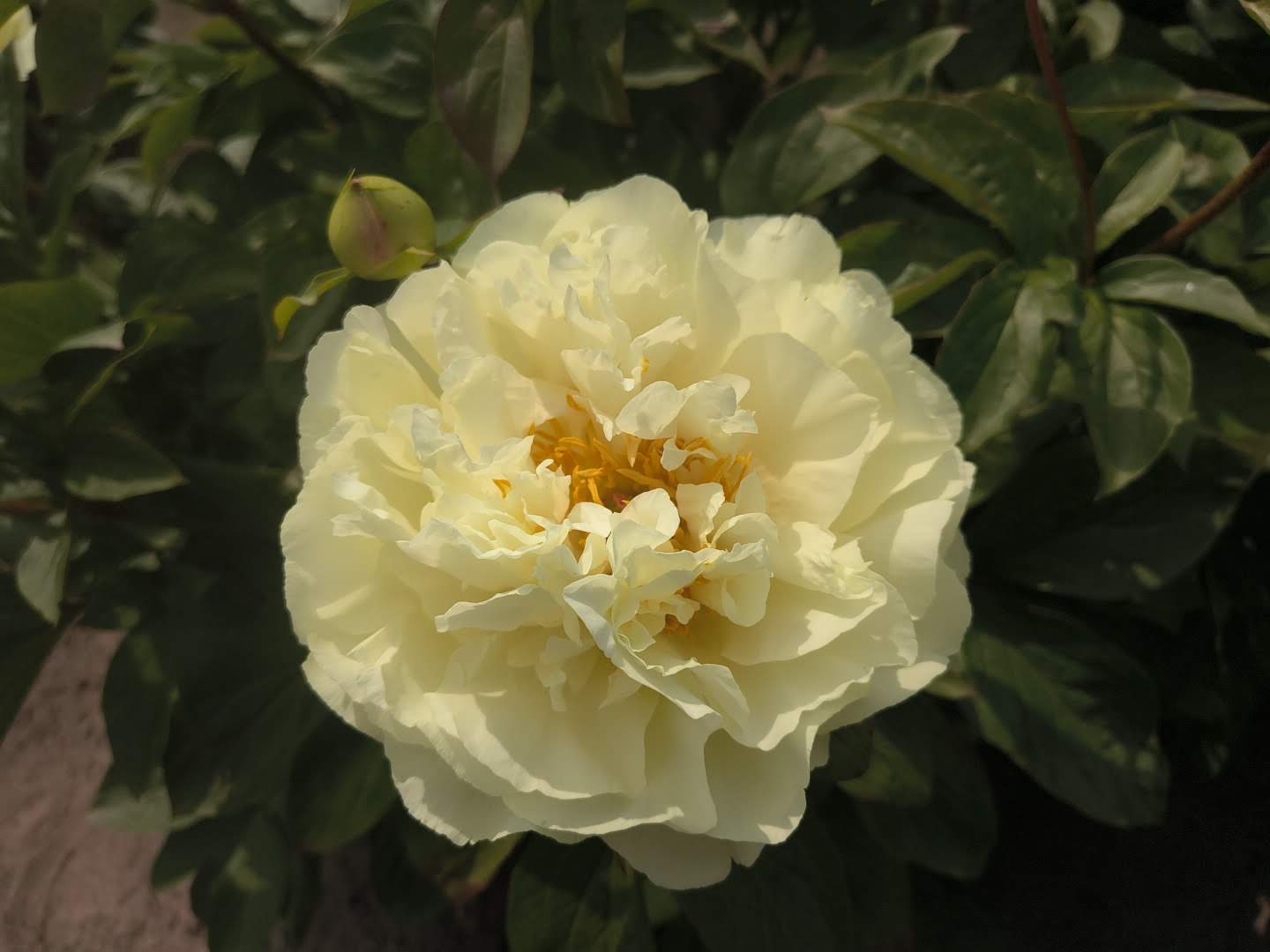
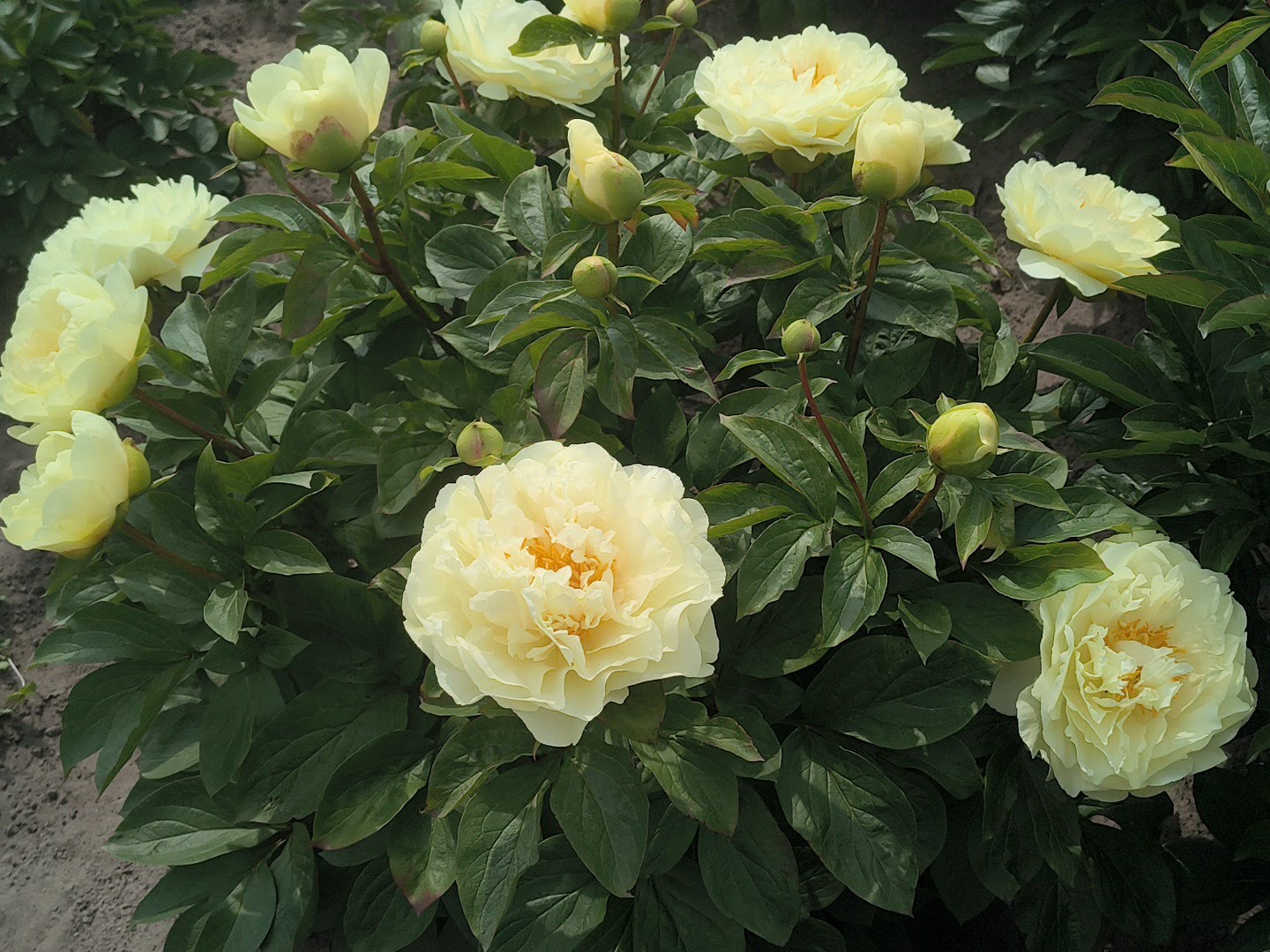
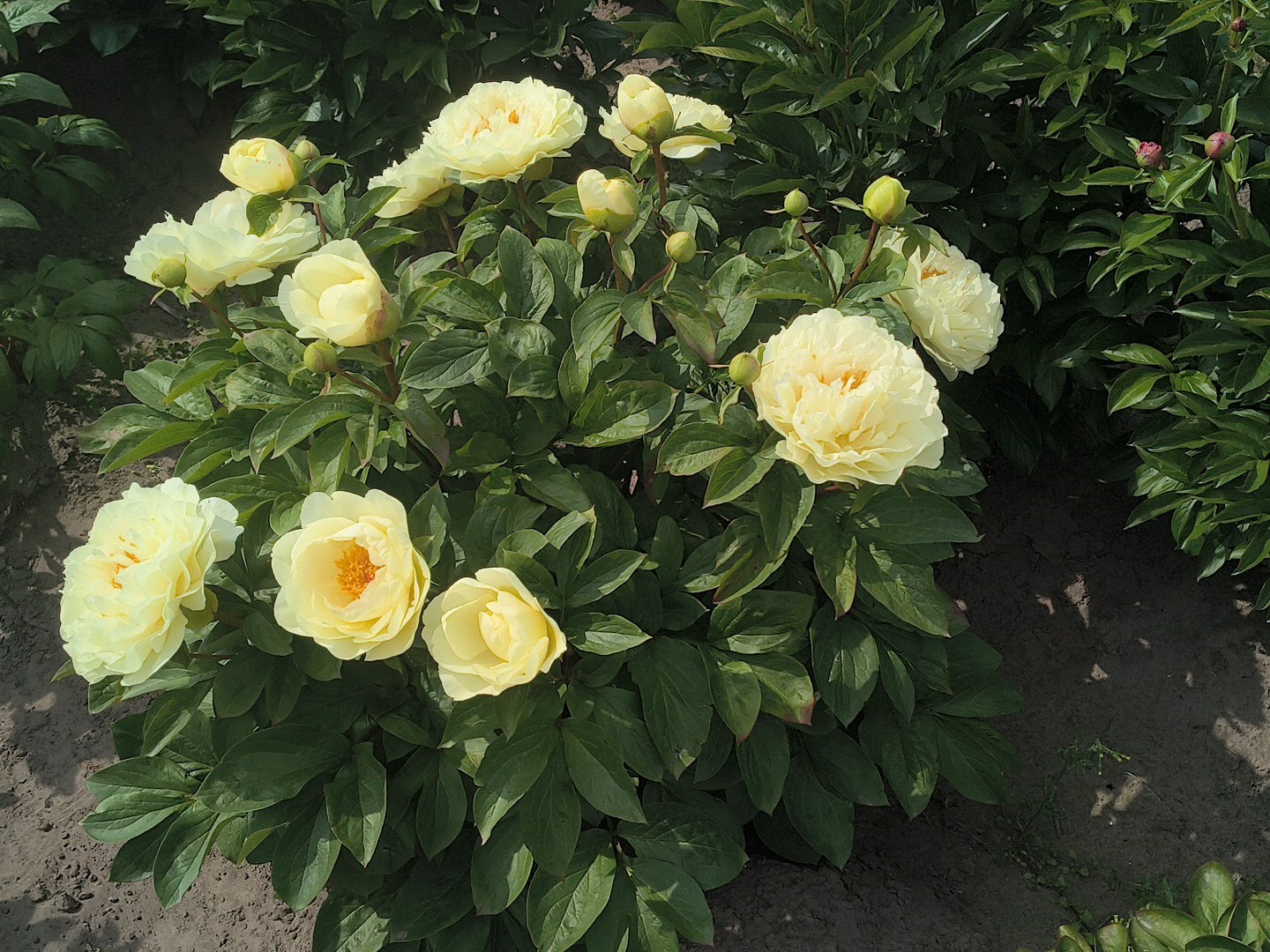
Shrubby peony ‘&amp;amp;lt;a class=&amp;amp;quot;wpg-linkify wpg-tooltip&amp;amp;quot; title=&amp;amp;quot;&amp;amp;amp;lt;div class=&amp;amp;amp;quot;wpg-tooltip-content&amp;amp;amp;quot;&amp;amp;amp;gt;&amp;amp;amp;lt;p&amp;amp;amp;gt;Single lutea hybrid tree peony. Parentage, Reaths A197 x Daphnis numbered seedling, light yellow. First bloomed 1983 (six blossoms). &lt;a class=&quot;wpg-linkify wpg-tooltip&quot; title=&quot;&amp;lt;div class=&amp;quot;wpg-tooltip-content&amp;quot;&amp;gt;&amp;lt;p&amp;gt;Single. Light pinkish lavender, bright, average sized flowers, white pistils with red tops. 22&amp;quot; tall. &amp;lt;/p&amp;gt; &amp;lt;/div&amp;gt;&quot; href=&quot;https://www.peonysociety.org/registered_peonies/lavender/&quot; &gt;Lavender&lt;/a&gt;, darker flares, selected for its smooth orchid-&lt;a class=&quot;wpg-linkify wpg-tooltip&quot; title=&quot;&amp;lt;div class=&amp;quot;wpg-tooltip-content&amp;quot;&amp;gt;&amp;lt;p&amp;gt;Single. Light pinkish lavender, bright, average sized flowers, white pistils with red tops. 22&amp;quot; tall. &amp;lt;/p&amp;gt; &amp;lt;/div&amp;gt;&quot; href=&quot;https://www.peonysociety.org/registered_peonies/lavender/&quot; &gt;lavender&lt;/a&gt; coloring a break-through derived from two light yellow parents. Darker &lt;a class=&quot;wpg-linkify wpg-tooltip&quot; title=&quot;&amp;lt;div class=&amp;quot;wpg-tooltip-content&amp;quot;&amp;gt;&amp;lt;p&amp;gt; 23&amp;quot;. Single, vivid deep <a class="wpg-linkify wpg-tooltip" title="&lt;div class=&quot;wpg-tooltip-content&quot;&gt;&lt;p&gt;Lactiflora, double, wine red. Seed parent, seedling 5908. Pollen parent, 6001. First bloomed 1969. Height 24&quot;, midseason, very good stems, good substance, one to three buds per stem. No pollen, no fragrance. Good bloom, stamens, sets seeds, ball form, rel&lt;/p&gt; &lt;/div&gt;" href="https://www.peonysociety.org/registered_peonies/wine-red/" >wine red</a>, <a class="wpg-linkify wpg-tooltip" title="&lt;div class=&quot;wpg-tooltip-content&quot;&gt;&lt;p&gt;stamen: one of the male organs of a flower, consisting typically of a stalk (filament) and a pollen-bearing portion (anther)&lt;/p&gt; &lt;/div&gt;" href="https://www.peonysociety.org/registered_peonies/stamens/" >stamens</a> all lemon yellow, has pollen, white pistils with pink tops.&amp;lt;/p&amp;gt; &amp;lt;/div&amp;gt;&quot; href=&quot;https://www.peonysociety.org/registered_peonies/burgundy/&quot; &gt;burgundy&lt;/a&gt; flares; <a class="wpg-linkify wpg-tooltip" title="&lt;div class=&quot;wpg-tooltip-content&quot;&gt;&lt;p&gt;anther: pollen-bearing structure in the stamen (male organ) of the flower usually located on top of the filament of the stamen&lt;/p&gt; &lt;/div&gt;" href="https://www.peonysociety.org/registered_peonies/anthers/" >anthers</a> are light yellow without pollen, light &amp;lt;a class=&amp;quot;wpg-linkify wpg-tooltip&amp;quot; title=&amp;quot;&amp;amp;lt;div class=&amp;amp;quot;wpg-tooltip-content&amp;amp;quot;&amp;amp;gt;&amp;amp;lt;p&amp;amp;gt;filament: the stalk of a stamen&amp;amp;lt;/p&amp;amp;gt; &amp;amp;lt;/div&amp;amp;gt;&amp;quot; href=&amp;quot;https://www.peonysociety.org/registered_peonies/filaments/&amp;quot; &amp;gt;filaments&amp;lt;/a&amp;gt; shade to purple base; <a class="wpg-linkify wpg-tooltip" title="&lt;div class=&quot;wpg-tooltip-content&quot;&gt;&lt;p&gt;carpel: an organ at the centre of a flower, bearing one or more ovules and having its margins fused together or with other carpels to enclose the <a class="wpg-linkify wpg-tooltip" title="<div class="wpg-tooltip-content"><p>a part inside the ovary (= organ that produces eggs) of a plant that contains the female sex cell and develops into a seed when that cell is fertilized</p> </div>" href="https://www.peonysociety.org/registered_peonies/ovule/" >ovule</a> in an <a class="wpg-linkify wpg-tooltip" title="<div class="wpg-tooltip-content"><p>the hollow base of the carpel of a flower, containing one or more ovules</p> </div>" href="https://www.peonysociety.org/registered_peonies/ovary/" >ovary</a>, and consisting also of a <a class="wpg-linkify wpg-tooltip" title="<div class="wpg-tooltip-content"><p>The pollen-receptive surface of a carpel, usually sticky. It sits above the ovary on the style.</p> </div>" href="https://www.peonysociety.org/registered_peonies/stigma/" >stigma</a> and usually a style.&lt;/p&gt; &lt;p&gt;&lt;/p&gt; &lt;/div&gt;" href="https://www.peonysociety.org/registered_peonies/carpels/" >carpels</a> and <a class="wpg-linkify wpg-tooltip" title="<div class="wpg-tooltip-content"><p>The pollen-receptive surface of a carpel, usually sticky. It sits above the ovary on the style.</p> </div>" href="https://www.peonysociety.org/registered_peonies/stigma/" >stigma</a> are green, 10-12 petals. Foliage and fragrance are typical lutea hybrid. About 30 inches tall in this climate. Terminal buds bloom, one per stem. Dieback has occured at -15° F without protection, followed by sparse bloom and strong basal growth. Has set some viable seeds by Chinese Dragon and CD seedling. Named in memory of my mother. Seedling # A1-13.&amp;amp;amp;lt;/p&amp;amp;amp;gt; &amp;amp;amp;lt;/div&amp;amp;amp;gt;&amp;amp;quot; href=&amp;amp;quot;https://www.peonysociety.org/registered_peonies/anna-marie/&amp;amp;quot; &amp;amp;gt;Anna Marie&amp;amp;lt;/a&amp;amp;gt;’. A Bill Seidl introduction which is easily available and which I can heartily recommend. Grows well, has very nice foliage as you can see and the flowers are also pretty.
![]()
If you’re new to peonies, this is an excellent introduction.
https://www.gardensillustrated.com/plants/favourite-peonies-plus-tips-on-how-to-grow/
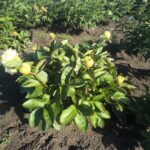
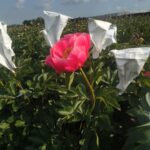
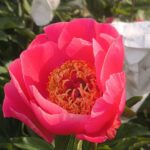
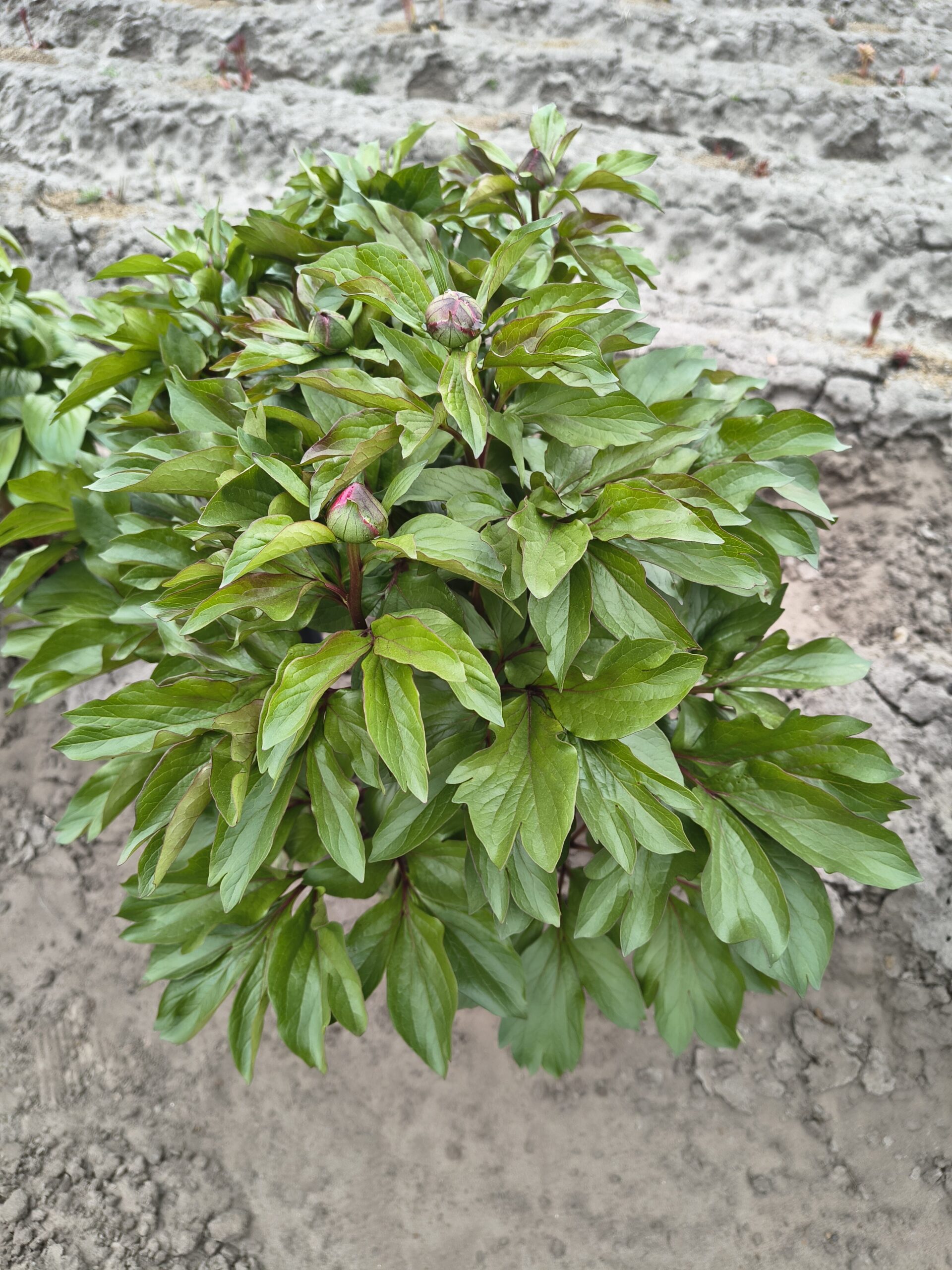
An article on peoniesAnother one with distinct foliage. &amp;amp;amp;amp;lt;a class=&amp;amp;amp;amp;quot;wpg-linkify wpg-tooltip&amp;amp;amp;amp;quot; title=&amp;amp;amp;amp;quot;&amp;amp;amp;amp;amp;lt;div class=&amp;amp;amp;amp;amp;quot;wpg-tooltip-content&amp;amp;amp;amp;amp;quot;&amp;amp;amp;amp;amp;gt;&amp;amp;amp;amp;amp;lt;p&amp;amp;amp;amp;amp;gt;Usually growing in steppes, meadows, open sandy dunes, shrubs, or at the edges of forests. Paeonia tenuifolia seems to prefer dry habitats, and was found growing at lowlands below an altitude of 900 m. Armenia, Azerbaijan, Bulgaria, Georgia, Romania, Russia (the Caucasus), Serbia, Turkey (European part) and Ukraine.&amp;amp;amp;amp;amp;lt;/p&amp;amp;amp;amp;amp;gt; &amp;amp;amp;amp;amp;lt;p&amp;amp;amp;amp;amp;gt;Paeonia tenuifolia as circumscripted here is a very distinct species. It has the finest leaflets/leaf &lt;a class=&quot;wpg-linkify wpg-tooltip&quot; title=&quot;&amp;lt;div class=&amp;quot;wpg-tooltip-content&amp;quot;&amp;gt;&amp;lt;p&amp;gt;a leaf is &amp;#039;segmented&amp;#039; when it consists of pieces of various shapes, which are more or less separated from one another&amp;lt;/p&amp;gt; &amp;lt;/div&amp;gt;&quot; href=&quot;https://www.peonysociety.org/registered_peonies/segments/&quot; &gt;segments&lt;/a&gt; and the greatest number of leaflets/leaf &lt;a class=&quot;wpg-linkify wpg-tooltip&quot; title=&quot;&amp;lt;div class=&amp;quot;wpg-tooltip-content&amp;quot;&amp;gt;&amp;lt;p&amp;gt;a leaf is &amp;#039;segmented&amp;#039; when it consists of pieces of various shapes, which are more or less separated from one another&amp;lt;/p&amp;gt; &amp;lt;/div&amp;gt;&quot; href=&quot;https://www.peonysociety.org/registered_peonies/segments/&quot; &gt;segments&lt;/a&gt; of any peony species.&amp;amp;amp;amp;amp;lt;br /&amp;amp;amp;amp;amp;gt; &amp;amp;amp;amp;amp;lt;a href=&amp;amp;amp;amp;amp;quot;https://www.peonysociety.org/species/herbaceous/paeonia/tenuifolia/&amp;amp;amp;amp;amp;quot;&amp;amp;amp;amp;amp;gt;More info&amp;amp;amp;amp;amp;lt;/a&amp;amp;amp;amp;amp;gt;&amp;amp;amp;amp;amp;lt;/p&amp;amp;amp;amp;amp;gt; &amp;amp;amp;amp;amp;lt;/div&amp;amp;amp;amp;amp;gt;&amp;amp;amp;amp;quot; href=&amp;amp;amp;amp;quot;https://www.peonysociety.org/registered_peonies/p-tenuifolia/&amp;amp;amp;amp;quot; &amp;amp;amp;amp;gt;P. tenuifolia&amp;amp;amp;amp;lt;/a&amp;amp;amp;amp;gt;.
![]()
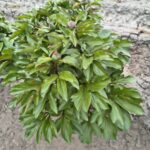
&amp;amp;lt;a class=&amp;amp;quot;wpg-linkify wpg-tooltip&amp;amp;quot; title=&amp;amp;quot;&amp;amp;amp;lt;div class=&amp;amp;amp;quot;wpg-tooltip-content&amp;amp;amp;quot;&amp;amp;amp;gt;&amp;amp;amp;lt;p&amp;amp;amp;gt;Growing usually in sparse oak or coniferous woods, or in clearings of forests, also in pastures, on limestones but also granites, with a wide range of altitudes from 300 m in Emilia of Italy to 2,100 m in Kutahya Province of Turkey. Distributed in Turkey, Romania, Bosnia-Herzegovina, Albania, Croatia and Italy (Emilia) from the east to the west.&amp;amp;amp;lt;br /&amp;amp;amp;gt; &amp;amp;amp;lt;a href=&amp;amp;amp;quot;https://www.peonysociety.org/species/herbaceous/paeonia/arietina/&amp;amp;amp;quot;&amp;amp;amp;gt;More info&amp;amp;amp;lt;/a&amp;amp;amp;gt;&amp;amp;amp;lt;/p&amp;amp;amp;gt; &amp;amp;amp;lt;/div&amp;amp;amp;gt;&amp;amp;quot; href=&amp;amp;quot;https://www.peonysociety.org/registered_peonies/p-arietina/&amp;amp;quot; &amp;amp;gt;P. arietina&amp;amp;lt;/a&amp;amp;gt; ‘Northern Glory’. Very nice foliage.
![]()
- Load More Posts

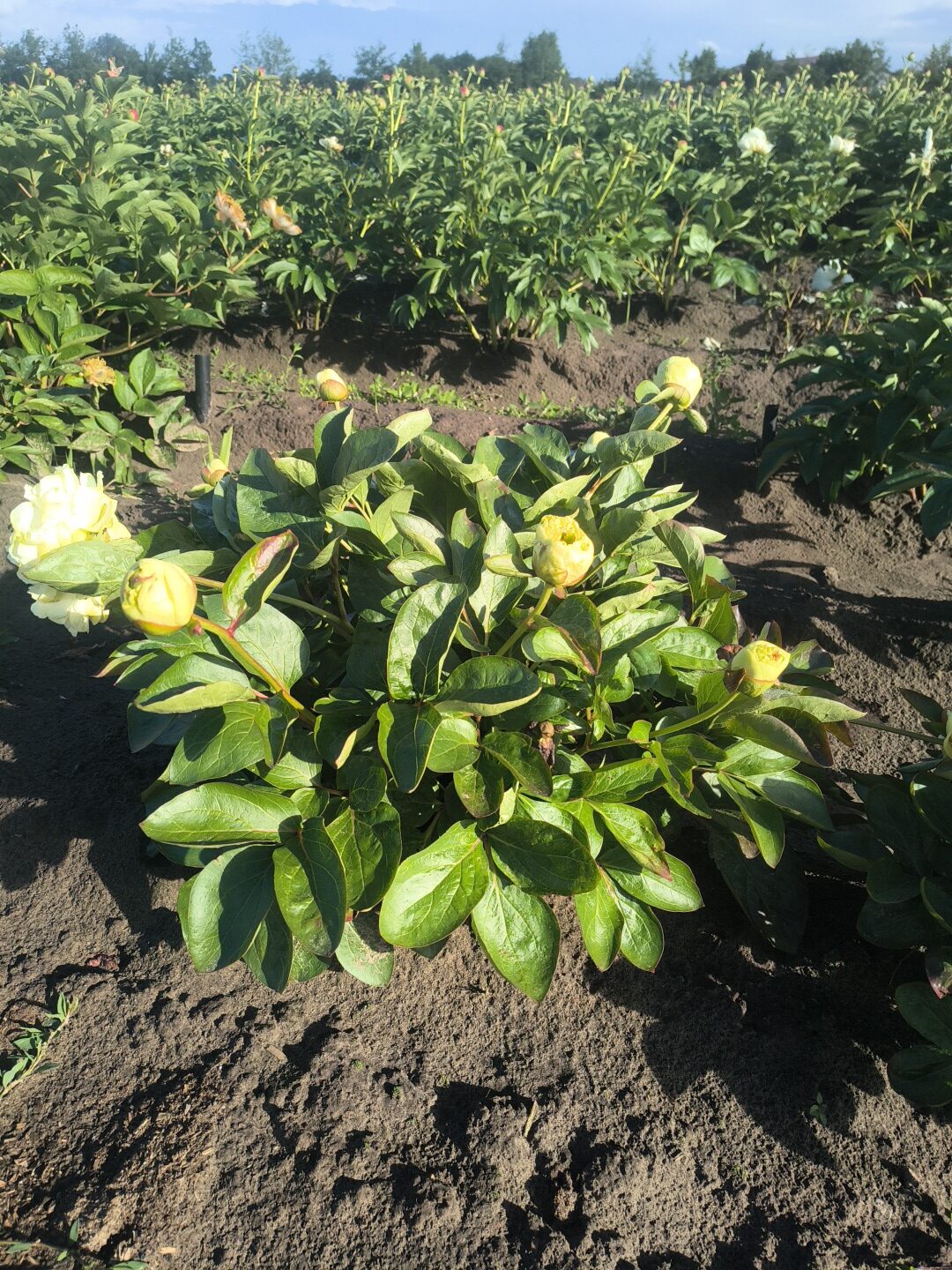
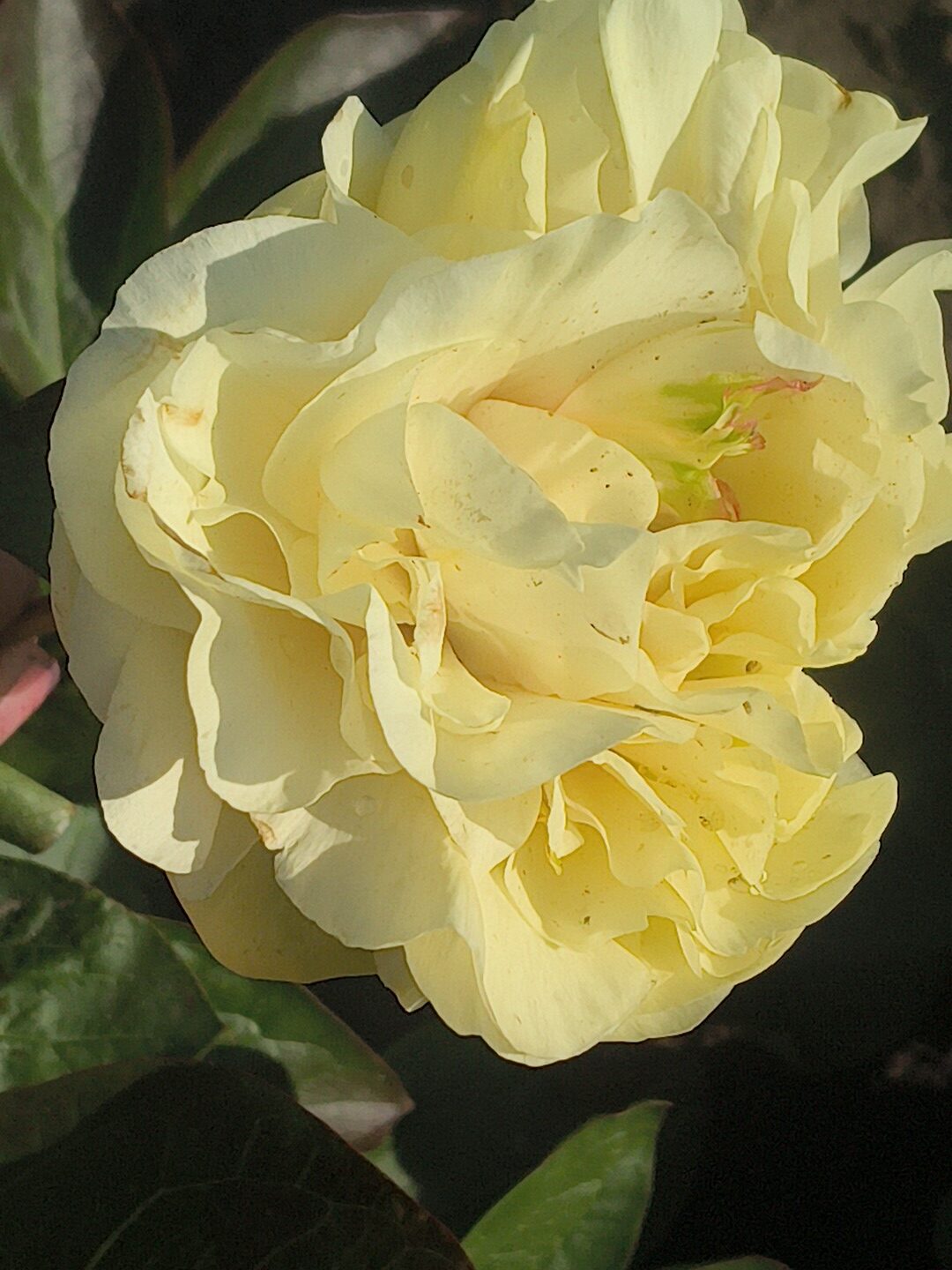
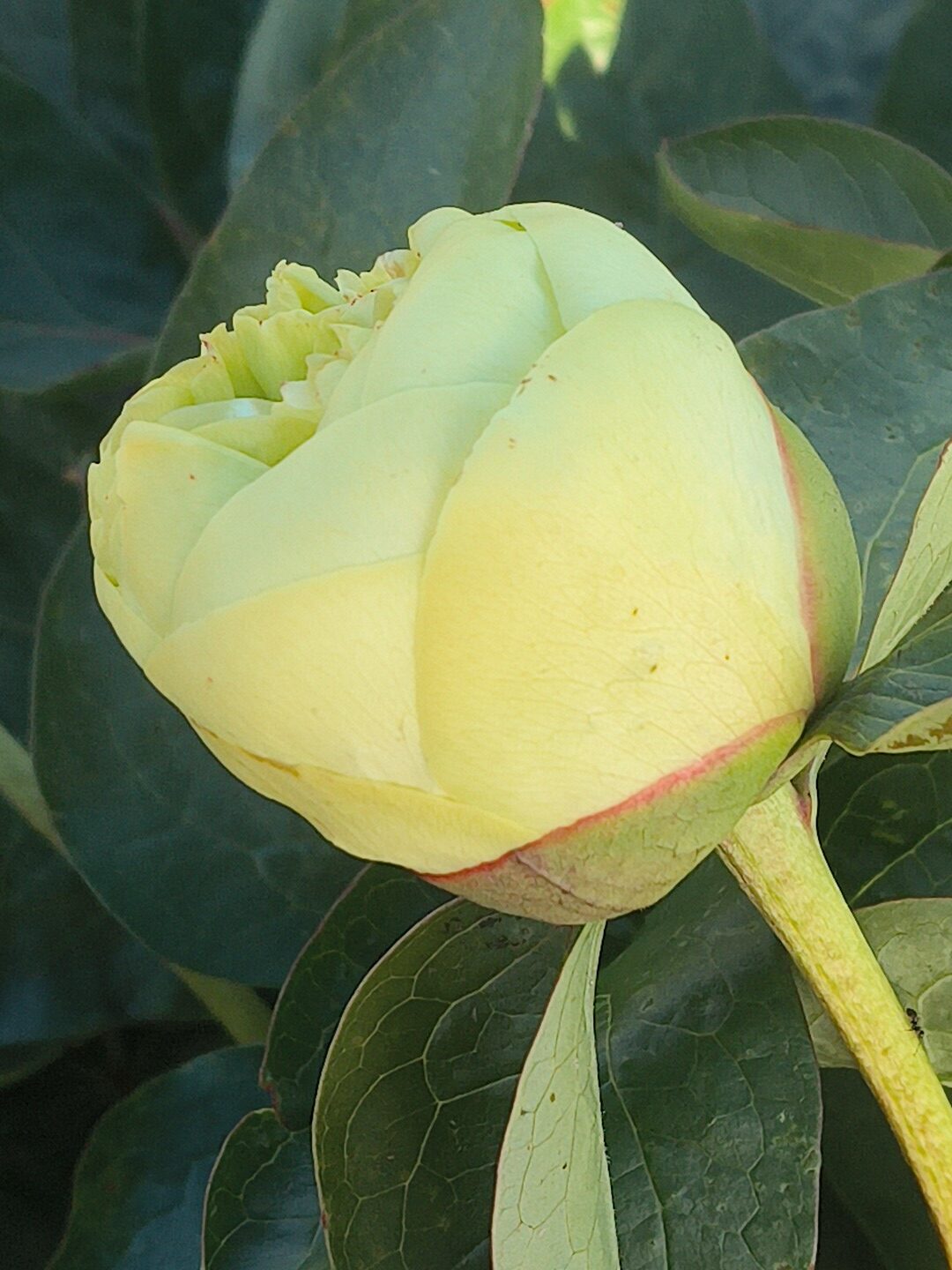
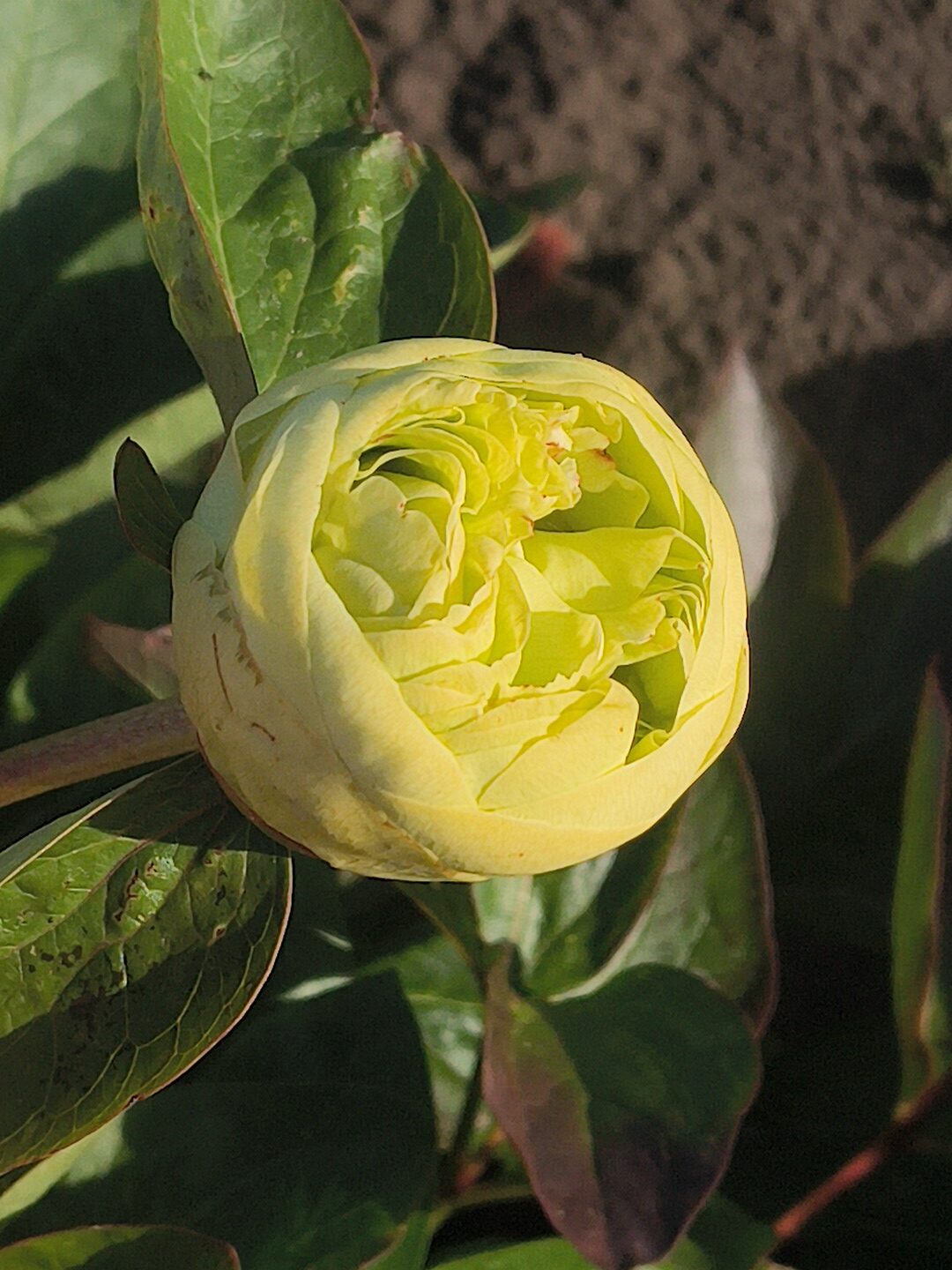

From these last series, they've received a long warm period and will now go into cold storage. Here the two…
Worked like a &amp;amp;amp;amp;amp;amp;amp;amp;amp;lt;a class=&amp;amp;amp;amp;amp;amp;amp;amp;amp;quot;wpg-linkify wpg-tooltip&amp;amp;amp;amp;amp;amp;amp;amp;amp;quot; title=&amp;amp;amp;amp;amp;amp;amp;amp;amp;quot;&amp;amp;amp;amp;amp;amp;amp;amp;amp;amp;lt;div class=&amp;amp;amp;amp;amp;amp;amp;amp;amp;amp;quot;wpg-tooltip-content&amp;amp;amp;amp;amp;amp;amp;amp;amp;amp;quot;&amp;amp;amp;amp;amp;amp;amp;amp;amp;amp;gt;&amp;amp;amp;amp;amp;amp;amp;amp;amp;amp;lt;p&amp;amp;amp;amp;amp;amp;amp;amp;amp;amp;gt;Very dark red Jap. Good upright grower, vigorous, late, 34 inches. An improvement on Fuyajo. Seedling # JE-3.&amp;amp;amp;amp;amp;amp;amp;amp;amp;amp;lt;/p&amp;amp;amp;amp;amp;amp;amp;amp;amp;amp;gt;
&amp;amp;amp;amp;amp;amp;amp;amp;amp;amp;lt;p&amp;amp;amp;amp;amp;amp;amp;amp;amp;amp;gt;Award of Landscape Merit (ALM) description: &amp;amp;amp;amp;amp;amp;amp;amp;amp;amp;#039;<a class="wpg-linkify wpg-tooltip" title="<div class="wpg-tooltip-content"><p>Very dark red Jap. Good upright grower, vigorous, late, 34 inches. An improvement on Fuyajo. Seedling # JE-3.</p> <p>Award of Landscape Merit (ALM) description: 'Charm' (Franklin, 1931) Lactiflora Group, Late mid-season, 38? — A lustrous and satiny, dark red Japanese form bloom with a center of the same red petaloids, etched yellow. Stiff and relatively straight stems angle outward gracefully to form a very large, harmoniously mounded, fountain of blooms. An eight-year-old plant matures to 40 or so stems that emerge from a relatively compact area. Although individual blooms are at their peak for a shorter duration than those of other lactifloras, plenty of side buds help 'Charm' maintain its striking presence in the landscape. One of the later Japanese form peonies to bloom.</p> </div>" href="https://www.peonysociety.org/registered_peonies/charm/" >Charm</a>&amp;amp;amp;amp;amp;amp;amp;amp;amp;amp;#039; (Franklin, 1931) &amp;amp;amp;amp;lt;a class=&amp;amp;amp;amp;quot;wpg-linkify wpg-tooltip&amp;amp;amp;amp;quot; title=&amp;amp;amp;amp;quot;&amp;amp;amp;amp;amp;lt;div class=&amp;amp;amp;amp;amp;quot;wpg-tooltip-content&amp;amp;amp;amp;amp;quot;&amp;amp;amp;amp;amp;gt;&amp;amp;amp;amp;amp;lt;p&amp;amp;amp;amp;amp;gt;Growing in bushes and grasslands, but also in open woods, at altitudes from lowlands to 2,300 m, but to 3,400 m in Sichuan Province (Kangding), China. In E Asia: China, the Korea Peninsula, E Mongolia, and Russia (the Far East and SE Siberia).&amp;amp;amp;amp;amp;lt;/p&amp;amp;amp;amp;amp;gt; &amp;amp;amp;amp;amp;lt;p&amp;amp;amp;amp;amp;gt;The most distinct character of Paeonia lactiflora is the cartilaginous thickening along the leaf margins, which are <a class="wpg-linkify wpg-tooltip" title="&lt;div class=&quot;wpg-tooltip-content&quot;&gt;&lt;p&gt;Having a toothlike or serrated edge.&lt;/p&gt; &lt;p&gt;&lt;a href=&quot;https://www.peonysociety.org/wp-content/uploads/2019/07/Leaf_morphology_dentate.png&quot;&gt;&lt;img class=&quot;size-full wp-image-25337 alignleft&quot; src=&quot;https://www.peonysociety.org/wp-content/uploads/2019/07/Leaf_morphology_dentate.png&quot; alt=&quot;&quot; width=&quot;204&quot; height=&quot;122&quot; /&gt;&lt;/a&gt;&lt;/p&gt; &lt;/div&gt;" href="https://www.peonysociety.org/registered_peonies/dentate/" >dentate</a>—spinose on these thickenings.&amp;amp;amp;amp;amp;lt;br /&amp;amp;amp;amp;amp;gt; &amp;amp;amp;amp;amp;lt;a href=&amp;amp;amp;amp;amp;quot;https://www.peonysociety.org/species/herbaceous/albiflorae/lactiflora/&amp;amp;amp;amp;amp;quot;&amp;amp;amp;amp;amp;gt;More info&amp;amp;amp;amp;amp;lt;/a&amp;amp;amp;amp;amp;gt;&amp;amp;amp;amp;amp;lt;/p&amp;amp;amp;amp;amp;gt; &amp;amp;amp;amp;amp;lt;/div&amp;amp;amp;amp;amp;gt;&amp;amp;amp;amp;quot; href=&amp;amp;amp;amp;quot;https://www.peonysociety.org/registered_peonies/p-lactiflora/&amp;amp;amp;amp;quot; &amp;amp;amp;amp;gt;Lactiflora&amp;amp;amp;amp;lt;/a&amp;amp;amp;amp;gt; Group, Late mid-season, 38? — A &lt;a class=&quot;wpg-linkify wpg-tooltip&quot; title=&quot;&amp;lt;div class=&amp;quot;wpg-tooltip-content&amp;quot;&amp;gt;&amp;lt;p&amp;gt;Herbaceous hybrid. Semi-Double. Lacti x lobata. Intense, luminous, vermilion scarlet bomb. Very large.&amp;lt;/p&amp;gt; &amp;lt;/div&amp;gt;&quot; href=&quot;https://www.peonysociety.org/registered_peonies/lustrous/&quot; &gt;lustrous&lt;/a&gt; and satiny, dark red Japanese form bloom with a center of the same red petaloids, etched yellow. Stiff and relatively straight stems angle outward gracefully to form a very large, harmoniously mounded, fountain of blooms. An eight-year-old plant matures to 40 or so stems that emerge from a relatively compact area. Although individual blooms are at their peak for a shorter duration than those of other lactifloras, plenty of side buds help &amp;amp;amp;amp;amp;amp;amp;amp;amp;amp;#039;<a class="wpg-linkify wpg-tooltip" title="<div class="wpg-tooltip-content"><p>Very dark red Jap. Good upright grower, vigorous, late, 34 inches. An improvement on Fuyajo. Seedling # JE-3.</p> <p>Award of Landscape Merit (ALM) description: 'Charm' (Franklin, 1931) Lactiflora Group, Late mid-season, 38? — A lustrous and satiny, dark red Japanese form bloom with a center of the same red petaloids, etched yellow. Stiff and relatively straight stems angle outward gracefully to form a very large, harmoniously mounded, fountain of blooms. An eight-year-old plant matures to 40 or so stems that emerge from a relatively compact area. Although individual blooms are at their peak for a shorter duration than those of other lactifloras, plenty of side buds help 'Charm' maintain its striking presence in the landscape. One of the later Japanese form peonies to bloom.</p> </div>" href="https://www.peonysociety.org/registered_peonies/charm/" >Charm</a>&amp;amp;amp;amp;amp;amp;amp;amp;amp;amp;#039; maintain its striking presence in the landscape. One of the later Japanese form peonies to bloom.&amp;amp;amp;amp;amp;amp;amp;amp;amp;amp;lt;/p&amp;amp;amp;amp;amp;amp;amp;amp;amp;amp;gt;
&amp;amp;amp;amp;amp;amp;amp;amp;amp;amp;lt;/div&amp;amp;amp;amp;amp;amp;amp;amp;amp;amp;gt;&amp;amp;amp;amp;amp;amp;amp;amp;amp;quot; href=&amp;amp;amp;amp;amp;amp;amp;amp;amp;quot;https://www.peonysociety.org/registered_peonies/<a class="wpg-linkify wpg-tooltip" title="<div class="wpg-tooltip-content"><p>Very dark red Jap. Good upright grower, vigorous, late, 34 inches. An improvement on Fuyajo. Seedling # JE-3.</p> <p>Award of Landscape Merit (ALM) description: 'Charm' (Franklin, 1931) Lactiflora Group, Late mid-season, 38? — A lustrous and satiny, dark red Japanese form bloom with a center of the same red petaloids, etched yellow. Stiff and relatively straight stems angle outward gracefully to form a very large, harmoniously mounded, fountain of blooms. An eight-year-old plant matures to 40 or so stems that emerge from a relatively compact area. Although individual blooms are at their peak for a shorter duration than those of other lactifloras, plenty of side buds help 'Charm' maintain its striking presence in the landscape. One of the later Japanese form peonies to bloom.</p> </div>" href="https://www.peonysociety.org/registered_peonies/charm/" >charm</a>/&amp;amp;amp;amp;amp;amp;amp;amp;amp;quot; &amp;amp;amp;amp;amp;amp;amp;amp;amp;gt;<a class="wpg-linkify wpg-tooltip" title="<div class="wpg-tooltip-content"><p>Very dark red Jap. Good upright grower, vigorous, late, 34 inches. An improvement on Fuyajo. Seedling # JE-3.</p> <p>Award of Landscape Merit (ALM) description: 'Charm' (Franklin, 1931) Lactiflora Group, Late mid-season, 38? — A lustrous and satiny, dark red Japanese form bloom with a center of the same red petaloids, etched yellow. Stiff and relatively straight stems angle outward gracefully to form a very large, harmoniously mounded, fountain of blooms. An eight-year-old plant matures to 40 or so stems that emerge from a relatively compact area. Although individual blooms are at their peak for a shorter duration than those of other lactifloras, plenty of side buds help 'Charm' maintain its striking presence in the landscape. One of the later Japanese form peonies to bloom.</p> </div>" href="https://www.peonysociety.org/registered_peonies/charm/" >charm</a>&amp;amp;amp;amp;amp;amp;amp;amp;amp;lt;/a&amp;amp;amp;amp;amp;amp;amp;amp;amp;gt; this time. Rooted seeds of nearly all 'difficult' samples and almost all of them looking perfectly…
Updated with some more info I received from Aleksej.
OF never makes good carpals at my house, so the method I used was to use OF as a pollen…
I haven't followed up on it and I don't grow any of them myself. You're right to ask for it…