
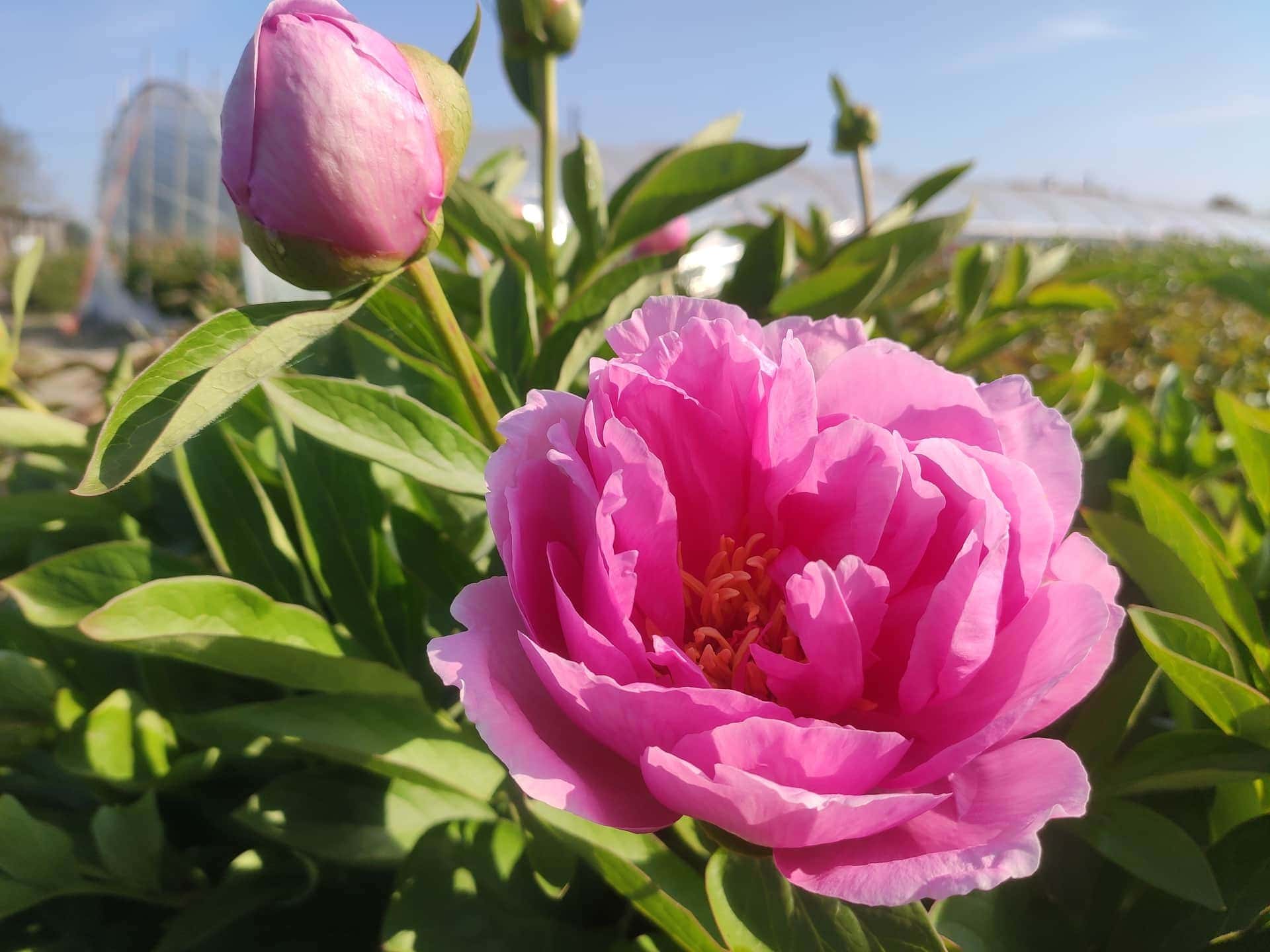



From these last series, they've received a long warm period and will now go into cold storage. Here the two…
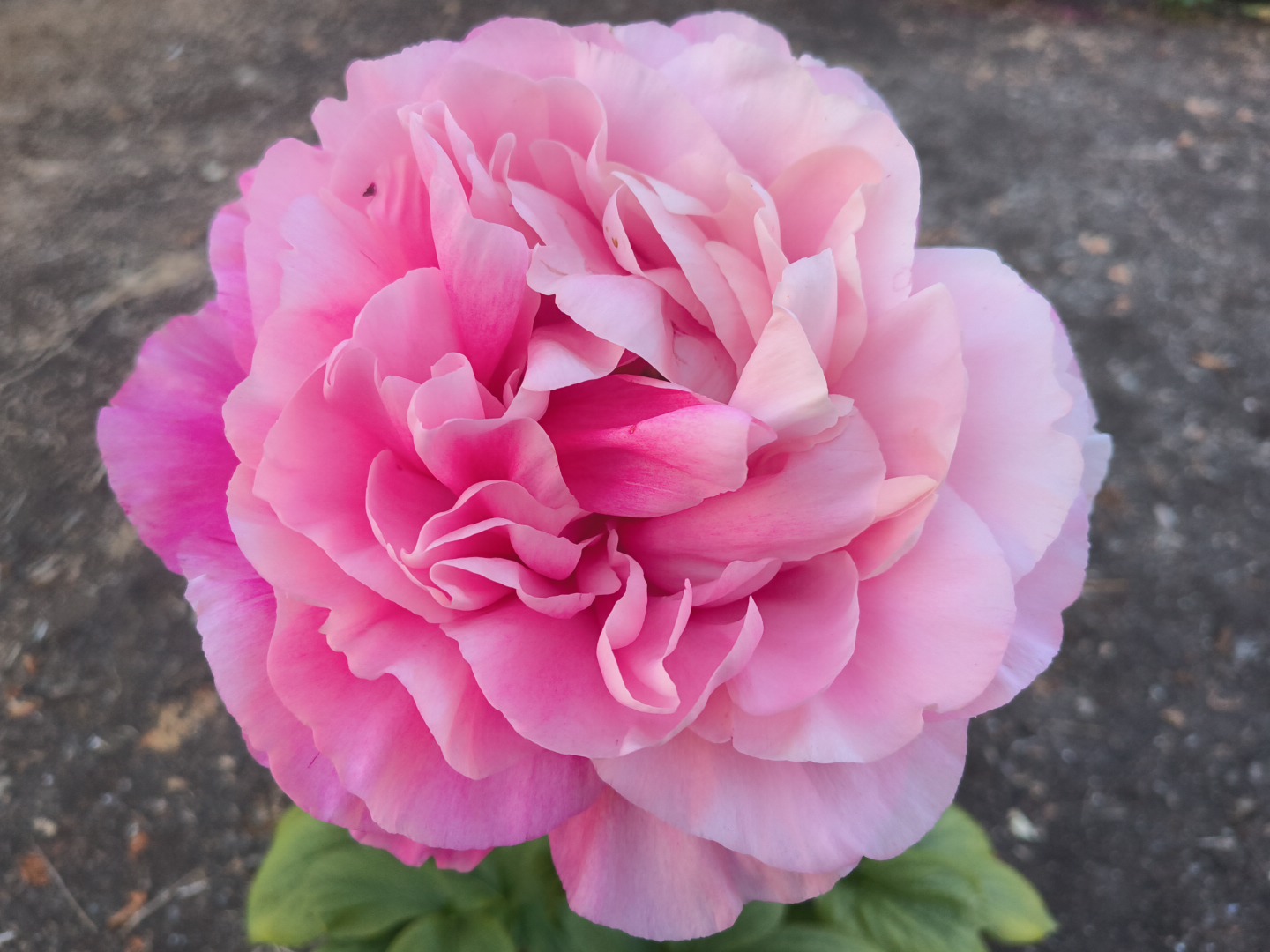
A seedling plant this one. Garden name ‘Kato001’, which is the best selection of some 400 to maturity grown seedlings of &amp;amp;amp;amp;lt;a class=&amp;amp;amp;amp;quot;wpg-linkify wpg-tooltip&amp;amp;amp;amp;quot; title=&amp;amp;amp;amp;quot;&amp;amp;amp;amp;amp;lt;div class=&amp;amp;amp;amp;amp;quot;wpg-tooltip-content&amp;amp;amp;amp;amp;quot;&amp;amp;amp;amp;amp;gt;&amp;amp;amp;amp;amp;lt;p&amp;amp;amp;amp;amp;gt;Herbaceous Hybrids Group. Pod parent: Saunders 16350 F2 (a triple hybrid). Pollen parent unknown. Seidl seedling number H-17. Early-Early Midseason, light milky pink, cupped Semi-double flower on a strong growing plant. Long, broad guard petals surround several rows of smaller inner petals having excellent substance, and <a class="wpg-linkify wpg-tooltip" title="&lt;div class=&quot;wpg-tooltip-content&quot;&gt;&lt;p&gt;stamen: one of the male organs of a flower, consisting typically of a stalk (filament) and a pollen-bearing portion (anther)&lt;/p&gt; &lt;/div&gt;" href="https://www.peonysociety.org/registered_peonies/stamens/" >stamens</a>. Flower resists late freeze damage. Medium tall (40 inches) and erect, the plant is clothed in large blue-green leaflets. Side buds extend flowering. Seeds and pollen, parent of wanted forms. Hollingsworth accession number 1827.&amp;amp;amp;amp;amp;lt;/p&amp;amp;amp;amp;amp;gt; &amp;amp;amp;amp;amp;lt;/div&amp;amp;amp;amp;amp;gt;&amp;amp;amp;amp;quot; href=&amp;amp;amp;amp;quot;https://www.peonysociety.org/registered_peonies/pink-vanguard/&amp;amp;amp;amp;quot; &amp;amp;amp;amp;gt;Pink Vanguard&amp;amp;amp;amp;lt;/a&amp;amp;amp;amp;gt; X &amp;amp;amp;amp;amp;lt;a class=&amp;amp;amp;amp;amp;quot;wpg-linkify wpg-tooltip&amp;amp;amp;amp;amp;quot; title=&amp;amp;amp;amp;amp;quot;&amp;amp;amp;amp;amp;amp;lt;div class=&amp;amp;amp;amp;amp;amp;quot;wpg-tooltip-content&amp;amp;amp;amp;amp;amp;quot;&amp;amp;amp;amp;amp;amp;gt;&amp;amp;amp;amp;amp;amp;lt;p&amp;amp;amp;amp;amp;amp;gt;First bloomed 2006 from seeds collected 2002, first propagated 2007. Parentage; &amp;amp;amp;amp;amp;amp;#039;&lt;a class=&quot;wpg-linkify wpg-tooltip&quot; title=&quot;&amp;lt;div class=&amp;quot;wpg-tooltip-content&amp;quot;&amp;gt;&amp;lt;p&amp;gt;Single. Light pinkish lavender, bright, average sized flowers, white pistils with red tops. 22&amp;quot; tall. &amp;lt;/p&amp;gt; &amp;lt;/div&amp;gt;&quot; href=&quot;https://www.peonysociety.org/registered_peonies/lavender/&quot; &gt;Lavender&lt;/a&gt;&amp;amp;amp;amp;amp;amp;#039; open pollinated. Has had limited distribution since 2009 to breeders, and a few others, as &amp;amp;amp;amp;amp;amp;#039;&lt;a class=&quot;wpg-linkify wpg-tooltip&quot; title=&quot;&amp;lt;div class=&amp;quot;wpg-tooltip-content&amp;quot;&amp;gt;&amp;lt;p&amp;gt;Single. Light pinkish lavender, bright, average sized flowers, white pistils with red tops. 22&amp;quot; tall. &amp;lt;/p&amp;gt; &amp;lt;/div&amp;gt;&quot; href=&quot;https://www.peonysociety.org/registered_peonies/lavender/&quot; &gt;Lavender&lt;/a&gt; Baby&amp;amp;amp;amp;amp;amp;#039;. Early bloom season (6 days before &amp;amp;amp;amp;amp;amp;#039;&amp;lt;a class=&amp;quot;wpg-linkify wpg-tooltip&amp;quot; title=&amp;quot;&amp;amp;lt;div class=&amp;amp;quot;wpg-tooltip-content&amp;amp;quot;&amp;amp;gt;&amp;amp;lt;p style=&amp;amp;quot;text-align: justify;&amp;amp;quot;&amp;amp;gt;(officinalis rubra x lactiflora} A sensation at recent peony shows. Perfect double bomb type, rich red collar of big petals, full and sturdy plant, no <a class="wpg-linkify wpg-tooltip" title="&lt;div class=&quot;wpg-tooltip-content&quot;&gt;&lt;p&gt;stamen: one of the male organs of a flower, consisting typically of a stalk (filament) and a pollen-bearing portion (anther)&lt;/p&gt; &lt;/div&gt;" href="https://www.peonysociety.org/registered_peonies/stamens/" >stamens</a>, rather long pale green pistils.&amp;amp;lt;/p&amp;amp;gt; &amp;amp;lt;p style=&amp;amp;quot;text-align: justify;&amp;amp;quot;&amp;amp;gt;From the Dutch peony testing series in 1998((footnote: Kortmann, J. &amp;amp;quot;Paeonia: pioen.&amp;amp;quot; In: &amp;amp;lt;em&amp;amp;gt;Dendroflora&amp;amp;lt;/em&amp;amp;gt;, 1998, vol 35, pp 58-95.)), own translation:&amp;amp;lt;br /&amp;amp;gt; &amp;amp;#039;Red <a class="wpg-linkify wpg-tooltip" title="<div class="wpg-tooltip-content"><p>Very dark red Jap. Good upright grower, vigorous, late, 34 inches. An improvement on Fuyajo. Seedling # JE-3.</p> <p>Award of Landscape Merit (ALM) description: 'Charm' (Franklin, 1931) Lactiflora Group, Late mid-season, 38? — A lustrous and satiny, dark red Japanese form bloom with a center of the same red petaloids, etched yellow. Stiff and relatively straight stems angle outward gracefully to form a very large, harmoniously mounded, fountain of blooms. An eight-year-old plant matures to 40 or so stems that emerge from a relatively compact area. Although individual blooms are at their peak for a shorter duration than those of other lactifloras, plenty of side buds help 'Charm' maintain its striking presence in the landscape. One of the later Japanese form peonies to bloom.</p> </div>" href="https://www.peonysociety.org/registered_peonies/charm/" >Charm</a>&amp;amp;#039; (Glasscock, USA, 1944) (P. lactiflora x P. officinalis) Flowers dark red, very large, double, centre filled with many deep red petaloids, surrounded by two circles of large petals; leaves rather large, dull green; upperside somewhat irregular; height 100 cm; stems rather sturdy; number of stems mediocre. This American cultivar is remarkable thanks to its magnificent colour and the enormously large flowers, which need support to remain upright, despite the plant having sturdy stems. The mediocre number of stems and the development of so called &amp;amp;#039;necks&amp;amp;#039; on the roots inhibited propagation and distribution at large scale for some time. &amp;amp;#039;Red <a class="wpg-linkify wpg-tooltip" title="<div class="wpg-tooltip-content"><p>Very dark red Jap. Good upright grower, vigorous, late, 34 inches. An improvement on Fuyajo. Seedling # JE-3.</p> <p>Award of Landscape Merit (ALM) description: 'Charm' (Franklin, 1931) Lactiflora Group, Late mid-season, 38? — A lustrous and satiny, dark red Japanese form bloom with a center of the same red petaloids, etched yellow. Stiff and relatively straight stems angle outward gracefully to form a very large, harmoniously mounded, fountain of blooms. An eight-year-old plant matures to 40 or so stems that emerge from a relatively compact area. Although individual blooms are at their peak for a shorter duration than those of other lactifloras, plenty of side buds help 'Charm' maintain its striking presence in the landscape. One of the later Japanese form peonies to bloom.</p> </div>" href="https://www.peonysociety.org/registered_peonies/charm/" >Charm</a>&amp;amp;#039; is reportedly somewhat susceptible toward botrytis, which was also noted by the review commission. It is a good garden plant, despite some negative characteristics.&amp;amp;lt;/p&amp;amp;gt; &amp;amp;lt;p&amp;amp;gt;&amp;amp;nbsp;&amp;amp;lt;/p&amp;amp;gt; &amp;amp;lt;/div&amp;amp;gt;&amp;quot; href=&amp;quot;https://www.peonysociety.org/registered_peonies/red-<a class="wpg-linkify wpg-tooltip" title="<div class="wpg-tooltip-content"><p>Very dark red Jap. Good upright grower, vigorous, late, 34 inches. An improvement on Fuyajo. Seedling # JE-3.</p> <p>Award of Landscape Merit (ALM) description: 'Charm' (Franklin, 1931) Lactiflora Group, Late mid-season, 38? — A lustrous and satiny, dark red Japanese form bloom with a center of the same red petaloids, etched yellow. Stiff and relatively straight stems angle outward gracefully to form a very large, harmoniously mounded, fountain of blooms. An eight-year-old plant matures to 40 or so stems that emerge from a relatively compact area. Although individual blooms are at their peak for a shorter duration than those of other lactifloras, plenty of side buds help 'Charm' maintain its striking presence in the landscape. One of the later Japanese form peonies to bloom.</p> </div>" href="https://www.peonysociety.org/registered_peonies/charm/" >charm</a>/&amp;quot; &amp;gt;Red <a class="wpg-linkify wpg-tooltip" title="<div class="wpg-tooltip-content"><p>Very dark red Jap. Good upright grower, vigorous, late, 34 inches. An improvement on Fuyajo. Seedling # JE-3.</p> <p>Award of Landscape Merit (ALM) description: 'Charm' (Franklin, 1931) Lactiflora Group, Late mid-season, 38? — A lustrous and satiny, dark red Japanese form bloom with a center of the same red petaloids, etched yellow. Stiff and relatively straight stems angle outward gracefully to form a very large, harmoniously mounded, fountain of blooms. An eight-year-old plant matures to 40 or so stems that emerge from a relatively compact area. Although individual blooms are at their peak for a shorter duration than those of other lactifloras, plenty of side buds help 'Charm' maintain its striking presence in the landscape. One of the later Japanese form peonies to bloom.</p> </div>" href="https://www.peonysociety.org/registered_peonies/charm/" >Charm</a>&amp;lt;/a&amp;gt;&amp;amp;amp;amp;amp;amp;#039; in 2012). One flower per stem, flower size 5 inches (13 cm). No fragrance. Flowers are single, colored dark &lt;a class=&quot;wpg-linkify wpg-tooltip&quot; title=&quot;&amp;lt;div class=&amp;quot;wpg-tooltip-content&amp;quot;&amp;gt;&amp;lt;p&amp;gt;Single. Light pinkish lavender, bright, average sized flowers, white pistils with red tops. 22&amp;quot; tall. &amp;lt;/p&amp;gt; &amp;lt;/div&amp;gt;&quot; href=&quot;https://www.peonysociety.org/registered_peonies/lavender/&quot; &gt;lavender&lt;/a&gt;, approaching purple tones. <a class="wpg-linkify wpg-tooltip" title="&lt;div class=&quot;wpg-tooltip-content&quot;&gt;&lt;p&gt;carpel: an organ at the centre of a flower, bearing one or more ovules and having its margins fused together or with other carpels to enclose the <a class="wpg-linkify wpg-tooltip" title="<div class="wpg-tooltip-content"><p>a part inside the ovary (= organ that produces eggs) of a plant that contains the female sex cell and develops into a seed when that cell is fertilized</p> </div>" href="https://www.peonysociety.org/registered_peonies/ovule/" >ovule</a> in an <a class="wpg-linkify wpg-tooltip" title="<div class="wpg-tooltip-content"><p>the hollow base of the carpel of a flower, containing one or more ovules</p> </div>" href="https://www.peonysociety.org/registered_peonies/ovary/" >ovary</a>, and consisting also of a <a class="wpg-linkify wpg-tooltip" title="<div class="wpg-tooltip-content"><p>The pollen-receptive surface of a carpel, usually sticky. It sits above the ovary on the style.</p> </div>" href="https://www.peonysociety.org/registered_peonies/stigma/" >stigma</a> and usually a style.&lt;/p&gt; &lt;p&gt;&lt;/p&gt; &lt;/div&gt;" href="https://www.peonysociety.org/registered_peonies/carpels/" >Carpels</a> are light green, 3 on average, with dark purple <a class="wpg-linkify wpg-tooltip" title="&lt;div class=&quot;wpg-tooltip-content&quot;&gt;&lt;p&gt;<a class="wpg-linkify wpg-tooltip" title="<div class="wpg-tooltip-content"><p>The pollen-receptive surface of a carpel, usually sticky. It sits above the ovary on the style.</p> </div>" href="https://www.peonysociety.org/registered_peonies/stigma/" >Stigma</a>: the pollen-receptive surface of a carpel or group of fused carpels, usually sticky.&lt;/p&gt; &lt;p&gt;&lt;/p&gt; &lt;/div&gt;" href="https://www.peonysociety.org/registered_peonies/stigmas/" >stigmas</a>. &amp;lt;a class=&amp;quot;wpg-linkify wpg-tooltip&amp;quot; title=&amp;quot;&amp;amp;lt;div class=&amp;amp;quot;wpg-tooltip-content&amp;amp;quot;&amp;amp;gt;&amp;amp;lt;p&amp;amp;gt;filament: the stalk of a stamen&amp;amp;lt;/p&amp;amp;gt; &amp;amp;lt;/div&amp;amp;gt;&amp;quot; href=&amp;quot;https://www.peonysociety.org/registered_peonies/filaments/&amp;quot; &amp;gt;Filaments&amp;lt;/a&amp;gt; are the same color as the petals at the base, fading to near white at the tips. Has pollen and readily makes seeds under open pollination and also when crossed with tetraploids. Foliage with strongly divided narrow leaflets, grey-green color, with a matte finish. Average height at maturity 18 inches (45 cm).&amp;amp;amp;amp;amp;amp;lt;/p&amp;amp;amp;amp;amp;amp;gt; &amp;amp;amp;amp;amp;amp;lt;/div&amp;amp;amp;amp;amp;amp;gt;&amp;amp;amp;amp;amp;quot; href=&amp;amp;amp;amp;amp;quot;https://www.peonysociety.org/registered_peonies/&lt;a class=&quot;wpg-linkify wpg-tooltip&quot; title=&quot;&amp;lt;div class=&amp;quot;wpg-tooltip-content&amp;quot;&amp;gt;&amp;lt;p&amp;gt;Single. Light pinkish lavender, bright, average sized flowers, white pistils with red tops. 22&amp;quot; tall. &amp;lt;/p&amp;gt; &amp;lt;/div&amp;gt;&quot; href=&quot;https://www.peonysociety.org/registered_peonies/lavender/&quot; &gt;lavender&lt;/a&gt;-baby/&amp;amp;amp;amp;amp;quot; &amp;amp;amp;amp;amp;gt;&lt;a class=&quot;wpg-linkify wpg-tooltip&quot; title=&quot;&amp;lt;div class=&amp;quot;wpg-tooltip-content&amp;quot;&amp;gt;&amp;lt;p&amp;gt;Single. Light pinkish lavender, bright, average sized flowers, white pistils with red tops. 22&amp;quot; tall. &amp;lt;/p&amp;gt; &amp;lt;/div&amp;gt;&quot; href=&quot;https://www.peonysociety.org/registered_peonies/lavender/&quot; &gt;Lavender&lt;/a&gt; Baby&amp;amp;amp;amp;amp;lt;/a&amp;amp;amp;amp;amp;gt;, and which thus has &amp;amp;lt;a class=&amp;amp;quot;wpg-linkify wpg-tooltip&amp;amp;quot; title=&amp;amp;quot;&amp;amp;amp;lt;div class=&amp;amp;amp;quot;wpg-tooltip-content&amp;amp;amp;quot;&amp;amp;amp;gt;&amp;amp;amp;lt;p&amp;amp;amp;gt;Growing in woods of Quercus or Cedrus in limestone areas at an altitude of 600-2,100 m. Confined to S Spain and Morocco.&amp;amp;amp;lt;/p&amp;amp;amp;gt; &amp;amp;amp;lt;p&amp;amp;amp;gt;&amp;amp;amp;lt;a href=&amp;amp;amp;quot;https://www.peonysociety.org/index.php?p=10109&amp;amp;amp;quot;&amp;amp;amp;gt;Read more&amp;amp;amp;lt;/a&amp;amp;amp;gt;&amp;amp;amp;lt;/p&amp;amp;amp;gt; &amp;amp;amp;lt;/div&amp;amp;amp;gt;&amp;amp;quot; href=&amp;amp;quot;https://www.peonysociety.org/registered_peonies/p-coriacea/&amp;amp;quot; &amp;amp;gt;Paeonia coriacea&amp;amp;lt;/a&amp;amp;gt; genes. Very good garden plant, very early, but alas no cut flower because, although it remains firmly upright, the last part of the stem just below the flower…Read More
![]()
&amp;amp;lt;a class=&amp;amp;quot;wpg-linkify wpg-tooltip&amp;amp;quot; title=&amp;amp;quot;&amp;amp;amp;lt;div class=&amp;amp;amp;quot;wpg-tooltip-content&amp;amp;amp;quot;&amp;amp;amp;gt;&amp;amp;amp;lt;p&amp;amp;amp;gt;Moutan tree peony. First bloomed about 1980. Color blend of light pink and purple hues, similar to Guardian of the Monastery. Strong grower, 5&amp;amp;amp;#039; in height, waxy deep green foliage, vigorous, blooms with other moutans.&amp;amp;amp;lt;/p&amp;amp;amp;gt; &amp;amp;amp;lt;/div&amp;amp;amp;gt;&amp;amp;quot; href=&amp;amp;quot;https://www.peonysociety.org/registered_peonies/ezra-pound/&amp;amp;quot; &amp;amp;gt;Ezra Pound&amp;amp;lt;/a&amp;amp;gt;
![]()
A good seedling this one, has been divided once and this is two years after division, it will have much more flowers the following years, but is already doing fine. Open pollination, mother is ‘Fedora &amp;amp;amp;amp;amp;amp;amp;amp;lt;a class=&amp;amp;amp;amp;amp;amp;amp;amp;quot;wpg-linkify wpg-tooltip&amp;amp;amp;amp;amp;amp;amp;amp;quot; title=&amp;amp;amp;amp;amp;amp;amp;amp;quot;&amp;amp;amp;amp;amp;amp;amp;amp;amp;lt;div class=&amp;amp;amp;amp;amp;amp;amp;amp;amp;quot;wpg-tooltip-content&amp;amp;amp;amp;amp;amp;amp;amp;amp;quot;&amp;amp;amp;amp;amp;amp;amp;amp;amp;gt;&amp;amp;amp;amp;amp;amp;amp;amp;amp;lt;p&amp;amp;amp;amp;amp;amp;amp;amp;amp;gt;&amp;amp;amp;amp;amp;amp;amp;amp;amp;lt;img class=&amp;amp;amp;amp;amp;amp;amp;amp;amp;quot;wp-image-33215 size-medium&amp;amp;amp;amp;amp;amp;amp;amp;amp;quot; src=&amp;amp;amp;amp;amp;amp;amp;amp;amp;quot;https://www.peonysociety.org/wp-content/uploads/mlokosewitschii-480x403.jpg&amp;amp;amp;amp;amp;amp;amp;amp;amp;quot; alt=&amp;amp;amp;amp;amp;amp;amp;amp;amp;quot;&amp;amp;amp;amp;amp;amp;amp;amp;amp;quot; width=&amp;amp;amp;amp;amp;amp;amp;amp;amp;quot;480&amp;amp;amp;amp;amp;amp;amp;amp;amp;quot; height=&amp;amp;amp;amp;amp;amp;amp;amp;amp;quot;403&amp;amp;amp;amp;amp;amp;amp;amp;amp;quot; /&amp;amp;amp;amp;amp;amp;amp;amp;amp;gt;&amp;amp;amp;amp;amp;amp;amp;amp;amp;lt;br /&amp;amp;amp;amp;amp;amp;amp;amp;amp;gt; Paeonia mlokosewitschii. Image by Dimitri Zubov&amp;amp;amp;amp;amp;amp;amp;amp;amp;lt;br /&amp;amp;amp;amp;amp;amp;amp;amp;amp;gt; Leaves &amp;lt;a class=&amp;quot;wpg-linkify wpg-tooltip&amp;quot; title=&amp;quot;&amp;amp;lt;div class=&amp;amp;quot;wpg-tooltip-content&amp;amp;quot;&amp;amp;gt;&amp;amp;lt;p&amp;amp;gt;&amp;amp;lt;span class=&amp;amp;quot;ind&amp;amp;quot;&amp;amp;gt;Having leaflets that are further subdivided in a <a class="wpg-linkify wpg-tooltip" title="&lt;div class=&quot;wpg-tooltip-content&quot;&gt;&lt;p&gt;Arranged in threes, especially (of a compound leaf) having three leaflets.&lt;br /&gt; &lt;a href=&quot;https://www.peonysociety.org/wp-content/uploads/2019/07/Leaf_morphology_trifoliolate.png&quot;&gt;&lt;img class=&quot;size-full wp-image-25426 alignleft&quot; src=&quot;https://www.peonysociety.org/wp-content/uploads/2019/07/Leaf_morphology_trifoliolate.png&quot; alt=&quot;&quot; width=&quot;164&quot; height=&quot;102&quot; /&gt;&lt;/a&gt;&lt;/p&gt; &lt;/div&gt;" href="https://www.peonysociety.org/registered_peonies/ternate/" >ternate</a> arrangement.&amp;amp;lt;/span&amp;amp;gt;&amp;amp;lt;/p&amp;amp;gt; &amp;amp;lt;div class=&amp;amp;quot;examples&amp;amp;quot;&amp;amp;gt; &amp;amp;lt;div class=&amp;amp;quot;exg&amp;amp;quot;&amp;amp;gt; &amp;amp;lt;p&amp;amp;gt;&amp;amp;lt;em&amp;amp;gt;‘It follows that biternate leaves are doubly <a class="wpg-linkify wpg-tooltip" title="&lt;div class=&quot;wpg-tooltip-content&quot;&gt;&lt;p&gt;Arranged in threes, especially (of a compound leaf) having three leaflets.&lt;br /&gt; &lt;a href=&quot;https://www.peonysociety.org/wp-content/uploads/2019/07/Leaf_morphology_trifoliolate.png&quot;&gt;&lt;img class=&quot;size-full wp-image-25426 alignleft&quot; src=&quot;https://www.peonysociety.org/wp-content/uploads/2019/07/Leaf_morphology_trifoliolate.png&quot; alt=&quot;&quot; width=&quot;164&quot; height=&quot;102&quot; /&gt;&lt;/a&gt;&lt;/p&gt; &lt;/div&gt;" href="https://www.peonysociety.org/registered_peonies/ternate/" >ternate</a>, with the <a class="wpg-linkify wpg-tooltip" title="&lt;div class=&quot;wpg-tooltip-content&quot;&gt;&lt;p&gt;Arranged in threes, especially (of a compound leaf) having three leaflets.&lt;br /&gt; &lt;a href=&quot;https://www.peonysociety.org/wp-content/uploads/2019/07/Leaf_morphology_trifoliolate.png&quot;&gt;&lt;img class=&quot;size-full wp-image-25426 alignleft&quot; src=&quot;https://www.peonysociety.org/wp-content/uploads/2019/07/Leaf_morphology_trifoliolate.png&quot; alt=&quot;&quot; width=&quot;164&quot; height=&quot;102&quot; /&gt;&lt;/a&gt;&lt;/p&gt; &lt;/div&gt;" href="https://www.peonysociety.org/registered_peonies/ternate/" >ternate</a> divisions again ternately divided.’&amp;amp;lt;/em&amp;amp;gt;&amp;amp;lt;/p&amp;amp;gt; &amp;amp;lt;p&amp;amp;gt;&amp;amp;lt;a href=&amp;amp;quot;https://www.peonysociety.org/wp-content/uploads/2019/07/Leaf_morphology_Biternate.png&amp;amp;quot;&amp;amp;gt;&amp;amp;lt;img class=&amp;amp;quot;size-medium wp-image-25335 alignleft&amp;amp;quot; src=&amp;amp;quot;https://www.peonysociety.org/wp-content/uploads/2019/07/Leaf_morphology_Biternate-480x402.png&amp;amp;quot; alt=&amp;amp;quot;&amp;amp;quot; width=&amp;amp;quot;480&amp;amp;quot; height=&amp;amp;quot;402&amp;amp;quot; /&amp;amp;gt;&amp;amp;lt;/a&amp;amp;gt;&amp;amp;lt;/p&amp;amp;gt; &amp;amp;lt;/div&amp;amp;gt; &amp;amp;lt;/div&amp;amp;gt; &amp;amp;lt;/div&amp;amp;gt;&amp;quot; href=&amp;quot;https://www.peonysociety.org/registered_peonies/biternate/&amp;quot; &amp;gt;biternate&amp;lt;/a&amp;gt; [divided twice into three parts], leaflets <a class="wpg-linkify wpg-tooltip" title="<div class="wpg-tooltip-content"><p>An object or shape that is longer than it is wide, having an elongated form with slightly parallel sides, roughly rectangular.<br /> <a href="https://www.peonysociety.org/wp-content/uploads/2019/07/Leaf_morphology_oblong.png"><img class="size-full wp-image-25344 alignleft" src="https://www.peonysociety.org/wp-content/uploads/2019/07/Leaf_morphology_oblong.png" alt="" width="192" height="65" /></a></p> </div>" href="https://www.peonysociety.org/registered_peonies/oblong/" >oblong</a>, more rarely <a class="wpg-linkify wpg-tooltip" title="&lt;div class=&quot;wpg-tooltip-content&quot;&gt;&lt;p&gt;Inversely <a class="wpg-linkify wpg-tooltip" title="<div class="wpg-tooltip-content"><p>Shaped like an egg in two dimensions, and attached by the wider end.<br /> <a href="https://www.peonysociety.org/wp-content/uploads/2019/07/Leaf_morphology_ovale.png"><img class="size-full wp-image-25341 alignleft" src="https://www.peonysociety.org/wp-content/uploads/2019/07/Leaf_morphology_ovale.png" alt="" width="192" height="96" /></a></p> </div>" href="https://www.peonysociety.org/registered_peonies/ovate/" >ovate</a>; <a class="wpg-linkify wpg-tooltip" title="<div class="wpg-tooltip-content"><p>Shaped like an egg in two dimensions, and attached by the wider end.<br /> <a href="https://www.peonysociety.org/wp-content/uploads/2019/07/Leaf_morphology_ovale.png"><img class="size-full wp-image-25341 alignleft" src="https://www.peonysociety.org/wp-content/uploads/2019/07/Leaf_morphology_ovale.png" alt="" width="192" height="96" /></a></p> </div>" href="https://www.peonysociety.org/registered_peonies/ovate/" >ovate</a> with the narrow end downward; as, an obovate leaf.&lt;br /&gt; &lt;a href=&quot;https://www.peonysociety.org/wp-content/uploads/2019/07/Leaf_morphology_obovate.png&quot;&gt;&lt;img class=&quot;size-full wp-image-25340 alignleft&quot; src=&quot;https://www.peonysociety.org/wp-content/uploads/2019/07/Leaf_morphology_obovate.png&quot; alt=&quot;&quot; width=&quot;192&quot; height=&quot;105&quot; /&gt;&lt;/a&gt;&lt;/p&gt; &lt;/div&gt;" href="https://www.peonysociety.org/registered_peonies/obovate/" >obovate</a> [egg-shaped with the narrow end at the base], shortly &amp;lt;a class=&amp;quot;wpg-linkify wpg-tooltip&amp;quot; title=&amp;quot;&amp;amp;lt;div class=&amp;amp;quot;wpg-tooltip-content&amp;amp;quot;&amp;amp;gt;&amp;amp;lt;p&amp;amp;gt;Leaf tip tapering to a long point in a concave manner.&amp;amp;lt;br /&amp;amp;gt; &amp;amp;lt;a href=&amp;amp;quot;https://www.peonysociety.org/wp-content/uploads/2019/07/Leaf_morphology_acuminate.png&amp;amp;quot;&amp;amp;gt;&amp;amp;lt;img class=&amp;amp;quot;size-full wp-image-25363 alignleft&amp;amp;quot; src=&amp;amp;quot;https://www.peonysociety.org/wp-content/uploads/2019/07/Leaf_morphology_acuminate.png&amp;amp;quot; alt=&amp;amp;quot;&amp;amp;quot; width=&amp;amp;quot;178&amp;amp;quot; height=&amp;amp;quot;55&amp;amp;quot; /&amp;amp;gt;&amp;amp;lt;/a&amp;amp;gt;&amp;amp;lt;/p&amp;amp;gt; &amp;amp;lt;/div&amp;amp;gt;&amp;quot; href=&amp;quot;https://www.peonysociety.org/registered_peonies/acuminate/&amp;quot; &amp;gt;acuminate&amp;lt;/a&amp;gt; [tapering to a short point], glaucous [blue-green] above, of a different pale color beneath and shortly &amp;lt;a class=&amp;quot;wpg-linkify wpg-tooltip&amp;quot; title=&amp;quot;&amp;amp;lt;div class=&amp;amp;quot;wpg-tooltip-content&amp;amp;quot;&amp;amp;gt;&amp;amp;lt;p&amp;amp;gt;short, but curved or twisted&amp;amp;lt;/p&amp;amp;gt; &amp;amp;lt;p&amp;amp;gt;&amp;amp;lt;/p&amp;amp;gt; &amp;amp;lt;/div&amp;amp;gt;&amp;quot; href=&amp;quot;https://www.peonysociety.org/registered_peonies/puberulous/&amp;quot; &amp;gt;puberulous&amp;lt;/a&amp;gt; [covered in fine, short hairs], with yellow flowers, spreading petals, and &lt;a class=&quot;wpg-linkify wpg-tooltip&quot; title=&quot;&amp;lt;div class=&amp;quot;wpg-tooltip-content&amp;quot;&amp;gt;&amp;lt;p&amp;gt;Covered with dull colored woolly hairs. Short and entirely covering the ovaries. Found in most peony species.&amp;lt;/p&amp;gt; &amp;lt;/div&amp;gt;&quot; href=&quot;https://www.peonysociety.org/registered_peonies/tomentose/&quot; &gt;tomentose&lt;/a&gt; [densely fuzzy] <a class="wpg-linkify wpg-tooltip" title="&lt;div class=&quot;wpg-tooltip-content&quot;&gt;&lt;p&gt;carpel: an organ at the centre of a flower, bearing one or more ovules and having its margins fused together or with other carpels to enclose the <a class="wpg-linkify wpg-tooltip" title="<div class="wpg-tooltip-content"><p>a part inside the ovary (= organ that produces eggs) of a plant that contains the female sex cell and develops into a seed when that cell is fertilized</p> </div>" href="https://www.peonysociety.org/registered_peonies/ovule/" >ovule</a> in an <a class="wpg-linkify wpg-tooltip" title="<div class="wpg-tooltip-content"><p>the hollow base of the carpel of a flower, containing one or more ovules</p> </div>" href="https://www.peonysociety.org/registered_peonies/ovary/" >ovary</a>, and consisting also of a <a class="wpg-linkify wpg-tooltip" title="<div class="wpg-tooltip-content"><p>The pollen-receptive surface of a carpel, usually sticky. It sits above the ovary on the style.</p> </div>" href="https://www.peonysociety.org/registered_peonies/stigma/" >stigma</a> and usually a style.&lt;/p&gt; &lt;p&gt;&lt;/p&gt; &lt;/div&gt;" href="https://www.peonysociety.org/registered_peonies/carpels/" >carpels</a> that are arched-spreading.&amp;amp;amp;amp;amp;amp;amp;amp;amp;lt;/p&amp;amp;amp;amp;amp;amp;amp;amp;amp;gt; &amp;amp;amp;amp;amp;amp;amp;amp;amp;lt;/div&amp;amp;amp;amp;amp;amp;amp;amp;amp;gt;&amp;amp;amp;amp;amp;amp;amp;amp;quot; href=&amp;amp;amp;amp;amp;amp;amp;amp;quot;https://www.peonysociety.org/registered_peonies/p-mlokosewitschii/&amp;amp;amp;amp;amp;amp;amp;amp;quot; &amp;amp;amp;amp;amp;amp;amp;amp;gt;mloko&amp;amp;amp;amp;amp;amp;amp;amp;lt;/a&amp;amp;amp;amp;amp;amp;amp;amp;gt; hybrid’, a plant which was selected by Will McLewin. No species hence but has such a look and far easier to grow and prettier than most Mlo…Read More
![]()
&amp;amp;lt;a class=&amp;amp;quot;wpg-linkify wpg-tooltip&amp;amp;quot; title=&amp;amp;quot;&amp;amp;amp;lt;div class=&amp;amp;amp;quot;wpg-tooltip-content&amp;amp;amp;quot;&amp;amp;amp;gt;&amp;amp;amp;lt;p&amp;amp;amp;gt;Relatively widely distributed, from N Spain (Cantabria and Soria) to Iraq via France, Italy, the Balkans, Cyprus and Turkey.&amp;amp;amp;lt;br /&amp;amp;amp;gt; &amp;amp;amp;lt;a href=&amp;amp;amp;quot;https://www.peonysociety.org/species/herbaceous/corallinae/mascula/&amp;amp;amp;quot;&amp;amp;amp;gt;More info&amp;amp;amp;lt;/a&amp;amp;amp;gt;&amp;amp;amp;lt;/p&amp;amp;amp;gt; &amp;amp;amp;lt;/div&amp;amp;amp;gt;&amp;amp;quot; href=&amp;amp;quot;https://www.peonysociety.org/registered_peonies/p-mascula/&amp;amp;quot; &amp;amp;gt;P. mascula&amp;amp;lt;/a&amp;amp;gt; subsp boduri
![]()
![]()
![]()
![]() +5
+5![]()
![]()
&amp;amp;amp;amp;lt;a class=&amp;amp;amp;amp;quot;wpg-linkify wpg-tooltip&amp;amp;amp;amp;quot; title=&amp;amp;amp;amp;quot;&amp;amp;amp;amp;amp;lt;div class=&amp;amp;amp;amp;amp;quot;wpg-tooltip-content&amp;amp;amp;amp;amp;quot;&amp;amp;amp;amp;amp;gt;&amp;amp;amp;amp;amp;lt;p&amp;amp;amp;amp;amp;gt;Growing in bushes and grasslands, but also in open woods, at altitudes from lowlands to 2,300 m, but to 3,400 m in Sichuan Province (Kangding), China. In E Asia: China, the Korea Peninsula, E Mongolia, and Russia (the Far East and SE Siberia).&amp;amp;amp;amp;amp;lt;/p&amp;amp;amp;amp;amp;gt; &amp;amp;amp;amp;amp;lt;p&amp;amp;amp;amp;amp;gt;The most distinct character of Paeonia lactiflora is the cartilaginous thickening along the leaf margins, which are <a class="wpg-linkify wpg-tooltip" title="&lt;div class=&quot;wpg-tooltip-content&quot;&gt;&lt;p&gt;Having a toothlike or serrated edge.&lt;/p&gt; &lt;p&gt;&lt;a href=&quot;https://www.peonysociety.org/wp-content/uploads/2019/07/Leaf_morphology_dentate.png&quot;&gt;&lt;img class=&quot;size-full wp-image-25337 alignleft&quot; src=&quot;https://www.peonysociety.org/wp-content/uploads/2019/07/Leaf_morphology_dentate.png&quot; alt=&quot;&quot; width=&quot;204&quot; height=&quot;122&quot; /&gt;&lt;/a&gt;&lt;/p&gt; &lt;/div&gt;" href="https://www.peonysociety.org/registered_peonies/dentate/" >dentate</a>—spinose on these thickenings.&amp;amp;amp;amp;amp;lt;br /&amp;amp;amp;amp;amp;gt; &amp;amp;amp;amp;amp;lt;a href=&amp;amp;amp;amp;amp;quot;https://www.peonysociety.org/species/herbaceous/albiflorae/lactiflora/&amp;amp;amp;amp;amp;quot;&amp;amp;amp;amp;amp;gt;More info&amp;amp;amp;amp;amp;lt;/a&amp;amp;amp;amp;amp;gt;&amp;amp;amp;amp;amp;lt;/p&amp;amp;amp;amp;amp;gt; &amp;amp;amp;amp;amp;lt;/div&amp;amp;amp;amp;amp;gt;&amp;amp;amp;amp;quot; href=&amp;amp;amp;amp;quot;https://www.peonysociety.org/registered_peonies/p-lactiflora/&amp;amp;amp;amp;quot; &amp;amp;amp;amp;gt;Paeonia lactiflora&amp;amp;amp;amp;lt;/a&amp;amp;amp;amp;gt;, or Chinese peony, has been designated as the city flower for Holingola, Inner Mongolia. pic.twitter.com/vk815zamLu
— China SCIO (@chinascio) April 15, 2020
&amp;amp;amp;amp;lt;a class=&amp;amp;amp;amp;quot;wpg-linkify wpg-tooltip&amp;amp;amp;amp;quot; title=&amp;amp;amp;amp;quot;&amp;amp;amp;amp;amp;lt;div class=&amp;amp;amp;amp;amp;quot;wpg-tooltip-content&amp;amp;amp;amp;amp;quot;&amp;amp;amp;amp;amp;gt;&amp;amp;amp;amp;amp;lt;p&amp;amp;amp;amp;amp;gt;Growing in bushes and grasslands, but also in open woods, at altitudes from lowlands to 2,300 m, but to 3,400 m in Sichuan Province (Kangding), China. In E Asia: China, the Korea Peninsula, E Mongolia, and Russia (the Far East and SE Siberia).&amp;amp;amp;amp;amp;lt;/p&amp;amp;amp;amp;amp;gt; &amp;amp;amp;amp;amp;lt;p&amp;amp;amp;amp;amp;gt;The most distinct character of Paeonia lactiflora is the cartilaginous thickening along the leaf margins, which are <a class="wpg-linkify wpg-tooltip" title="&lt;div class=&quot;wpg-tooltip-content&quot;&gt;&lt;p&gt;Having a toothlike or serrated edge.&lt;/p&gt; &lt;p&gt;&lt;a href=&quot;https://www.peonysociety.org/wp-content/uploads/2019/07/Leaf_morphology_dentate.png&quot;&gt;&lt;img class=&quot;size-full wp-image-25337 alignleft&quot; src=&quot;https://www.peonysociety.org/wp-content/uploads/2019/07/Leaf_morphology_dentate.png&quot; alt=&quot;&quot; width=&quot;204&quot; height=&quot;122&quot; /&gt;&lt;/a&gt;&lt;/p&gt; &lt;/div&gt;" href="https://www.peonysociety.org/registered_peonies/dentate/" >dentate</a>—spinose on these thickenings.&amp;amp;amp;amp;amp;lt;br /&amp;amp;amp;amp;amp;gt; &amp;amp;amp;amp;amp;lt;a href=&amp;amp;amp;amp;amp;quot;https://www.peonysociety.org/species/herbaceous/albiflorae/lactiflora/&amp;amp;amp;amp;amp;quot;&amp;amp;amp;amp;amp;gt;More info&amp;amp;amp;amp;amp;lt;/a&amp;amp;amp;amp;amp;gt;&amp;amp;amp;amp;amp;lt;/p&amp;amp;amp;amp;amp;gt; &amp;amp;amp;amp;amp;lt;/div&amp;amp;amp;amp;amp;gt;&amp;amp;amp;amp;quot; href=&amp;amp;amp;amp;quot;https://www.peonysociety.org/registered_peonies/p-lactiflora/&amp;amp;amp;amp;quot; &amp;amp;amp;amp;gt;Paeonia lactiflora&amp;amp;amp;amp;lt;/a&amp;amp;amp;amp;gt; growing wild in Mongolia
1 Comment- Load More Posts
Latest articles
-
 Long term storage of peony pollen 2026, May 6th
-
Paeonia species of Georgia 2026, January 30th
-
The best peony germinating substrate: part 2 2026, January 28th
-
The Peony in China: A Few Journeys 2026, January 27th
-
Peony Hybridizers: Rat Thierry 2026, January 22nd
-
Peony Hybridizers: Skakodub Anatoliy – Askarova Larissa 2026, January 21st
-
Peony Hybridizers: Lukoyanov Yuri 2026, January 21st
-
Peony Hybridizers: Vynogradska Elina 2026, January 20th
-
Peony Hybridizers: Kļaviņa Ritma 2026, January 19th
-
Oriental Gold: Legend, Hypothesis, and the Scientific Mystery of a Peony 2026, January 19th

From these last series, they've received a long warm period and will now go into cold storage. Here the two…
Worked like a &amp;amp;amp;amp;amp;amp;amp;amp;amp;lt;a class=&amp;amp;amp;amp;amp;amp;amp;amp;amp;quot;wpg-linkify wpg-tooltip&amp;amp;amp;amp;amp;amp;amp;amp;amp;quot; title=&amp;amp;amp;amp;amp;amp;amp;amp;amp;quot;&amp;amp;amp;amp;amp;amp;amp;amp;amp;amp;lt;div class=&amp;amp;amp;amp;amp;amp;amp;amp;amp;amp;quot;wpg-tooltip-content&amp;amp;amp;amp;amp;amp;amp;amp;amp;amp;quot;&amp;amp;amp;amp;amp;amp;amp;amp;amp;amp;gt;&amp;amp;amp;amp;amp;amp;amp;amp;amp;amp;lt;p&amp;amp;amp;amp;amp;amp;amp;amp;amp;amp;gt;Very dark red Jap. Good upright grower, vigorous, late, 34 inches. An improvement on Fuyajo. Seedling # JE-3.&amp;amp;amp;amp;amp;amp;amp;amp;amp;amp;lt;/p&amp;amp;amp;amp;amp;amp;amp;amp;amp;amp;gt;
&amp;amp;amp;amp;amp;amp;amp;amp;amp;amp;lt;p&amp;amp;amp;amp;amp;amp;amp;amp;amp;amp;gt;Award of Landscape Merit (ALM) description: &amp;amp;amp;amp;amp;amp;amp;amp;amp;amp;#039;<a class="wpg-linkify wpg-tooltip" title="<div class="wpg-tooltip-content"><p>Very dark red Jap. Good upright grower, vigorous, late, 34 inches. An improvement on Fuyajo. Seedling # JE-3.</p> <p>Award of Landscape Merit (ALM) description: 'Charm' (Franklin, 1931) Lactiflora Group, Late mid-season, 38? — A lustrous and satiny, dark red Japanese form bloom with a center of the same red petaloids, etched yellow. Stiff and relatively straight stems angle outward gracefully to form a very large, harmoniously mounded, fountain of blooms. An eight-year-old plant matures to 40 or so stems that emerge from a relatively compact area. Although individual blooms are at their peak for a shorter duration than those of other lactifloras, plenty of side buds help 'Charm' maintain its striking presence in the landscape. One of the later Japanese form peonies to bloom.</p> </div>" href="https://www.peonysociety.org/registered_peonies/charm/" >Charm</a>&amp;amp;amp;amp;amp;amp;amp;amp;amp;amp;#039; (Franklin, 1931) &amp;amp;amp;amp;lt;a class=&amp;amp;amp;amp;quot;wpg-linkify wpg-tooltip&amp;amp;amp;amp;quot; title=&amp;amp;amp;amp;quot;&amp;amp;amp;amp;amp;lt;div class=&amp;amp;amp;amp;amp;quot;wpg-tooltip-content&amp;amp;amp;amp;amp;quot;&amp;amp;amp;amp;amp;gt;&amp;amp;amp;amp;amp;lt;p&amp;amp;amp;amp;amp;gt;Growing in bushes and grasslands, but also in open woods, at altitudes from lowlands to 2,300 m, but to 3,400 m in Sichuan Province (Kangding), China. In E Asia: China, the Korea Peninsula, E Mongolia, and Russia (the Far East and SE Siberia).&amp;amp;amp;amp;amp;lt;/p&amp;amp;amp;amp;amp;gt; &amp;amp;amp;amp;amp;lt;p&amp;amp;amp;amp;amp;gt;The most distinct character of Paeonia lactiflora is the cartilaginous thickening along the leaf margins, which are <a class="wpg-linkify wpg-tooltip" title="&lt;div class=&quot;wpg-tooltip-content&quot;&gt;&lt;p&gt;Having a toothlike or serrated edge.&lt;/p&gt; &lt;p&gt;&lt;a href=&quot;https://www.peonysociety.org/wp-content/uploads/2019/07/Leaf_morphology_dentate.png&quot;&gt;&lt;img class=&quot;size-full wp-image-25337 alignleft&quot; src=&quot;https://www.peonysociety.org/wp-content/uploads/2019/07/Leaf_morphology_dentate.png&quot; alt=&quot;&quot; width=&quot;204&quot; height=&quot;122&quot; /&gt;&lt;/a&gt;&lt;/p&gt; &lt;/div&gt;" href="https://www.peonysociety.org/registered_peonies/dentate/" >dentate</a>—spinose on these thickenings.&amp;amp;amp;amp;amp;lt;br /&amp;amp;amp;amp;amp;gt; &amp;amp;amp;amp;amp;lt;a href=&amp;amp;amp;amp;amp;quot;https://www.peonysociety.org/species/herbaceous/albiflorae/lactiflora/&amp;amp;amp;amp;amp;quot;&amp;amp;amp;amp;amp;gt;More info&amp;amp;amp;amp;amp;lt;/a&amp;amp;amp;amp;amp;gt;&amp;amp;amp;amp;amp;lt;/p&amp;amp;amp;amp;amp;gt; &amp;amp;amp;amp;amp;lt;/div&amp;amp;amp;amp;amp;gt;&amp;amp;amp;amp;quot; href=&amp;amp;amp;amp;quot;https://www.peonysociety.org/registered_peonies/p-lactiflora/&amp;amp;amp;amp;quot; &amp;amp;amp;amp;gt;Lactiflora&amp;amp;amp;amp;lt;/a&amp;amp;amp;amp;gt; Group, Late mid-season, 38? — A &lt;a class=&quot;wpg-linkify wpg-tooltip&quot; title=&quot;&amp;lt;div class=&amp;quot;wpg-tooltip-content&amp;quot;&amp;gt;&amp;lt;p&amp;gt;Herbaceous hybrid. Semi-Double. Lacti x lobata. Intense, luminous, vermilion scarlet bomb. Very large.&amp;lt;/p&amp;gt; &amp;lt;/div&amp;gt;&quot; href=&quot;https://www.peonysociety.org/registered_peonies/lustrous/&quot; &gt;lustrous&lt;/a&gt; and satiny, dark red Japanese form bloom with a center of the same red petaloids, etched yellow. Stiff and relatively straight stems angle outward gracefully to form a very large, harmoniously mounded, fountain of blooms. An eight-year-old plant matures to 40 or so stems that emerge from a relatively compact area. Although individual blooms are at their peak for a shorter duration than those of other lactifloras, plenty of side buds help &amp;amp;amp;amp;amp;amp;amp;amp;amp;amp;#039;<a class="wpg-linkify wpg-tooltip" title="<div class="wpg-tooltip-content"><p>Very dark red Jap. Good upright grower, vigorous, late, 34 inches. An improvement on Fuyajo. Seedling # JE-3.</p> <p>Award of Landscape Merit (ALM) description: 'Charm' (Franklin, 1931) Lactiflora Group, Late mid-season, 38? — A lustrous and satiny, dark red Japanese form bloom with a center of the same red petaloids, etched yellow. Stiff and relatively straight stems angle outward gracefully to form a very large, harmoniously mounded, fountain of blooms. An eight-year-old plant matures to 40 or so stems that emerge from a relatively compact area. Although individual blooms are at their peak for a shorter duration than those of other lactifloras, plenty of side buds help 'Charm' maintain its striking presence in the landscape. One of the later Japanese form peonies to bloom.</p> </div>" href="https://www.peonysociety.org/registered_peonies/charm/" >Charm</a>&amp;amp;amp;amp;amp;amp;amp;amp;amp;amp;#039; maintain its striking presence in the landscape. One of the later Japanese form peonies to bloom.&amp;amp;amp;amp;amp;amp;amp;amp;amp;amp;lt;/p&amp;amp;amp;amp;amp;amp;amp;amp;amp;amp;gt;
&amp;amp;amp;amp;amp;amp;amp;amp;amp;amp;lt;/div&amp;amp;amp;amp;amp;amp;amp;amp;amp;amp;gt;&amp;amp;amp;amp;amp;amp;amp;amp;amp;quot; href=&amp;amp;amp;amp;amp;amp;amp;amp;amp;quot;https://www.peonysociety.org/registered_peonies/<a class="wpg-linkify wpg-tooltip" title="<div class="wpg-tooltip-content"><p>Very dark red Jap. Good upright grower, vigorous, late, 34 inches. An improvement on Fuyajo. Seedling # JE-3.</p> <p>Award of Landscape Merit (ALM) description: 'Charm' (Franklin, 1931) Lactiflora Group, Late mid-season, 38? — A lustrous and satiny, dark red Japanese form bloom with a center of the same red petaloids, etched yellow. Stiff and relatively straight stems angle outward gracefully to form a very large, harmoniously mounded, fountain of blooms. An eight-year-old plant matures to 40 or so stems that emerge from a relatively compact area. Although individual blooms are at their peak for a shorter duration than those of other lactifloras, plenty of side buds help 'Charm' maintain its striking presence in the landscape. One of the later Japanese form peonies to bloom.</p> </div>" href="https://www.peonysociety.org/registered_peonies/charm/" >charm</a>/&amp;amp;amp;amp;amp;amp;amp;amp;amp;quot; &amp;amp;amp;amp;amp;amp;amp;amp;amp;gt;<a class="wpg-linkify wpg-tooltip" title="<div class="wpg-tooltip-content"><p>Very dark red Jap. Good upright grower, vigorous, late, 34 inches. An improvement on Fuyajo. Seedling # JE-3.</p> <p>Award of Landscape Merit (ALM) description: 'Charm' (Franklin, 1931) Lactiflora Group, Late mid-season, 38? — A lustrous and satiny, dark red Japanese form bloom with a center of the same red petaloids, etched yellow. Stiff and relatively straight stems angle outward gracefully to form a very large, harmoniously mounded, fountain of blooms. An eight-year-old plant matures to 40 or so stems that emerge from a relatively compact area. Although individual blooms are at their peak for a shorter duration than those of other lactifloras, plenty of side buds help 'Charm' maintain its striking presence in the landscape. One of the later Japanese form peonies to bloom.</p> </div>" href="https://www.peonysociety.org/registered_peonies/charm/" >charm</a>&amp;amp;amp;amp;amp;amp;amp;amp;amp;lt;/a&amp;amp;amp;amp;amp;amp;amp;amp;amp;gt; this time. Rooted seeds of nearly all 'difficult' samples and almost all of them looking perfectly…Updated with some more info I received from Aleksej.
OF never makes good carpals at my house, so the method I used was to use OF as a pollen…
I haven't followed up on it and I don't grow any of them myself. You're right to ask for it…

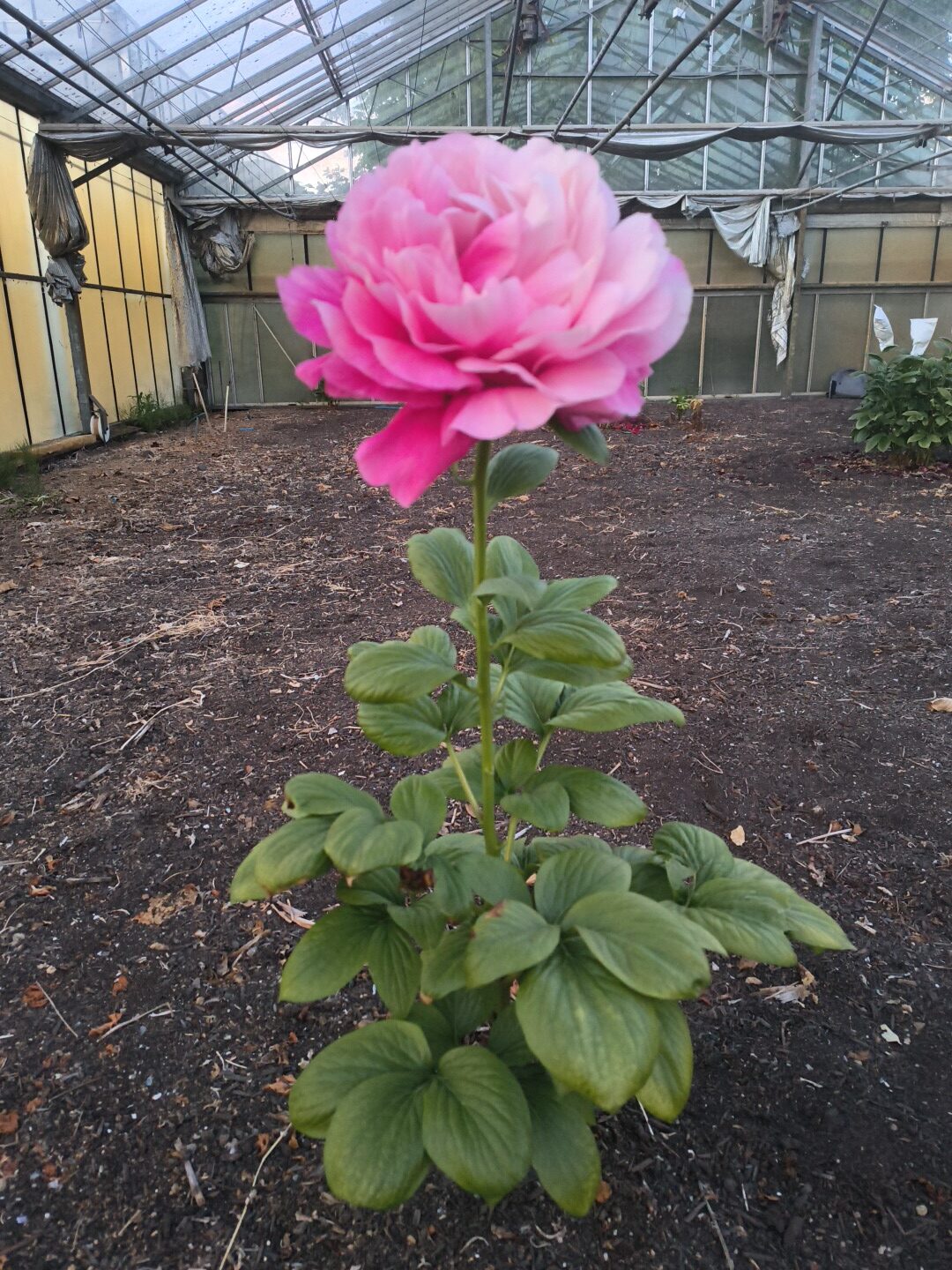
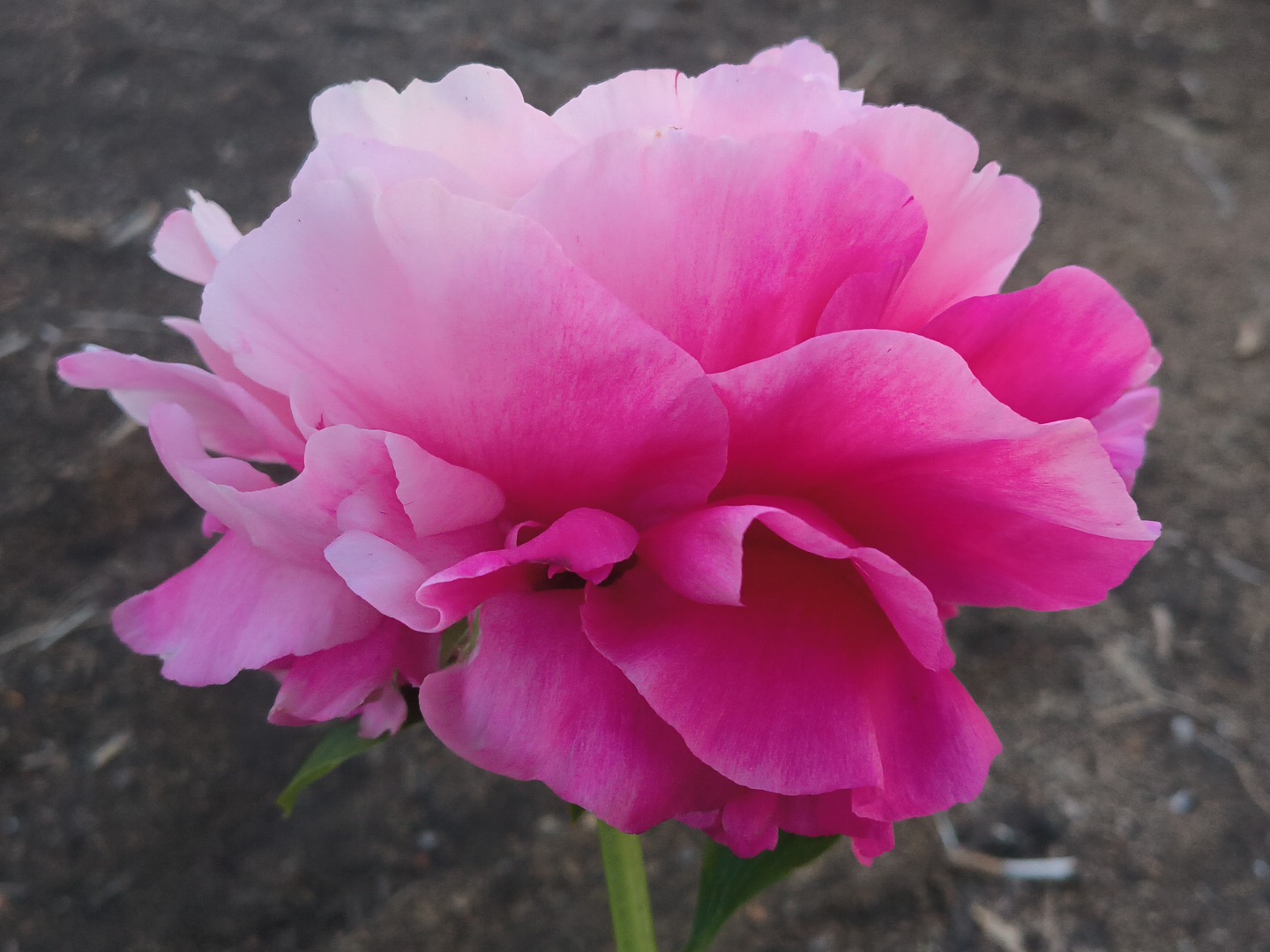
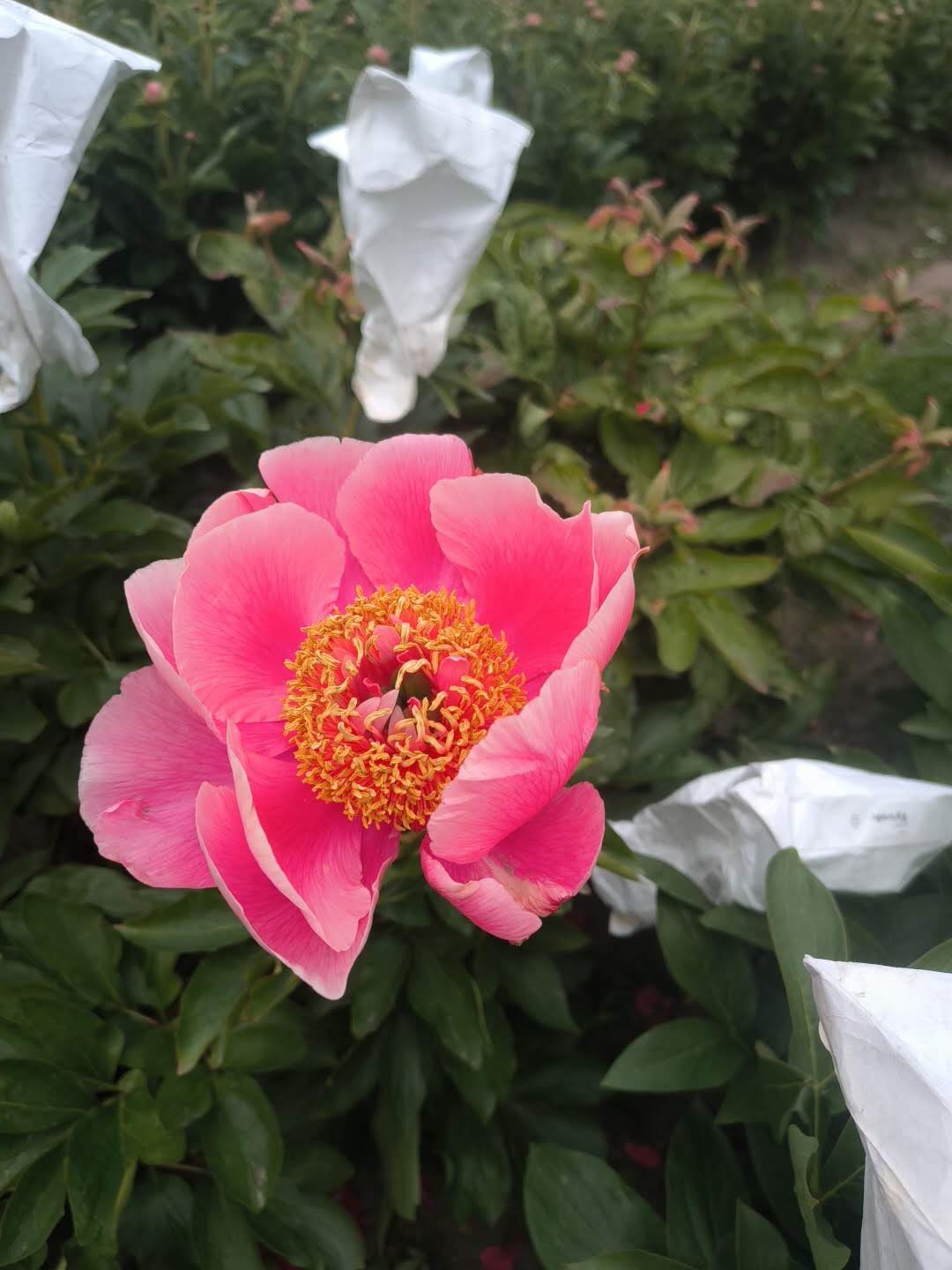
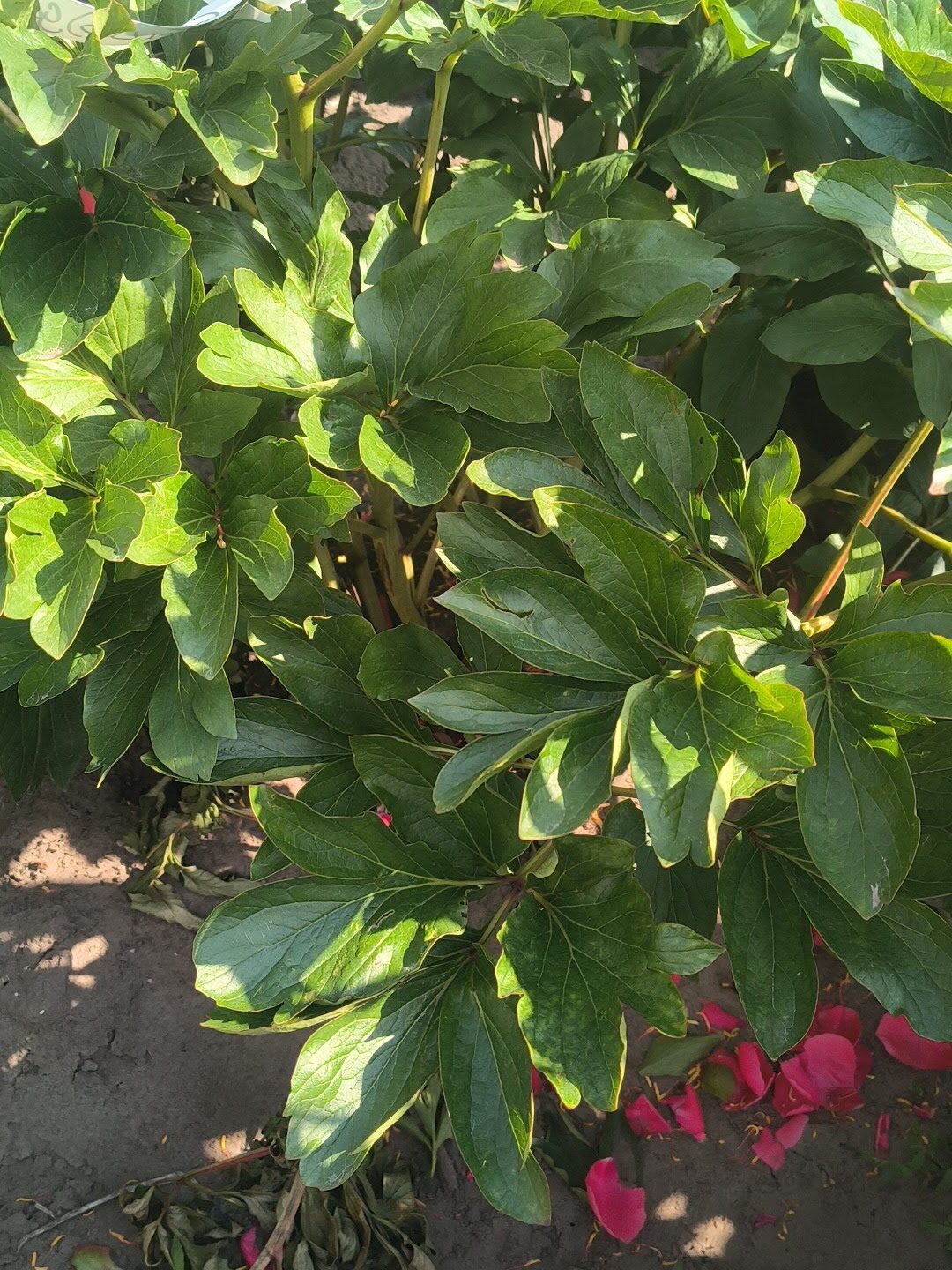
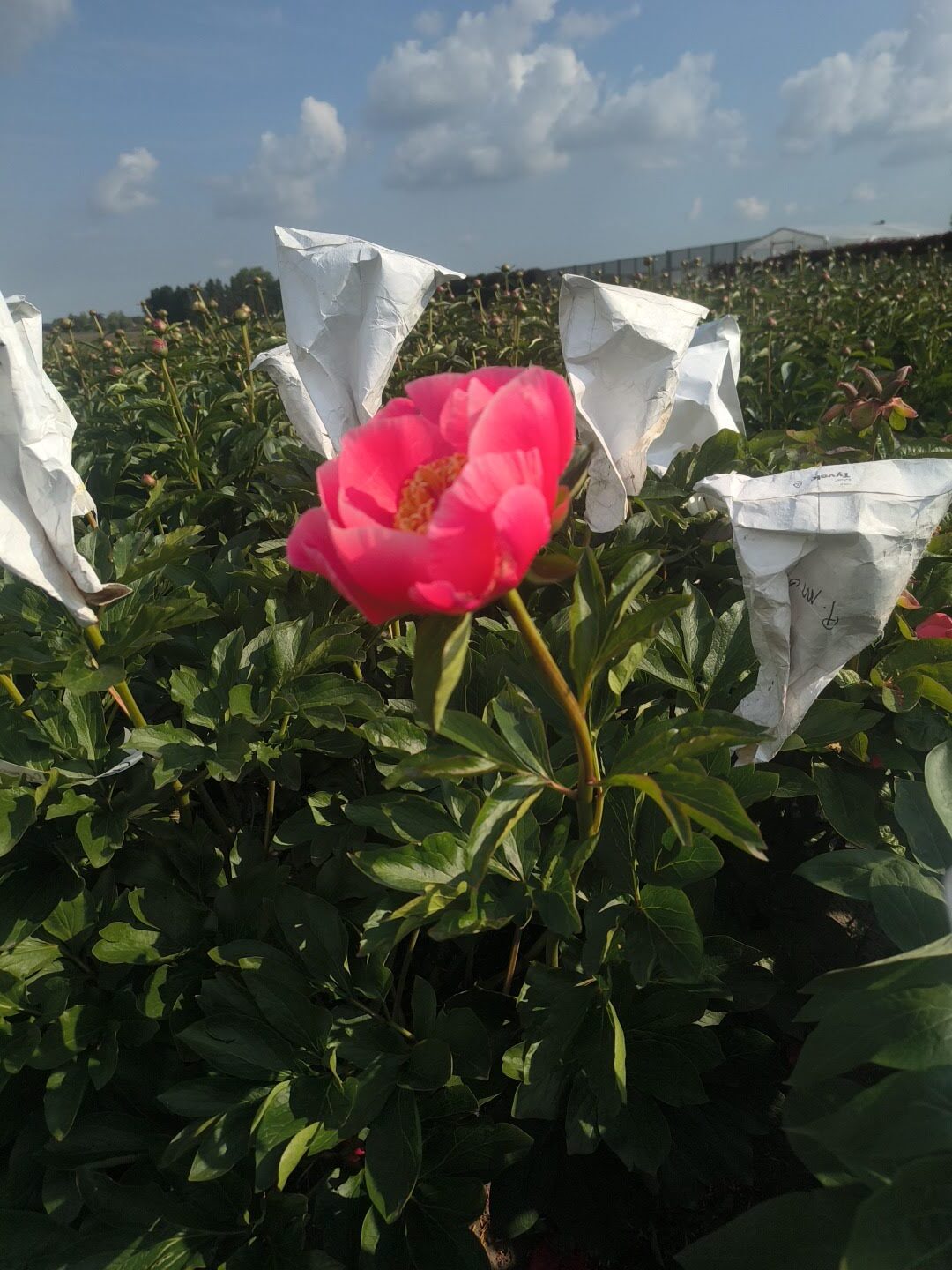
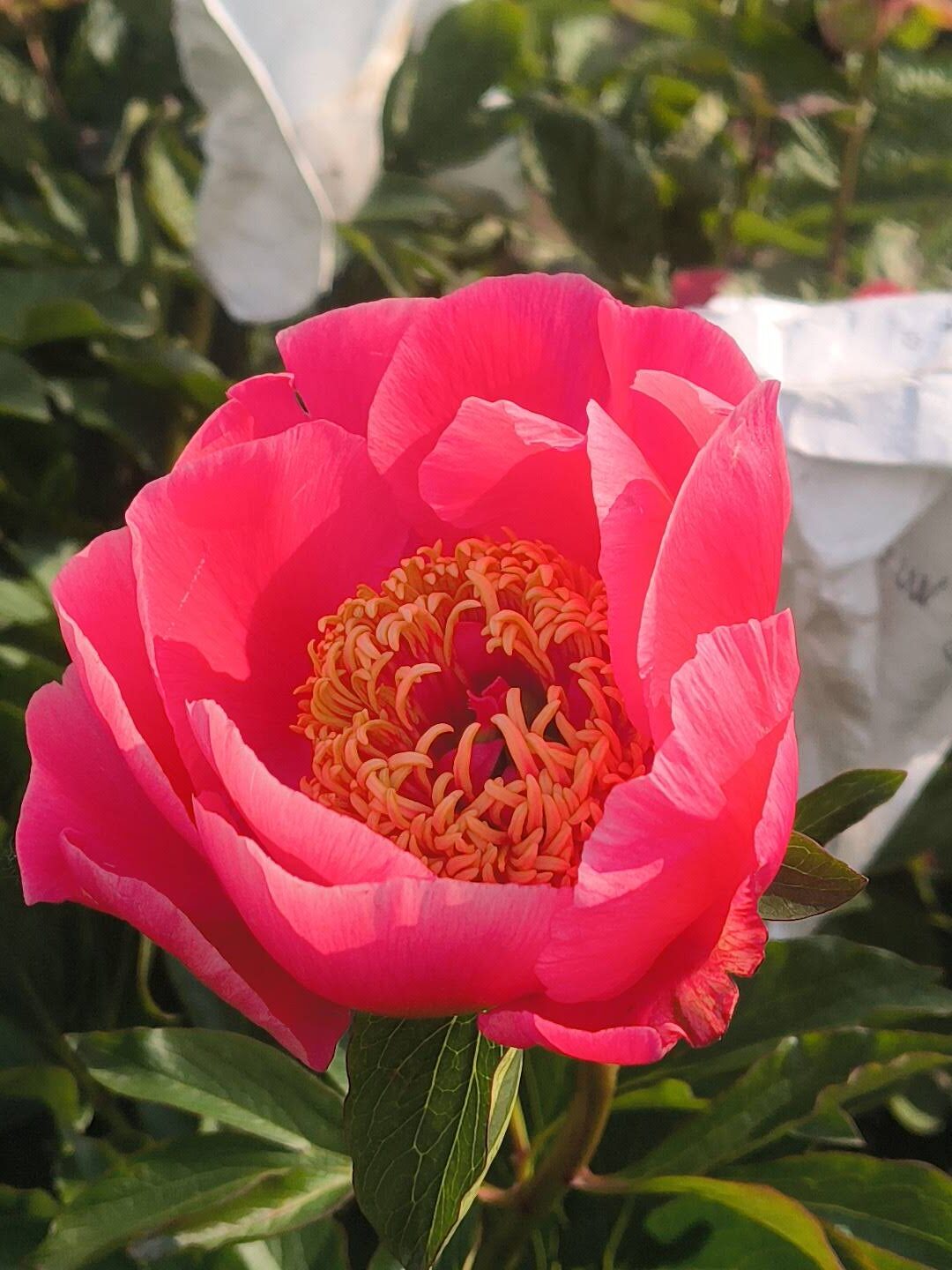
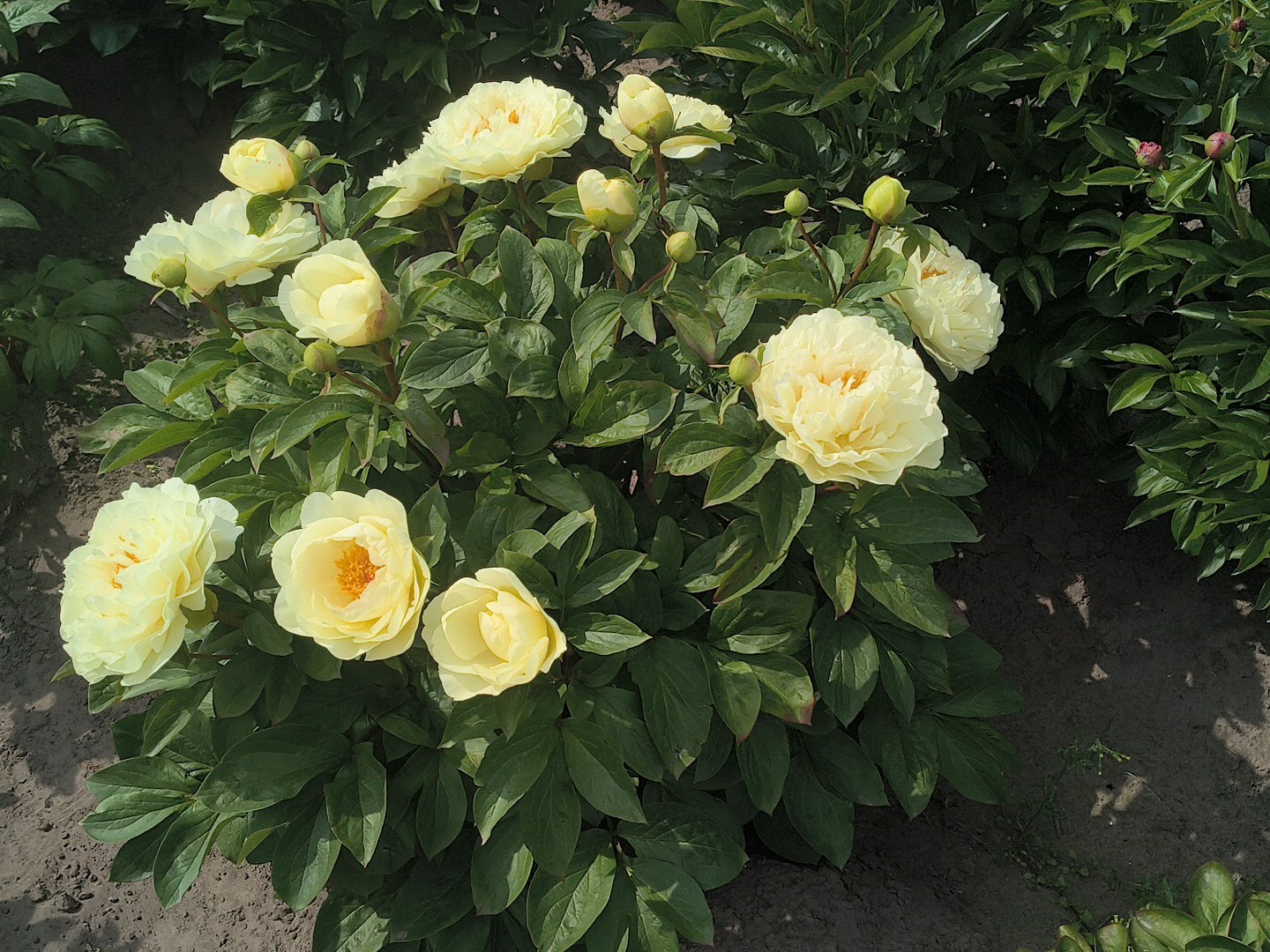
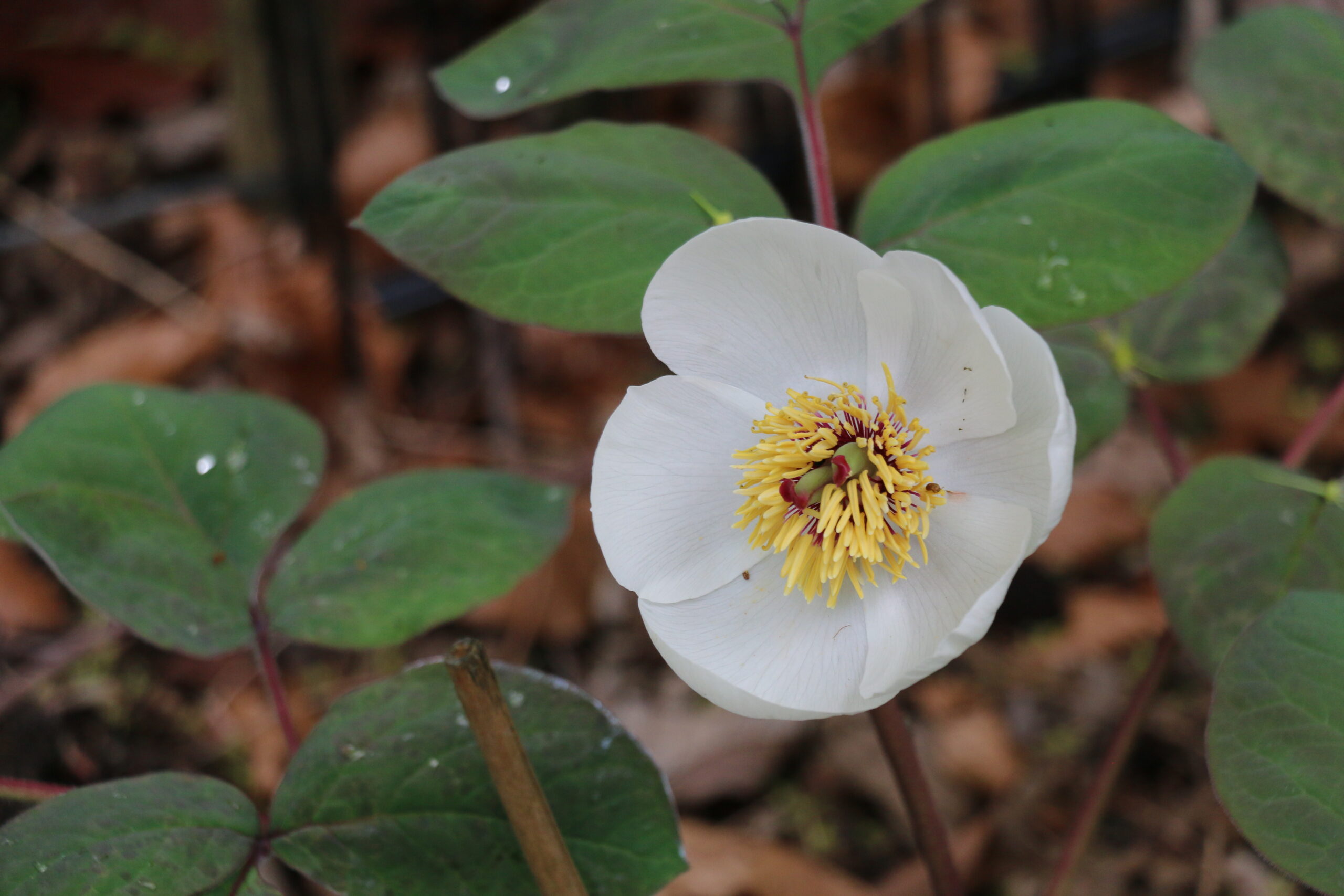
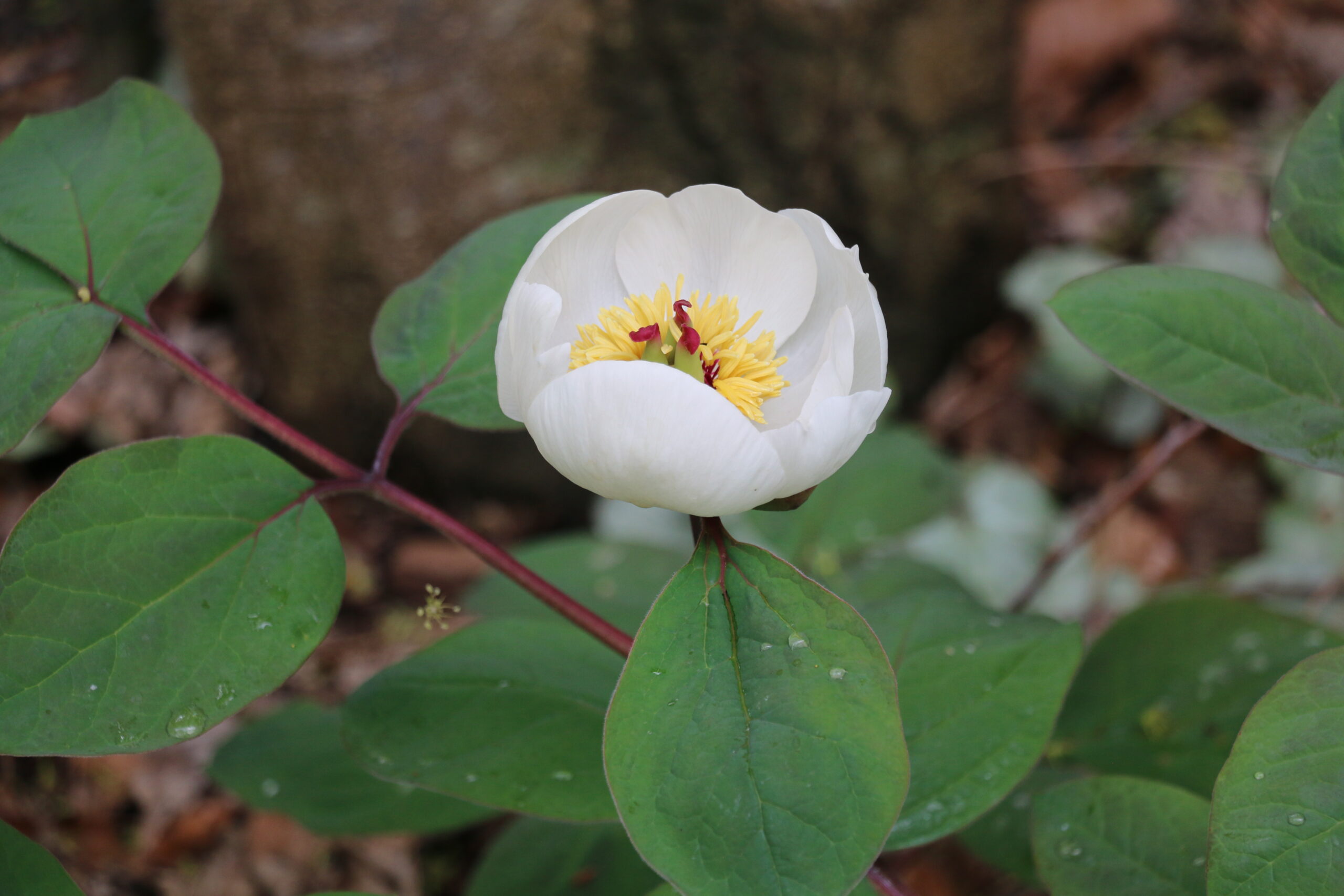
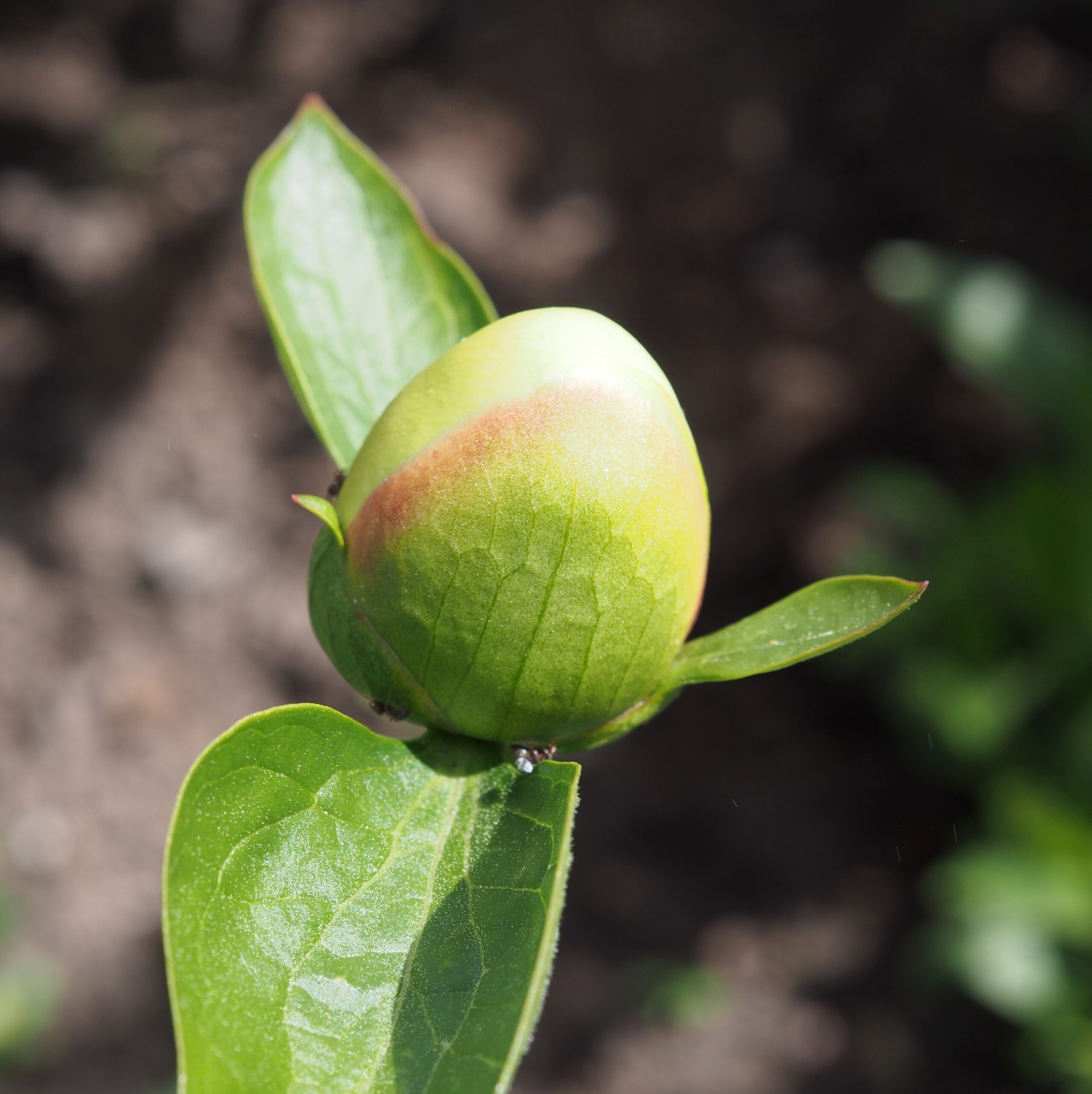

The designation ‘Inner’ Mongolia made me doubt whether there is another Mongolia. Apparently Inner Mongolia is a province in China, whereas Outer Mongolia is referred to as the country Mongolia. Thus the video is from China, not Mongolia.