






From these last series, they've received a long warm period and will now go into cold storage. Here the two…
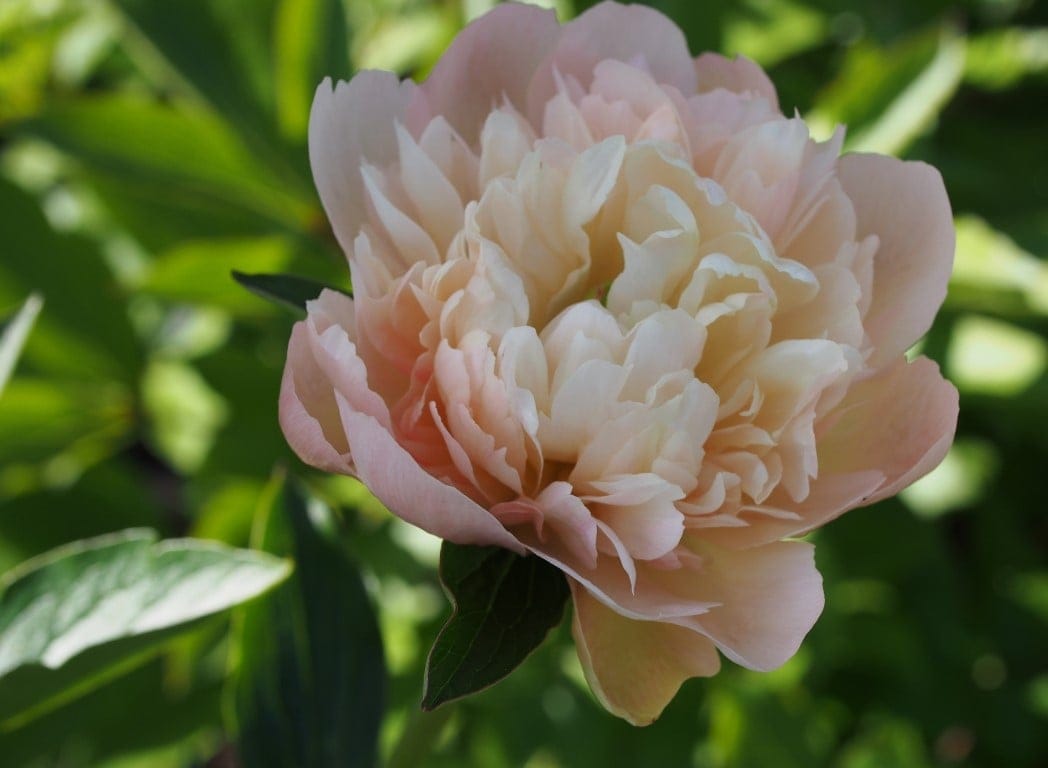
Last year my ‘<a class="wpg-linkify wpg-tooltip" title="&lt;div class=&quot;wpg-tooltip-content&quot;&gt;&lt;p&gt;Parentage Harold Wolfe Lacti seeder x Good Cheer. First bloomed about 1980. Herbaceous hybrid, deep orange pink, color passes to apricot-orange (RHS 24-D). Medium-sized bomb, sweet spicy fragrance, good substance, most reliable. Excellent stem strength, 2&lt;/p&gt; &lt;/div&gt;" href="https://www.peonysociety.org/registered_peonies/lorelei/" >Lorelei</a>’ made a flower much lighter than the original, special neon-orange-reddish pink colour (how to describe the colour of ‘<a class="wpg-linkify wpg-tooltip" title="&lt;div class=&quot;wpg-tooltip-content&quot;&gt;&lt;p&gt;Parentage Harold Wolfe Lacti seeder x Good Cheer. First bloomed about 1980. Herbaceous hybrid, deep orange pink, color passes to apricot-orange (RHS 24-D). Medium-sized bomb, sweet spicy fragrance, good substance, most reliable. Excellent stem strength, 2&lt;/p&gt; &lt;/div&gt;" href="https://www.peonysociety.org/registered_peonies/lorelei/" >Lorelei</a>’ – impossible!) . I will check if this happens again, and then isolate the part of the root.
Has this happened to any of you?![Profile picture of Leena]()
@ruud Mine comes from Ruud; it would be interesting to know the name 🙂 ‘<a class="wpg-linkify wpg-tooltip" title="&lt;div class=&quot;wpg-tooltip-content&quot;&gt;&lt;p&gt;Parentage Harold Wolfe Lacti seeder x Good Cheer. First bloomed about 1980. Herbaceous hybrid, deep orange pink, color passes to apricot-orange (RHS 24-D). Medium-sized bomb, sweet spicy fragrance, good substance, most reliable. Excellent stem strength, 2&lt;/p&gt; &lt;/div&gt;" href="https://www.peonysociety.org/registered_peonies/lorelei/" >Lorelei</a>’ is a slow grower, and seems to wander off, now some stems grow well apart from the main plant.
![Profile picture of Ruud]()
@leena @khurtekant
I do have a selection from my <a class="wpg-linkify wpg-tooltip" title="&lt;div class=&quot;wpg-tooltip-content&quot;&gt;&lt;p&gt;Parentage Harold Wolfe Lacti seeder x Good Cheer. First bloomed about 1980. Herbaceous hybrid, deep orange pink, color passes to apricot-orange (RHS 24-D). Medium-sized bomb, sweet spicy fragrance, good substance, most reliable. Excellent stem strength, 2&lt;/p&gt; &lt;/div&gt;" href="https://www.peonysociety.org/registered_peonies/lorelei/" >Lorelei</a>. Found this mutation in 2011, in the week that my (not-so-little-girl-anymore) was born. Logic and with the heart in my head, I have garden named it after her: <a class="wpg-linkify wpg-tooltip" title="<div class="wpg-tooltip-content"><p style="text-align: justify;">Nikita (Warmerdam, 2021). Herbaceous Hybrid. Originated as an anomaly found in 2011 on a plant of ‘Lorelei’ (Hollingsworth, 1996). The affected portion was separated in 2011 and the mutation has since proven stable through four propagation cycles, as well as in a mature plant growing in a display garden. Midseason bloom period. Medium-sized BOMB flower form, in almost all respects similar to ‘Lorelei’. One flower per stem, opening pale yellow with a peachy-pink hue, more prominently so on the guard petals. The pinkish hue fades as the flower matures, lingering longest on the guard petals. Average of 4 carpels, light green, moderately hairy. Stigmas pink with normal anatomy. No fertility observed. Stamens absent. Staminodal disc obscure. Emerging foliage is burgundy-red, flower buds already visible. Early foliage yellowish-green, edged reddish, veins well-defined, stems burgundy. Foliage matures to dark green with stems paler. Upright growth to 34 inches (85 cm). Named for daughter Nikita who was born a few days after first discovery of this mutation. As she got older it turned out she loved the color combinations in the flowers very much and insisted that it be registered in her name. Obviously, impossible to decline.</p> </div>" href="https://www.peonysociety.org/registered_peonies/nikita/" >Nikita</a>. Ever since I have been monitoring this mutation, to see if remains stabile. And so far it does. I have been propagating it…Read More![Profile picture of Leena]()
Dear Ruud, thanks for your prompt reply. I did write once about this (with photos) on the APS Fb group, addressing Don H, but never received any comments or replies from anyone. I had just one flower (last year) on a stem in the corner of the plant (which seems to have an &amp;amp;amp;amp;amp;lt;a class=&amp;amp;amp;amp;amp;quot;wpg-linkify wpg-tooltip&amp;amp;amp;amp;amp;quot; title=&amp;amp;amp;amp;amp;quot;&amp;amp;amp;amp;amp;amp;lt;div class=&amp;amp;amp;amp;amp;amp;quot;wpg-tooltip-content&amp;amp;amp;amp;amp;amp;quot;&amp;amp;amp;amp;amp;amp;gt;&amp;amp;amp;amp;amp;amp;lt;p&amp;amp;amp;amp;amp;amp;gt;Widely distributed from the Iberian Peninsula to the Balkans via France, Italy and Switzerland.&amp;amp;amp;amp;amp;amp;lt;br /&amp;amp;amp;amp;amp;amp;gt; &amp;amp;amp;amp;amp;amp;lt;a href=&amp;amp;amp;amp;amp;amp;quot;https://www.peonysociety.org/species/herbaceous/paeonia/officinalis/&amp;amp;amp;amp;amp;amp;quot;&amp;amp;amp;amp;amp;amp;gt;More info&amp;amp;amp;amp;amp;amp;lt;/a&amp;amp;amp;amp;amp;amp;gt;&amp;amp;amp;amp;amp;amp;lt;/p&amp;amp;amp;amp;amp;amp;gt; &amp;amp;amp;amp;amp;amp;lt;/div&amp;amp;amp;amp;amp;amp;gt;&amp;amp;amp;amp;amp;quot; href=&amp;amp;amp;amp;amp;quot;https://www.peonysociety.org/registered_peonies/p-officinalis/&amp;amp;amp;amp;amp;quot; &amp;amp;amp;amp;amp;gt;officinalis&amp;amp;amp;amp;amp;lt;/a&amp;amp;amp;amp;amp;gt; tendency to wander around). I will keep a close eye on the…Read More
![Profile picture of Ruud]()
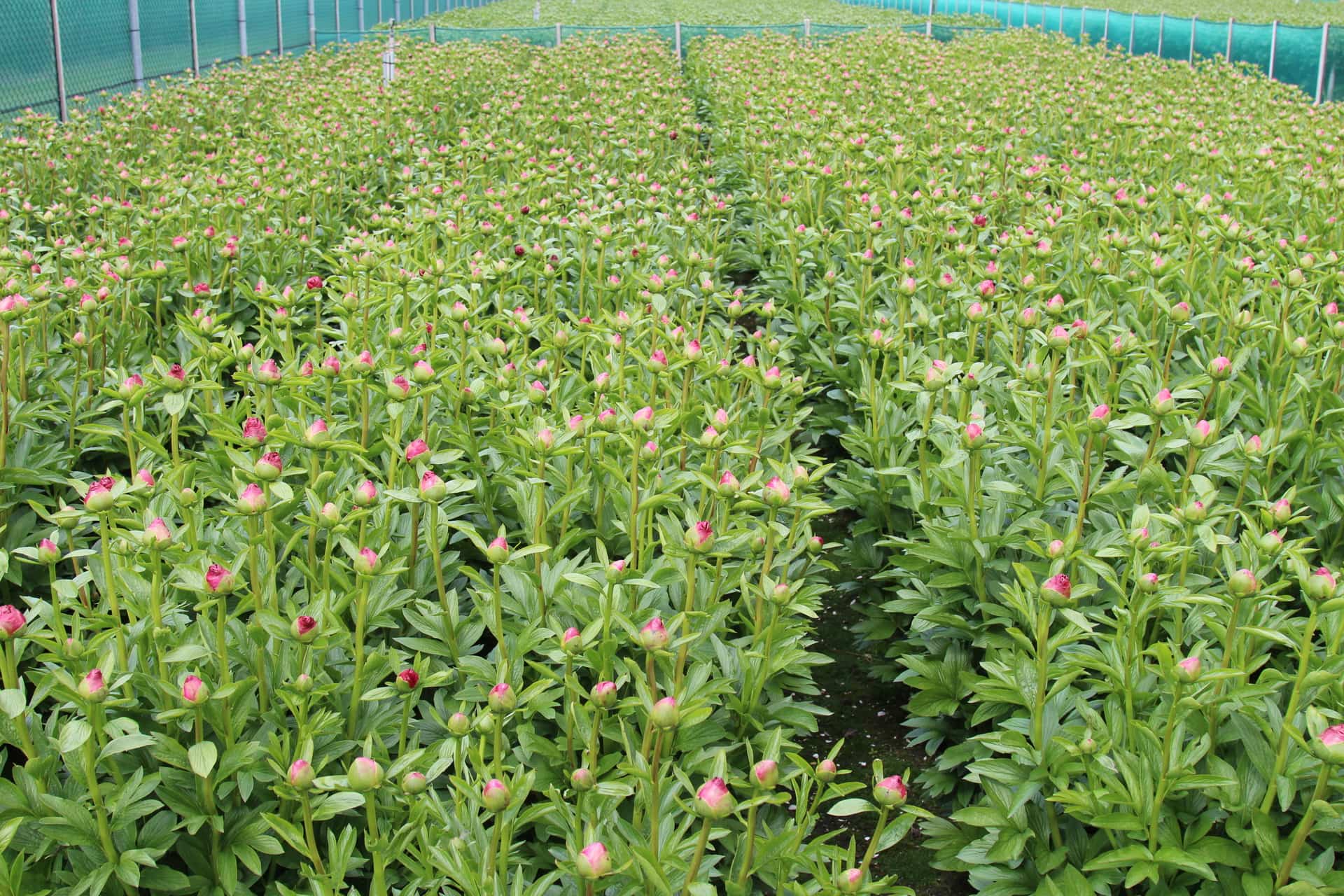
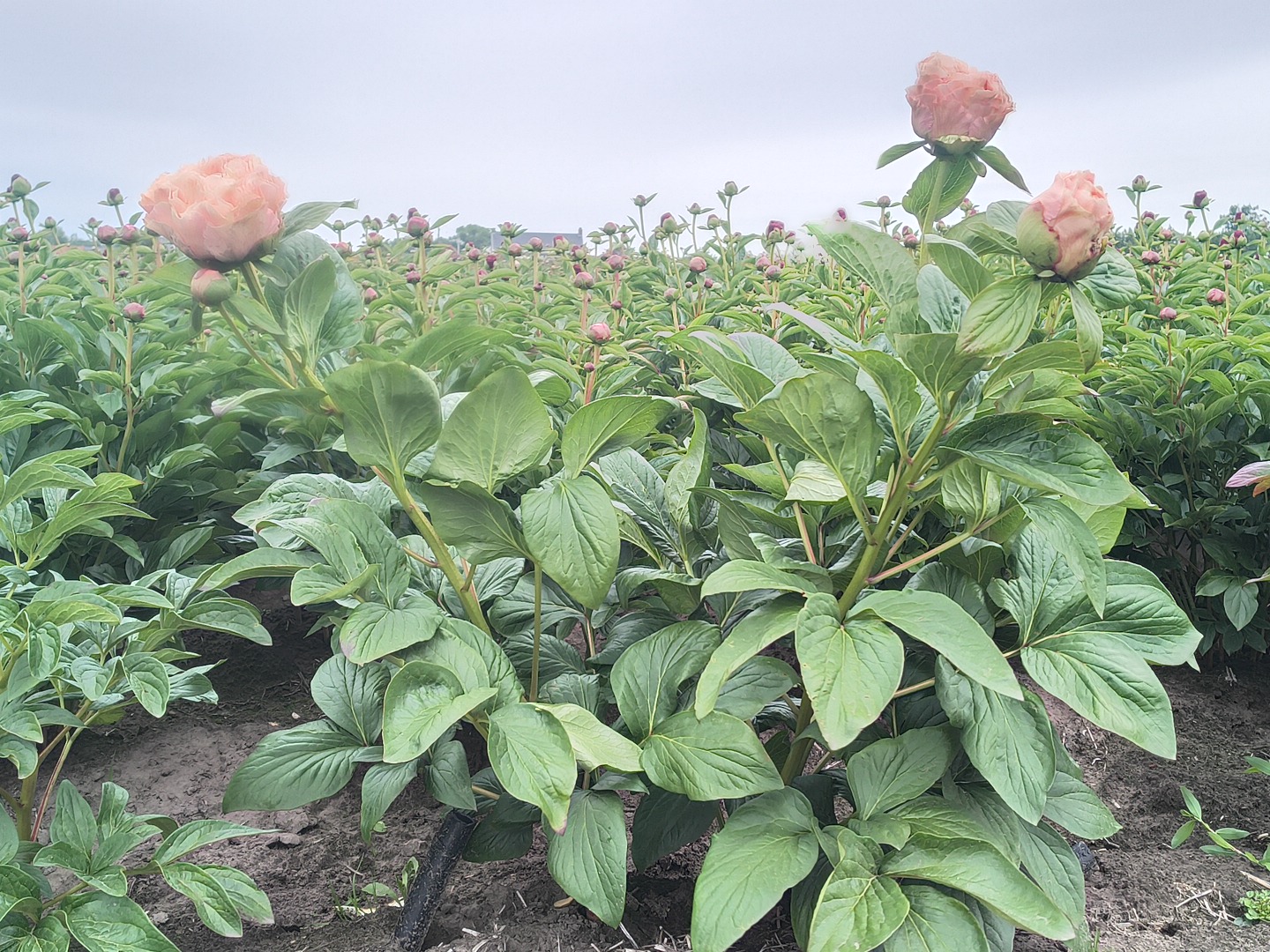
Actually the crawling habit might be more the &amp;amp;amp;lt;a class=&amp;amp;amp;quot;wpg-linkify wpg-tooltip&amp;amp;amp;quot; title=&amp;amp;amp;quot;&amp;amp;amp;amp;lt;div class=&amp;amp;amp;amp;quot;wpg-tooltip-content&amp;amp;amp;amp;quot;&amp;amp;amp;amp;gt;&amp;amp;amp;amp;lt;p&amp;amp;amp;amp;gt;Growing mostly in deciduous broad-leaved forests, pine forests or mixed forests, less frequently in grasses. The species prefers calcarious soils and is found usually at altitudes from 50 to 1,500 m. Albania, Bulgaria, Greece, Italy (Mt San Donato di Ninea), Macedonia, Moldova, Romania, Serbia and Turkey.&amp;amp;amp;amp;lt;/p&amp;amp;amp;amp;gt; &amp;amp;amp;amp;lt;p&amp;amp;amp;amp;gt;The most distinct character of Paeonia peregrina is its always teeth-lobed leaflets or &lt;a class=&quot;wpg-linkify wpg-tooltip&quot; title=&quot;&amp;lt;div class=&amp;quot;wpg-tooltip-content&amp;quot;&amp;gt;&amp;lt;p&amp;gt;a leaf is &amp;#039;segmented&amp;#039; when it consists of pieces of various shapes, which are more or less separated from one another&amp;lt;/p&amp;gt; &amp;lt;/div&amp;gt;&quot; href=&quot;https://www.peonysociety.org/registered_peonies/segments/&quot; &gt;segments&lt;/a&gt;, which distinguish it readily from P. officinalis and P. saueri. The other distinct characters are <a class="wpg-linkify wpg-tooltip" title="&lt;div class=&quot;wpg-tooltip-content&quot;&gt;&lt;p&gt;tuber: a starchy storage organ (such as a potato) formed by swelling of an underground stem or the distal end of a root.&lt;/p&gt; &lt;/div&gt;" href="https://www.peonysociety.org/registered_peonies/tuberous/" >tuberous</a> or &lt;a class=&quot;wpg-linkify wpg-tooltip&quot; title=&quot;&amp;lt;div class=&amp;quot;wpg-tooltip-content&amp;quot;&amp;gt;&amp;lt;p&amp;gt;Spindle-shaped, that is being wide in the middle while narrowing or tapering at both ends.&amp;lt;/p&amp;gt; &amp;lt;/div&amp;gt;&quot; href=&quot;https://www.peonysociety.org/registered_peonies/fusiform/&quot; &gt;fusiform&lt;/a&gt; lateral roots, leaflets or &lt;a class=&quot;wpg-linkify wpg-tooltip&quot; title=&quot;&amp;lt;div class=&amp;quot;wpg-tooltip-content&amp;quot;&amp;gt;&amp;lt;p&amp;gt;a leaf is &amp;#039;segmented&amp;#039; when it consists of pieces of various shapes, which are more or less separated from one another&amp;lt;/p&amp;gt; &amp;lt;/div&amp;gt;&quot; href=&quot;https://www.peonysociety.org/registered_peonies/segments/&quot; &gt;segments&lt;/a&gt; often with &lt;a class=&quot;wpg-linkify wpg-tooltip&quot; title=&quot;&amp;lt;div class=&amp;quot;wpg-tooltip-content&amp;quot;&amp;gt;&amp;lt;p&amp;gt;a stiff or rigid, hair-like process&amp;lt;/p&amp;gt; &amp;lt;/div&amp;gt;&quot; href=&quot;https://www.peonysociety.org/registered_peonies/bristles-2/&quot; &gt;bristles&lt;/a&gt; along veins on the upper surface, and dark-red and cup-shaped corollas.&amp;amp;amp;amp;lt;br /&amp;amp;amp;amp;gt; &amp;amp;amp;amp;lt;a href=&amp;amp;amp;amp;quot;https://www.peonysociety.org/species/herbaceous/paeonia/peregrina/&amp;amp;amp;amp;quot;&amp;amp;amp;amp;gt;More info&amp;amp;amp;amp;lt;/a&amp;amp;amp;amp;gt;&amp;amp;amp;amp;lt;/p&amp;amp;amp;amp;gt; &amp;amp;amp;amp;lt;/div&amp;amp;amp;amp;gt;&amp;amp;amp;quot; href=&amp;amp;amp;quot;https://www.peonysociety.org/registered_peonies/p-peregrina/&amp;amp;amp;quot; &amp;amp;amp;gt;peregrina&amp;amp;amp;lt;/a&amp;amp;amp;gt; pedigree (it is believed that Rubra Plena etc. are of &amp;amp;amp;lt;a class=&amp;amp;amp;quot;wpg-linkify wpg-tooltip&amp;amp;amp;quot; title=&amp;amp;amp;quot;&amp;amp;amp;amp;lt;div class=&amp;amp;amp;amp;quot;wpg-tooltip-content&amp;amp;amp;amp;quot;&amp;amp;amp;amp;gt;&amp;amp;amp;amp;lt;p&amp;amp;amp;amp;gt;Growing mostly in deciduous broad-leaved forests, pine forests or mixed forests, less frequently in grasses. The species prefers calcarious soils and is found usually at altitudes from 50 to 1,500 m. Albania, Bulgaria, Greece, Italy (Mt San Donato di Ninea), Macedonia, Moldova, Romania, Serbia and Turkey.&amp;amp;amp;amp;lt;/p&amp;amp;amp;amp;gt; &amp;amp;amp;amp;lt;p&amp;amp;amp;amp;gt;The most distinct character of Paeonia peregrina is its always teeth-lobed leaflets or &lt;a class=&quot;wpg-linkify wpg-tooltip&quot; title=&quot;&amp;lt;div class=&amp;quot;wpg-tooltip-content&amp;quot;&amp;gt;&amp;lt;p&amp;gt;a leaf is &amp;#039;segmented&amp;#039; when it consists of pieces of various shapes, which are more or less separated from one another&amp;lt;/p&amp;gt; &amp;lt;/div&amp;gt;&quot; href=&quot;https://www.peonysociety.org/registered_peonies/segments/&quot; &gt;segments&lt;/a&gt;, which distinguish it readily from P. officinalis and P. saueri. The other distinct characters are <a class="wpg-linkify wpg-tooltip" title="&lt;div class=&quot;wpg-tooltip-content&quot;&gt;&lt;p&gt;tuber: a starchy storage organ (such as a potato) formed by swelling of an underground stem or the distal end of a root.&lt;/p&gt; &lt;/div&gt;" href="https://www.peonysociety.org/registered_peonies/tuberous/" >tuberous</a> or &lt;a class=&quot;wpg-linkify wpg-tooltip&quot; title=&quot;&amp;lt;div class=&amp;quot;wpg-tooltip-content&amp;quot;&amp;gt;&amp;lt;p&amp;gt;Spindle-shaped, that is being wide in the middle while narrowing or tapering at both ends.&amp;lt;/p&amp;gt; &amp;lt;/div&amp;gt;&quot; href=&quot;https://www.peonysociety.org/registered_peonies/fusiform/&quot; &gt;fusiform&lt;/a&gt; lateral roots, leaflets or &lt;a class=&quot;wpg-linkify wpg-tooltip&quot; title=&quot;&amp;lt;div class=&amp;quot;wpg-tooltip-content&amp;quot;&amp;gt;&amp;lt;p&amp;gt;a leaf is &amp;#039;segmented&amp;#039; when it consists of pieces of various shapes, which are more or less separated from one another&amp;lt;/p&amp;gt; &amp;lt;/div&amp;gt;&quot; href=&quot;https://www.peonysociety.org/registered_peonies/segments/&quot; &gt;segments&lt;/a&gt; often with &lt;a class=&quot;wpg-linkify wpg-tooltip&quot; title=&quot;&amp;lt;div class=&amp;quot;wpg-tooltip-content&amp;quot;&amp;gt;&amp;lt;p&amp;gt;a stiff or rigid, hair-like process&amp;lt;/p&amp;gt; &amp;lt;/div&amp;gt;&quot; href=&quot;https://www.peonysociety.org/registered_peonies/bristles-2/&quot; &gt;bristles&lt;/a&gt; along veins on the upper surface, and dark-red and cup-shaped corollas.&amp;amp;amp;amp;lt;br /&amp;amp;amp;amp;gt; &amp;amp;amp;amp;lt;a href=&amp;amp;amp;amp;quot;https://www.peonysociety.org/species/herbaceous/paeonia/peregrina/&amp;amp;amp;amp;quot;&amp;amp;amp;amp;gt;More info&amp;amp;amp;amp;lt;/a&amp;amp;amp;amp;gt;&amp;amp;amp;amp;lt;/p&amp;amp;amp;amp;gt; &amp;amp;amp;amp;lt;/div&amp;amp;amp;amp;gt;&amp;amp;amp;quot; href=&amp;amp;amp;quot;https://www.peonysociety.org/registered_peonies/p-peregrina/&amp;amp;amp;quot; &amp;amp;amp;gt;peregrina&amp;amp;amp;lt;/a&amp;amp;amp;gt; pedigree also). For me <a class="wpg-linkify wpg-tooltip" title="&lt;div class=&quot;wpg-tooltip-content&quot;&gt;&lt;p&gt;Parentage Harold Wolfe Lacti seeder x Good Cheer. First bloomed about 1980. Herbaceous hybrid, deep orange pink, color passes to apricot-orange (RHS 24-D). Medium-sized bomb, sweet spicy fragrance, good substance, most reliable. Excellent stem strength, 2&lt;/p&gt; &lt;/div&gt;" href="https://www.peonysociety.org/registered_peonies/lorelei/" >Lorelei</a> is a wonderful grower. True, the first two years it can be slow compared to others. But then… It just takes off! I am picking 15-20 stems per plant from my cut flower block (picture) every year.
I…Read More![]()
![Profile picture of Leena]()
My Rubra Plena is all over the place and &amp;amp;amp;lt;a class=&amp;amp;amp;quot;wpg-linkify wpg-tooltip&amp;amp;amp;quot; title=&amp;amp;amp;quot;&amp;amp;amp;amp;lt;div class=&amp;amp;amp;amp;quot;wpg-tooltip-content&amp;amp;amp;amp;quot;&amp;amp;amp;amp;gt;&amp;amp;amp;amp;lt;p&amp;amp;amp;amp;gt;Growing mostly in deciduous broad-leaved forests, pine forests or mixed forests, less frequently in grasses. The species prefers calcarious soils and is found usually at altitudes from 50 to 1,500 m. Albania, Bulgaria, Greece, Italy (Mt San Donato di Ninea), Macedonia, Moldova, Romania, Serbia and Turkey.&amp;amp;amp;amp;lt;/p&amp;amp;amp;amp;gt; &amp;amp;amp;amp;lt;p&amp;amp;amp;amp;gt;The most distinct character of Paeonia peregrina is its always teeth-lobed leaflets or &lt;a class=&quot;wpg-linkify wpg-tooltip&quot; title=&quot;&amp;lt;div class=&amp;quot;wpg-tooltip-content&amp;quot;&amp;gt;&amp;lt;p&amp;gt;a leaf is &amp;#039;segmented&amp;#039; when it consists of pieces of various shapes, which are more or less separated from one another&amp;lt;/p&amp;gt; &amp;lt;/div&amp;gt;&quot; href=&quot;https://www.peonysociety.org/registered_peonies/segments/&quot; &gt;segments&lt;/a&gt;, which distinguish it readily from P. officinalis and P. saueri. The other distinct characters are <a class="wpg-linkify wpg-tooltip" title="&lt;div class=&quot;wpg-tooltip-content&quot;&gt;&lt;p&gt;tuber: a starchy storage organ (such as a potato) formed by swelling of an underground stem or the distal end of a root.&lt;/p&gt; &lt;/div&gt;" href="https://www.peonysociety.org/registered_peonies/tuberous/" >tuberous</a> or &lt;a class=&quot;wpg-linkify wpg-tooltip&quot; title=&quot;&amp;lt;div class=&amp;quot;wpg-tooltip-content&amp;quot;&amp;gt;&amp;lt;p&amp;gt;Spindle-shaped, that is being wide in the middle while narrowing or tapering at both ends.&amp;lt;/p&amp;gt; &amp;lt;/div&amp;gt;&quot; href=&quot;https://www.peonysociety.org/registered_peonies/fusiform/&quot; &gt;fusiform&lt;/a&gt; lateral roots, leaflets or &lt;a class=&quot;wpg-linkify wpg-tooltip&quot; title=&quot;&amp;lt;div class=&amp;quot;wpg-tooltip-content&amp;quot;&amp;gt;&amp;lt;p&amp;gt;a leaf is &amp;#039;segmented&amp;#039; when it consists of pieces of various shapes, which are more or less separated from one another&amp;lt;/p&amp;gt; &amp;lt;/div&amp;gt;&quot; href=&quot;https://www.peonysociety.org/registered_peonies/segments/&quot; &gt;segments&lt;/a&gt; often with &lt;a class=&quot;wpg-linkify wpg-tooltip&quot; title=&quot;&amp;lt;div class=&amp;quot;wpg-tooltip-content&amp;quot;&amp;gt;&amp;lt;p&amp;gt;a stiff or rigid, hair-like process&amp;lt;/p&amp;gt; &amp;lt;/div&amp;gt;&quot; href=&quot;https://www.peonysociety.org/registered_peonies/bristles-2/&quot; &gt;bristles&lt;/a&gt; along veins on the upper surface, and dark-red and cup-shaped corollas.&amp;amp;amp;amp;lt;br /&amp;amp;amp;amp;gt; &amp;amp;amp;amp;lt;a href=&amp;amp;amp;amp;quot;https://www.peonysociety.org/species/herbaceous/paeonia/peregrina/&amp;amp;amp;amp;quot;&amp;amp;amp;amp;gt;More info&amp;amp;amp;amp;lt;/a&amp;amp;amp;amp;gt;&amp;amp;amp;amp;lt;/p&amp;amp;amp;amp;gt; &amp;amp;amp;amp;lt;/div&amp;amp;amp;amp;gt;&amp;amp;amp;quot; href=&amp;amp;amp;quot;https://www.peonysociety.org/registered_peonies/p-peregrina/&amp;amp;amp;quot; &amp;amp;amp;gt;peregrina&amp;amp;amp;lt;/a&amp;amp;amp;gt; stays put. Hm….How wonderful it would be if this blonde version of ‘<a class="wpg-linkify wpg-tooltip" title="&lt;div class=&quot;wpg-tooltip-content&quot;&gt;&lt;p&gt;Parentage Harold Wolfe Lacti seeder x Good Cheer. First bloomed about 1980. Herbaceous hybrid, deep orange pink, color passes to apricot-orange (RHS 24-D). Medium-sized bomb, sweet spicy fragrance, good substance, most reliable. Excellent stem strength, 2&lt;/p&gt; &lt;/div&gt;" href="https://www.peonysociety.org/registered_peonies/lorelei/" >Lorelei</a>’ was a ‘<a class="wpg-linkify wpg-tooltip" title="<div class="wpg-tooltip-content"><p style="text-align: justify;">Nikita (Warmerdam, 2021). Herbaceous Hybrid. Originated as an anomaly found in 2011 on a plant of ‘Lorelei’ (Hollingsworth, 1996). The affected portion was separated in 2011 and the mutation has since proven stable through four propagation cycles, as well as in a mature plant growing in a display garden. Midseason bloom period. Medium-sized BOMB flower form, in almost all respects similar to ‘Lorelei’. One flower per stem, opening pale yellow with a peachy-pink hue, more prominently so on the guard petals. The pinkish hue fades as the flower matures, lingering longest on the guard petals. Average of 4 carpels, light green, moderately hairy. Stigmas pink with normal anatomy. No fertility observed. Stamens absent. Staminodal disc obscure. Emerging foliage is burgundy-red, flower buds already visible. Early foliage yellowish-green, edged reddish, veins well-defined, stems burgundy. Foliage matures to dark green with stems paler. Upright growth to 34 inches (85 cm). Named for daughter Nikita who was born a few days after first discovery of this mutation. As she got older it turned out she loved the color combinations in the flowers very much and insisted that it be registered in her name. Obviously, impossible to decline.</p> </div>" href="https://www.peonysociety.org/registered_peonies/nikita/" >Nikita</a>’ – you know I have it on my wish list since you showed me the photo for some years ago, but I never thought it would be a <a class="wpg-linkify wpg-tooltip" title="&lt;div class=&quot;wpg-tooltip-content&quot;&gt;&lt;p&gt;Parentage Harold Wolfe Lacti seeder x Good Cheer. First bloomed about 1980. Herbaceous hybrid, deep orange pink, color passes to apricot-orange (RHS 24-D). Medium-sized bomb, sweet spicy fragrance, good substance, most reliable. Excellent stem strength, 2&lt;/p&gt; &lt;/div&gt;" href="https://www.peonysociety.org/registered_peonies/lorelei/" >Lorelei</a> mutation. I will certainly keep you posted, and hugs to the Real N.
![Profile picture of Leena]()
@ruud – found a very bad photo of the plant from last year with both flower colours.
![]()
![Profile picture of Ruud]()
Very odd, to me. No double appearances in my <a class="wpg-linkify wpg-tooltip" title="&lt;div class=&quot;wpg-tooltip-content&quot;&gt;&lt;p&gt;Parentage Harold Wolfe Lacti seeder x Good Cheer. First bloomed about 1980. Herbaceous hybrid, deep orange pink, color passes to apricot-orange (RHS 24-D). Medium-sized bomb, sweet spicy fragrance, good substance, most reliable. Excellent stem strength, 2&lt;/p&gt; &lt;/div&gt;" href="https://www.peonysociety.org/registered_peonies/lorelei/" >Lorelei</a>’s nor in my “<a class="wpg-linkify wpg-tooltip" title="<div class="wpg-tooltip-content"><p style="text-align: justify;">Nikita (Warmerdam, 2021). Herbaceous Hybrid. Originated as an anomaly found in 2011 on a plant of ‘Lorelei’ (Hollingsworth, 1996). The affected portion was separated in 2011 and the mutation has since proven stable through four propagation cycles, as well as in a mature plant growing in a display garden. Midseason bloom period. Medium-sized BOMB flower form, in almost all respects similar to ‘Lorelei’. One flower per stem, opening pale yellow with a peachy-pink hue, more prominently so on the guard petals. The pinkish hue fades as the flower matures, lingering longest on the guard petals. Average of 4 carpels, light green, moderately hairy. Stigmas pink with normal anatomy. No fertility observed. Stamens absent. Staminodal disc obscure. Emerging foliage is burgundy-red, flower buds already visible. Early foliage yellowish-green, edged reddish, veins well-defined, stems burgundy. Foliage matures to dark green with stems paler. Upright growth to 34 inches (85 cm). Named for daughter Nikita who was born a few days after first discovery of this mutation. As she got older it turned out she loved the color combinations in the flowers very much and insisted that it be registered in her name. Obviously, impossible to decline.</p> </div>" href="https://www.peonysociety.org/registered_peonies/nikita/" >Nikita</a>’s”. My selection is 100% similar to <a class="wpg-linkify wpg-tooltip" title="&lt;div class=&quot;wpg-tooltip-content&quot;&gt;&lt;p&gt;Parentage Harold Wolfe Lacti seeder x Good Cheer. First bloomed about 1980. Herbaceous hybrid, deep orange pink, color passes to apricot-orange (RHS 24-D). Medium-sized bomb, sweet spicy fragrance, good substance, most reliable. Excellent stem strength, 2&lt;/p&gt; &lt;/div&gt;" href="https://www.peonysociety.org/registered_peonies/lorelei/" >Lorelei</a>, in every aspect. And my <a class="wpg-linkify wpg-tooltip" title="<div class="wpg-tooltip-content"><p style="text-align: justify;">Nikita (Warmerdam, 2021). Herbaceous Hybrid. Originated as an anomaly found in 2011 on a plant of ‘Lorelei’ (Hollingsworth, 1996). The affected portion was separated in 2011 and the mutation has since proven stable through four propagation cycles, as well as in a mature plant growing in a display garden. Midseason bloom period. Medium-sized BOMB flower form, in almost all respects similar to ‘Lorelei’. One flower per stem, opening pale yellow with a peachy-pink hue, more prominently so on the guard petals. The pinkish hue fades as the flower matures, lingering longest on the guard petals. Average of 4 carpels, light green, moderately hairy. Stigmas pink with normal anatomy. No fertility observed. Stamens absent. Staminodal disc obscure. Emerging foliage is burgundy-red, flower buds already visible. Early foliage yellowish-green, edged reddish, veins well-defined, stems burgundy. Foliage matures to dark green with stems paler. Upright growth to 34 inches (85 cm). Named for daughter Nikita who was born a few days after first discovery of this mutation. As she got older it turned out she loved the color combinations in the flowers very much and insisted that it be registered in her name. Obviously, impossible to decline.</p> </div>" href="https://www.peonysociety.org/registered_peonies/nikita/" >Nikita</a> with long hair enjoyed your hug very much!
![Profile picture of Leena]()
We’ll see what happens this year! I will keep you posted. The “blonde” flower appeared for the first time last year, it might have been due to the two dry seasons.
&amp;amp;amp;amp;amp;amp;lt;a class=&amp;amp;amp;amp;amp;amp;quot;wpg-linkify wpg-tooltip&amp;amp;amp;amp;amp;amp;quot; title=&amp;amp;amp;amp;amp;amp;quot;&amp;amp;amp;amp;amp;amp;amp;lt;div class=&amp;amp;amp;amp;amp;amp;amp;quot;wpg-tooltip-content&amp;amp;amp;amp;amp;amp;amp;quot;&amp;amp;amp;amp;amp;amp;amp;gt;&amp;amp;amp;amp;amp;amp;amp;lt;p&amp;amp;amp;amp;amp;amp;amp;gt;Description from Solaris Farms: Helene Martin. Cayeux. 1986. F1 lutea hybrid. Beautiful soft cream single blossoms with undertones of softest pink. Small, delicate red-pink basal flares. Most of the very large blossoms have a double row of large broad petals. Cream sheath and <a class="wpg-linkify wpg-tooltip" title="&lt;div class=&quot;wpg-tooltip-content&quot;&gt;&lt;p&gt;<a class="wpg-linkify wpg-tooltip" title="<div class="wpg-tooltip-content"><p>The pollen-receptive surface of a carpel, usually sticky. It sits above the ovary on the style.</p> </div>" href="https://www.peonysociety.org/registered_peonies/stigma/" >Stigma</a>: the pollen-receptive surface of a carpel or group of fused carpels, usually sticky.&lt;/p&gt; &lt;p&gt;&lt;/p&gt; &lt;/div&gt;" href="https://www.peonysociety.org/registered_peonies/stigmas/" >stigmas</a>. Reddish-pink <a class="wpg-linkify wpg-tooltip" title="&lt;div class=&quot;wpg-tooltip-content&quot;&gt;&lt;p&gt;stamen: one of the male organs of a flower, consisting typically of a stalk (filament) and a pollen-bearing portion (anther)&lt;/p&gt; &lt;/div&gt;" href="https://www.peonysociety.org/registered_peonies/stamens/" >stamens</a>. A gorgeous flower that is carried on plants that have finely cut leaves. Foliage and stems are tinted in red to varying degrees. Robust grower that produces many stems. Easy to grow. Reportedly has fertility, we&amp;amp;amp;amp;amp;amp;amp;#039;ve not experienced this to date. F1 lutea hybrid. (potanini trolloides x Gessekai)&amp;amp;amp;amp;amp;amp;amp;lt;/p&amp;amp;amp;amp;amp;amp;amp;gt; &amp;amp;amp;amp;amp;amp;amp;lt;/div&amp;amp;amp;amp;amp;amp;amp;gt;&amp;amp;amp;amp;amp;amp;quot; href=&amp;amp;amp;amp;amp;amp;quot;https://www.peonysociety.org/registered_peonies/helene-martin/&amp;amp;amp;amp;amp;amp;quot; &amp;amp;amp;amp;amp;amp;gt;Hélène Martin&amp;amp;amp;amp;amp;amp;lt;/a&amp;amp;amp;amp;amp;amp;gt;. Actually a ‘Lutea-hybrid’ and it shows in the hanging flowers unfortunately. Otherwise a pretty, large, floriferous and healthy plant.
![]()
Some seedlings flowering for the first time here. Nothing much can be said about them yet, but at least they have a nice flower.
![]()
PVBM003, &amp;amp;amp;amp;lt;a class=&amp;amp;amp;amp;quot;wpg-linkify wpg-tooltip&amp;amp;amp;amp;quot; title=&amp;amp;amp;amp;quot;&amp;amp;amp;amp;amp;lt;div class=&amp;amp;amp;amp;amp;quot;wpg-tooltip-content&amp;amp;amp;amp;amp;quot;&amp;amp;amp;amp;amp;gt;&amp;amp;amp;amp;amp;lt;p&amp;amp;amp;amp;amp;gt;Herbaceous Hybrids Group. Pod parent: Saunders 16350 F2 (a triple hybrid). Pollen parent unknown. Seidl seedling number H-17. Early-Early Midseason, light milky pink, cupped Semi-double flower on a strong growing plant. Long, broad guard petals surround several rows of smaller inner petals having excellent substance, and <a class="wpg-linkify wpg-tooltip" title="&lt;div class=&quot;wpg-tooltip-content&quot;&gt;&lt;p&gt;stamen: one of the male organs of a flower, consisting typically of a stalk (filament) and a pollen-bearing portion (anther)&lt;/p&gt; &lt;/div&gt;" href="https://www.peonysociety.org/registered_peonies/stamens/" >stamens</a>. Flower resists late freeze damage. Medium tall (40 inches) and erect, the plant is clothed in large blue-green leaflets. Side buds extend flowering. Seeds and pollen, parent of wanted forms. Hollingsworth accession number 1827.&amp;amp;amp;amp;amp;lt;/p&amp;amp;amp;amp;amp;gt; &amp;amp;amp;amp;amp;lt;/div&amp;amp;amp;amp;amp;gt;&amp;amp;amp;amp;quot; href=&amp;amp;amp;amp;quot;https://www.peonysociety.org/registered_peonies/pink-vanguard/&amp;amp;amp;amp;quot; &amp;amp;amp;amp;gt;Pink Vanguard&amp;amp;amp;amp;lt;/a&amp;amp;amp;amp;gt; X &amp;amp;amp;lt;a class=&amp;amp;amp;quot;wpg-linkify wpg-tooltip&amp;amp;amp;quot; title=&amp;amp;amp;quot;&amp;amp;amp;amp;lt;div class=&amp;amp;amp;amp;quot;wpg-tooltip-content&amp;amp;amp;amp;quot;&amp;amp;amp;amp;gt;&amp;amp;amp;amp;lt;p&amp;amp;amp;amp;gt;Seedling F-83. Pod parent: &amp;amp;amp;amp;#039;&amp;amp;lt;a class=&amp;amp;quot;wpg-linkify wpg-tooltip&amp;amp;quot; title=&amp;amp;quot;&amp;amp;amp;lt;div class=&amp;amp;amp;quot;wpg-tooltip-content&amp;amp;amp;quot;&amp;amp;amp;gt;&amp;amp;amp;lt;p&amp;amp;amp;gt;Single. Hybrid. Large, well-<a class="wpg-linkify wpg-tooltip" title="&lt;div class=&quot;wpg-tooltip-content&quot;&gt;&lt;p&gt;Leaf tip or base circular, no distinct point.&lt;br /&gt; &lt;a href=&quot;https://www.peonysociety.org/wp-content/uploads/2019/07/Leaf_morphology_apex_rounded.png&quot;&gt;&lt;img class=&quot;size-full wp-image-25365 alignleft&quot; src=&quot;https://www.peonysociety.org/wp-content/uploads/2019/07/Leaf_morphology_apex_rounded.png&quot; alt=&quot;&quot; width=&quot;159&quot; height=&quot;159&quot; /&gt;&lt;/a&gt;&lt;/p&gt; &lt;/div&gt;" href="https://www.peonysociety.org/registered_peonies/rounded/" >rounded</a> bright-red cup holds yellow &amp;lt;a class=&amp;quot;wpg-linkify wpg-tooltip&amp;quot; title=&amp;quot;&amp;amp;lt;div class=&amp;amp;quot;wpg-tooltip-content&amp;amp;quot;&amp;amp;gt;&amp;amp;lt;p&amp;amp;gt;filament: the stalk of a stamen&amp;amp;lt;/p&amp;amp;gt; &amp;amp;lt;/div&amp;amp;gt;&amp;quot; href=&amp;quot;https://www.peonysociety.org/registered_peonies/filaments/&amp;quot; &amp;gt;filaments&amp;lt;/a&amp;gt; and white-green <a class="wpg-linkify wpg-tooltip" title="&lt;div class=&quot;wpg-tooltip-content&quot;&gt;&lt;p&gt;carpel: an organ at the centre of a flower, bearing one or more ovules and having its margins fused together or with other carpels to enclose the <a class="wpg-linkify wpg-tooltip" title="<div class="wpg-tooltip-content"><p>a part inside the ovary (= organ that produces eggs) of a plant that contains the female sex cell and develops into a seed when that cell is fertilized</p> </div>" href="https://www.peonysociety.org/registered_peonies/ovule/" >ovule</a> in an <a class="wpg-linkify wpg-tooltip" title="<div class="wpg-tooltip-content"><p>the hollow base of the carpel of a flower, containing one or more ovules</p> </div>" href="https://www.peonysociety.org/registered_peonies/ovary/" >ovary</a>, and consisting also of a <a class="wpg-linkify wpg-tooltip" title="<div class="wpg-tooltip-content"><p>The pollen-receptive surface of a carpel, usually sticky. It sits above the ovary on the style.</p> </div>" href="https://www.peonysociety.org/registered_peonies/stigma/" >stigma</a> and usually a style.&lt;/p&gt; &lt;p&gt;&lt;/p&gt; &lt;/div&gt;" href="https://www.peonysociety.org/registered_peonies/carpels/" >carpels</a> with white stigmata. Tall bush. Longish, large leaflets are a veined medium green. Profusion of fine seeds. First bloomed 2002. Early. Seedling # Cl&amp;amp;amp;lt;/p&amp;amp;amp;gt; &amp;amp;amp;lt;/div&amp;amp;amp;gt;&amp;amp;quot; href=&amp;amp;quot;https://www.peonysociety.org/registered_peonies/perihelion/&amp;amp;quot; &amp;amp;gt;Perihelion&amp;amp;lt;/a&amp;amp;gt;&amp;amp;amp;amp;#039;. SINGLE. Floriferous, ultra-vigorous, early-flowering herbaceous hybrid with single, bone-white very large 20 cm (8 inch) flowers held erect atop a mound of leaflets going literally all the way down to the ground; healthy bush of magnificent proportions and stature; height to 90 cm (36 inches) at maturity; large leaflets to match size of flowers; side-buds, pollen, and seeds; gives a general impression of volume combined with purity; excellent garden-plant.&amp;amp;amp;amp;lt;/p&amp;amp;amp;amp;gt; &amp;amp;amp;amp;lt;/div&amp;amp;amp;amp;gt;&amp;amp;amp;quot; href=&amp;amp;amp;quot;https://www.peonysociety.org/registered_peonies/buoy-master/&amp;amp;amp;quot; &amp;amp;amp;gt;Buoy Master&amp;amp;amp;lt;/a&amp;amp;amp;gt; that is. A semi-double, early and very sturdy pale pink with a nice fragrance. Other years it has been more double than this, something I’ve seen with other varieties as well this season. Perhaps the extremely dry and hot Summer last year?
![]()
Latest articles
-
 Long term storage of peony pollen 2026, May 6th
-
Paeonia species of Georgia 2026, January 30th
-
The best peony germinating substrate: part 2 2026, January 28th
-
The Peony in China: A Few Journeys 2026, January 27th
-
Peony Hybridizers: Rat Thierry 2026, January 22nd
-
Peony Hybridizers: Skakodub Anatoliy – Askarova Larissa 2026, January 21st
-
Peony Hybridizers: Lukoyanov Yuri 2026, January 21st
-
Peony Hybridizers: Vynogradska Elina 2026, January 20th
-
Peony Hybridizers: Kļaviņa Ritma 2026, January 19th
-
Oriental Gold: Legend, Hypothesis, and the Scientific Mystery of a Peony 2026, January 19th

From these last series, they've received a long warm period and will now go into cold storage. Here the two…
Worked like a &amp;amp;amp;amp;amp;amp;amp;amp;amp;lt;a class=&amp;amp;amp;amp;amp;amp;amp;amp;amp;quot;wpg-linkify wpg-tooltip&amp;amp;amp;amp;amp;amp;amp;amp;amp;quot; title=&amp;amp;amp;amp;amp;amp;amp;amp;amp;quot;&amp;amp;amp;amp;amp;amp;amp;amp;amp;amp;lt;div class=&amp;amp;amp;amp;amp;amp;amp;amp;amp;amp;quot;wpg-tooltip-content&amp;amp;amp;amp;amp;amp;amp;amp;amp;amp;quot;&amp;amp;amp;amp;amp;amp;amp;amp;amp;amp;gt;&amp;amp;amp;amp;amp;amp;amp;amp;amp;amp;lt;p&amp;amp;amp;amp;amp;amp;amp;amp;amp;amp;gt;Very dark red Jap. Good upright grower, vigorous, late, 34 inches. An improvement on Fuyajo. Seedling # JE-3.&amp;amp;amp;amp;amp;amp;amp;amp;amp;amp;lt;/p&amp;amp;amp;amp;amp;amp;amp;amp;amp;amp;gt;
&amp;amp;amp;amp;amp;amp;amp;amp;amp;amp;lt;p&amp;amp;amp;amp;amp;amp;amp;amp;amp;amp;gt;Award of Landscape Merit (ALM) description: &amp;amp;amp;amp;amp;amp;amp;amp;amp;amp;#039;<a class="wpg-linkify wpg-tooltip" title="<div class="wpg-tooltip-content"><p>Very dark red Jap. Good upright grower, vigorous, late, 34 inches. An improvement on Fuyajo. Seedling # JE-3.</p> <p>Award of Landscape Merit (ALM) description: 'Charm' (Franklin, 1931) Lactiflora Group, Late mid-season, 38? — A lustrous and satiny, dark red Japanese form bloom with a center of the same red petaloids, etched yellow. Stiff and relatively straight stems angle outward gracefully to form a very large, harmoniously mounded, fountain of blooms. An eight-year-old plant matures to 40 or so stems that emerge from a relatively compact area. Although individual blooms are at their peak for a shorter duration than those of other lactifloras, plenty of side buds help 'Charm' maintain its striking presence in the landscape. One of the later Japanese form peonies to bloom.</p> </div>" href="https://www.peonysociety.org/registered_peonies/charm/" >Charm</a>&amp;amp;amp;amp;amp;amp;amp;amp;amp;amp;#039; (Franklin, 1931) &amp;amp;amp;amp;lt;a class=&amp;amp;amp;amp;quot;wpg-linkify wpg-tooltip&amp;amp;amp;amp;quot; title=&amp;amp;amp;amp;quot;&amp;amp;amp;amp;amp;lt;div class=&amp;amp;amp;amp;amp;quot;wpg-tooltip-content&amp;amp;amp;amp;amp;quot;&amp;amp;amp;amp;amp;gt;&amp;amp;amp;amp;amp;lt;p&amp;amp;amp;amp;amp;gt;Growing in bushes and grasslands, but also in open woods, at altitudes from lowlands to 2,300 m, but to 3,400 m in Sichuan Province (Kangding), China. In E Asia: China, the Korea Peninsula, E Mongolia, and Russia (the Far East and SE Siberia).&amp;amp;amp;amp;amp;lt;/p&amp;amp;amp;amp;amp;gt; &amp;amp;amp;amp;amp;lt;p&amp;amp;amp;amp;amp;gt;The most distinct character of Paeonia lactiflora is the cartilaginous thickening along the leaf margins, which are <a class="wpg-linkify wpg-tooltip" title="&lt;div class=&quot;wpg-tooltip-content&quot;&gt;&lt;p&gt;Having a toothlike or serrated edge.&lt;/p&gt; &lt;p&gt;&lt;a href=&quot;https://www.peonysociety.org/wp-content/uploads/2019/07/Leaf_morphology_dentate.png&quot;&gt;&lt;img class=&quot;size-full wp-image-25337 alignleft&quot; src=&quot;https://www.peonysociety.org/wp-content/uploads/2019/07/Leaf_morphology_dentate.png&quot; alt=&quot;&quot; width=&quot;204&quot; height=&quot;122&quot; /&gt;&lt;/a&gt;&lt;/p&gt; &lt;/div&gt;" href="https://www.peonysociety.org/registered_peonies/dentate/" >dentate</a>—spinose on these thickenings.&amp;amp;amp;amp;amp;lt;br /&amp;amp;amp;amp;amp;gt; &amp;amp;amp;amp;amp;lt;a href=&amp;amp;amp;amp;amp;quot;https://www.peonysociety.org/species/herbaceous/albiflorae/lactiflora/&amp;amp;amp;amp;amp;quot;&amp;amp;amp;amp;amp;gt;More info&amp;amp;amp;amp;amp;lt;/a&amp;amp;amp;amp;amp;gt;&amp;amp;amp;amp;amp;lt;/p&amp;amp;amp;amp;amp;gt; &amp;amp;amp;amp;amp;lt;/div&amp;amp;amp;amp;amp;gt;&amp;amp;amp;amp;quot; href=&amp;amp;amp;amp;quot;https://www.peonysociety.org/registered_peonies/p-lactiflora/&amp;amp;amp;amp;quot; &amp;amp;amp;amp;gt;Lactiflora&amp;amp;amp;amp;lt;/a&amp;amp;amp;amp;gt; Group, Late mid-season, 38? — A &lt;a class=&quot;wpg-linkify wpg-tooltip&quot; title=&quot;&amp;lt;div class=&amp;quot;wpg-tooltip-content&amp;quot;&amp;gt;&amp;lt;p&amp;gt;Herbaceous hybrid. Semi-Double. Lacti x lobata. Intense, luminous, vermilion scarlet bomb. Very large.&amp;lt;/p&amp;gt; &amp;lt;/div&amp;gt;&quot; href=&quot;https://www.peonysociety.org/registered_peonies/lustrous/&quot; &gt;lustrous&lt;/a&gt; and satiny, dark red Japanese form bloom with a center of the same red petaloids, etched yellow. Stiff and relatively straight stems angle outward gracefully to form a very large, harmoniously mounded, fountain of blooms. An eight-year-old plant matures to 40 or so stems that emerge from a relatively compact area. Although individual blooms are at their peak for a shorter duration than those of other lactifloras, plenty of side buds help &amp;amp;amp;amp;amp;amp;amp;amp;amp;amp;#039;<a class="wpg-linkify wpg-tooltip" title="<div class="wpg-tooltip-content"><p>Very dark red Jap. Good upright grower, vigorous, late, 34 inches. An improvement on Fuyajo. Seedling # JE-3.</p> <p>Award of Landscape Merit (ALM) description: 'Charm' (Franklin, 1931) Lactiflora Group, Late mid-season, 38? — A lustrous and satiny, dark red Japanese form bloom with a center of the same red petaloids, etched yellow. Stiff and relatively straight stems angle outward gracefully to form a very large, harmoniously mounded, fountain of blooms. An eight-year-old plant matures to 40 or so stems that emerge from a relatively compact area. Although individual blooms are at their peak for a shorter duration than those of other lactifloras, plenty of side buds help 'Charm' maintain its striking presence in the landscape. One of the later Japanese form peonies to bloom.</p> </div>" href="https://www.peonysociety.org/registered_peonies/charm/" >Charm</a>&amp;amp;amp;amp;amp;amp;amp;amp;amp;amp;#039; maintain its striking presence in the landscape. One of the later Japanese form peonies to bloom.&amp;amp;amp;amp;amp;amp;amp;amp;amp;amp;lt;/p&amp;amp;amp;amp;amp;amp;amp;amp;amp;amp;gt;
&amp;amp;amp;amp;amp;amp;amp;amp;amp;amp;lt;/div&amp;amp;amp;amp;amp;amp;amp;amp;amp;amp;gt;&amp;amp;amp;amp;amp;amp;amp;amp;amp;quot; href=&amp;amp;amp;amp;amp;amp;amp;amp;amp;quot;https://www.peonysociety.org/registered_peonies/<a class="wpg-linkify wpg-tooltip" title="<div class="wpg-tooltip-content"><p>Very dark red Jap. Good upright grower, vigorous, late, 34 inches. An improvement on Fuyajo. Seedling # JE-3.</p> <p>Award of Landscape Merit (ALM) description: 'Charm' (Franklin, 1931) Lactiflora Group, Late mid-season, 38? — A lustrous and satiny, dark red Japanese form bloom with a center of the same red petaloids, etched yellow. Stiff and relatively straight stems angle outward gracefully to form a very large, harmoniously mounded, fountain of blooms. An eight-year-old plant matures to 40 or so stems that emerge from a relatively compact area. Although individual blooms are at their peak for a shorter duration than those of other lactifloras, plenty of side buds help 'Charm' maintain its striking presence in the landscape. One of the later Japanese form peonies to bloom.</p> </div>" href="https://www.peonysociety.org/registered_peonies/charm/" >charm</a>/&amp;amp;amp;amp;amp;amp;amp;amp;amp;quot; &amp;amp;amp;amp;amp;amp;amp;amp;amp;gt;<a class="wpg-linkify wpg-tooltip" title="<div class="wpg-tooltip-content"><p>Very dark red Jap. Good upright grower, vigorous, late, 34 inches. An improvement on Fuyajo. Seedling # JE-3.</p> <p>Award of Landscape Merit (ALM) description: 'Charm' (Franklin, 1931) Lactiflora Group, Late mid-season, 38? — A lustrous and satiny, dark red Japanese form bloom with a center of the same red petaloids, etched yellow. Stiff and relatively straight stems angle outward gracefully to form a very large, harmoniously mounded, fountain of blooms. An eight-year-old plant matures to 40 or so stems that emerge from a relatively compact area. Although individual blooms are at their peak for a shorter duration than those of other lactifloras, plenty of side buds help 'Charm' maintain its striking presence in the landscape. One of the later Japanese form peonies to bloom.</p> </div>" href="https://www.peonysociety.org/registered_peonies/charm/" >charm</a>&amp;amp;amp;amp;amp;amp;amp;amp;amp;lt;/a&amp;amp;amp;amp;amp;amp;amp;amp;amp;gt; this time. Rooted seeds of nearly all 'difficult' samples and almost all of them looking perfectly…Updated with some more info I received from Aleksej.
OF never makes good carpals at my house, so the method I used was to use OF as a pollen…
I haven't followed up on it and I don't grow any of them myself. You're right to ask for it…

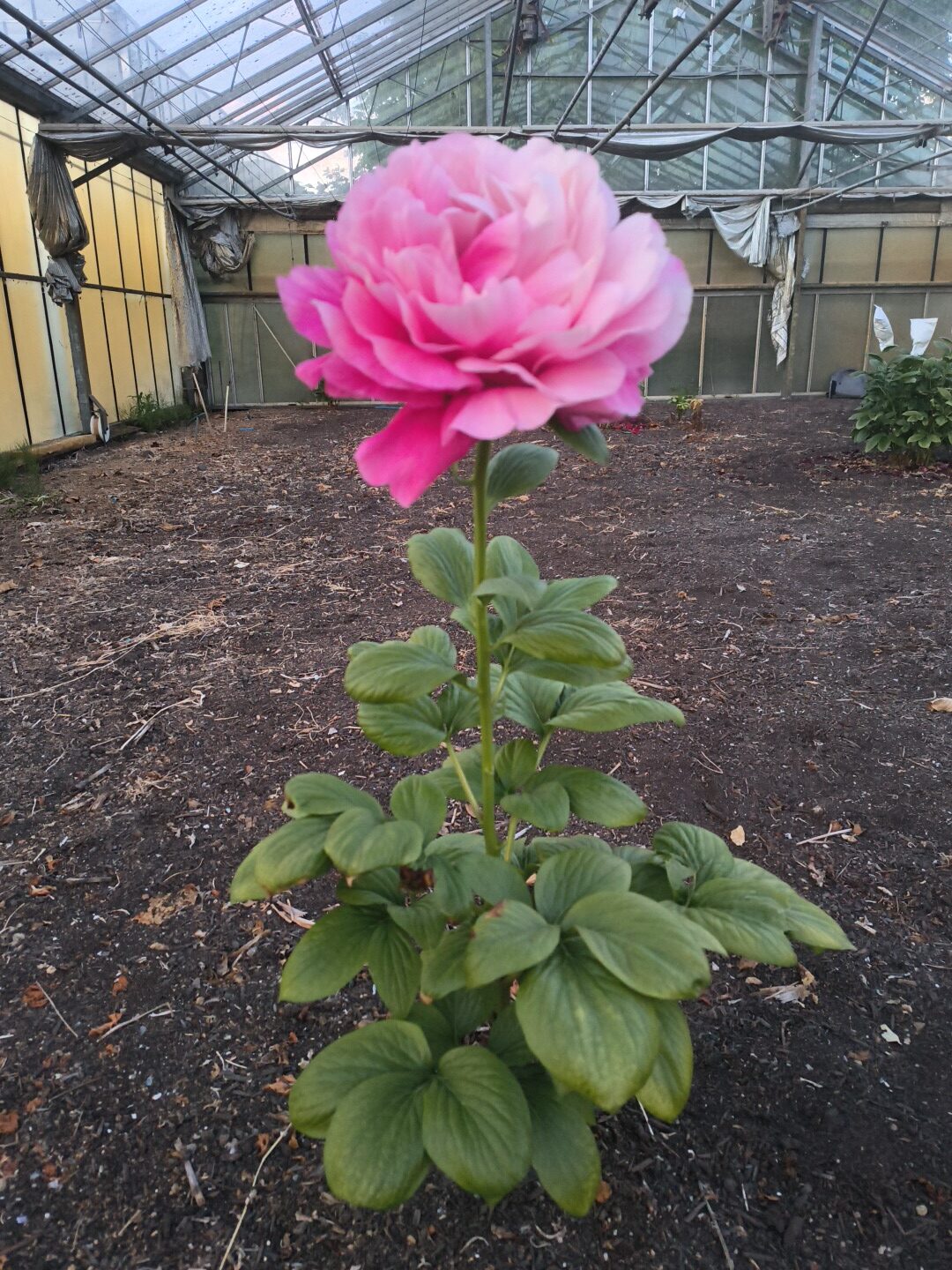
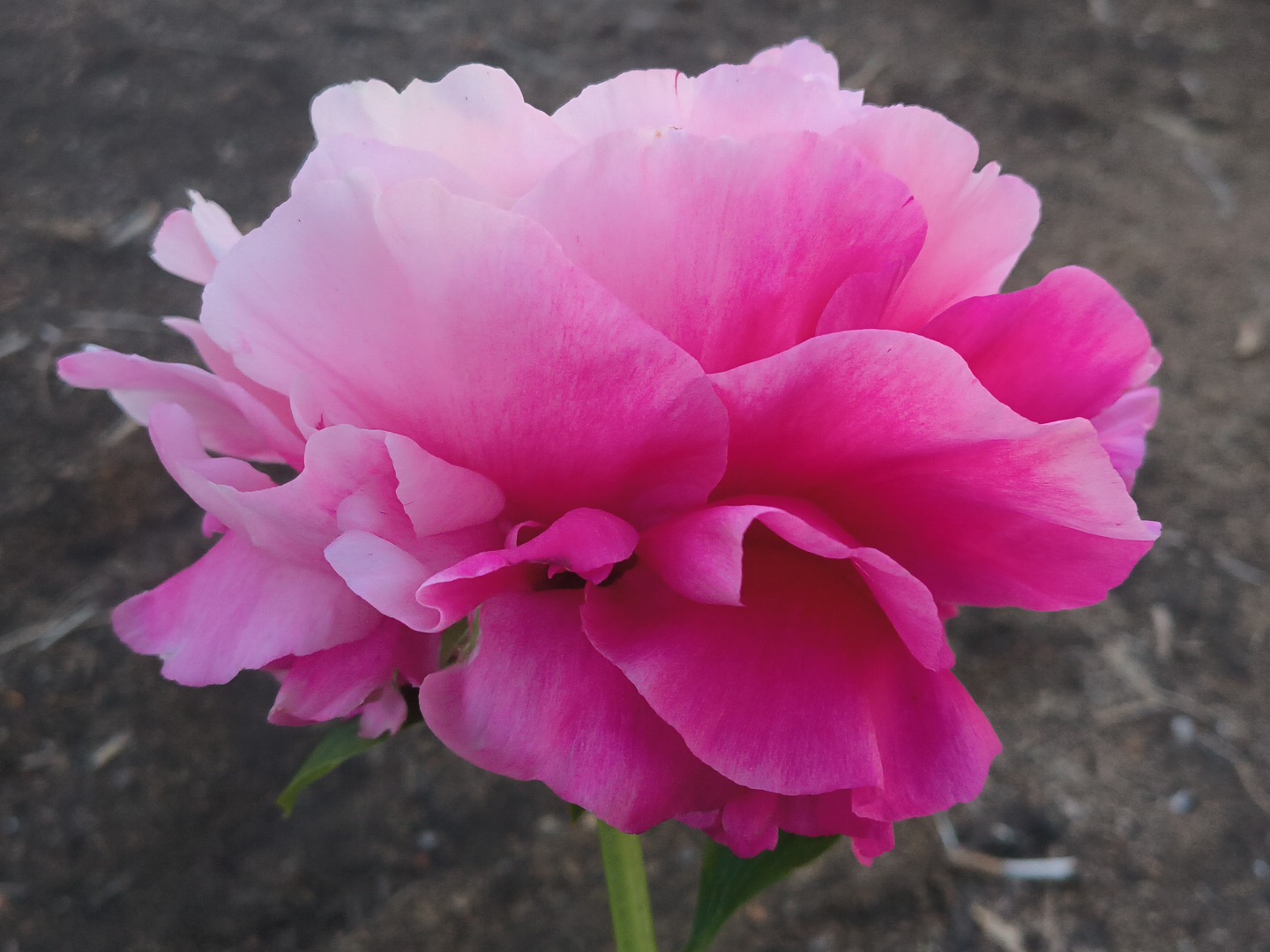
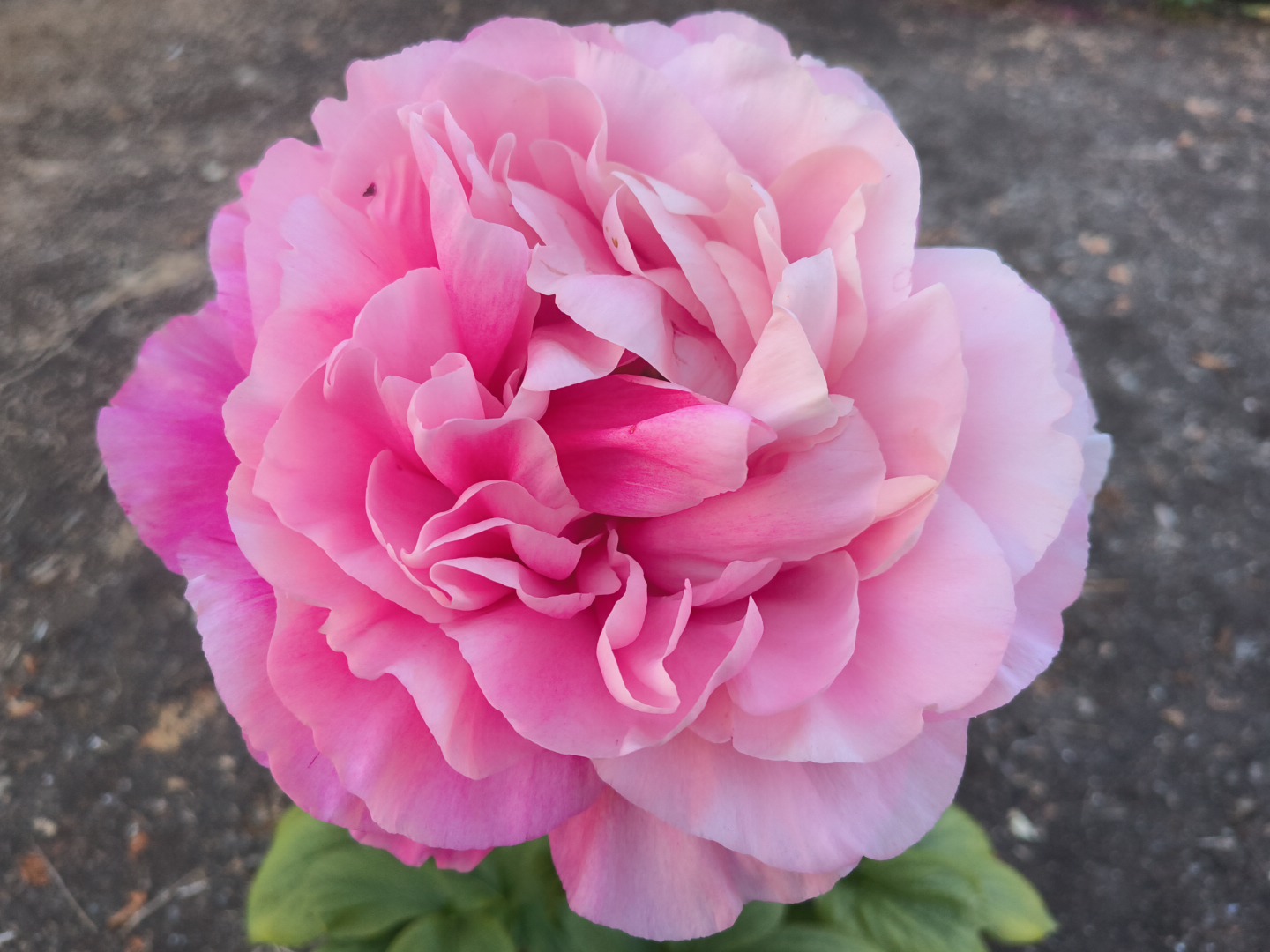
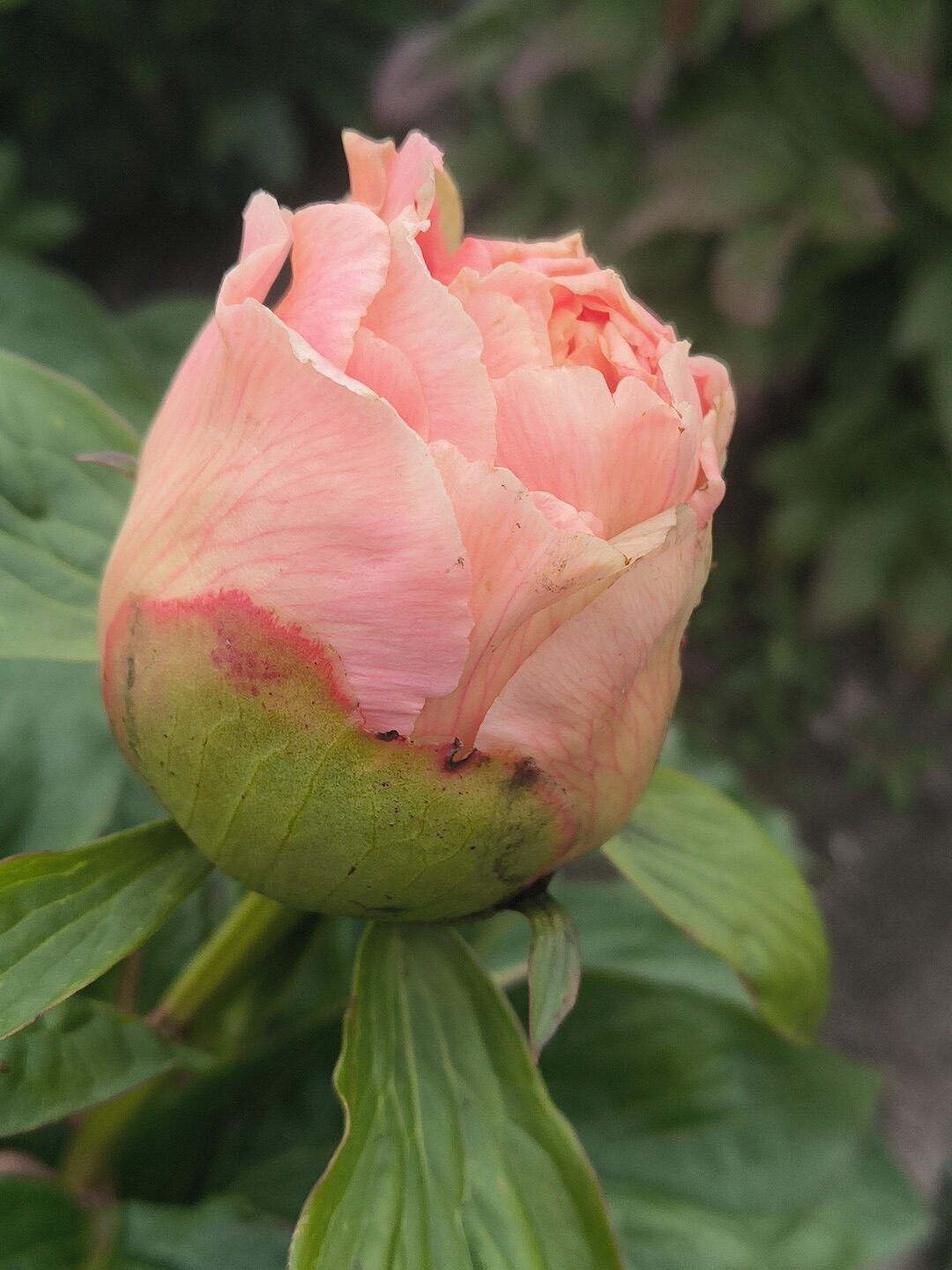
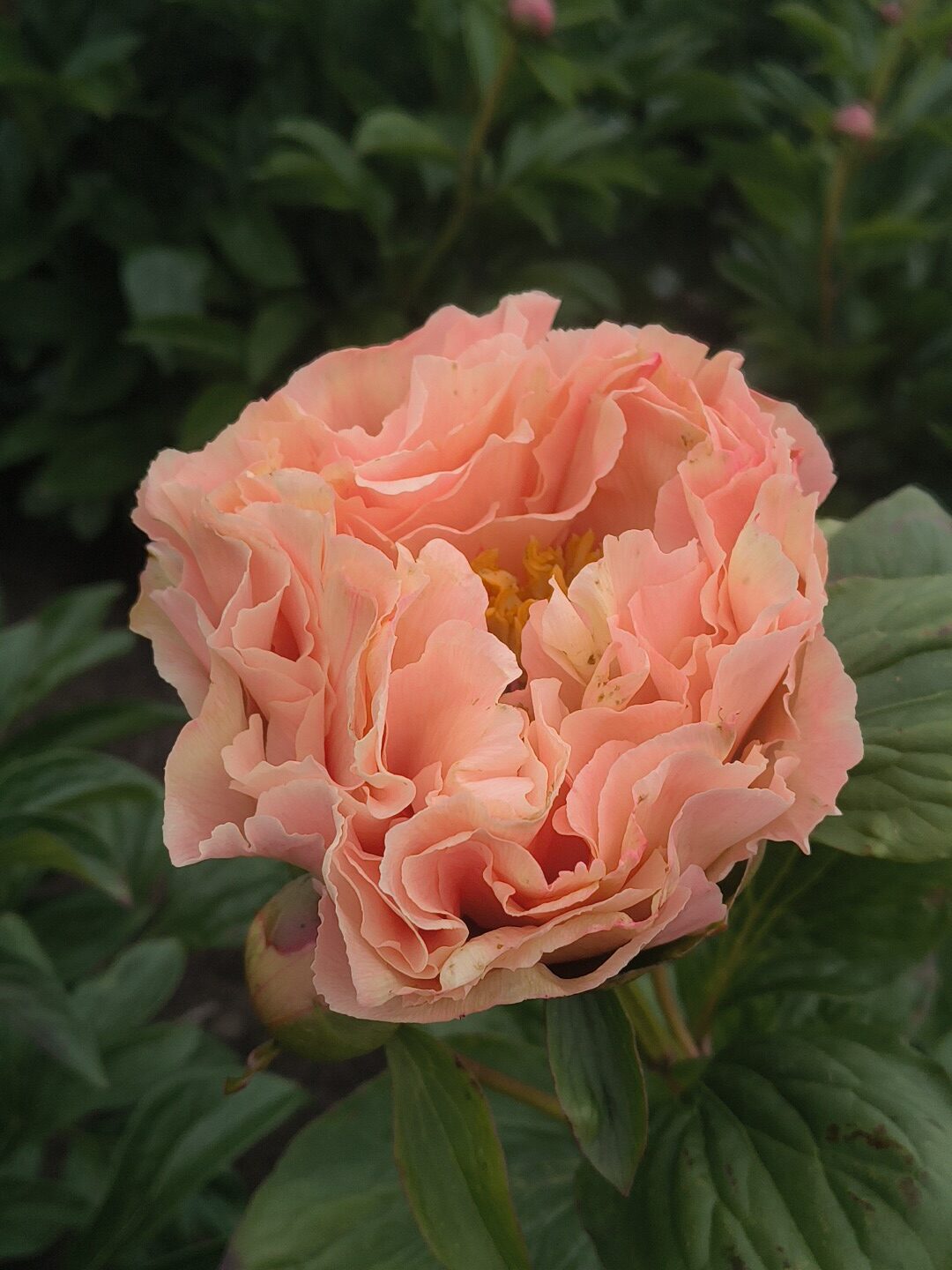
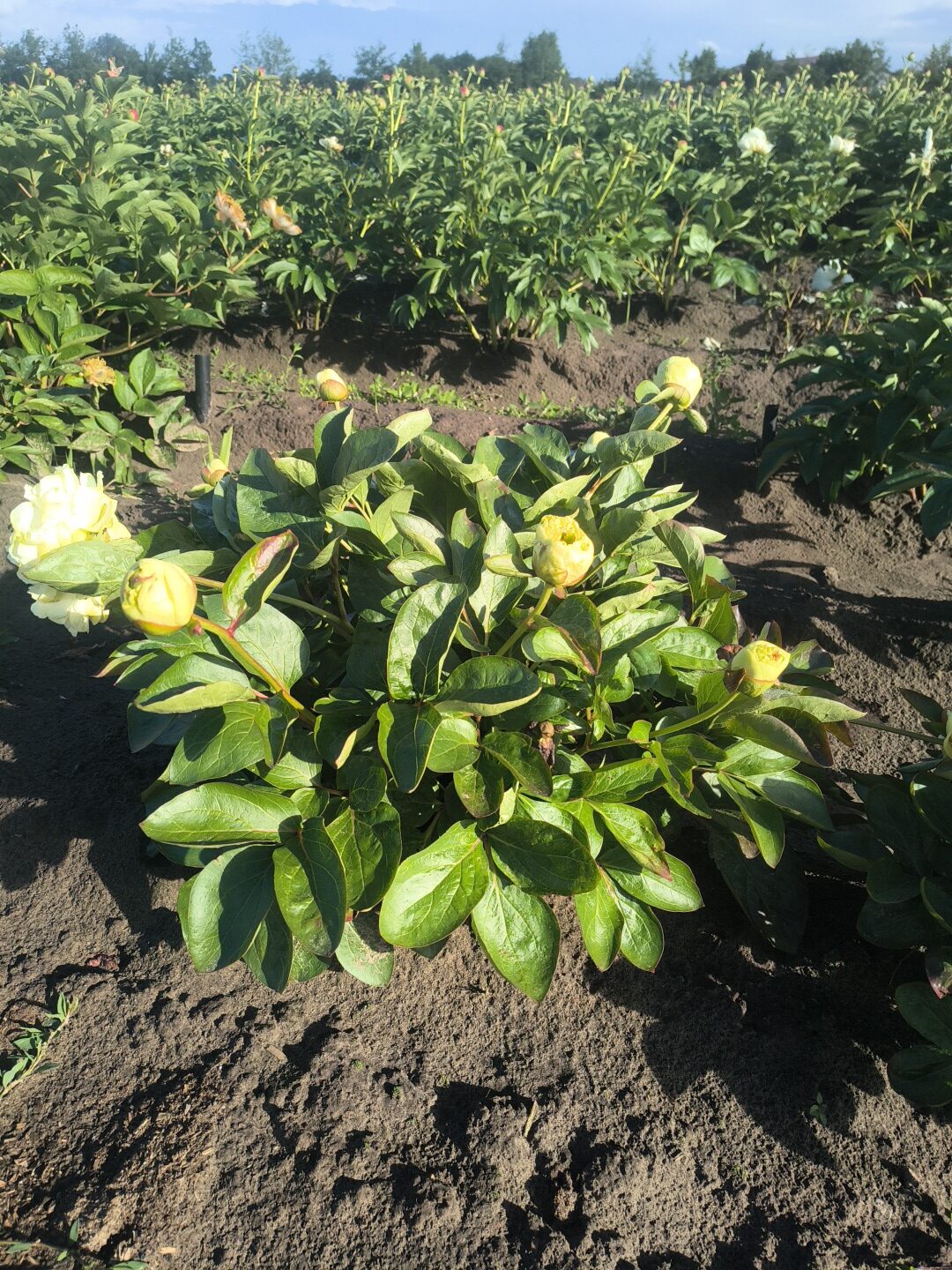
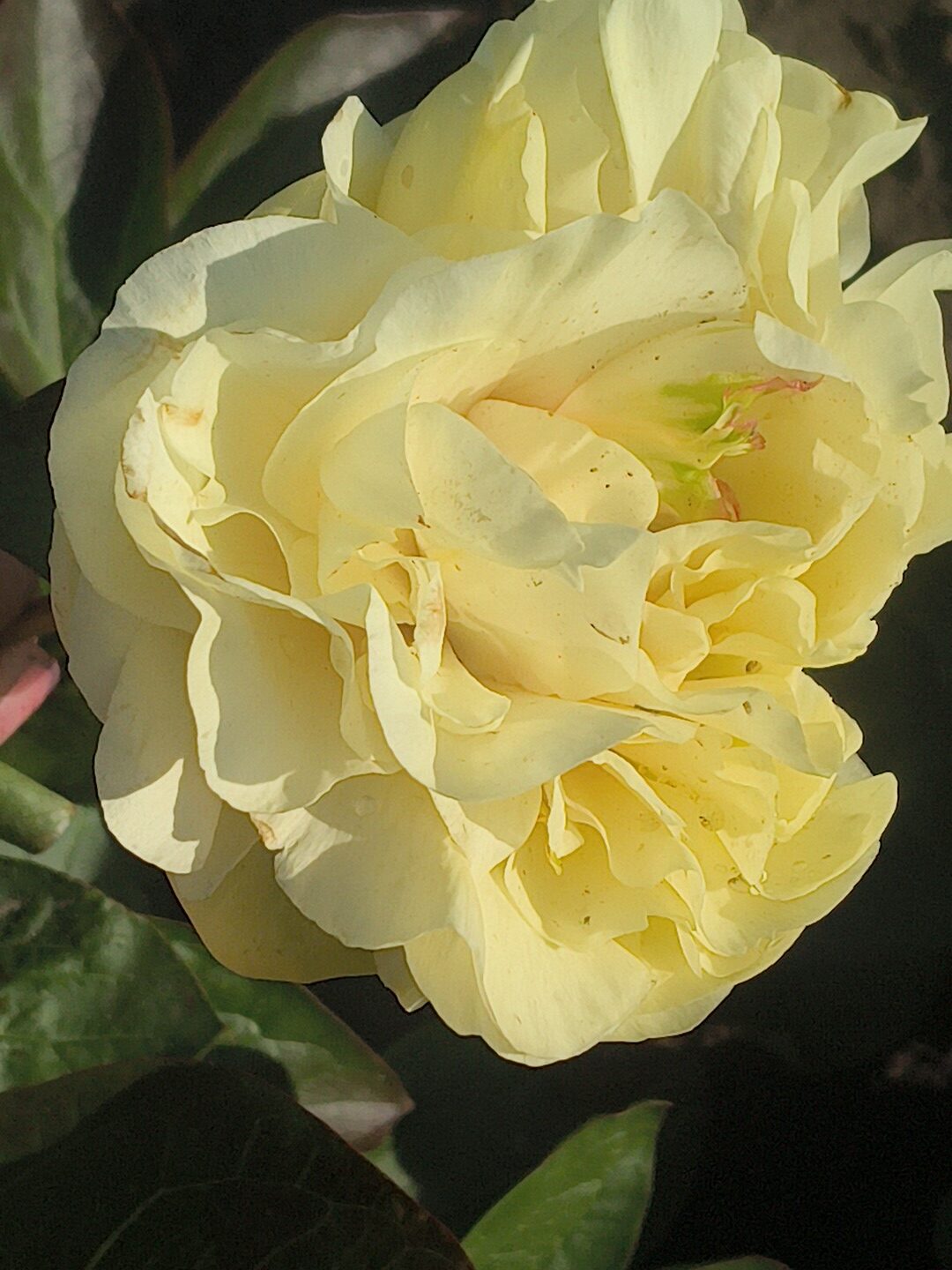
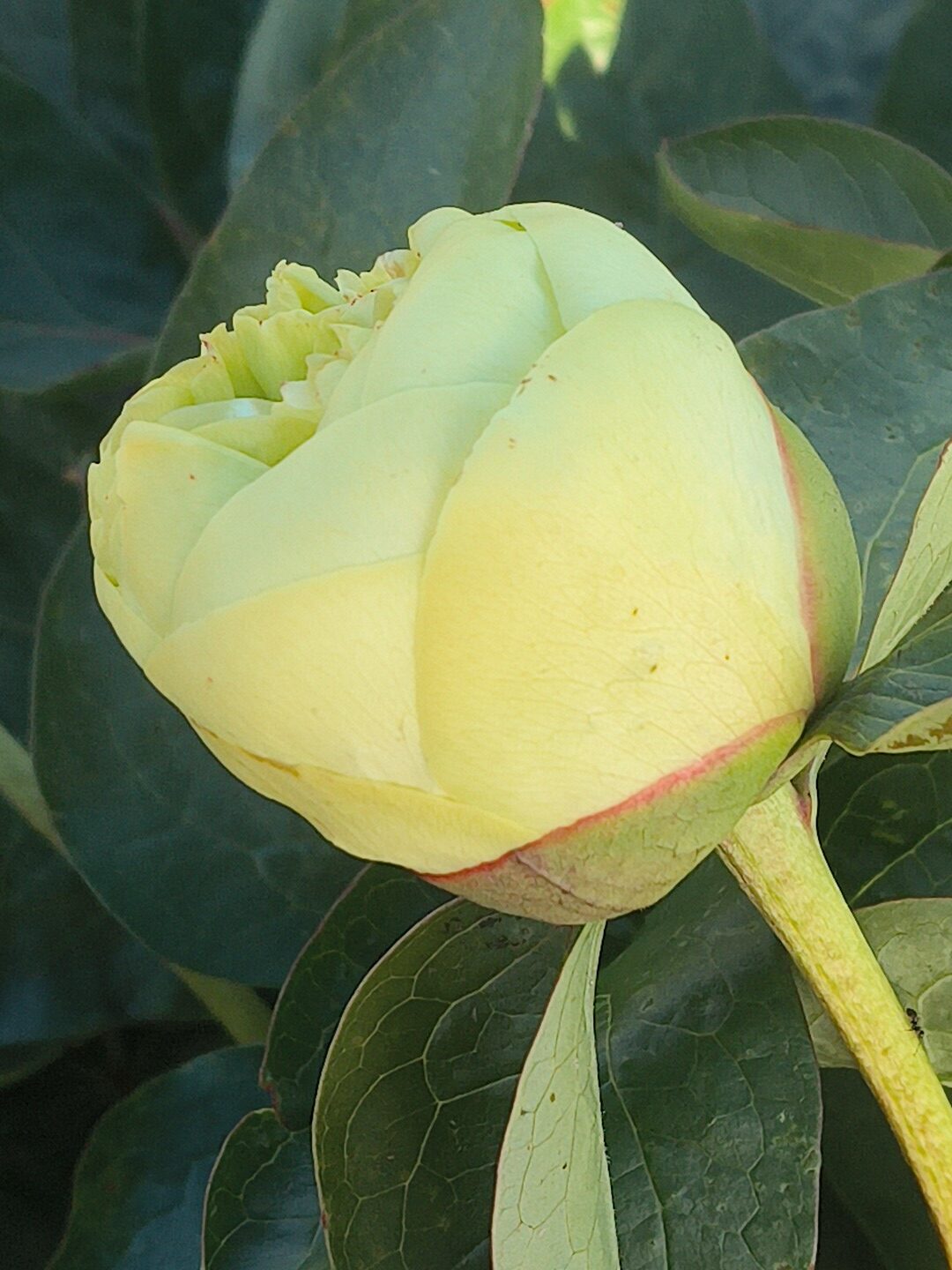
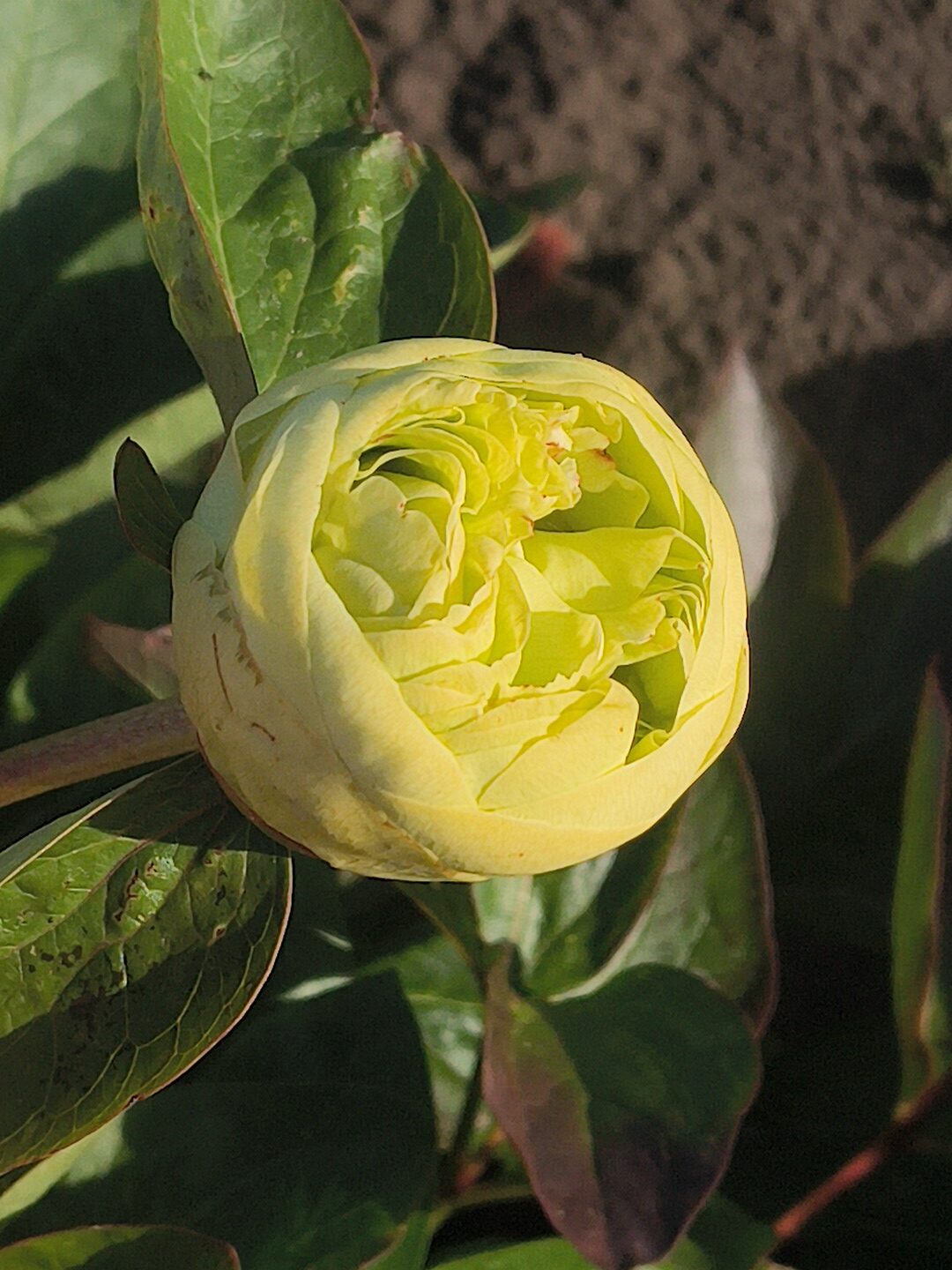
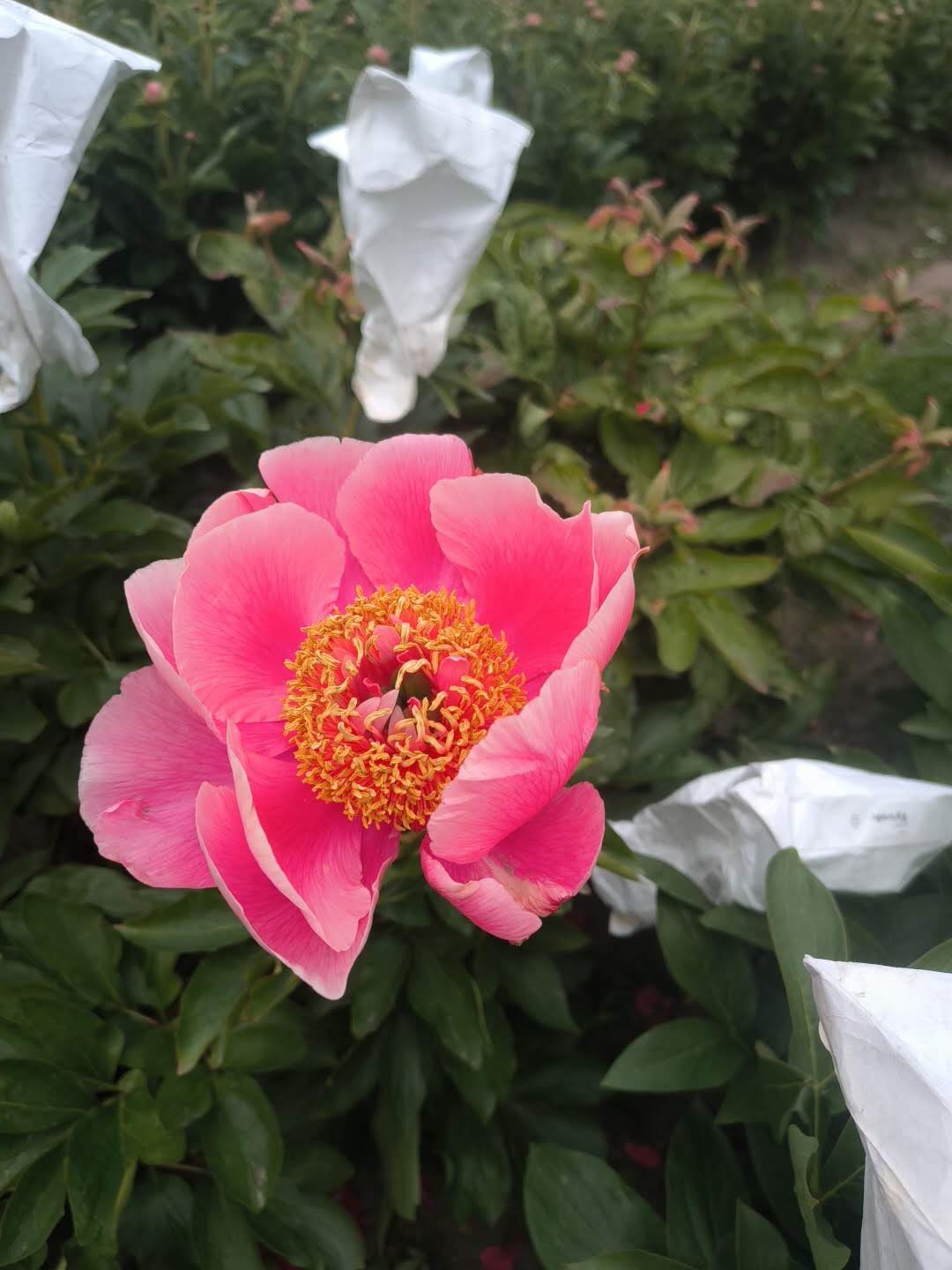
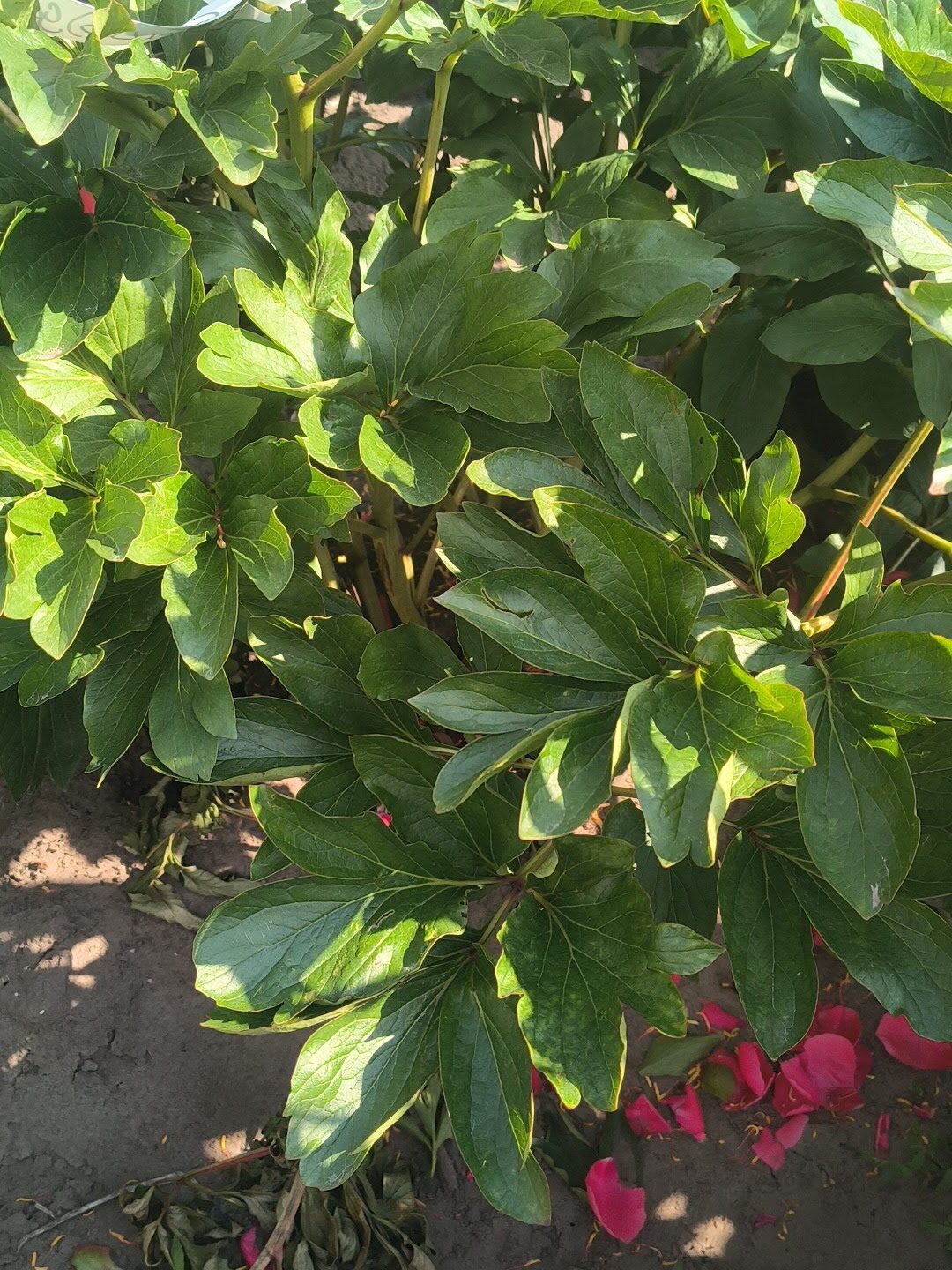
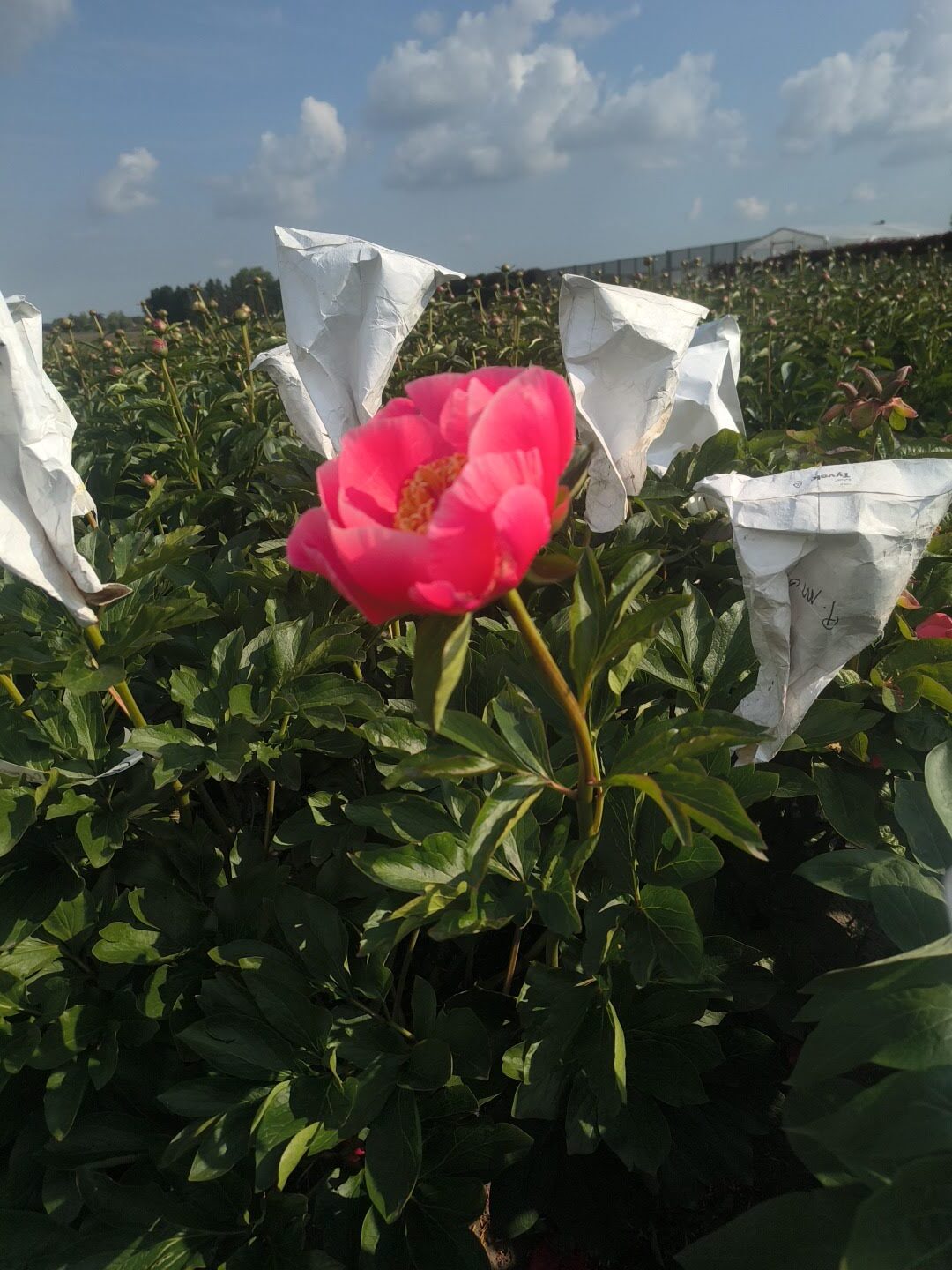
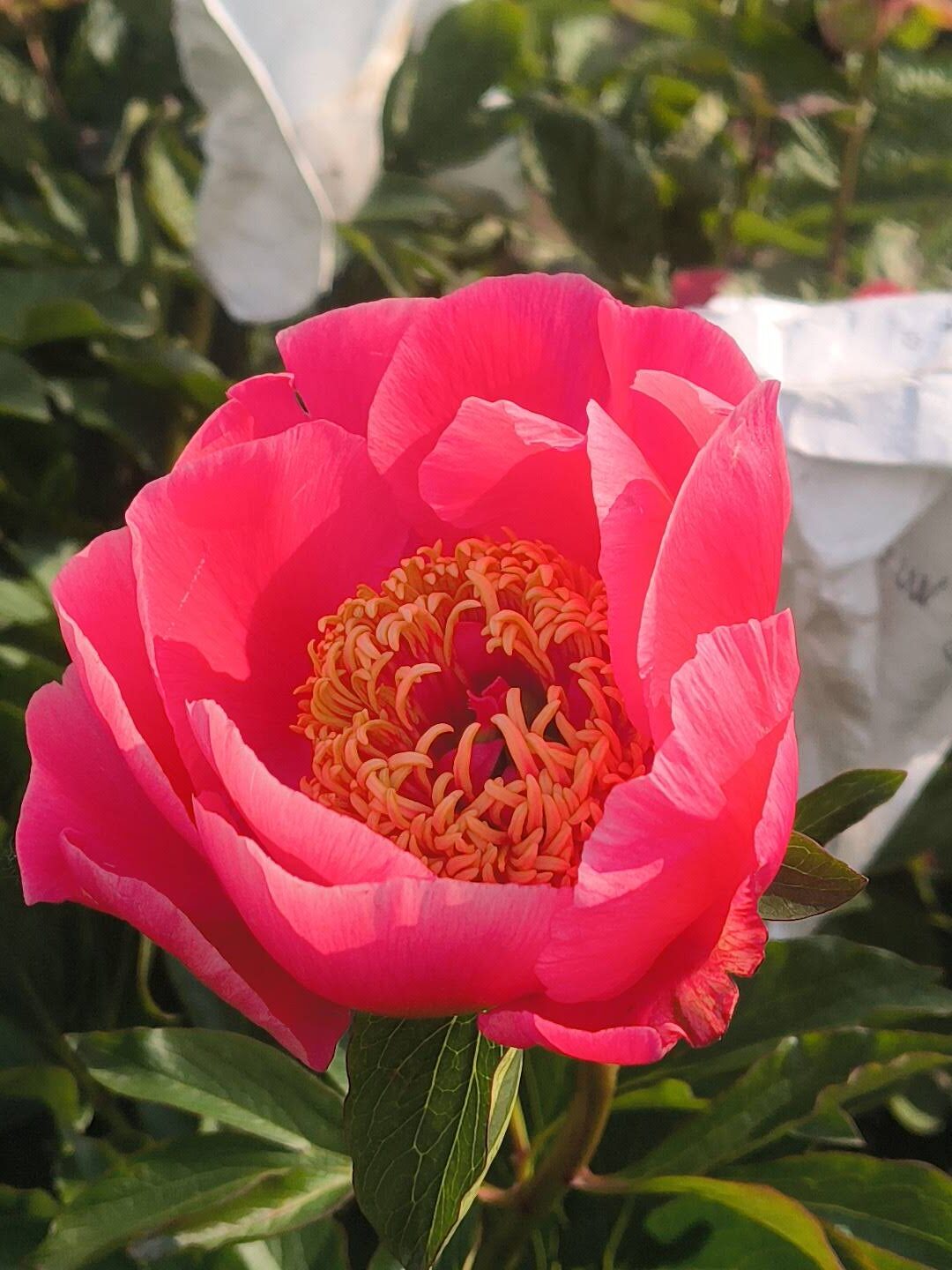
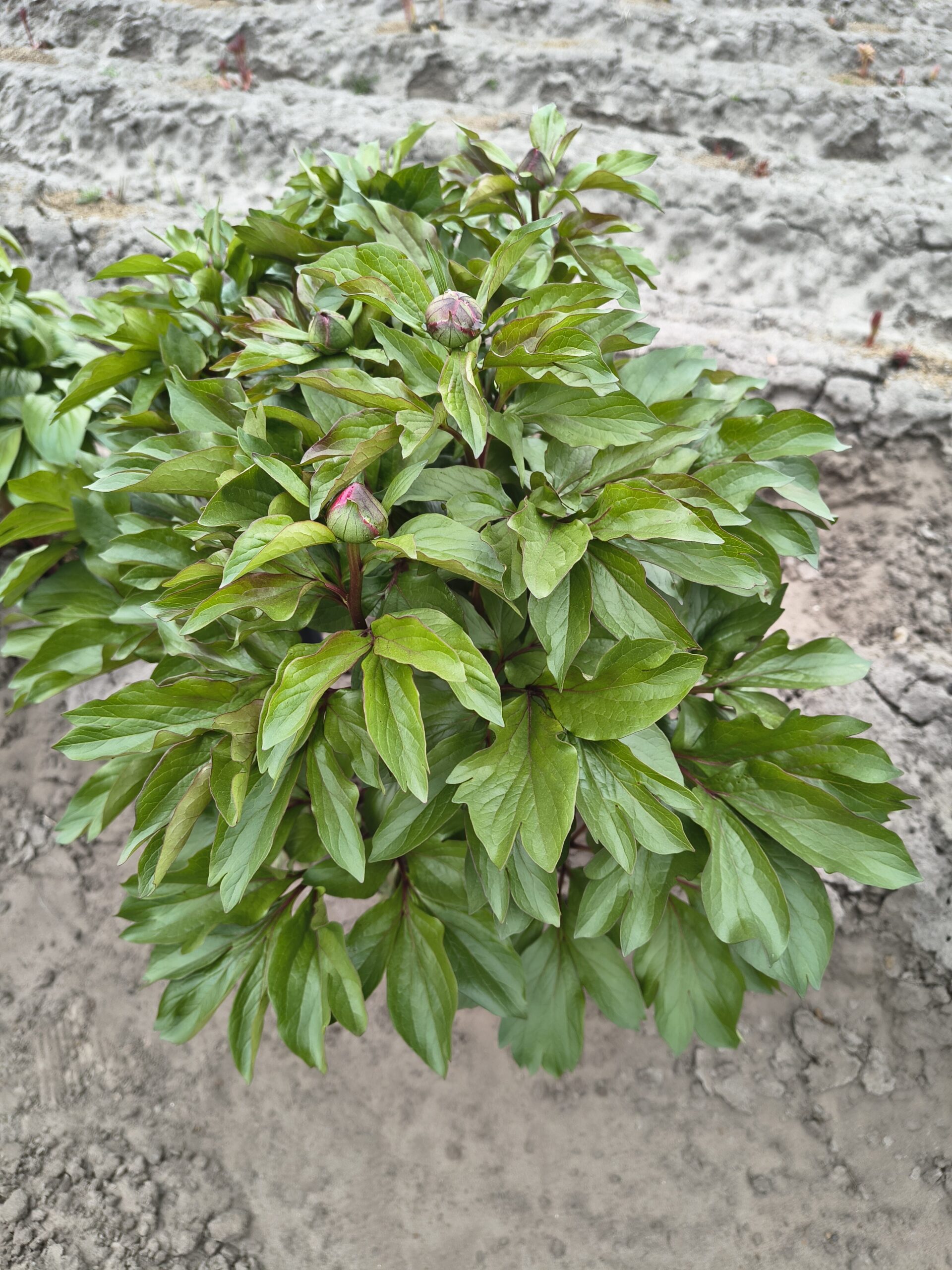
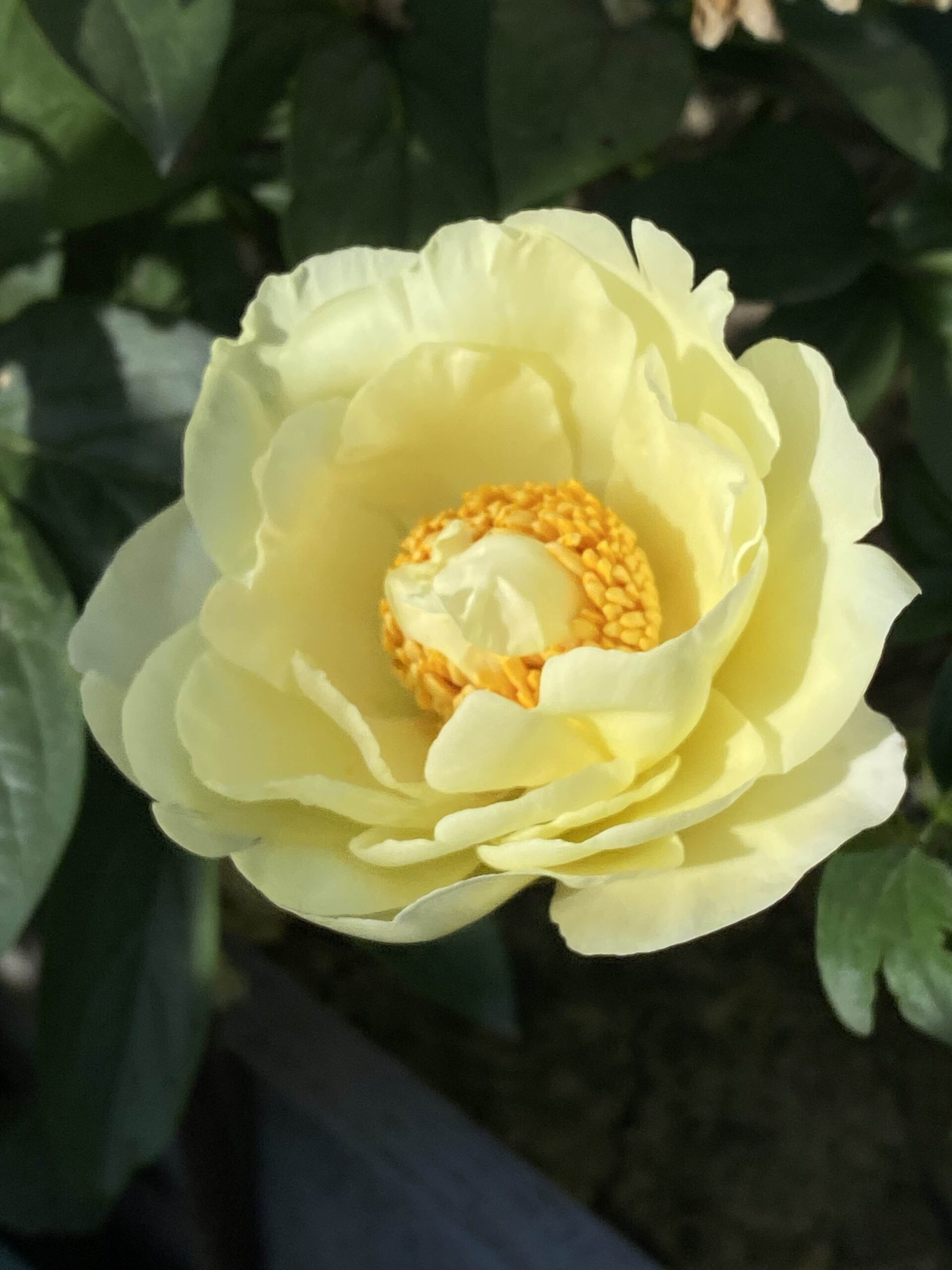
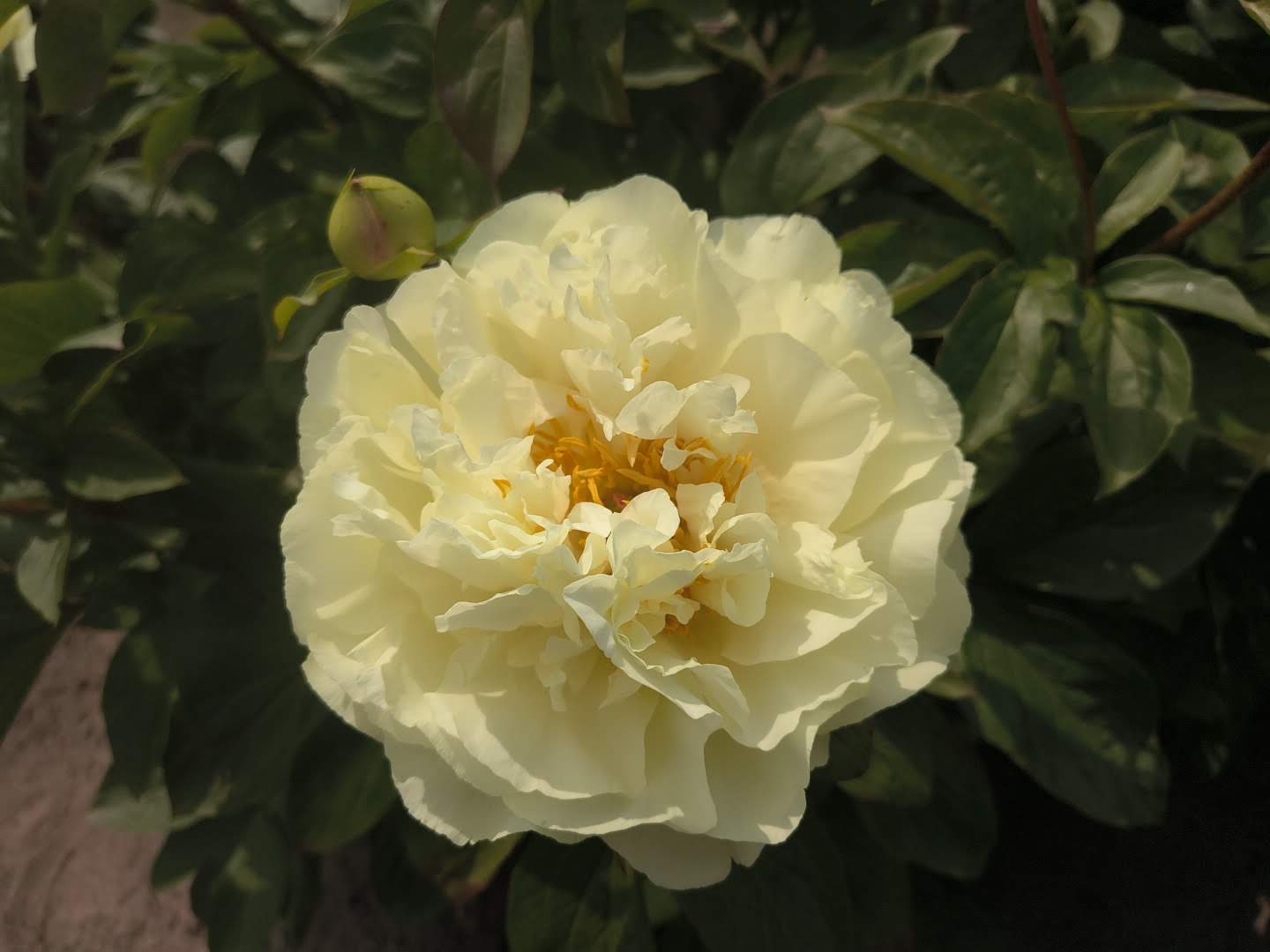
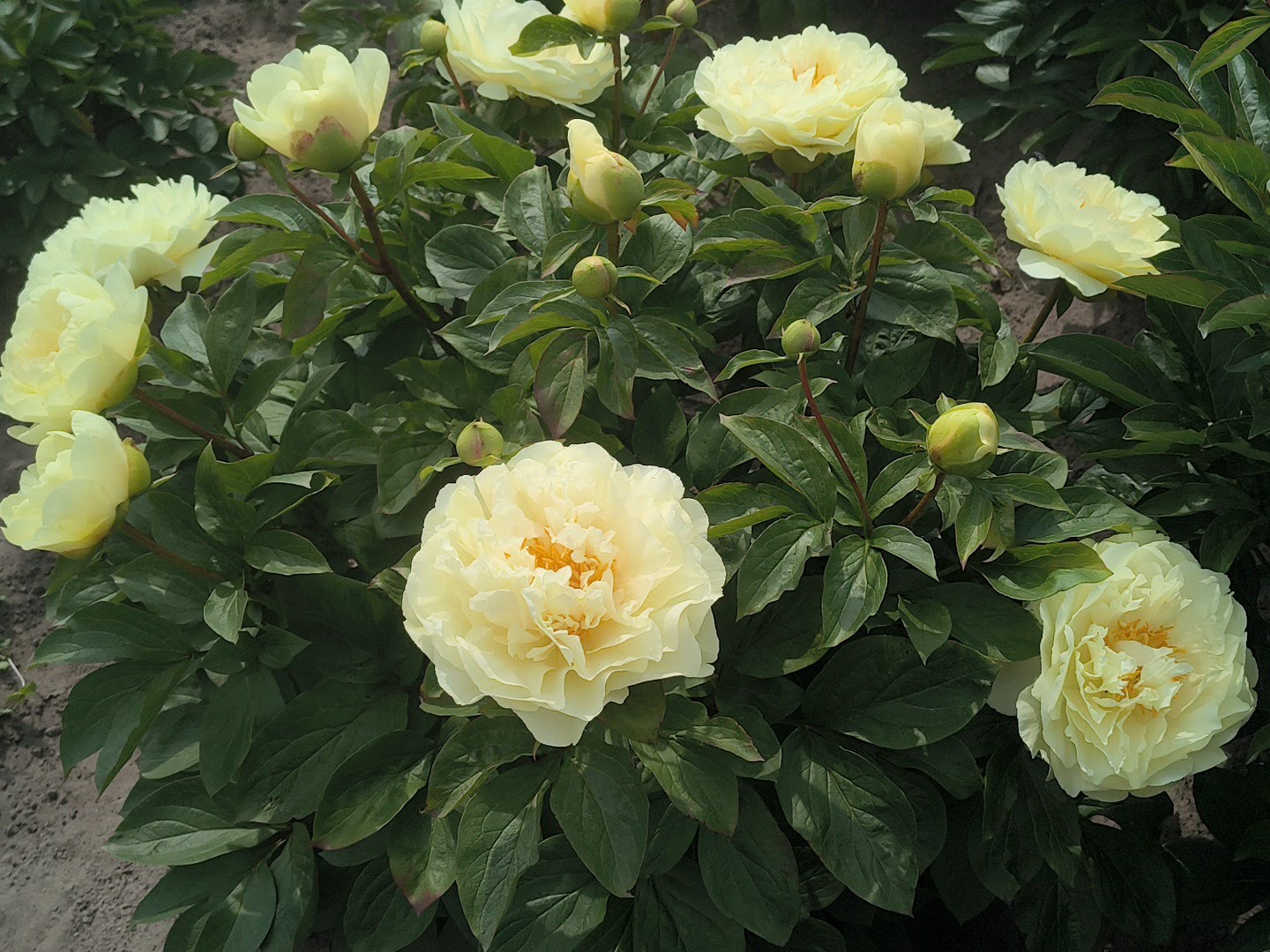
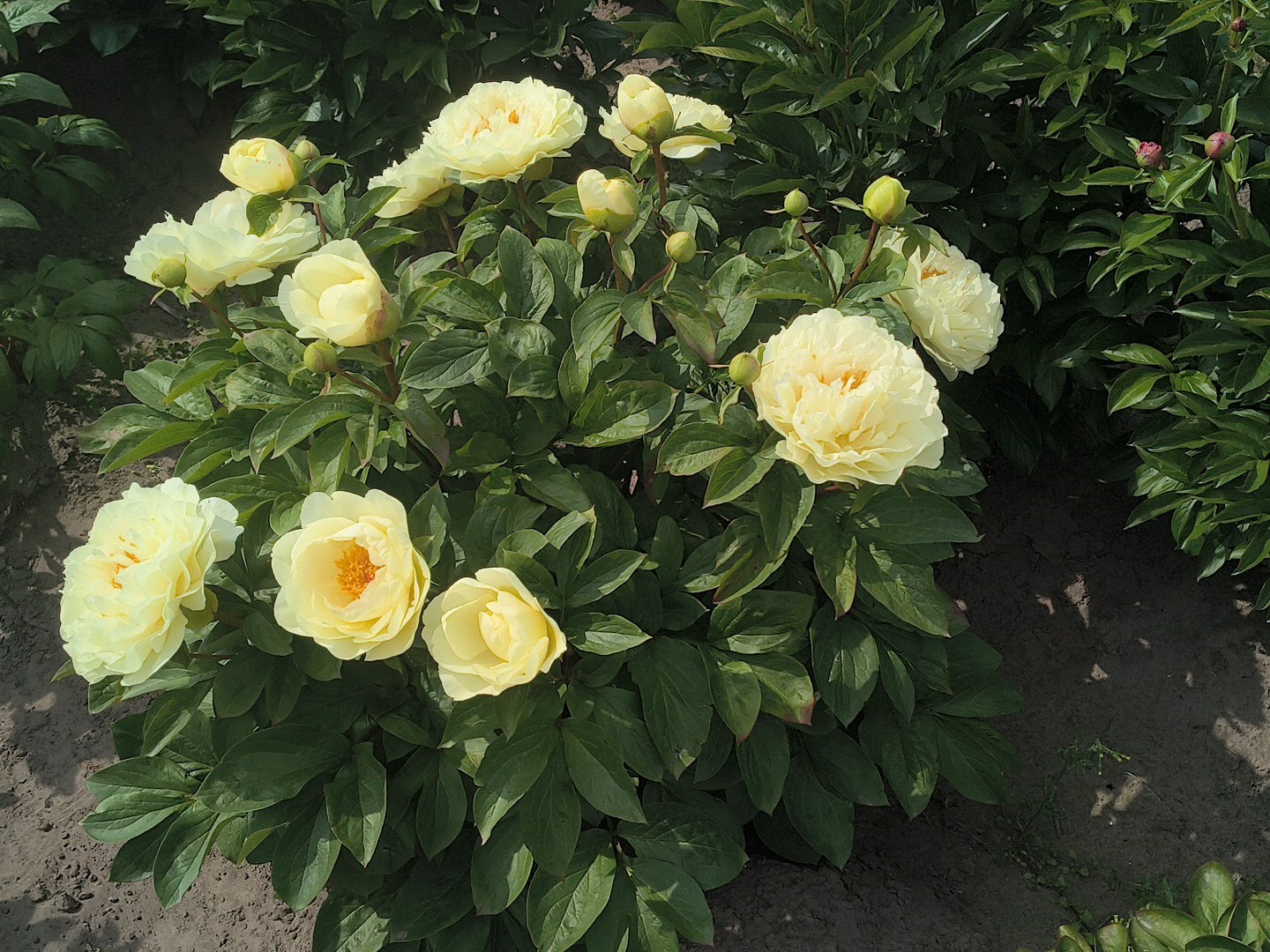
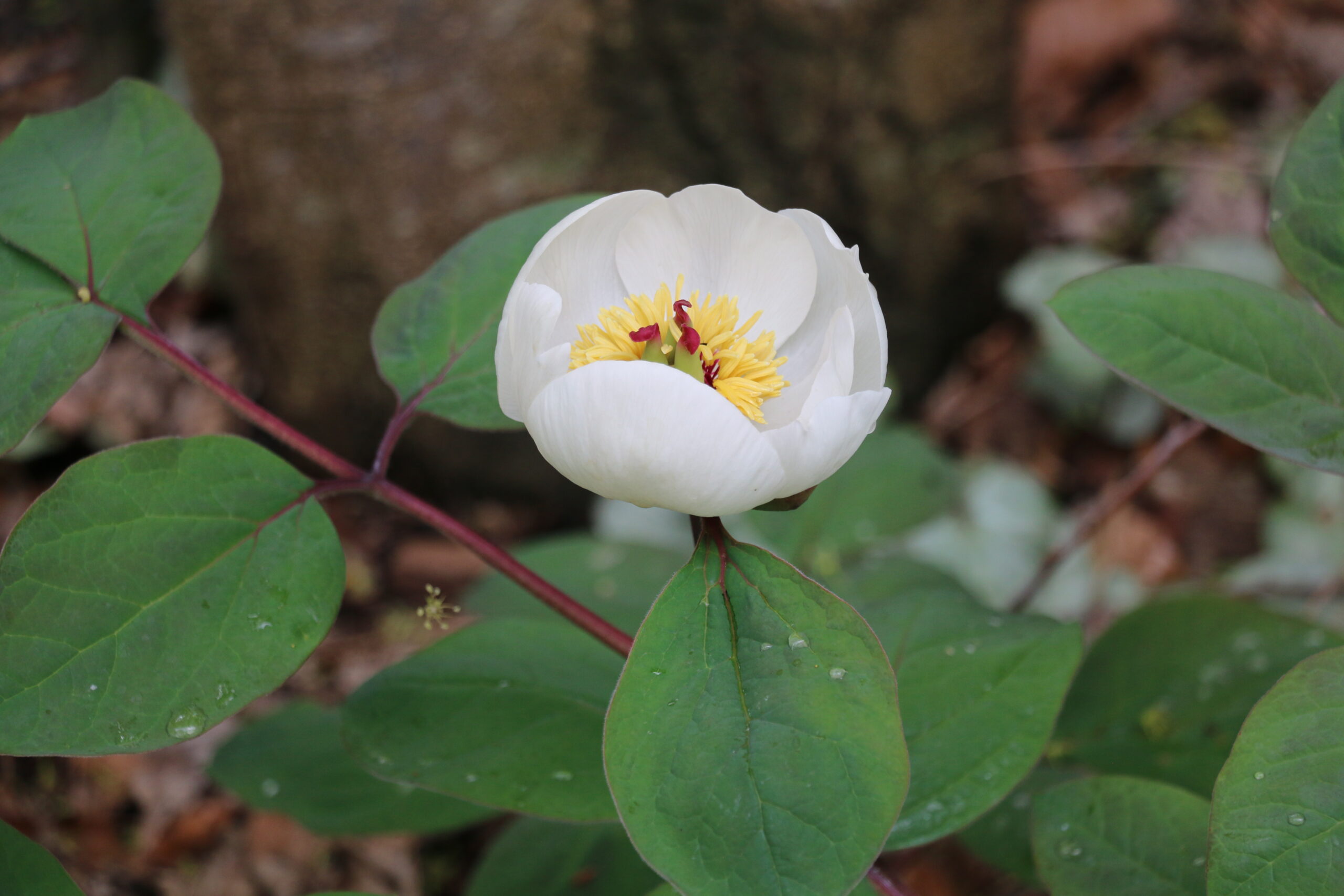
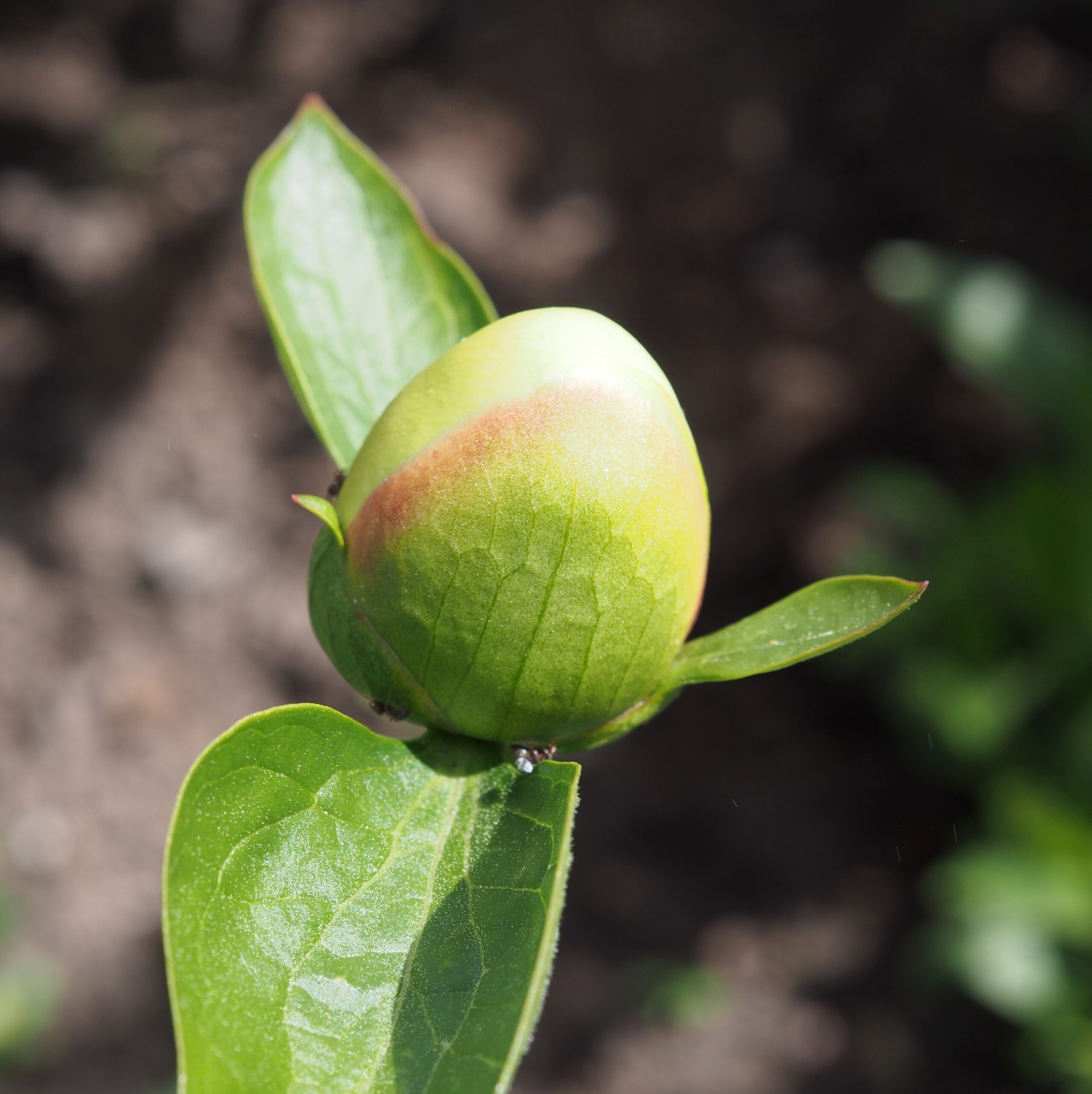

@ruud Ruud Warmerdam has such a mutation from <a class="wpg-linkify wpg-tooltip" title="&lt;div class=&quot;wpg-tooltip-content&quot;&gt;&lt;p&gt;Parentage Harold Wolfe Lacti seeder x Good Cheer. First bloomed about 1980. Herbaceous hybrid, deep orange pink, color passes to apricot-orange (RHS 24-D). Medium-sized bomb, sweet spicy fragrance, good substance, most reliable. Excellent stem strength, 2&lt;/p&gt; &lt;/div&gt;" href="https://www.peonysociety.org/registered_peonies/lorelei/" >Lorelei</a> if I recall correctly. I think he even named it, but I don’t remember how. Nice colour, but <a class="wpg-linkify wpg-tooltip" title="&lt;div class=&quot;wpg-tooltip-content&quot;&gt;&lt;p&gt;Parentage Harold Wolfe Lacti seeder x Good Cheer. First bloomed about 1980. Herbaceous hybrid, deep orange pink, color passes to apricot-orange (RHS 24-D). Medium-sized bomb, sweet spicy fragrance, good substance, most reliable. Excellent stem strength, 2&lt;/p&gt; &lt;/div&gt;" href="https://www.peonysociety.org/registered_peonies/lorelei/" >Lorelei</a> never has been a good grower for me.