





From these last series, they've received a long warm period and will now go into cold storage. Here the two…
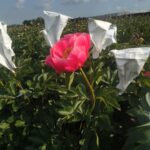
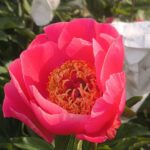
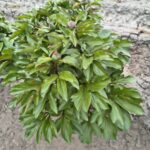
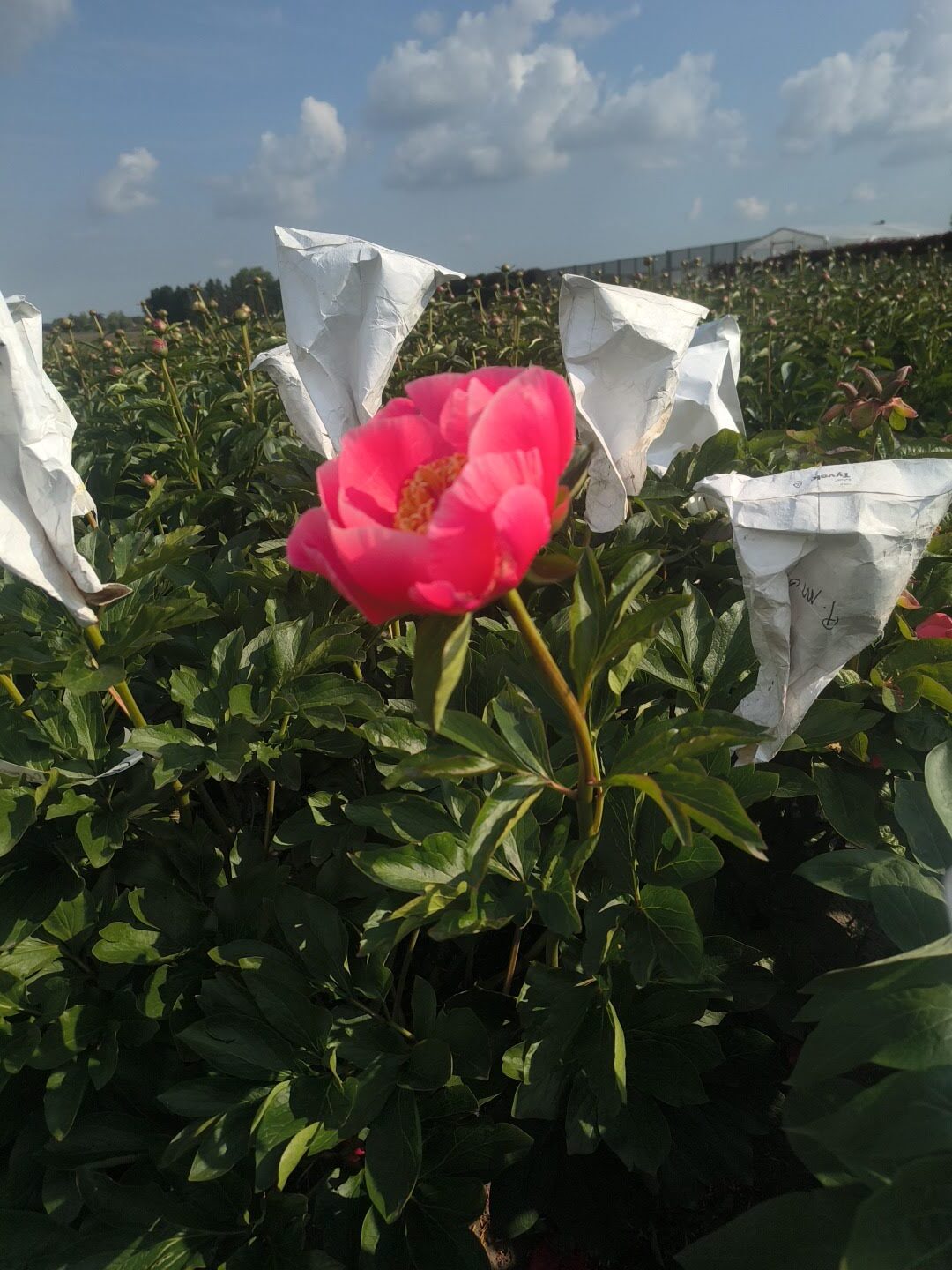
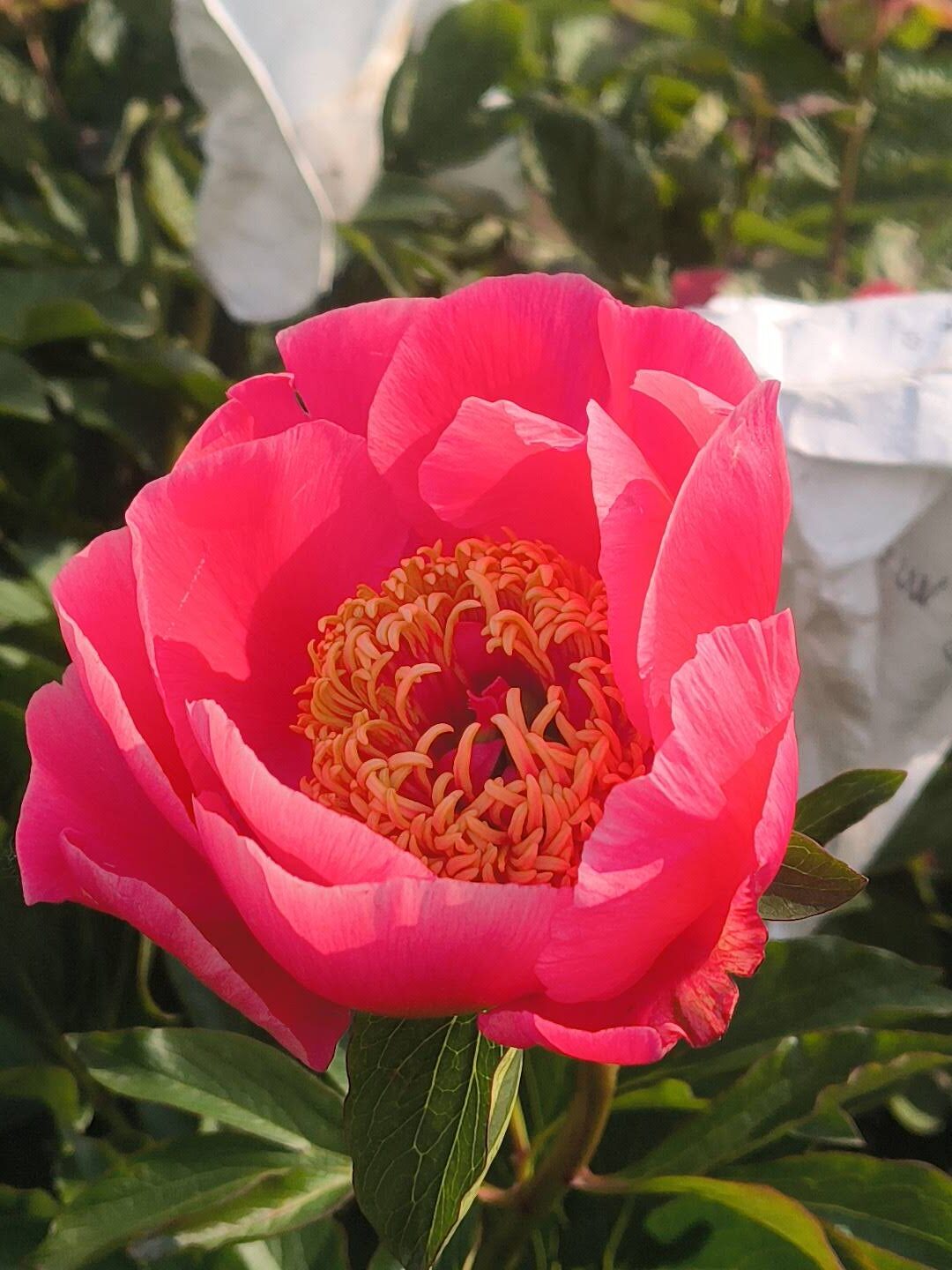
River Tud again (outside growing this time), an as yet unregistered plant from Harald Fawkner. A very attractive, brilliant red colour on sturdy stems with dark green leaflets. Somewhere between single and semi-double. Don’t know what its parents are, but &amp;amp;amp;lt;a class=&amp;amp;amp;quot;wpg-linkify wpg-tooltip&amp;amp;amp;quot; title=&amp;amp;amp;quot;&amp;amp;amp;amp;lt;div class=&amp;amp;amp;amp;quot;wpg-tooltip-content&amp;amp;amp;amp;quot;&amp;amp;amp;amp;gt;&amp;amp;amp;amp;lt;p&amp;amp;amp;amp;gt;Growing mostly in deciduous broad-leaved forests, pine forests or mixed forests, less frequently in grasses. The species prefers calcarious soils and is found usually at altitudes from 50 to 1,500 m. Albania, Bulgaria, Greece, Italy (Mt San Donato di Ninea), Macedonia, Moldova, Romania, Serbia and Turkey.&amp;amp;amp;amp;lt;/p&amp;amp;amp;amp;gt; &amp;amp;amp;amp;lt;p&amp;amp;amp;amp;gt;The most distinct character of Paeonia peregrina is its always teeth-lobed leaflets or &lt;a class=&quot;wpg-linkify wpg-tooltip&quot; title=&quot;&amp;lt;div class=&amp;quot;wpg-tooltip-content&amp;quot;&amp;gt;&amp;lt;p&amp;gt;a leaf is &amp;#039;segmented&amp;#039; when it consists of pieces of various shapes, which are more or less separated from one another&amp;lt;/p&amp;gt; &amp;lt;/div&amp;gt;&quot; href=&quot;https://www.peonysociety.org/registered_peonies/segments/&quot; &gt;segments&lt;/a&gt;, which distinguish it readily from P. officinalis and P. saueri. The other distinct characters are <a class="wpg-linkify wpg-tooltip" title="&lt;div class=&quot;wpg-tooltip-content&quot;&gt;&lt;p&gt;tuber: a starchy storage organ (such as a potato) formed by swelling of an underground stem or the distal end of a root.&lt;/p&gt; &lt;/div&gt;" href="https://www.peonysociety.org/registered_peonies/tuberous/" >tuberous</a> or &lt;a class=&quot;wpg-linkify wpg-tooltip&quot; title=&quot;&amp;lt;div class=&amp;quot;wpg-tooltip-content&amp;quot;&amp;gt;&amp;lt;p&amp;gt;Spindle-shaped, that is being wide in the middle while narrowing or tapering at both ends.&amp;lt;/p&amp;gt; &amp;lt;/div&amp;gt;&quot; href=&quot;https://www.peonysociety.org/registered_peonies/fusiform/&quot; &gt;fusiform&lt;/a&gt; lateral roots, leaflets or &lt;a class=&quot;wpg-linkify wpg-tooltip&quot; title=&quot;&amp;lt;div class=&amp;quot;wpg-tooltip-content&amp;quot;&amp;gt;&amp;lt;p&amp;gt;a leaf is &amp;#039;segmented&amp;#039; when it consists of pieces of various shapes, which are more or less separated from one another&amp;lt;/p&amp;gt; &amp;lt;/div&amp;gt;&quot; href=&quot;https://www.peonysociety.org/registered_peonies/segments/&quot; &gt;segments&lt;/a&gt; often with &lt;a class=&quot;wpg-linkify wpg-tooltip&quot; title=&quot;&amp;lt;div class=&amp;quot;wpg-tooltip-content&amp;quot;&amp;gt;&amp;lt;p&amp;gt;a stiff or rigid, hair-like process&amp;lt;/p&amp;gt; &amp;lt;/div&amp;gt;&quot; href=&quot;https://www.peonysociety.org/registered_peonies/bristles-2/&quot; &gt;bristles&lt;/a&gt; along veins on the upper surface, and dark-red and cup-shaped corollas.&amp;amp;amp;amp;lt;br /&amp;amp;amp;amp;gt; &amp;amp;amp;amp;lt;a href=&amp;amp;amp;amp;quot;https://www.peonysociety.org/species/herbaceous/paeonia/peregrina/&amp;amp;amp;amp;quot;&amp;amp;amp;amp;gt;More info&amp;amp;amp;amp;lt;/a&amp;amp;amp;amp;gt;&amp;amp;amp;amp;lt;/p&amp;amp;amp;amp;gt; &amp;amp;amp;amp;lt;/div&amp;amp;amp;amp;gt;&amp;amp;amp;quot; href=&amp;amp;amp;quot;https://www.peonysociety.org/registered_peonies/p-peregrina/&amp;amp;amp;quot; &amp;amp;amp;gt;P. peregrina&amp;amp;amp;lt;/a&amp;amp;amp;gt; surely features in it, as the foliage is reminiscent of it.
![]()
![]()
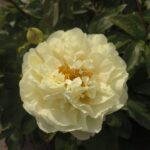
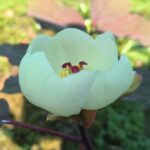
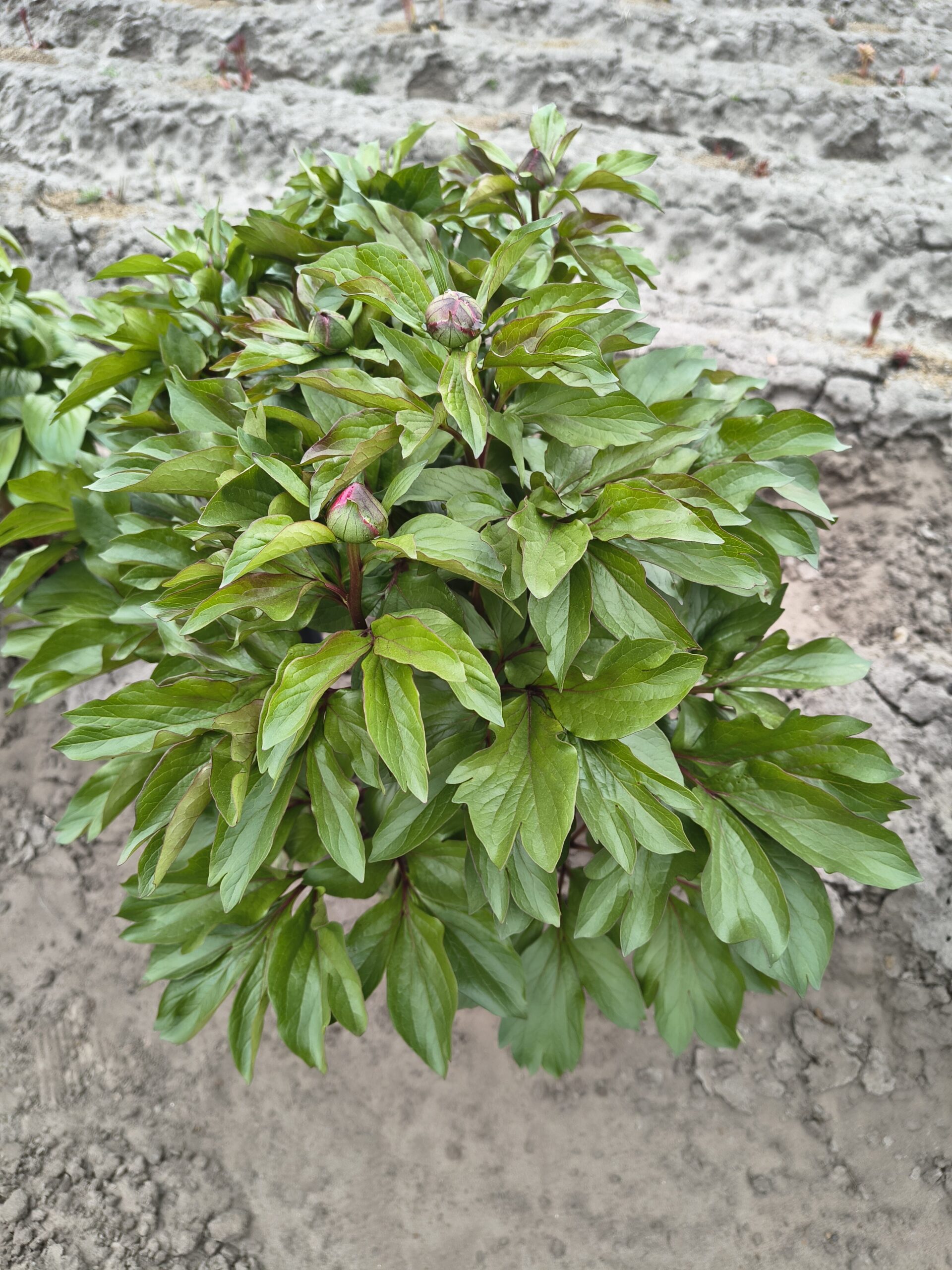
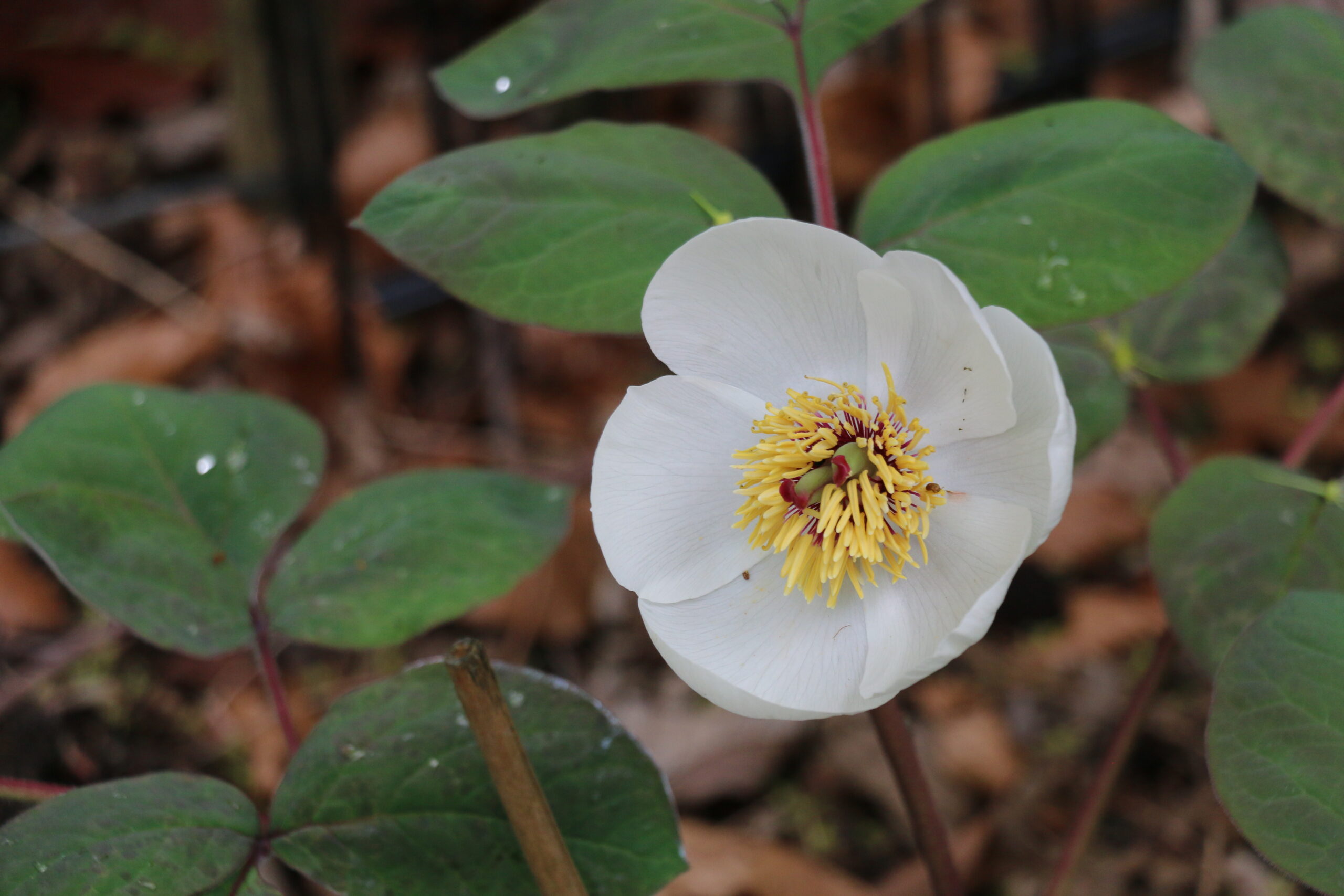
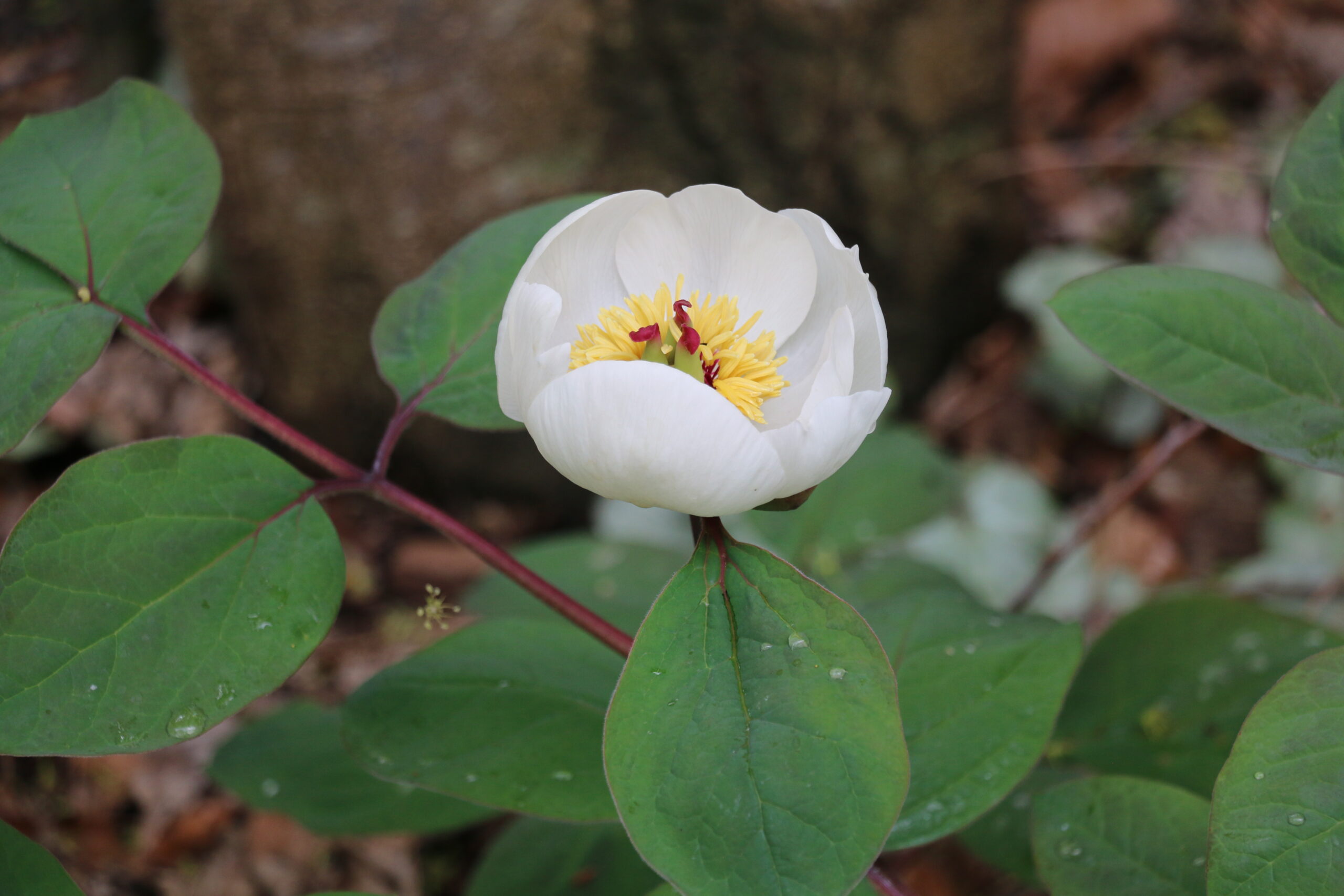
PVBM002, a good early single white, standing straight up, large white buds.
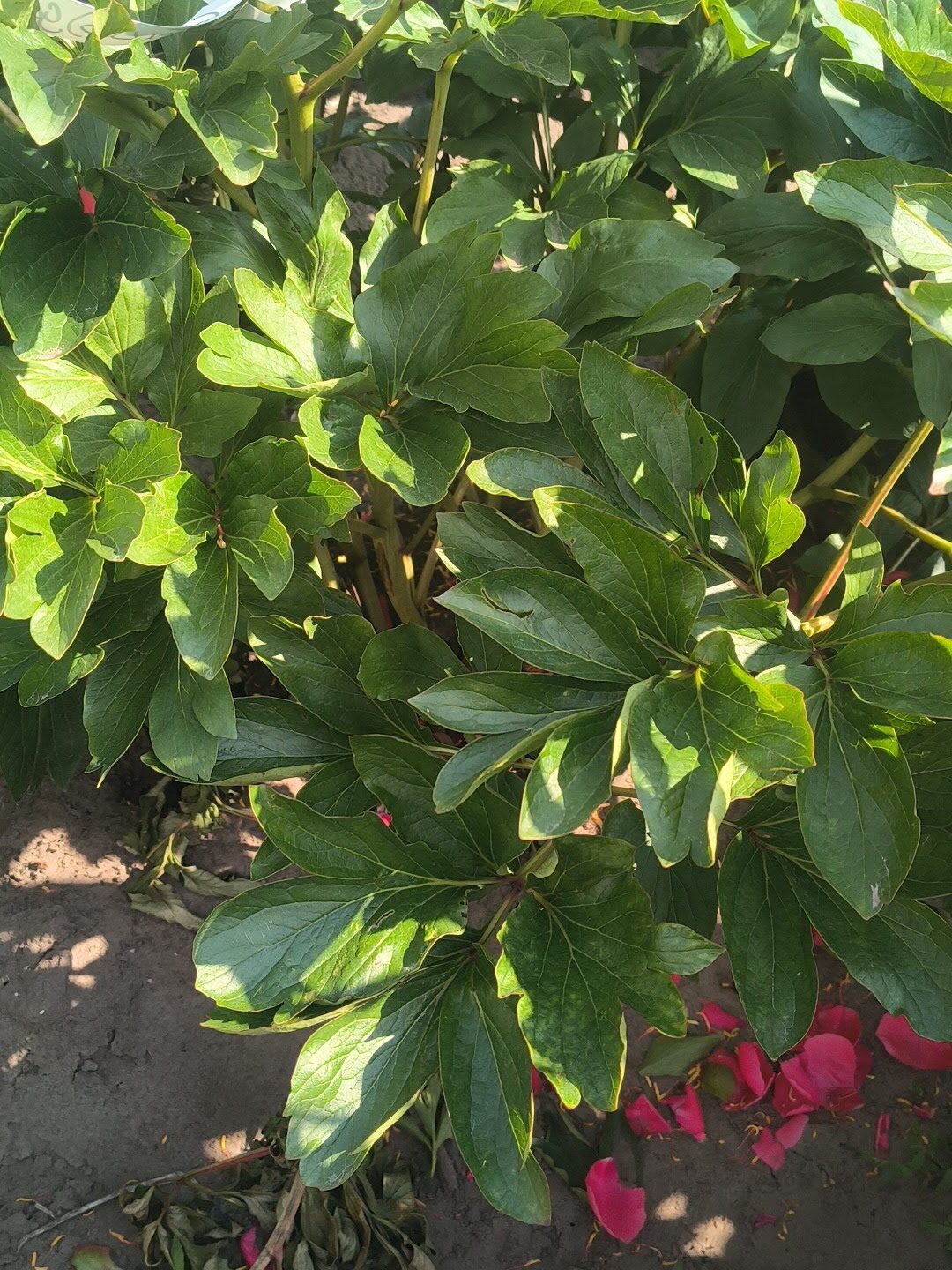
&lt;a class=&quot;wpg-linkify wpg-tooltip&quot; title=&quot;&amp;lt;div class=&amp;quot;wpg-tooltip-content&amp;quot;&amp;gt;&amp;lt;p&amp;gt;F2 hybrid, dark red, semi-double, very dark red burgundy color. Petals like heavy silk with good substance and glowing quality. Dark center with bright yellow <a class="wpg-linkify wpg-tooltip" title="&lt;div class=&quot;wpg-tooltip-content&quot;&gt;&lt;p&gt;anther: pollen-bearing structure in the stamen (male organ) of the flower usually located on top of the filament of the stamen&lt;/p&gt; &lt;/div&gt;" href="https://www.peonysociety.org/registered_peonies/anthers/" >anthers</a>. Has <a class="wpg-linkify wpg-tooltip" title="&lt;div class=&quot;wpg-tooltip-content&quot;&gt;&lt;p&gt;stamen: one of the male organs of a flower, consisting typically of a stalk (filament) and a pollen-bearing portion (anther)&lt;/p&gt; &lt;/div&gt;" href="https://www.peonysociety.org/registered_peonies/stamens/" >stamens</a> and pollen, no seeds, fragrant. Good stem strength, height 4-5 feet. Blooms in late May. Very good vigor, dark green foliage, reliable. One bud per stem. (Father of Icarus) Colored slide. Seedling # D-315.&amp;lt;/p&amp;gt; &amp;lt;/div&amp;gt;&quot; href=&quot;https://www.peonysociety.org/registered_peonies/daedalus/&quot; &gt;Daedalus&lt;/a&gt;, a Daphnis hybrid. A very large plant here. Reliable and a very intense red colour.


From these last series, they've received a long warm period and will now go into cold storage. Here the two…
Worked like a &amp;amp;amp;amp;amp;amp;amp;amp;amp;lt;a class=&amp;amp;amp;amp;amp;amp;amp;amp;amp;quot;wpg-linkify wpg-tooltip&amp;amp;amp;amp;amp;amp;amp;amp;amp;quot; title=&amp;amp;amp;amp;amp;amp;amp;amp;amp;quot;&amp;amp;amp;amp;amp;amp;amp;amp;amp;amp;lt;div class=&amp;amp;amp;amp;amp;amp;amp;amp;amp;amp;quot;wpg-tooltip-content&amp;amp;amp;amp;amp;amp;amp;amp;amp;amp;quot;&amp;amp;amp;amp;amp;amp;amp;amp;amp;amp;gt;&amp;amp;amp;amp;amp;amp;amp;amp;amp;amp;lt;p&amp;amp;amp;amp;amp;amp;amp;amp;amp;amp;gt;Very dark red Jap. Good upright grower, vigorous, late, 34 inches. An improvement on Fuyajo. Seedling # JE-3.&amp;amp;amp;amp;amp;amp;amp;amp;amp;amp;lt;/p&amp;amp;amp;amp;amp;amp;amp;amp;amp;amp;gt;
&amp;amp;amp;amp;amp;amp;amp;amp;amp;amp;lt;p&amp;amp;amp;amp;amp;amp;amp;amp;amp;amp;gt;Award of Landscape Merit (ALM) description: &amp;amp;amp;amp;amp;amp;amp;amp;amp;amp;#039;<a class="wpg-linkify wpg-tooltip" title="<div class="wpg-tooltip-content"><p>Very dark red Jap. Good upright grower, vigorous, late, 34 inches. An improvement on Fuyajo. Seedling # JE-3.</p> <p>Award of Landscape Merit (ALM) description: 'Charm' (Franklin, 1931) Lactiflora Group, Late mid-season, 38? — A lustrous and satiny, dark red Japanese form bloom with a center of the same red petaloids, etched yellow. Stiff and relatively straight stems angle outward gracefully to form a very large, harmoniously mounded, fountain of blooms. An eight-year-old plant matures to 40 or so stems that emerge from a relatively compact area. Although individual blooms are at their peak for a shorter duration than those of other lactifloras, plenty of side buds help 'Charm' maintain its striking presence in the landscape. One of the later Japanese form peonies to bloom.</p> </div>" href="https://www.peonysociety.org/registered_peonies/charm/" >Charm</a>&amp;amp;amp;amp;amp;amp;amp;amp;amp;amp;#039; (Franklin, 1931) &amp;amp;amp;amp;lt;a class=&amp;amp;amp;amp;quot;wpg-linkify wpg-tooltip&amp;amp;amp;amp;quot; title=&amp;amp;amp;amp;quot;&amp;amp;amp;amp;amp;lt;div class=&amp;amp;amp;amp;amp;quot;wpg-tooltip-content&amp;amp;amp;amp;amp;quot;&amp;amp;amp;amp;amp;gt;&amp;amp;amp;amp;amp;lt;p&amp;amp;amp;amp;amp;gt;Growing in bushes and grasslands, but also in open woods, at altitudes from lowlands to 2,300 m, but to 3,400 m in Sichuan Province (Kangding), China. In E Asia: China, the Korea Peninsula, E Mongolia, and Russia (the Far East and SE Siberia).&amp;amp;amp;amp;amp;lt;/p&amp;amp;amp;amp;amp;gt; &amp;amp;amp;amp;amp;lt;p&amp;amp;amp;amp;amp;gt;The most distinct character of Paeonia lactiflora is the cartilaginous thickening along the leaf margins, which are <a class="wpg-linkify wpg-tooltip" title="&lt;div class=&quot;wpg-tooltip-content&quot;&gt;&lt;p&gt;Having a toothlike or serrated edge.&lt;/p&gt; &lt;p&gt;&lt;a href=&quot;https://www.peonysociety.org/wp-content/uploads/2019/07/Leaf_morphology_dentate.png&quot;&gt;&lt;img class=&quot;size-full wp-image-25337 alignleft&quot; src=&quot;https://www.peonysociety.org/wp-content/uploads/2019/07/Leaf_morphology_dentate.png&quot; alt=&quot;&quot; width=&quot;204&quot; height=&quot;122&quot; /&gt;&lt;/a&gt;&lt;/p&gt; &lt;/div&gt;" href="https://www.peonysociety.org/registered_peonies/dentate/" >dentate</a>—spinose on these thickenings.&amp;amp;amp;amp;amp;lt;br /&amp;amp;amp;amp;amp;gt; &amp;amp;amp;amp;amp;lt;a href=&amp;amp;amp;amp;amp;quot;https://www.peonysociety.org/species/herbaceous/albiflorae/lactiflora/&amp;amp;amp;amp;amp;quot;&amp;amp;amp;amp;amp;gt;More info&amp;amp;amp;amp;amp;lt;/a&amp;amp;amp;amp;amp;gt;&amp;amp;amp;amp;amp;lt;/p&amp;amp;amp;amp;amp;gt; &amp;amp;amp;amp;amp;lt;/div&amp;amp;amp;amp;amp;gt;&amp;amp;amp;amp;quot; href=&amp;amp;amp;amp;quot;https://www.peonysociety.org/registered_peonies/p-lactiflora/&amp;amp;amp;amp;quot; &amp;amp;amp;amp;gt;Lactiflora&amp;amp;amp;amp;lt;/a&amp;amp;amp;amp;gt; Group, Late mid-season, 38? — A &lt;a class=&quot;wpg-linkify wpg-tooltip&quot; title=&quot;&amp;lt;div class=&amp;quot;wpg-tooltip-content&amp;quot;&amp;gt;&amp;lt;p&amp;gt;Herbaceous hybrid. Semi-Double. Lacti x lobata. Intense, luminous, vermilion scarlet bomb. Very large.&amp;lt;/p&amp;gt; &amp;lt;/div&amp;gt;&quot; href=&quot;https://www.peonysociety.org/registered_peonies/lustrous/&quot; &gt;lustrous&lt;/a&gt; and satiny, dark red Japanese form bloom with a center of the same red petaloids, etched yellow. Stiff and relatively straight stems angle outward gracefully to form a very large, harmoniously mounded, fountain of blooms. An eight-year-old plant matures to 40 or so stems that emerge from a relatively compact area. Although individual blooms are at their peak for a shorter duration than those of other lactifloras, plenty of side buds help &amp;amp;amp;amp;amp;amp;amp;amp;amp;amp;#039;<a class="wpg-linkify wpg-tooltip" title="<div class="wpg-tooltip-content"><p>Very dark red Jap. Good upright grower, vigorous, late, 34 inches. An improvement on Fuyajo. Seedling # JE-3.</p> <p>Award of Landscape Merit (ALM) description: 'Charm' (Franklin, 1931) Lactiflora Group, Late mid-season, 38? — A lustrous and satiny, dark red Japanese form bloom with a center of the same red petaloids, etched yellow. Stiff and relatively straight stems angle outward gracefully to form a very large, harmoniously mounded, fountain of blooms. An eight-year-old plant matures to 40 or so stems that emerge from a relatively compact area. Although individual blooms are at their peak for a shorter duration than those of other lactifloras, plenty of side buds help 'Charm' maintain its striking presence in the landscape. One of the later Japanese form peonies to bloom.</p> </div>" href="https://www.peonysociety.org/registered_peonies/charm/" >Charm</a>&amp;amp;amp;amp;amp;amp;amp;amp;amp;amp;#039; maintain its striking presence in the landscape. One of the later Japanese form peonies to bloom.&amp;amp;amp;amp;amp;amp;amp;amp;amp;amp;lt;/p&amp;amp;amp;amp;amp;amp;amp;amp;amp;amp;gt;
&amp;amp;amp;amp;amp;amp;amp;amp;amp;amp;lt;/div&amp;amp;amp;amp;amp;amp;amp;amp;amp;amp;gt;&amp;amp;amp;amp;amp;amp;amp;amp;amp;quot; href=&amp;amp;amp;amp;amp;amp;amp;amp;amp;quot;https://www.peonysociety.org/registered_peonies/<a class="wpg-linkify wpg-tooltip" title="<div class="wpg-tooltip-content"><p>Very dark red Jap. Good upright grower, vigorous, late, 34 inches. An improvement on Fuyajo. Seedling # JE-3.</p> <p>Award of Landscape Merit (ALM) description: 'Charm' (Franklin, 1931) Lactiflora Group, Late mid-season, 38? — A lustrous and satiny, dark red Japanese form bloom with a center of the same red petaloids, etched yellow. Stiff and relatively straight stems angle outward gracefully to form a very large, harmoniously mounded, fountain of blooms. An eight-year-old plant matures to 40 or so stems that emerge from a relatively compact area. Although individual blooms are at their peak for a shorter duration than those of other lactifloras, plenty of side buds help 'Charm' maintain its striking presence in the landscape. One of the later Japanese form peonies to bloom.</p> </div>" href="https://www.peonysociety.org/registered_peonies/charm/" >charm</a>/&amp;amp;amp;amp;amp;amp;amp;amp;amp;quot; &amp;amp;amp;amp;amp;amp;amp;amp;amp;gt;<a class="wpg-linkify wpg-tooltip" title="<div class="wpg-tooltip-content"><p>Very dark red Jap. Good upright grower, vigorous, late, 34 inches. An improvement on Fuyajo. Seedling # JE-3.</p> <p>Award of Landscape Merit (ALM) description: 'Charm' (Franklin, 1931) Lactiflora Group, Late mid-season, 38? — A lustrous and satiny, dark red Japanese form bloom with a center of the same red petaloids, etched yellow. Stiff and relatively straight stems angle outward gracefully to form a very large, harmoniously mounded, fountain of blooms. An eight-year-old plant matures to 40 or so stems that emerge from a relatively compact area. Although individual blooms are at their peak for a shorter duration than those of other lactifloras, plenty of side buds help 'Charm' maintain its striking presence in the landscape. One of the later Japanese form peonies to bloom.</p> </div>" href="https://www.peonysociety.org/registered_peonies/charm/" >charm</a>&amp;amp;amp;amp;amp;amp;amp;amp;amp;lt;/a&amp;amp;amp;amp;amp;amp;amp;amp;amp;gt; this time. Rooted seeds of nearly all 'difficult' samples and almost all of them looking perfectly…
Updated with some more info I received from Aleksej.
OF never makes good carpals at my house, so the method I used was to use OF as a pollen…
I haven't followed up on it and I don't grow any of them myself. You're right to ask for it…