



From these last series, they've received a long warm period and will now go into cold storage. Here the two…
Another seedling ‘PVLB Pretty Foliage’. The name already implies what is best about it, the flower and plant stature is ok, but not spectacular. The leaflets are heavily divided as can be seen. No ‘<a class="wpg-linkify wpg-tooltip" title="<div class="wpg-tooltip-content"><p>a leaf is 'segmented' when it consists of pieces of various shapes, which are more or less separated from one another</p> </div>" href="https://www.peonysociety.org/registered_peonies/segments/" >segments</a> or lobes’ but just a lot of small leaflets, sometimes arranged one over the other. One of the plants which I consider to be very attractive…Read More
A flower I have forgotten to pollinate. This is &amp;amp;lt;a class=&amp;amp;quot;wpg-linkify wpg-tooltip&amp;amp;quot; title=&amp;amp;quot;&amp;amp;amp;lt;div class=&amp;amp;amp;quot;wpg-tooltip-content&amp;amp;amp;quot;&amp;amp;amp;gt;&amp;amp;amp;lt;p&amp;amp;amp;gt;Growing usually in sparse oak or coniferous woods, or in clearings of forests, also in pastures, on limestones but also granites, with a wide range of altitudes from 300 m in Emilia of Italy to 2,100 m in Kutahya Province of Turkey. Distributed in Turkey, Romania, Bosnia-Herzegovina, Albania, Croatia and Italy (Emilia) from the east to the west.&amp;amp;amp;lt;br /&amp;amp;amp;gt; &amp;amp;amp;lt;a href=&amp;amp;amp;quot;https://www.peonysociety.org/species/herbaceous/paeonia/arietina/&amp;amp;amp;quot;&amp;amp;amp;gt;More info&amp;amp;amp;lt;/a&amp;amp;amp;gt;&amp;amp;amp;lt;/p&amp;amp;amp;gt; &amp;amp;amp;lt;/div&amp;amp;amp;gt;&amp;amp;quot; href=&amp;amp;quot;https://www.peonysociety.org/registered_peonies/p-arietina/&amp;amp;quot; &amp;amp;gt;Paeonia arietina&amp;amp;lt;/a&amp;amp;gt; ‘Northern Glory’. An old, but rare selection, it took me a long time to locate one. I’ve posted images of it a few weeks ago, where it showed its pretty foliage. It is also known as the ‘Ram’s horn peony’. If you look closely at the dark red style/<a class="wpg-linkify wpg-tooltip" title="<div class="wpg-tooltip-content"><p>The pollen-receptive surface of a carpel, usually sticky. It sits above the ovary on the style.</p> </div>" href="https://www.peonysociety.org/registered_peonies/stigma/" >stigma</a> above the carpel, you’ll…Read More
![]()
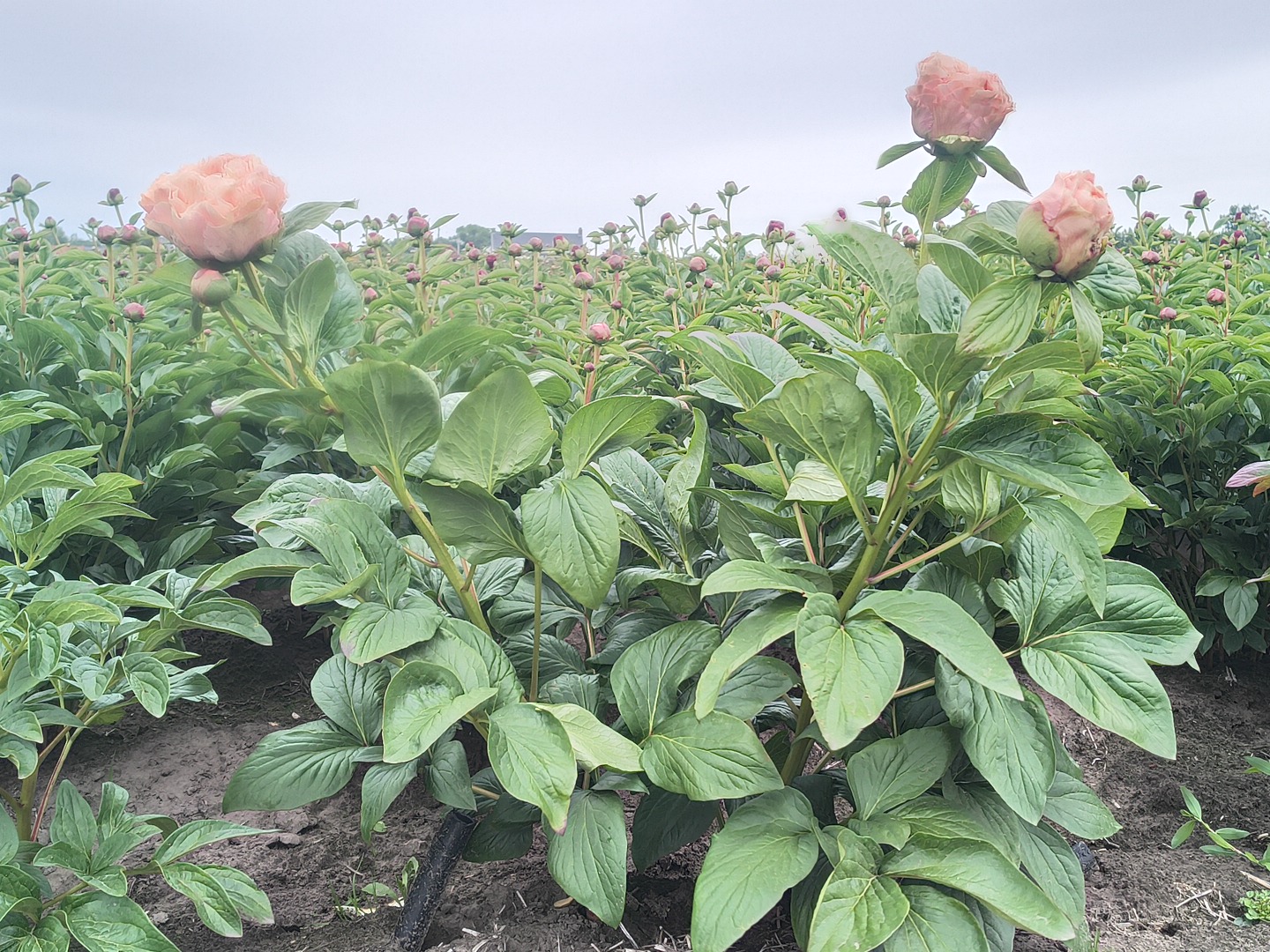
&amp;amp;amp;lt;a class=&amp;amp;amp;quot;wpg-linkify wpg-tooltip&amp;amp;amp;quot; title=&amp;amp;amp;quot;&amp;amp;amp;amp;lt;div class=&amp;amp;amp;amp;quot;wpg-tooltip-content&amp;amp;amp;amp;quot;&amp;amp;amp;amp;gt;&amp;amp;amp;amp;lt;p&amp;amp;amp;amp;gt;Seedling #79H5-8. Parentage: &amp;amp;amp;amp;#039;Pink Vanguard&amp;amp;amp;amp;#039; x &amp;amp;amp;amp;#039;Salmon Dream&amp;amp;amp;amp;#039;. First bloomed 1980, first propagated 2011. Cream with peach flush toward the center of the flowers intensifying towards the base of the petals. Petals are lightly ruffled. Single to semi-double. Flower form becomes more double as plants age. One flower per stem, occasionally with one side bud. Guard petals and outer petals are wide and lightly ruffled adding bulk to the flower. Inner petals, when present, are smaller and curved. Some petals are notched, more commonly in the inner petals. Wide and <a class="wpg-linkify wpg-tooltip" title="&lt;div class=&quot;wpg-tooltip-content&quot;&gt;&lt;p&gt;Leaf tip or base circular, no distinct point.&lt;br /&gt; &lt;a href=&quot;https://www.peonysociety.org/wp-content/uploads/2019/07/Leaf_morphology_apex_rounded.png&quot;&gt;&lt;img class=&quot;size-full wp-image-25365 alignleft&quot; src=&quot;https://www.peonysociety.org/wp-content/uploads/2019/07/Leaf_morphology_apex_rounded.png&quot; alt=&quot;&quot; width=&quot;159&quot; height=&quot;159&quot; /&gt;&lt;/a&gt;&lt;/p&gt; &lt;/div&gt;" href="https://www.peonysociety.org/registered_peonies/rounded/" >rounded</a> &lt;a class=&quot;wpg-linkify wpg-tooltip&quot; title=&quot;&amp;lt;div class=&amp;quot;wpg-tooltip-content&amp;quot;&amp;gt;&amp;lt;p&amp;gt;a leaf is &amp;#039;segmented&amp;#039; when it consists of pieces of various shapes, which are more or less separated from one another&amp;lt;/p&amp;gt; &amp;lt;/div&amp;gt;&quot; href=&quot;https://www.peonysociety.org/registered_peonies/segments/&quot; &gt;segments&lt;/a&gt; surround a ring of yellow <a class="wpg-linkify wpg-tooltip" title="&lt;div class=&quot;wpg-tooltip-content&quot;&gt;&lt;p&gt;stamen: one of the male organs of a flower, consisting typically of a stalk (filament) and a pollen-bearing portion (anther)&lt;/p&gt; &lt;/div&gt;" href="https://www.peonysociety.org/registered_peonies/stamens/" >stamens</a> and 2 to 4 light greenish-yellow <a class="wpg-linkify wpg-tooltip" title="&lt;div class=&quot;wpg-tooltip-content&quot;&gt;&lt;p&gt;carpel: an organ at the centre of a flower, bearing one or more ovules and having its margins fused together or with other carpels to enclose the <a class="wpg-linkify wpg-tooltip" title="<div class="wpg-tooltip-content"><p>a part inside the ovary (= organ that produces eggs) of a plant that contains the female sex cell and develops into a seed when that cell is fertilized</p> </div>" href="https://www.peonysociety.org/registered_peonies/ovule/" >ovule</a> in an <a class="wpg-linkify wpg-tooltip" title="<div class="wpg-tooltip-content"><p>the hollow base of the carpel of a flower, containing one or more ovules</p> </div>" href="https://www.peonysociety.org/registered_peonies/ovary/" >ovary</a>, and consisting also of a <a class="wpg-linkify wpg-tooltip" title="<div class="wpg-tooltip-content"><p>The pollen-receptive surface of a carpel, usually sticky. It sits above the ovary on the style.</p> </div>" href="https://www.peonysociety.org/registered_peonies/stigma/" >stigma</a> and usually a style.&lt;/p&gt; &lt;p&gt;&lt;/p&gt; &lt;/div&gt;" href="https://www.peonysociety.org/registered_peonies/carpels/" >carpels</a> having dark pink to red <a class="wpg-linkify wpg-tooltip" title="&lt;div class=&quot;wpg-tooltip-content&quot;&gt;&lt;p&gt;<a class="wpg-linkify wpg-tooltip" title="<div class="wpg-tooltip-content"><p>The pollen-receptive surface of a carpel, usually sticky. It sits above the ovary on the style.</p> </div>" href="https://www.peonysociety.org/registered_peonies/stigma/" >Stigma</a>: the pollen-receptive surface of a carpel or group of fused carpels, usually sticky.&lt;/p&gt; &lt;p&gt;&lt;/p&gt; &lt;/div&gt;" href="https://www.peonysociety.org/registered_peonies/stigmas/" >stigmas</a>. Fertile both ways and produces large round seeds. Medium height plant (32 inches; 81 cm) with good stem strength (slightly spreading plant habit) and deep green, wide leaves. Bill Seidl garden named this plant &amp;amp;amp;amp;#039;Just Peachy&amp;amp;amp;amp;#039; eight years ago, after it had been growing in his garden for some 30 years. His interest in hybridizing herbaceous peonies took a break for an extended period and many seedlings, including &amp;amp;amp;amp;#039;Just Peachy&amp;amp;amp;amp;#039;, were allowed to grow into very large clumps. Around 2000 the internet became more accessible and Bill began to frequent forums and correspond with other enthusiasts. He realized that a renewed interest in peonies was building and discovered he had many hidden gems. &amp;amp;amp;amp;#039;Just Peachy&amp;amp;amp;amp;#039; is a good example of Bill&amp;amp;amp;amp;#039;s renewed interest due to his ability to correspond with others through electronic media. He truly enjoyed the many new friends that he made through the many emails and forums that the internet afforded. &amp;amp;amp;amp;#039;Just Peachy&amp;amp;amp;amp;#039; was a plant that Bill believed had a large upside to hybridizing and would be a great garden plant for the peony enthusiast.&amp;amp;amp;amp;lt;/p&amp;amp;amp;amp;gt; &amp;amp;amp;amp;lt;/div&amp;amp;amp;amp;gt;&amp;amp;amp;quot; href=&amp;amp;amp;quot;https://www.peonysociety.org/registered_peonies/just-peachy/&amp;amp;amp;quot; &amp;amp;amp;gt;Just Peachy&amp;amp;amp;lt;/a&amp;amp;amp;gt;, a pale beige colour. Semi-double on short stems. Clean buds, including the <a class="wpg-linkify wpg-tooltip" title="<div class="wpg-tooltip-content"><p>sepal: each of the parts of the calyx of a flower, enclosing the petals and typically green and leaflike</p> </div>" href="https://www.peonysociety.org/registered_peonies/sepals/" >sepals</a>. Large buds also and sturdy stems with foliage all the way down to the ground. A very good early peony.
![]()
<a class="wpg-linkify wpg-tooltip" title="&lt;div class=&quot;wpg-tooltip-content&quot;&gt;&lt;p&gt;Seidl #74H120-2. Seidl seedling. Unregistered. Garden named &#039;Valkyrie&#039;. Dark red loose double. Large flowers that have shiny petals and glowing rich deep color. Fertile both ways. Choice flowers, but plant habit requires mechanical support due to long stems between leaves and flowers. As a parent Valkyrie produces a wide range of colors and forms. Recommended for hybridizers as the plant habit require work. (Blushing Princess x Pehrson&#039;s <a class="wpg-linkify wpg-tooltip" title="<div class="wpg-tooltip-content"><p>Officinalis x lactiflora. Single, early red. Seedling A1A77, second generation Otto Frobel hybrid. This is a very remarkable, small, black single which is a second generation hybrid as stated above and was displayed at the Milwaukee, Wis., show in 1944. M</p> </div>" href="https://www.peonysociety.org/registered_peonies/sable/" >Sable</a> x Eclipse hybrid). Fertile both ways.&lt;/p&gt; &lt;/div&gt;" href="https://www.peonysociety.org/registered_peonies/valkyrie/" >Valkyrie</a>, a Bill Seidl plant. Very dark red on floppy stems unfortunately.
&amp;amp;amp;amp;amp;amp;lt;a class=&amp;amp;amp;amp;amp;amp;quot;wpg-linkify wpg-tooltip&amp;amp;amp;amp;amp;amp;quot; title=&amp;amp;amp;amp;amp;amp;quot;&amp;amp;amp;amp;amp;amp;amp;lt;div class=&amp;amp;amp;amp;amp;amp;amp;quot;wpg-tooltip-content&amp;amp;amp;amp;amp;amp;amp;quot;&amp;amp;amp;amp;amp;amp;amp;gt;&amp;amp;amp;amp;amp;amp;amp;lt;p&amp;amp;amp;amp;amp;amp;amp;gt;Seedling D-401. Parentage: &amp;amp;amp;amp;amp;amp;amp;#039;<a class="wpg-linkify wpg-tooltip" title="&lt;div class=&quot;wpg-tooltip-content&quot;&gt;&lt;p&gt;Yellow full double tetraploid hybrid, becomes bomb-shaped, yellow guards. Center has two shades of yellow, many yellow petals and petalodes tinged peach at base start off spotted green. Opens as large compact green-yellow globe, distinct green blotches slowly fade with growth of crown. Good stems and foliage, very heavy roots, floriferous, fragrant, one of the last hybrids. Bloomed first 2000.&lt;/p&gt; &lt;/div&gt;" href="https://www.peonysociety.org/registered_peonies/quitzin/" >Quitzin</a>&amp;amp;amp;amp;amp;amp;amp;#039; x &amp;amp;amp;lt;a class=&amp;amp;amp;quot;wpg-linkify wpg-tooltip&amp;amp;amp;quot; title=&amp;amp;amp;quot;&amp;amp;amp;amp;lt;div class=&amp;amp;amp;amp;quot;wpg-tooltip-content&amp;amp;amp;amp;quot;&amp;amp;amp;amp;gt;&amp;amp;amp;amp;lt;p&amp;amp;amp;amp;gt;Growing mostly in deciduous broad-leaved forests, pine forests or mixed forests, less frequently in grasses. The species prefers calcarious soils and is found usually at altitudes from 50 to 1,500 m. Albania, Bulgaria, Greece, Italy (Mt San Donato di Ninea), Macedonia, Moldova, Romania, Serbia and Turkey.&amp;amp;amp;amp;lt;/p&amp;amp;amp;amp;gt; &amp;amp;amp;amp;lt;p&amp;amp;amp;amp;gt;The most distinct character of Paeonia peregrina is its always teeth-lobed leaflets or &lt;a class=&quot;wpg-linkify wpg-tooltip&quot; title=&quot;&amp;lt;div class=&amp;quot;wpg-tooltip-content&amp;quot;&amp;gt;&amp;lt;p&amp;gt;a leaf is &amp;#039;segmented&amp;#039; when it consists of pieces of various shapes, which are more or less separated from one another&amp;lt;/p&amp;gt; &amp;lt;/div&amp;gt;&quot; href=&quot;https://www.peonysociety.org/registered_peonies/segments/&quot; &gt;segments&lt;/a&gt;, which distinguish it readily from P. officinalis and P. saueri. The other distinct characters are <a class="wpg-linkify wpg-tooltip" title="&lt;div class=&quot;wpg-tooltip-content&quot;&gt;&lt;p&gt;tuber: a starchy storage organ (such as a potato) formed by swelling of an underground stem or the distal end of a root.&lt;/p&gt; &lt;/div&gt;" href="https://www.peonysociety.org/registered_peonies/tuberous/" >tuberous</a> or &lt;a class=&quot;wpg-linkify wpg-tooltip&quot; title=&quot;&amp;lt;div class=&amp;quot;wpg-tooltip-content&amp;quot;&amp;gt;&amp;lt;p&amp;gt;Spindle-shaped, that is being wide in the middle while narrowing or tapering at both ends.&amp;lt;/p&amp;gt; &amp;lt;/div&amp;gt;&quot; href=&quot;https://www.peonysociety.org/registered_peonies/fusiform/&quot; &gt;fusiform&lt;/a&gt; lateral roots, leaflets or &lt;a class=&quot;wpg-linkify wpg-tooltip&quot; title=&quot;&amp;lt;div class=&amp;quot;wpg-tooltip-content&amp;quot;&amp;gt;&amp;lt;p&amp;gt;a leaf is &amp;#039;segmented&amp;#039; when it consists of pieces of various shapes, which are more or less separated from one another&amp;lt;/p&amp;gt; &amp;lt;/div&amp;gt;&quot; href=&quot;https://www.peonysociety.org/registered_peonies/segments/&quot; &gt;segments&lt;/a&gt; often with &lt;a class=&quot;wpg-linkify wpg-tooltip&quot; title=&quot;&amp;lt;div class=&amp;quot;wpg-tooltip-content&amp;quot;&amp;gt;&amp;lt;p&amp;gt;a stiff or rigid, hair-like process&amp;lt;/p&amp;gt; &amp;lt;/div&amp;gt;&quot; href=&quot;https://www.peonysociety.org/registered_peonies/bristles-2/&quot; &gt;bristles&lt;/a&gt; along veins on the upper surface, and dark-red and cup-shaped corollas.&amp;amp;amp;amp;lt;br /&amp;amp;amp;amp;gt; &amp;amp;amp;amp;lt;a href=&amp;amp;amp;amp;quot;https://www.peonysociety.org/species/herbaceous/paeonia/peregrina/&amp;amp;amp;amp;quot;&amp;amp;amp;amp;gt;More info&amp;amp;amp;amp;lt;/a&amp;amp;amp;amp;gt;&amp;amp;amp;amp;lt;/p&amp;amp;amp;amp;gt; &amp;amp;amp;amp;lt;/div&amp;amp;amp;amp;gt;&amp;amp;amp;quot; href=&amp;amp;amp;quot;https://www.peonysociety.org/registered_peonies/p-peregrina/&amp;amp;amp;quot; &amp;amp;amp;gt;P. peregrina&amp;amp;amp;lt;/a&amp;amp;amp;gt;. Early midseason SINGLE. Straight-edged, somewhat frilled red guard petals. Fairly large flowers (17 cm; 7 inches), two per stem, having an average of three pale green <a class="wpg-linkify wpg-tooltip" title="&lt;div class=&quot;wpg-tooltip-content&quot;&gt;&lt;p&gt;carpel: an organ at the centre of a flower, bearing one or more ovules and having its margins fused together or with other carpels to enclose the <a class="wpg-linkify wpg-tooltip" title="<div class="wpg-tooltip-content"><p>a part inside the ovary (= organ that produces eggs) of a plant that contains the female sex cell and develops into a seed when that cell is fertilized</p> </div>" href="https://www.peonysociety.org/registered_peonies/ovule/" >ovule</a> in an <a class="wpg-linkify wpg-tooltip" title="<div class="wpg-tooltip-content"><p>the hollow base of the carpel of a flower, containing one or more ovules</p> </div>" href="https://www.peonysociety.org/registered_peonies/ovary/" >ovary</a>, and consisting also of a <a class="wpg-linkify wpg-tooltip" title="<div class="wpg-tooltip-content"><p>The pollen-receptive surface of a carpel, usually sticky. It sits above the ovary on the style.</p> </div>" href="https://www.peonysociety.org/registered_peonies/stigma/" >stigma</a> and usually a style.&lt;/p&gt; &lt;p&gt;&lt;/p&gt; &lt;/div&gt;" href="https://www.peonysociety.org/registered_peonies/carpels/" >carpels</a> with white <a class="wpg-linkify wpg-tooltip" title="&lt;div class=&quot;wpg-tooltip-content&quot;&gt;&lt;p&gt;<a class="wpg-linkify wpg-tooltip" title="<div class="wpg-tooltip-content"><p>The pollen-receptive surface of a carpel, usually sticky. It sits above the ovary on the style.</p> </div>" href="https://www.peonysociety.org/registered_peonies/stigma/" >Stigma</a>: the pollen-receptive surface of a carpel or group of fused carpels, usually sticky.&lt;/p&gt; &lt;p&gt;&lt;/p&gt; &lt;/div&gt;" href="https://www.peonysociety.org/registered_peonies/stigmas/" >stigmas</a>. Pollen and seeds. Pointed, medium width foliage to the ground. Tall stems (95 cm; 37 inches) are well hidden due to the remarkable density of the lush foliage. Named after a Russian botanist (1887-1943).&amp;amp;amp;amp;amp;amp;amp;lt;/p&amp;amp;amp;amp;amp;amp;amp;gt; &amp;amp;amp;amp;amp;amp;amp;lt;/div&amp;amp;amp;amp;amp;amp;amp;gt;&amp;amp;amp;amp;amp;amp;quot; href=&amp;amp;amp;amp;amp;amp;quot;https://www.peonysociety.org/registered_peonies/nikolai-vavilov/&amp;amp;amp;amp;amp;amp;quot; &amp;amp;amp;amp;amp;amp;gt;Nikolai Vavilov&amp;amp;amp;amp;amp;amp;lt;/a&amp;amp;amp;amp;amp;amp;gt;, an extremely sturdy plant with very large single red flowers, bred by Harald Fawkner. Somewhat resembling The &amp;amp;amp;amp;amp;amp;lt;a class=&amp;amp;amp;amp;amp;amp;quot;wpg-linkify wpg-tooltip&amp;amp;amp;amp;amp;amp;quot; title=&amp;amp;amp;amp;amp;amp;quot;&amp;amp;amp;amp;amp;amp;amp;lt;div class=&amp;amp;amp;amp;amp;amp;amp;quot;wpg-tooltip-content&amp;amp;amp;amp;amp;amp;amp;quot;&amp;amp;amp;amp;amp;amp;amp;gt;&amp;amp;amp;amp;amp;amp;amp;lt;p&amp;amp;amp;amp;amp;amp;amp;gt;Seedling RELSW6. Parentage: &amp;amp;amp;amp;amp;amp;amp;#039;&amp;amp;lt;a class=&amp;amp;quot;wpg-linkify wpg-tooltip&amp;amp;quot; title=&amp;amp;quot;&amp;amp;amp;lt;div class=&amp;amp;amp;quot;wpg-tooltip-content&amp;amp;amp;quot;&amp;amp;amp;gt;&amp;amp;amp;lt;p&amp;amp;amp;gt;herbaceous hybrid, double. Parentage: Salmon Dream, lemon chiffon. First year bloomed 1987 Ploidy-tetraploid. Medium rose pink, wide guard petals frame a mound of smaller petals. Ball form or in between. Tetraploid. Fertile pollen. <a class="wpg-linkify wpg-tooltip" title="&lt;div class=&quot;wpg-tooltip-content&quot;&gt;&lt;p&gt;stamen: one of the male organs of a flower, consisting typically of a stalk (filament) and a pollen-bearing portion (anther)&lt;/p&gt; &lt;/div&gt;" href="https://www.peonysociety.org/registered_peonies/stamens/" >Stamens</a> clustered aroun&amp;amp;amp;lt;/p&amp;amp;amp;gt; &amp;amp;amp;lt;/div&amp;amp;amp;gt;&amp;amp;quot; href=&amp;amp;quot;https://www.peonysociety.org/registered_peonies/roselegance/&amp;amp;quot; &amp;amp;gt;Roselegance&amp;amp;lt;/a&amp;amp;gt;&amp;amp;amp;amp;amp;amp;amp;#039; x LSW6. SINGLE. Named for the stature of Napoleon Bonaparte. &amp;amp;amp;amp;amp;amp;amp;#039;Little Corporal&amp;amp;amp;amp;amp;amp;amp;#039; is a short plant that reaches a maximum height of 20 inches. Foliage is broad with points and is a deep green. Foliage, stature and flower are unique and will not be confused with other reds from &amp;amp;amp;lt;a class=&amp;amp;amp;quot;wpg-linkify wpg-tooltip&amp;amp;amp;quot; title=&amp;amp;amp;quot;&amp;amp;amp;amp;lt;div class=&amp;amp;amp;amp;quot;wpg-tooltip-content&amp;amp;amp;amp;quot;&amp;amp;amp;amp;gt;&amp;amp;amp;amp;lt;p&amp;amp;amp;amp;gt;Growing mostly in deciduous broad-leaved forests, pine forests or mixed forests, less frequently in grasses. The species prefers calcarious soils and is found usually at altitudes from 50 to 1,500 m. Albania, Bulgaria, Greece, Italy (Mt San Donato di Ninea), Macedonia, Moldova, Romania, Serbia and Turkey.&amp;amp;amp;amp;lt;/p&amp;amp;amp;amp;gt; &amp;amp;amp;amp;lt;p&amp;amp;amp;amp;gt;The most distinct character of Paeonia peregrina is its always teeth-lobed leaflets or &lt;a class=&quot;wpg-linkify wpg-tooltip&quot; title=&quot;&amp;lt;div class=&amp;quot;wpg-tooltip-content&amp;quot;&amp;gt;&amp;lt;p&amp;gt;a leaf is &amp;#039;segmented&amp;#039; when it consists of pieces of various shapes, which are more or less separated from one another&amp;lt;/p&amp;gt; &amp;lt;/div&amp;gt;&quot; href=&quot;https://www.peonysociety.org/registered_peonies/segments/&quot; &gt;segments&lt;/a&gt;, which distinguish it readily from P. officinalis and P. saueri. The other distinct characters are <a class="wpg-linkify wpg-tooltip" title="&lt;div class=&quot;wpg-tooltip-content&quot;&gt;&lt;p&gt;tuber: a starchy storage organ (such as a potato) formed by swelling of an underground stem or the distal end of a root.&lt;/p&gt; &lt;/div&gt;" href="https://www.peonysociety.org/registered_peonies/tuberous/" >tuberous</a> or &lt;a class=&quot;wpg-linkify wpg-tooltip&quot; title=&quot;&amp;lt;div class=&amp;quot;wpg-tooltip-content&amp;quot;&amp;gt;&amp;lt;p&amp;gt;Spindle-shaped, that is being wide in the middle while narrowing or tapering at both ends.&amp;lt;/p&amp;gt; &amp;lt;/div&amp;gt;&quot; href=&quot;https://www.peonysociety.org/registered_peonies/fusiform/&quot; &gt;fusiform&lt;/a&gt; lateral roots, leaflets or &lt;a class=&quot;wpg-linkify wpg-tooltip&quot; title=&quot;&amp;lt;div class=&amp;quot;wpg-tooltip-content&amp;quot;&amp;gt;&amp;lt;p&amp;gt;a leaf is &amp;#039;segmented&amp;#039; when it consists of pieces of various shapes, which are more or less separated from one another&amp;lt;/p&amp;gt; &amp;lt;/div&amp;gt;&quot; href=&quot;https://www.peonysociety.org/registered_peonies/segments/&quot; &gt;segments&lt;/a&gt; often with &lt;a class=&quot;wpg-linkify wpg-tooltip&quot; title=&quot;&amp;lt;div class=&amp;quot;wpg-tooltip-content&amp;quot;&amp;gt;&amp;lt;p&amp;gt;a stiff or rigid, hair-like process&amp;lt;/p&amp;gt; &amp;lt;/div&amp;gt;&quot; href=&quot;https://www.peonysociety.org/registered_peonies/bristles-2/&quot; &gt;bristles&lt;/a&gt; along veins on the upper surface, and dark-red and cup-shaped corollas.&amp;amp;amp;amp;lt;br /&amp;amp;amp;amp;gt; &amp;amp;amp;amp;lt;a href=&amp;amp;amp;amp;quot;https://www.peonysociety.org/species/herbaceous/paeonia/peregrina/&amp;amp;amp;amp;quot;&amp;amp;amp;amp;gt;More info&amp;amp;amp;amp;lt;/a&amp;amp;amp;amp;gt;&amp;amp;amp;amp;lt;/p&amp;amp;amp;amp;gt; &amp;amp;amp;amp;lt;/div&amp;amp;amp;amp;gt;&amp;amp;amp;quot; href=&amp;amp;amp;quot;https://www.peonysociety.org/registered_peonies/p-peregrina/&amp;amp;amp;quot; &amp;amp;amp;gt;P. peregrina&amp;amp;amp;lt;/a&amp;amp;amp;gt; lineage. One brilliant single rose red flower is carried on a sturdy stem. Flowers have a large ring of yellow <a class="wpg-linkify wpg-tooltip" title="&lt;div class=&quot;wpg-tooltip-content&quot;&gt;&lt;p&gt;stamen: one of the male organs of a flower, consisting typically of a stalk (filament) and a pollen-bearing portion (anther)&lt;/p&gt; &lt;/div&gt;" href="https://www.peonysociety.org/registered_peonies/stamens/" >stamens</a> carried on white &amp;lt;a class=&amp;quot;wpg-linkify wpg-tooltip&amp;quot; title=&amp;quot;&amp;amp;lt;div class=&amp;amp;quot;wpg-tooltip-content&amp;amp;quot;&amp;amp;gt;&amp;amp;lt;p&amp;amp;gt;filament: the stalk of a stamen&amp;amp;lt;/p&amp;amp;gt; &amp;amp;lt;/div&amp;amp;gt;&amp;quot; href=&amp;quot;https://www.peonysociety.org/registered_peonies/filaments/&amp;quot; &amp;gt;filaments&amp;lt;/a&amp;gt; with red bases. <a class="wpg-linkify wpg-tooltip" title="&lt;div class=&quot;wpg-tooltip-content&quot;&gt;&lt;p&gt;carpel: an organ at the centre of a flower, bearing one or more ovules and having its margins fused together or with other carpels to enclose the <a class="wpg-linkify wpg-tooltip" title="<div class="wpg-tooltip-content"><p>a part inside the ovary (= organ that produces eggs) of a plant that contains the female sex cell and develops into a seed when that cell is fertilized</p> </div>" href="https://www.peonysociety.org/registered_peonies/ovule/" >ovule</a> in an <a class="wpg-linkify wpg-tooltip" title="<div class="wpg-tooltip-content"><p>the hollow base of the carpel of a flower, containing one or more ovules</p> </div>" href="https://www.peonysociety.org/registered_peonies/ovary/" >ovary</a>, and consisting also of a <a class="wpg-linkify wpg-tooltip" title="<div class="wpg-tooltip-content"><p>The pollen-receptive surface of a carpel, usually sticky. It sits above the ovary on the style.</p> </div>" href="https://www.peonysociety.org/registered_peonies/stigma/" >stigma</a> and usually a style.&lt;/p&gt; &lt;p&gt;&lt;/p&gt; &lt;/div&gt;" href="https://www.peonysociety.org/registered_peonies/carpels/" >Carpels</a> are green tipped with rose red <a class="wpg-linkify wpg-tooltip" title="&lt;div class=&quot;wpg-tooltip-content&quot;&gt;&lt;p&gt;<a class="wpg-linkify wpg-tooltip" title="<div class="wpg-tooltip-content"><p>The pollen-receptive surface of a carpel, usually sticky. It sits above the ovary on the style.</p> </div>" href="https://www.peonysociety.org/registered_peonies/stigma/" >Stigma</a>: the pollen-receptive surface of a carpel or group of fused carpels, usually sticky.&lt;/p&gt; &lt;p&gt;&lt;/p&gt; &lt;/div&gt;" href="https://www.peonysociety.org/registered_peonies/stigmas/" >stigmas</a>. <a class="wpg-linkify wpg-tooltip" title="<div class="wpg-tooltip-content"><p>Even; with a smooth margin; without toothing.<br /> <a href="https://www.peonysociety.org/wp-content/uploads/2019/07/Leaf_morphology_entire.png"><img class="size-full wp-image-25339 alignleft" src="https://www.peonysociety.org/wp-content/uploads/2019/07/Leaf_morphology_entire.png" alt="" width="207" height="122" /></a></p> </div>" href="https://www.peonysociety.org/registered_peonies/entire/" >Entire</a> flower is very symmetrical. Flowers face upward. Bloom period is early-mid season. Plants are fast growing and floriferous. Readily produces seed, but no pollen. Of interest for hybridizing due to unusual pedigree. &amp;amp;amp;amp;amp;amp;amp;#039;Little Corporal&amp;amp;amp;amp;amp;amp;amp;#039;s pod parent, &amp;amp;amp;amp;amp;amp;amp;#039;&amp;amp;lt;a class=&amp;amp;quot;wpg-linkify wpg-tooltip&amp;amp;quot; title=&amp;amp;quot;&amp;amp;amp;lt;div class=&amp;amp;amp;quot;wpg-tooltip-content&amp;amp;amp;quot;&amp;amp;amp;gt;&amp;amp;amp;lt;p&amp;amp;amp;gt;herbaceous hybrid, double. Parentage: Salmon Dream, lemon chiffon. First year bloomed 1987 Ploidy-tetraploid. Medium rose pink, wide guard petals frame a mound of smaller petals. Ball form or in between. Tetraploid. Fertile pollen. <a class="wpg-linkify wpg-tooltip" title="&lt;div class=&quot;wpg-tooltip-content&quot;&gt;&lt;p&gt;stamen: one of the male organs of a flower, consisting typically of a stalk (filament) and a pollen-bearing portion (anther)&lt;/p&gt; &lt;/div&gt;" href="https://www.peonysociety.org/registered_peonies/stamens/" >Stamens</a> clustered aroun&amp;amp;amp;lt;/p&amp;amp;amp;gt; &amp;amp;amp;lt;/div&amp;amp;amp;gt;&amp;amp;quot; href=&amp;amp;quot;https://www.peonysociety.org/registered_peonies/roselegance/&amp;amp;quot; &amp;amp;gt;Roselegance&amp;amp;lt;/a&amp;amp;gt;&amp;amp;amp;amp;amp;amp;amp;#039; is extinct and is the product of (&amp;amp;amp;amp;amp;amp;amp;#039;&amp;amp;amp;lt;a class=&amp;amp;amp;quot;wpg-linkify wpg-tooltip&amp;amp;amp;quot; title=&amp;amp;amp;quot;&amp;amp;amp;amp;lt;div class=&amp;amp;amp;amp;quot;wpg-tooltip-content&amp;amp;amp;amp;quot;&amp;amp;amp;amp;gt;&amp;amp;amp;amp;lt;p&amp;amp;amp;amp;gt;&amp;amp;amp;amp;lt;/p&amp;amp;amp;amp;gt; &amp;amp;amp;amp;lt;/div&amp;amp;amp;amp;gt;&amp;amp;amp;quot; href=&amp;amp;amp;quot;https://www.peonysociety.org/registered_peonies/salmon-dream/&amp;amp;amp;quot; &amp;amp;amp;gt;Salmon Dream&amp;amp;amp;lt;/a&amp;amp;amp;gt;&amp;amp;amp;amp;amp;amp;amp;#039; x &amp;amp;amp;amp;amp;amp;amp;#039;&amp;amp;amp;amp;amp;lt;a class=&amp;amp;amp;amp;amp;quot;wpg-linkify wpg-tooltip&amp;amp;amp;amp;amp;quot; title=&amp;amp;amp;amp;amp;quot;&amp;amp;amp;amp;amp;amp;lt;div class=&amp;amp;amp;amp;amp;amp;quot;wpg-tooltip-content&amp;amp;amp;amp;amp;amp;quot;&amp;amp;amp;amp;amp;amp;gt;&amp;amp;amp;amp;amp;amp;lt;p&amp;amp;amp;amp;amp;amp;gt;Double hybrid; parentage &amp;amp;amp;lt;a class=&amp;amp;amp;quot;wpg-linkify wpg-tooltip&amp;amp;amp;quot; title=&amp;amp;amp;quot;&amp;amp;amp;amp;lt;div class=&amp;amp;amp;amp;quot;wpg-tooltip-content&amp;amp;amp;amp;quot;&amp;amp;amp;amp;gt;&amp;amp;amp;amp;lt;p&amp;amp;amp;amp;gt;&amp;amp;amp;amp;lt;/p&amp;amp;amp;amp;gt; &amp;amp;amp;amp;lt;/div&amp;amp;amp;amp;gt;&amp;amp;amp;quot; href=&amp;amp;amp;quot;https://www.peonysociety.org/registered_peonies/salmon-dream/&amp;amp;amp;quot; &amp;amp;amp;gt;Salmon Dream&amp;amp;amp;lt;/a&amp;amp;amp;gt; x Reath No. F-3: Cream Delight x &lt;a class=&quot;wpg-linkify wpg-tooltip&quot; title=&quot;&amp;lt;div class=&amp;quot;wpg-tooltip-content&amp;quot;&amp;gt;&amp;lt;/div&amp;gt;&quot; href=&quot;https://www.peonysociety.org/registered_peonies/moonrise/&quot; &gt;Moonrise&lt;/a&gt;; first bloomed 1980. Lemon Yellow, hybrid, double ball; <a class="wpg-linkify wpg-tooltip" title="&lt;div class=&quot;wpg-tooltip-content&quot;&gt;&lt;p&gt;stamen: one of the male organs of a flower, consisting typically of a stalk (filament) and a pollen-bearing portion (anther)&lt;/p&gt; &lt;/div&gt;" href="https://www.peonysociety.org/registered_peonies/stamens/" >stamens</a>, pollen, and seeds; heavy substance, floriferous; strong stems, bloom held erect; 32 inches; midseason hybrids, June 11; attractive deep green foliage. A very fertile seedling with bloom of bomb to ball-type double. Seedling Reath 80-4.&amp;amp;amp;amp;amp;amp;lt;/p&amp;amp;amp;amp;amp;amp;gt; &amp;amp;amp;amp;amp;amp;lt;/div&amp;amp;amp;amp;amp;amp;gt;&amp;amp;amp;amp;amp;quot; href=&amp;amp;amp;amp;amp;quot;https://www.peonysociety.org/registered_peonies/lemon-chiffon/&amp;amp;amp;amp;amp;quot; &amp;amp;amp;amp;amp;gt;Lemon Chiffon&amp;amp;amp;amp;amp;lt;/a&amp;amp;amp;amp;amp;gt;&amp;amp;amp;amp;amp;amp;amp;#039;). Pollen parent was Seidl seedling LSW6 (&amp;amp;amp;amp;amp;amp;amp;#039;<a class="wpg-linkify wpg-tooltip" title="<div class="wpg-tooltip-content"><p>Single bright red. Very early. Dwarf, 12 inches. Cross of officinalis Otto Froebel x Tenuifolia, single. Seedling # 32-R-3.</p> </div>" href="https://www.peonysociety.org/registered_peonies/laddie/" >Laddie</a>&amp;amp;amp;amp;amp;amp;amp;#039; x &amp;amp;amp;amp;amp;amp;amp;#039;Sparkling Windflower&amp;amp;amp;amp;amp;amp;amp;#039;), a single red. Genetics for double flowers are contained within &amp;amp;amp;amp;amp;amp;amp;#039;The Little Corporal&amp;amp;amp;amp;amp;amp;amp;#039; via &amp;amp;amp;amp;amp;amp;amp;#039;&amp;amp;lt;a class=&amp;amp;quot;wpg-linkify wpg-tooltip&amp;amp;quot; title=&amp;amp;quot;&amp;amp;amp;lt;div class=&amp;amp;amp;quot;wpg-tooltip-content&amp;amp;amp;quot;&amp;amp;amp;gt;&amp;amp;amp;lt;p&amp;amp;amp;gt;herbaceous hybrid, double. Parentage: Salmon Dream, lemon chiffon. First year bloomed 1987 Ploidy-tetraploid. Medium rose pink, wide guard petals frame a mound of smaller petals. Ball form or in between. Tetraploid. Fertile pollen. <a class="wpg-linkify wpg-tooltip" title="&lt;div class=&quot;wpg-tooltip-content&quot;&gt;&lt;p&gt;stamen: one of the male organs of a flower, consisting typically of a stalk (filament) and a pollen-bearing portion (anther)&lt;/p&gt; &lt;/div&gt;" href="https://www.peonysociety.org/registered_peonies/stamens/" >Stamens</a> clustered aroun&amp;amp;amp;lt;/p&amp;amp;amp;gt; &amp;amp;amp;lt;/div&amp;amp;amp;gt;&amp;amp;quot; href=&amp;amp;quot;https://www.peonysociety.org/registered_peonies/roselegance/&amp;amp;quot; &amp;amp;gt;Roselegance&amp;amp;lt;/a&amp;amp;gt;&amp;amp;amp;amp;amp;amp;amp;#039; and this has been demonstrated in crosses at Solaris Farms. As a short front of the garden peony it is outstanding for color and plant form. Could easily be used in rock gardens.&amp;amp;amp;amp;amp;amp;amp;lt;/p&amp;amp;amp;amp;amp;amp;amp;gt; &amp;amp;amp;amp;amp;amp;amp;lt;/div&amp;amp;amp;amp;amp;amp;amp;gt;&amp;amp;amp;amp;amp;amp;quot; href=&amp;amp;amp;amp;amp;amp;quot;https://www.peonysociety.org/registered_peonies/little-corporal/&amp;amp;amp;amp;amp;amp;quot; &amp;amp;amp;amp;amp;amp;gt;Little Corporal&amp;amp;amp;amp;amp;amp;lt;/a&amp;amp;amp;amp;amp;amp;gt;, but it is much taller. Named for a Russian botanist who fell out of favour of the Communist leadership undeservingly.
https://en.m.wikipedia.org/wiki/Nikolai_Vavilov

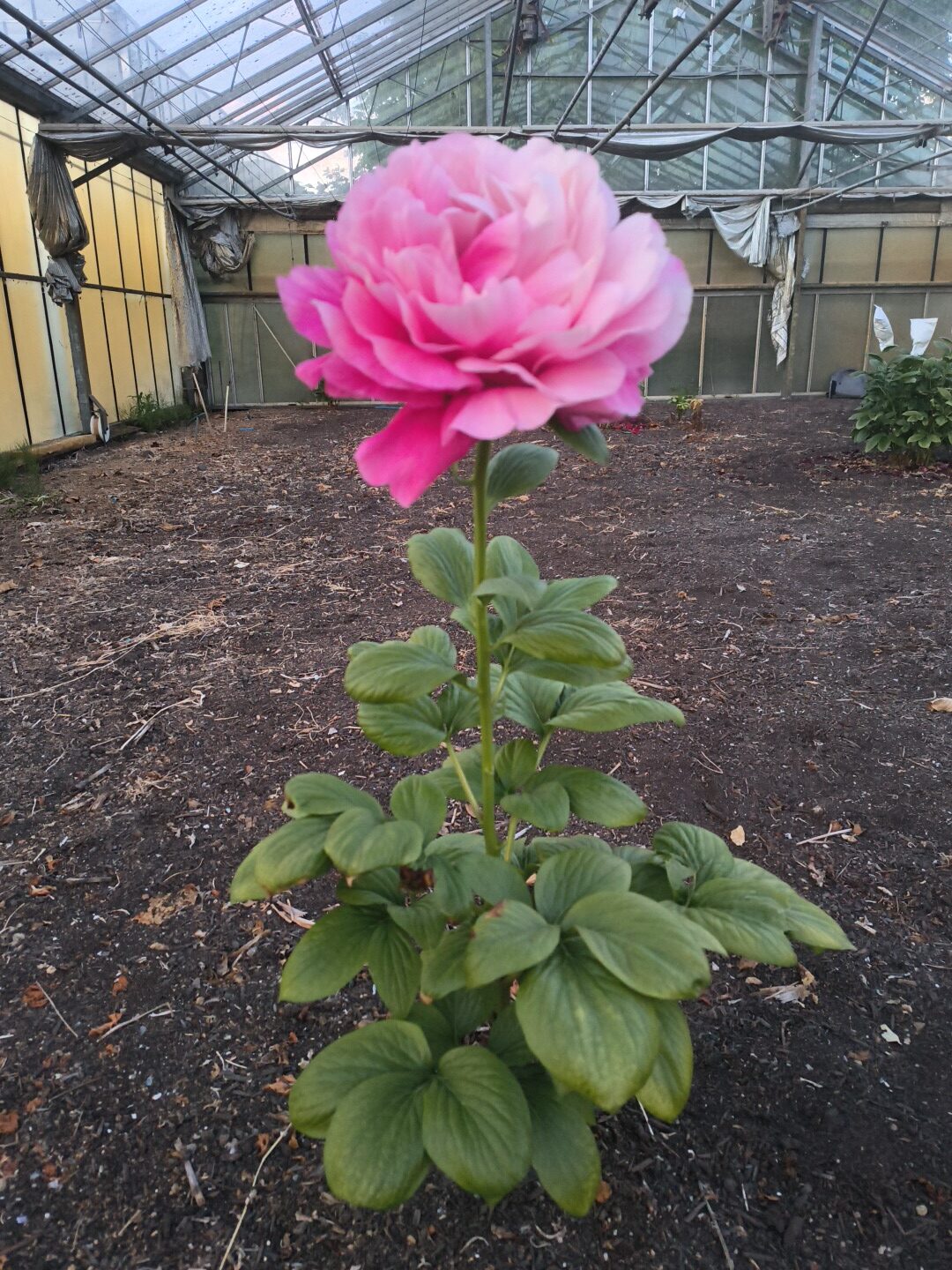
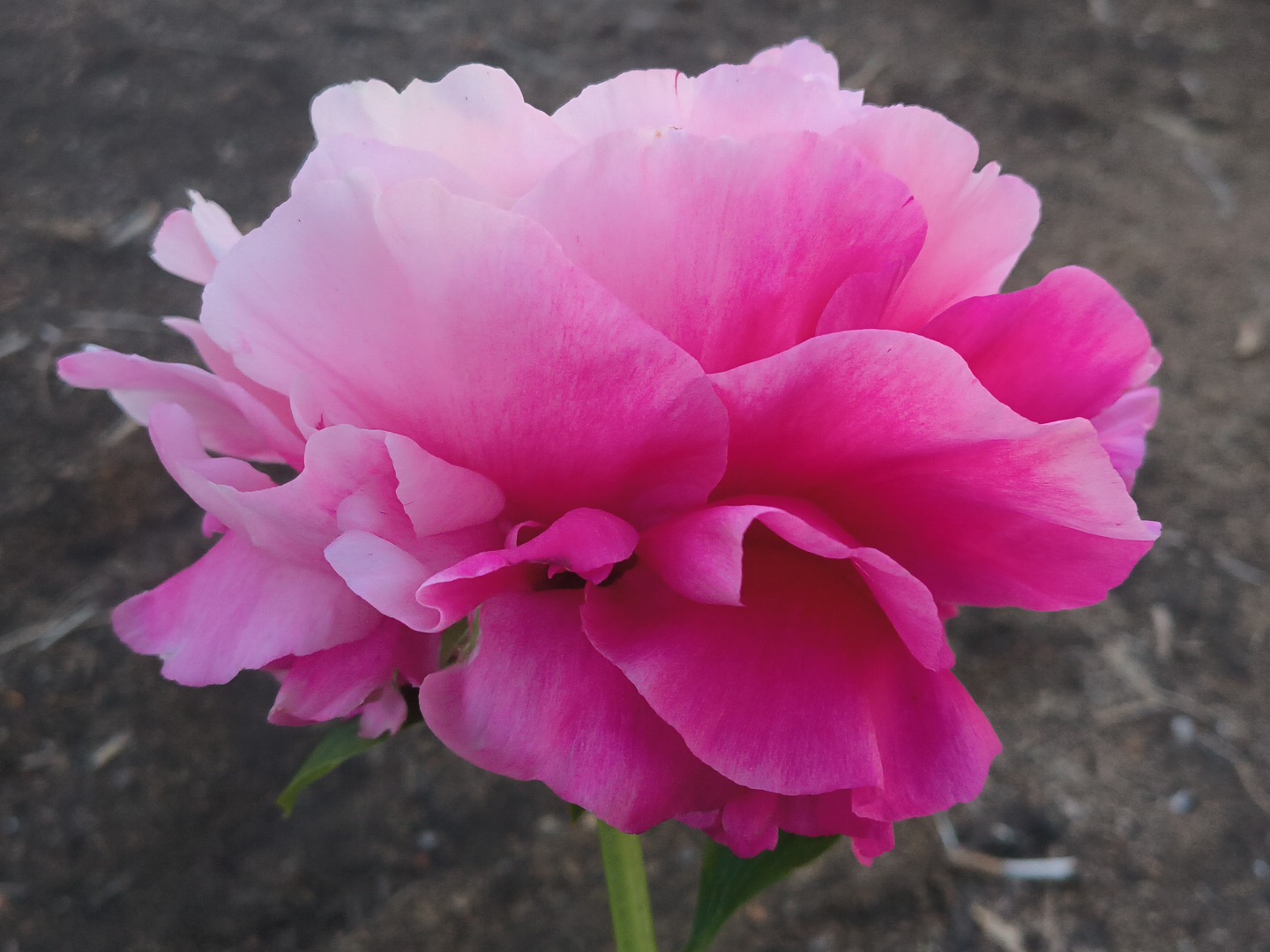
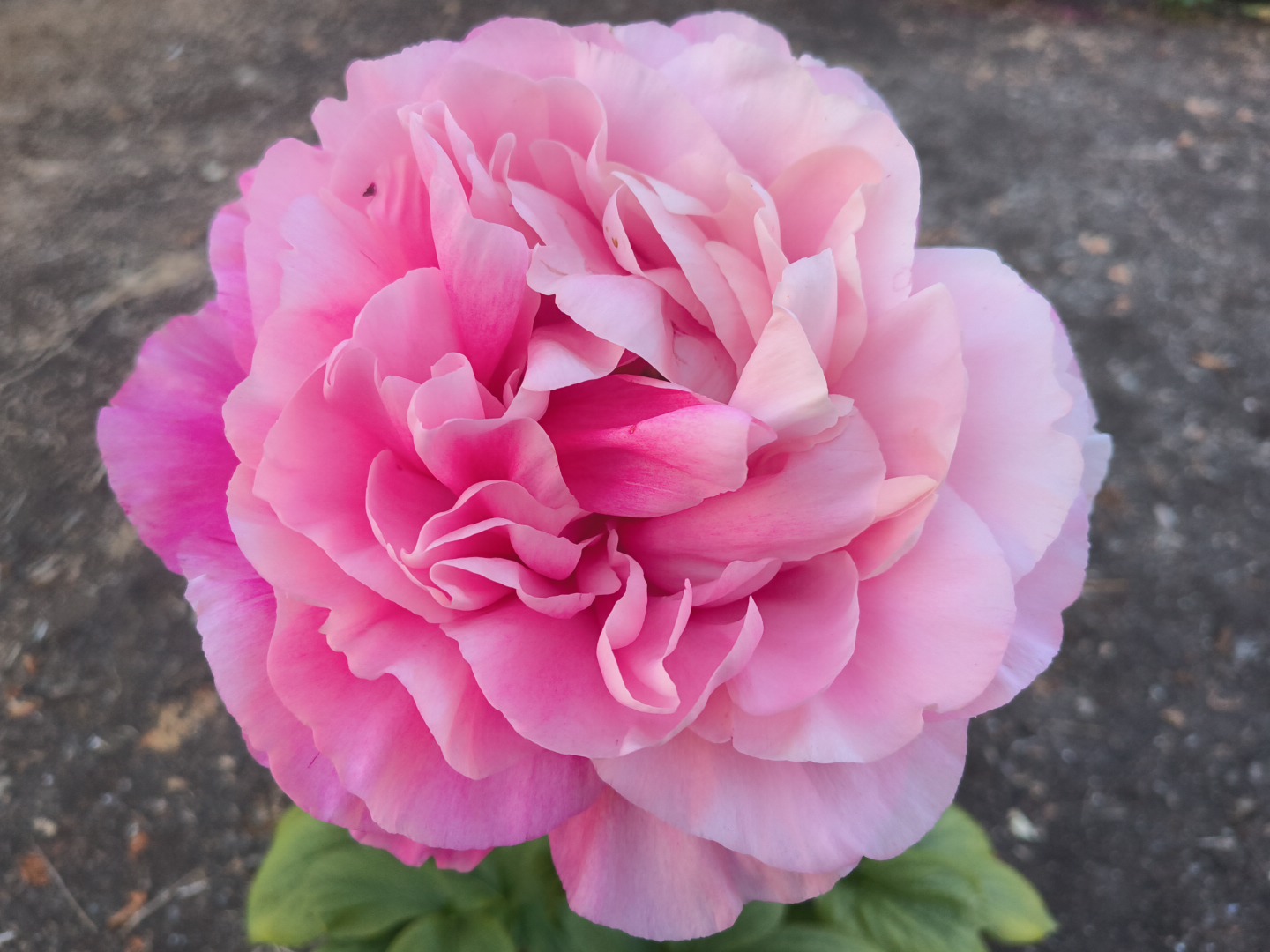
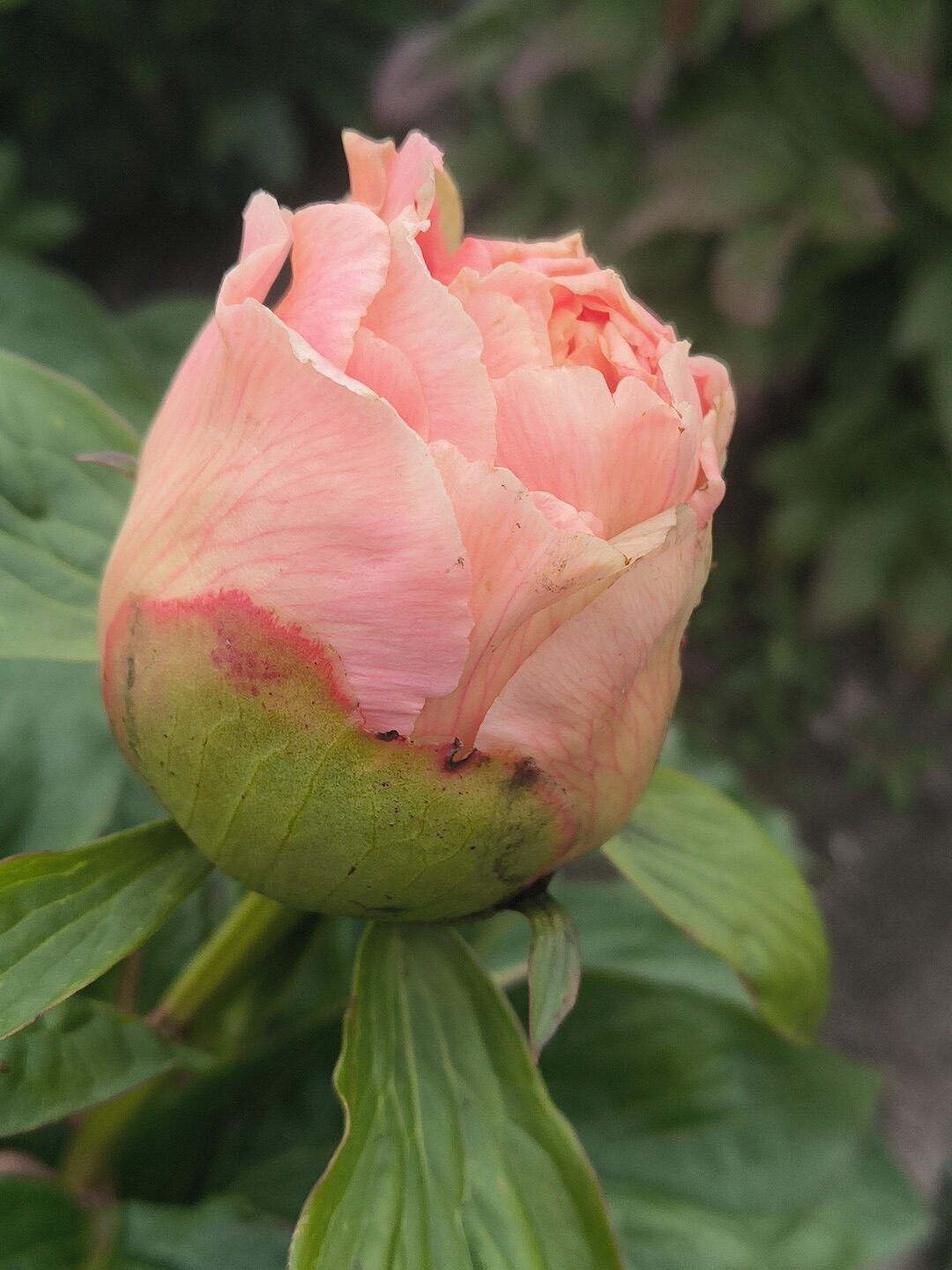
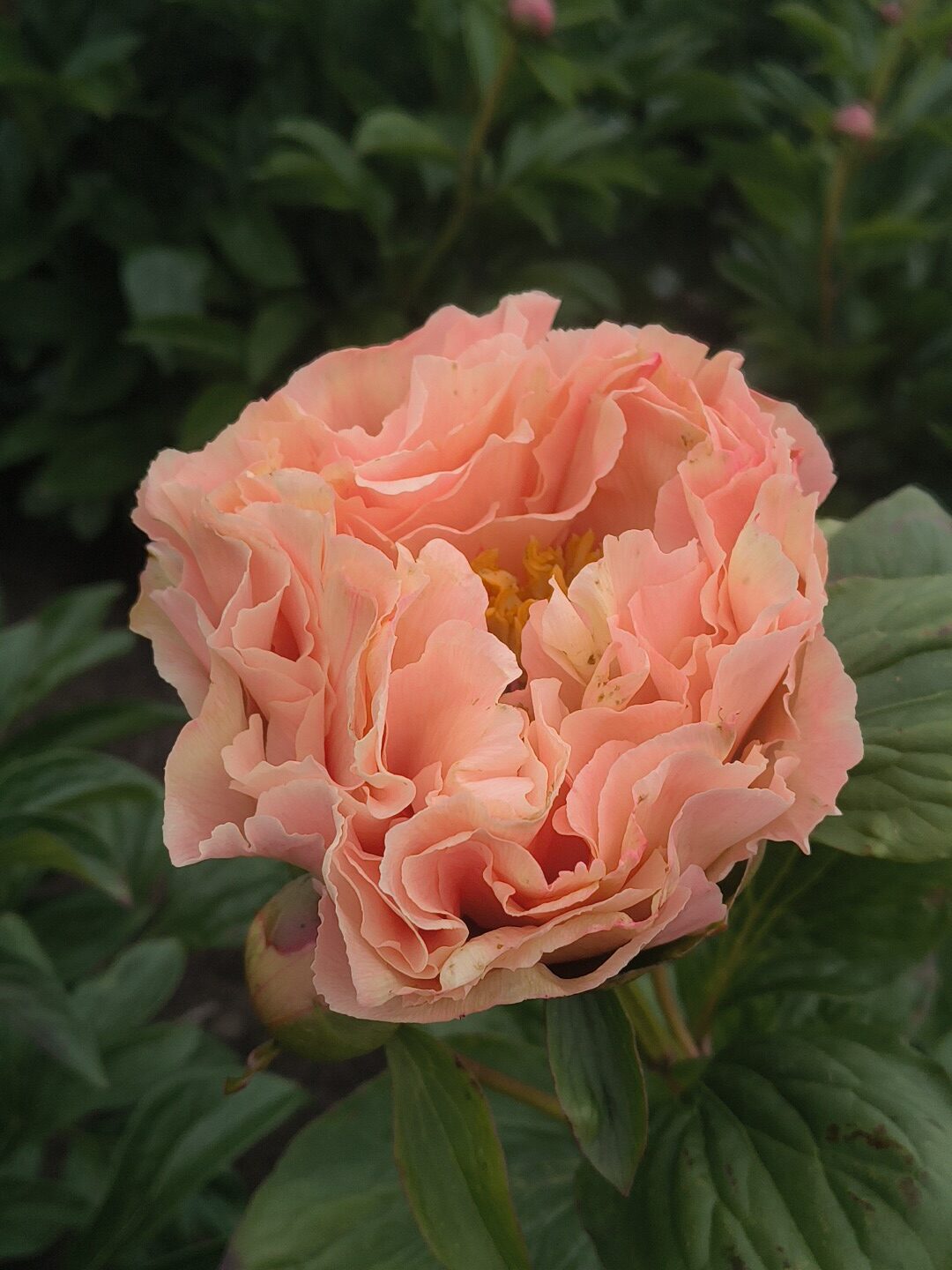
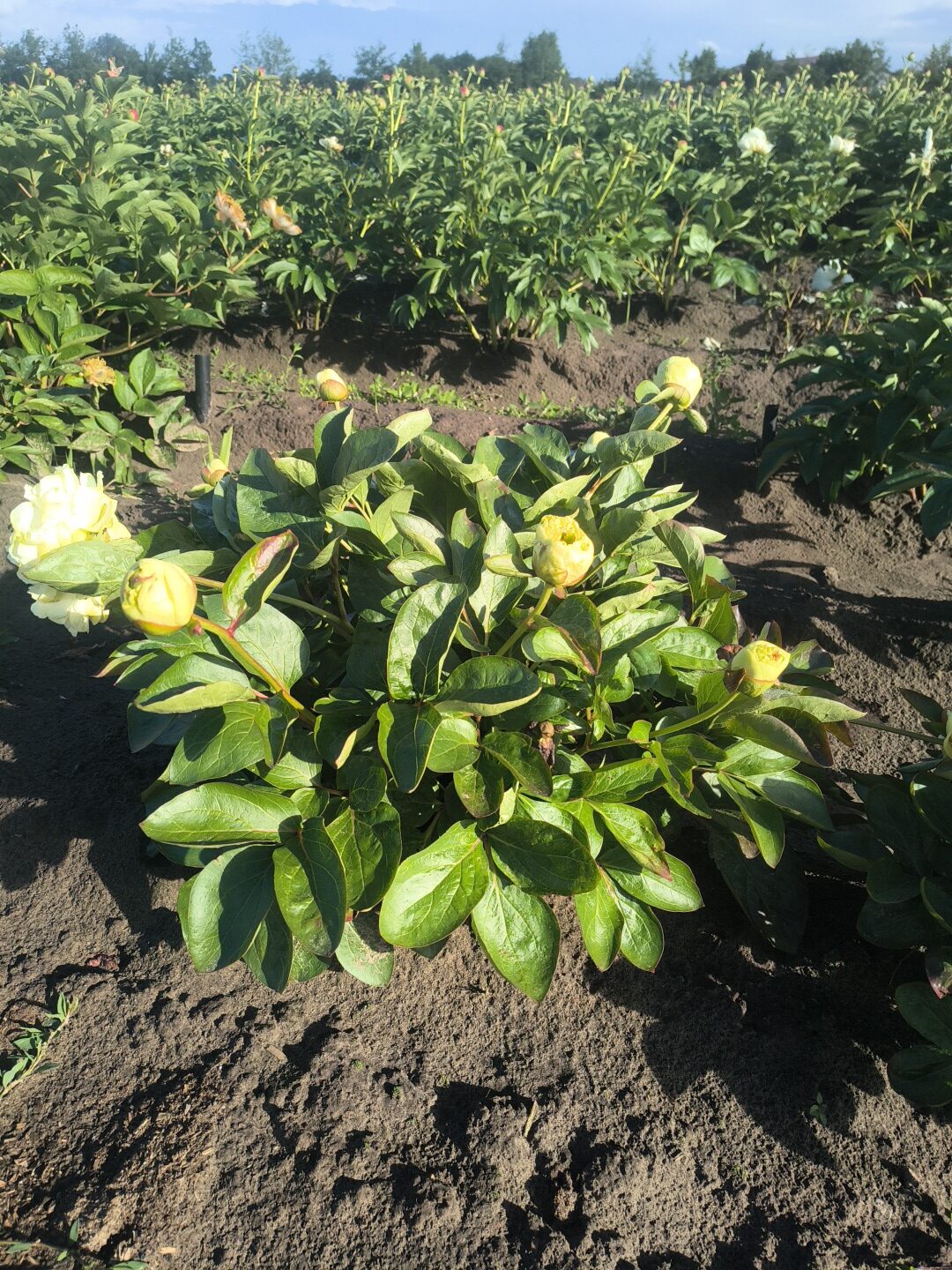
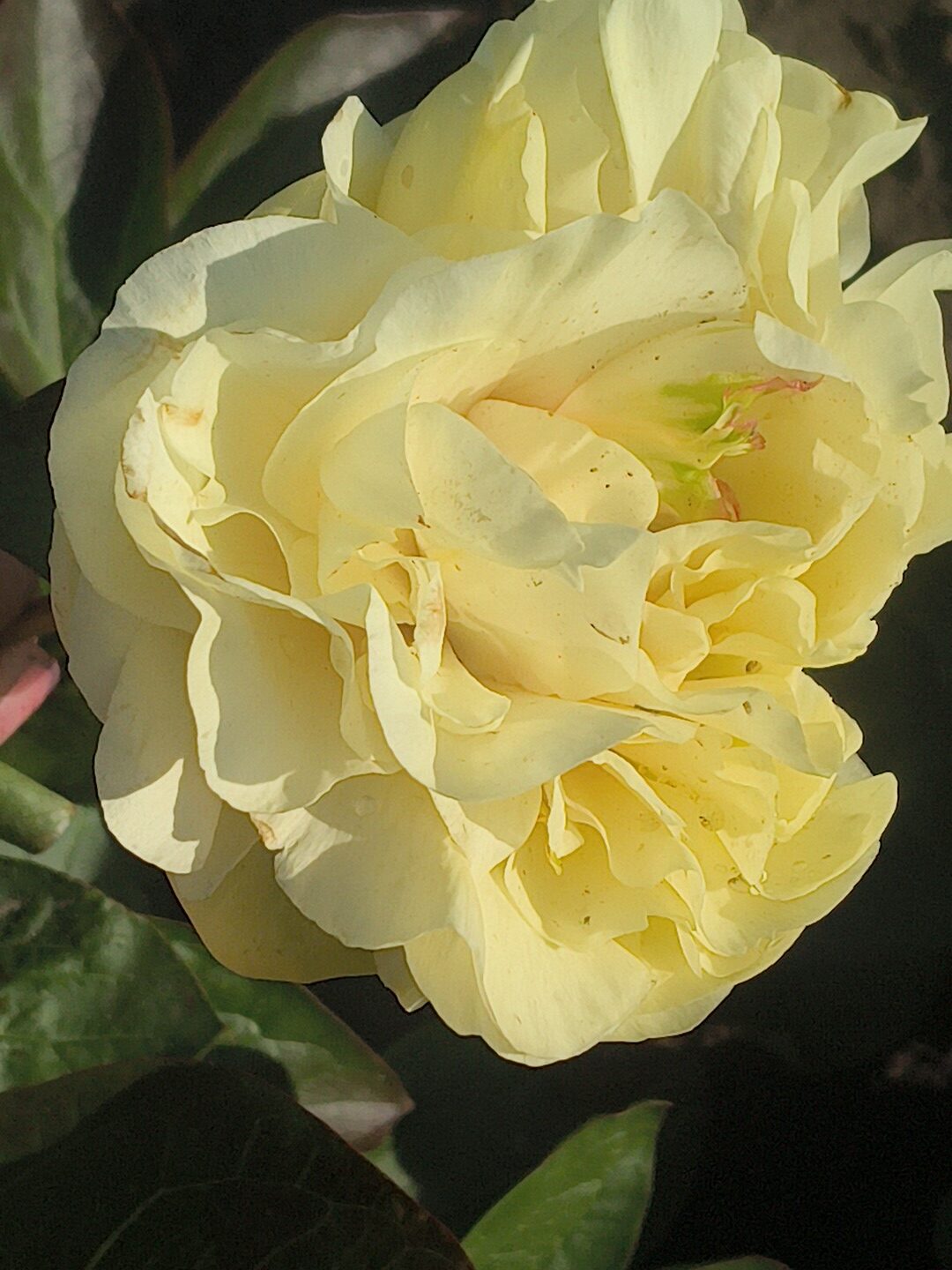
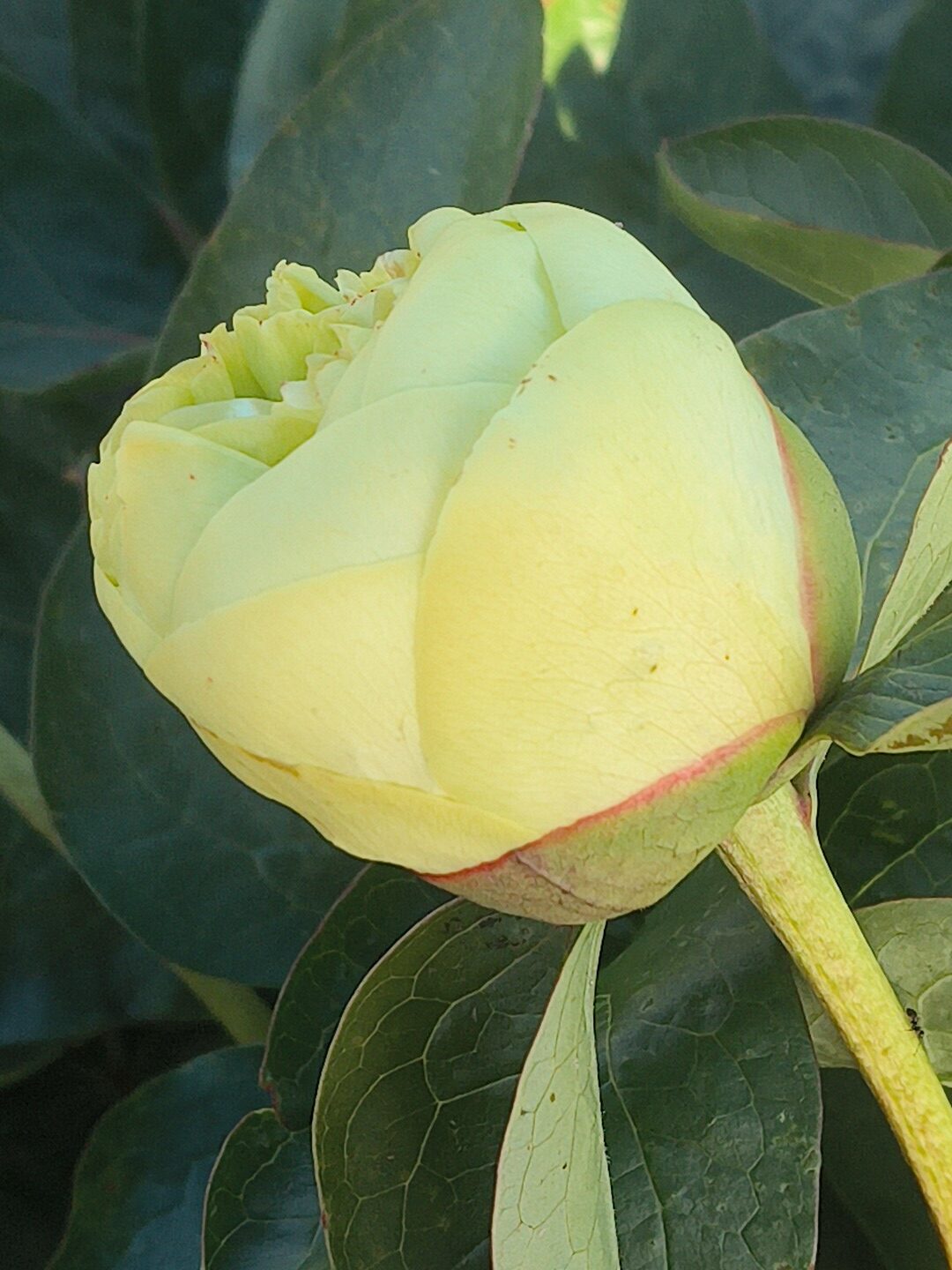
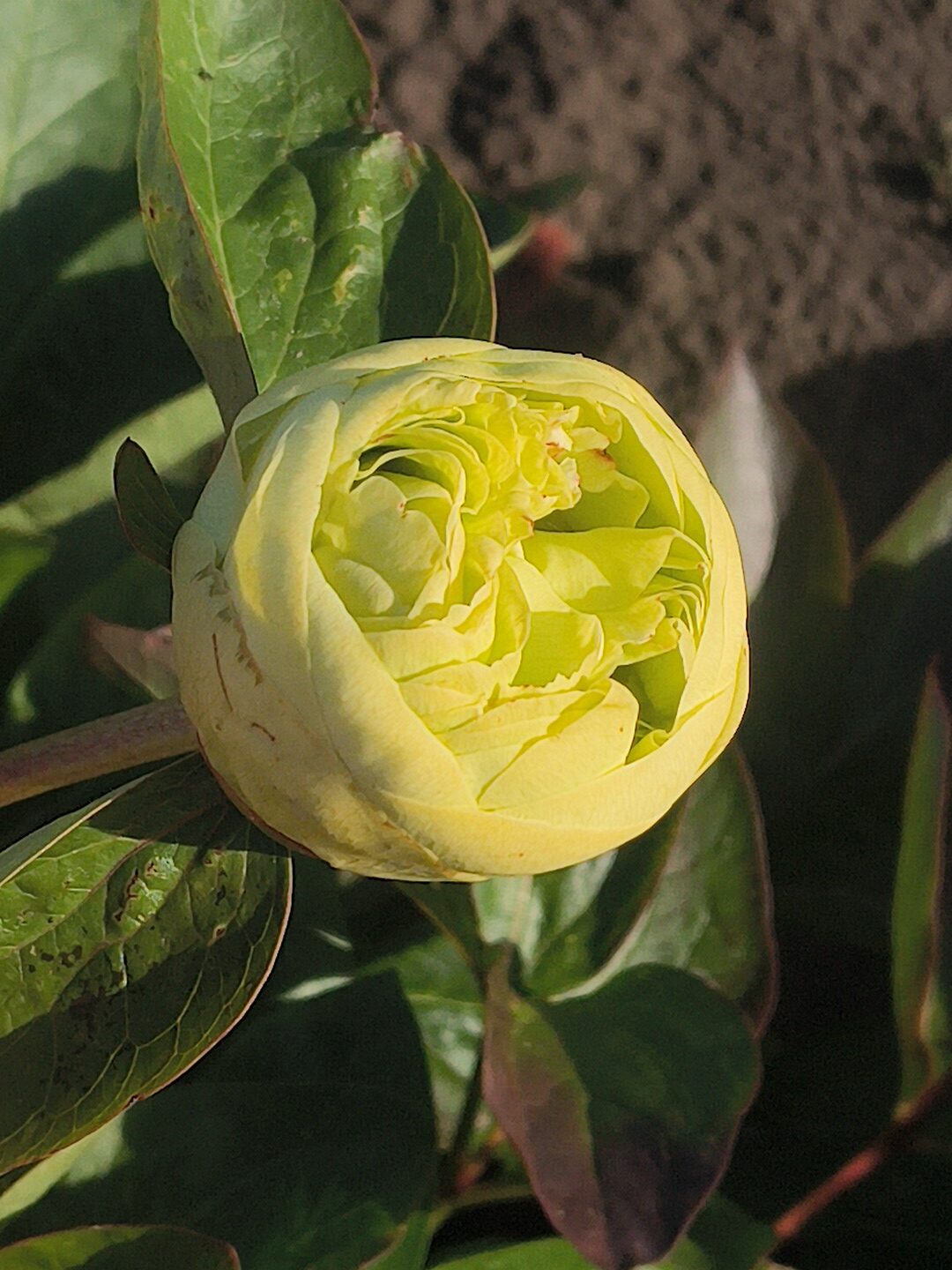
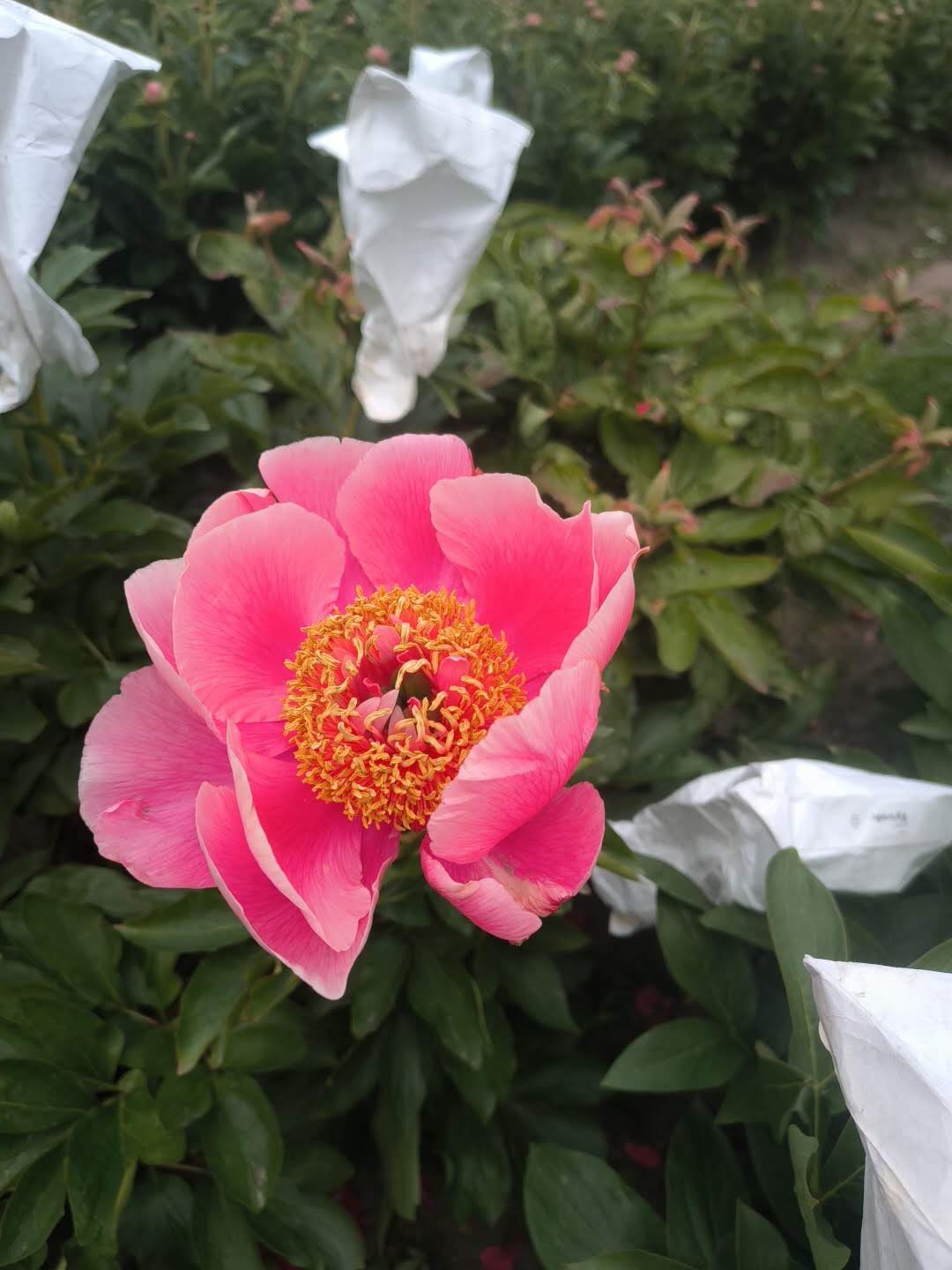
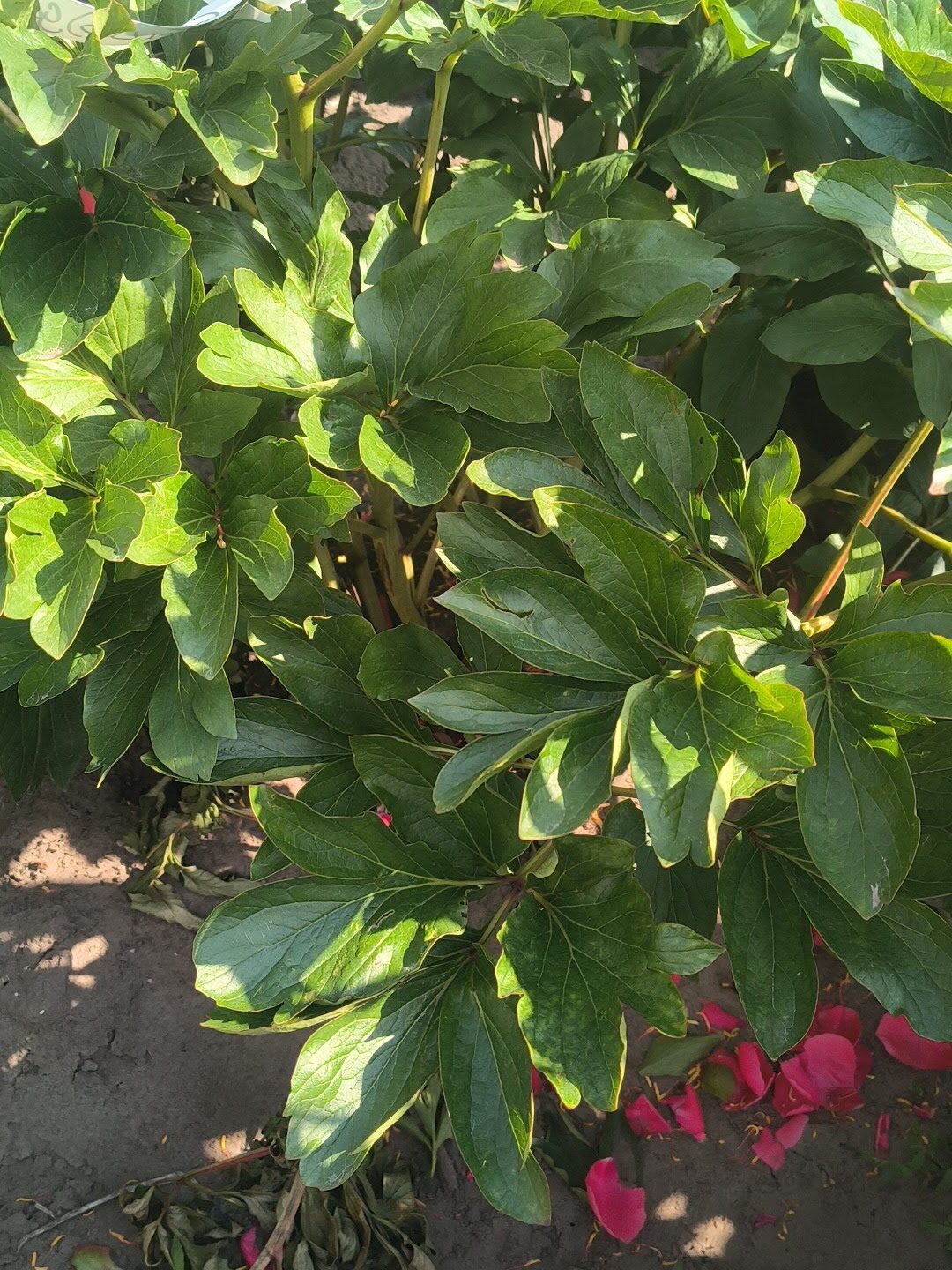
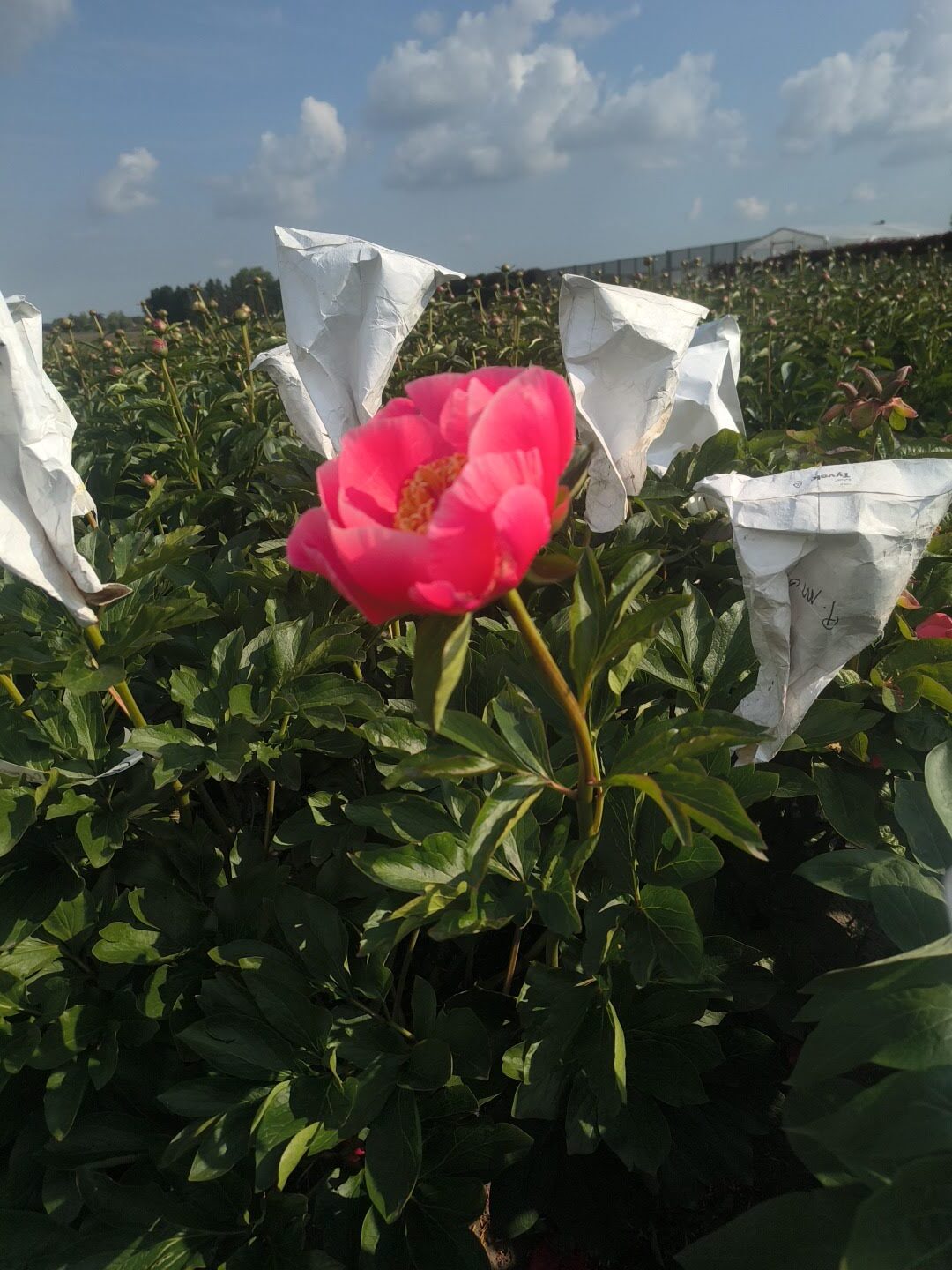
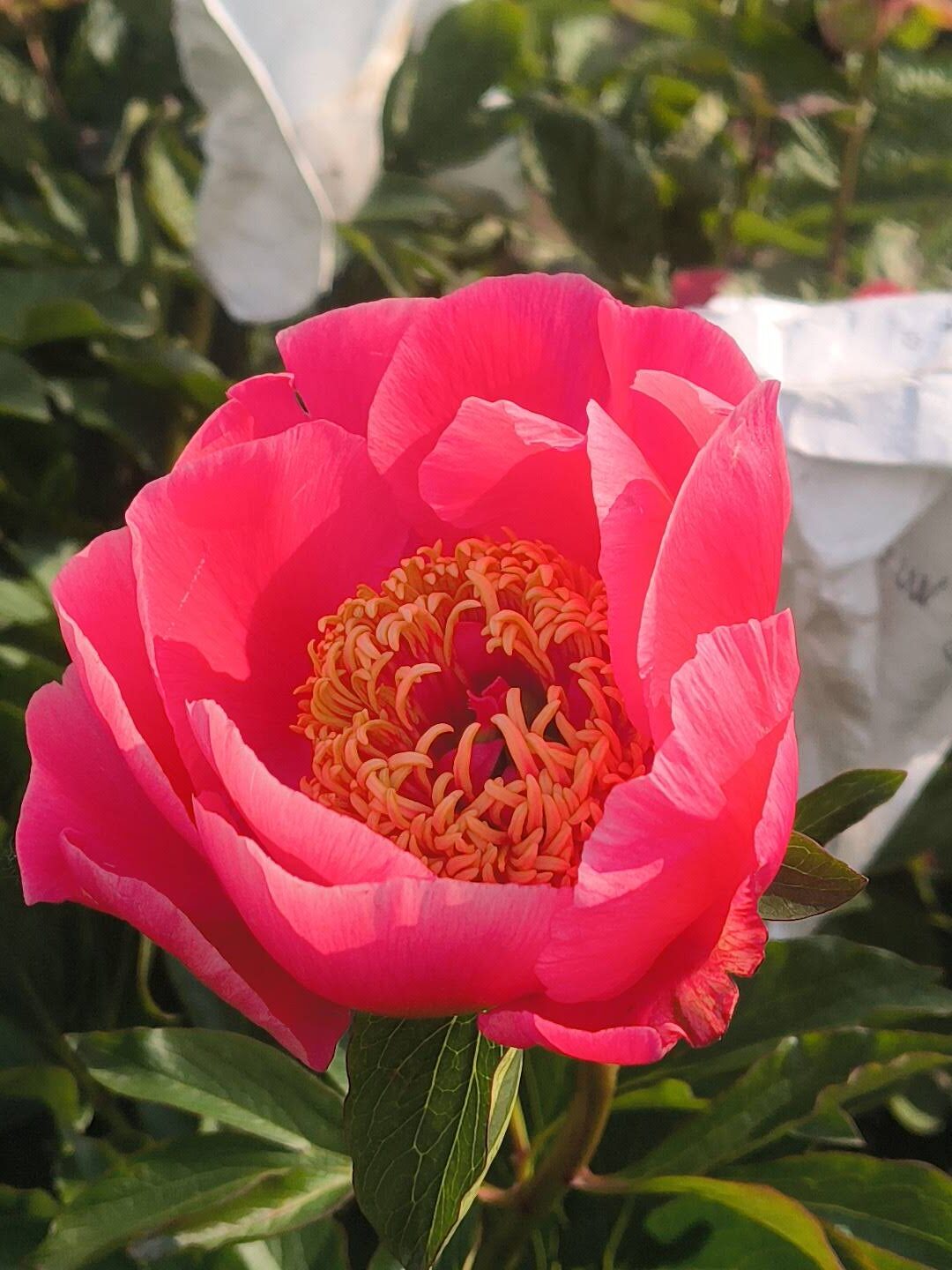
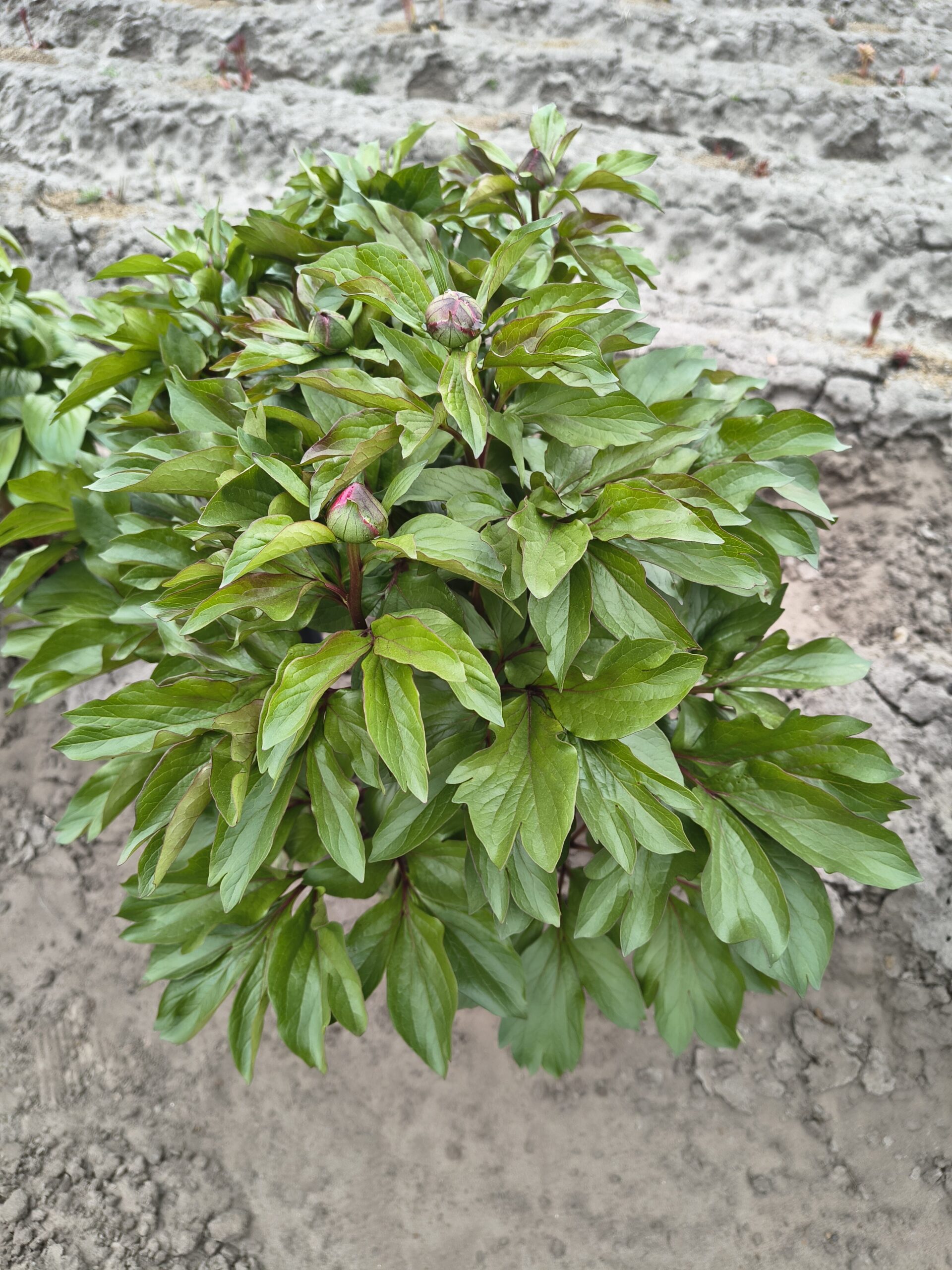
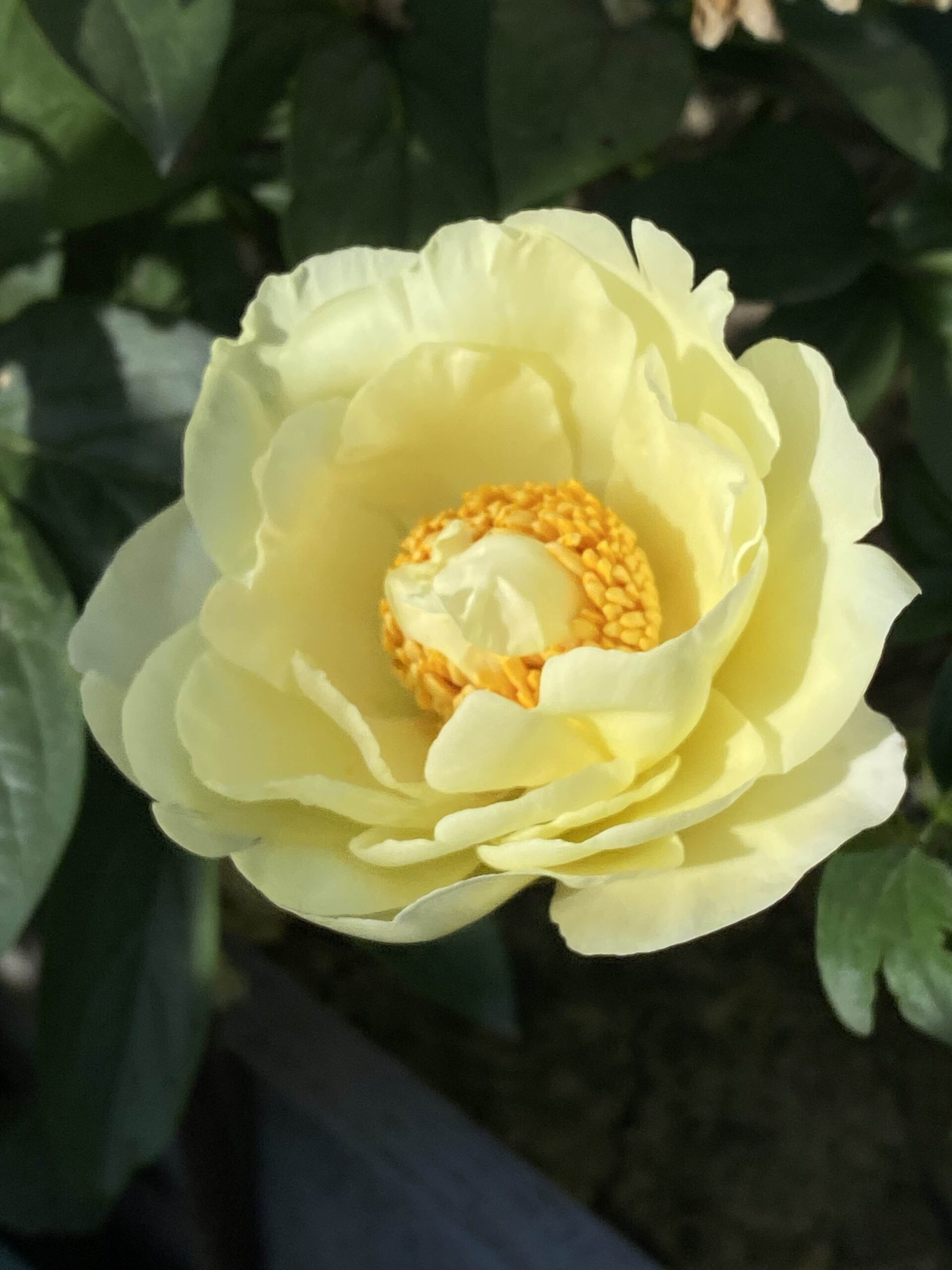
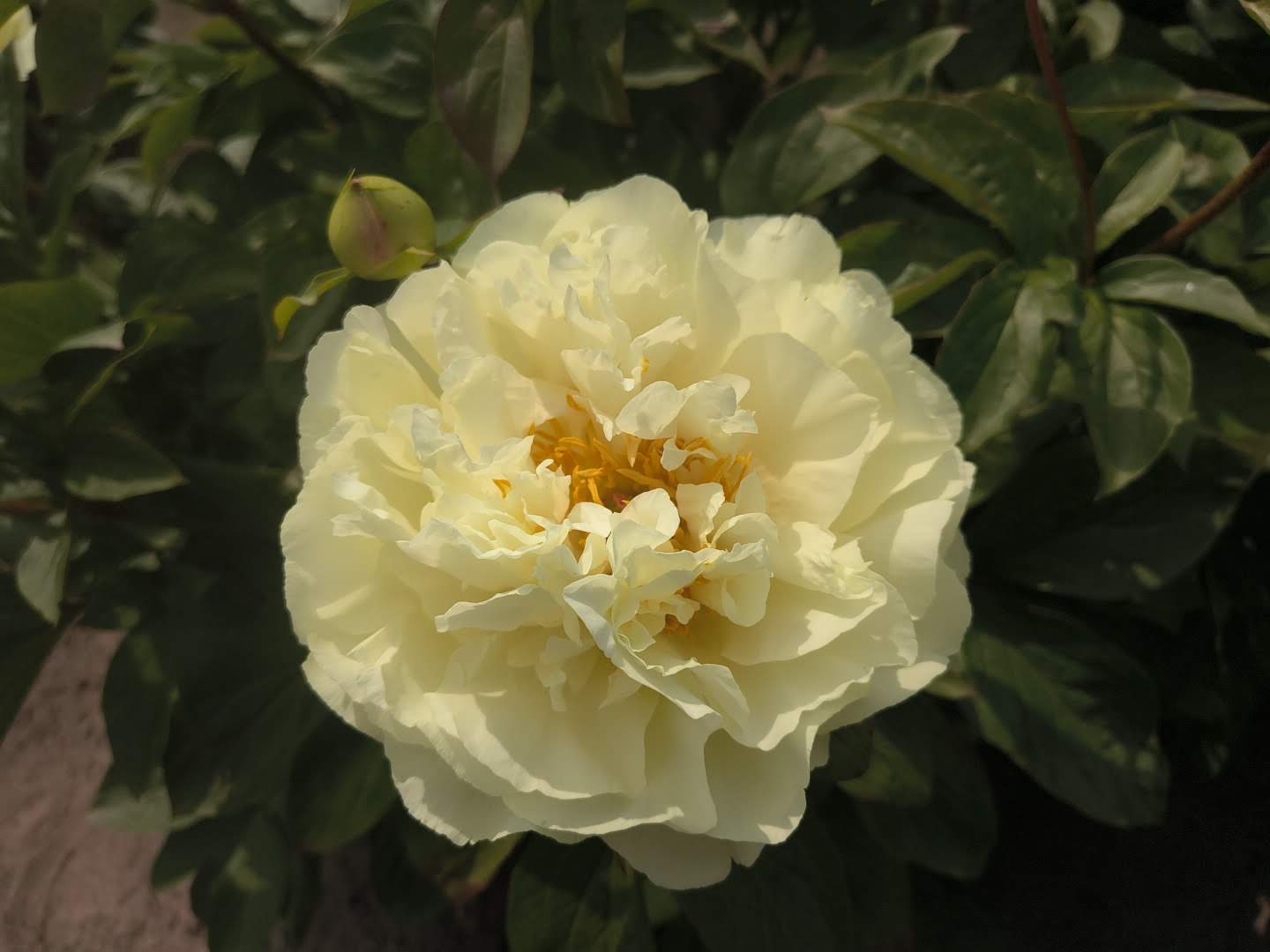
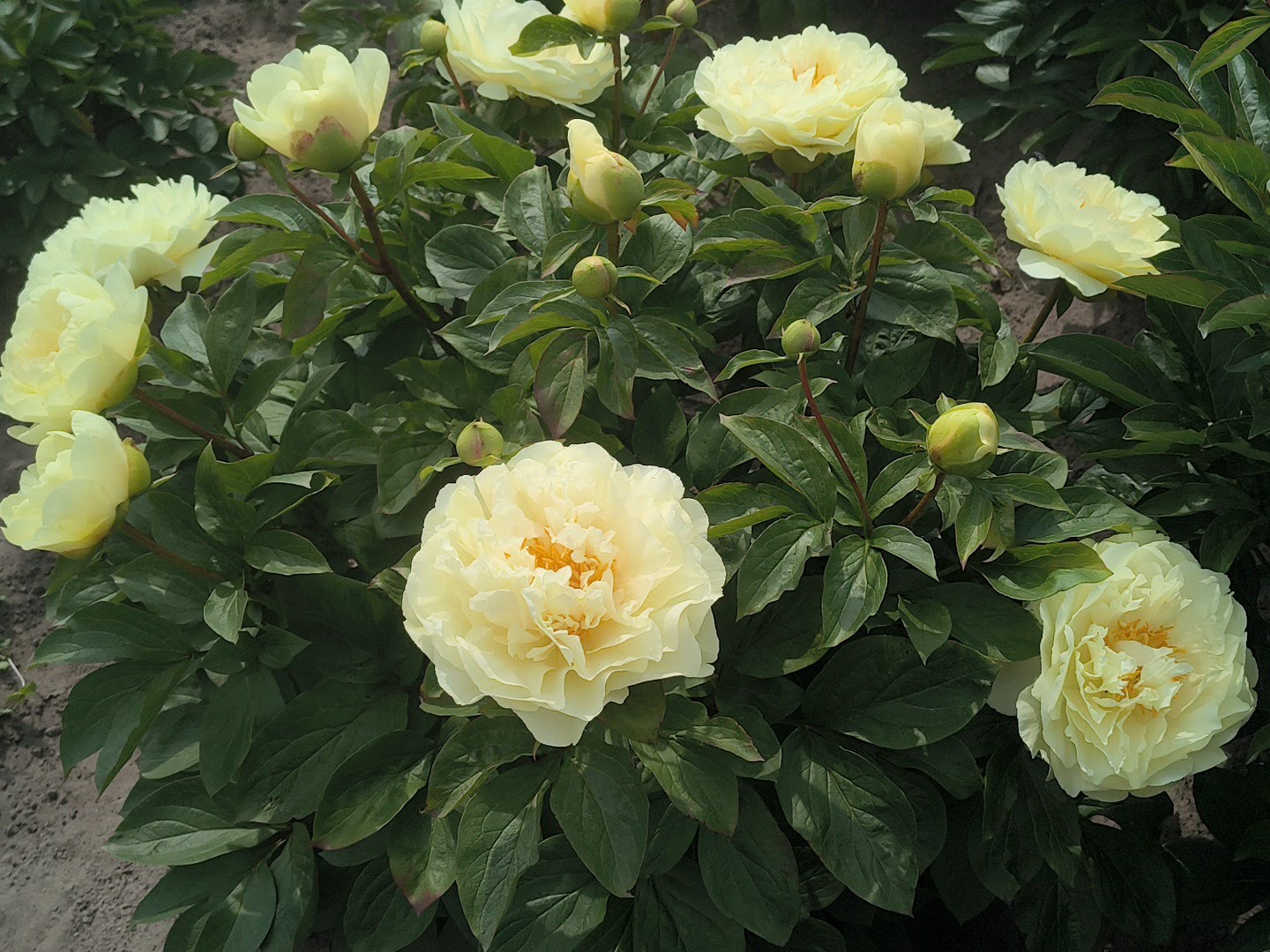
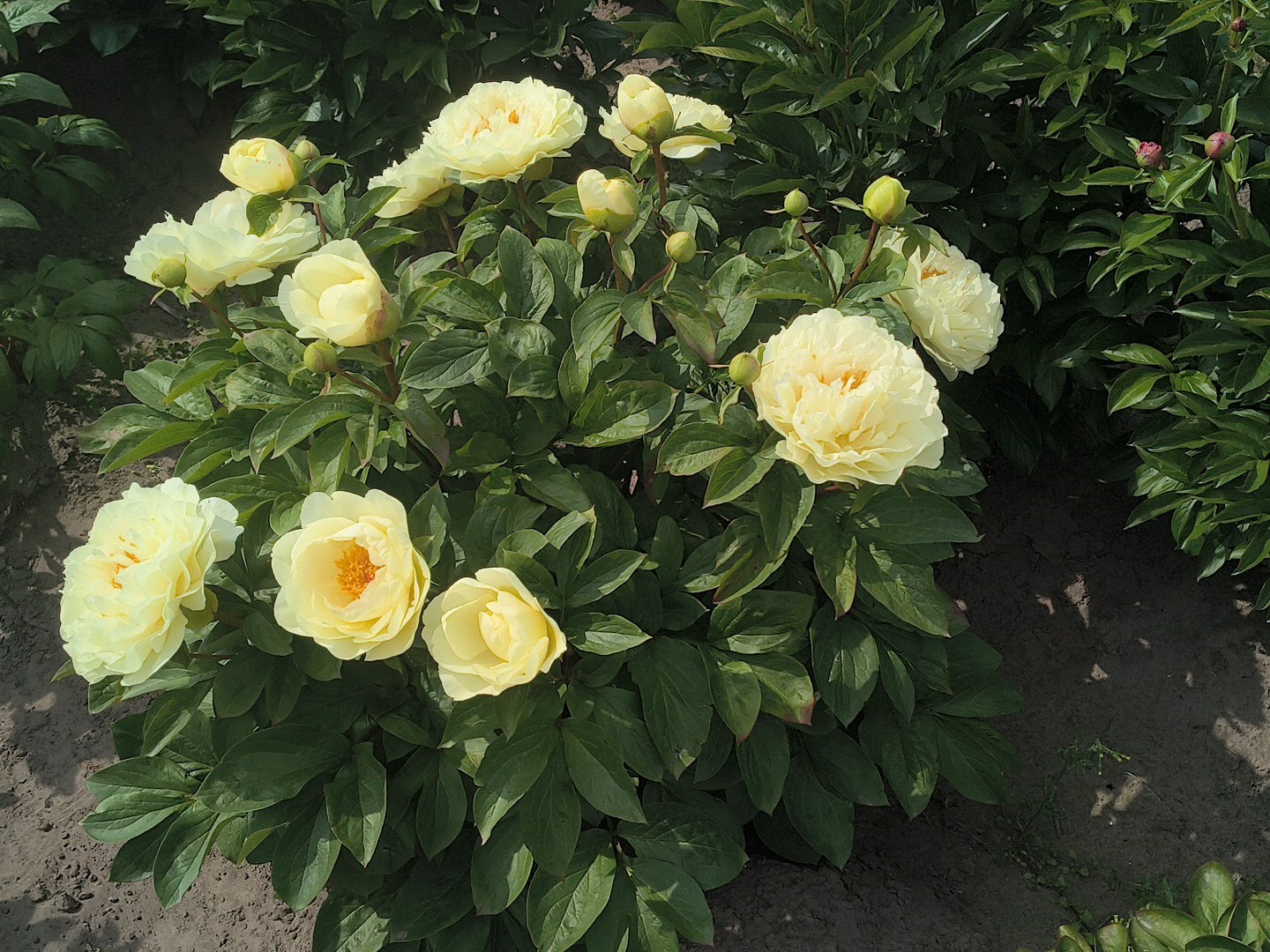
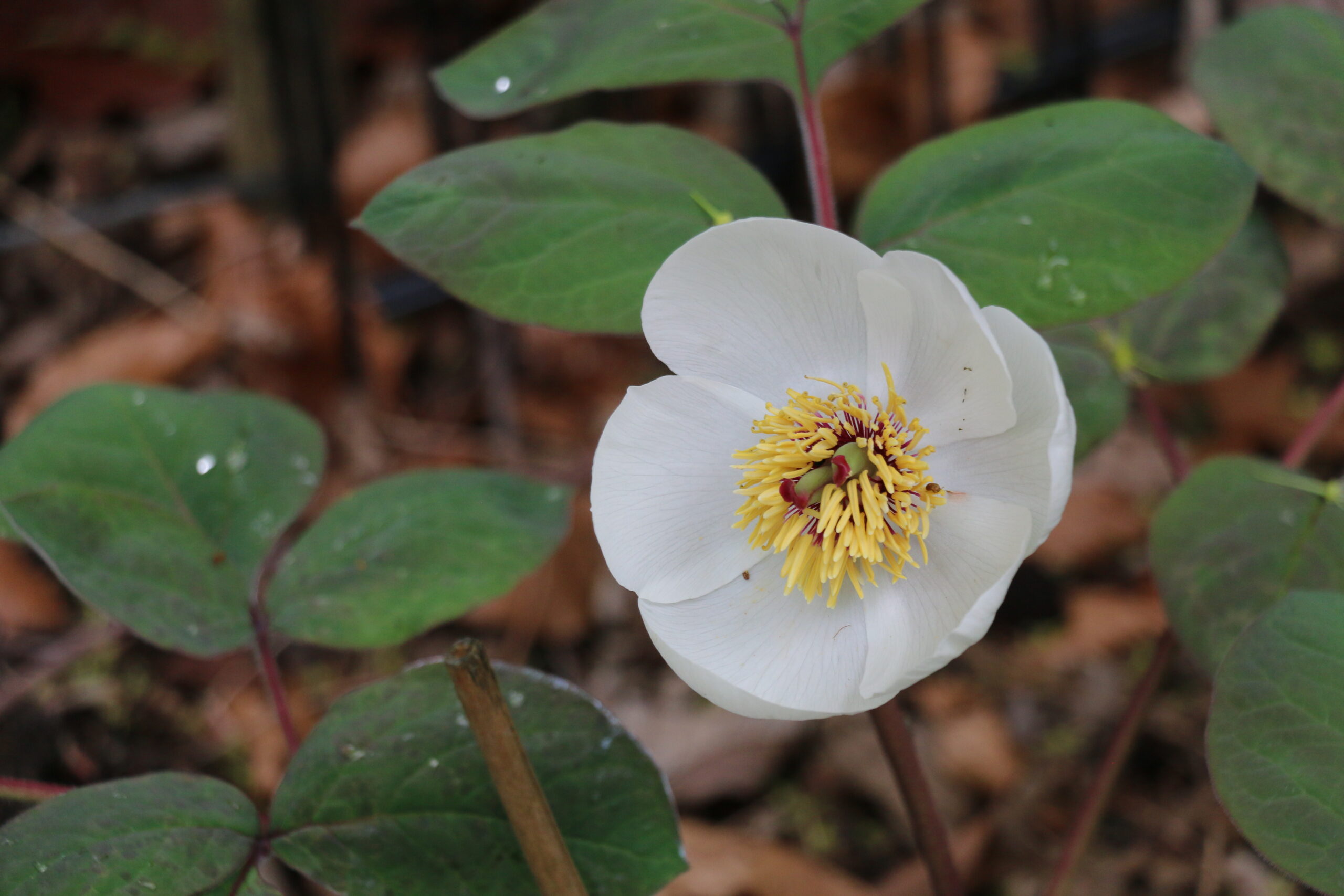
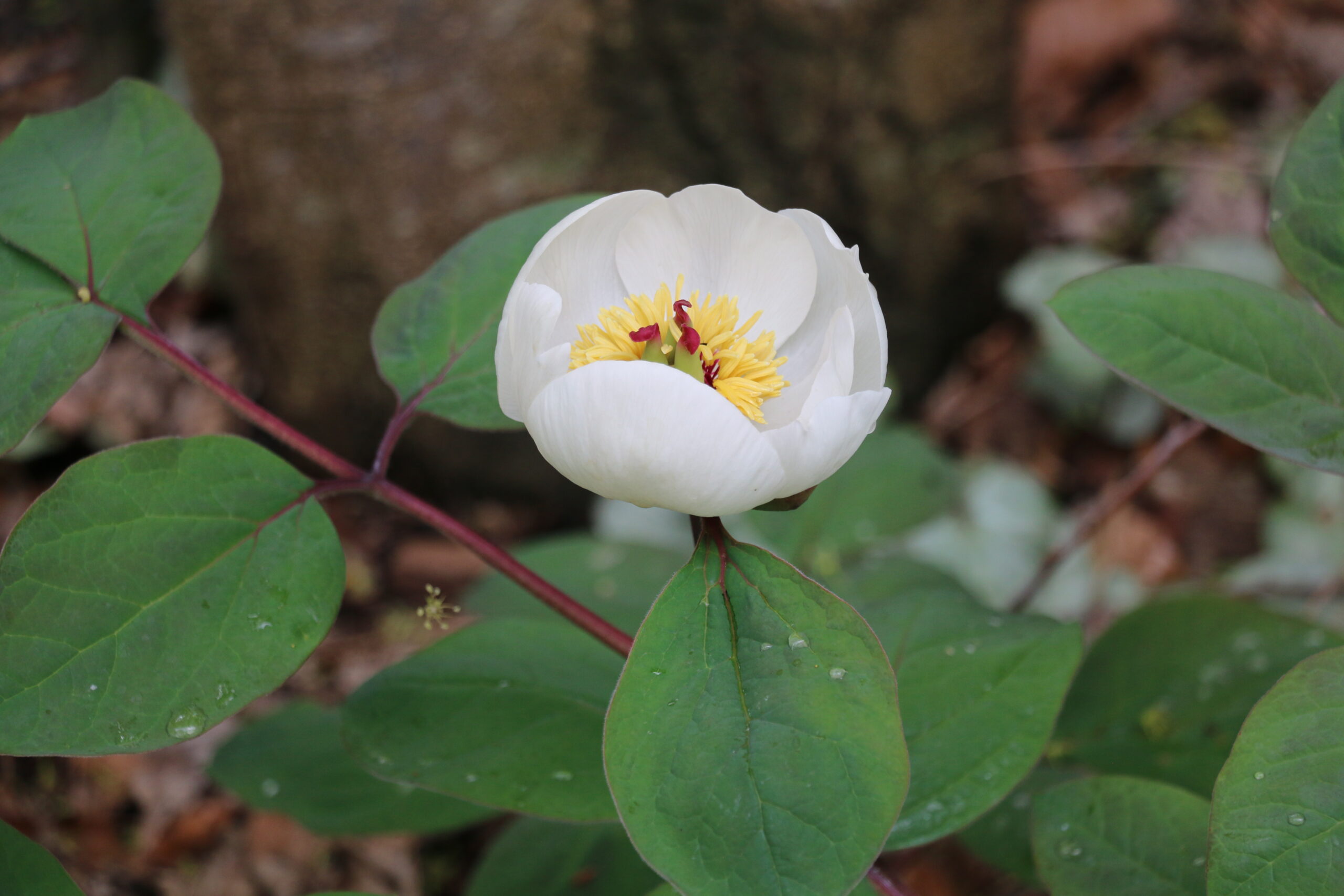
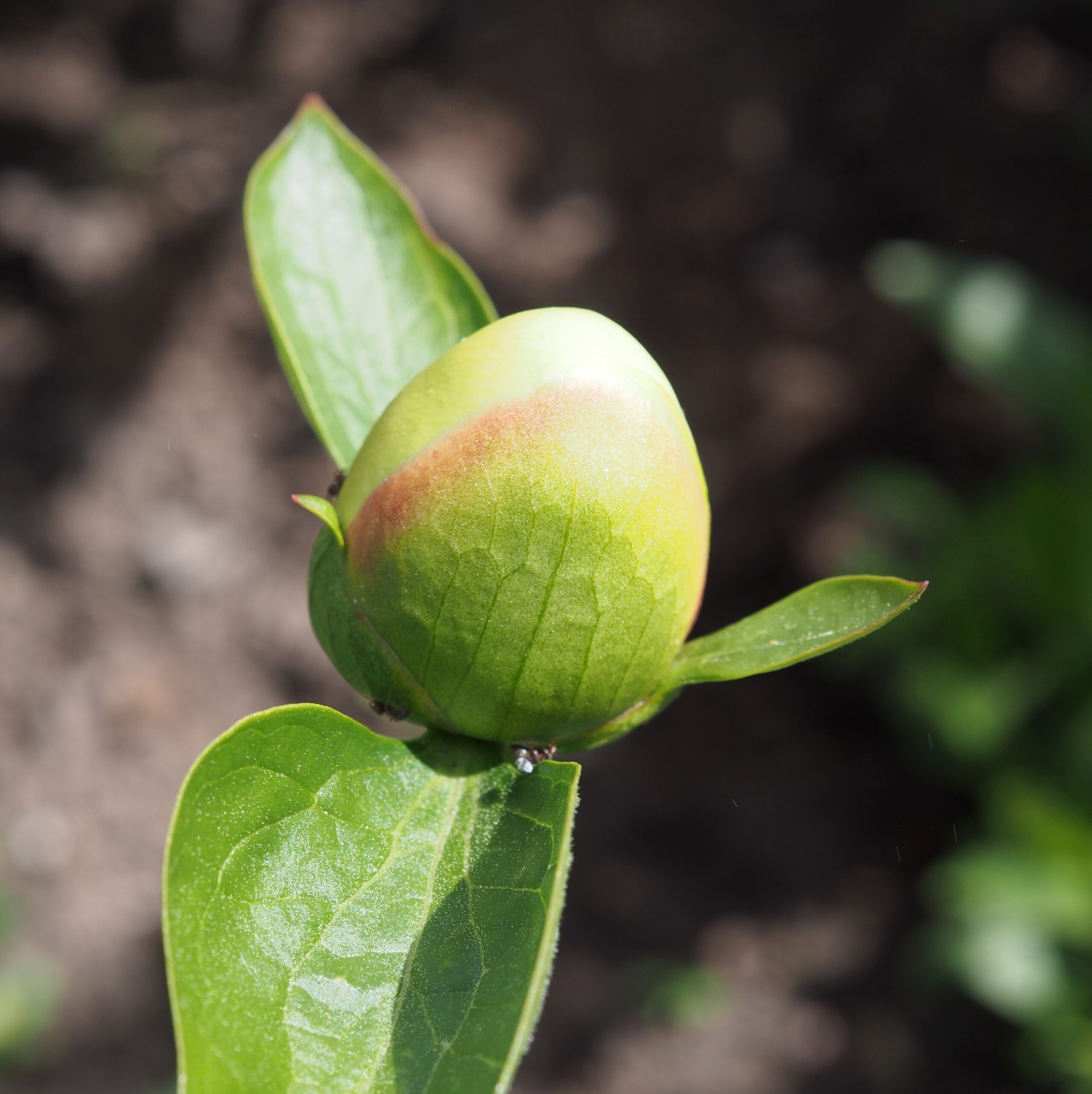

It does fade nicely as can be seen.