


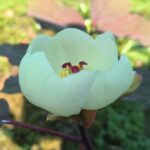

From these last series, they've received a long warm period and will now go into cold storage. Here the two…
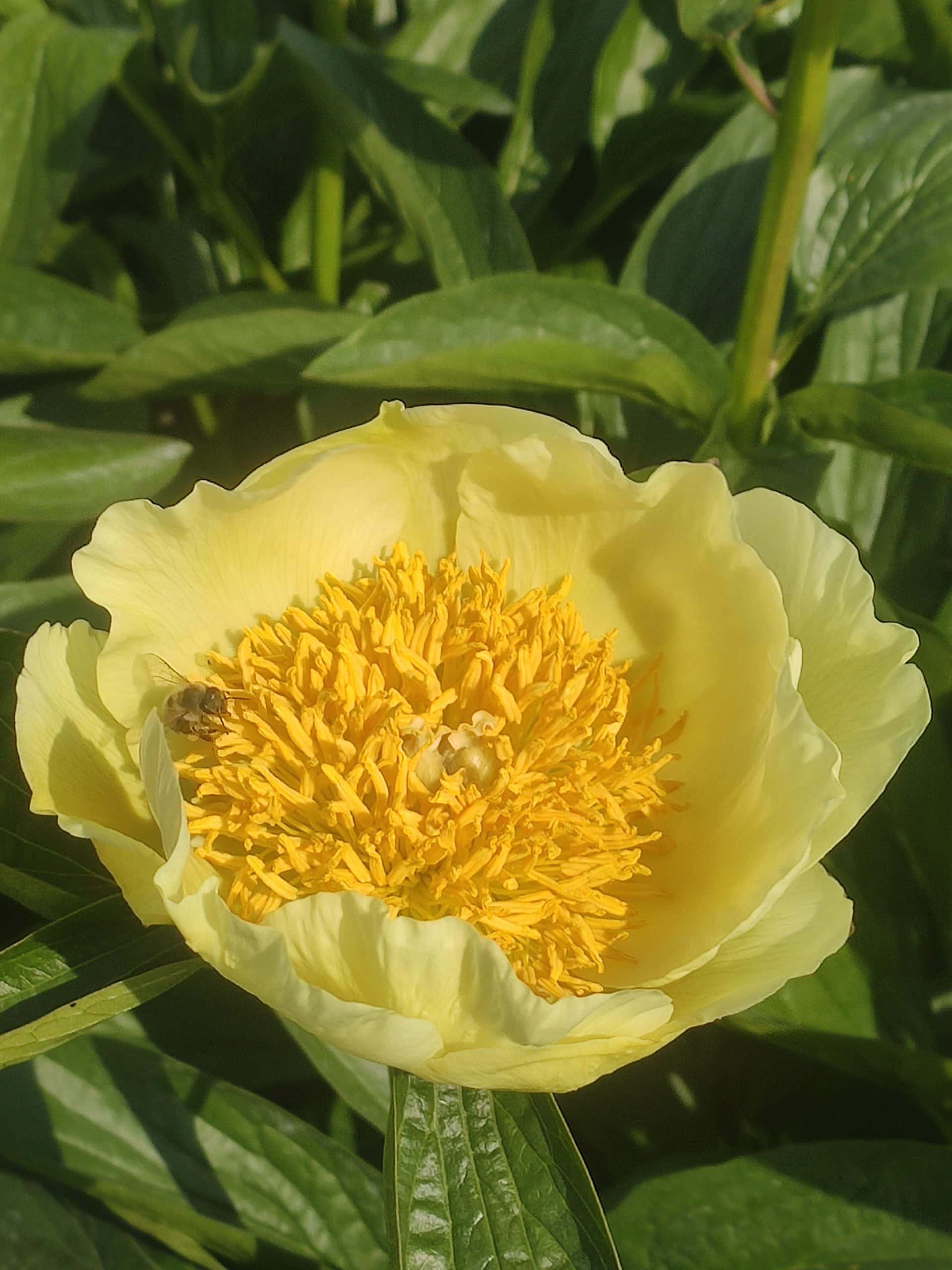
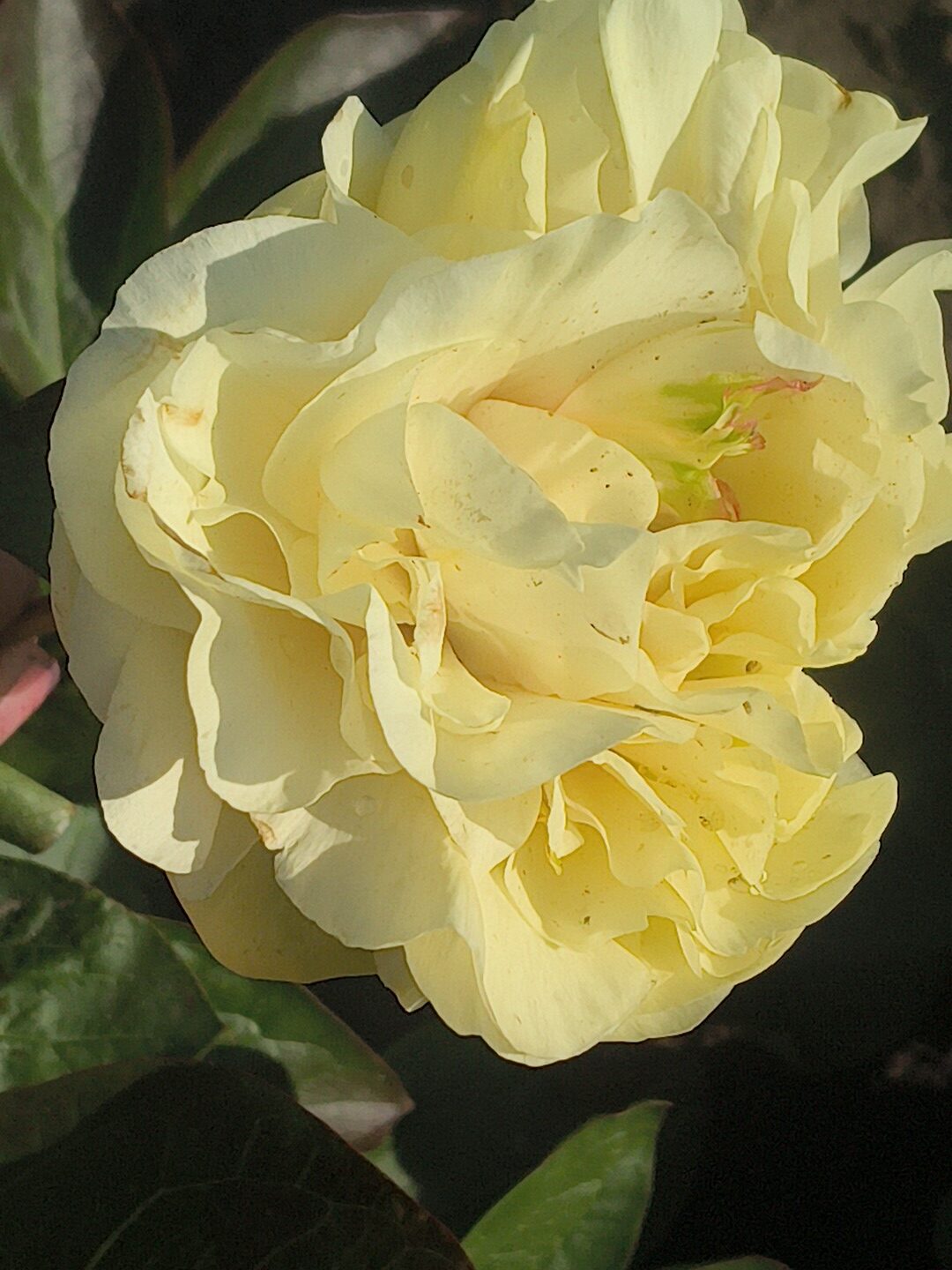
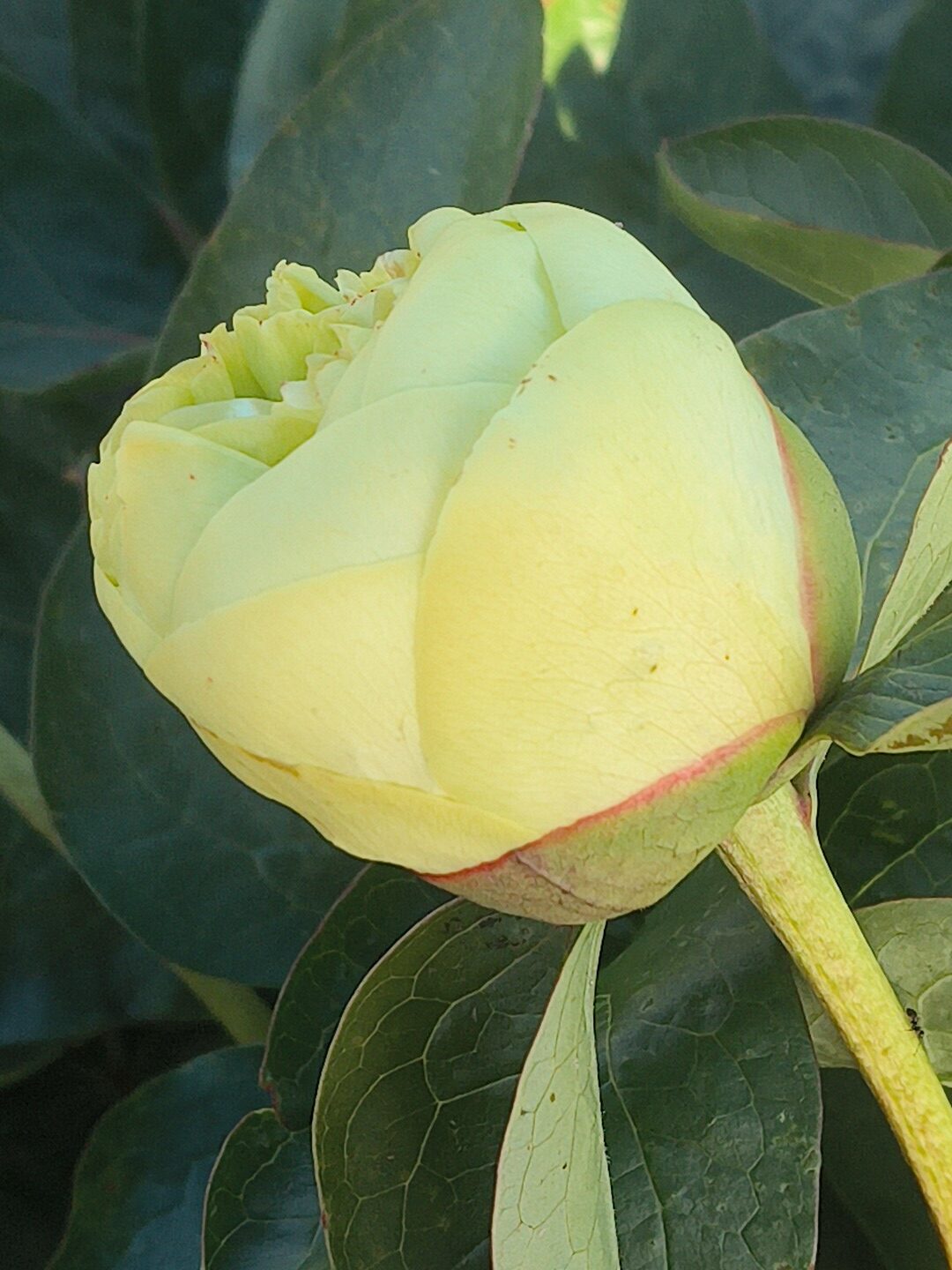
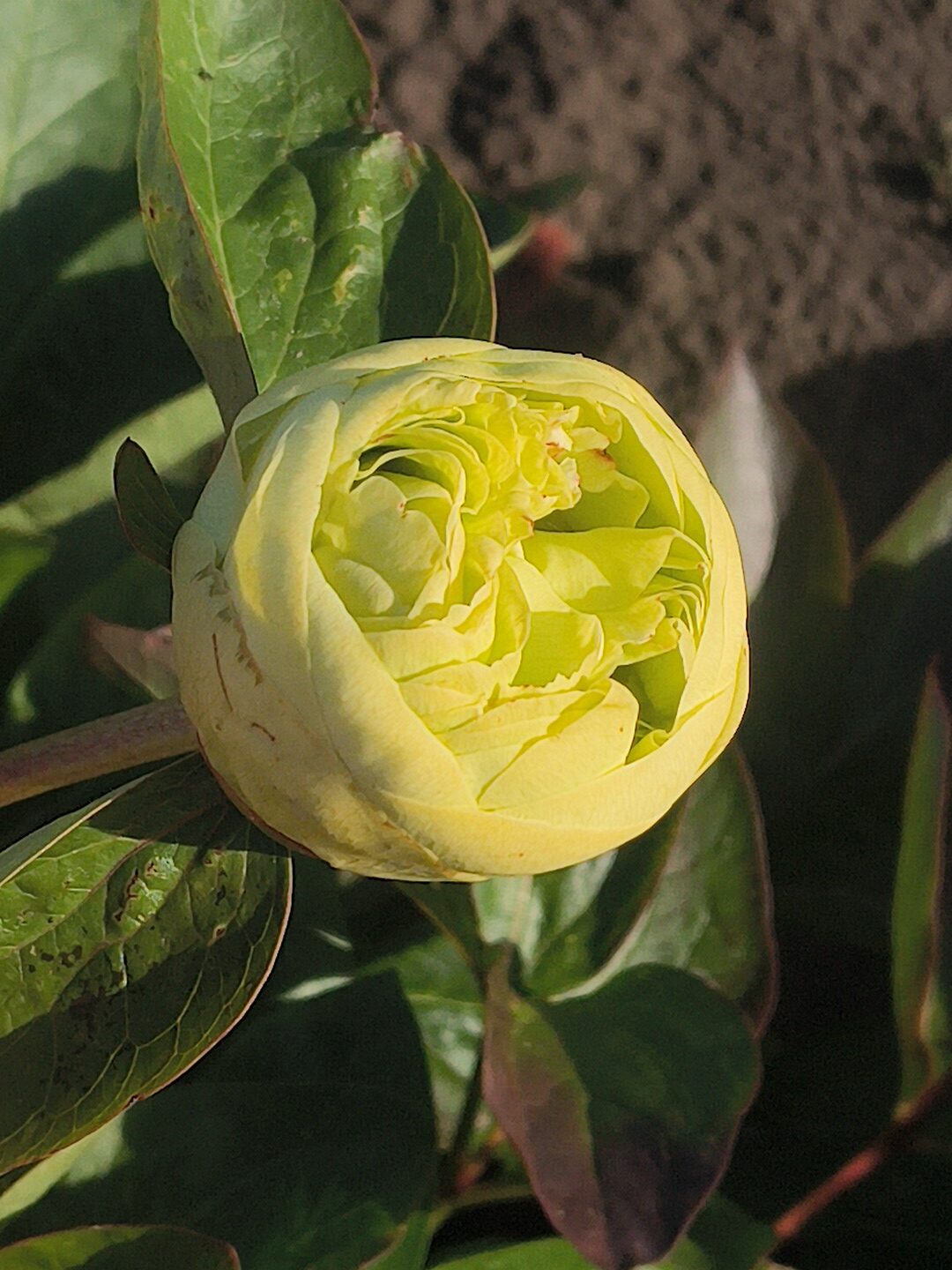
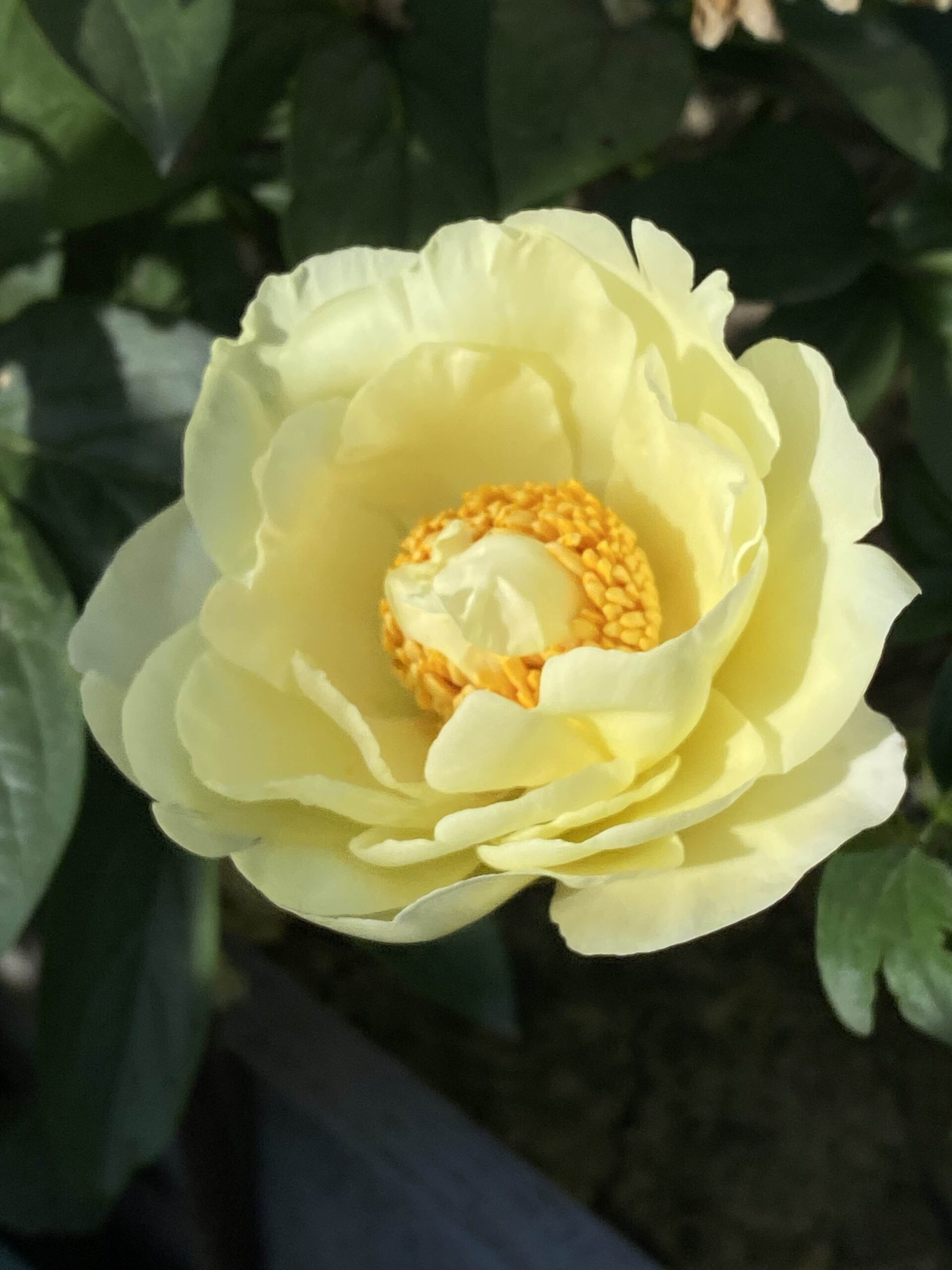
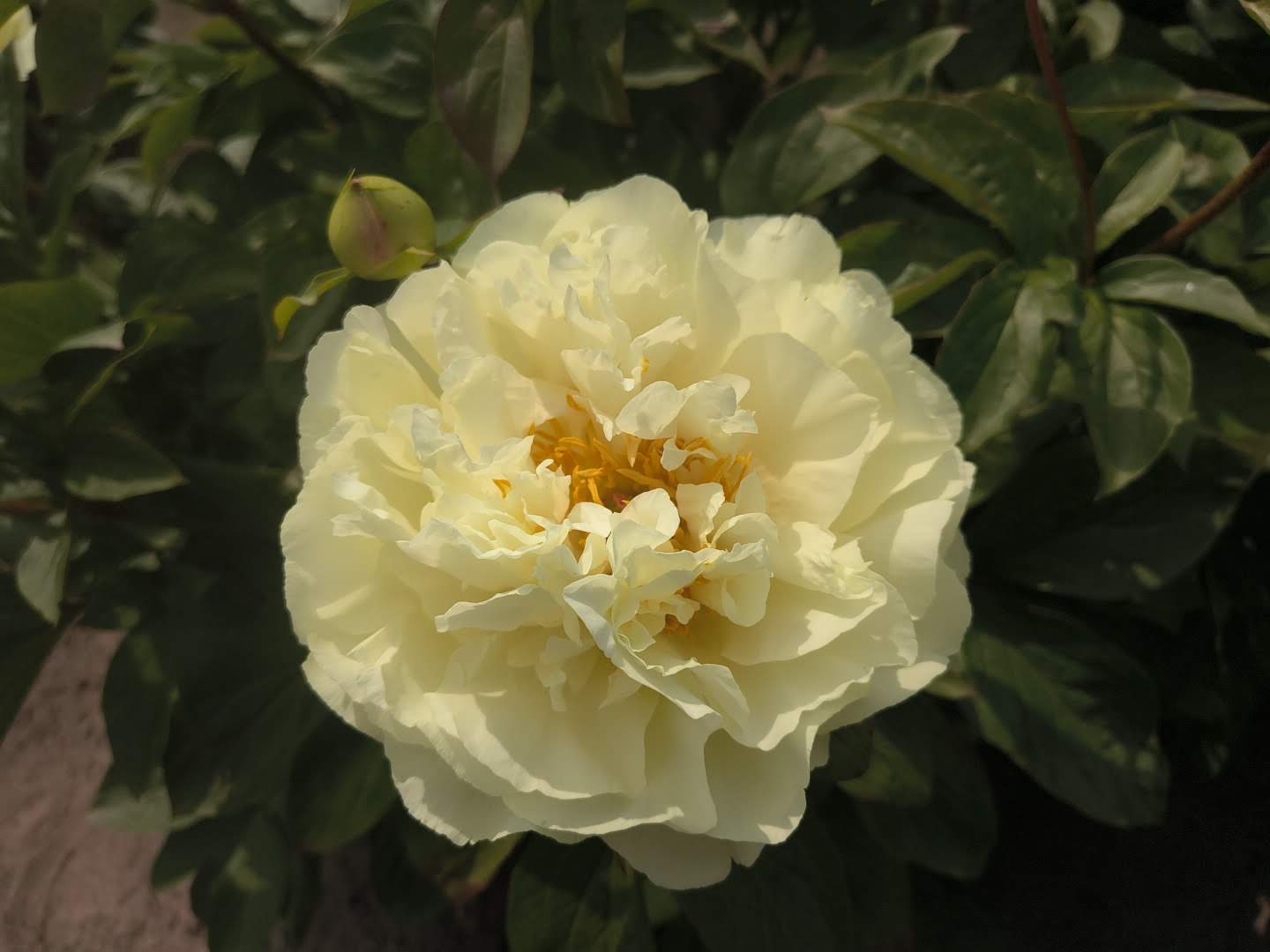
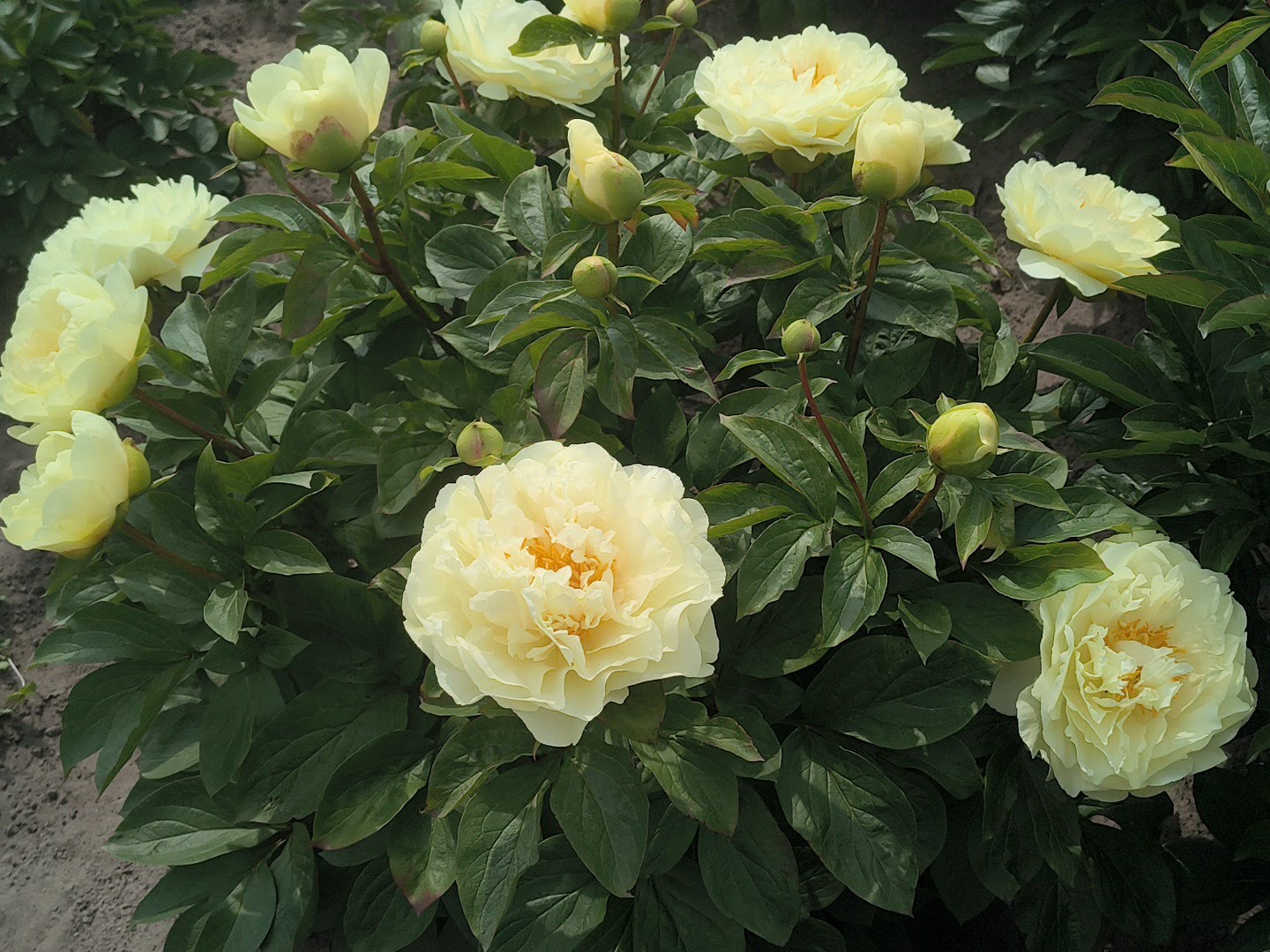
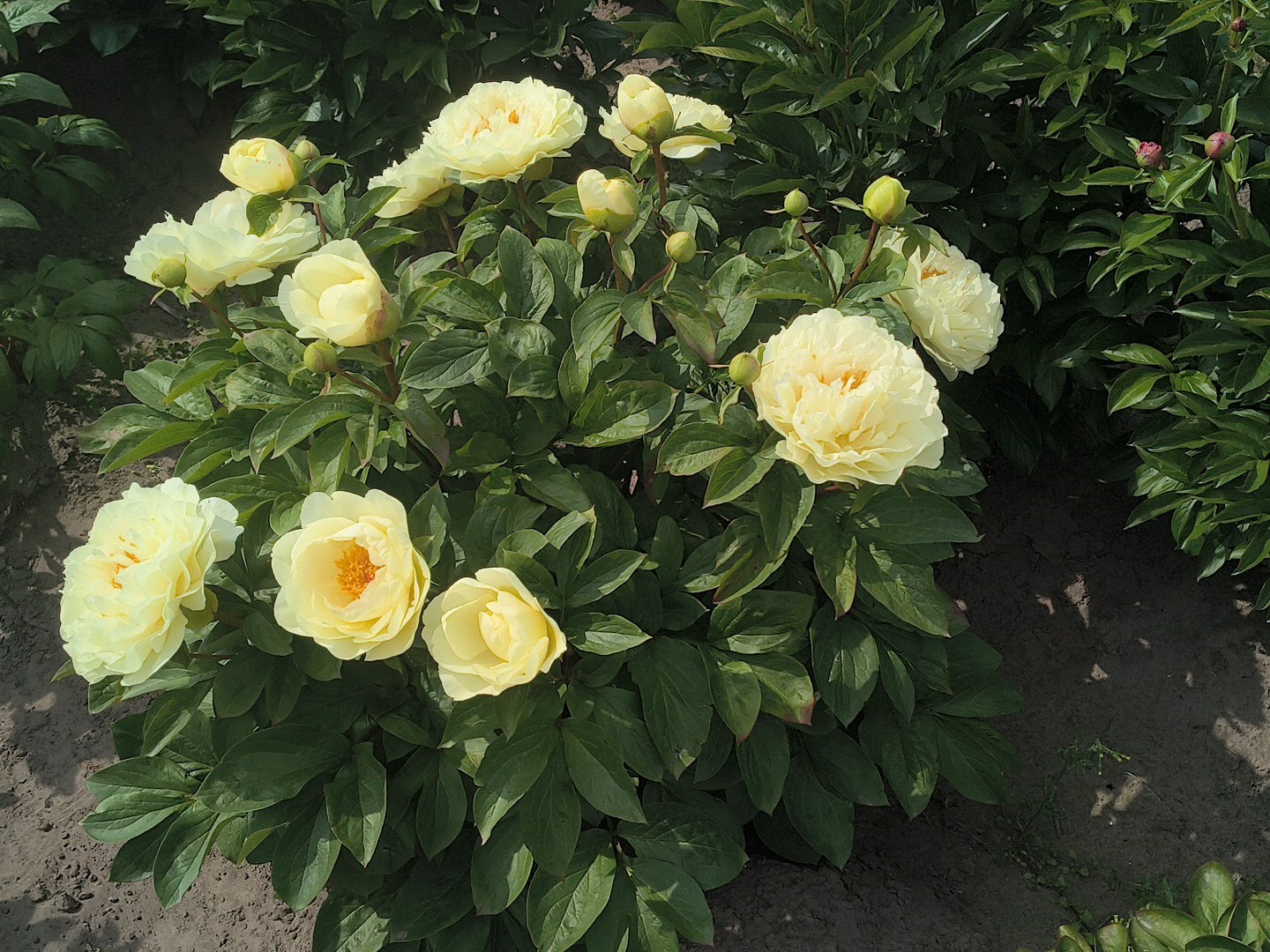
A sunny and warm day we have, peonies going fast. Here’s what I consider to be the best single yellow: &amp;amp;amp;amp;amp;amp;amp;lt;a class=&amp;amp;amp;amp;amp;amp;amp;quot;wpg-linkify wpg-tooltip&amp;amp;amp;amp;amp;amp;amp;quot; title=&amp;amp;amp;amp;amp;amp;amp;quot;&amp;amp;amp;amp;amp;amp;amp;amp;lt;div class=&amp;amp;amp;amp;amp;amp;amp;amp;quot;wpg-tooltip-content&amp;amp;amp;amp;amp;amp;amp;amp;quot;&amp;amp;amp;amp;amp;amp;amp;amp;gt;&amp;amp;amp;amp;amp;amp;amp;amp;lt;p style=&amp;amp;amp;amp;amp;amp;amp;amp;quot;text-align: justify;&amp;amp;amp;amp;amp;amp;amp;amp;quot;&amp;amp;amp;amp;amp;amp;amp;amp;gt;Seedling MI 202. Single. Hybrid. Guards yellow. Formal finish of petal-cup initially illuminated by interior green-glow. Pale yellow &amp;lt;a class=&amp;quot;wpg-linkify wpg-tooltip&amp;quot; title=&amp;quot;&amp;amp;lt;div class=&amp;amp;quot;wpg-tooltip-content&amp;amp;quot;&amp;amp;gt;&amp;amp;lt;p&amp;amp;gt;filament: the stalk of a stamen&amp;amp;lt;/p&amp;amp;gt; &amp;amp;lt;/div&amp;amp;gt;&amp;quot; href=&amp;quot;https://www.peonysociety.org/registered_peonies/filaments/&amp;quot; &amp;gt;filaments&amp;lt;/a&amp;gt; greyish at base. Pastel green <a class="wpg-linkify wpg-tooltip" title="&lt;div class=&quot;wpg-tooltip-content&quot;&gt;&lt;p&gt;carpel: an organ at the centre of a flower, bearing one or more ovules and having its margins fused together or with other carpels to enclose the <a class="wpg-linkify wpg-tooltip" title="<div class="wpg-tooltip-content"><p>a part inside the ovary (= organ that produces eggs) of a plant that contains the female sex cell and develops into a seed when that cell is fertilized</p> </div>" href="https://www.peonysociety.org/registered_peonies/ovule/" >ovule</a> in an <a class="wpg-linkify wpg-tooltip" title="<div class="wpg-tooltip-content"><p>the hollow base of the carpel of a flower, containing one or more ovules</p> </div>" href="https://www.peonysociety.org/registered_peonies/ovary/" >ovary</a>, and consisting also of a <a class="wpg-linkify wpg-tooltip" title="<div class="wpg-tooltip-content"><p>The pollen-receptive surface of a carpel, usually sticky. It sits above the ovary on the style.</p> </div>" href="https://www.peonysociety.org/registered_peonies/stigma/" >stigma</a> and usually a style.&lt;/p&gt; &lt;p&gt;&lt;/p&gt; &lt;/div&gt;" href="https://www.peonysociety.org/registered_peonies/carpels/" >carpels</a> with pale pink stigmata. Seed-fertile. Bush has hybrid vigor. Husky stems. First bloomed 2001. Early.&amp;amp;amp;amp;amp;amp;amp;amp;lt;/p&amp;amp;amp;amp;amp;amp;amp;amp;gt; &amp;amp;amp;amp;amp;amp;amp;amp;lt;p&amp;amp;amp;amp;amp;amp;amp;amp;gt;&amp;amp;amp;amp;amp;amp;amp;amp;lt;/p&amp;amp;amp;amp;amp;amp;amp;amp;gt; &amp;amp;amp;amp;amp;amp;amp;amp;lt;p&amp;amp;amp;amp;amp;amp;amp;amp;gt;&amp;amp;amp;amp;amp;amp;amp;amp;nbsp;&amp;amp;amp;amp;amp;amp;amp;amp;lt;/p&amp;amp;amp;amp;amp;amp;amp;amp;gt; &amp;amp;amp;amp;amp;amp;amp;amp;lt;/div&amp;amp;amp;amp;amp;amp;amp;amp;gt;&amp;amp;amp;amp;amp;amp;amp;quot; href=&amp;amp;amp;amp;amp;amp;amp;quot;https://www.peonysociety.org/registered_peonies/concordia-droysen/&amp;amp;amp;amp;amp;amp;amp;quot; &amp;amp;amp;amp;amp;amp;amp;gt;Concordia Droysen&amp;amp;amp;amp;amp;amp;amp;lt;/a&amp;amp;amp;amp;amp;amp;amp;gt;. Exceptional plant habit and an attractive lime yellow colour.
![]()
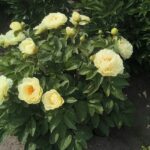
Féerie, a hybrid with &amp;amp;amp;lt;a class=&amp;amp;amp;quot;wpg-linkify wpg-tooltip&amp;amp;amp;quot; title=&amp;amp;amp;quot;&amp;amp;amp;amp;lt;div class=&amp;amp;amp;amp;quot;wpg-tooltip-content&amp;amp;amp;amp;quot;&amp;amp;amp;amp;gt;&amp;amp;amp;amp;lt;p&amp;amp;amp;amp;gt;Growing mostly in deciduous broad-leaved forests, pine forests or mixed forests, less frequently in grasses. The species prefers calcarious soils and is found usually at altitudes from 50 to 1,500 m. Albania, Bulgaria, Greece, Italy (Mt San Donato di Ninea), Macedonia, Moldova, Romania, Serbia and Turkey.&amp;amp;amp;amp;lt;/p&amp;amp;amp;amp;gt; &amp;amp;amp;amp;lt;p&amp;amp;amp;amp;gt;The most distinct character of Paeonia peregrina is its always teeth-lobed leaflets or &lt;a class=&quot;wpg-linkify wpg-tooltip&quot; title=&quot;&amp;lt;div class=&amp;quot;wpg-tooltip-content&amp;quot;&amp;gt;&amp;lt;p&amp;gt;a leaf is &amp;#039;segmented&amp;#039; when it consists of pieces of various shapes, which are more or less separated from one another&amp;lt;/p&amp;gt; &amp;lt;/div&amp;gt;&quot; href=&quot;https://www.peonysociety.org/registered_peonies/segments/&quot; &gt;segments&lt;/a&gt;, which distinguish it readily from P. officinalis and P. saueri. The other distinct characters are <a class="wpg-linkify wpg-tooltip" title="&lt;div class=&quot;wpg-tooltip-content&quot;&gt;&lt;p&gt;tuber: a starchy storage organ (such as a potato) formed by swelling of an underground stem or the distal end of a root.&lt;/p&gt; &lt;/div&gt;" href="https://www.peonysociety.org/registered_peonies/tuberous/" >tuberous</a> or &lt;a class=&quot;wpg-linkify wpg-tooltip&quot; title=&quot;&amp;lt;div class=&amp;quot;wpg-tooltip-content&amp;quot;&amp;gt;&amp;lt;p&amp;gt;Spindle-shaped, that is being wide in the middle while narrowing or tapering at both ends.&amp;lt;/p&amp;gt; &amp;lt;/div&amp;gt;&quot; href=&quot;https://www.peonysociety.org/registered_peonies/fusiform/&quot; &gt;fusiform&lt;/a&gt; lateral roots, leaflets or &lt;a class=&quot;wpg-linkify wpg-tooltip&quot; title=&quot;&amp;lt;div class=&amp;quot;wpg-tooltip-content&amp;quot;&amp;gt;&amp;lt;p&amp;gt;a leaf is &amp;#039;segmented&amp;#039; when it consists of pieces of various shapes, which are more or less separated from one another&amp;lt;/p&amp;gt; &amp;lt;/div&amp;gt;&quot; href=&quot;https://www.peonysociety.org/registered_peonies/segments/&quot; &gt;segments&lt;/a&gt; often with &lt;a class=&quot;wpg-linkify wpg-tooltip&quot; title=&quot;&amp;lt;div class=&amp;quot;wpg-tooltip-content&amp;quot;&amp;gt;&amp;lt;p&amp;gt;a stiff or rigid, hair-like process&amp;lt;/p&amp;gt; &amp;lt;/div&amp;gt;&quot; href=&quot;https://www.peonysociety.org/registered_peonies/bristles-2/&quot; &gt;bristles&lt;/a&gt; along veins on the upper surface, and dark-red and cup-shaped corollas.&amp;amp;amp;amp;lt;br /&amp;amp;amp;amp;gt; &amp;amp;amp;amp;lt;a href=&amp;amp;amp;amp;quot;https://www.peonysociety.org/species/herbaceous/paeonia/peregrina/&amp;amp;amp;amp;quot;&amp;amp;amp;amp;gt;More info&amp;amp;amp;amp;lt;/a&amp;amp;amp;amp;gt;&amp;amp;amp;amp;lt;/p&amp;amp;amp;amp;gt; &amp;amp;amp;amp;lt;/div&amp;amp;amp;amp;gt;&amp;amp;amp;quot; href=&amp;amp;amp;quot;https://www.peonysociety.org/registered_peonies/p-peregrina/&amp;amp;amp;quot; &amp;amp;amp;gt;P. peregrina&amp;amp;amp;lt;/a&amp;amp;amp;gt;, bred by Cayeux, unregistered, although some offspring is. Upright growth, looks good.
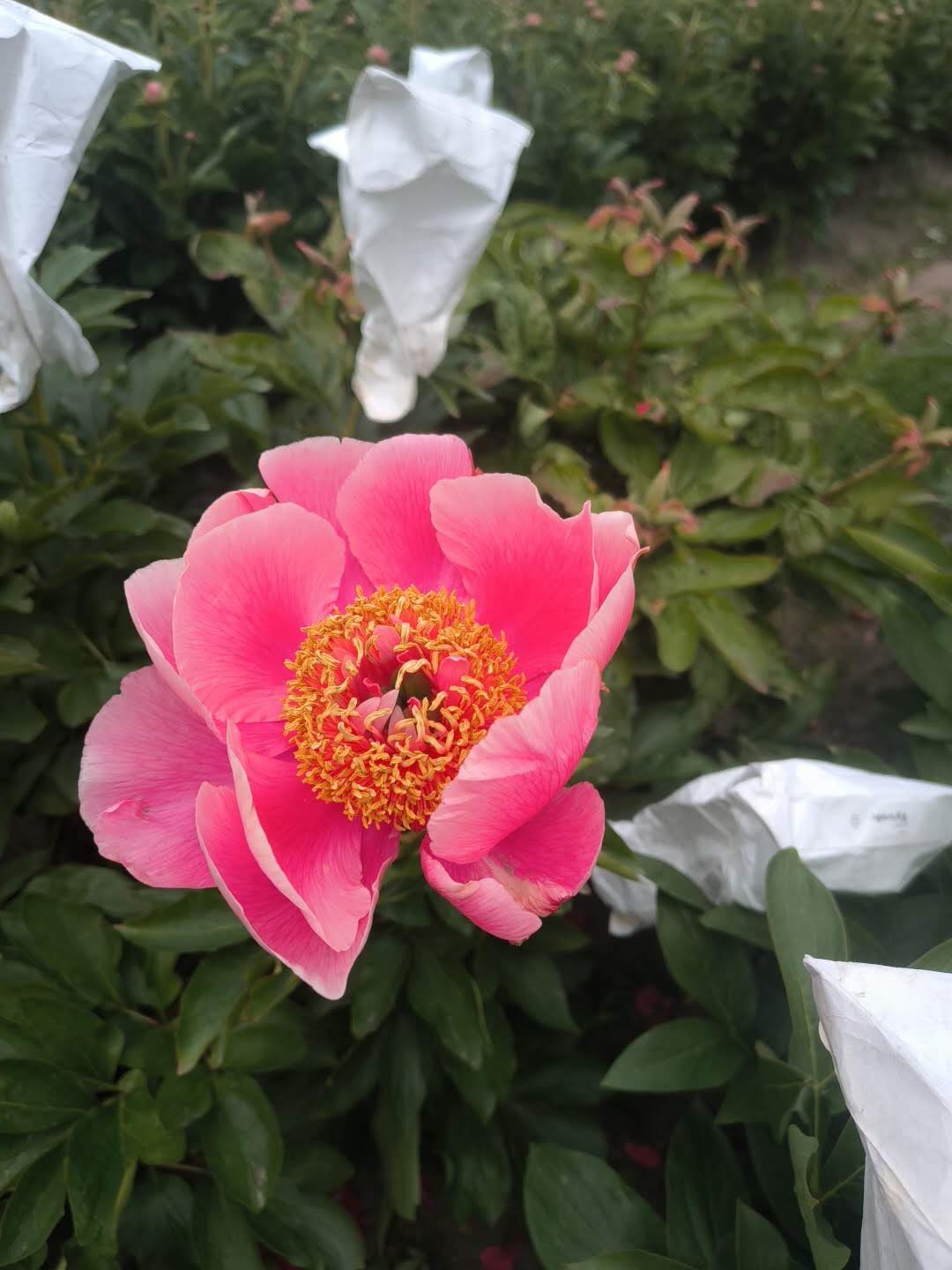
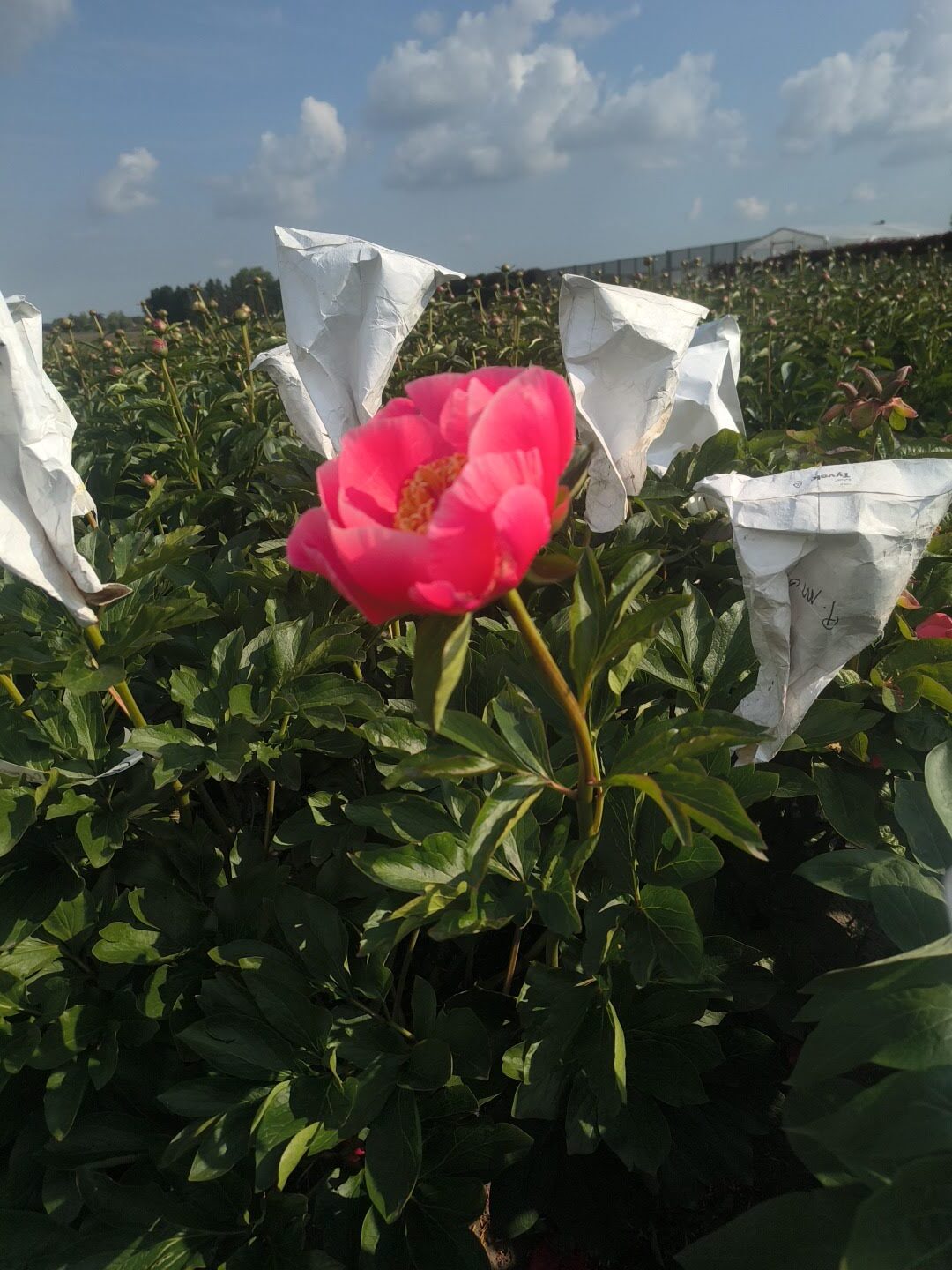
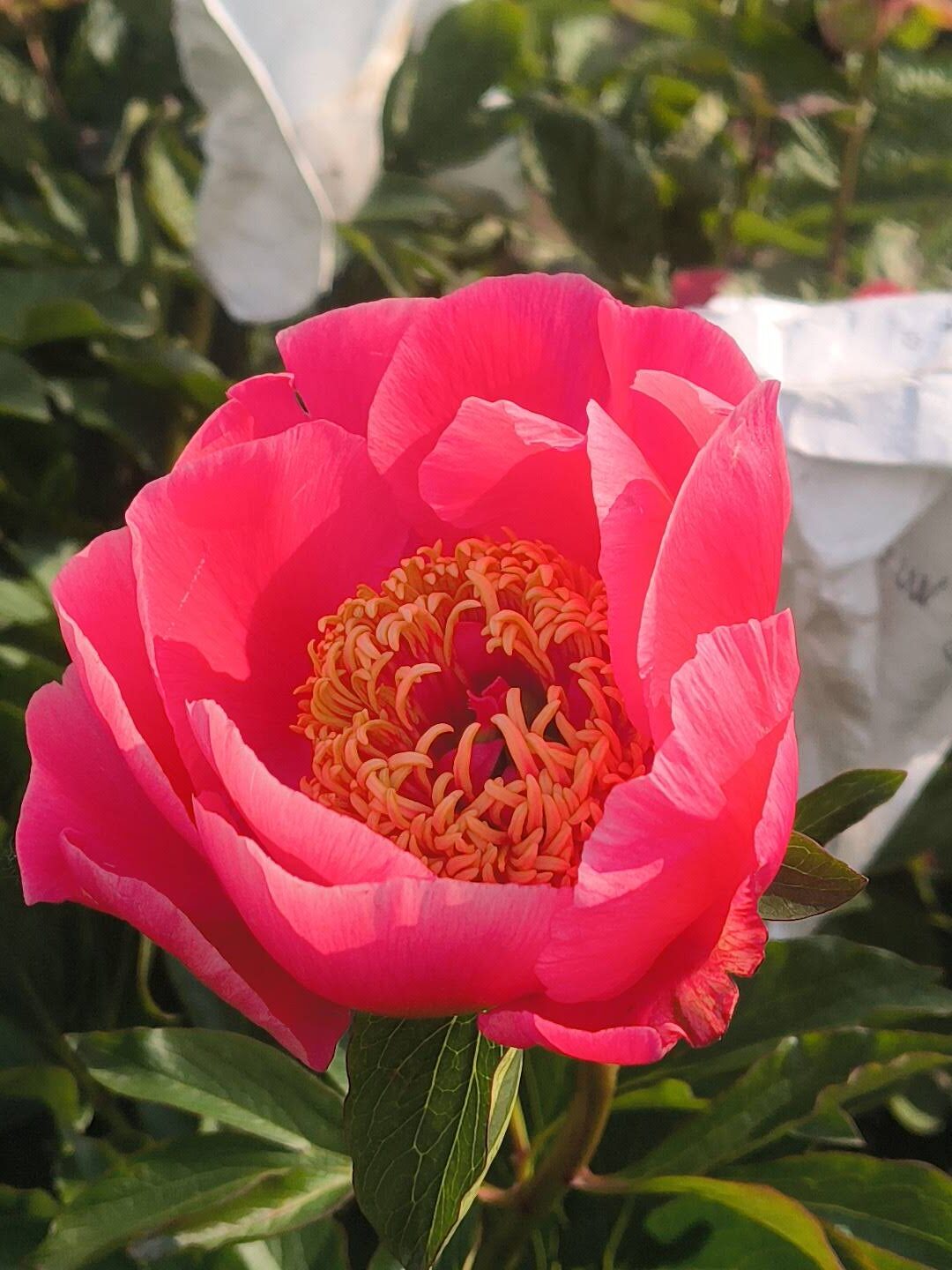
These are some failures within my seedlings, flowering now (&amp;amp;amp;amp;lt;a class=&amp;amp;amp;amp;quot;wpg-linkify wpg-tooltip&amp;amp;amp;amp;quot; title=&amp;amp;amp;amp;quot;&amp;amp;amp;amp;amp;lt;div class=&amp;amp;amp;amp;amp;quot;wpg-tooltip-content&amp;amp;amp;amp;amp;quot;&amp;amp;amp;amp;amp;gt;&amp;amp;amp;amp;amp;lt;p style=&amp;amp;amp;amp;amp;quot;text-align: justify;&amp;amp;amp;amp;amp;quot;&amp;amp;amp;amp;amp;gt;Parentage: Minnie Shaylor x Otto Froebel, first bloomed about 1965; seedling number unknown. Double hybrid, deep coral, flat form, reliable, <a class="wpg-linkify wpg-tooltip" title="&lt;div class=&quot;wpg-tooltip-content&quot;&gt;&lt;p&gt;stamen: one of the male organs of a flower, consisting typically of a stalk (filament) and a pollen-bearing portion (anther)&lt;/p&gt; &lt;/div&gt;" href="https://www.peonysociety.org/registered_peonies/stamens/" >stamens</a>, pollen, no seeds, fragrant. Good substance. Good stem strength with excellent foliage, 34 inches, early, vigorous. Appears to be a sister seedling of &amp;amp;amp;lt;a class=&amp;amp;amp;quot;wpg-linkify wpg-tooltip&amp;amp;amp;quot; title=&amp;amp;amp;quot;&amp;amp;amp;amp;lt;div class=&amp;amp;amp;amp;quot;wpg-tooltip-content&amp;amp;amp;amp;quot;&amp;amp;amp;amp;gt;&amp;amp;amp;amp;lt;p&amp;amp;amp;amp;gt;F2, inbred Officinalis Otto Froebel (tetraploid). A huge bowl shaped flower with a brilliant penetrating coral color, which has a mild agreeable sheen. The color lightens to a pale cream as the golden center of stamen&amp;amp;amp;amp;#039;s is approached. It is semi-double. The guards and second row of petals are large and have no undesirable petal notches. The petals become narrower and become gradually erect toward the center of the flower. The flower has unusual substance and is a free bloomer. Borne on 36 in. rigid stems, with good foliage. It is late &amp;amp;amp;amp;quot;June 1st here&amp;amp;amp;amp;quot; for a hybrid, and has real vigor. It had three blooms the first time it bloomed in 1S62, seven blooms the second year in 1963, and ten blooms in 1984. It has the stamina to stay in refrigeration for ten days at least and still do well. Seedling # 640.&amp;amp;amp;amp;lt;/p&amp;amp;amp;amp;gt; &amp;amp;amp;amp;lt;/div&amp;amp;amp;amp;gt;&amp;amp;amp;quot; href=&amp;amp;amp;quot;https://www.peonysociety.org/registered_peonies/coral-<a class="wpg-linkify wpg-tooltip" title="<div class="wpg-tooltip-content"><p>Very dark red Jap. Good upright grower, vigorous, late, 34 inches. An improvement on Fuyajo. Seedling # JE-3.</p> <p>Award of Landscape Merit (ALM) description: 'Charm' (Franklin, 1931) Lactiflora Group, Late mid-season, 38? — A lustrous and satiny, dark red Japanese form bloom with a center of the same red petaloids, etched yellow. Stiff and relatively straight stems angle outward gracefully to form a very large, harmoniously mounded, fountain of blooms. An eight-year-old plant matures to 40 or so stems that emerge from a relatively compact area. Although individual blooms are at their peak for a shorter duration than those of other lactifloras, plenty of side buds help 'Charm' maintain its striking presence in the landscape. One of the later Japanese form peonies to bloom.</p> </div>" href="https://www.peonysociety.org/registered_peonies/charm/" >charm</a>/&amp;amp;amp;quot; &amp;amp;amp;gt;Coral <a class="wpg-linkify wpg-tooltip" title="<div class="wpg-tooltip-content"><p>Very dark red Jap. Good upright grower, vigorous, late, 34 inches. An improvement on Fuyajo. Seedling # JE-3.</p> <p>Award of Landscape Merit (ALM) description: 'Charm' (Franklin, 1931) Lactiflora Group, Late mid-season, 38? — A lustrous and satiny, dark red Japanese form bloom with a center of the same red petaloids, etched yellow. Stiff and relatively straight stems angle outward gracefully to form a very large, harmoniously mounded, fountain of blooms. An eight-year-old plant matures to 40 or so stems that emerge from a relatively compact area. Although individual blooms are at their peak for a shorter duration than those of other lactifloras, plenty of side buds help 'Charm' maintain its striking presence in the landscape. One of the later Japanese form peonies to bloom.</p> </div>" href="https://www.peonysociety.org/registered_peonies/charm/" >Charm</a>&amp;amp;amp;lt;/a&amp;amp;amp;gt;. Mr. Wissing worked over 26 years to achieve these beautiful and unique coral hybrids. One bud per stem. Plant patent applied for.&amp;amp;amp;amp;amp;lt;/p&amp;amp;amp;amp;amp;gt; &amp;amp;amp;amp;amp;lt;p style=&amp;amp;amp;amp;amp;quot;text-align: justify;&amp;amp;amp;amp;amp;quot;&amp;amp;amp;amp;amp;gt;Award of Landscape Merit (ALM) description: &amp;amp;amp;amp;amp;#039;Coral Sunset&amp;amp;amp;amp;amp;#039; (Wissing, 1965) Herbaceous Hybrid, Semi-double, Early, 32? — Big (five inches across x two and a half inches deep), durable, semi-double, cupped shaped, coral-rose flowers, that open wider and turn the color of parchment as they age. Individual flowers retain their form and stay viable decorative elements for an exceptionally long time in situ. With occasional side buds helping to prolong the flowering period, blooms at different stages of development will be present on a single plant. Stems emerge yellow-green from the ground in the spring. Foliage is larger but less finely cut than that of &amp;amp;amp;amp;amp;#039;&amp;amp;amp;lt;a class=&amp;amp;amp;quot;wpg-linkify wpg-tooltip&amp;amp;amp;quot; title=&amp;amp;amp;quot;&amp;amp;amp;amp;lt;div class=&amp;amp;amp;amp;quot;wpg-tooltip-content&amp;amp;amp;amp;quot;&amp;amp;amp;amp;gt;&amp;amp;amp;amp;lt;p&amp;amp;amp;amp;gt;F2, inbred Officinalis Otto Froebel (tetraploid). A huge bowl shaped flower with a brilliant penetrating coral color, which has a mild agreeable sheen. The color lightens to a pale cream as the golden center of stamen&amp;amp;amp;amp;#039;s is approached. It is semi-double. The guards and second row of petals are large and have no undesirable petal notches. The petals become narrower and become gradually erect toward the center of the flower. The flower has unusual substance and is a free bloomer. Borne on 36 in. rigid stems, with good foliage. It is late &amp;amp;amp;amp;quot;June 1st here&amp;amp;amp;amp;quot; for a hybrid, and has real vigor. It had three blooms the first time it bloomed in 1S62, seven blooms the second year in 1963, and ten blooms in 1984. It has the stamina to stay in refrigeration for ten days at least and still do well. Seedling # 640.&amp;amp;amp;amp;lt;/p&amp;amp;amp;amp;gt; &amp;amp;amp;amp;lt;/div&amp;amp;amp;amp;gt;&amp;amp;amp;quot; href=&amp;amp;amp;quot;https://www.peonysociety.org/registered_peonies/coral-<a class="wpg-linkify wpg-tooltip" title="<div class="wpg-tooltip-content"><p>Very dark red Jap. Good upright grower, vigorous, late, 34 inches. An improvement on Fuyajo. Seedling # JE-3.</p> <p>Award of Landscape Merit (ALM) description: 'Charm' (Franklin, 1931) Lactiflora Group, Late mid-season, 38? — A lustrous and satiny, dark red Japanese form bloom with a center of the same red petaloids, etched yellow. Stiff and relatively straight stems angle outward gracefully to form a very large, harmoniously mounded, fountain of blooms. An eight-year-old plant matures to 40 or so stems that emerge from a relatively compact area. Although individual blooms are at their peak for a shorter duration than those of other lactifloras, plenty of side buds help 'Charm' maintain its striking presence in the landscape. One of the later Japanese form peonies to bloom.</p> </div>" href="https://www.peonysociety.org/registered_peonies/charm/" >charm</a>/&amp;amp;amp;quot; &amp;amp;amp;gt;Coral <a class="wpg-linkify wpg-tooltip" title="<div class="wpg-tooltip-content"><p>Very dark red Jap. Good upright grower, vigorous, late, 34 inches. An improvement on Fuyajo. Seedling # JE-3.</p> <p>Award of Landscape Merit (ALM) description: 'Charm' (Franklin, 1931) Lactiflora Group, Late mid-season, 38? — A lustrous and satiny, dark red Japanese form bloom with a center of the same red petaloids, etched yellow. Stiff and relatively straight stems angle outward gracefully to form a very large, harmoniously mounded, fountain of blooms. An eight-year-old plant matures to 40 or so stems that emerge from a relatively compact area. Although individual blooms are at their peak for a shorter duration than those of other lactifloras, plenty of side buds help 'Charm' maintain its striking presence in the landscape. One of the later Japanese form peonies to bloom.</p> </div>" href="https://www.peonysociety.org/registered_peonies/charm/" >Charm</a>&amp;amp;amp;lt;/a&amp;amp;amp;gt;&amp;amp;amp;amp;amp;#039; and remains attractive only when soil stays evenly moist throughout the season. It withstands late freezes in Arkansas (the freeze of 2007 being the exception), but may be injured in other regions where late freezes may be harsher or more untimely. Farther north, &amp;amp;amp;amp;amp;#039;Coral Sunset&amp;amp;amp;amp;amp;#039; is reputed to survive severe winter cold down to -40º F. Increases slowly and matures to 18 stems on a ten-year-old plant . Mature roots are very long, with many never deeper than a few inches. Propagate by division or adventitious root. 2003 Gold Medalist&amp;amp;amp;amp;amp;lt;/p&amp;amp;amp;amp;amp;gt; &amp;amp;amp;amp;amp;lt;/div&amp;amp;amp;amp;amp;gt;&amp;amp;amp;amp;quot; href=&amp;amp;amp;amp;quot;https://www.peonysociety.org/registered_peonies/coral-sunset/&amp;amp;amp;amp;quot; &amp;amp;amp;amp;gt;Coral Sunset&amp;amp;amp;amp;lt;/a&amp;amp;amp;amp;gt; is now blooming, if you want to have an indication of their blooming period) . Flower pretty enough, but usually the plant habit is poor or they have ‘open buds’ which is something I don’t want.
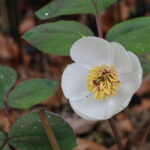
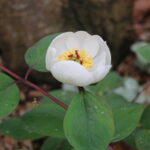
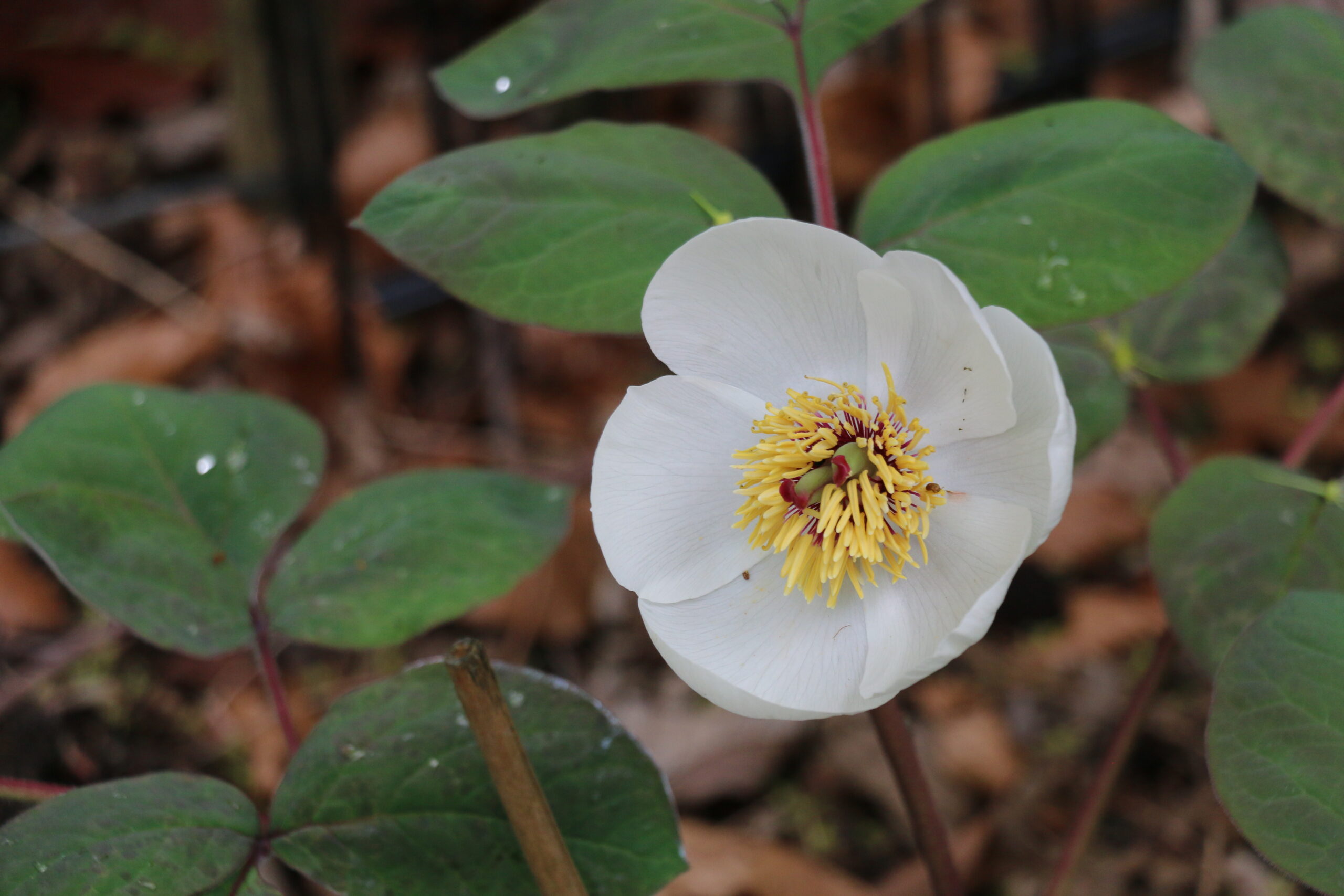
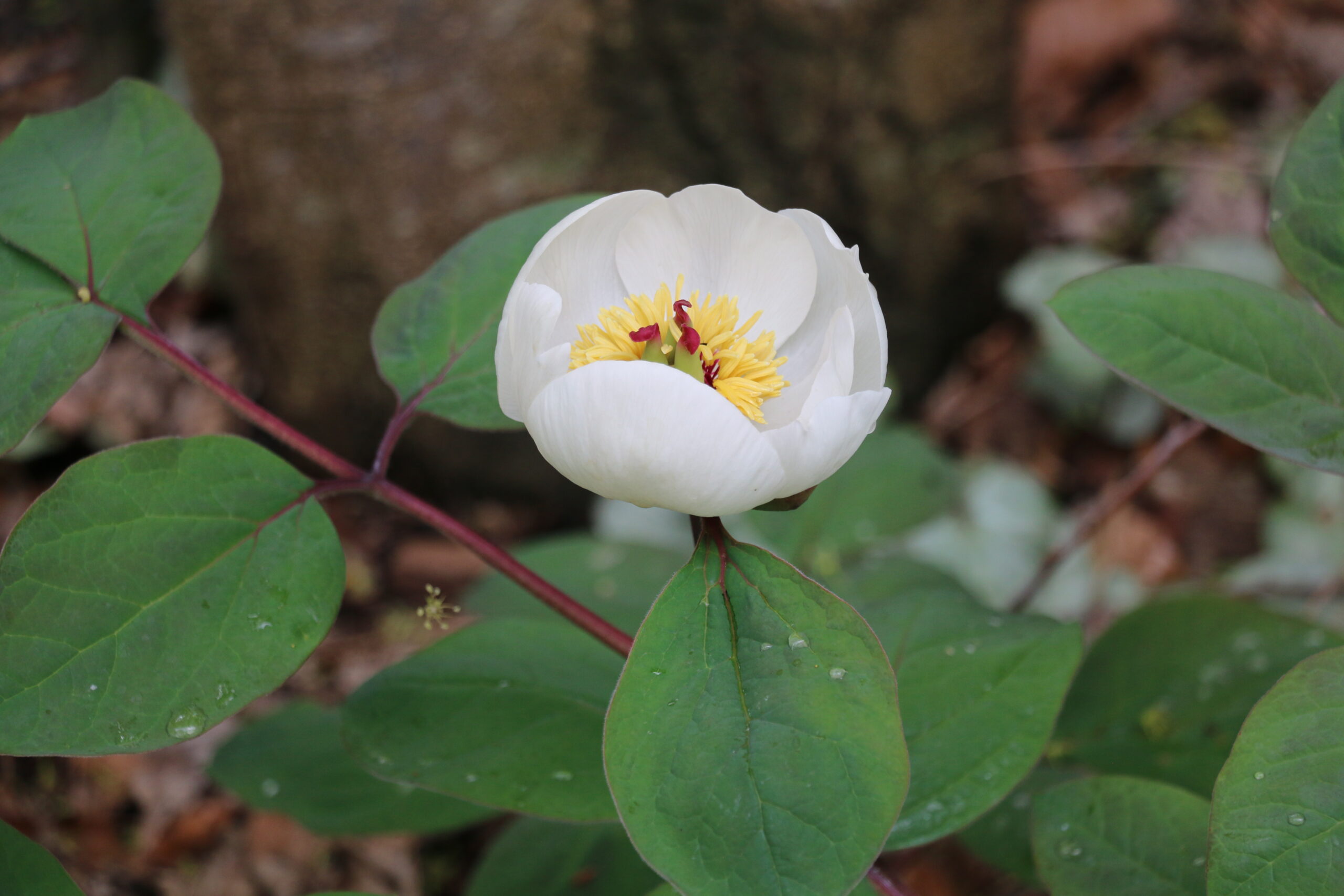
&lt;a class=&quot;wpg-linkify wpg-tooltip&quot; title=&quot;&amp;lt;div class=&amp;quot;wpg-tooltip-content&amp;quot;&amp;gt;&amp;lt;p&amp;gt;Growing in bushes on dry or rocky slopes at altitudes from 1600 to 3,200 m. The western Himalayas and northeastern part of the Hindu Kush: China (SW Xizang (Tibet) and S Xinjiang), NW India, W Nepal, N Pakistan and E Afghanistan (Nuristan, Chetras) .&amp;lt;br /&amp;gt; &amp;lt;a href=&amp;quot;https://www.peonysociety.org/species/herbaceous/albiflorae/emodi/&amp;quot;&amp;gt;More info&amp;lt;/a&amp;gt;&amp;lt;/p&amp;gt; &amp;lt;/div&amp;gt;&quot; href=&quot;https://www.peonysociety.org/registered_peonies/p-emodi/&quot; &gt;Paeonia emodi&lt;/a&gt;. Not a particularly easy species to grow. Buds and flowers are very frost prone, although the plant itself is hardy enough. &amp;amp;amp;amp;amp;amp;amp;lt;a class=&amp;amp;amp;amp;amp;amp;amp;quot;wpg-linkify wpg-tooltip&amp;amp;amp;amp;amp;amp;amp;quot; title=&amp;amp;amp;amp;amp;amp;amp;quot;&amp;amp;amp;amp;amp;amp;amp;amp;lt;div class=&amp;amp;amp;amp;amp;amp;amp;amp;quot;wpg-tooltip-content&amp;amp;amp;amp;amp;amp;amp;amp;quot;&amp;amp;amp;amp;amp;amp;amp;amp;gt;&amp;amp;amp;amp;amp;amp;amp;amp;lt;p&amp;amp;amp;amp;amp;amp;amp;amp;gt;Veitchi x &lt;a class=&quot;wpg-linkify wpg-tooltip&quot; title=&quot;&amp;lt;div class=&amp;quot;wpg-tooltip-content&amp;quot;&amp;gt;&amp;lt;p&amp;gt;Growing in bushes on dry or rocky slopes at altitudes from 1600 to 3,200 m. The western Himalayas and northeastern part of the Hindu Kush: China (SW Xizang (Tibet) and S Xinjiang), NW India, W Nepal, N Pakistan and E Afghanistan (Nuristan, Chetras) .&amp;lt;br /&amp;gt; &amp;lt;a href=&amp;quot;https://www.peonysociety.org/species/herbaceous/albiflorae/emodi/&amp;quot;&amp;gt;More info&amp;lt;/a&amp;gt;&amp;lt;/p&amp;gt; &amp;lt;/div&amp;gt;&quot; href=&quot;https://www.peonysociety.org/registered_peonies/p-emodi/&quot; &gt;Emodi&lt;/a&gt;. This and the Beresowskyi x &lt;a class=&quot;wpg-linkify wpg-tooltip&quot; title=&quot;&amp;lt;div class=&amp;quot;wpg-tooltip-content&amp;quot;&amp;gt;&amp;lt;p&amp;gt;Growing in bushes on dry or rocky slopes at altitudes from 1600 to 3,200 m. The western Himalayas and northeastern part of the Hindu Kush: China (SW Xizang (Tibet) and S Xinjiang), NW India, W Nepal, N Pakistan and E Afghanistan (Nuristan, Chetras) .&amp;lt;br /&amp;gt; &amp;lt;a href=&amp;quot;https://www.peonysociety.org/species/herbaceous/albiflorae/emodi/&amp;quot;&amp;gt;More info&amp;lt;/a&amp;gt;&amp;lt;/p&amp;gt; &amp;lt;/div&amp;gt;&quot; href=&quot;https://www.peonysociety.org/registered_peonies/p-emodi/&quot; &gt;Emodi&lt;/a&gt; strains are so closely alike that I prefer to offer them under the above names. The early strain blooms at the very beginning of the peony season; the other about a week later. These plants are graceful and unusual. The flowers, which are only moderate in size, resemble beautiful white anemones. They are slightly nodding and are borne on rather tall stems. The foliage is fern-like and very handsome. Sold as a strain only, the plants in each group being all closely alike.&amp;amp;amp;amp;amp;amp;amp;amp;lt;/p&amp;amp;amp;amp;amp;amp;amp;amp;gt; &amp;amp;amp;amp;amp;amp;amp;amp;lt;/div&amp;amp;amp;amp;amp;amp;amp;amp;gt;&amp;amp;amp;amp;amp;amp;amp;quot; href=&amp;amp;amp;amp;amp;amp;amp;quot;https://www.peonysociety.org/registered_peonies/early-windflower-2/&amp;amp;amp;amp;amp;amp;amp;quot; &amp;amp;amp;amp;amp;amp;amp;gt;Early Windflower&amp;amp;amp;amp;amp;amp;amp;lt;/a&amp;amp;amp;amp;amp;amp;amp;gt; or &amp;amp;amp;amp;amp;amp;lt;a class=&amp;amp;amp;amp;amp;amp;quot;wpg-linkify wpg-tooltip&amp;amp;amp;amp;amp;amp;quot; title=&amp;amp;amp;amp;amp;amp;quot;&amp;amp;amp;amp;amp;amp;amp;lt;div class=&amp;amp;amp;amp;amp;amp;amp;quot;wpg-tooltip-content&amp;amp;amp;amp;amp;amp;amp;quot;&amp;amp;amp;amp;amp;amp;amp;gt;&amp;amp;amp;amp;amp;amp;amp;lt;p&amp;amp;amp;amp;amp;amp;amp;gt;(Strain) Single, white (with golden center), small flowers are dollar size, stems erect, flowers nod down. Leaves narrowish and airy (not too dense) fern-like. Dense light yellow stamen ball.&amp;amp;amp;amp;amp;amp;amp;lt;/p&amp;amp;amp;amp;amp;amp;amp;gt; &amp;amp;amp;amp;amp;amp;amp;lt;/div&amp;amp;amp;amp;amp;amp;amp;gt;&amp;amp;amp;amp;amp;amp;quot; href=&amp;amp;amp;amp;amp;amp;quot;https://www.peonysociety.org/registered_peonies/late-windflower/&amp;amp;amp;amp;amp;amp;quot; &amp;amp;amp;amp;amp;amp;gt;Late Windflower&amp;amp;amp;amp;amp;amp;lt;/a&amp;amp;amp;amp;amp;amp;gt; are far <a class="wpg-linkify wpg-tooltip" title="&lt;div class=&quot;wpg-tooltip-content&quot;&gt;&lt;p&gt;(of the <a class="wpg-linkify wpg-tooltip" title="<div class="wpg-tooltip-content"><p>the hollow base of the carpel of a flower, containing one or more ovules</p> </div>" href="https://www.peonysociety.org/registered_peonies/ovary/" >ovary</a> of a flower) situated above the <a class="wpg-linkify wpg-tooltip" title="<div class="wpg-tooltip-content"><p>sepal: each of the parts of the calyx of a flower, enclosing the petals and typically green and leaflike</p> </div>" href="https://www.peonysociety.org/registered_peonies/sepals/" >sepals</a> and petals&lt;/p&gt; &lt;/div&gt;" href="https://www.peonysociety.org/registered_peonies/superior-2/" >superior</a>, but then you don’t have the species of course. It’s difficult to buy the true species, unless you start from seed as I did. The species has foliage with less…Read More

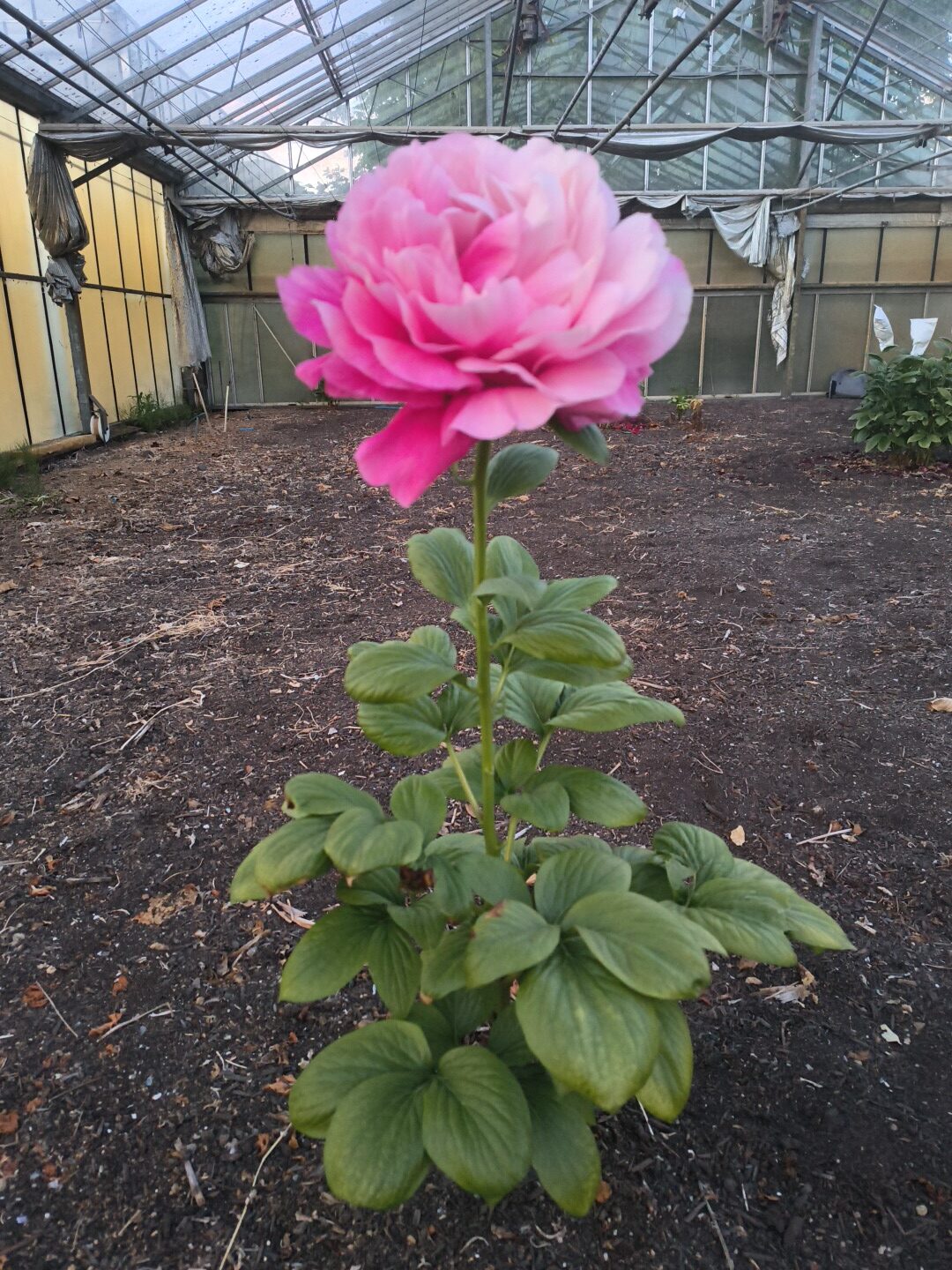
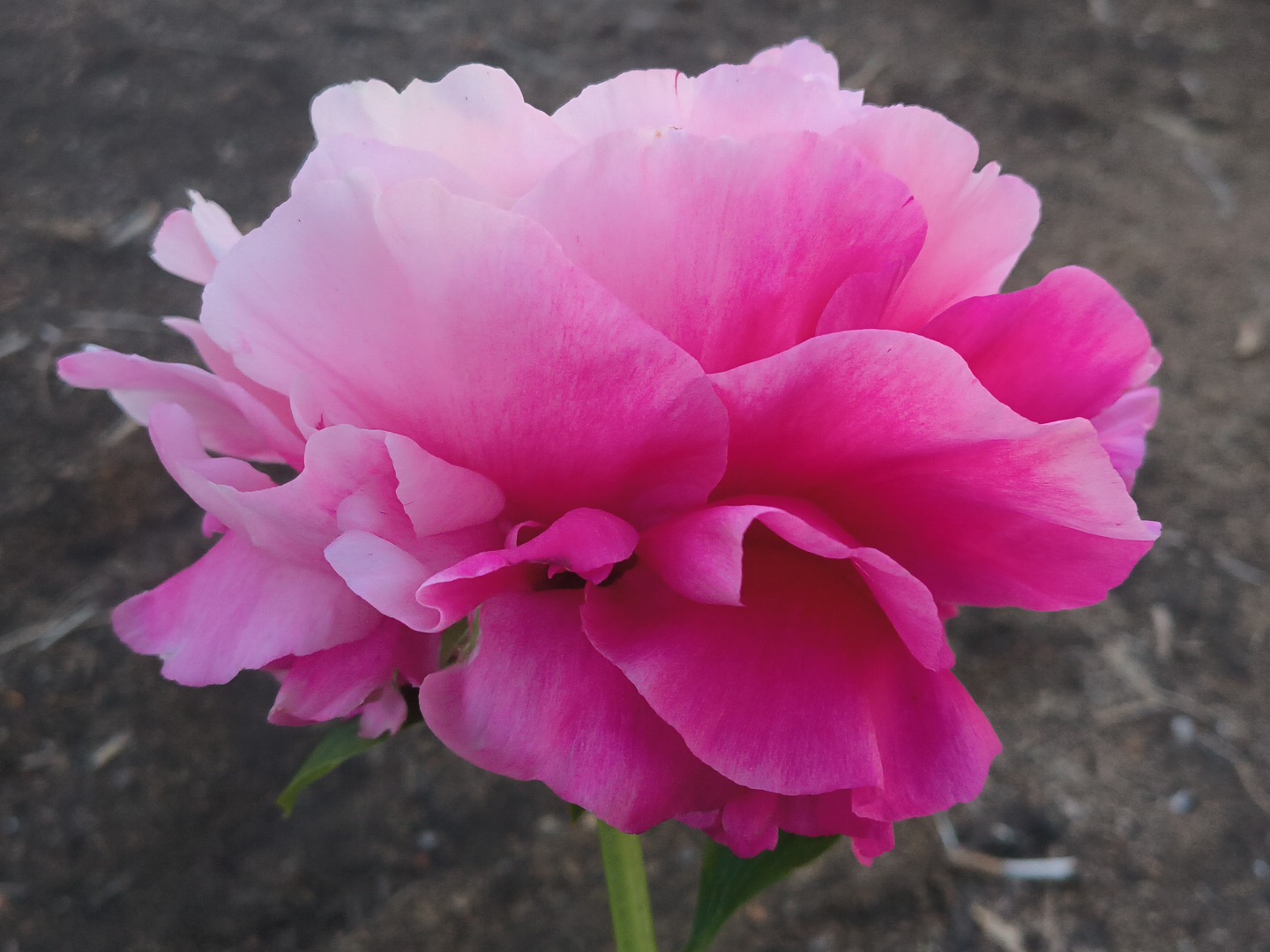
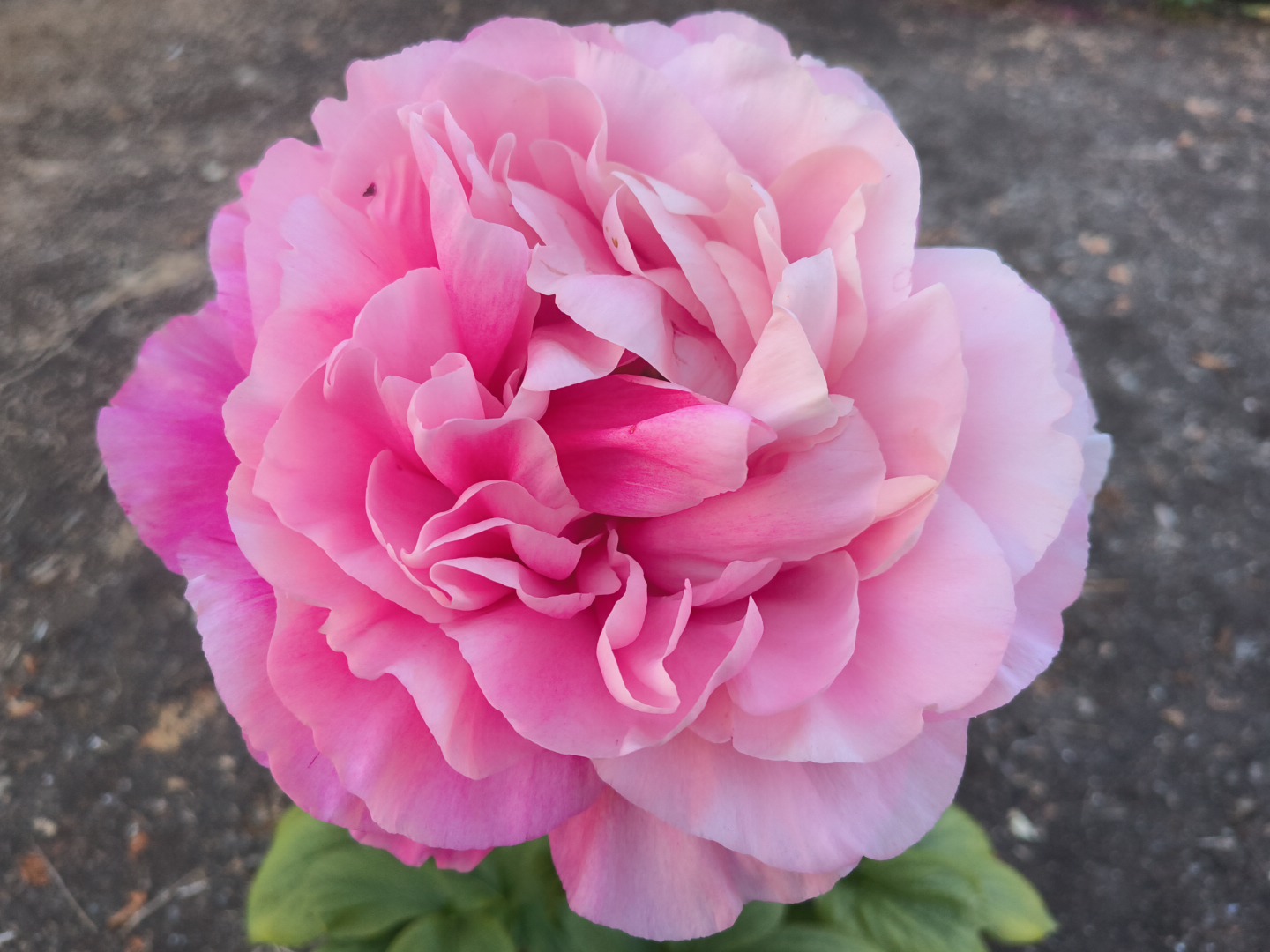
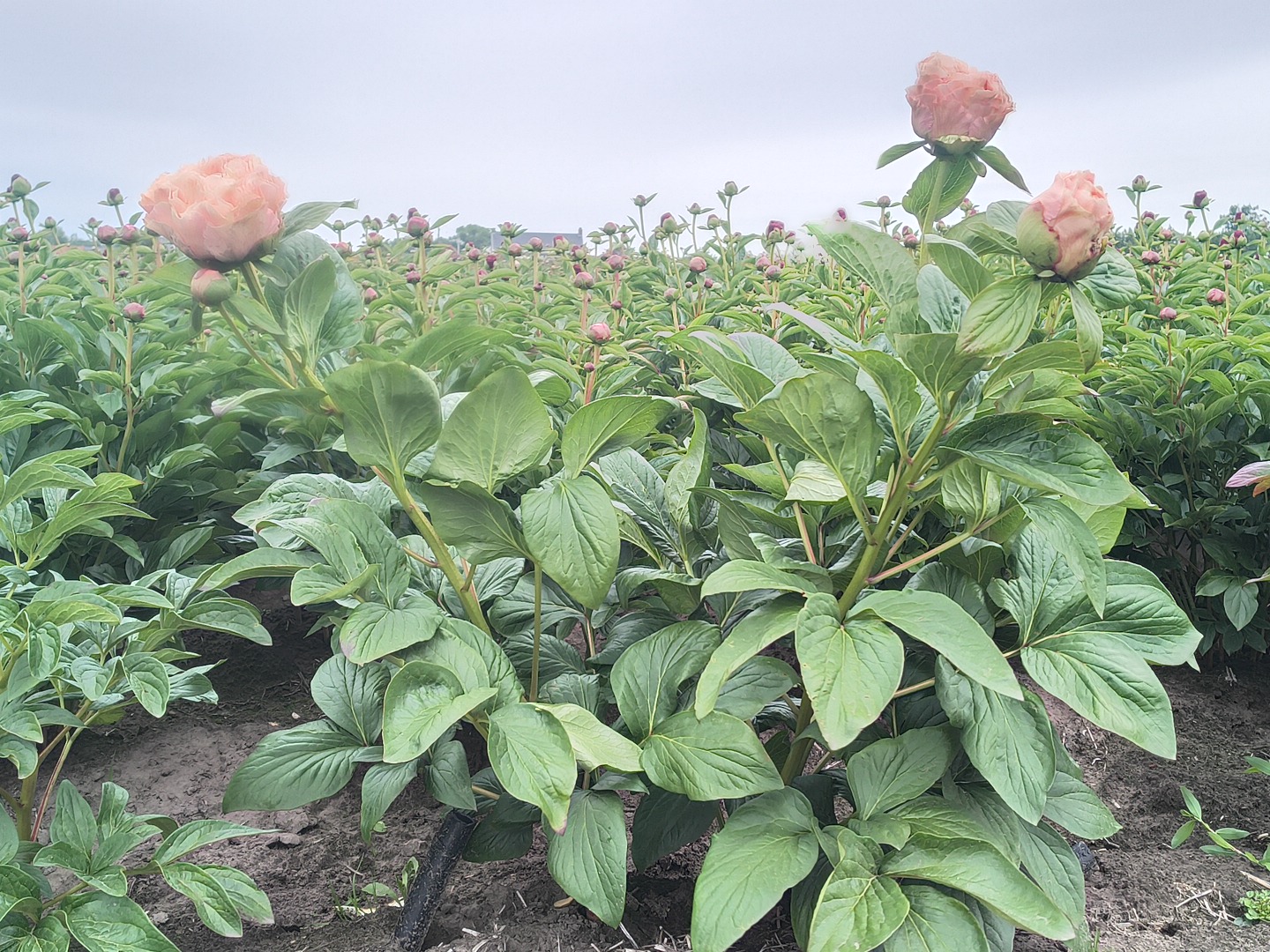
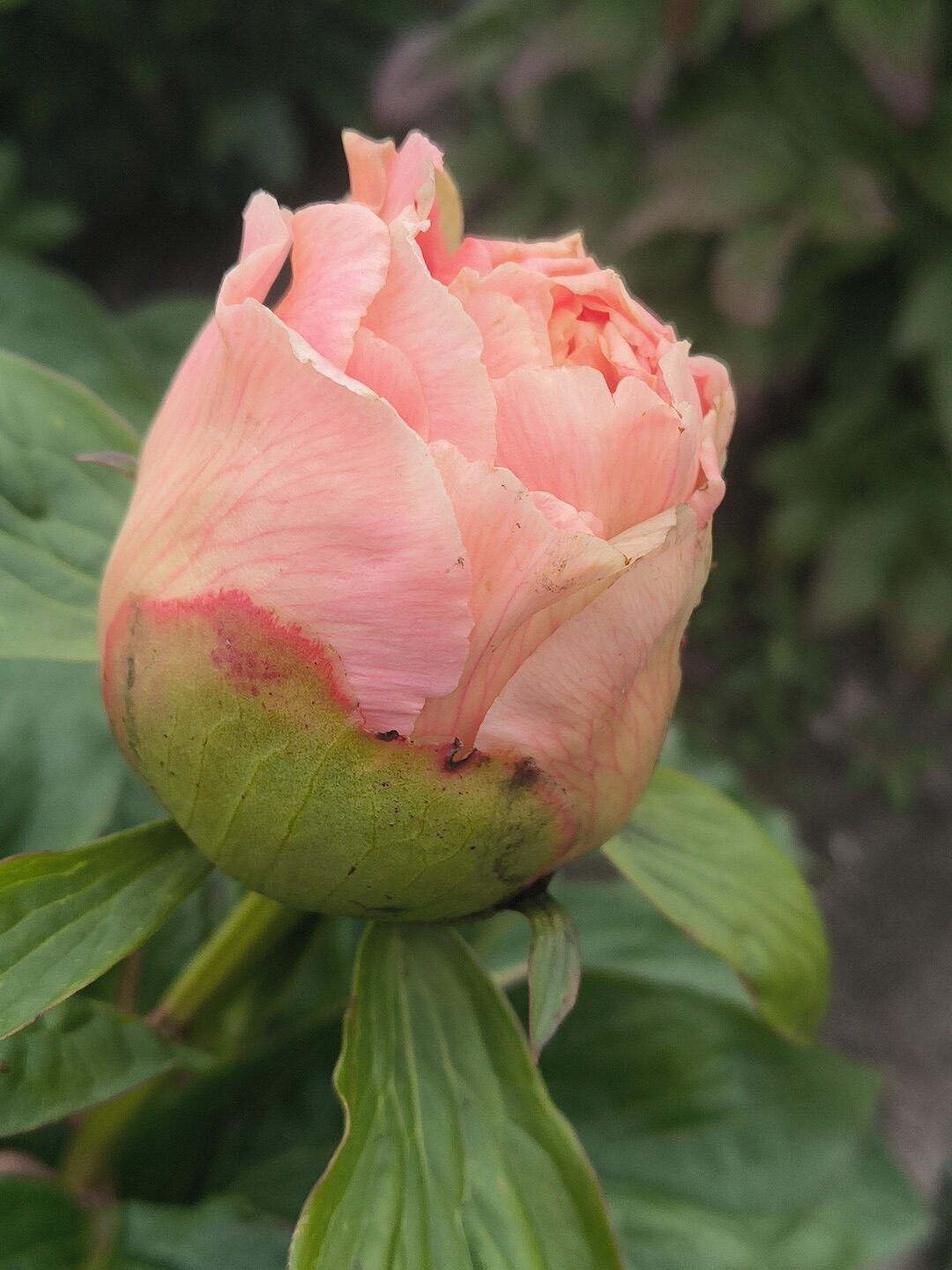
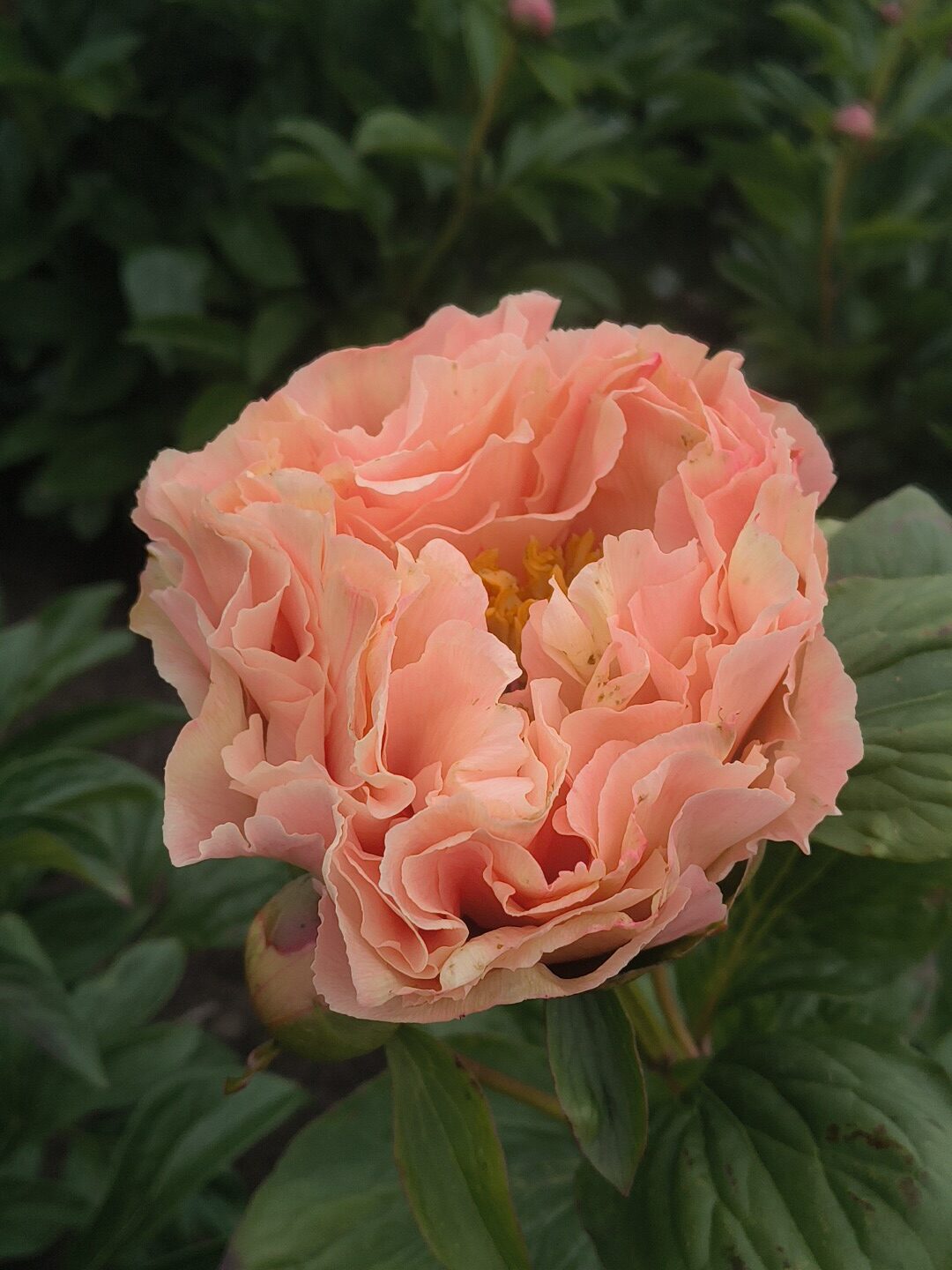
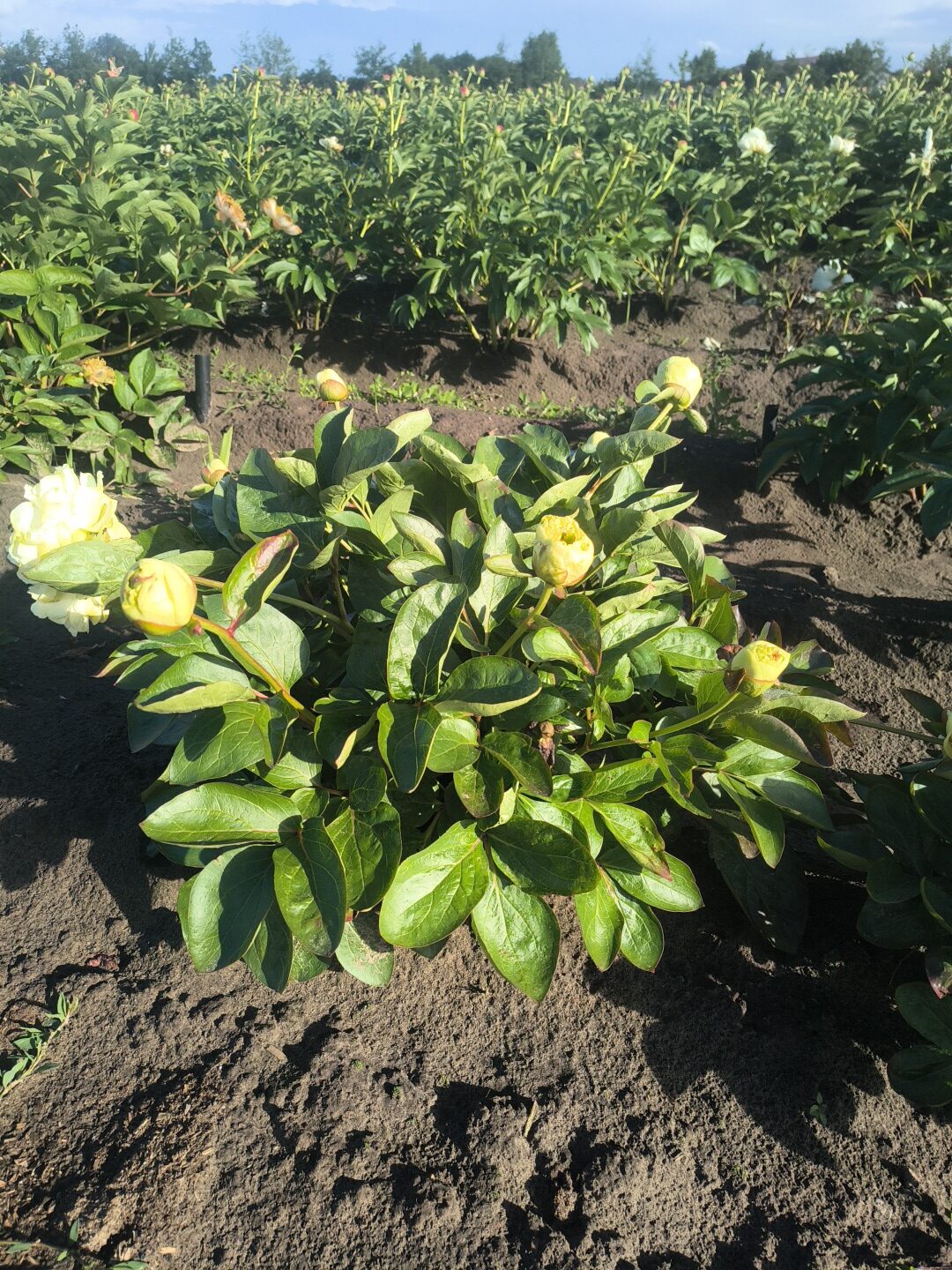

Six days later…