
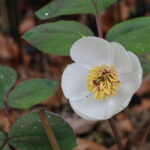
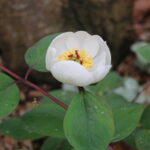


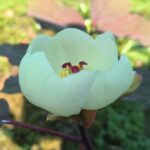

From these last series, they've received a long warm period and will now go into cold storage. Here the two…
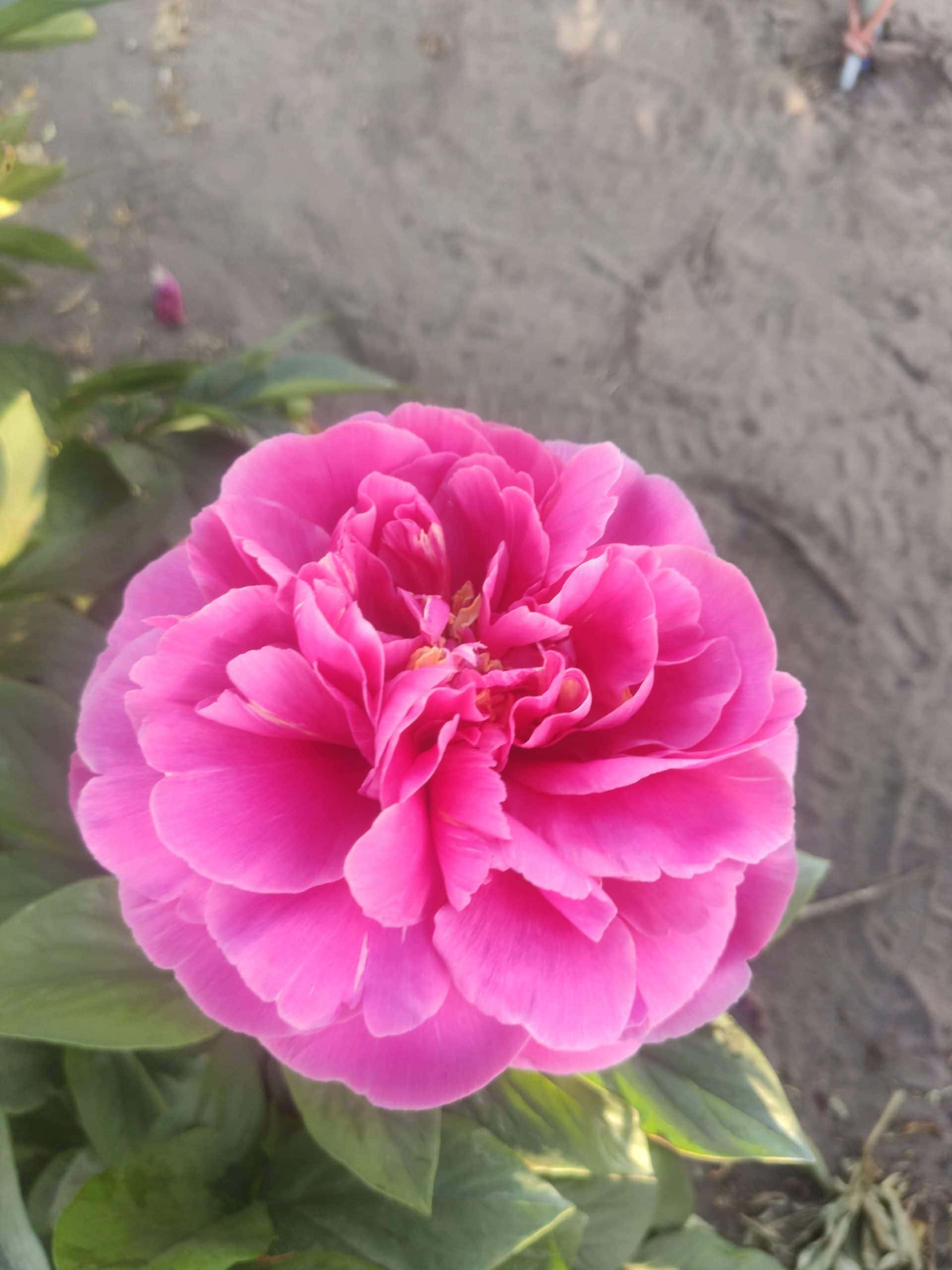
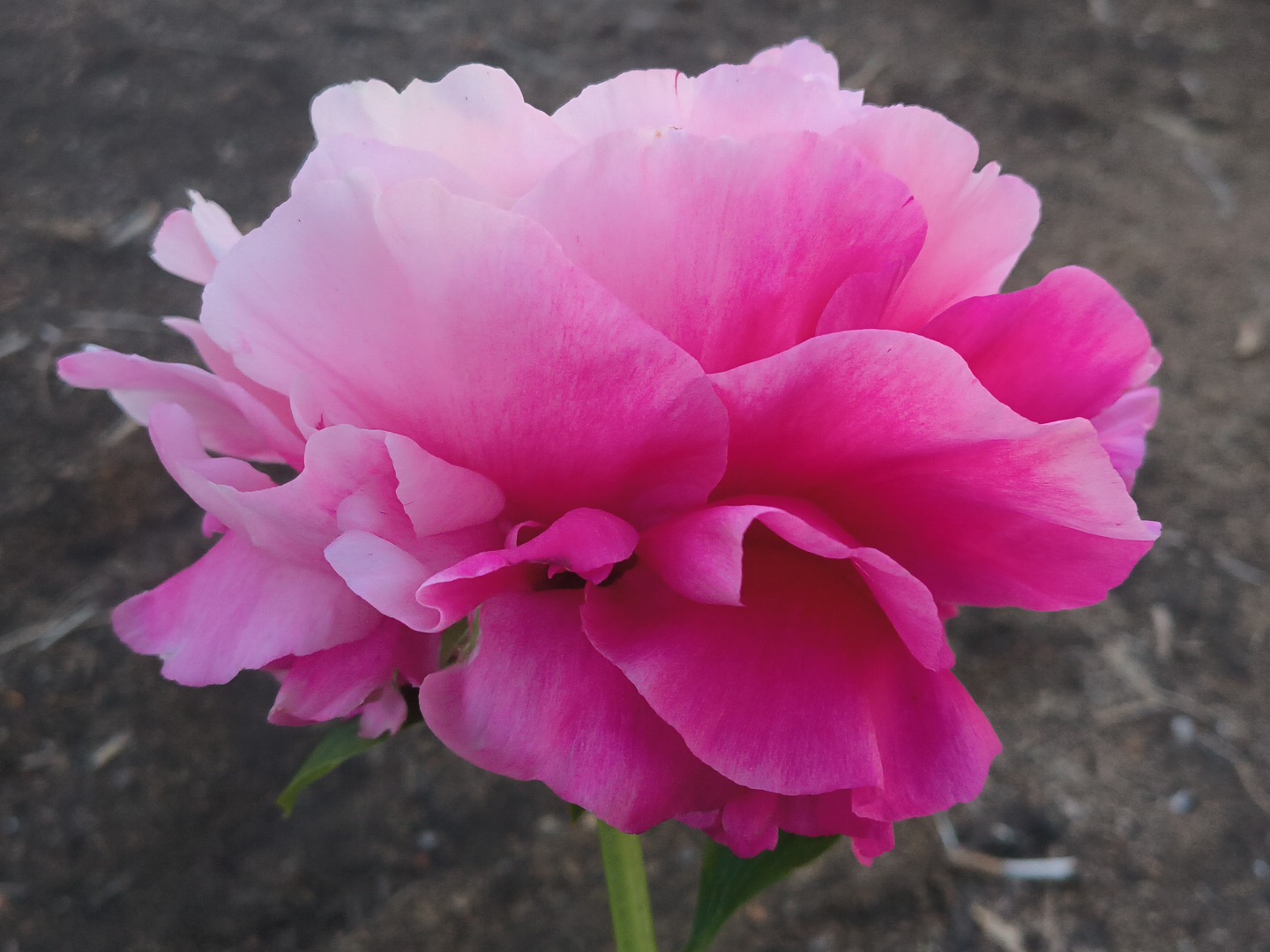
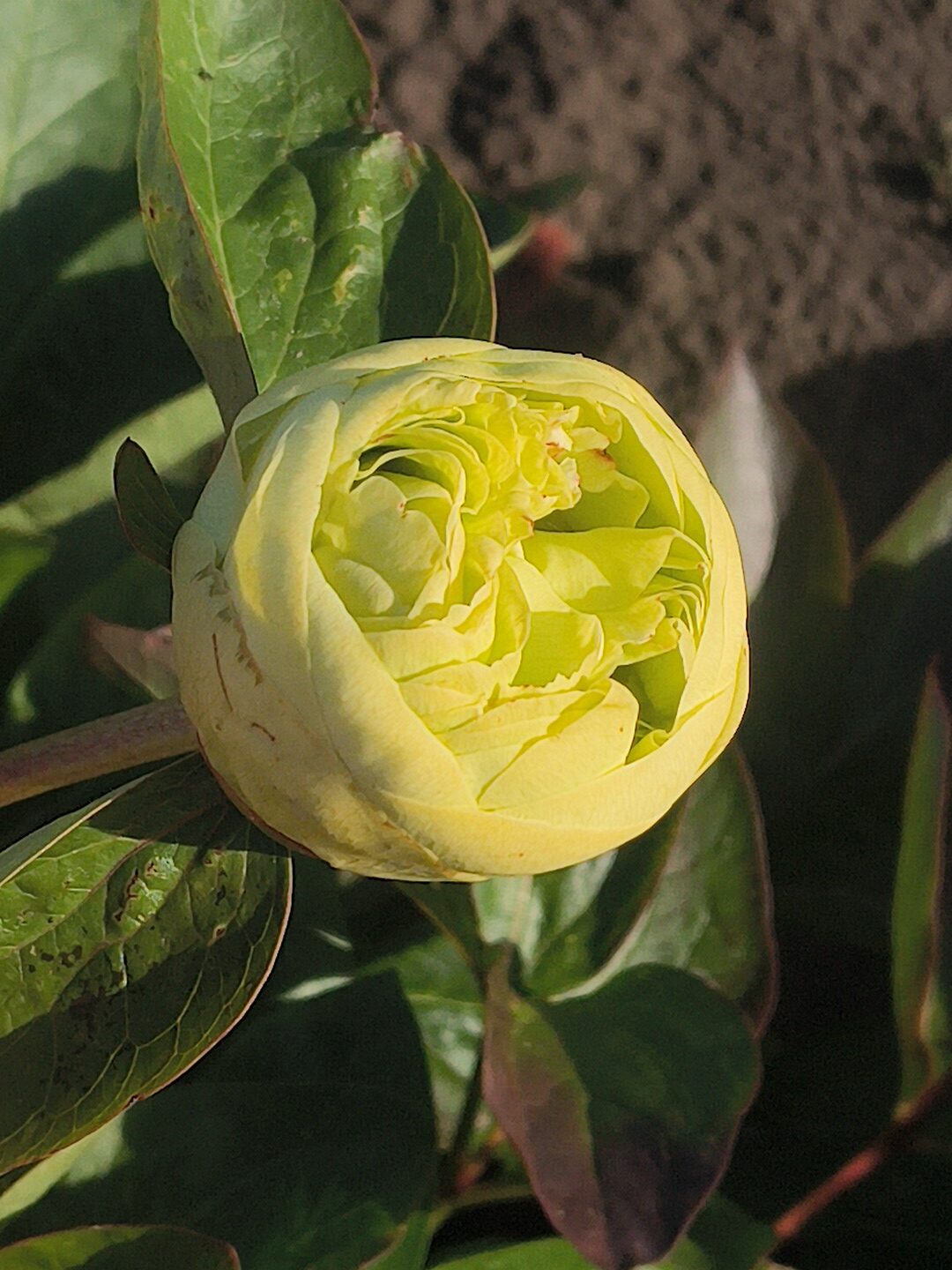
A new good seedling flowering for the first time. Parentage uncertain.
![]()
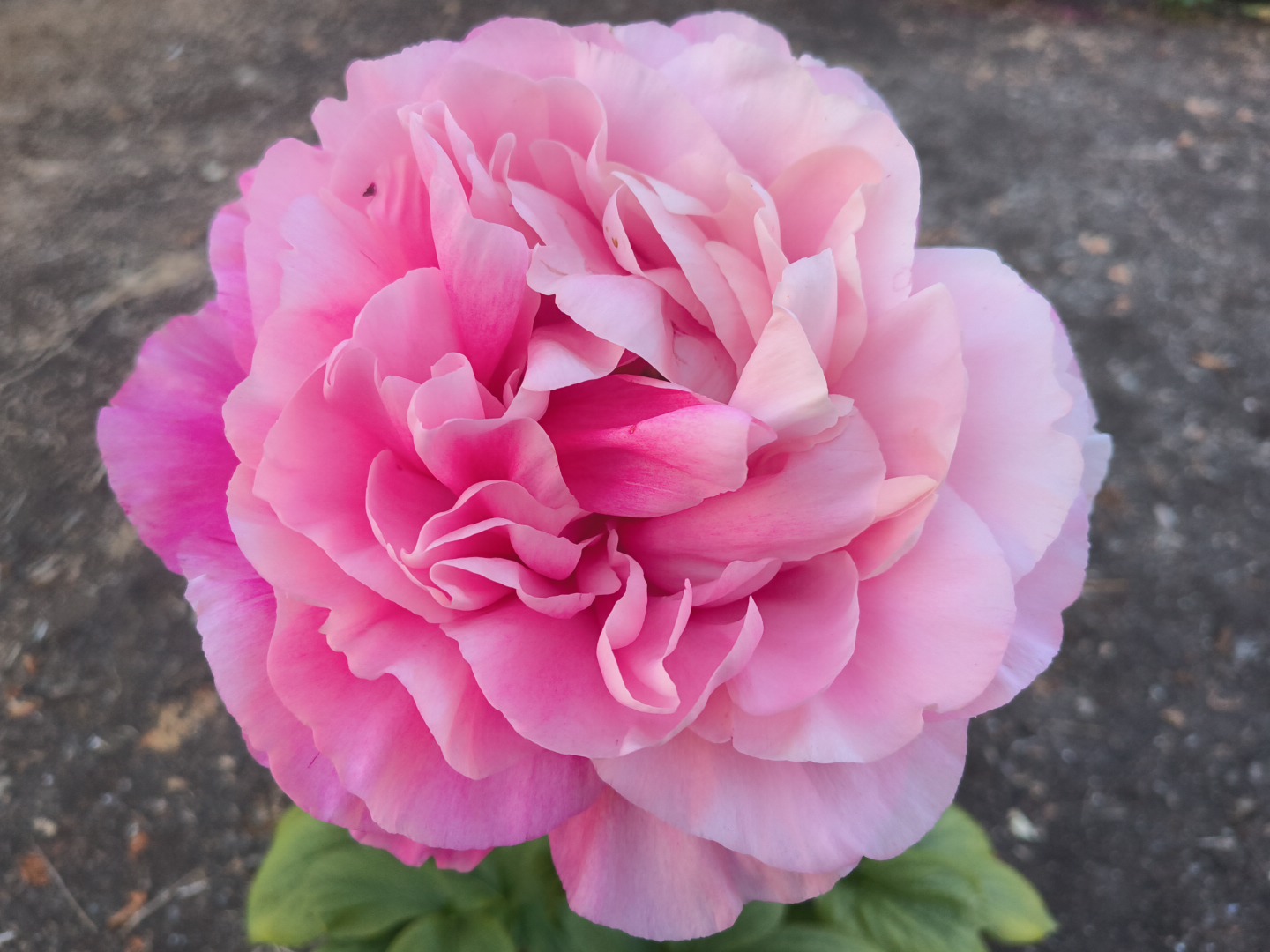
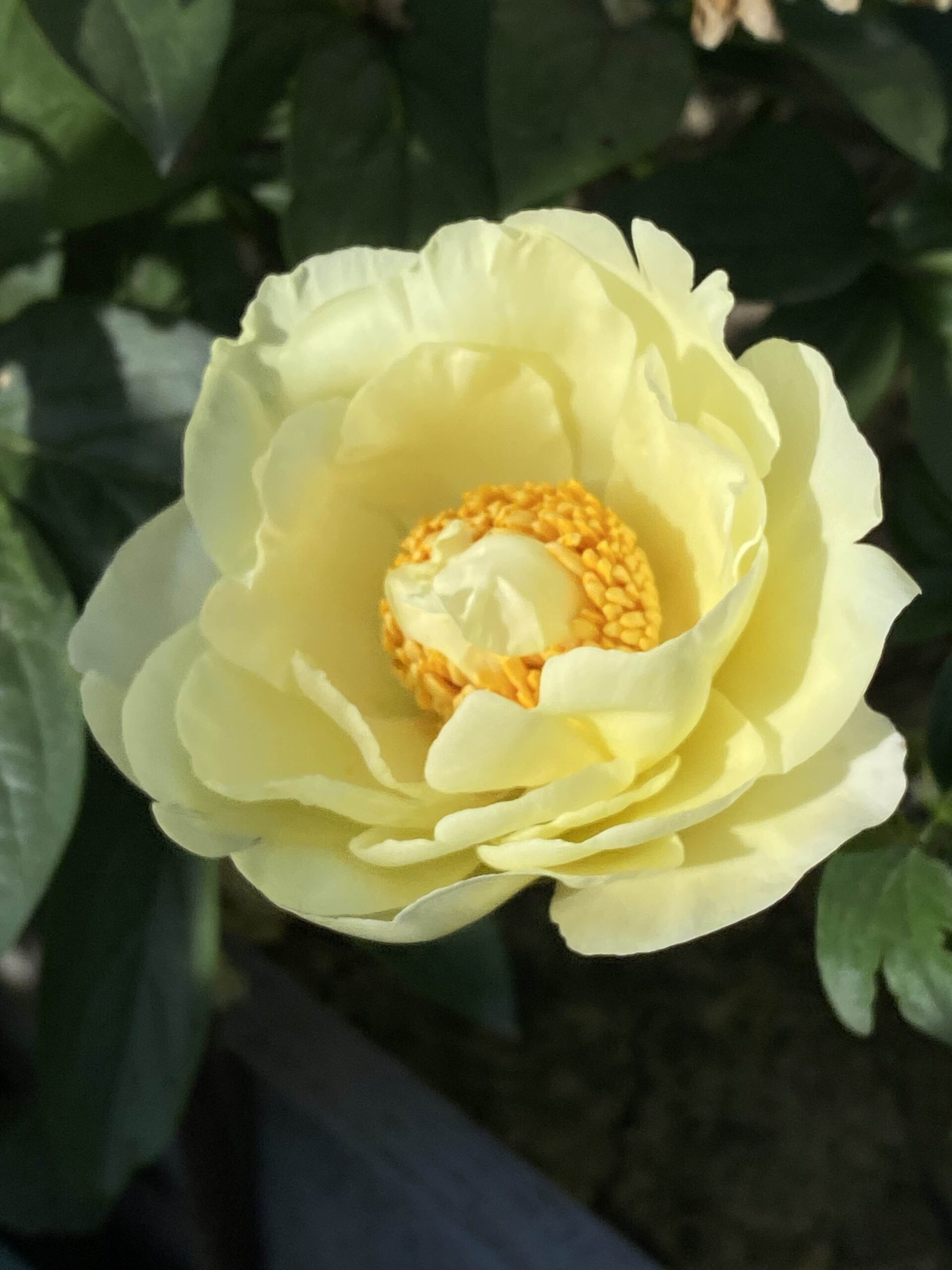
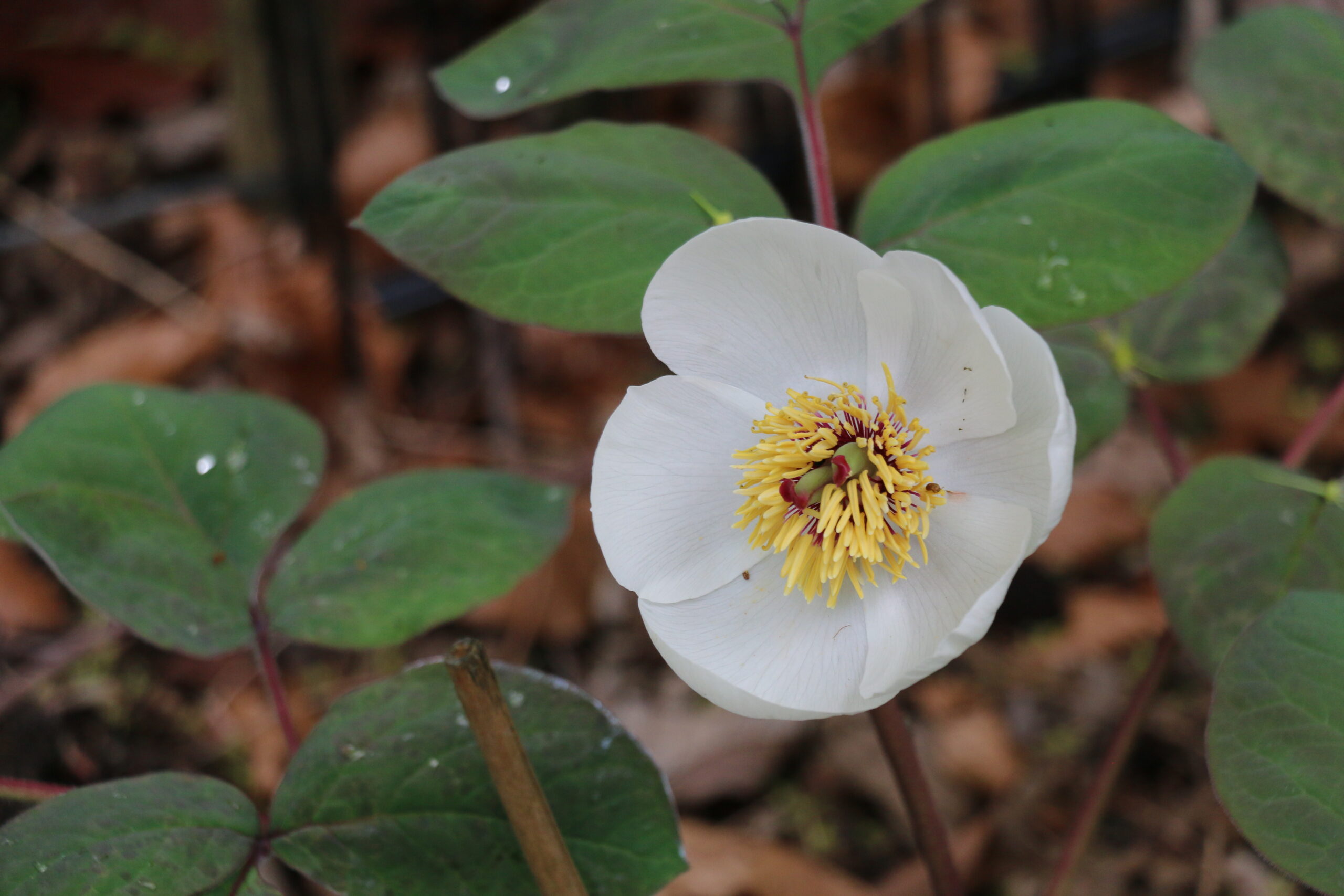
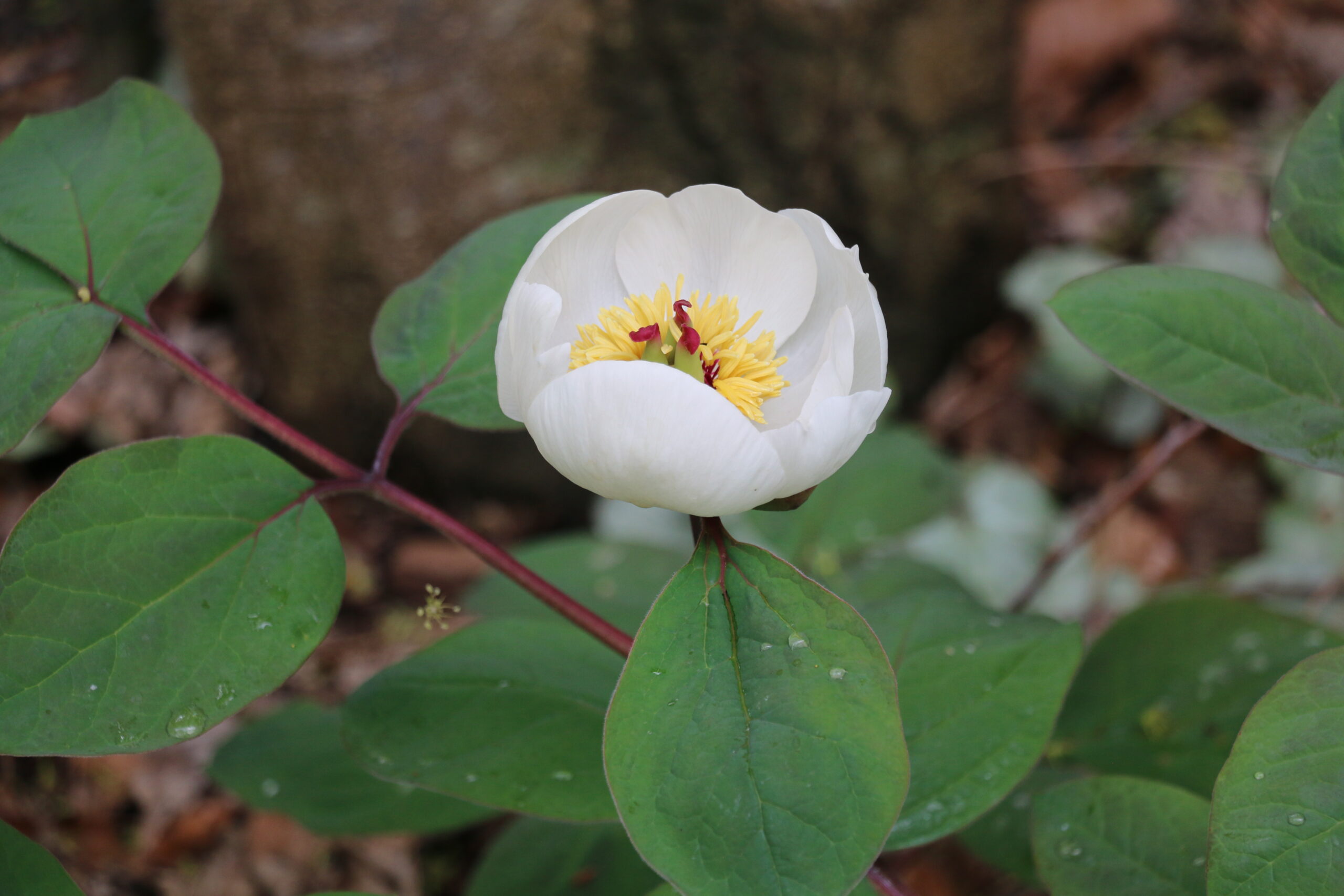
Here’s a picture of my own &amp;amp;amp;amp;lt;a class=&amp;amp;amp;amp;quot;wpg-linkify wpg-tooltip&amp;amp;amp;amp;quot; title=&amp;amp;amp;amp;quot;&amp;amp;amp;amp;amp;lt;div class=&amp;amp;amp;amp;amp;quot;wpg-tooltip-content&amp;amp;amp;amp;amp;quot;&amp;amp;amp;amp;amp;gt;&amp;amp;amp;amp;amp;lt;p&amp;amp;amp;amp;amp;gt;Growing in bushes and grasslands, but also in open woods, at altitudes from lowlands to 2,300 m, but to 3,400 m in Sichuan Province (Kangding), China. In E Asia: China, the Korea Peninsula, E Mongolia, and Russia (the Far East and SE Siberia).&amp;amp;amp;amp;amp;lt;/p&amp;amp;amp;amp;amp;gt; &amp;amp;amp;amp;amp;lt;p&amp;amp;amp;amp;amp;gt;The most distinct character of Paeonia lactiflora is the cartilaginous thickening along the leaf margins, which are <a class="wpg-linkify wpg-tooltip" title="&lt;div class=&quot;wpg-tooltip-content&quot;&gt;&lt;p&gt;Having a toothlike or serrated edge.&lt;/p&gt; &lt;p&gt;&lt;a href=&quot;https://www.peonysociety.org/wp-content/uploads/2019/07/Leaf_morphology_dentate.png&quot;&gt;&lt;img class=&quot;size-full wp-image-25337 alignleft&quot; src=&quot;https://www.peonysociety.org/wp-content/uploads/2019/07/Leaf_morphology_dentate.png&quot; alt=&quot;&quot; width=&quot;204&quot; height=&quot;122&quot; /&gt;&lt;/a&gt;&lt;/p&gt; &lt;/div&gt;" href="https://www.peonysociety.org/registered_peonies/dentate/" >dentate</a>—spinose on these thickenings.&amp;amp;amp;amp;amp;lt;br /&amp;amp;amp;amp;amp;gt; &amp;amp;amp;amp;amp;lt;a href=&amp;amp;amp;amp;amp;quot;https://www.peonysociety.org/species/herbaceous/albiflorae/lactiflora/&amp;amp;amp;amp;amp;quot;&amp;amp;amp;amp;amp;gt;More info&amp;amp;amp;amp;amp;lt;/a&amp;amp;amp;amp;amp;gt;&amp;amp;amp;amp;amp;lt;/p&amp;amp;amp;amp;amp;gt; &amp;amp;amp;amp;amp;lt;/div&amp;amp;amp;amp;amp;gt;&amp;amp;amp;amp;quot; href=&amp;amp;amp;amp;quot;https://www.peonysociety.org/registered_peonies/p-lactiflora/&amp;amp;amp;amp;quot; &amp;amp;amp;amp;gt;lactiflora&amp;amp;amp;amp;lt;/a&amp;amp;amp;amp;gt; white. Used to name it Serendipity, but final registration name shall be &amp;amp;lt;a class=&amp;amp;quot;wpg-linkify wpg-tooltip&amp;amp;quot; title=&amp;amp;quot;&amp;amp;amp;lt;div class=&amp;amp;amp;quot;wpg-tooltip-content&amp;amp;amp;quot;&amp;amp;amp;gt;&amp;amp;amp;lt;p&amp;amp;amp;gt;&amp;amp;amp;lt;/p&amp;amp;amp;gt; &amp;amp;amp;lt;/div&amp;amp;amp;gt;&amp;amp;quot; href=&amp;amp;quot;https://www.peonysociety.org/registered_peonies/mieke-bral/&amp;amp;quot; &amp;amp;gt;Mieke Bral&amp;amp;lt;/a&amp;amp;gt;, as my better half likes it very much.
![]()
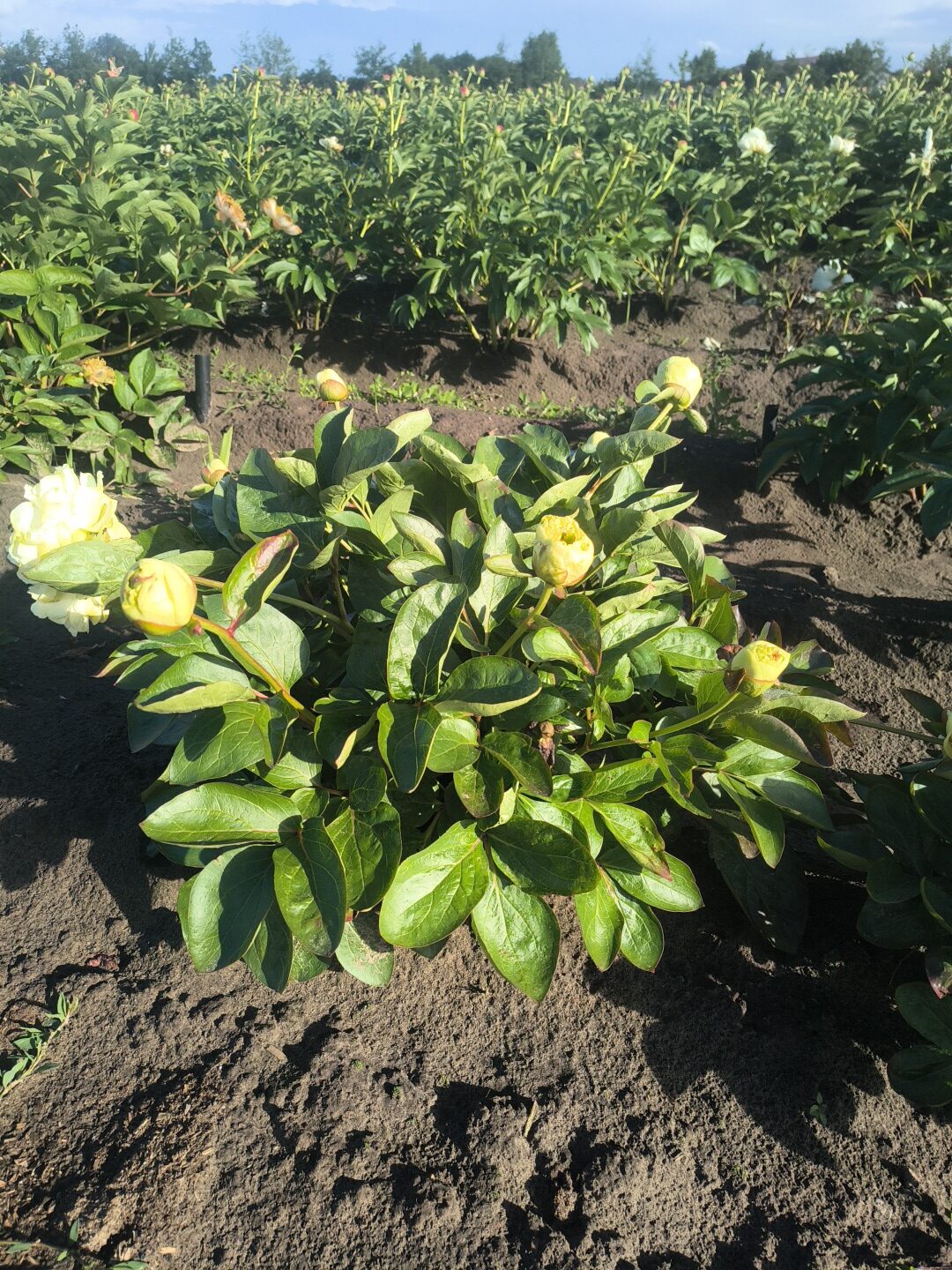
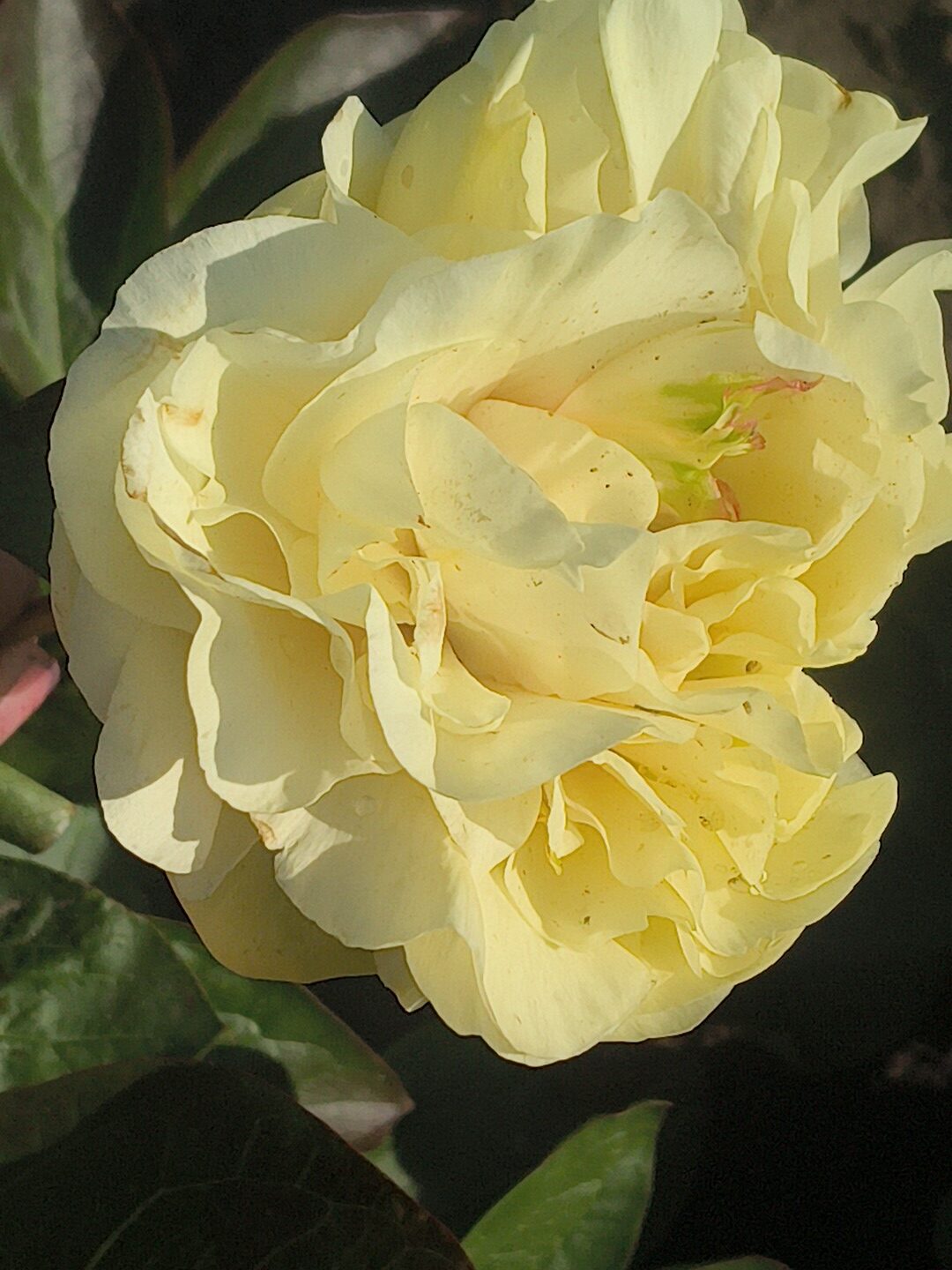
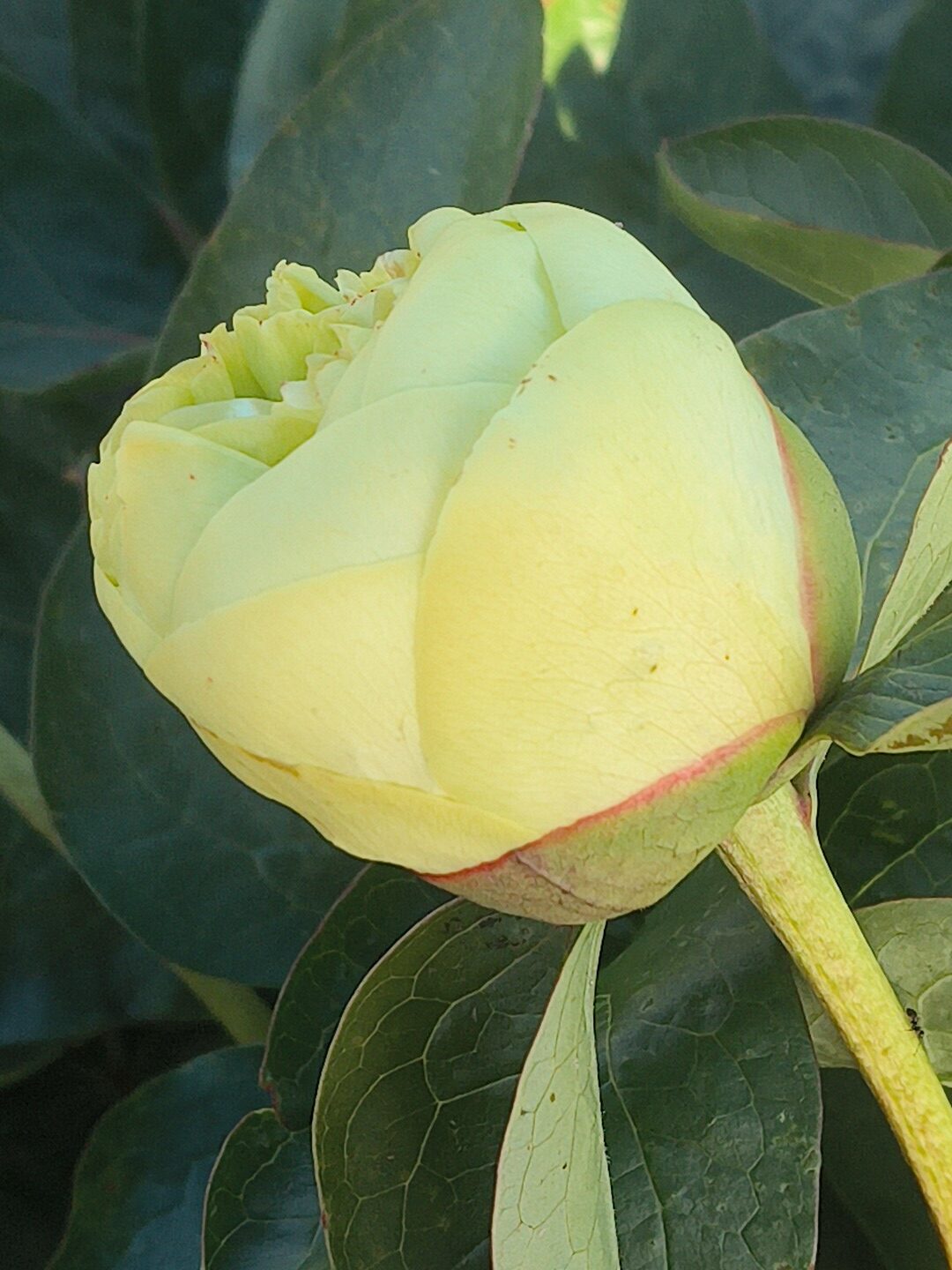
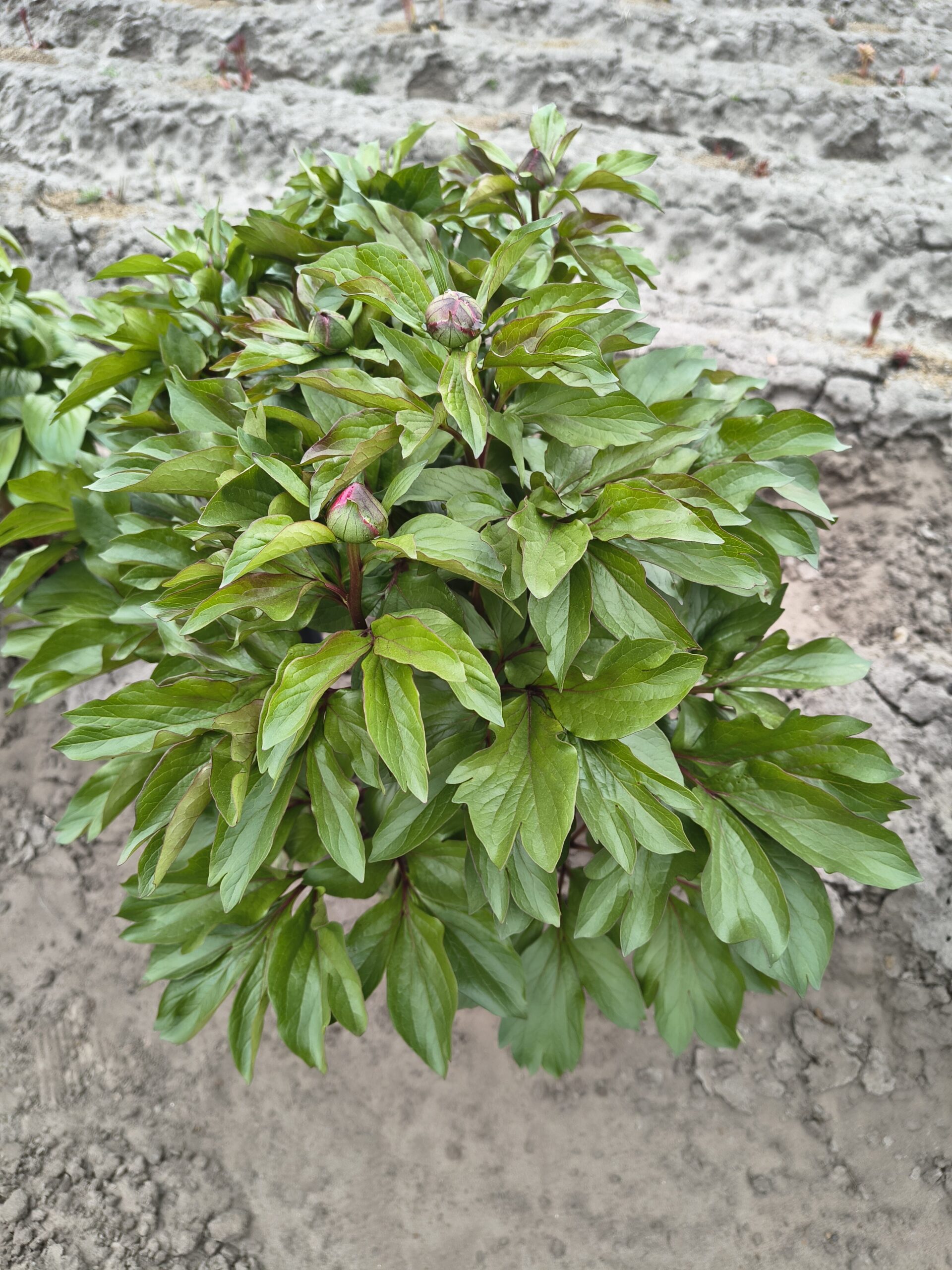
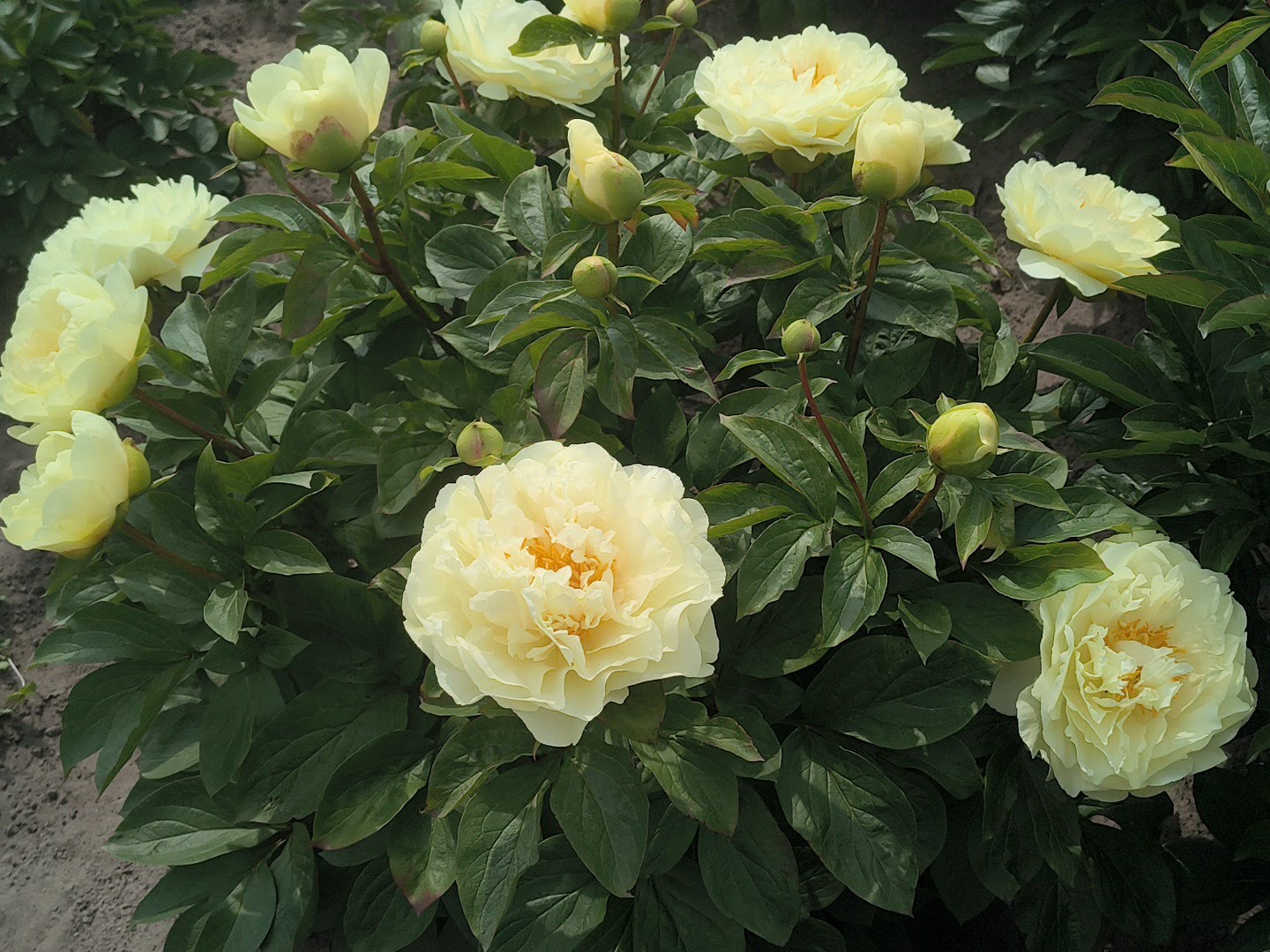
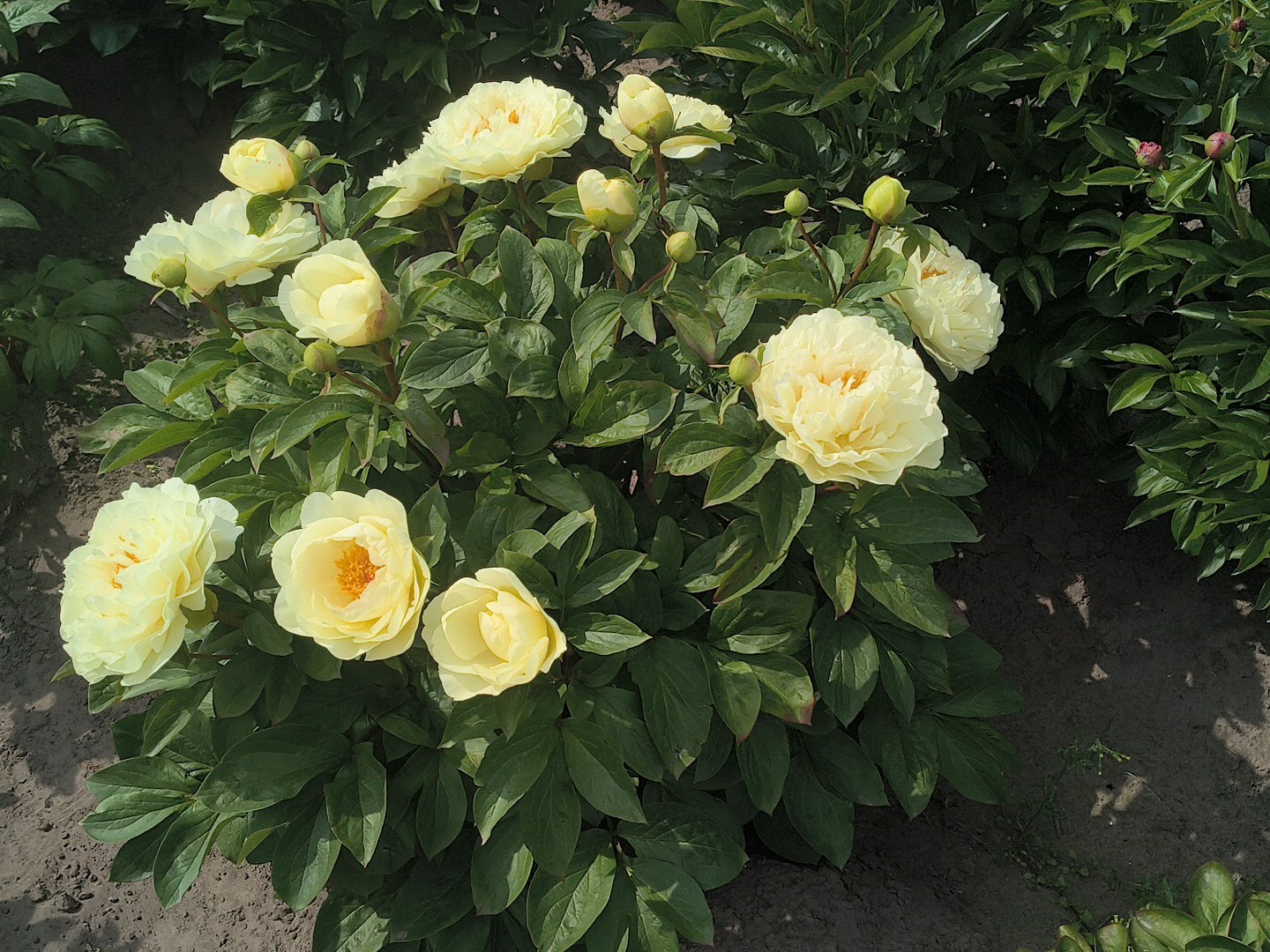
Too hot to be able to enjoy them much. This is &amp;amp;amp;amp;amp;amp;amp;lt;a class=&amp;amp;amp;amp;amp;amp;amp;quot;wpg-linkify wpg-tooltip&amp;amp;amp;amp;amp;amp;amp;quot; title=&amp;amp;amp;amp;amp;amp;amp;quot;&amp;amp;amp;amp;amp;amp;amp;amp;lt;div class=&amp;amp;amp;amp;amp;amp;amp;amp;quot;wpg-tooltip-content&amp;amp;amp;amp;amp;amp;amp;amp;quot;&amp;amp;amp;amp;amp;amp;amp;amp;gt;&amp;amp;amp;amp;amp;amp;amp;amp;lt;p&amp;amp;amp;amp;amp;amp;amp;amp;gt;Herbaceous x tree hybrid. Pollen parent. D-75. Seed parent. &amp;amp;amp;amp;amp;amp;amp;amp;#039;&amp;lt;a class=&amp;quot;wpg-linkify wpg-tooltip&amp;quot; title=&amp;quot;&amp;amp;lt;div class=&amp;amp;quot;wpg-tooltip-content&amp;amp;quot;&amp;amp;gt;&amp;amp;lt;p&amp;amp;gt;&amp;amp;lt;/p&amp;amp;gt; &amp;amp;lt;/div&amp;amp;gt;&amp;quot; href=&amp;quot;https://www.peonysociety.org/registered_peonies/martha-w/&amp;quot; &amp;gt;Martha W.&amp;lt;/a&amp;gt;&amp;amp;amp;amp;amp;amp;amp;amp;#039; seedling. First bloomed 1989. First propagated 1992. Yellow, semi-double to double. Height 26-28&amp;amp;amp;amp;amp;amp;amp;amp;quot;. Light beige in bud, opening semi-double to full double. Some blooms remain light yellow while others become very brilliant in color. This is a very deceiving plant. It has long stems and good green foliage. Should make a good cut and drying flower. No pollen or seeds.&amp;amp;amp;amp;amp;amp;amp;amp;lt;/p&amp;amp;amp;amp;amp;amp;amp;amp;gt; &amp;amp;amp;amp;amp;amp;amp;amp;lt;p&amp;amp;amp;amp;amp;amp;amp;amp;gt;Awared of Landscape Merit (ALM) description: &amp;amp;amp;amp;amp;amp;amp;amp;#039;Canary Brilliants&amp;amp;amp;amp;amp;amp;amp;amp;#039; (Anderson, R.F., 1999) Itoh Group, Yellow Semi-double, Mid-season to early late-season, 26&amp;amp;amp;amp;amp;amp;amp;amp;quot; (although accounts of height to 32&amp;amp;amp;amp;amp;amp;amp;amp;quot; have been reported). — A somewhat variable bloom that at its best is a full semi-double, with six or more layers of creamy apricot yellow petals. The interiors of the petals are more hue saturated, with faint traces of red flares in evidence at the base of the innermost petals. Multiple ghost green <a class="wpg-linkify wpg-tooltip" title="&lt;div class=&quot;wpg-tooltip-content&quot;&gt;&lt;p&gt;carpel: an organ at the centre of a flower, bearing one or more ovules and having its margins fused together or with other carpels to enclose the <a class="wpg-linkify wpg-tooltip" title="<div class="wpg-tooltip-content"><p>a part inside the ovary (= organ that produces eggs) of a plant that contains the female sex cell and develops into a seed when that cell is fertilized</p> </div>" href="https://www.peonysociety.org/registered_peonies/ovule/" >ovule</a> in an <a class="wpg-linkify wpg-tooltip" title="<div class="wpg-tooltip-content"><p>the hollow base of the carpel of a flower, containing one or more ovules</p> </div>" href="https://www.peonysociety.org/registered_peonies/ovary/" >ovary</a>, and consisting also of a <a class="wpg-linkify wpg-tooltip" title="<div class="wpg-tooltip-content"><p>The pollen-receptive surface of a carpel, usually sticky. It sits above the ovary on the style.</p> </div>" href="https://www.peonysociety.org/registered_peonies/stigma/" >stigma</a> and usually a style.&lt;/p&gt; &lt;p&gt;&lt;/p&gt; &lt;/div&gt;" href="https://www.peonysociety.org/registered_peonies/carpels/" >carpels</a> (up to a dozen), encompassed by cream colored sheaths, are tipped pink and are surrounded by a ring of infertile yellow <a class="wpg-linkify wpg-tooltip" title="&lt;div class=&quot;wpg-tooltip-content&quot;&gt;&lt;p&gt;stamen: one of the male organs of a flower, consisting typically of a stalk (filament) and a pollen-bearing portion (anther)&lt;/p&gt; &lt;/div&gt;" href="https://www.peonysociety.org/registered_peonies/stamens/" >stamens</a>. Blooms hold their form well as they mature to light ye llow. Plants are covered all over, from top to bottom, with conical buds that pop open intermittently over a 10–14 day period. At peak bloom, a plant holds a large contingent of attractive, well-apportioned blooms at varying stages of development. Blooms drain well. Foliage is to the ground, semi-glossy but not as finely cut as other Itoh hybrids; more like the foliage of Chinese tree peonies than that of the lutea hybrids. And, like its pollen parent the tree peony, its foliage remains cleaner than most herbaceous cultivars during the summer and into the fall. The bottom few inches of each stem are woody with the bulk of the stem herbaceous, strong and able to hold its flowers erect in most adverse weather conditions. &amp;amp;amp;amp;amp;amp;amp;amp;#039;Canary Brilliants&amp;amp;amp;amp;amp;amp;amp;amp;#039; is compact, and at maturity because of a spreading underground crown, the bush is wider than it is tall. Dimension of a five year old plant can reach 26&amp;amp;amp;amp;amp;amp;amp;amp;quot; x 36&amp;amp;amp;amp;amp;amp;amp;amp;quot; (older plants can reputedly reach 4&amp;amp;amp;amp;amp;amp;amp;amp;#039; across). Propagate by division.&amp;amp;amp;amp;amp;amp;amp;amp;lt;/p&amp;amp;amp;amp;amp;amp;amp;amp;gt; &amp;amp;amp;amp;amp;amp;amp;amp;lt;/div&amp;amp;amp;amp;amp;amp;amp;amp;gt;&amp;amp;amp;amp;amp;amp;amp;quot; href=&amp;amp;amp;amp;amp;amp;amp;quot;https://www.peonysociety.org/registered_peonies/canary-brilliants/&amp;amp;amp;amp;amp;amp;amp;quot; &amp;amp;amp;amp;amp;amp;amp;gt;Canary Brilliants&amp;amp;amp;amp;amp;amp;amp;lt;/a&amp;amp;amp;amp;amp;amp;amp;gt;, second year plants, and a lot of flowers have already been cut, but one can clearly see they grow fast. They are basically grown for their reblooming capability, but they are selling well at this time also, notwithstanding that they open very fast.
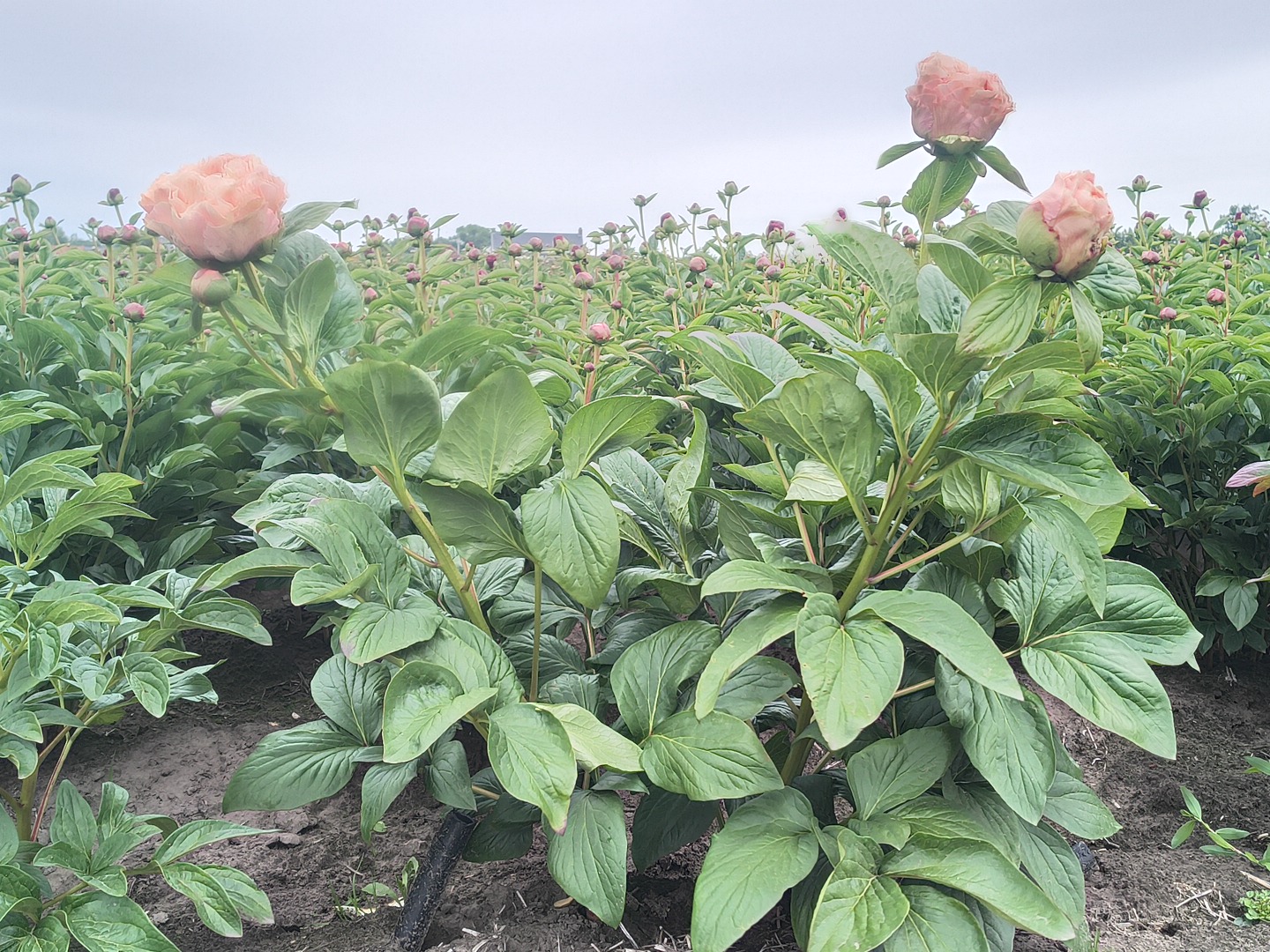
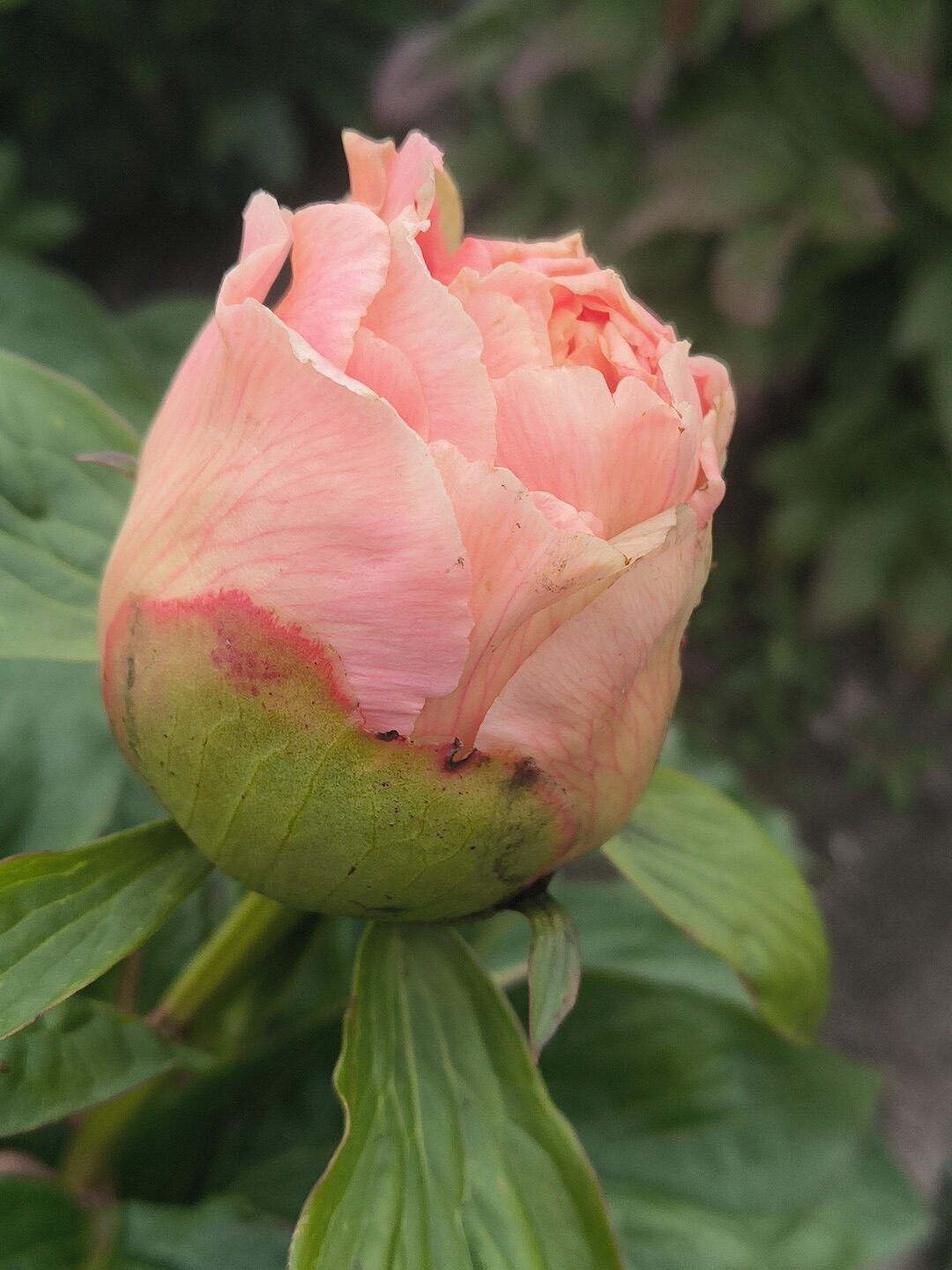
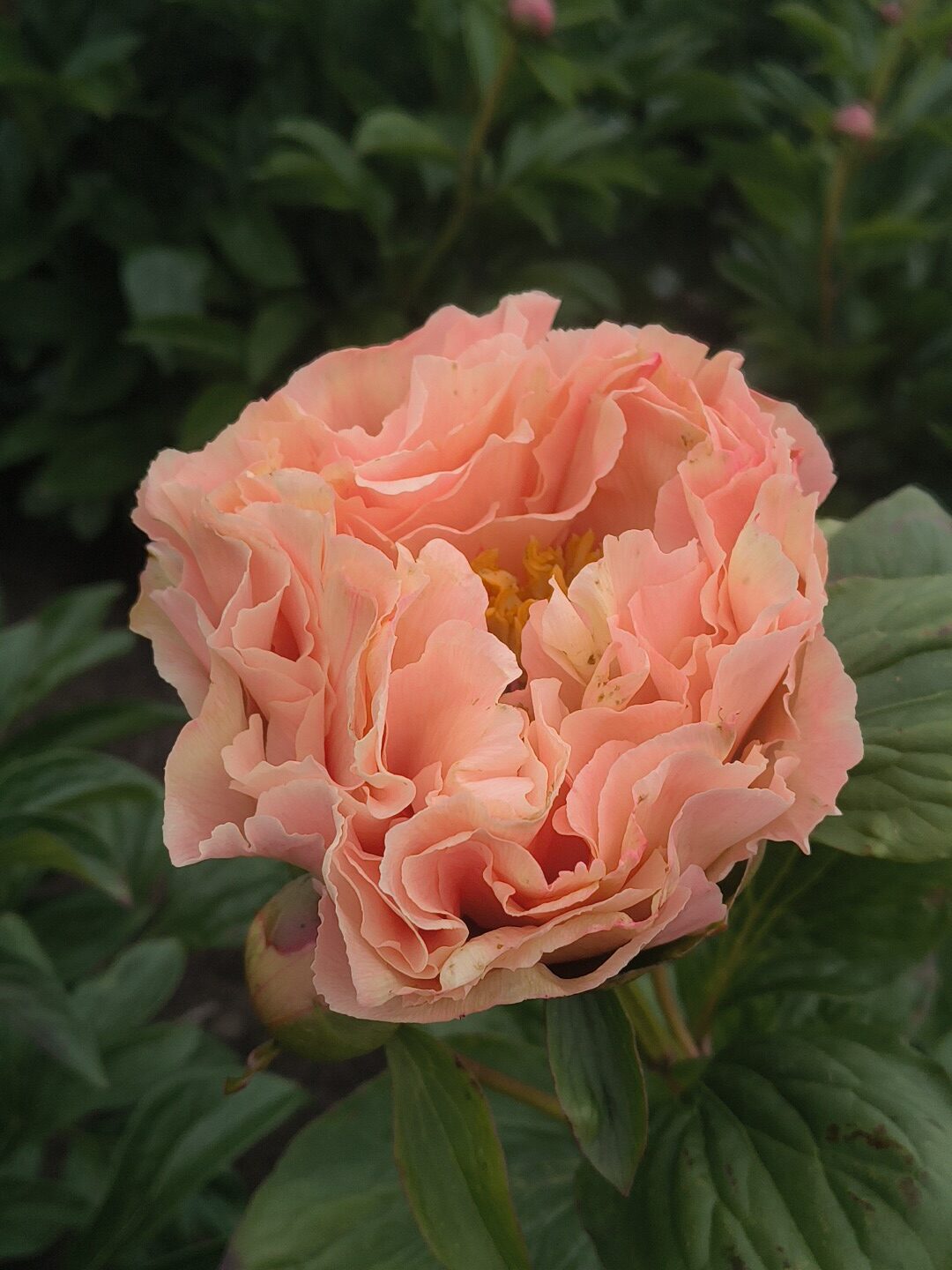
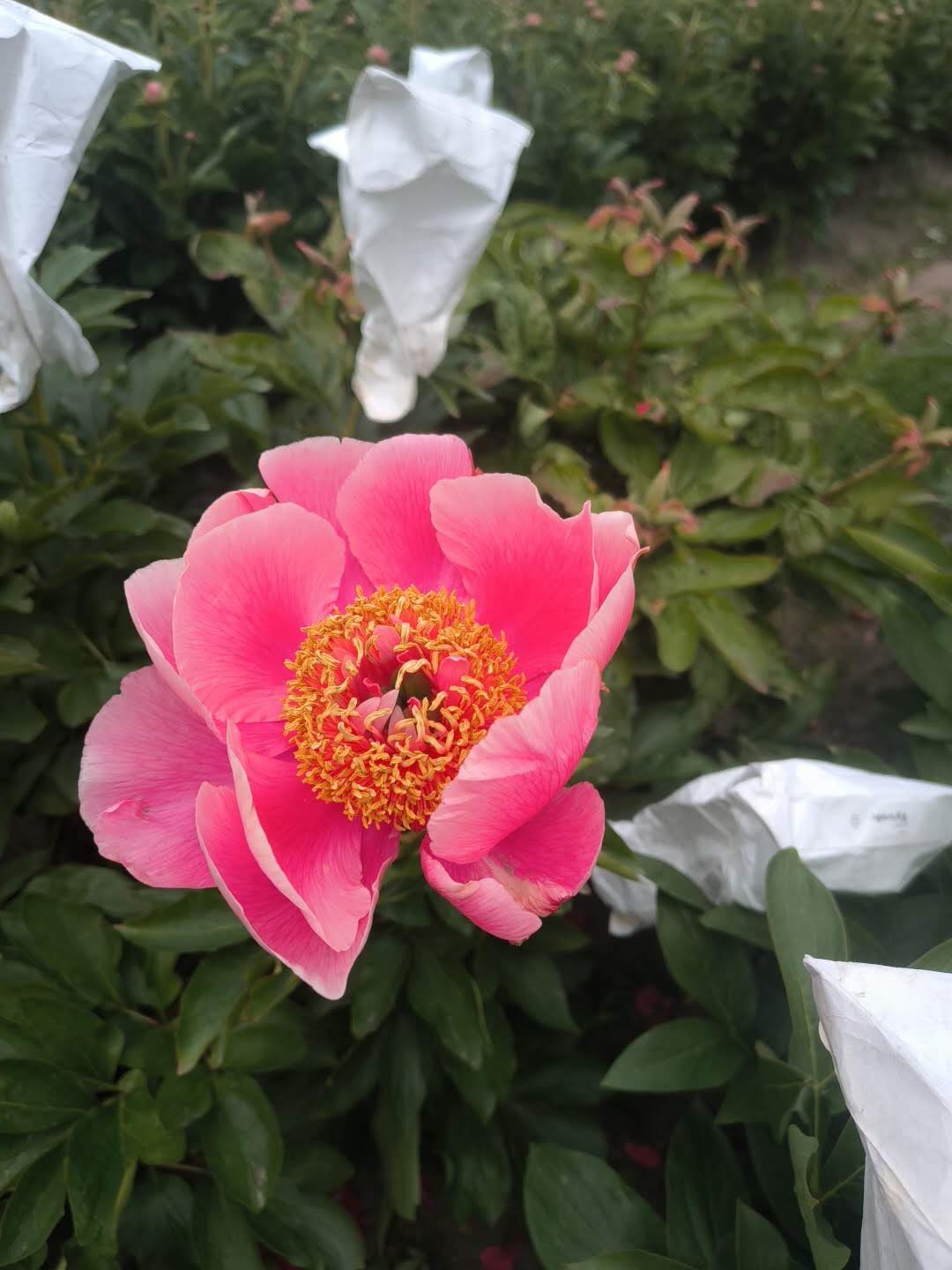
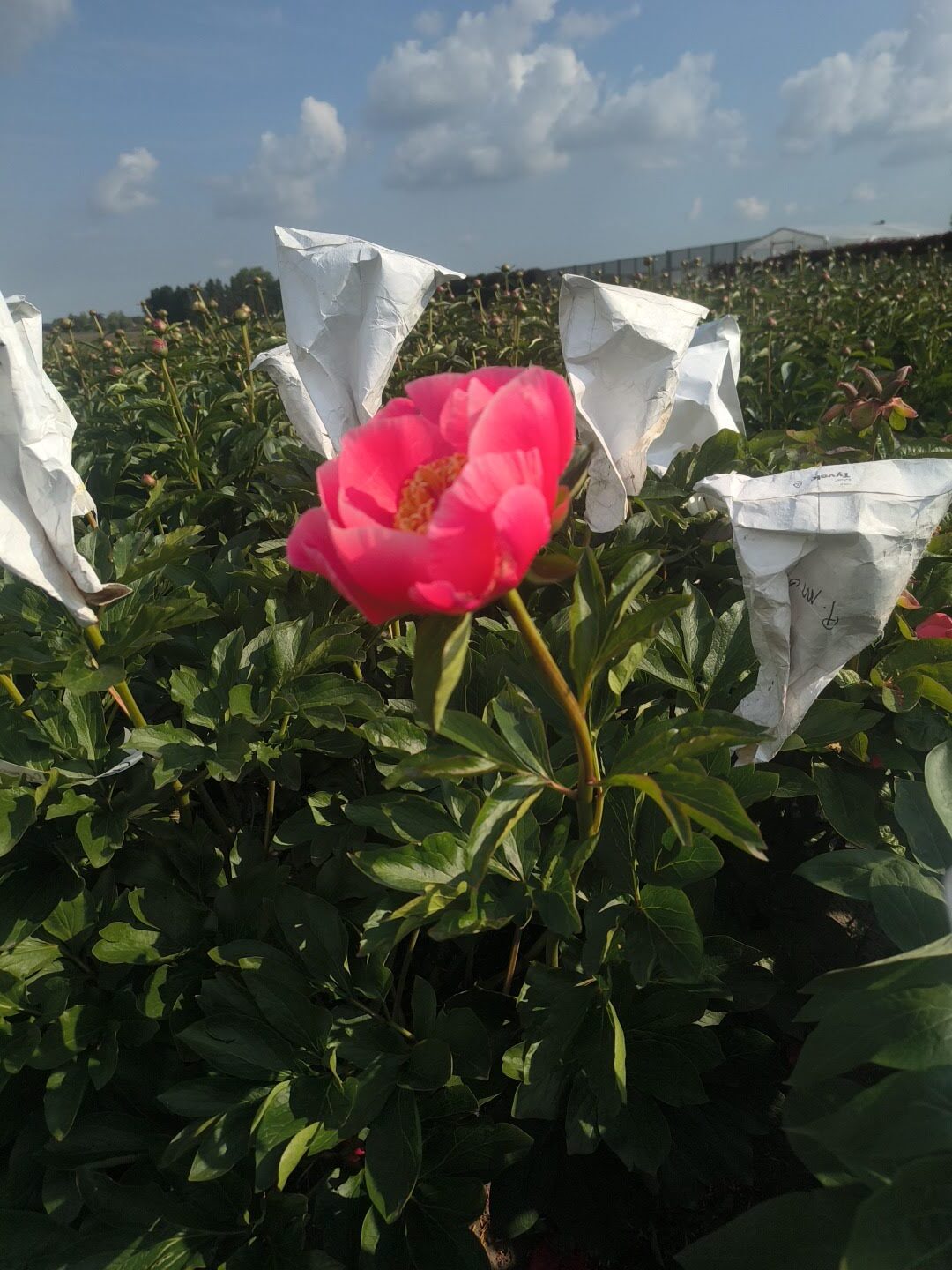
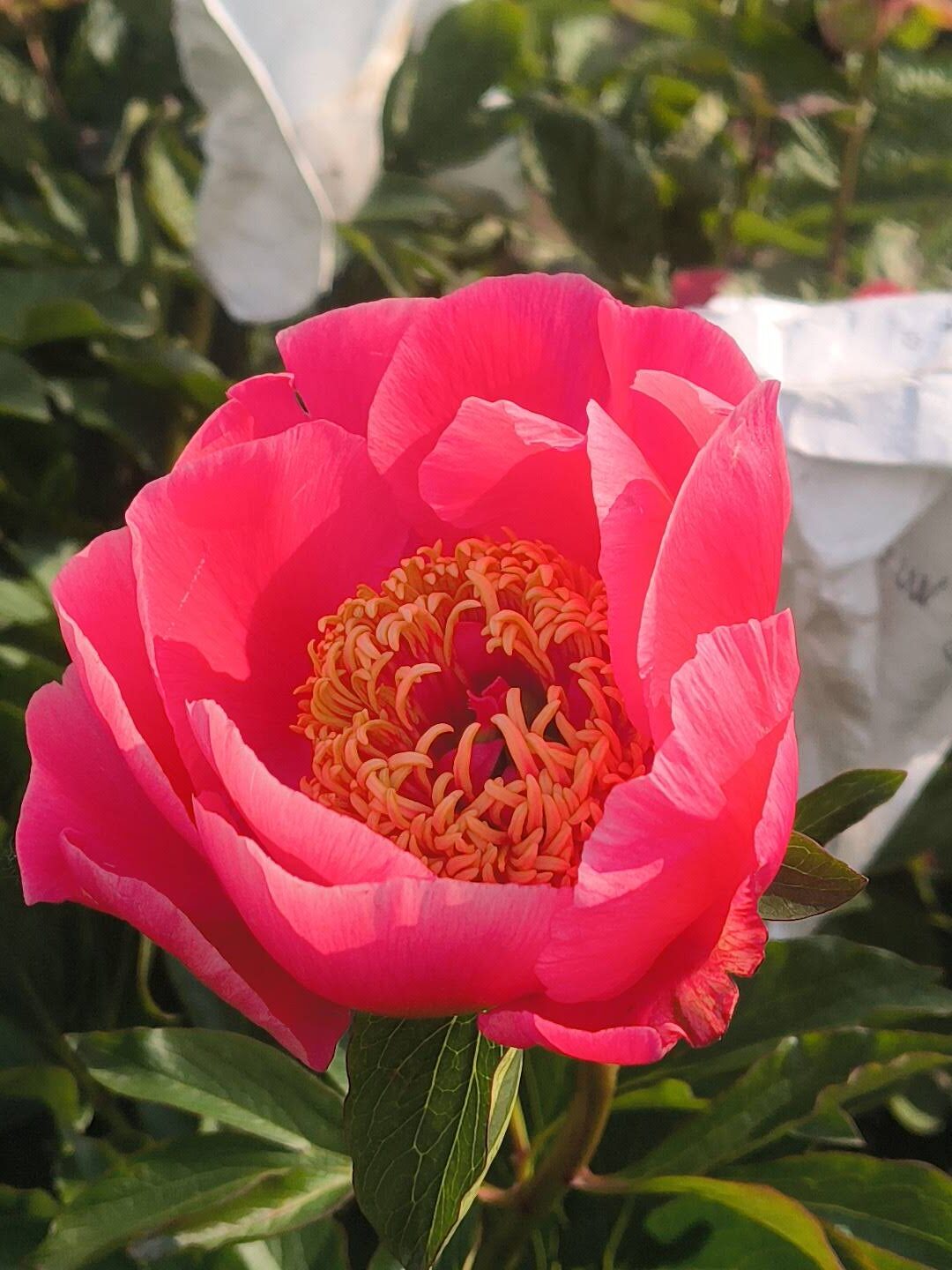
Here’s a rare mutation from &amp;amp;amp;amp;lt;a class=&amp;amp;amp;amp;quot;wpg-linkify wpg-tooltip&amp;amp;amp;amp;quot; title=&amp;amp;amp;amp;quot;&amp;amp;amp;amp;amp;lt;div class=&amp;amp;amp;amp;amp;quot;wpg-tooltip-content&amp;amp;amp;amp;amp;quot;&amp;amp;amp;amp;amp;gt;&amp;amp;amp;amp;amp;lt;p style=&amp;amp;amp;amp;amp;quot;text-align: justify;&amp;amp;amp;amp;amp;quot;&amp;amp;amp;amp;amp;gt;Parentage: Minnie Shaylor x Otto Froebel, first bloomed about 1965; seedling number unknown. Double hybrid, deep coral, flat form, reliable, <a class="wpg-linkify wpg-tooltip" title="&lt;div class=&quot;wpg-tooltip-content&quot;&gt;&lt;p&gt;stamen: one of the male organs of a flower, consisting typically of a stalk (filament) and a pollen-bearing portion (anther)&lt;/p&gt; &lt;/div&gt;" href="https://www.peonysociety.org/registered_peonies/stamens/" >stamens</a>, pollen, no seeds, fragrant. Good substance. Good stem strength with excellent foliage, 34 inches, early, vigorous. Appears to be a sister seedling of &amp;amp;amp;lt;a class=&amp;amp;amp;quot;wpg-linkify wpg-tooltip&amp;amp;amp;quot; title=&amp;amp;amp;quot;&amp;amp;amp;amp;lt;div class=&amp;amp;amp;amp;quot;wpg-tooltip-content&amp;amp;amp;amp;quot;&amp;amp;amp;amp;gt;&amp;amp;amp;amp;lt;p&amp;amp;amp;amp;gt;F2, inbred Officinalis Otto Froebel (tetraploid). A huge bowl shaped flower with a brilliant penetrating coral color, which has a mild agreeable sheen. The color lightens to a pale cream as the golden center of stamen&amp;amp;amp;amp;#039;s is approached. It is semi-double. The guards and second row of petals are large and have no undesirable petal notches. The petals become narrower and become gradually erect toward the center of the flower. The flower has unusual substance and is a free bloomer. Borne on 36 in. rigid stems, with good foliage. It is late &amp;amp;amp;amp;quot;June 1st here&amp;amp;amp;amp;quot; for a hybrid, and has real vigor. It had three blooms the first time it bloomed in 1S62, seven blooms the second year in 1963, and ten blooms in 1984. It has the stamina to stay in refrigeration for ten days at least and still do well. Seedling # 640.&amp;amp;amp;amp;lt;/p&amp;amp;amp;amp;gt; &amp;amp;amp;amp;lt;/div&amp;amp;amp;amp;gt;&amp;amp;amp;quot; href=&amp;amp;amp;quot;https://www.peonysociety.org/registered_peonies/coral-<a class="wpg-linkify wpg-tooltip" title="<div class="wpg-tooltip-content"><p>Very dark red Jap. Good upright grower, vigorous, late, 34 inches. An improvement on Fuyajo. Seedling # JE-3.</p> <p>Award of Landscape Merit (ALM) description: 'Charm' (Franklin, 1931) Lactiflora Group, Late mid-season, 38? — A lustrous and satiny, dark red Japanese form bloom with a center of the same red petaloids, etched yellow. Stiff and relatively straight stems angle outward gracefully to form a very large, harmoniously mounded, fountain of blooms. An eight-year-old plant matures to 40 or so stems that emerge from a relatively compact area. Although individual blooms are at their peak for a shorter duration than those of other lactifloras, plenty of side buds help 'Charm' maintain its striking presence in the landscape. One of the later Japanese form peonies to bloom.</p> </div>" href="https://www.peonysociety.org/registered_peonies/charm/" >charm</a>/&amp;amp;amp;quot; &amp;amp;amp;gt;Coral <a class="wpg-linkify wpg-tooltip" title="<div class="wpg-tooltip-content"><p>Very dark red Jap. Good upright grower, vigorous, late, 34 inches. An improvement on Fuyajo. Seedling # JE-3.</p> <p>Award of Landscape Merit (ALM) description: 'Charm' (Franklin, 1931) Lactiflora Group, Late mid-season, 38? — A lustrous and satiny, dark red Japanese form bloom with a center of the same red petaloids, etched yellow. Stiff and relatively straight stems angle outward gracefully to form a very large, harmoniously mounded, fountain of blooms. An eight-year-old plant matures to 40 or so stems that emerge from a relatively compact area. Although individual blooms are at their peak for a shorter duration than those of other lactifloras, plenty of side buds help 'Charm' maintain its striking presence in the landscape. One of the later Japanese form peonies to bloom.</p> </div>" href="https://www.peonysociety.org/registered_peonies/charm/" >Charm</a>&amp;amp;amp;lt;/a&amp;amp;amp;gt;. Mr. Wissing worked over 26 years to achieve these beautiful and unique coral hybrids. One bud per stem. Plant patent applied for.&amp;amp;amp;amp;amp;lt;/p&amp;amp;amp;amp;amp;gt; &amp;amp;amp;amp;amp;lt;p style=&amp;amp;amp;amp;amp;quot;text-align: justify;&amp;amp;amp;amp;amp;quot;&amp;amp;amp;amp;amp;gt;Award of Landscape Merit (ALM) description: &amp;amp;amp;amp;amp;#039;Coral Sunset&amp;amp;amp;amp;amp;#039; (Wissing, 1965) Herbaceous Hybrid, Semi-double, Early, 32? — Big (five inches across x two and a half inches deep), durable, semi-double, cupped shaped, coral-rose flowers, that open wider and turn the color of parchment as they age. Individual flowers retain their form and stay viable decorative elements for an exceptionally long time in situ. With occasional side buds helping to prolong the flowering period, blooms at different stages of development will be present on a single plant. Stems emerge yellow-green from the ground in the spring. Foliage is larger but less finely cut than that of &amp;amp;amp;amp;amp;#039;&amp;amp;amp;lt;a class=&amp;amp;amp;quot;wpg-linkify wpg-tooltip&amp;amp;amp;quot; title=&amp;amp;amp;quot;&amp;amp;amp;amp;lt;div class=&amp;amp;amp;amp;quot;wpg-tooltip-content&amp;amp;amp;amp;quot;&amp;amp;amp;amp;gt;&amp;amp;amp;amp;lt;p&amp;amp;amp;amp;gt;F2, inbred Officinalis Otto Froebel (tetraploid). A huge bowl shaped flower with a brilliant penetrating coral color, which has a mild agreeable sheen. The color lightens to a pale cream as the golden center of stamen&amp;amp;amp;amp;#039;s is approached. It is semi-double. The guards and second row of petals are large and have no undesirable petal notches. The petals become narrower and become gradually erect toward the center of the flower. The flower has unusual substance and is a free bloomer. Borne on 36 in. rigid stems, with good foliage. It is late &amp;amp;amp;amp;quot;June 1st here&amp;amp;amp;amp;quot; for a hybrid, and has real vigor. It had three blooms the first time it bloomed in 1S62, seven blooms the second year in 1963, and ten blooms in 1984. It has the stamina to stay in refrigeration for ten days at least and still do well. Seedling # 640.&amp;amp;amp;amp;lt;/p&amp;amp;amp;amp;gt; &amp;amp;amp;amp;lt;/div&amp;amp;amp;amp;gt;&amp;amp;amp;quot; href=&amp;amp;amp;quot;https://www.peonysociety.org/registered_peonies/coral-<a class="wpg-linkify wpg-tooltip" title="<div class="wpg-tooltip-content"><p>Very dark red Jap. Good upright grower, vigorous, late, 34 inches. An improvement on Fuyajo. Seedling # JE-3.</p> <p>Award of Landscape Merit (ALM) description: 'Charm' (Franklin, 1931) Lactiflora Group, Late mid-season, 38? — A lustrous and satiny, dark red Japanese form bloom with a center of the same red petaloids, etched yellow. Stiff and relatively straight stems angle outward gracefully to form a very large, harmoniously mounded, fountain of blooms. An eight-year-old plant matures to 40 or so stems that emerge from a relatively compact area. Although individual blooms are at their peak for a shorter duration than those of other lactifloras, plenty of side buds help 'Charm' maintain its striking presence in the landscape. One of the later Japanese form peonies to bloom.</p> </div>" href="https://www.peonysociety.org/registered_peonies/charm/" >charm</a>/&amp;amp;amp;quot; &amp;amp;amp;gt;Coral <a class="wpg-linkify wpg-tooltip" title="<div class="wpg-tooltip-content"><p>Very dark red Jap. Good upright grower, vigorous, late, 34 inches. An improvement on Fuyajo. Seedling # JE-3.</p> <p>Award of Landscape Merit (ALM) description: 'Charm' (Franklin, 1931) Lactiflora Group, Late mid-season, 38? — A lustrous and satiny, dark red Japanese form bloom with a center of the same red petaloids, etched yellow. Stiff and relatively straight stems angle outward gracefully to form a very large, harmoniously mounded, fountain of blooms. An eight-year-old plant matures to 40 or so stems that emerge from a relatively compact area. Although individual blooms are at their peak for a shorter duration than those of other lactifloras, plenty of side buds help 'Charm' maintain its striking presence in the landscape. One of the later Japanese form peonies to bloom.</p> </div>" href="https://www.peonysociety.org/registered_peonies/charm/" >Charm</a>&amp;amp;amp;lt;/a&amp;amp;amp;gt;&amp;amp;amp;amp;amp;#039; and remains attractive only when soil stays evenly moist throughout the season. It withstands late freezes in Arkansas (the freeze of 2007 being the exception), but may be injured in other regions where late freezes may be harsher or more untimely. Farther north, &amp;amp;amp;amp;amp;#039;Coral Sunset&amp;amp;amp;amp;amp;#039; is reputed to survive severe winter cold down to -40º F. Increases slowly and matures to 18 stems on a ten-year-old plant . Mature roots are very long, with many never deeper than a few inches. Propagate by division or adventitious root. 2003 Gold Medalist&amp;amp;amp;amp;amp;lt;/p&amp;amp;amp;amp;amp;gt; &amp;amp;amp;amp;amp;lt;/div&amp;amp;amp;amp;amp;gt;&amp;amp;amp;amp;quot; href=&amp;amp;amp;amp;quot;https://www.peonysociety.org/registered_peonies/coral-sunset/&amp;amp;amp;amp;quot; &amp;amp;amp;amp;gt;Coral Sunset&amp;amp;amp;amp;lt;/a&amp;amp;amp;amp;gt;, being sold at the Dutch flower auctions as Kingsday. It’s unregistered I think. As the national colour of Holland is orange, it’s a fitting name for this cultivar, it being less salmon and indeed more orange (Kingsday is a national holiday in Holland to honour their King). I personally experience quite…Read More
![]()
![Profile picture of khurtekant]()
It’s a mutation, so there’s no breeder involved. I don’t know if it was only one stem that showed up initially or if it was a complete division. Perhaps @paul-bijman knows more about it.
![Profile picture of khurtekant]()
Here’s a flower of &amp;amp;amp;amp;lt;a class=&amp;amp;amp;amp;quot;wpg-linkify wpg-tooltip&amp;amp;amp;amp;quot; title=&amp;amp;amp;amp;quot;&amp;amp;amp;amp;amp;lt;div class=&amp;amp;amp;amp;amp;quot;wpg-tooltip-content&amp;amp;amp;amp;amp;quot;&amp;amp;amp;amp;amp;gt;&amp;amp;amp;amp;amp;lt;p style=&amp;amp;amp;amp;amp;quot;text-align: justify;&amp;amp;amp;amp;amp;quot;&amp;amp;amp;amp;amp;gt;Parentage: Minnie Shaylor x Otto Froebel, first bloomed about 1965; seedling number unknown. Double hybrid, deep coral, flat form, reliable, <a class="wpg-linkify wpg-tooltip" title="&lt;div class=&quot;wpg-tooltip-content&quot;&gt;&lt;p&gt;stamen: one of the male organs of a flower, consisting typically of a stalk (filament) and a pollen-bearing portion (anther)&lt;/p&gt; &lt;/div&gt;" href="https://www.peonysociety.org/registered_peonies/stamens/" >stamens</a>, pollen, no seeds, fragrant. Good substance. Good stem strength with excellent foliage, 34 inches, early, vigorous. Appears to be a sister seedling of &amp;amp;amp;lt;a class=&amp;amp;amp;quot;wpg-linkify wpg-tooltip&amp;amp;amp;quot; title=&amp;amp;amp;quot;&amp;amp;amp;amp;lt;div class=&amp;amp;amp;amp;quot;wpg-tooltip-content&amp;amp;amp;amp;quot;&amp;amp;amp;amp;gt;&amp;amp;amp;amp;lt;p&amp;amp;amp;amp;gt;F2, inbred Officinalis Otto Froebel (tetraploid). A huge bowl shaped flower with a brilliant penetrating coral color, which has a mild agreeable sheen. The color lightens to a pale cream as the golden center of stamen&amp;amp;amp;amp;#039;s is approached. It is semi-double. The guards and second row of petals are large and have no undesirable petal notches. The petals become narrower and become gradually erect toward the center of the flower. The flower has unusual substance and is a free bloomer. Borne on 36 in. rigid stems, with good foliage. It is late &amp;amp;amp;amp;quot;June 1st here&amp;amp;amp;amp;quot; for a hybrid, and has real vigor. It had three blooms the first time it bloomed in 1S62, seven blooms the second year in 1963, and ten blooms in 1984. It has the stamina to stay in refrigeration for ten days at least and still do well. Seedling # 640.&amp;amp;amp;amp;lt;/p&amp;amp;amp;amp;gt; &amp;amp;amp;amp;lt;/div&amp;amp;amp;amp;gt;&amp;amp;amp;quot; href=&amp;amp;amp;quot;https://www.peonysociety.org/registered_peonies/coral-<a class="wpg-linkify wpg-tooltip" title="<div class="wpg-tooltip-content"><p>Very dark red Jap. Good upright grower, vigorous, late, 34 inches. An improvement on Fuyajo. Seedling # JE-3.</p> <p>Award of Landscape Merit (ALM) description: 'Charm' (Franklin, 1931) Lactiflora Group, Late mid-season, 38? — A lustrous and satiny, dark red Japanese form bloom with a center of the same red petaloids, etched yellow. Stiff and relatively straight stems angle outward gracefully to form a very large, harmoniously mounded, fountain of blooms. An eight-year-old plant matures to 40 or so stems that emerge from a relatively compact area. Although individual blooms are at their peak for a shorter duration than those of other lactifloras, plenty of side buds help 'Charm' maintain its striking presence in the landscape. One of the later Japanese form peonies to bloom.</p> </div>" href="https://www.peonysociety.org/registered_peonies/charm/" >charm</a>/&amp;amp;amp;quot; &amp;amp;amp;gt;Coral <a class="wpg-linkify wpg-tooltip" title="<div class="wpg-tooltip-content"><p>Very dark red Jap. Good upright grower, vigorous, late, 34 inches. An improvement on Fuyajo. Seedling # JE-3.</p> <p>Award of Landscape Merit (ALM) description: 'Charm' (Franklin, 1931) Lactiflora Group, Late mid-season, 38? — A lustrous and satiny, dark red Japanese form bloom with a center of the same red petaloids, etched yellow. Stiff and relatively straight stems angle outward gracefully to form a very large, harmoniously mounded, fountain of blooms. An eight-year-old plant matures to 40 or so stems that emerge from a relatively compact area. Although individual blooms are at their peak for a shorter duration than those of other lactifloras, plenty of side buds help 'Charm' maintain its striking presence in the landscape. One of the later Japanese form peonies to bloom.</p> </div>" href="https://www.peonysociety.org/registered_peonies/charm/" >Charm</a>&amp;amp;amp;lt;/a&amp;amp;amp;gt;. Mr. Wissing worked over 26 years to achieve these beautiful and unique coral hybrids. One bud per stem. Plant patent applied for.&amp;amp;amp;amp;amp;lt;/p&amp;amp;amp;amp;amp;gt; &amp;amp;amp;amp;amp;lt;p style=&amp;amp;amp;amp;amp;quot;text-align: justify;&amp;amp;amp;amp;amp;quot;&amp;amp;amp;amp;amp;gt;Award of Landscape Merit (ALM) description: &amp;amp;amp;amp;amp;#039;Coral Sunset&amp;amp;amp;amp;amp;#039; (Wissing, 1965) Herbaceous Hybrid, Semi-double, Early, 32? — Big (five inches across x two and a half inches deep), durable, semi-double, cupped shaped, coral-rose flowers, that open wider and turn the color of parchment as they age. Individual flowers retain their form and stay viable decorative elements for an exceptionally long time in situ. With occasional side buds helping to prolong the flowering period, blooms at different stages of development will be present on a single plant. Stems emerge yellow-green from the ground in the spring. Foliage is larger but less finely cut than that of &amp;amp;amp;amp;amp;#039;&amp;amp;amp;lt;a class=&amp;amp;amp;quot;wpg-linkify wpg-tooltip&amp;amp;amp;quot; title=&amp;amp;amp;quot;&amp;amp;amp;amp;lt;div class=&amp;amp;amp;amp;quot;wpg-tooltip-content&amp;amp;amp;amp;quot;&amp;amp;amp;amp;gt;&amp;amp;amp;amp;lt;p&amp;amp;amp;amp;gt;F2, inbred Officinalis Otto Froebel (tetraploid). A huge bowl shaped flower with a brilliant penetrating coral color, which has a mild agreeable sheen. The color lightens to a pale cream as the golden center of stamen&amp;amp;amp;amp;#039;s is approached. It is semi-double. The guards and second row of petals are large and have no undesirable petal notches. The petals become narrower and become gradually erect toward the center of the flower. The flower has unusual substance and is a free bloomer. Borne on 36 in. rigid stems, with good foliage. It is late &amp;amp;amp;amp;quot;June 1st here&amp;amp;amp;amp;quot; for a hybrid, and has real vigor. It had three blooms the first time it bloomed in 1S62, seven blooms the second year in 1963, and ten blooms in 1984. It has the stamina to stay in refrigeration for ten days at least and still do well. Seedling # 640.&amp;amp;amp;amp;lt;/p&amp;amp;amp;amp;gt; &amp;amp;amp;amp;lt;/div&amp;amp;amp;amp;gt;&amp;amp;amp;quot; href=&amp;amp;amp;quot;https://www.peonysociety.org/registered_peonies/coral-<a class="wpg-linkify wpg-tooltip" title="<div class="wpg-tooltip-content"><p>Very dark red Jap. Good upright grower, vigorous, late, 34 inches. An improvement on Fuyajo. Seedling # JE-3.</p> <p>Award of Landscape Merit (ALM) description: 'Charm' (Franklin, 1931) Lactiflora Group, Late mid-season, 38? — A lustrous and satiny, dark red Japanese form bloom with a center of the same red petaloids, etched yellow. Stiff and relatively straight stems angle outward gracefully to form a very large, harmoniously mounded, fountain of blooms. An eight-year-old plant matures to 40 or so stems that emerge from a relatively compact area. Although individual blooms are at their peak for a shorter duration than those of other lactifloras, plenty of side buds help 'Charm' maintain its striking presence in the landscape. One of the later Japanese form peonies to bloom.</p> </div>" href="https://www.peonysociety.org/registered_peonies/charm/" >charm</a>/&amp;amp;amp;quot; &amp;amp;amp;gt;Coral <a class="wpg-linkify wpg-tooltip" title="<div class="wpg-tooltip-content"><p>Very dark red Jap. Good upright grower, vigorous, late, 34 inches. An improvement on Fuyajo. Seedling # JE-3.</p> <p>Award of Landscape Merit (ALM) description: 'Charm' (Franklin, 1931) Lactiflora Group, Late mid-season, 38? — A lustrous and satiny, dark red Japanese form bloom with a center of the same red petaloids, etched yellow. Stiff and relatively straight stems angle outward gracefully to form a very large, harmoniously mounded, fountain of blooms. An eight-year-old plant matures to 40 or so stems that emerge from a relatively compact area. Although individual blooms are at their peak for a shorter duration than those of other lactifloras, plenty of side buds help 'Charm' maintain its striking presence in the landscape. One of the later Japanese form peonies to bloom.</p> </div>" href="https://www.peonysociety.org/registered_peonies/charm/" >Charm</a>&amp;amp;amp;lt;/a&amp;amp;amp;gt;&amp;amp;amp;amp;amp;#039; and remains attractive only when soil stays evenly moist throughout the season. It withstands late freezes in Arkansas (the freeze of 2007 being the exception), but may be injured in other regions where late freezes may be harsher or more untimely. Farther north, &amp;amp;amp;amp;amp;#039;Coral Sunset&amp;amp;amp;amp;amp;#039; is reputed to survive severe winter cold down to -40º F. Increases slowly and matures to 18 stems on a ten-year-old plant . Mature roots are very long, with many never deeper than a few inches. Propagate by division or adventitious root. 2003 Gold Medalist&amp;amp;amp;amp;amp;lt;/p&amp;amp;amp;amp;amp;gt; &amp;amp;amp;amp;amp;lt;/div&amp;amp;amp;amp;amp;gt;&amp;amp;amp;amp;quot; href=&amp;amp;amp;amp;quot;https://www.peonysociety.org/registered_peonies/coral-sunset/&amp;amp;amp;amp;quot; &amp;amp;amp;amp;gt;Coral Sunset&amp;amp;amp;amp;lt;/a&amp;amp;amp;amp;gt; on the right for comparison. Note that Kingsday is only a two-year old plant and will increase in size the following years, thus only the colour ought to be looked at
![]()
![Profile picture of khurtekant]()
It also fades as &amp;amp;amp;amp;lt;a class=&amp;amp;amp;amp;quot;wpg-linkify wpg-tooltip&amp;amp;amp;amp;quot; title=&amp;amp;amp;amp;quot;&amp;amp;amp;amp;amp;lt;div class=&amp;amp;amp;amp;amp;quot;wpg-tooltip-content&amp;amp;amp;amp;amp;quot;&amp;amp;amp;amp;amp;gt;&amp;amp;amp;amp;amp;lt;p style=&amp;amp;amp;amp;amp;quot;text-align: justify;&amp;amp;amp;amp;amp;quot;&amp;amp;amp;amp;amp;gt;Parentage: Minnie Shaylor x Otto Froebel, first bloomed about 1965; seedling number unknown. Double hybrid, deep coral, flat form, reliable, <a class="wpg-linkify wpg-tooltip" title="&lt;div class=&quot;wpg-tooltip-content&quot;&gt;&lt;p&gt;stamen: one of the male organs of a flower, consisting typically of a stalk (filament) and a pollen-bearing portion (anther)&lt;/p&gt; &lt;/div&gt;" href="https://www.peonysociety.org/registered_peonies/stamens/" >stamens</a>, pollen, no seeds, fragrant. Good substance. Good stem strength with excellent foliage, 34 inches, early, vigorous. Appears to be a sister seedling of &amp;amp;amp;lt;a class=&amp;amp;amp;quot;wpg-linkify wpg-tooltip&amp;amp;amp;quot; title=&amp;amp;amp;quot;&amp;amp;amp;amp;lt;div class=&amp;amp;amp;amp;quot;wpg-tooltip-content&amp;amp;amp;amp;quot;&amp;amp;amp;amp;gt;&amp;amp;amp;amp;lt;p&amp;amp;amp;amp;gt;F2, inbred Officinalis Otto Froebel (tetraploid). A huge bowl shaped flower with a brilliant penetrating coral color, which has a mild agreeable sheen. The color lightens to a pale cream as the golden center of stamen&amp;amp;amp;amp;#039;s is approached. It is semi-double. The guards and second row of petals are large and have no undesirable petal notches. The petals become narrower and become gradually erect toward the center of the flower. The flower has unusual substance and is a free bloomer. Borne on 36 in. rigid stems, with good foliage. It is late &amp;amp;amp;amp;quot;June 1st here&amp;amp;amp;amp;quot; for a hybrid, and has real vigor. It had three blooms the first time it bloomed in 1S62, seven blooms the second year in 1963, and ten blooms in 1984. It has the stamina to stay in refrigeration for ten days at least and still do well. Seedling # 640.&amp;amp;amp;amp;lt;/p&amp;amp;amp;amp;gt; &amp;amp;amp;amp;lt;/div&amp;amp;amp;amp;gt;&amp;amp;amp;quot; href=&amp;amp;amp;quot;https://www.peonysociety.org/registered_peonies/coral-<a class="wpg-linkify wpg-tooltip" title="<div class="wpg-tooltip-content"><p>Very dark red Jap. Good upright grower, vigorous, late, 34 inches. An improvement on Fuyajo. Seedling # JE-3.</p> <p>Award of Landscape Merit (ALM) description: 'Charm' (Franklin, 1931) Lactiflora Group, Late mid-season, 38? — A lustrous and satiny, dark red Japanese form bloom with a center of the same red petaloids, etched yellow. Stiff and relatively straight stems angle outward gracefully to form a very large, harmoniously mounded, fountain of blooms. An eight-year-old plant matures to 40 or so stems that emerge from a relatively compact area. Although individual blooms are at their peak for a shorter duration than those of other lactifloras, plenty of side buds help 'Charm' maintain its striking presence in the landscape. One of the later Japanese form peonies to bloom.</p> </div>" href="https://www.peonysociety.org/registered_peonies/charm/" >charm</a>/&amp;amp;amp;quot; &amp;amp;amp;gt;Coral <a class="wpg-linkify wpg-tooltip" title="<div class="wpg-tooltip-content"><p>Very dark red Jap. Good upright grower, vigorous, late, 34 inches. An improvement on Fuyajo. Seedling # JE-3.</p> <p>Award of Landscape Merit (ALM) description: 'Charm' (Franklin, 1931) Lactiflora Group, Late mid-season, 38? — A lustrous and satiny, dark red Japanese form bloom with a center of the same red petaloids, etched yellow. Stiff and relatively straight stems angle outward gracefully to form a very large, harmoniously mounded, fountain of blooms. An eight-year-old plant matures to 40 or so stems that emerge from a relatively compact area. Although individual blooms are at their peak for a shorter duration than those of other lactifloras, plenty of side buds help 'Charm' maintain its striking presence in the landscape. One of the later Japanese form peonies to bloom.</p> </div>" href="https://www.peonysociety.org/registered_peonies/charm/" >Charm</a>&amp;amp;amp;lt;/a&amp;amp;amp;gt;. Mr. Wissing worked over 26 years to achieve these beautiful and unique coral hybrids. One bud per stem. Plant patent applied for.&amp;amp;amp;amp;amp;lt;/p&amp;amp;amp;amp;amp;gt; &amp;amp;amp;amp;amp;lt;p style=&amp;amp;amp;amp;amp;quot;text-align: justify;&amp;amp;amp;amp;amp;quot;&amp;amp;amp;amp;amp;gt;Award of Landscape Merit (ALM) description: &amp;amp;amp;amp;amp;#039;Coral Sunset&amp;amp;amp;amp;amp;#039; (Wissing, 1965) Herbaceous Hybrid, Semi-double, Early, 32? — Big (five inches across x two and a half inches deep), durable, semi-double, cupped shaped, coral-rose flowers, that open wider and turn the color of parchment as they age. Individual flowers retain their form and stay viable decorative elements for an exceptionally long time in situ. With occasional side buds helping to prolong the flowering period, blooms at different stages of development will be present on a single plant. Stems emerge yellow-green from the ground in the spring. Foliage is larger but less finely cut than that of &amp;amp;amp;amp;amp;#039;&amp;amp;amp;lt;a class=&amp;amp;amp;quot;wpg-linkify wpg-tooltip&amp;amp;amp;quot; title=&amp;amp;amp;quot;&amp;amp;amp;amp;lt;div class=&amp;amp;amp;amp;quot;wpg-tooltip-content&amp;amp;amp;amp;quot;&amp;amp;amp;amp;gt;&amp;amp;amp;amp;lt;p&amp;amp;amp;amp;gt;F2, inbred Officinalis Otto Froebel (tetraploid). A huge bowl shaped flower with a brilliant penetrating coral color, which has a mild agreeable sheen. The color lightens to a pale cream as the golden center of stamen&amp;amp;amp;amp;#039;s is approached. It is semi-double. The guards and second row of petals are large and have no undesirable petal notches. The petals become narrower and become gradually erect toward the center of the flower. The flower has unusual substance and is a free bloomer. Borne on 36 in. rigid stems, with good foliage. It is late &amp;amp;amp;amp;quot;June 1st here&amp;amp;amp;amp;quot; for a hybrid, and has real vigor. It had three blooms the first time it bloomed in 1S62, seven blooms the second year in 1963, and ten blooms in 1984. It has the stamina to stay in refrigeration for ten days at least and still do well. Seedling # 640.&amp;amp;amp;amp;lt;/p&amp;amp;amp;amp;gt; &amp;amp;amp;amp;lt;/div&amp;amp;amp;amp;gt;&amp;amp;amp;quot; href=&amp;amp;amp;quot;https://www.peonysociety.org/registered_peonies/coral-<a class="wpg-linkify wpg-tooltip" title="<div class="wpg-tooltip-content"><p>Very dark red Jap. Good upright grower, vigorous, late, 34 inches. An improvement on Fuyajo. Seedling # JE-3.</p> <p>Award of Landscape Merit (ALM) description: 'Charm' (Franklin, 1931) Lactiflora Group, Late mid-season, 38? — A lustrous and satiny, dark red Japanese form bloom with a center of the same red petaloids, etched yellow. Stiff and relatively straight stems angle outward gracefully to form a very large, harmoniously mounded, fountain of blooms. An eight-year-old plant matures to 40 or so stems that emerge from a relatively compact area. Although individual blooms are at their peak for a shorter duration than those of other lactifloras, plenty of side buds help 'Charm' maintain its striking presence in the landscape. One of the later Japanese form peonies to bloom.</p> </div>" href="https://www.peonysociety.org/registered_peonies/charm/" >charm</a>/&amp;amp;amp;quot; &amp;amp;amp;gt;Coral <a class="wpg-linkify wpg-tooltip" title="<div class="wpg-tooltip-content"><p>Very dark red Jap. Good upright grower, vigorous, late, 34 inches. An improvement on Fuyajo. Seedling # JE-3.</p> <p>Award of Landscape Merit (ALM) description: 'Charm' (Franklin, 1931) Lactiflora Group, Late mid-season, 38? — A lustrous and satiny, dark red Japanese form bloom with a center of the same red petaloids, etched yellow. Stiff and relatively straight stems angle outward gracefully to form a very large, harmoniously mounded, fountain of blooms. An eight-year-old plant matures to 40 or so stems that emerge from a relatively compact area. Although individual blooms are at their peak for a shorter duration than those of other lactifloras, plenty of side buds help 'Charm' maintain its striking presence in the landscape. One of the later Japanese form peonies to bloom.</p> </div>" href="https://www.peonysociety.org/registered_peonies/charm/" >Charm</a>&amp;amp;amp;lt;/a&amp;amp;amp;gt;&amp;amp;amp;amp;amp;#039; and remains attractive only when soil stays evenly moist throughout the season. It withstands late freezes in Arkansas (the freeze of 2007 being the exception), but may be injured in other regions where late freezes may be harsher or more untimely. Farther north, &amp;amp;amp;amp;amp;#039;Coral Sunset&amp;amp;amp;amp;amp;#039; is reputed to survive severe winter cold down to -40º F. Increases slowly and matures to 18 stems on a ten-year-old plant . Mature roots are very long, with many never deeper than a few inches. Propagate by division or adventitious root. 2003 Gold Medalist&amp;amp;amp;amp;amp;lt;/p&amp;amp;amp;amp;amp;gt; &amp;amp;amp;amp;amp;lt;/div&amp;amp;amp;amp;amp;gt;&amp;amp;amp;amp;quot; href=&amp;amp;amp;amp;quot;https://www.peonysociety.org/registered_peonies/coral-sunset/&amp;amp;amp;amp;quot; &amp;amp;amp;amp;gt;Coral Sunset&amp;amp;amp;amp;lt;/a&amp;amp;amp;amp;gt; does, but the contrast is obviously less stark.
![]()
![Profile picture of khurtekant]()
![]()
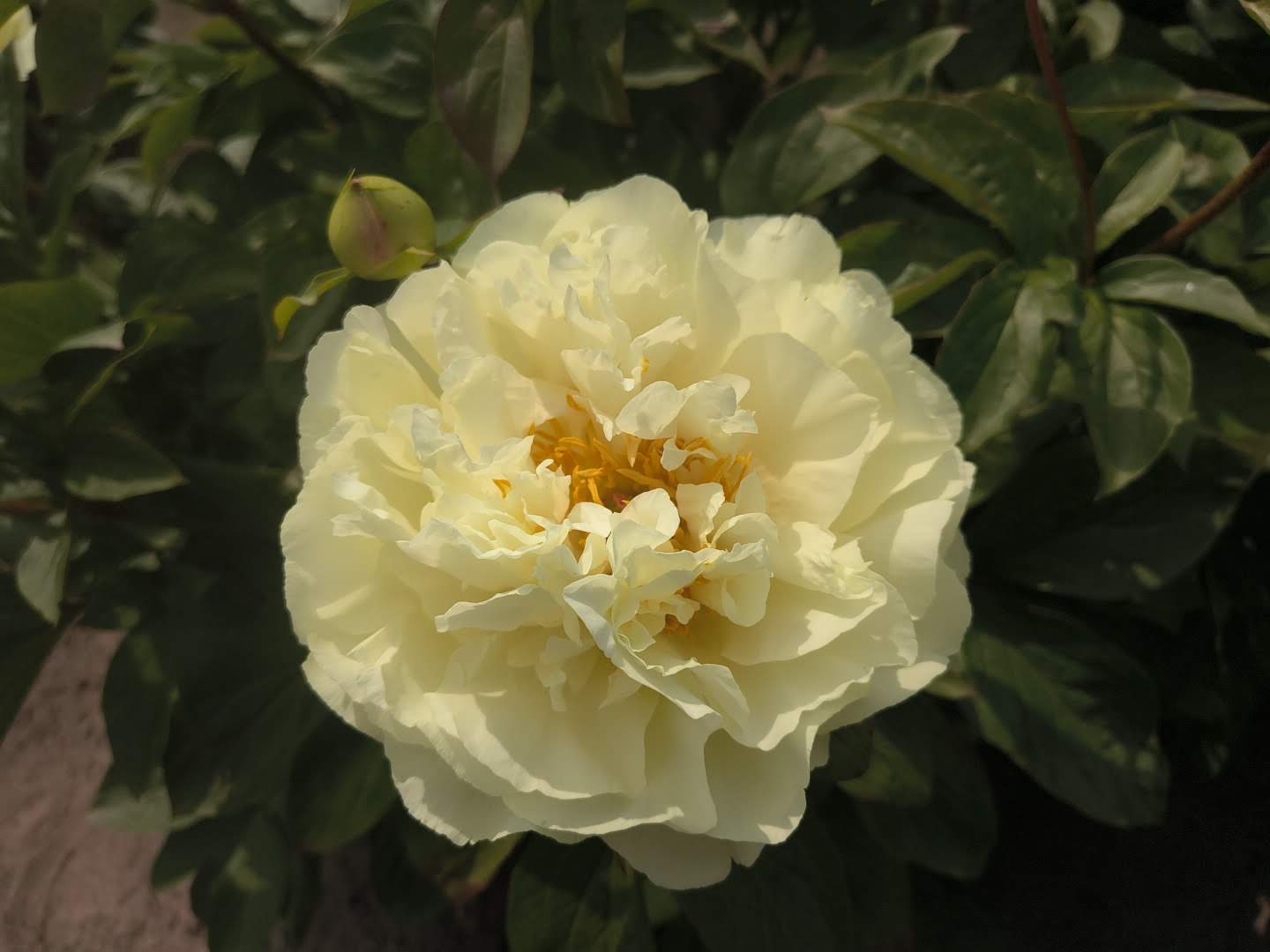
&amp;amp;amp;amp;amp;lt;a class=&amp;amp;amp;amp;amp;quot;wpg-linkify wpg-tooltip&amp;amp;amp;amp;amp;quot; title=&amp;amp;amp;amp;amp;quot;&amp;amp;amp;amp;amp;amp;lt;div class=&amp;amp;amp;amp;amp;amp;quot;wpg-tooltip-content&amp;amp;amp;amp;amp;amp;quot;&amp;amp;amp;amp;amp;amp;gt;&amp;amp;amp;amp;amp;amp;lt;p&amp;amp;amp;amp;amp;amp;gt;Bowl of Cream (Klehm, 1963). &amp;amp;amp;amp;lt;a class=&amp;amp;amp;amp;quot;wpg-linkify wpg-tooltip&amp;amp;amp;amp;quot; title=&amp;amp;amp;amp;quot;&amp;amp;amp;amp;amp;lt;div class=&amp;amp;amp;amp;amp;quot;wpg-tooltip-content&amp;amp;amp;amp;amp;quot;&amp;amp;amp;amp;amp;gt;&amp;amp;amp;amp;amp;lt;p&amp;amp;amp;amp;amp;gt;Growing in bushes and grasslands, but also in open woods, at altitudes from lowlands to 2,300 m, but to 3,400 m in Sichuan Province (Kangding), China. In E Asia: China, the Korea Peninsula, E Mongolia, and Russia (the Far East and SE Siberia).&amp;amp;amp;amp;amp;lt;/p&amp;amp;amp;amp;amp;gt; &amp;amp;amp;amp;amp;lt;p&amp;amp;amp;amp;amp;gt;The most distinct character of Paeonia lactiflora is the cartilaginous thickening along the leaf margins, which are <a class="wpg-linkify wpg-tooltip" title="&lt;div class=&quot;wpg-tooltip-content&quot;&gt;&lt;p&gt;Having a toothlike or serrated edge.&lt;/p&gt; &lt;p&gt;&lt;a href=&quot;https://www.peonysociety.org/wp-content/uploads/2019/07/Leaf_morphology_dentate.png&quot;&gt;&lt;img class=&quot;size-full wp-image-25337 alignleft&quot; src=&quot;https://www.peonysociety.org/wp-content/uploads/2019/07/Leaf_morphology_dentate.png&quot; alt=&quot;&quot; width=&quot;204&quot; height=&quot;122&quot; /&gt;&lt;/a&gt;&lt;/p&gt; &lt;/div&gt;" href="https://www.peonysociety.org/registered_peonies/dentate/" >dentate</a>—spinose on these thickenings.&amp;amp;amp;amp;amp;lt;br /&amp;amp;amp;amp;amp;gt; &amp;amp;amp;amp;amp;lt;a href=&amp;amp;amp;amp;amp;quot;https://www.peonysociety.org/species/herbaceous/albiflorae/lactiflora/&amp;amp;amp;amp;amp;quot;&amp;amp;amp;amp;amp;gt;More info&amp;amp;amp;amp;amp;lt;/a&amp;amp;amp;amp;amp;gt;&amp;amp;amp;amp;amp;lt;/p&amp;amp;amp;amp;amp;gt; &amp;amp;amp;amp;amp;lt;/div&amp;amp;amp;amp;amp;gt;&amp;amp;amp;amp;quot; href=&amp;amp;amp;amp;quot;https://www.peonysociety.org/registered_peonies/p-lactiflora/&amp;amp;amp;amp;quot; &amp;amp;amp;amp;gt;Lactiflora&amp;amp;amp;amp;lt;/a&amp;amp;amp;amp;gt;.&amp;amp;amp;amp;amp;amp;lt;/p&amp;amp;amp;amp;amp;amp;gt; &amp;amp;amp;amp;amp;amp;lt;p&amp;amp;amp;amp;amp;amp;gt;Full double rose type, long lasting flowers, large size bloom; clean glistening cream white, having hidden golden <a class="wpg-linkify wpg-tooltip" title="&lt;div class=&quot;wpg-tooltip-content&quot;&gt;&lt;p&gt;stamen: one of the male organs of a flower, consisting typically of a stalk (filament) and a pollen-bearing portion (anther)&lt;/p&gt; &lt;/div&gt;" href="https://www.peonysociety.org/registered_peonies/stamens/" >stamens</a>, which tend to light .up the center of the bloom; robust grower, outstanding green foliage; especially adaptable for landscape planting; 9½ inch flowers, 31 in. tall. Time of bloom not given. No seedling number nor parentage given. Patent applied for.&amp;amp;amp;amp;amp;amp;lt;/p&amp;amp;amp;amp;amp;amp;gt; &amp;amp;amp;amp;amp;amp;lt;p&amp;amp;amp;amp;amp;amp;gt;Note: Awarded the American Peony Society’s Gold Medal in 1981.&amp;amp;amp;amp;amp;amp;lt;/p&amp;amp;amp;amp;amp;amp;gt; &amp;amp;amp;amp;amp;amp;lt;/div&amp;amp;amp;amp;amp;amp;gt;&amp;amp;amp;amp;amp;quot; href=&amp;amp;amp;amp;amp;quot;https://www.peonysociety.org/registered_peonies/bowl-of-cream/&amp;amp;amp;amp;amp;quot; &amp;amp;amp;amp;amp;gt;Bowl of Cream&amp;amp;amp;amp;amp;lt;/a&amp;amp;amp;amp;amp;gt;, a favourite double white cut flower. Some growers don’t want it anymore because it doesn’t give them many stems. I cannot complain about that however, some 10 on average here.

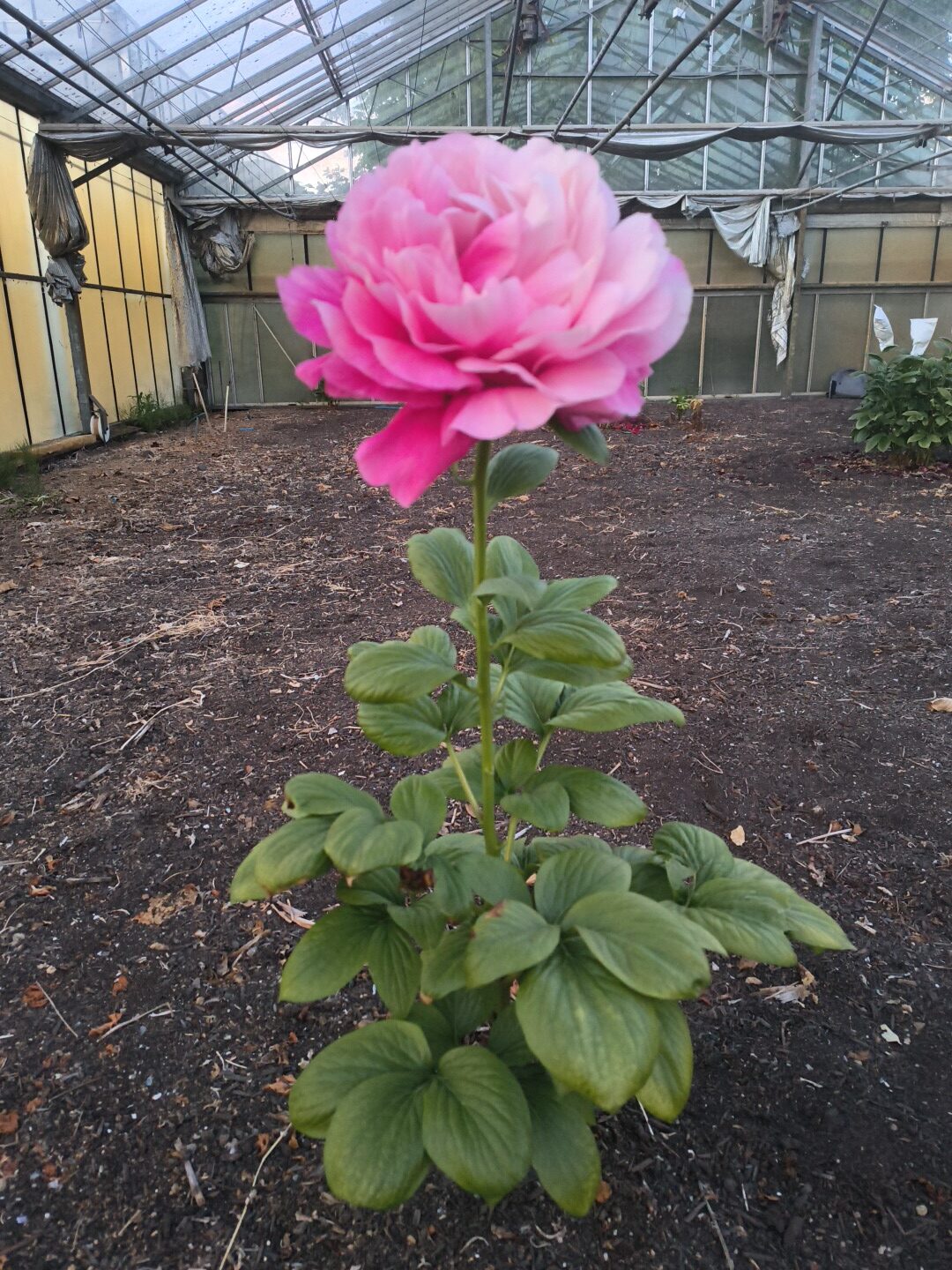

Its a beautifull color .. is there anything about who is the bredder ?