Silvia Saunders was the daughter of professor A.P. Saunders. A.P. Saunders was arguably the most influential peony hybridizer of the 20th century, his daughter took over his nursery to distribute his plants after his death. She regularly wrote articles in the American Peony Society Bulletin, this is one of those articles wherein she describes what more could be done from future hybridizers. Many of the points she made in 1970 are still valid today.
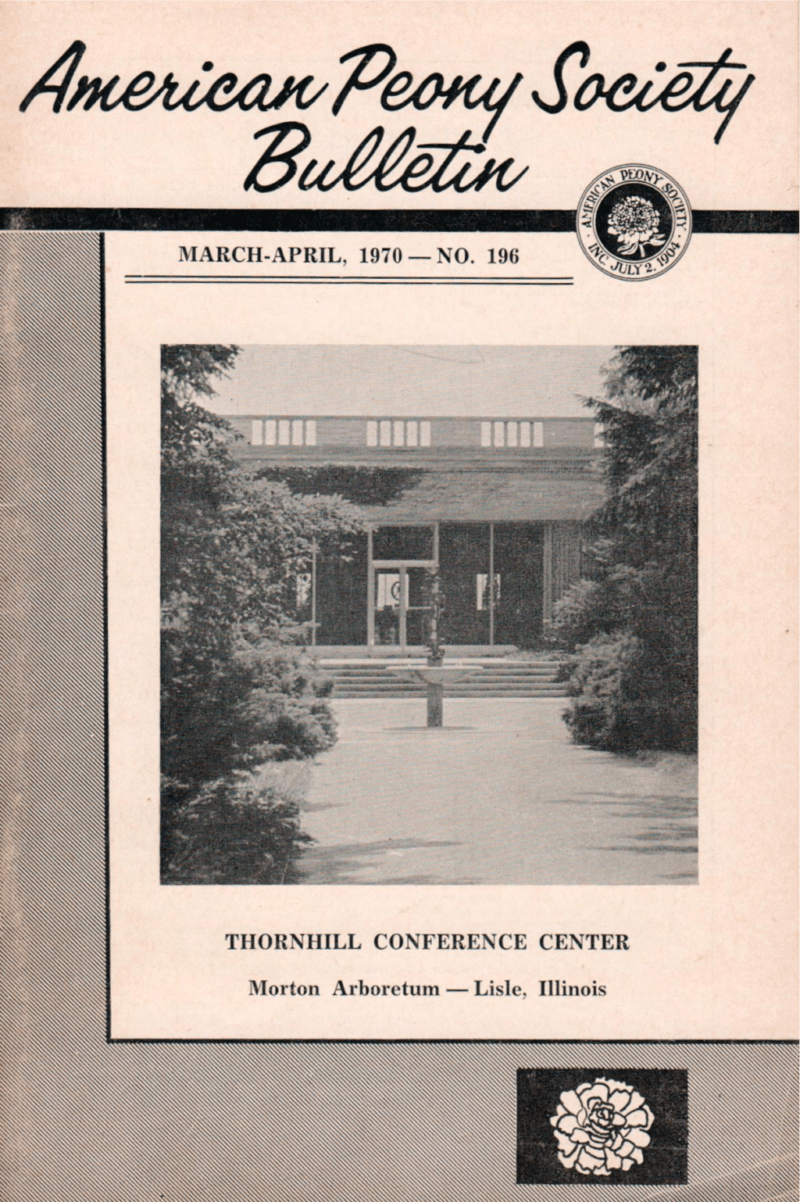
THE PEONY IS WAITING FOR YOU!(1)

From a Correspondent

A friend with whom I carry on somewhat heated discussions, tossed into my astonished lap the other day the statement that “Well, of course Man hasn’t really ever ‘Gotten to Work’ on the peony, has he. He’s never really done anything at all to improve it” “What?” I exploded. “Never done any work on the peony! What ARE you talking about? Why, didn’t the Chinese work for centuries, and end by completely transforming the undistinguished little <a class="wpg-linkify wpg-tooltip" title="<div class="wpg-tooltip-content"><p>Growing in bushes and grasslands, but also in open woods, at altitudes from lowlands to 2,300 m, but to 3,400 m in Sichuan Province (Kangding), China. In E Asia: China, the Korea Peninsula, E Mongolia, and Russia (the Far East and SE Siberia).</p> <p>The most distinct character of Paeonia lactiflora is the cartilaginous thickening along the leaf margins, which are <a class="wpg-linkify wpg-tooltip" title="<div class="wpg-tooltip-content"><p>Having a toothlike or serrated edge.</p> <p><a href="https://www.peonysociety.org/wp-content/uploads/2019/07/Leaf_morphology_dentate.png"><img class="size-full wp-image-25337 alignleft" src="https://www.peonysociety.org/wp-content/uploads/2019/07/Leaf_morphology_dentate.png" alt="" width="204" height="122" /></a></p> </div>" href="https://www.peonysociety.org/registered_peonies/dentate/" >dentate</a>—spinose on these thickenings.<br /> <a href="https://www.peonysociety.org/species/herbaceous/albiflorae/lactiflora/">More info</a></p> </div>" href="https://www.peonysociety.org/registered_peonies/p-lactiflora/" >paeonia lactiflora</a> from Outer Mongolia, into one of the Glories of our Western Gardens? And you call that “nothing”?”

“Certainly I call it Nothing, he came back. “Nothing, compared to what might be done; what remains to be done. After all, that’s only one species. We believe they didn’t even do any crossing—any species crossing, that is.” “And what about Tree Peonies? again I retorted, feeling that here I really did have the better of him. “Same thing, he replied quietly. “Again, only one species: P. Moutan. Of course it’s a splendid thing. One of the best plants we have. But just look at what remains to be done: the Vast Terrain of unfinished business.” “But the hybridists, I pressed on. “You don’t count Lemoine and Henry‘? You don’t count Auten or Saunders or Glasscock? And now Mr. Ito of Japan, who’s made a really revolutionary discovery. They’ve given us a host of perfectly gorgeous hybrids, both herbaceous and tree.” “They certainly have,” came his prompt answer, “and what have we done with them? Nothing at all. Absolutely nothing. We’ve just let them sit there, for 30, 40, or even 50 years. Untouched. Why, we could have been making new generations from them all this while. Do you realize there are only about ten second-generation plants, and maybe five of the third generation? What’s wrong with us, anyway? Haven’t we got any Curiosity? It only takes four or five years for a generation. Where’s our Ingenuity? When I think of all this wasted material and these wasted years, it makes my blood fairly boil. Why, just think of the hundreds of men that have created roses by the thousand, iris by the tens of thousands, and hemerocallis practically «by the million—I don’t get it. I simply don’t get it.”

I couldn’t of course just sit there and let him go on. He was getting quite impassioned, but perfectly confident in his statements. So in the end we got out pencil and paper and began to list the improvements that might conceivably be made in the peony—I still thinking that maybe we might find three, possibly four “To my amazement, when we’d finished, we‘d toted up ten. Ten ways that -the two of us had thought of, right off the cuff so to speak, to improve our beautiful peony; the plant that we all think of as Practically Perfect. ‘

Here they are. We jotted them down, not in order of importance- each person will presumably have his own Priority Listing—but simply as they occurred to us:

1. Blooming season of the peony to be lengthened. It’s only about six weeks’ duration now. At both ends: earlier into the spring, and later into the summer. Is there any good and valid reason why the peony could not bloom all summer long. like the roses of England?

2. Blooming season of individual plants to be lengthened, from its present one week (or two, if you have a huge clump and a very cool two weeks). Methods of accomplishing this might be: greater durability and substance in the petals themselves, and (perhaps more effective) many side-blooms to each stem. Mr. Auten‘s Vincennes, I understand, has “side buds on the side buds.”

3. Color range extended, although this isn’t the most crying need of the peony. Yellows introduced into the herbaceous. “Flares” to be made more striking, as in the tree peonies and some of the herbaceous hybrids. Variegations, such as flecks, streakings, etc. Two-color blooms, as in many of our “Jap” types, introduced into the double herbaceous. I saw in a big bouquet recently a double white peony with large black outer petals. It was really a black iris lurking behind the white peony, but I suddenly thought: “Why not? Two-color doubles. As we have in the Jap types, and in the modern dahlias.”

4. Foliage more varied. Present peony foliage is remarkably monotonous und “Same.” Species with unique and lovely foliages that could be used: &amp;amp;amp;amp;amp;amp;amp;amp;amp;lt;a class=&amp;amp;amp;amp;amp;amp;amp;amp;amp;quot;wpg-linkify wpg-tooltip&amp;amp;amp;amp;amp;amp;amp;amp;amp;quot; title=&amp;amp;amp;amp;amp;amp;amp;amp;amp;quot;&amp;amp;amp;amp;amp;amp;amp;amp;amp;amp;lt;div class=&amp;amp;amp;amp;amp;amp;amp;amp;amp;amp;quot;wpg-tooltip-content&amp;amp;amp;amp;amp;amp;amp;amp;amp;amp;quot;&amp;amp;amp;amp;amp;amp;amp;amp;amp;amp;gt;&amp;amp;amp;amp;amp;amp;amp;amp;amp;amp;lt;p&amp;amp;amp;amp;amp;amp;amp;amp;amp;amp;gt;&amp;amp;amp;amp;amp;amp;amp;amp;amp;amp;lt;img class=&amp;amp;amp;amp;amp;amp;amp;amp;amp;amp;quot;wp-image-33215 size-medium&amp;amp;amp;amp;amp;amp;amp;amp;amp;amp;quot; src=&amp;amp;amp;amp;amp;amp;amp;amp;amp;amp;quot;https://www.peonysociety.org/wp-content/uploads/mlokosewitschii-480x403.jpg&amp;amp;amp;amp;amp;amp;amp;amp;amp;amp;quot; alt=&amp;amp;amp;amp;amp;amp;amp;amp;amp;amp;quot;&amp;amp;amp;amp;amp;amp;amp;amp;amp;amp;quot; width=&amp;amp;amp;amp;amp;amp;amp;amp;amp;amp;quot;480&amp;amp;amp;amp;amp;amp;amp;amp;amp;amp;quot; height=&amp;amp;amp;amp;amp;amp;amp;amp;amp;amp;quot;403&amp;amp;amp;amp;amp;amp;amp;amp;amp;amp;quot; /&amp;amp;amp;amp;amp;amp;amp;amp;amp;amp;gt;&amp;amp;amp;amp;amp;amp;amp;amp;amp;amp;lt;br /&amp;amp;amp;amp;amp;amp;amp;amp;amp;amp;gt; Paeonia mlokosewitschii. Image by Dimitri Zubov&amp;amp;amp;amp;amp;amp;amp;amp;amp;amp;lt;br /&amp;amp;amp;amp;amp;amp;amp;amp;amp;amp;gt; Leaves &amp;amp;lt;a class=&amp;amp;quot;wpg-linkify wpg-tooltip&amp;amp;quot; title=&amp;amp;quot;&amp;amp;amp;lt;div class=&amp;amp;amp;quot;wpg-tooltip-content&amp;amp;amp;quot;&amp;amp;amp;gt;&amp;amp;amp;lt;p&amp;amp;amp;gt;&amp;amp;amp;lt;span class=&amp;amp;amp;quot;ind&amp;amp;amp;quot;&amp;amp;amp;gt;Having leaflets that are further subdivided in a &lt;a class=&quot;wpg-linkify wpg-tooltip&quot; title=&quot;&amp;lt;div class=&amp;quot;wpg-tooltip-content&amp;quot;&amp;gt;&amp;lt;p&amp;gt;Arranged in threes, especially (of a compound leaf) having three leaflets.&amp;lt;br /&amp;gt; &amp;lt;a href=&amp;quot;https://www.peonysociety.org/wp-content/uploads/2019/07/Leaf_morphology_trifoliolate.png&amp;quot;&amp;gt;&amp;lt;img class=&amp;quot;size-full wp-image-25426 alignleft&amp;quot; src=&amp;quot;https://www.peonysociety.org/wp-content/uploads/2019/07/Leaf_morphology_trifoliolate.png&amp;quot; alt=&amp;quot;&amp;quot; width=&amp;quot;164&amp;quot; height=&amp;quot;102&amp;quot; /&amp;gt;&amp;lt;/a&amp;gt;&amp;lt;/p&amp;gt; &amp;lt;/div&amp;gt;&quot; href=&quot;https://www.peonysociety.org/registered_peonies/ternate/&quot; &gt;ternate&lt;/a&gt; arrangement.&amp;amp;amp;lt;/span&amp;amp;amp;gt;&amp;amp;amp;lt;/p&amp;amp;amp;gt; &amp;amp;amp;lt;div class=&amp;amp;amp;quot;examples&amp;amp;amp;quot;&amp;amp;amp;gt; &amp;amp;amp;lt;div class=&amp;amp;amp;quot;exg&amp;amp;amp;quot;&amp;amp;amp;gt; &amp;amp;amp;lt;p&amp;amp;amp;gt;&amp;amp;amp;lt;em&amp;amp;amp;gt;‘It follows that biternate leaves are doubly &lt;a class=&quot;wpg-linkify wpg-tooltip&quot; title=&quot;&amp;lt;div class=&amp;quot;wpg-tooltip-content&amp;quot;&amp;gt;&amp;lt;p&amp;gt;Arranged in threes, especially (of a compound leaf) having three leaflets.&amp;lt;br /&amp;gt; &amp;lt;a href=&amp;quot;https://www.peonysociety.org/wp-content/uploads/2019/07/Leaf_morphology_trifoliolate.png&amp;quot;&amp;gt;&amp;lt;img class=&amp;quot;size-full wp-image-25426 alignleft&amp;quot; src=&amp;quot;https://www.peonysociety.org/wp-content/uploads/2019/07/Leaf_morphology_trifoliolate.png&amp;quot; alt=&amp;quot;&amp;quot; width=&amp;quot;164&amp;quot; height=&amp;quot;102&amp;quot; /&amp;gt;&amp;lt;/a&amp;gt;&amp;lt;/p&amp;gt; &amp;lt;/div&amp;gt;&quot; href=&quot;https://www.peonysociety.org/registered_peonies/ternate/&quot; &gt;ternate&lt;/a&gt;, with the &lt;a class=&quot;wpg-linkify wpg-tooltip&quot; title=&quot;&amp;lt;div class=&amp;quot;wpg-tooltip-content&amp;quot;&amp;gt;&amp;lt;p&amp;gt;Arranged in threes, especially (of a compound leaf) having three leaflets.&amp;lt;br /&amp;gt; &amp;lt;a href=&amp;quot;https://www.peonysociety.org/wp-content/uploads/2019/07/Leaf_morphology_trifoliolate.png&amp;quot;&amp;gt;&amp;lt;img class=&amp;quot;size-full wp-image-25426 alignleft&amp;quot; src=&amp;quot;https://www.peonysociety.org/wp-content/uploads/2019/07/Leaf_morphology_trifoliolate.png&amp;quot; alt=&amp;quot;&amp;quot; width=&amp;quot;164&amp;quot; height=&amp;quot;102&amp;quot; /&amp;gt;&amp;lt;/a&amp;gt;&amp;lt;/p&amp;gt; &amp;lt;/div&amp;gt;&quot; href=&quot;https://www.peonysociety.org/registered_peonies/ternate/&quot; &gt;ternate&lt;/a&gt; divisions again ternately divided.’&amp;amp;amp;lt;/em&amp;amp;amp;gt;&amp;amp;amp;lt;/p&amp;amp;amp;gt; &amp;amp;amp;lt;p&amp;amp;amp;gt;&amp;amp;amp;lt;a href=&amp;amp;amp;quot;https://www.peonysociety.org/wp-content/uploads/2019/07/Leaf_morphology_Biternate.png&amp;amp;amp;quot;&amp;amp;amp;gt;&amp;amp;amp;lt;img class=&amp;amp;amp;quot;size-medium wp-image-25335 alignleft&amp;amp;amp;quot; src=&amp;amp;amp;quot;https://www.peonysociety.org/wp-content/uploads/2019/07/Leaf_morphology_Biternate-480x402.png&amp;amp;amp;quot; alt=&amp;amp;amp;quot;&amp;amp;amp;quot; width=&amp;amp;amp;quot;480&amp;amp;amp;quot; height=&amp;amp;amp;quot;402&amp;amp;amp;quot; /&amp;amp;amp;gt;&amp;amp;amp;lt;/a&amp;amp;amp;gt;&amp;amp;amp;lt;/p&amp;amp;amp;gt; &amp;amp;amp;lt;/div&amp;amp;amp;gt; &amp;amp;amp;lt;/div&amp;amp;amp;gt; &amp;amp;amp;lt;/div&amp;amp;amp;gt;&amp;amp;quot; href=&amp;amp;quot;https://www.peonysociety.org/registered_peonies/biternate/&amp;amp;quot; &amp;amp;gt;biternate&amp;amp;lt;/a&amp;amp;gt; [divided twice into three parts], leaflets <a class="wpg-linkify wpg-tooltip" title="&lt;div class=&quot;wpg-tooltip-content&quot;&gt;&lt;p&gt;An object or shape that is longer than it is wide, having an elongated form with slightly parallel sides, roughly rectangular.&lt;br /&gt; &lt;a href=&quot;https://www.peonysociety.org/wp-content/uploads/2019/07/Leaf_morphology_oblong.png&quot;&gt;&lt;img class=&quot;size-full wp-image-25344 alignleft&quot; src=&quot;https://www.peonysociety.org/wp-content/uploads/2019/07/Leaf_morphology_oblong.png&quot; alt=&quot;&quot; width=&quot;192&quot; height=&quot;65&quot; /&gt;&lt;/a&gt;&lt;/p&gt; &lt;/div&gt;" href="https://www.peonysociety.org/registered_peonies/oblong/" >oblong</a>, more rarely &lt;a class=&quot;wpg-linkify wpg-tooltip&quot; title=&quot;&amp;lt;div class=&amp;quot;wpg-tooltip-content&amp;quot;&amp;gt;&amp;lt;p&amp;gt;Inversely <a class="wpg-linkify wpg-tooltip" title="&lt;div class=&quot;wpg-tooltip-content&quot;&gt;&lt;p&gt;Shaped like an egg in two dimensions, and attached by the wider end.&lt;br /&gt; &lt;a href=&quot;https://www.peonysociety.org/wp-content/uploads/2019/07/Leaf_morphology_ovale.png&quot;&gt;&lt;img class=&quot;size-full wp-image-25341 alignleft&quot; src=&quot;https://www.peonysociety.org/wp-content/uploads/2019/07/Leaf_morphology_ovale.png&quot; alt=&quot;&quot; width=&quot;192&quot; height=&quot;96&quot; /&gt;&lt;/a&gt;&lt;/p&gt; &lt;/div&gt;" href="https://www.peonysociety.org/registered_peonies/ovate/" >ovate</a>; <a class="wpg-linkify wpg-tooltip" title="&lt;div class=&quot;wpg-tooltip-content&quot;&gt;&lt;p&gt;Shaped like an egg in two dimensions, and attached by the wider end.&lt;br /&gt; &lt;a href=&quot;https://www.peonysociety.org/wp-content/uploads/2019/07/Leaf_morphology_ovale.png&quot;&gt;&lt;img class=&quot;size-full wp-image-25341 alignleft&quot; src=&quot;https://www.peonysociety.org/wp-content/uploads/2019/07/Leaf_morphology_ovale.png&quot; alt=&quot;&quot; width=&quot;192&quot; height=&quot;96&quot; /&gt;&lt;/a&gt;&lt;/p&gt; &lt;/div&gt;" href="https://www.peonysociety.org/registered_peonies/ovate/" >ovate</a> with the narrow end downward; as, an obovate leaf.&amp;lt;br /&amp;gt; &amp;lt;a href=&amp;quot;https://www.peonysociety.org/wp-content/uploads/2019/07/Leaf_morphology_obovate.png&amp;quot;&amp;gt;&amp;lt;img class=&amp;quot;size-full wp-image-25340 alignleft&amp;quot; src=&amp;quot;https://www.peonysociety.org/wp-content/uploads/2019/07/Leaf_morphology_obovate.png&amp;quot; alt=&amp;quot;&amp;quot; width=&amp;quot;192&amp;quot; height=&amp;quot;105&amp;quot; /&amp;gt;&amp;lt;/a&amp;gt;&amp;lt;/p&amp;gt; &amp;lt;/div&amp;gt;&quot; href=&quot;https://www.peonysociety.org/registered_peonies/obovate/&quot; &gt;obovate&lt;/a&gt; [egg-shaped with the narrow end at the base], shortly &amp;amp;lt;a class=&amp;amp;quot;wpg-linkify wpg-tooltip&amp;amp;quot; title=&amp;amp;quot;&amp;amp;amp;lt;div class=&amp;amp;amp;quot;wpg-tooltip-content&amp;amp;amp;quot;&amp;amp;amp;gt;&amp;amp;amp;lt;p&amp;amp;amp;gt;Leaf tip tapering to a long point in a concave manner.&amp;amp;amp;lt;br /&amp;amp;amp;gt; &amp;amp;amp;lt;a href=&amp;amp;amp;quot;https://www.peonysociety.org/wp-content/uploads/2019/07/Leaf_morphology_acuminate.png&amp;amp;amp;quot;&amp;amp;amp;gt;&amp;amp;amp;lt;img class=&amp;amp;amp;quot;size-full wp-image-25363 alignleft&amp;amp;amp;quot; src=&amp;amp;amp;quot;https://www.peonysociety.org/wp-content/uploads/2019/07/Leaf_morphology_acuminate.png&amp;amp;amp;quot; alt=&amp;amp;amp;quot;&amp;amp;amp;quot; width=&amp;amp;amp;quot;178&amp;amp;amp;quot; height=&amp;amp;amp;quot;55&amp;amp;amp;quot; /&amp;amp;amp;gt;&amp;amp;amp;lt;/a&amp;amp;amp;gt;&amp;amp;amp;lt;/p&amp;amp;amp;gt; &amp;amp;amp;lt;/div&amp;amp;amp;gt;&amp;amp;quot; href=&amp;amp;quot;https://www.peonysociety.org/registered_peonies/acuminate/&amp;amp;quot; &amp;amp;gt;acuminate&amp;amp;lt;/a&amp;amp;gt; [tapering to a short point], glaucous [blue-green] above, of a different pale color beneath and shortly &amp;amp;lt;a class=&amp;amp;quot;wpg-linkify wpg-tooltip&amp;amp;quot; title=&amp;amp;quot;&amp;amp;amp;lt;div class=&amp;amp;amp;quot;wpg-tooltip-content&amp;amp;amp;quot;&amp;amp;amp;gt;&amp;amp;amp;lt;p&amp;amp;amp;gt;short, but curved or twisted&amp;amp;amp;lt;/p&amp;amp;amp;gt; &amp;amp;amp;lt;p&amp;amp;amp;gt;&amp;amp;amp;lt;/p&amp;amp;amp;gt; &amp;amp;amp;lt;/div&amp;amp;amp;gt;&amp;amp;quot; href=&amp;amp;quot;https://www.peonysociety.org/registered_peonies/puberulous/&amp;amp;quot; &amp;amp;gt;puberulous&amp;amp;lt;/a&amp;amp;gt; [covered in fine, short hairs], with yellow flowers, spreading petals, and &amp;lt;a class=&amp;quot;wpg-linkify wpg-tooltip&amp;quot; title=&amp;quot;&amp;amp;lt;div class=&amp;amp;quot;wpg-tooltip-content&amp;amp;quot;&amp;amp;gt;&amp;amp;lt;p&amp;amp;gt;Covered with dull colored woolly hairs. Short and entirely covering the ovaries. Found in most peony species.&amp;amp;lt;/p&amp;amp;gt; &amp;amp;lt;/div&amp;amp;gt;&amp;quot; href=&amp;quot;https://www.peonysociety.org/registered_peonies/tomentose/&amp;quot; &amp;gt;tomentose&amp;lt;/a&amp;gt; [densely fuzzy] &lt;a class=&quot;wpg-linkify wpg-tooltip&quot; title=&quot;&amp;lt;div class=&amp;quot;wpg-tooltip-content&amp;quot;&amp;gt;&amp;lt;p&amp;gt;carpel: an organ at the centre of a flower, bearing one or more ovules and having its margins fused together or with other carpels to enclose the <a class="wpg-linkify wpg-tooltip" title="&lt;div class=&quot;wpg-tooltip-content&quot;&gt;&lt;p&gt;a part inside the ovary (= organ that produces eggs) of a plant that contains the female sex cell and develops into a seed when that cell is fertilized&lt;/p&gt; &lt;/div&gt;" href="https://www.peonysociety.org/registered_peonies/ovule/" >ovule</a> in an <a class="wpg-linkify wpg-tooltip" title="&lt;div class=&quot;wpg-tooltip-content&quot;&gt;&lt;p&gt;the hollow base of the carpel of a flower, containing one or more ovules&lt;/p&gt; &lt;/div&gt;" href="https://www.peonysociety.org/registered_peonies/ovary/" >ovary</a>, and consisting also of a <a class="wpg-linkify wpg-tooltip" title="&lt;div class=&quot;wpg-tooltip-content&quot;&gt;&lt;p&gt;The pollen-receptive surface of a carpel, usually sticky. It sits above the ovary on the style.&lt;/p&gt; &lt;/div&gt;" href="https://www.peonysociety.org/registered_peonies/stigma/" >stigma</a> and usually a style.&amp;lt;/p&amp;gt; &amp;lt;p&amp;gt;&amp;lt;/p&amp;gt; &amp;lt;/div&amp;gt;&quot; href=&quot;https://www.peonysociety.org/registered_peonies/carpels/&quot; &gt;carpels&lt;/a&gt; that are arched-spreading.&amp;amp;amp;amp;amp;amp;amp;amp;amp;amp;lt;/p&amp;amp;amp;amp;amp;amp;amp;amp;amp;amp;gt; &amp;amp;amp;amp;amp;amp;amp;amp;amp;amp;lt;/div&amp;amp;amp;amp;amp;amp;amp;amp;amp;amp;gt;&amp;amp;amp;amp;amp;amp;amp;amp;amp;quot; href=&amp;amp;amp;amp;amp;amp;amp;amp;amp;quot;https://www.peonysociety.org/registered_peonies/p-mlokosewitschii/&amp;amp;amp;amp;amp;amp;amp;amp;amp;quot; &amp;amp;amp;amp;amp;amp;amp;amp;amp;gt;Mloko&amp;amp;amp;amp;amp;amp;amp;amp;amp;lt;/a&amp;amp;amp;amp;amp;amp;amp;amp;amp;gt; (jade gray- green, and lovely matte surface; purple stems); Daurica (triternata) with its riffled edges;- &amp;lt;a class=&amp;quot;wpg-linkify wpg-tooltip&amp;quot; title=&amp;quot;&amp;amp;lt;div class=&amp;amp;quot;wpg-tooltip-content&amp;amp;quot;&amp;amp;gt;&amp;amp;lt;p&amp;amp;gt;Growing in bushes on dry or rocky slopes at altitudes from 1600 to 3,200 m. The western Himalayas and northeastern part of the Hindu Kush: China (SW Xizang (Tibet) and S Xinjiang), NW India, W Nepal, N Pakistan and E Afghanistan (Nuristan, Chetras) .&amp;amp;lt;br /&amp;amp;gt; &amp;amp;lt;a href=&amp;amp;quot;https://www.peonysociety.org/species/herbaceous/albiflorae/emodi/&amp;amp;quot;&amp;amp;gt;More info&amp;amp;lt;/a&amp;amp;gt;&amp;amp;lt;/p&amp;amp;gt; &amp;amp;lt;/div&amp;amp;gt;&amp;quot; href=&amp;quot;https://www.peonysociety.org/registered_peonies/p-emodi/&amp;quot; &amp;gt;Emodi&amp;lt;/a&amp;gt;, with fern-like leaves; &amp;amp;amp;amp;amp;lt;a class=&amp;amp;amp;amp;amp;quot;wpg-linkify wpg-tooltip&amp;amp;amp;amp;amp;quot; title=&amp;amp;amp;amp;amp;quot;&amp;amp;amp;amp;amp;amp;lt;div class=&amp;amp;amp;amp;amp;amp;quot;wpg-tooltip-content&amp;amp;amp;amp;amp;amp;quot;&amp;amp;amp;amp;amp;amp;gt;&amp;amp;amp;amp;amp;amp;lt;p&amp;amp;amp;amp;amp;amp;gt;Usually growing in steppes, meadows, open sandy dunes, shrubs, or at the edges of forests. Paeonia tenuifolia seems to prefer dry habitats, and was found growing at lowlands below an altitude of 900 m. Armenia, Azerbaijan, Bulgaria, Georgia, Romania, Russia (the Caucasus), Serbia, Turkey (European part) and Ukraine.&amp;amp;amp;amp;amp;amp;lt;/p&amp;amp;amp;amp;amp;amp;gt; &amp;amp;amp;amp;amp;amp;lt;p&amp;amp;amp;amp;amp;amp;gt;Paeonia tenuifolia as circumscripted here is a very distinct species. It has the finest leaflets/leaf &amp;lt;a class=&amp;quot;wpg-linkify wpg-tooltip&amp;quot; title=&amp;quot;&amp;amp;lt;div class=&amp;amp;quot;wpg-tooltip-content&amp;amp;quot;&amp;amp;gt;&amp;amp;lt;p&amp;amp;gt;a leaf is &amp;amp;#039;segmented&amp;amp;#039; when it consists of pieces of various shapes, which are more or less separated from one another&amp;amp;lt;/p&amp;amp;gt; &amp;amp;lt;/div&amp;amp;gt;&amp;quot; href=&amp;quot;https://www.peonysociety.org/registered_peonies/segments/&amp;quot; &amp;gt;segments&amp;lt;/a&amp;gt; and the greatest number of leaflets/leaf &amp;lt;a class=&amp;quot;wpg-linkify wpg-tooltip&amp;quot; title=&amp;quot;&amp;amp;lt;div class=&amp;amp;quot;wpg-tooltip-content&amp;amp;quot;&amp;amp;gt;&amp;amp;lt;p&amp;amp;gt;a leaf is &amp;amp;#039;segmented&amp;amp;#039; when it consists of pieces of various shapes, which are more or less separated from one another&amp;amp;lt;/p&amp;amp;gt; &amp;amp;lt;/div&amp;amp;gt;&amp;quot; href=&amp;quot;https://www.peonysociety.org/registered_peonies/segments/&amp;quot; &amp;gt;segments&amp;lt;/a&amp;gt; of any peony species.&amp;amp;amp;amp;amp;amp;lt;br /&amp;amp;amp;amp;amp;amp;gt; &amp;amp;amp;amp;amp;amp;lt;a href=&amp;amp;amp;amp;amp;amp;quot;https://www.peonysociety.org/species/herbaceous/paeonia/tenuifolia/&amp;amp;amp;amp;amp;amp;quot;&amp;amp;amp;amp;amp;amp;gt;More info&amp;amp;amp;amp;amp;amp;lt;/a&amp;amp;amp;amp;amp;amp;gt;&amp;amp;amp;amp;amp;amp;lt;/p&amp;amp;amp;amp;amp;amp;gt; &amp;amp;amp;amp;amp;amp;lt;/div&amp;amp;amp;amp;amp;amp;gt;&amp;amp;amp;amp;amp;quot; href=&amp;amp;amp;amp;amp;quot;https://www.peonysociety.org/registered_peonies/p-tenuifolia/&amp;amp;amp;amp;amp;quot; &amp;amp;amp;amp;amp;gt;Tenuifolia&amp;amp;amp;amp;amp;lt;/a&amp;amp;amp;amp;amp;gt; with its asparagus-like leaves. And the Tree Peonies with the most elegant foliage of them all. We’ve never bred for foliage, have we. Always for flowers.

5. Quality of petals of the herbaceous improved till more shimmeringly silky, like the tree peonies. Even the lutea hybrids haven’t this shimmering quality.

6. Height of peonies to be more varied: more very tall kinds, trained up a post, as in Italy; more very dwarf kinds for the modern small garden.

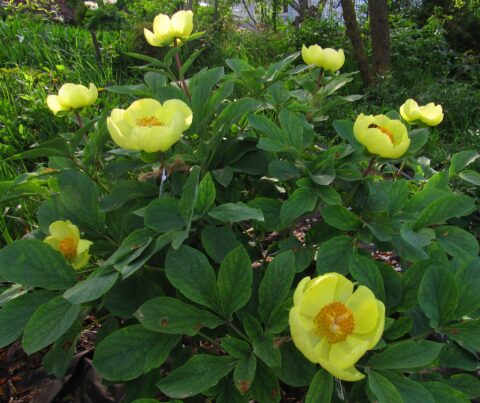
7. Fragrance should be greatly improved. The yellow species P. lutea is the only peony that smells really delicious; rather like a waterlily.

8. Disease-resistance should of course be worked for, during all these other programs.

9. Climatic Range should be extended: into the South; the moist; the shade, etc.

10. Soils. Peonies should be made to accept a wider variety of soils: more acid, more sandy, etc.

11. Seeds should be made to geminate always the first Spring.

12. What about the stoloniferous habit of &amp;amp;amp;amp;amp;lt;a class=&amp;amp;amp;amp;amp;quot;wpg-linkify wpg-tooltip&amp;amp;amp;amp;amp;quot; title=&amp;amp;amp;amp;amp;quot;&amp;amp;amp;amp;amp;amp;lt;div class=&amp;amp;amp;amp;amp;amp;quot;wpg-tooltip-content&amp;amp;amp;amp;amp;amp;quot;&amp;amp;amp;amp;amp;amp;gt;&amp;amp;amp;amp;amp;amp;lt;p&amp;amp;amp;amp;amp;amp;gt;Usually growing in steppes, meadows, open sandy dunes, shrubs, or at the edges of forests. Paeonia tenuifolia seems to prefer dry habitats, and was found growing at lowlands below an altitude of 900 m. Armenia, Azerbaijan, Bulgaria, Georgia, Romania, Russia (the Caucasus), Serbia, Turkey (European part) and Ukraine.&amp;amp;amp;amp;amp;amp;lt;/p&amp;amp;amp;amp;amp;amp;gt; &amp;amp;amp;amp;amp;amp;lt;p&amp;amp;amp;amp;amp;amp;gt;Paeonia tenuifolia as circumscripted here is a very distinct species. It has the finest leaflets/leaf &amp;lt;a class=&amp;quot;wpg-linkify wpg-tooltip&amp;quot; title=&amp;quot;&amp;amp;lt;div class=&amp;amp;quot;wpg-tooltip-content&amp;amp;quot;&amp;amp;gt;&amp;amp;lt;p&amp;amp;gt;a leaf is &amp;amp;#039;segmented&amp;amp;#039; when it consists of pieces of various shapes, which are more or less separated from one another&amp;amp;lt;/p&amp;amp;gt; &amp;amp;lt;/div&amp;amp;gt;&amp;quot; href=&amp;quot;https://www.peonysociety.org/registered_peonies/segments/&amp;quot; &amp;gt;segments&amp;lt;/a&amp;gt; and the greatest number of leaflets/leaf &amp;lt;a class=&amp;quot;wpg-linkify wpg-tooltip&amp;quot; title=&amp;quot;&amp;amp;lt;div class=&amp;amp;quot;wpg-tooltip-content&amp;amp;quot;&amp;amp;gt;&amp;amp;lt;p&amp;amp;gt;a leaf is &amp;amp;#039;segmented&amp;amp;#039; when it consists of pieces of various shapes, which are more or less separated from one another&amp;amp;lt;/p&amp;amp;gt; &amp;amp;lt;/div&amp;amp;gt;&amp;quot; href=&amp;quot;https://www.peonysociety.org/registered_peonies/segments/&amp;quot; &amp;gt;segments&amp;lt;/a&amp;gt; of any peony species.&amp;amp;amp;amp;amp;amp;lt;br /&amp;amp;amp;amp;amp;amp;gt; &amp;amp;amp;amp;amp;amp;lt;a href=&amp;amp;amp;amp;amp;amp;quot;https://www.peonysociety.org/species/herbaceous/paeonia/tenuifolia/&amp;amp;amp;amp;amp;amp;quot;&amp;amp;amp;amp;amp;amp;gt;More info&amp;amp;amp;amp;amp;amp;lt;/a&amp;amp;amp;amp;amp;amp;gt;&amp;amp;amp;amp;amp;amp;lt;/p&amp;amp;amp;amp;amp;amp;gt; &amp;amp;amp;amp;amp;amp;lt;/div&amp;amp;amp;amp;amp;amp;gt;&amp;amp;amp;amp;amp;quot; href=&amp;amp;amp;amp;amp;quot;https://www.peonysociety.org/registered_peonies/p-tenuifolia/&amp;amp;amp;amp;amp;quot; &amp;amp;amp;amp;amp;gt;P. tenuifolia&amp;amp;amp;amp;amp;lt;/a&amp;amp;amp;amp;amp;gt; and P. lutea? Could this be made into anything useful?

There, we’ve set down not ten but twelve ways, any one of which would definitely improve our peonies. So, now that we see where some of our directions lie, nothing remains but for Man, that is Us, you and me, to roll up our sleeves and get to work. The time is Now. You and I have to start hybridizing, for that is the way most of it is to he accomplished. And we who work in peonies have one great advantage over our friends in iris or “hems.” There are so many of them, and they’ve introduced so many thousand new varieties of those plants, that your chances of coming up with something really new and worth introducing are not much better than about -one in ten thousand. Whereas in the peony, so little has yet been done that all of us have a good chance—say one in a hundred—of bringing forth a new kind that will really be an advance on the old.

Even if you are not in the Peony Society you may still write -either to me, or far better to E. L. “Roy” Pehrson, whose address you’ll find at the end of this article. Either of us will tell you how best to lay out ten dollars this fall on peonies that will be useful in hybridizing. You’ll probably have to buy one or two fertile lactifloras, an F-2 or an F-3 herbaceous hybrid or two, possibly a species, if you wish, and perhaps one or two lutea (tree peony) hybrids. These should start anybody on the right road. The December 1968 Peony Bulletin (one dollar. Address at end of article) gives full and simple directions, in case you’ve never done it.

I see it all just ahead. We have splendid men now working, either actually on the breeding, or in exploring new paths such as chromosome counting, that may lead us into hitherto unknown terrains. Daphnis, Fiala, Pehrson, Reath, Wissing, to mention only five, and these only in America. We don’t even know what the Japanese are doing at the moment; I’d look for closer ties with them. We have the work of the past hybridists to build on, so we needn‘t try to excuse ourselves simply because we are 60 years old or more; just take up where our predecessors left off. Research would almost certainly reveal that all the great breeders did most of their important work after sixty. And all that is spadework now over and done with. We can start in right there. We know now that yellow lutea hybrids can be crossed onto lactiflora, so we don’t need to put ourselves through that back-breaking, eye-blinding chore of counting chromosomes of hundreds of tree peonies; it’s been done. Our present men are telling us every day which lacti‘s have viable pollen, and which set seed, so we don’t need to spend precious time on the useless ones.

The Explorers are just as valuable in their laboratories as the Hybridists out in the sun. Will our Chromosome-counters tell us, please, just exactly what it is, in the rose, that enables one plant to bloom for two months or longer? What exactly is it that causes Dwarfness, or tall- ness?What is it that makes some seeds need their warm period ahead of their cold (dormant) period?

So please don’t ever let me hear again: “Oh if only I were younger! Here I am over sixty!” Nonsense. You’ll be one of our most Useful People. Write letters. Help in planning a Show. There’ll be many ways of having a part in this great new Movement.

Let us all get to work in some way or other, on the Peony. Who knows? In twenty-five years—that’s only the twinkling of an eye, horti-culturally speaking—we may completely transform the Peony into the Plant it Should Be.


Footnotes:
  1. Saunders, Silvia. “The Peony is waiting – for you!” In: American Peony Society Bulletin, no. 196, March-April, 1970, pp. 27-29.[back to text]
0 Comments

Leave a reply

2026, The Peony Society

1 / ?

Log in with your credentials

or    

Forgot your details?

Create Account