Petr Anokhin
Country:
Kyrgyzstan, Karakol, Issyk-Kul Region
Short biography:
My name is Petr Anokhin. I am a florist and a peony and delphinium hybridizer from Kyrgyzstan. I work with plants both professionally and out of deep personal interest, focusing not only on their ornamental value but also on breeding and genetics.
In addition to my breeding work, I am active in applied floristry, creating floral compositions and organizing floral projects and events. In my work, I aim to combine practical experience, culture, nature, and a scientific approach to plants.
More information:
I have Instagram and Facebook pages where I regularly share my work with plants, including peonies and my breeding activities.
Facebook page:
https://www.facebook.com/wecna.flor
Instagram page:
https://www.instagram.com/petr_anohin_
Peony hybridizers series
-

- Petr Anokhin
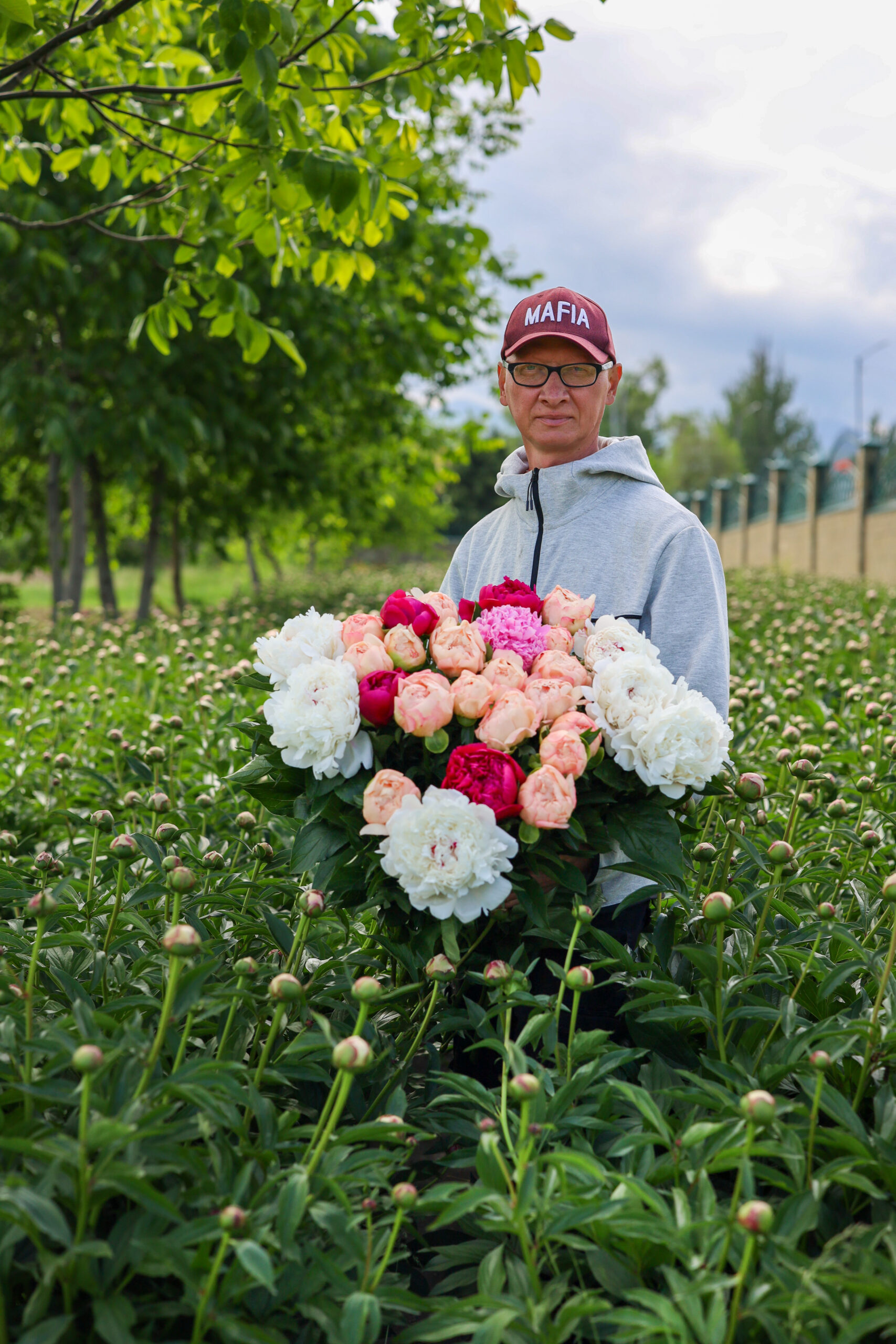
Petr Anokhin
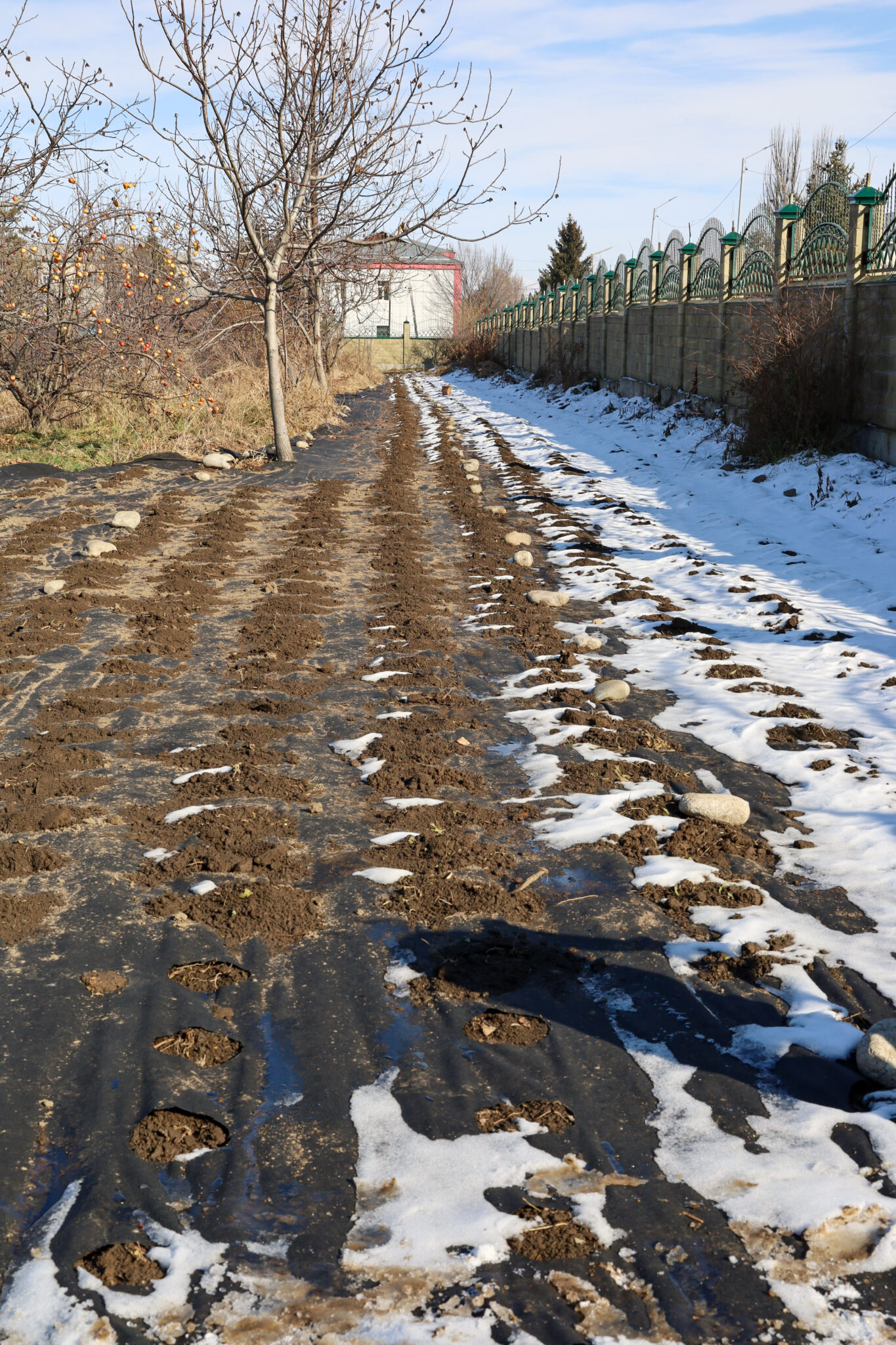
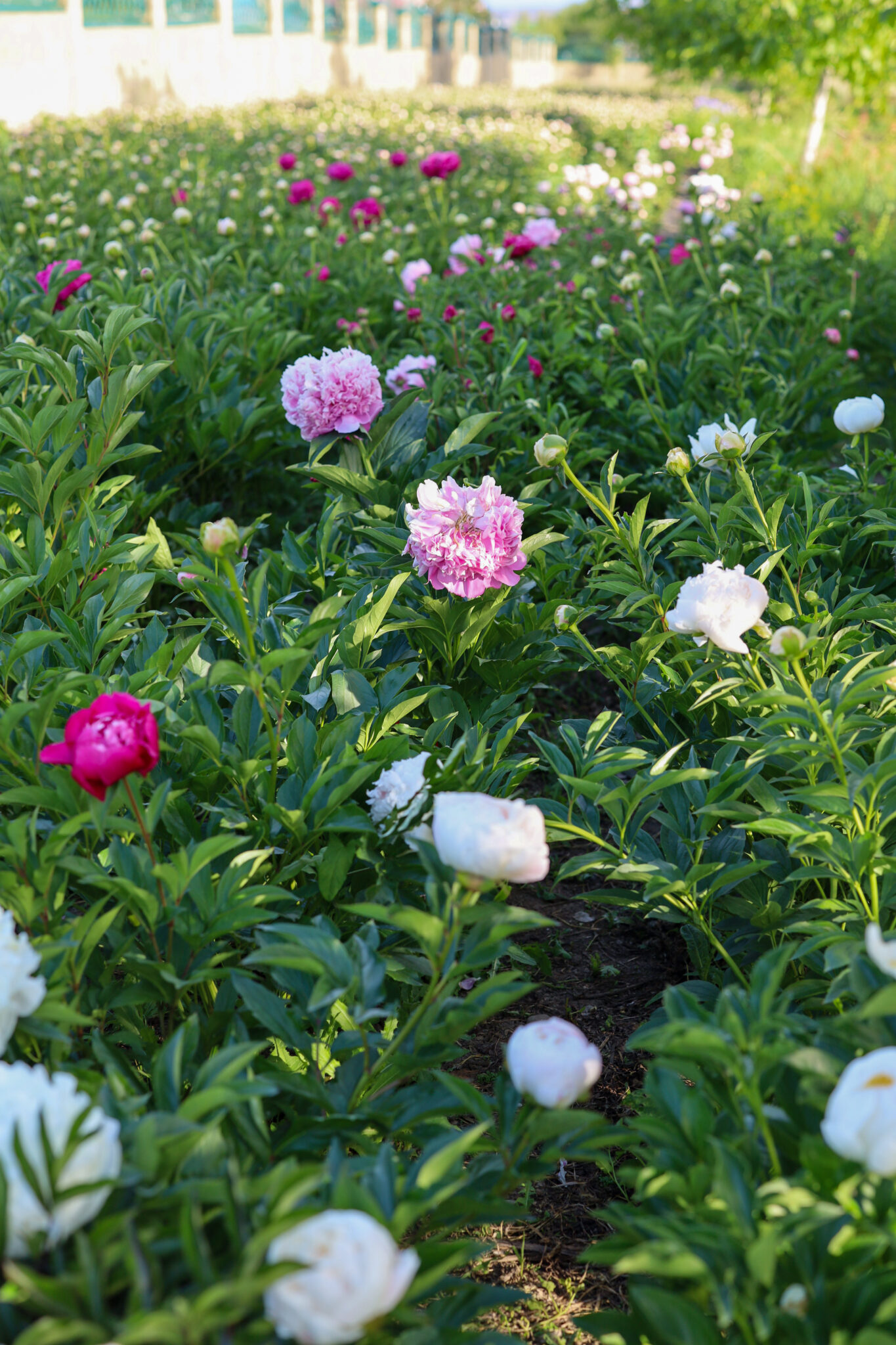
How did you first get involved in peony hybridizing?
I became interested in plant breeding at a very young age, already during my school years. At that time, I had many seedlings of gladiolus and dahlia, as well as hybrids of wild tulip species crossed with cultivated varieties. For many years, I could not clearly decide which plant group I wanted to focus on seriously and consistently in my breeding work.
Over time, and only about 15 years ago, I realized that peonies were the culture that suited me best. The reason was not only their ornamental value but also a practical consideration. During periods of study, work, and changes of residence, most seedlings of other crops died due to a lack of regular care, while the peonies survived. I knew they could live for many years and would wait until I was able to return to them.
During the last three years, alongside peony breeding, I have also become involved in delphinium hybridizing. I am currently working on introducing a wild delphinium species into cultivation that does not possess a tetraploid chromosome set, and I am trying to overcome this genetic limitation.
Regarding peonies, my earliest crosses were exclusively within Paeonia lactiflora. At present, much of my work is focused on hybrids, including those involving Paeonia officinalis ‘Rubra Plena’.
Do you mostly depend on open pollination or do you mostly make controlled crosses?
| 100% open | 50/50 | 100% controlled |
How large is your hybridizing program?
My hybridizing program is developing year by year. In the beginning, I sowed only a small number of seeds and obtained a limited selection of seedlings each season. In 2025, I sowed about 2,000 seeds. In the coming season, I plan to increase the scale several times.
Do you have any plants in the market?
At the moment, there is one cultivar from my breeding work that has already entered the market in the CIS (Commonwealth of Independent States) countries. It is held by well-known collectors in Russia and other CIS countries. This cultivar is the result of breeding work that I started about 15 years ago.
Do you know the American Peony Society (APS)? Are your plants registered there?
At the moment, my plants are not registered with the American Peony Society (APS). I consider registration with APS as a next step once I am fully ready to present a cultivar at the international level.
Can you describe a few of your plants that you consider the best or most beautiful and which are available now?
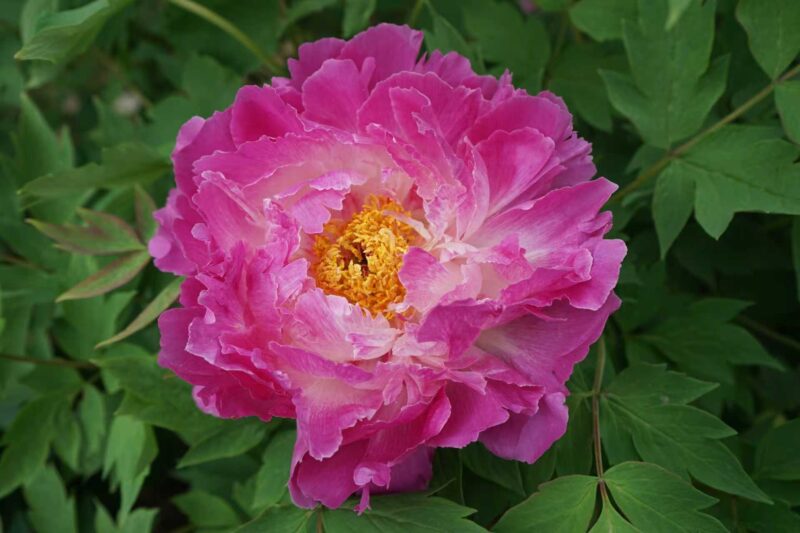
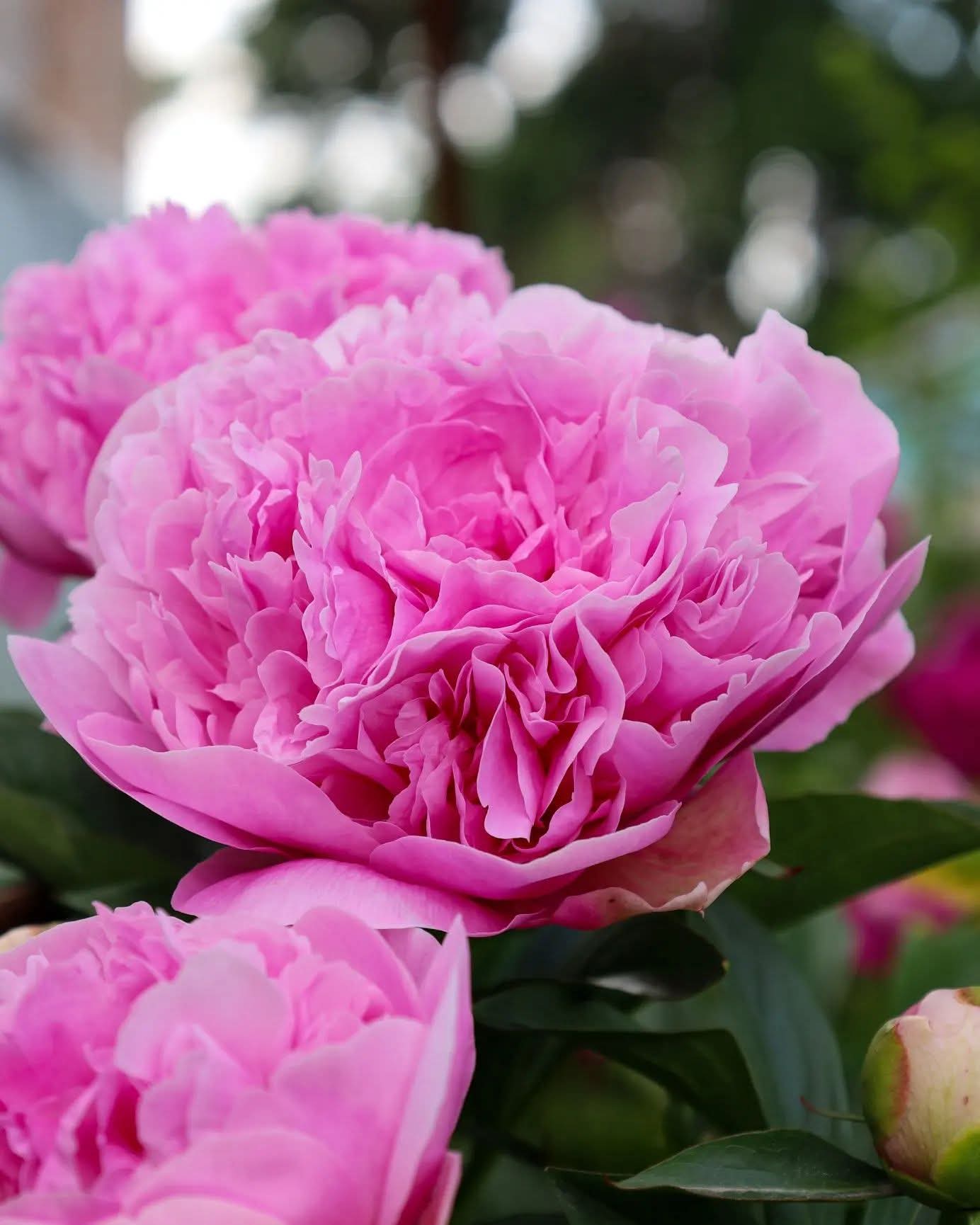
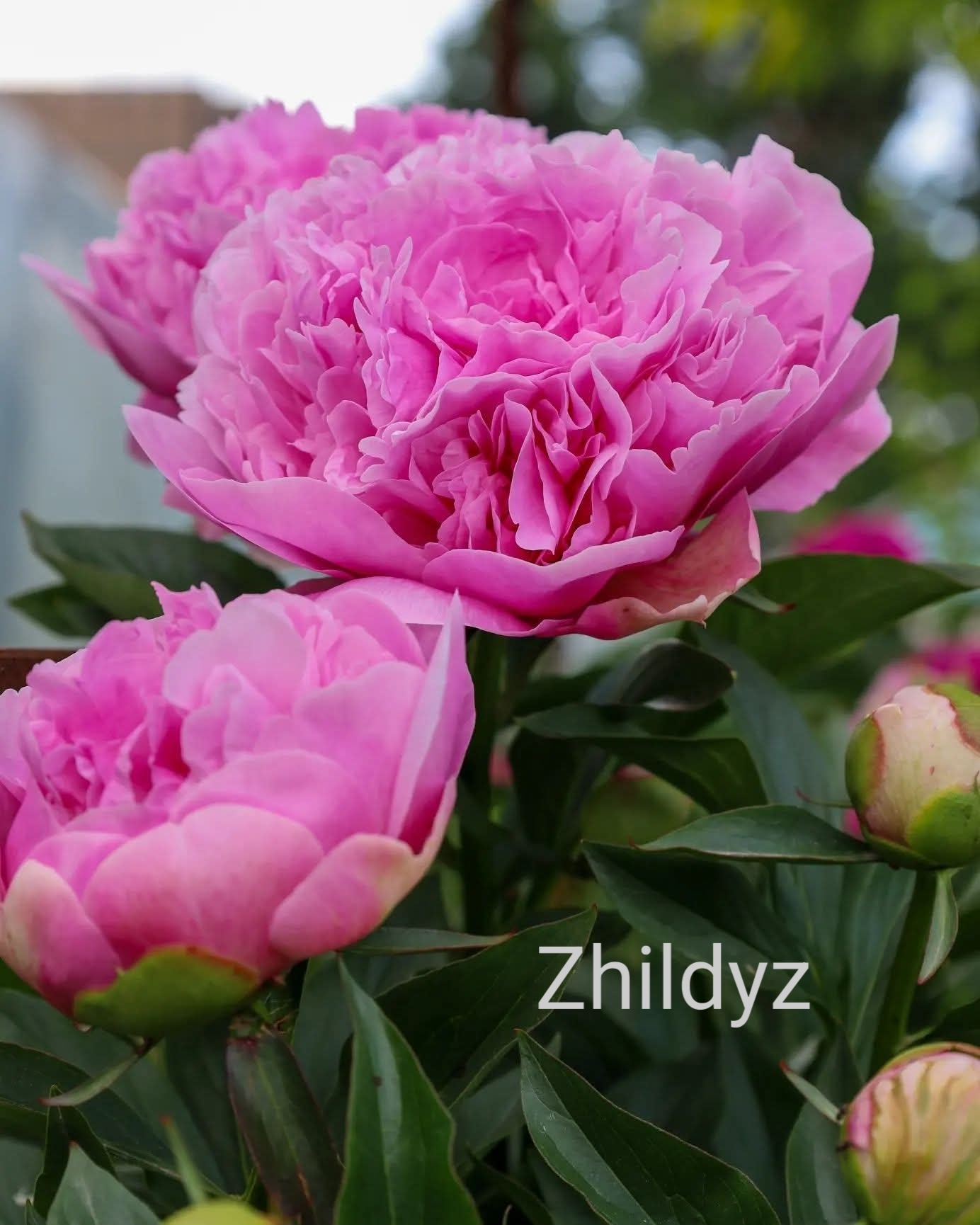
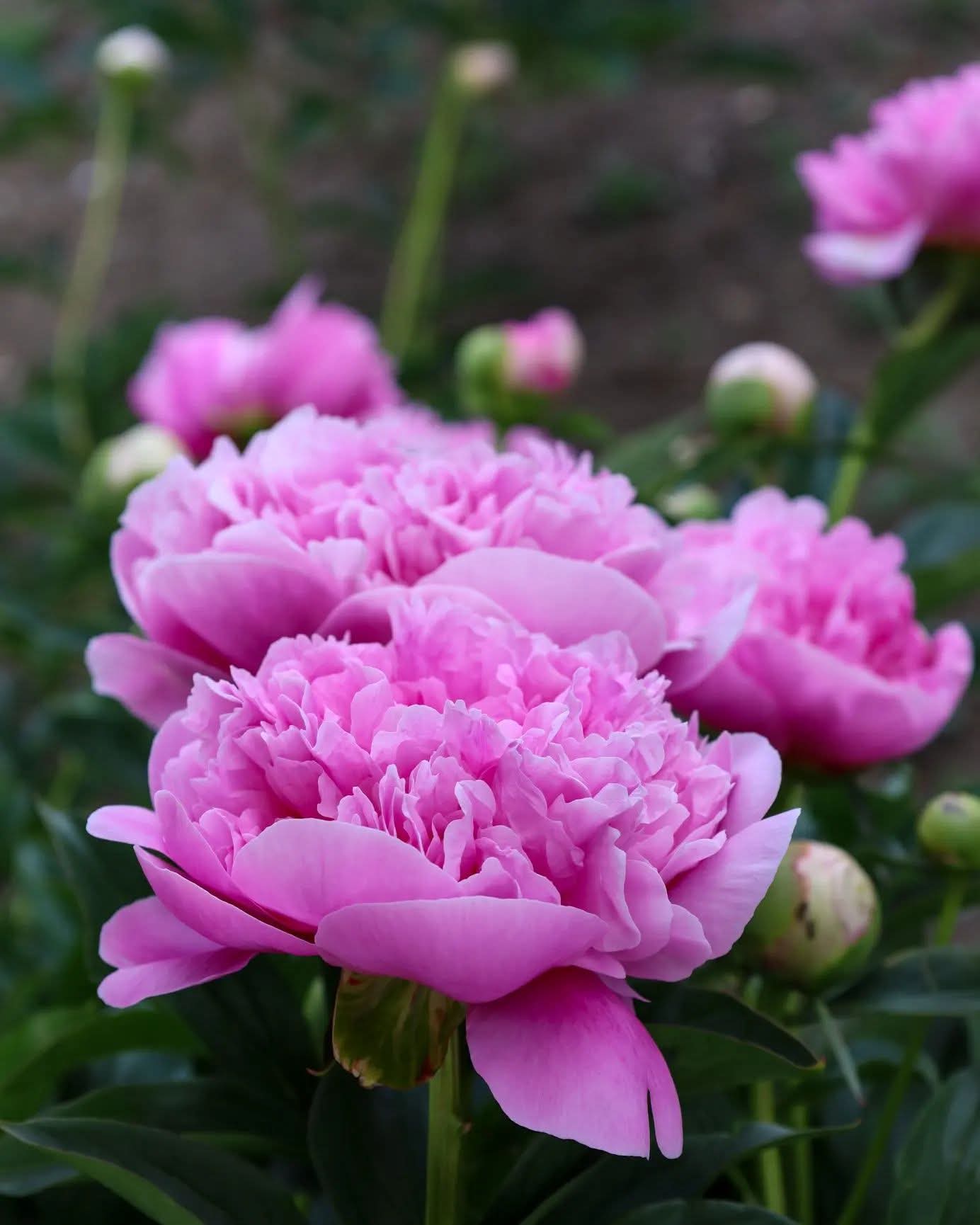
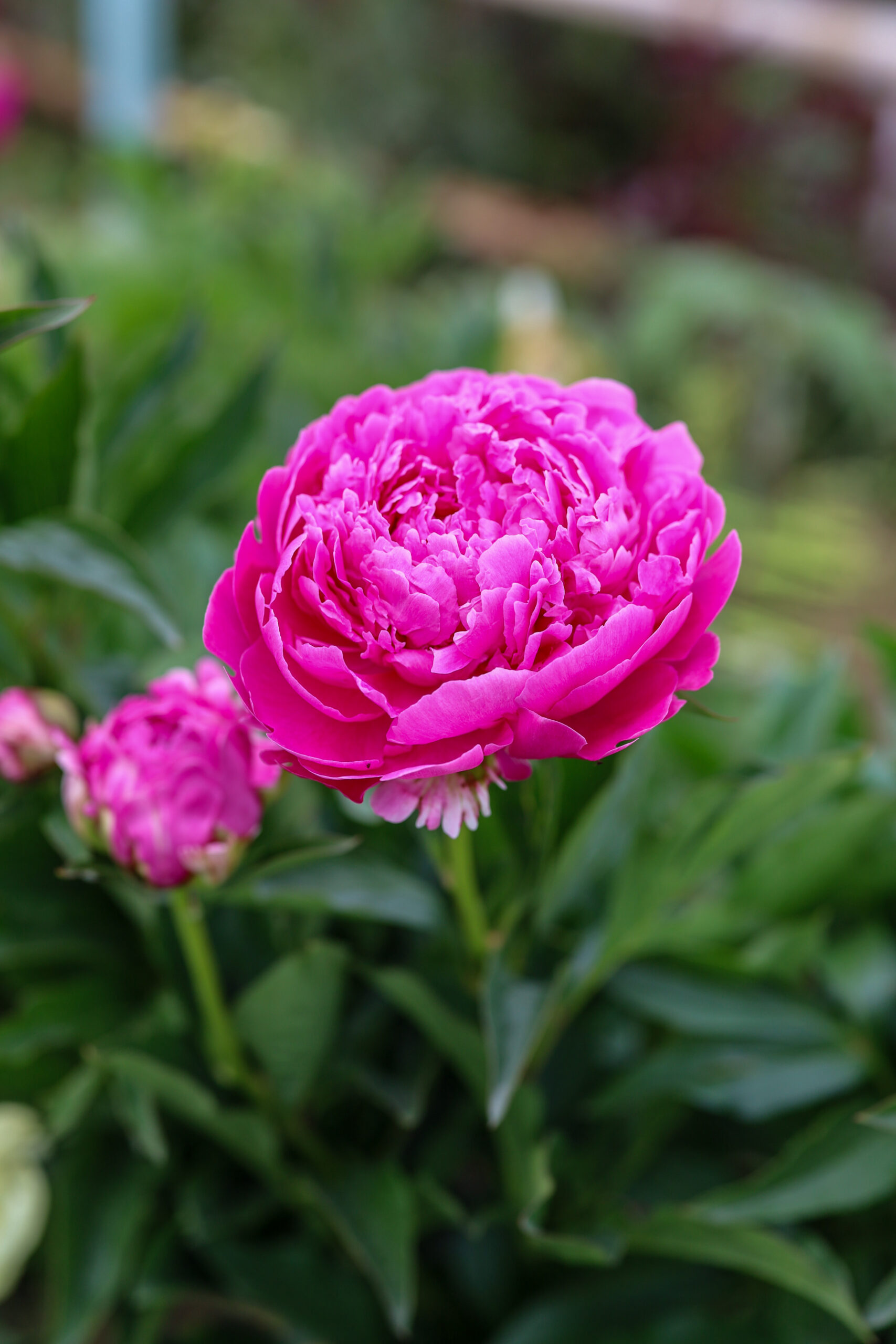
At the moment, only one cultivar from my breeding work is available on the market. I consider it the most complete and representative result of my many years of work. This peony is called Zhildyz, which means “star” in the Kyrgyz language. It is a Paeonia lactiflora cultivar. The cultivar Zhildyz is the result of a cross in which Primavera was used as the seed (maternal) parent, while an unnamed peony with a single flower form was used as the pollen parent. The plant is distinguished by a harmonious flower form, strong ornamental qualities, and stable traits, which allowed it to move beyond a private collection and become available to well-known collectors in Russia and other CIS countries.
The cultivar was bred and selected by Petr Anokhin together with Tatiana Anokhina.
The first flowering was recorded in 2020, and the first division was made in 2022.
Origin:
Seed parent — Primavera;
Pollen parent — an unnamed peony of simple form with a raspberry-red coloration.
The cultivar belongs to Paeonia lactiflora.
Description:
The flower is double, rose-type. The color is rich pink with soft tonal transitions: the center of the flower is deeper in tone, gradually lightening toward the edges of the petals. The overall coloration is clean and expressive.
Carpels are present, but not on all flowers; partial sterility is observed in some blooms. Stamens are absent. When used as a seed parent, the cultivar is capable of producing seeds.
Plant height is 80–90 cm. The bush is spreading and requires support during flowering. Stems are strong. Foliage is glossy, dark green. Flowering is abundant, with a mid-to-late flowering period. Fragrance is present and pleasant. The cultivar is disease-resistant and shows vigorous, fast growth.
The cultivar is poorly suited for cut-flower use: in a vase, the flowers shed petals noticeably faster than those of Sarah Bernhardt. It is recommended primarily for landscape and garden use.
The cultivar was selected by the author together with his mother. It was preserved in the collection specifically thanks to her choice — she was especially attracted by the flower color, which she described as pink with a slight “silvery” or “greyed” tone. In her opinion, this peony definitely deserved to be kept. Later, the cultivar was maintained by the author in memory of his mother and continues to be grown in his garden.
Within your current seedlings, what are the most promising ones?
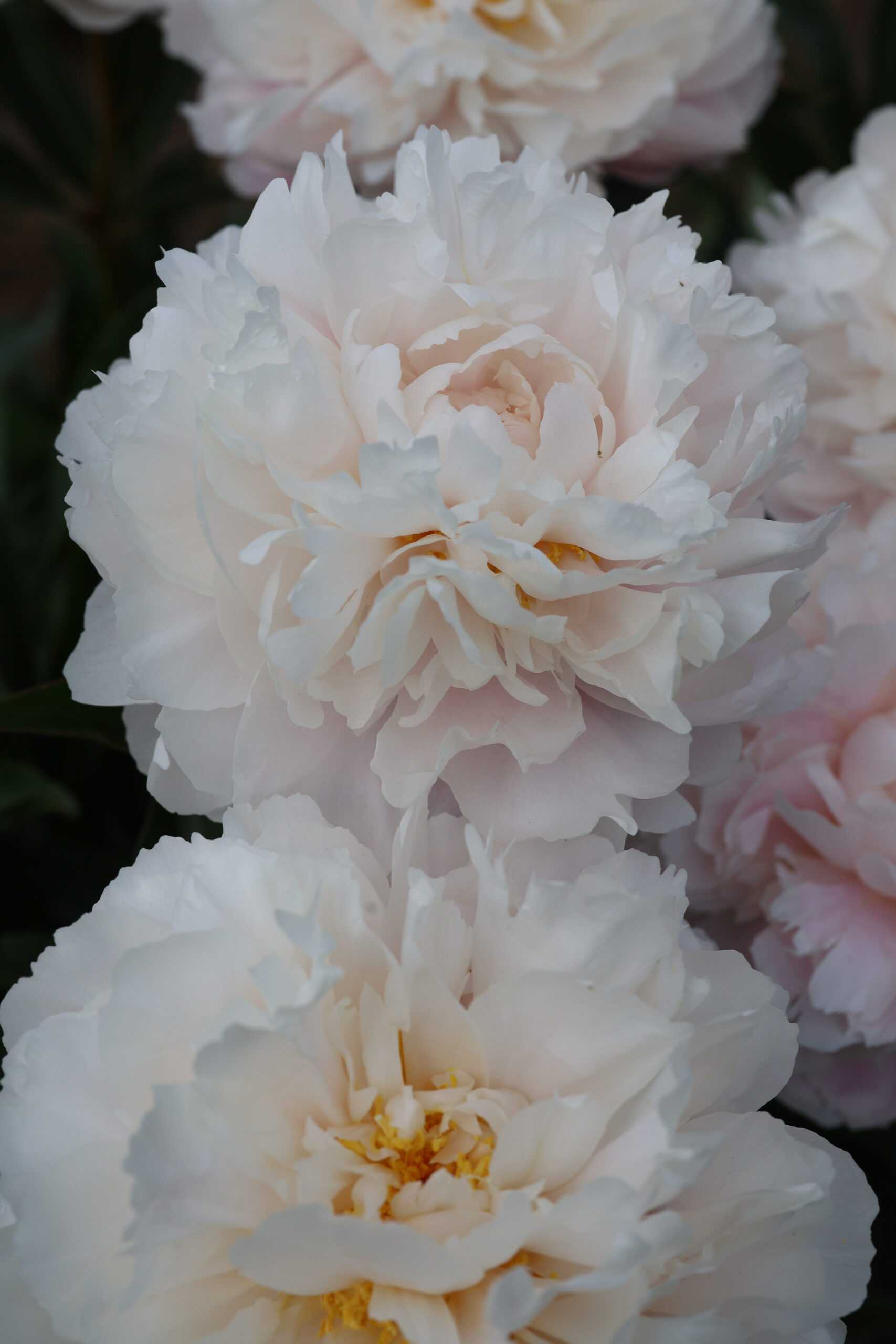
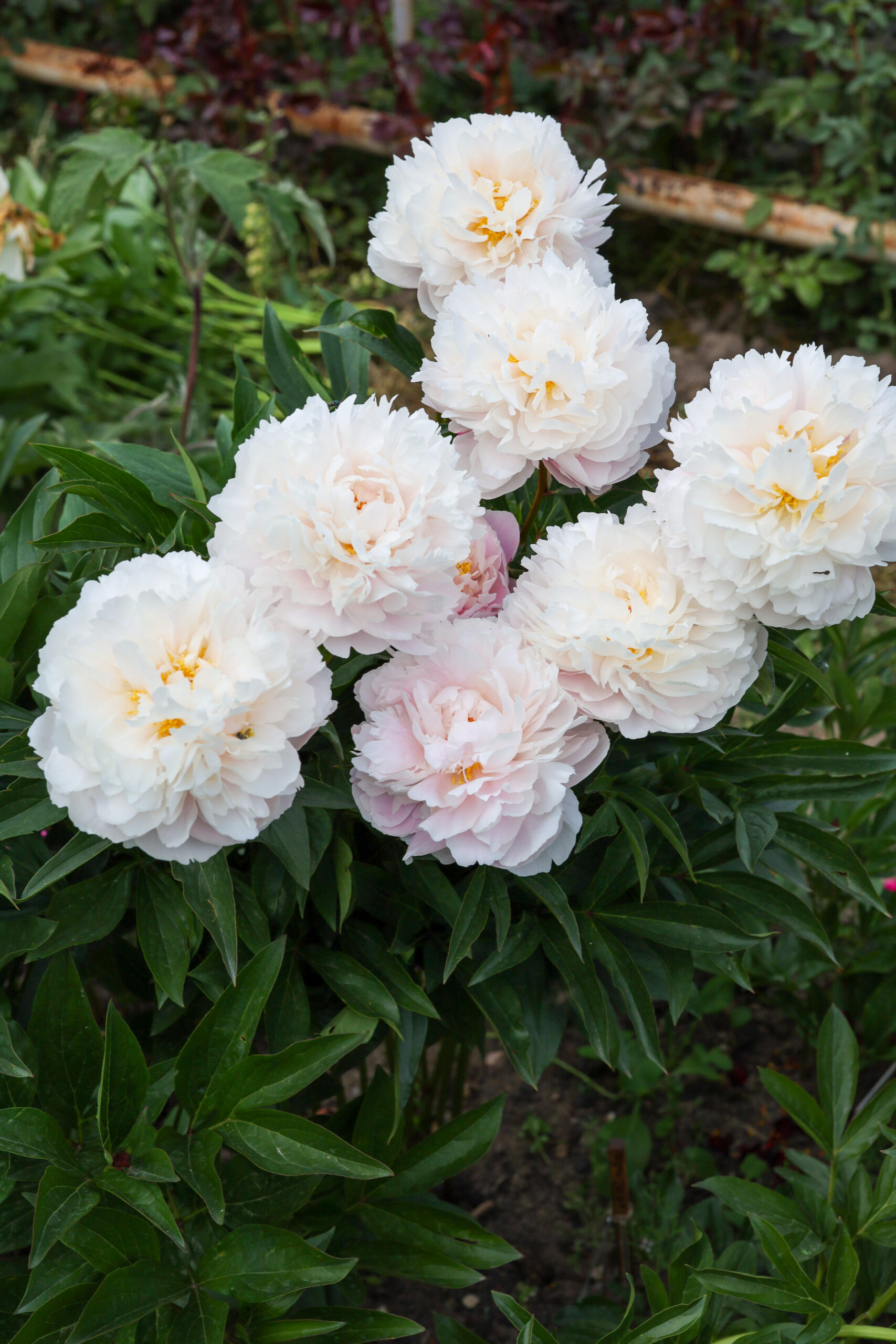
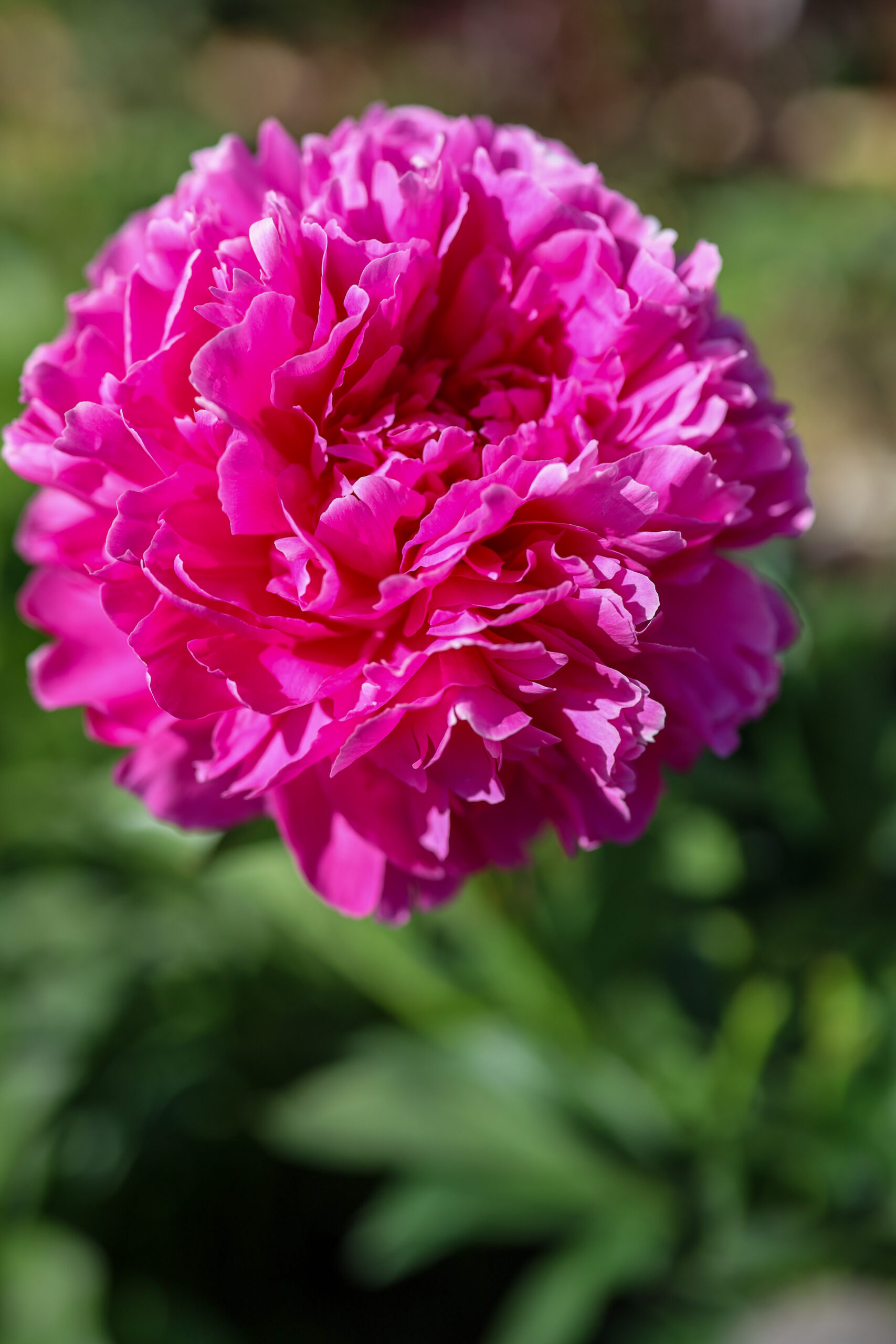
In addition to this cultivar Zhildiz, my collection includes several very promising seedlings that I consider equally interesting in terms of beauty and potential. However, they are still under observation and evaluation and have not yet been released to the market.
Are you in contact or working together with other peony hybridizers?
Yes, I am in contact with other peony hybridizers and collectors, mainly from Russia and the CIS countries. Our interactions usually involve exchanging experience, observations, discussions about cultivars and breeding directions, as well as occasional private exchanges of plant material within collections.
I am very open to expanding my professional network and would be interested in being in contact with more peony hybridizers from other countries. I consider the exchange of knowledge and experience to be an important part of breeding development.
Would you like to exchange ‘hybridizers plants’ with other hybridizers?
Phytosanitary regulations strongly complicate the exchange of plant material. Nevertheless, as a gardener and hybridizer, I am open to exchanges and to enriching my collection, especially within a professional context and with full respect for all required regulations.
Under such circumstances, pollen exchange can be a more realistic and convenient option for cooperation and continued breeding work.
Name a few peony varieties from other hybridizers which you especially like?
I especially like the Simmons cultivar “Eternal Love”, which truly captivated me with its rich and expressive fragrance.
More recently, another peony from his breeding has become a real gem in my collection — “Star of Wonders.” This cultivar attracts me by its combination of ornamental quality and plant character, and I consider it a very successful piece of breeding work.
Final question. Any remarks or suggestions you may have…
I would welcome more educational content and exchange of practical experience among hybridizers, especially regarding hybridization, genetics, and long-term selection. This would help strengthen connections between professionals and enthusiasts worldwide.
Updates:
Jan 19th: additional information about cultivar Zhildiz
E-mail of this person is known to the author. If you want to contact this hybridizer, we can forward your message.