Marina Balassis
Country:
Russia
Short biography:
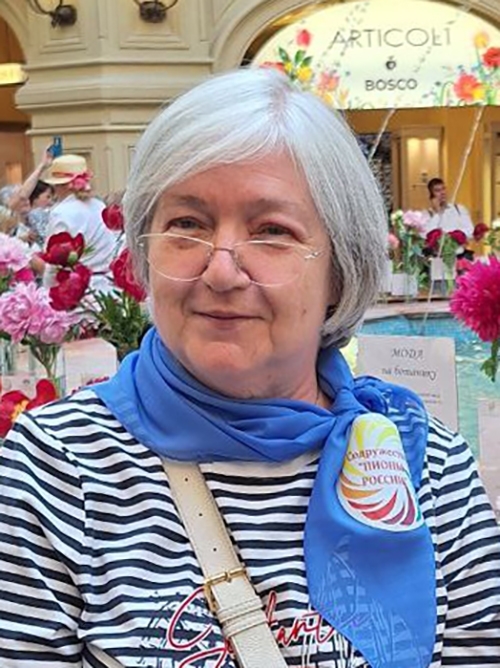
I live in Moscow and have some land where I grow peonies.
I’m 67 years old and a widow. I’m an artist, designer, and illustrator by profession. I’m also a photographer, and my education allows me to appreciate the beauty in photographs and create it myself.
I’m retired now, but I work occasionally when I have interesting offers.
I’ve loved peonies since birth; our summer house was surrounded by blooming peonies.
More information:
I maintain a social media page specifically to promote my collection of peonies and seedlings. I don’t have a website yet, and I don’t see the need for one.
Peony hybridizers series
-

- Marina Balassis
Marina Balassis


How did you first get involved in peony hybridizing?
The first seedling was discovered by accident in 2009. This led me to the idea of sowing peony seeds myself. And since I don’t have endless fields, just a small plot of land, I wisely decided to take pollination into my own hands rather than leave it to the bees.
Probably, like any beginning hybridizer, the first seedlings didn’t evoke much sympathy. Gradually, I learned to select parent pairs for crossing. It’s very important to have logic and intuition in your actions, and not follow impulsive decisions.
Peony seedlings develop slowly, and the results of crossbreeding are only visible 5-6 years after sowing the seeds. This is too long a wait; I don’t want to see a shaggy, unevenly colored flower. Therefore, you need to be a sharp shooter when it comes to crossbreeding.
Theoretical preparation is essential. I read a lot of books and articles on peony hybridization, both in Russian and foreign languages. Almost all information is available online these days, but sometimes, for rare knowledge, I need to visit specialized libraries and hold a printed book in my hands.
What was the starting material for your hybridizing?
Currently, my peony collection includes over 1,400 varieties from Russian, European, and American breeders. Over time, I’ve accumulated a number of species of peonies. This allows me to choose the parents for my seedlings.
With experience, I understand which specific varieties I need to purchase for hybridization. I need a certain color shade, a certain flower shape, a certain bush height. Now I purchase only those varieties that I know I’ll use for pollination.
What are your goals in hybridizing peonies?
My breeding priority, as it turns out, is hybrids. There are some lactiflora seedlings, but not many. Hybrids, in my opinion, offer a wider range of colors and flower shapes.
To achieve a greater variety of shapes and shades, I’ve begun hybridizing triploids, as well as using species peonies when crossing them with cultivars. This is a long-term program, until I’ve obtained intermediate results, which I’ll continue to work with.
Tree peonies are currently outside my interests, but perhaps that’s all for the future…
Do you mostly depend on open pollination or do you mostly make controlled crosses?
| 100% open | 50/50 | 100% controlled |
How large is your hybridizing program?
I haven’t counted how many seedlings I’ve sown so far. There are many. After the seedlings bloom and the most beautiful ones are selected, about 10% of the sowing remains. From the remaining ones, the most interesting ones are selected.
As a result, only a few promising seedlings remain.
Can you describe a few of your plants that you consider the best or most beautiful and which are available now?
-

- Галина Дьякова – Galina Dyakova (Balassis)

-
- Галина Дьякова – Galina Dyakova (Balassis)
-

- Галина Дьякова – Galina Dyakova (Balassis)

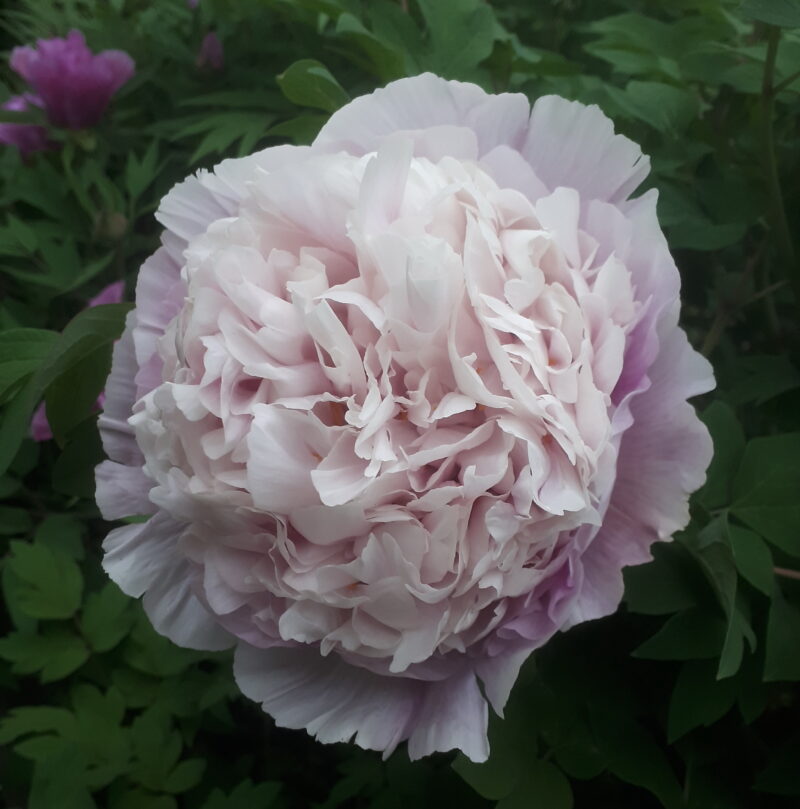
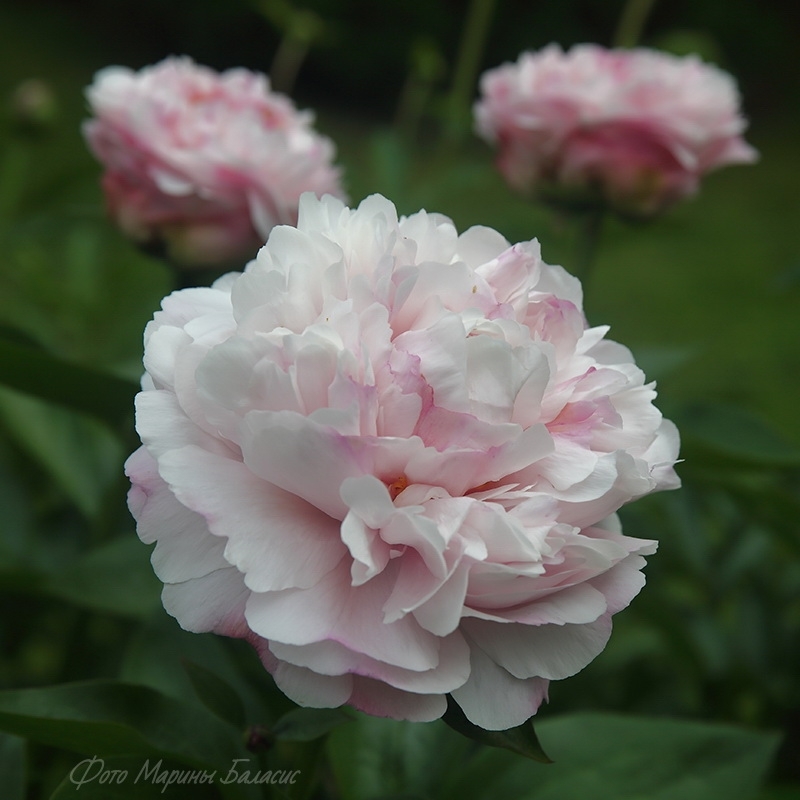
Галина Дьякова – Galina Dyakova (Balassis, 2025). Seedling BPMG15-3. It was named “Galina Dyakova” in honor of Galina Mikhailovna Dyakova, curator of the peony collection at the Main Botanical Garden of the Russian Academy of Sciences, as a gift for her 80th birthday. Galina Mikhailovna curated the collection for over 40 years; she is now retired. The parents are Blushing Princess x Mary Gretchen, a hybrid. Blooms early. The height of the bush is comparable to the parent variety. It grows slowly. There are side buds, but not on every stem. While the central flower is well developed, the side buds are less double. Fertile in both directions.
-
- Бенгальский Огонь – Bengal Fire (Balassis) 01

-
- Бенгальский Огонь – Bengal Fire (Balassis) 01

-

- Бенгальский Огонь – Bengal Fire (Balassis) 01

Бенгальский Огонь – Bengal Fire (Balassis). This is my first seedling with a Japanese flower shape. Parents: Karen Gray x Lemon Chiffon
-
- Белое Солнце – Beloye Solntse (White Sun) (Balassis)

-
- Белое Солнце – Beloye Solntse (White Sun) (Balassis)

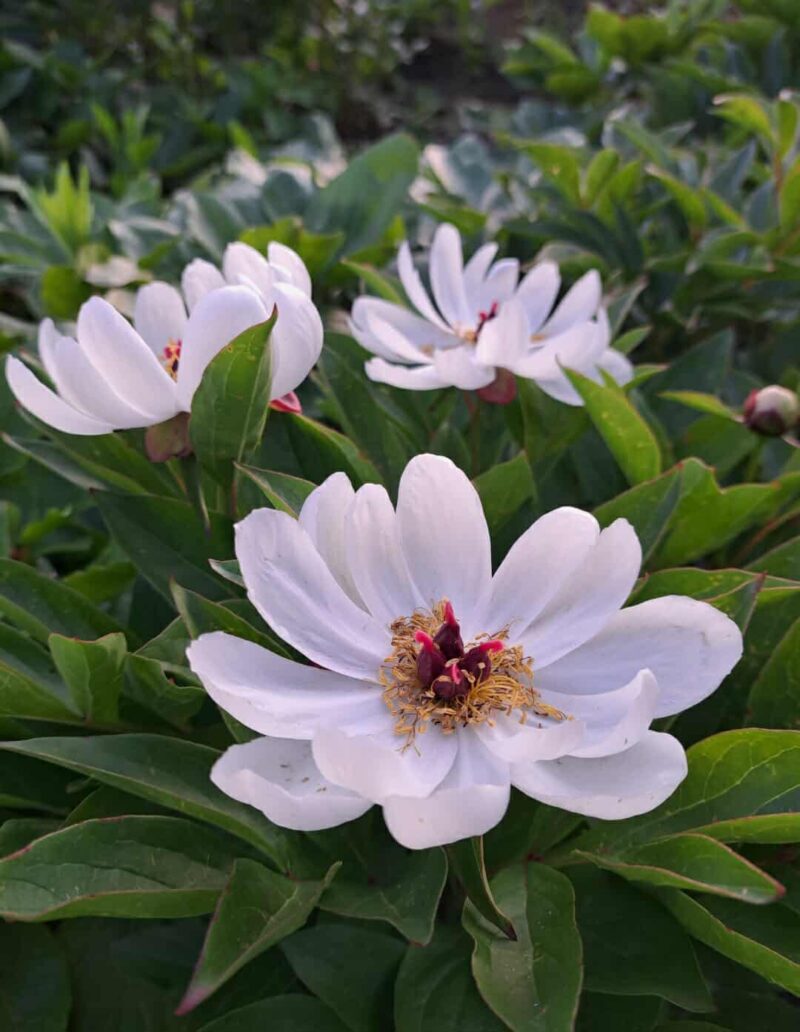
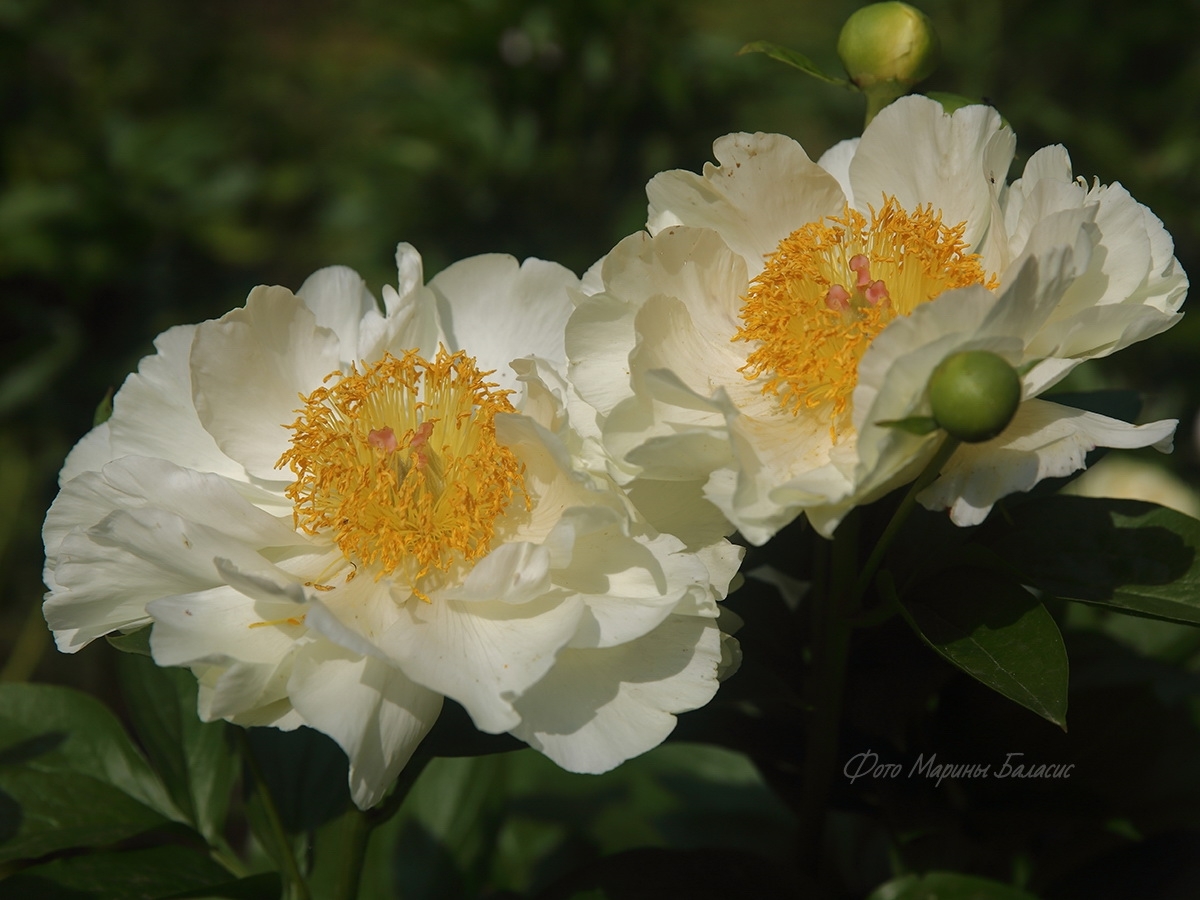
Белое Солнце – Beloye Solntse (White Sun) (Balassis). This is seedling SRLC18-3. From Southrepps x Lemon Chiffon. This particular seedling received the garden name “White Sun.” I don’t think it will change. It’s just that once a name sticks, it’s hard to change.
The flower is flat and double. The center is almost entirely filled with narrow petals with pointed tips. There are some red markings, but they’re few. The color is pale yellow, almost white, becoming more intense as it opens and quickly lightens. I was surprised that, despite having a fairly large number of stamens, it has no female reproductive organs at all.
-
- Вересковый Мед – Vereskovyy Med (Heather Honey) (Balassis)
-
- Вересковый Мед – Vereskovyy Med (Heather Honey) (Balassis)

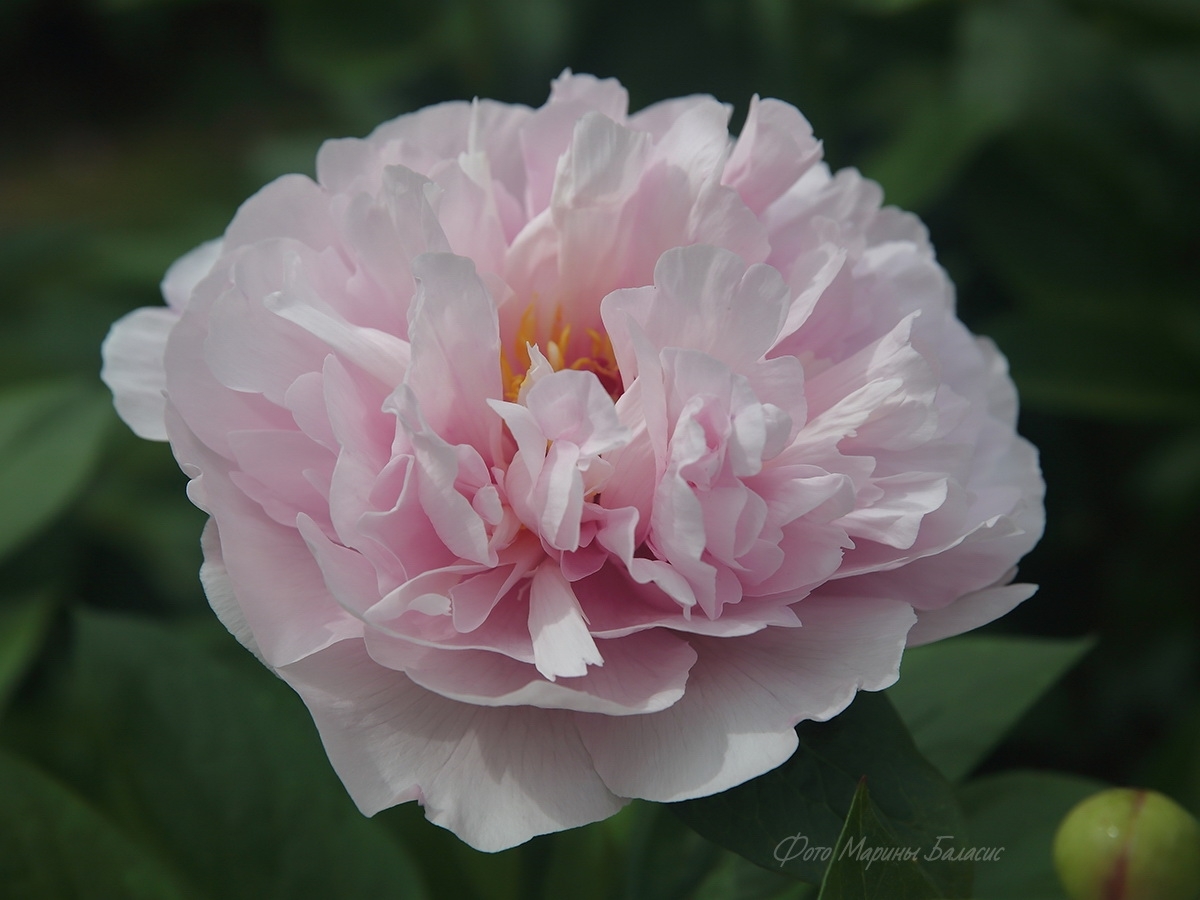
Вересковый Мед – Vereskovyy Med (Heather Honey) (Balassis). Seedling PVY158-15-1. Parents: Pink Vanguard x Y158. This is essentially a replica of the mother variety, but slightly different. It seems to be more double-flowered, the color is brighter, and the hue is cooler.
The height of the bush also mirrors the mother variety, with strong stems and good foliage. It’s fertile, which encourages further cultivation, considering its parents. Naming it was difficult. It must have sensed my hesitation and didn’t respond. But the name eventually caught up with it. Remember Lyubov Fedorovna Golubitskaya, a wonderful florist, a woman of amazing strength of spirit, a beauty, and an intellectual? We were friends, if you can call our floral communication friendship; we corresponded and called. She cultivated various flower crops, including phlox. We once visited her garden, drank tea in her kitchen, and had long conversations about flowers, about life, about life in flowers… I then acquired a phlox seedling of hers, named “Heather Honey.” I kept it for a long time, but one winter, it didn’t bloom. I was terribly upset. I can’t even imagine who else might have it to make up for its loss. In memory of Lyubov Fedorovna and her phlox, I named my seedling “Heather Honey.” It’s a sad ballad in which the secret of heather honey is never revealed. I don’t agree with such a sad ending, but the times depicted in the ballad were cruel, and perhaps preserving the secret at the cost of one’s life was justified. The main thing is that the seedling agreed with me, easily accepted its name “Heather Honey.”
-
- Тетя Вера – Aunt Vera (Balassis)
-
- Тетя Вера – Aunt Vera (Balassis)
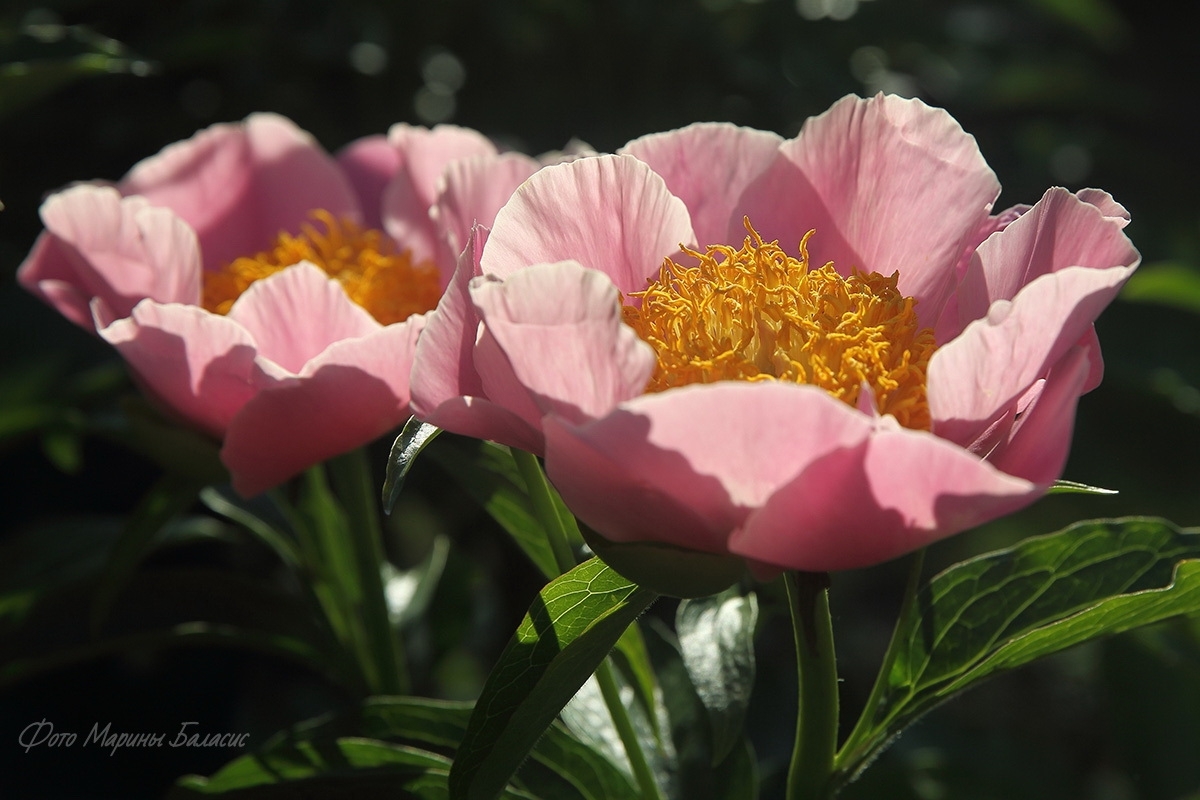
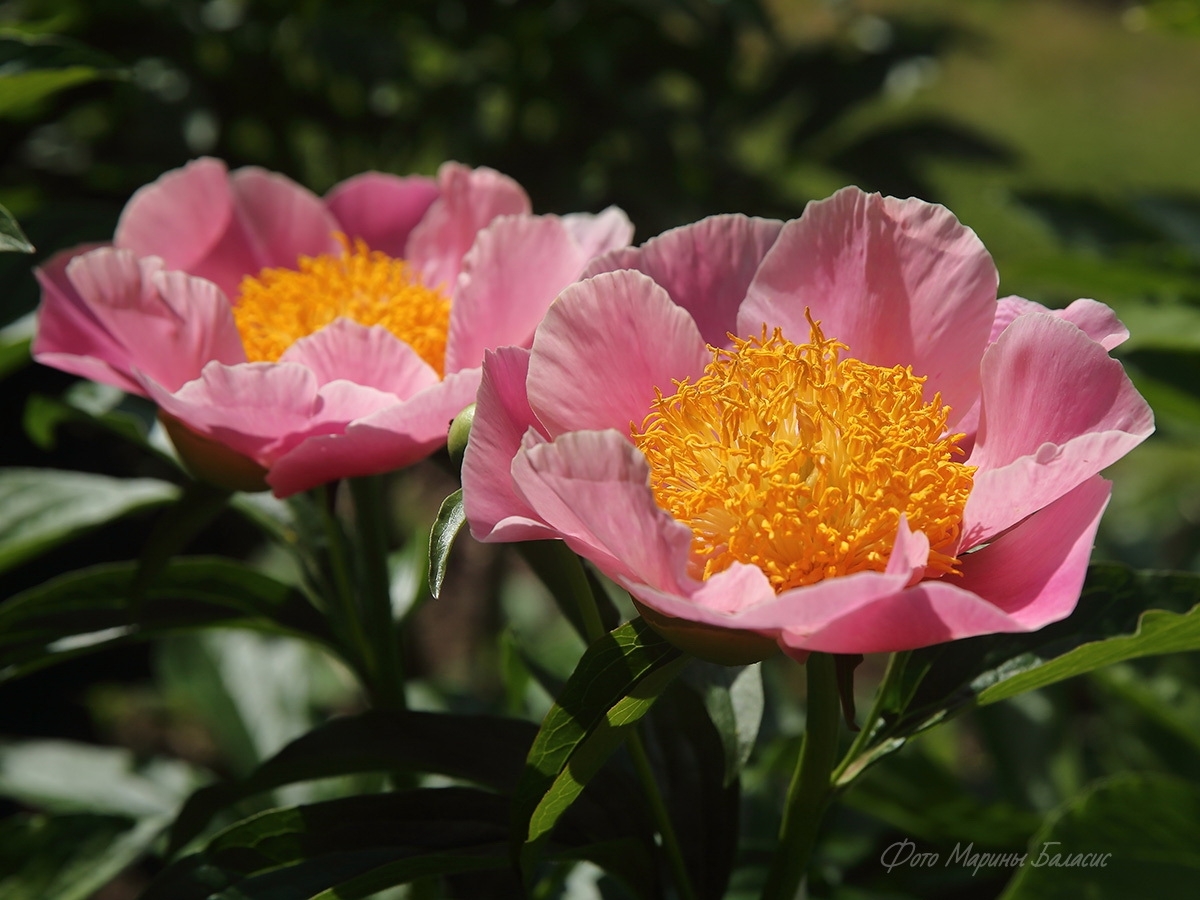
Тетя Вера – Aunt Vera (Balassis) GDxU158 15-3. Not far removed from the mother, Gedenken. The flower is slightly larger, at first glance; I didn’t measure it. Otherwise, it’s very similar. It fades beautifully, which seems to prolong its decorative effect.
-
- Альфред Шнитке – Alfred Schnittke (Balassis)

-
- Альфред Шнитке – Alfred Schnittke (Balassis)

-
- Альфред Шнитке – Alfred Schnittke (Balassis)

Альфред Шнитке – Alfred Schnittke (Balassis). Schnittke was the first thing that popped into my head when I saw the blooming flower.
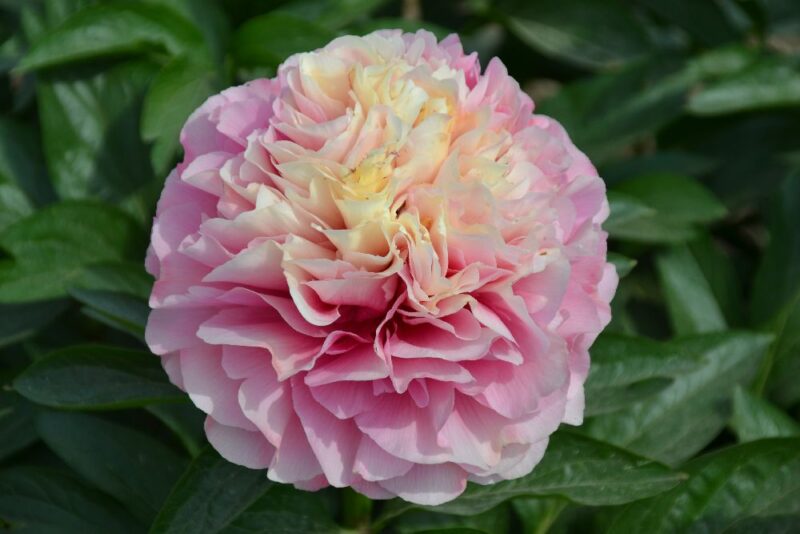
Seedling KTLC18-1. Later, I looked at it this way and that, trying to find another name, but nothing seemed right. This name seemed to stick forever. “Let it be as you wish,” I told the flower. Alfred Schnittke was a brilliant composer, and the seedling is as shaggy, in a sense avant-garde, as his music. The parents are Kathy’s Touch x Lemon Chiffon. The flower is medium-sized, not gigantic, with petals arranged somewhat haphazardly in the center. The color is more difficult to describe; it’s a bright, dark pink. It brightens noticeably toward the end of flowering. The bush is medium-sized, like its parents, and has good foliage.
Overall, I liked everything, even the shagginess. With age, the flower will become denser. And the narrow petals in the center will give it its own charm, like Schnittke’s music, which is for very advanced amateurs… 😂 Alfred Schnittke (Balassis-Chernova, 2025)
-
- Верея – Vereya (Balassis)
-
- Верея – Vereya (Balassis)
-
- Верея – Vereya (Balassis)

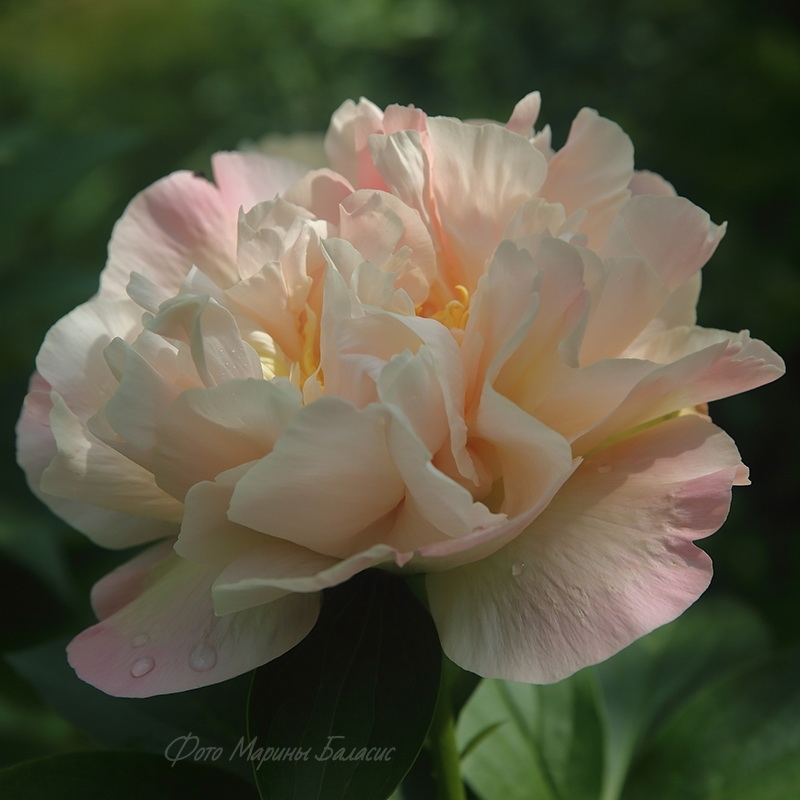
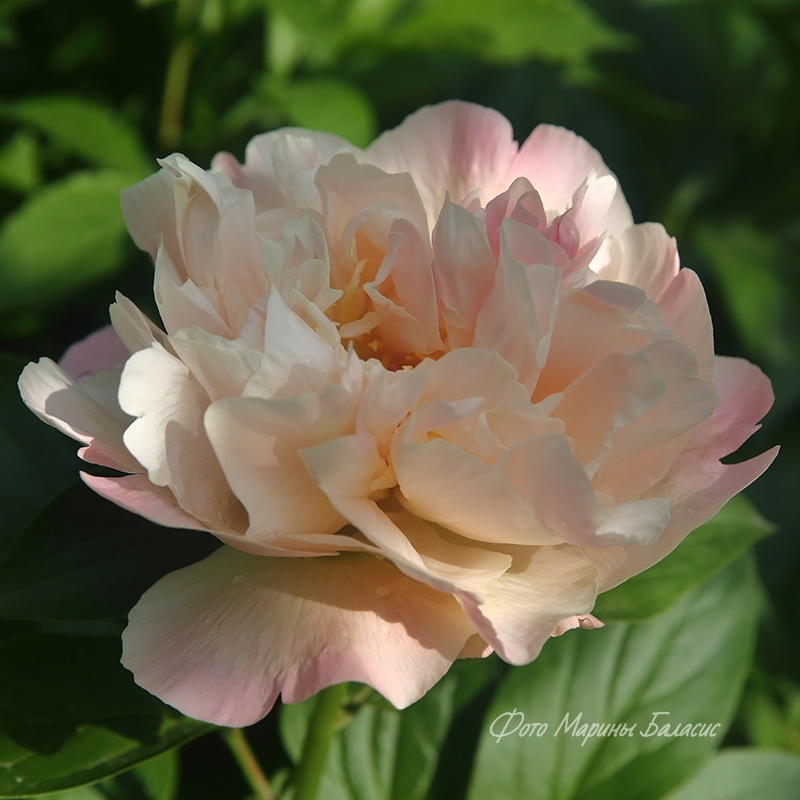
Верея – Vereya (Balassis). Seedling SRFD18-1. As soon as I saw it open, the name popped into my head – “Vereya.” It doesn’t honor the city or the river. It honors the ancient architectural structures, of which only a few remain today, whose purpose was to spread beauty and grace. Almost all of them were torn down during the turbulent years of history. Those that survived were rebuilt and repurposed as churches. But even now, when almost nothing remains of their original energy, looking at such structures brings a feeling of awe to the soul. Parents of the seedling: Southrepps x Faithful Dream. The height of the bush is comparable to the mother variety. The leaves and habit of the bush also resemble the mother. The flowers are large, up to 18 cm. The petals are thick, like parchment paper, velvety, wide, and slightly wavy. Right now it’s showing its center, but given its first bloom, it will become more double with time. Also, given our challenging high-risk farming zone, peonies grown here with good characteristics will perform excellently in more southern regions. And they won’t disgrace themselves in northern regions either. The color is creamy pink with peachy undertones. The shadows on the petals are also a result of May frosts. The bloom period is mid-early.
-
- Адьютант – Adjutant (Balassis)

-
- Адьютант – Adjutant (Balassis)

Адьютант – Adjutant (Balassis).
-
- Филиппок – Philipok (Balassis)

-
- Филиппок – Philipok (Balassis)

-
- Филиппок – Philipok (Balassis)

Филиппок – Philipok (Balassis). Seedling JCLC14-1. Named “Philipok” This is a triploid hybrid, the parents being Jeanne Cayeux x Lemon Chiffon.
-
- Погодинка – Pogodinka (Balassis)

-
- Погодинка – Pogodinka (Balassis)
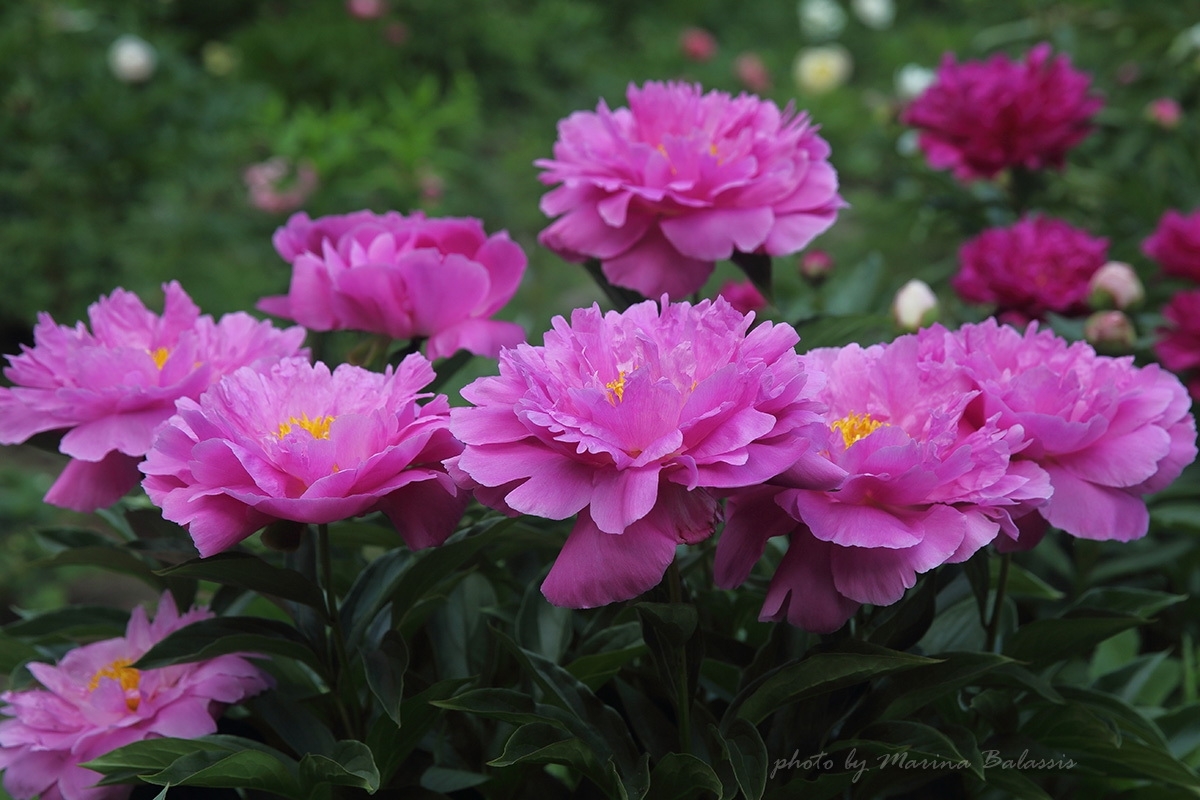
Погодинка – Pogodinka (Balassis). A lactiflora seedling, which has already received the garden name “Pogodinka” and will definitely stay that way. Parents: Rare China x Clown. Named after Pogodinskaya Street, where I was born.
-
- Отличница – Otlichnitsa (Excellent student) (Balassis)

-
- Отличница – Otlichnitsa (Excellent student) (Balassis)

Отличница – Otlichnitsa (Excellent student) (Balassis). Seedling Y158GC17-1. Parentage: Y158 x Good Cheer. Just looking at the flower, it’s hard to guess its origin. However, the flower shape is clearly related to Good Cheer: cup-shaped, but with several rows of petals, and it remains this way throughout flowering, almost never fully opening. The flower is not large and neat. The color changes in sun and shade, but this is a characteristic of many rose plants. In cloudy weather, the shade is cool, and in sunny weather, it’s warm. The bush is short. This isn’t an exact measurement; division can change the height. Most likely, the height was influenced by the P. officinalis genes present in Good Cheer; they would have been better if they had influenced the doubleness of the flower 😊 Although, it’s still good. Fertile, I had seeds. I just need to check the pollen.
-
- Иосиф Сталин – Joseph Stalin (Balassis)

-
- Иосиф Сталин – Joseph Stalin (Balassis)

-
- Иосиф Сталин – Joseph Stalin (Balassis)

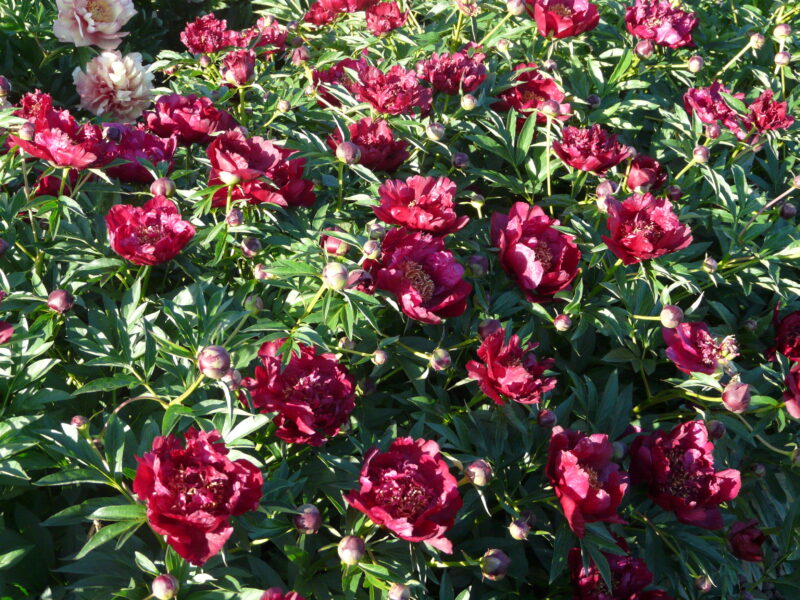
Иосиф Сталин – Joseph Stalin (Balassis). It’s of average height, a refined dark cherry color, and the flower shape is classic rose-shaped. The color lasts throughout bloom, and the petals don’t spoil in the rain.
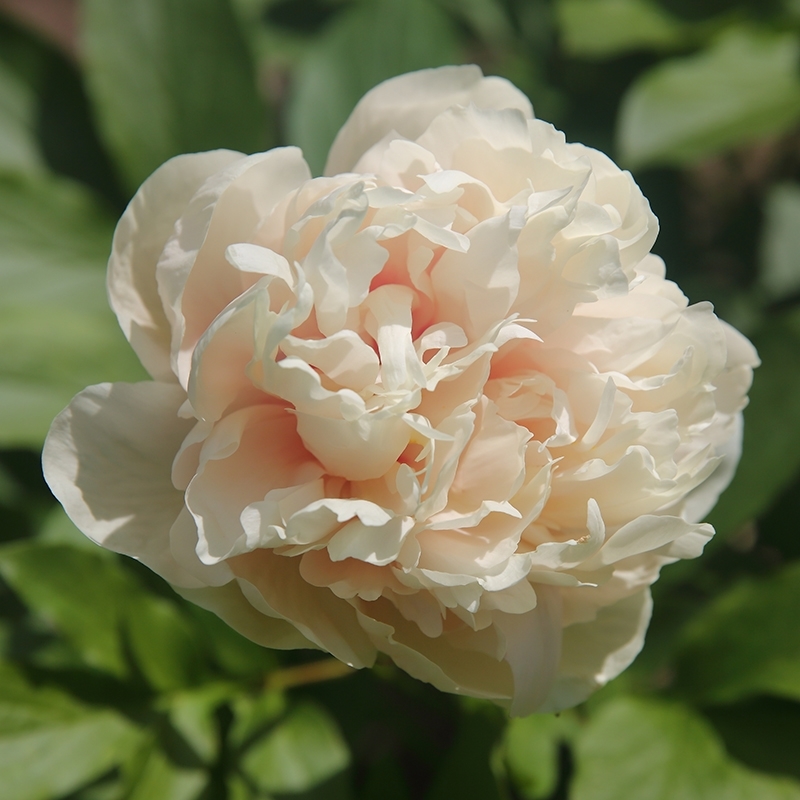
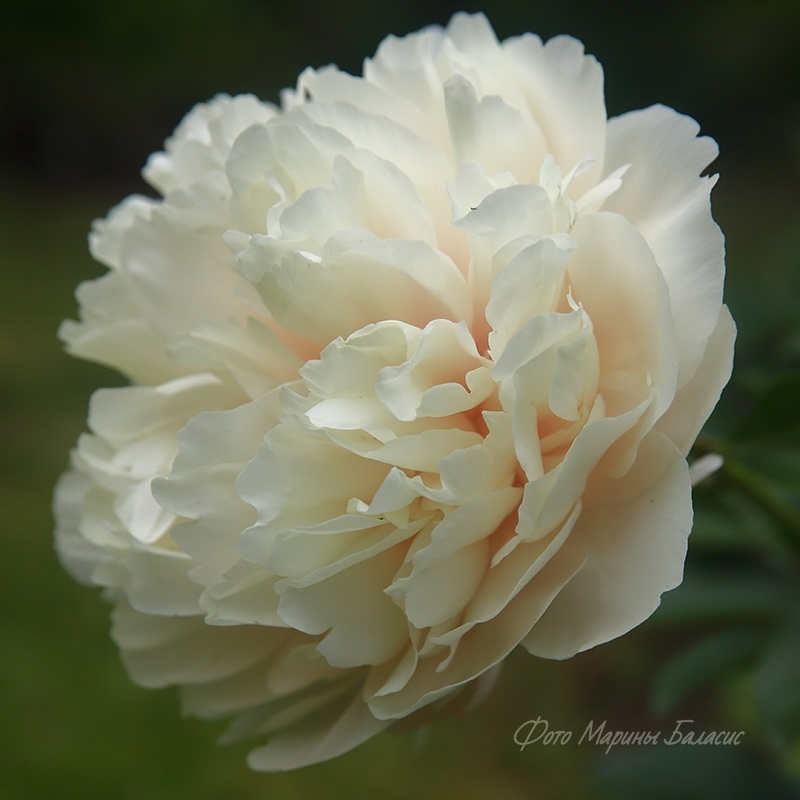
Within your current seedlings, what are the most promising ones?






Are you in contact or working together with other peony hybridizers?
For me personally, exchanging pollen with other breeders is not relevant, since my own collection of peony varieties allows me to not worry about searching for the right pollen.
I share interesting results of my breeding work on my social media page.
I actively communicate with other breeders, and we discuss many interesting topics related to peonies. We’ve formed the “Peonies of Russia” Society. We hold breeding seminars and give lectures.
Final question. Any remarks or suggestions you may have…
My passion for peonies, as I see it, is one of the most interesting periods of my life.
E-mail of this person is known to the author. If you want to contact this hybridizer, we can forward your message.