Yong Yang
Country:
Mr. Yong lives and works in China
Short biography:
I am 35 years old, married, and I have a three-year-old son. I work at the Chinese National Botanical Garden, where my main responsibilities involve the conservation of wild plants and plant breeding, with a particular focus on the genus Paeonia.
More information:
Peony hybridizers series
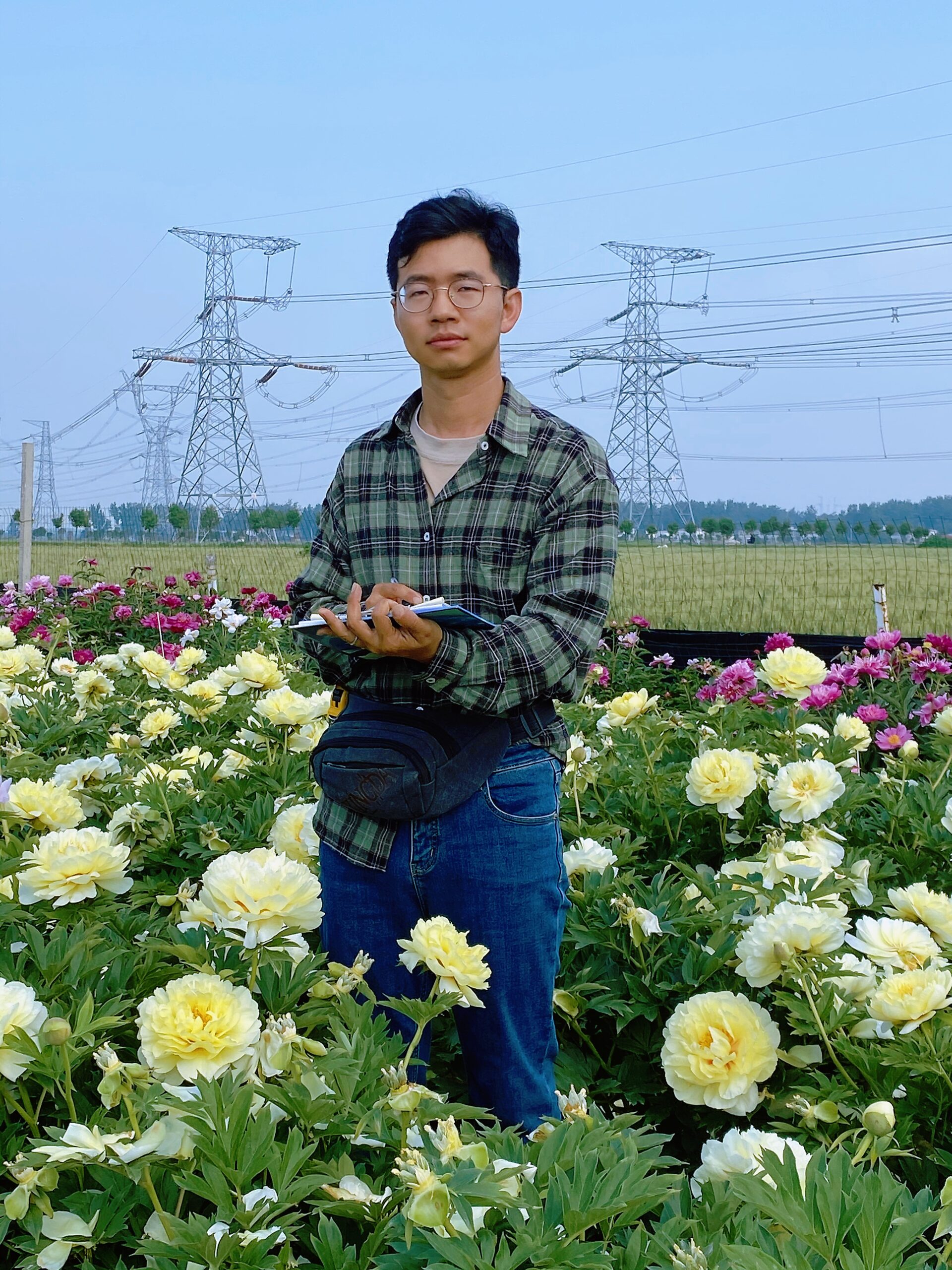
Yong Yang
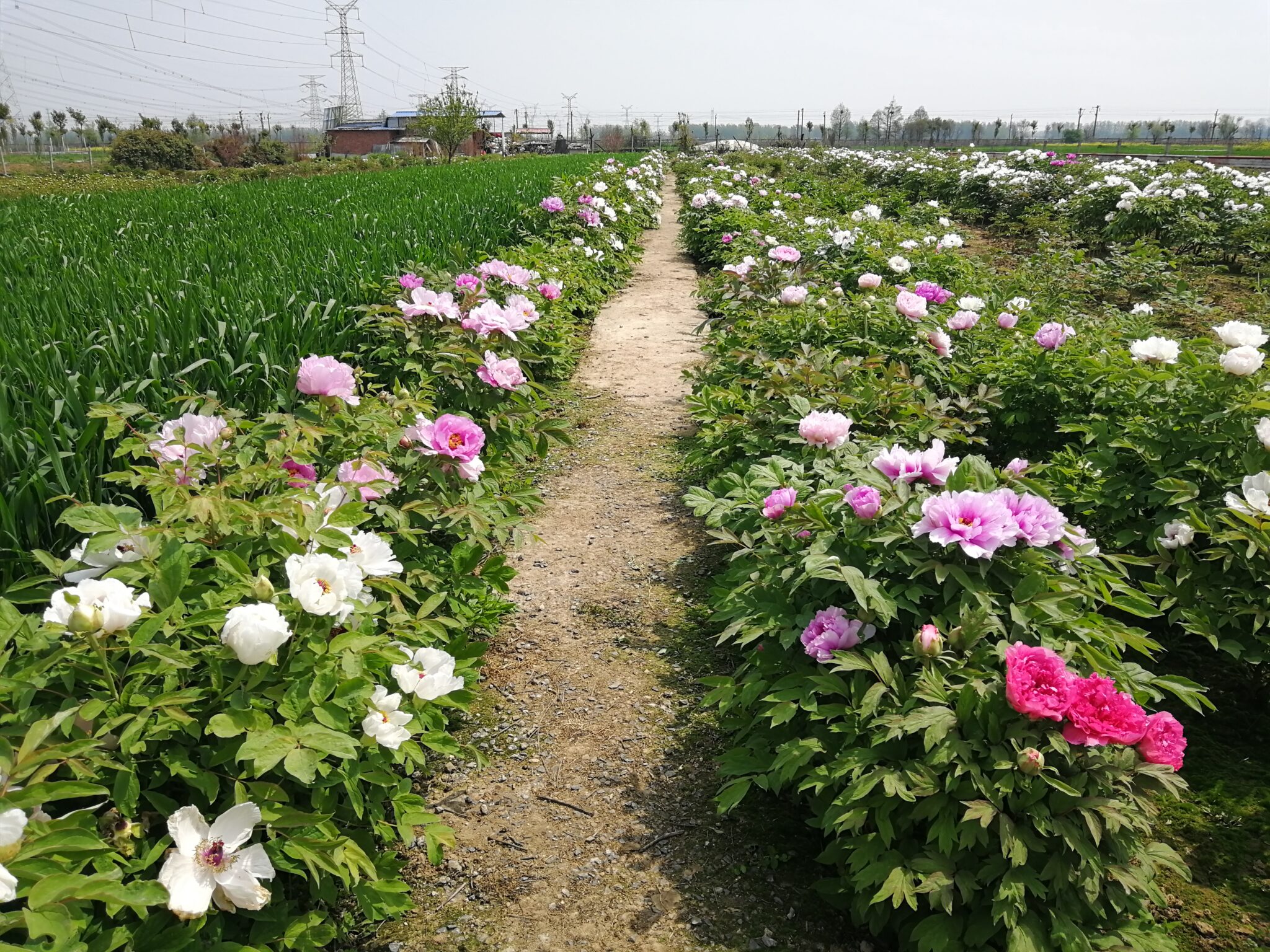
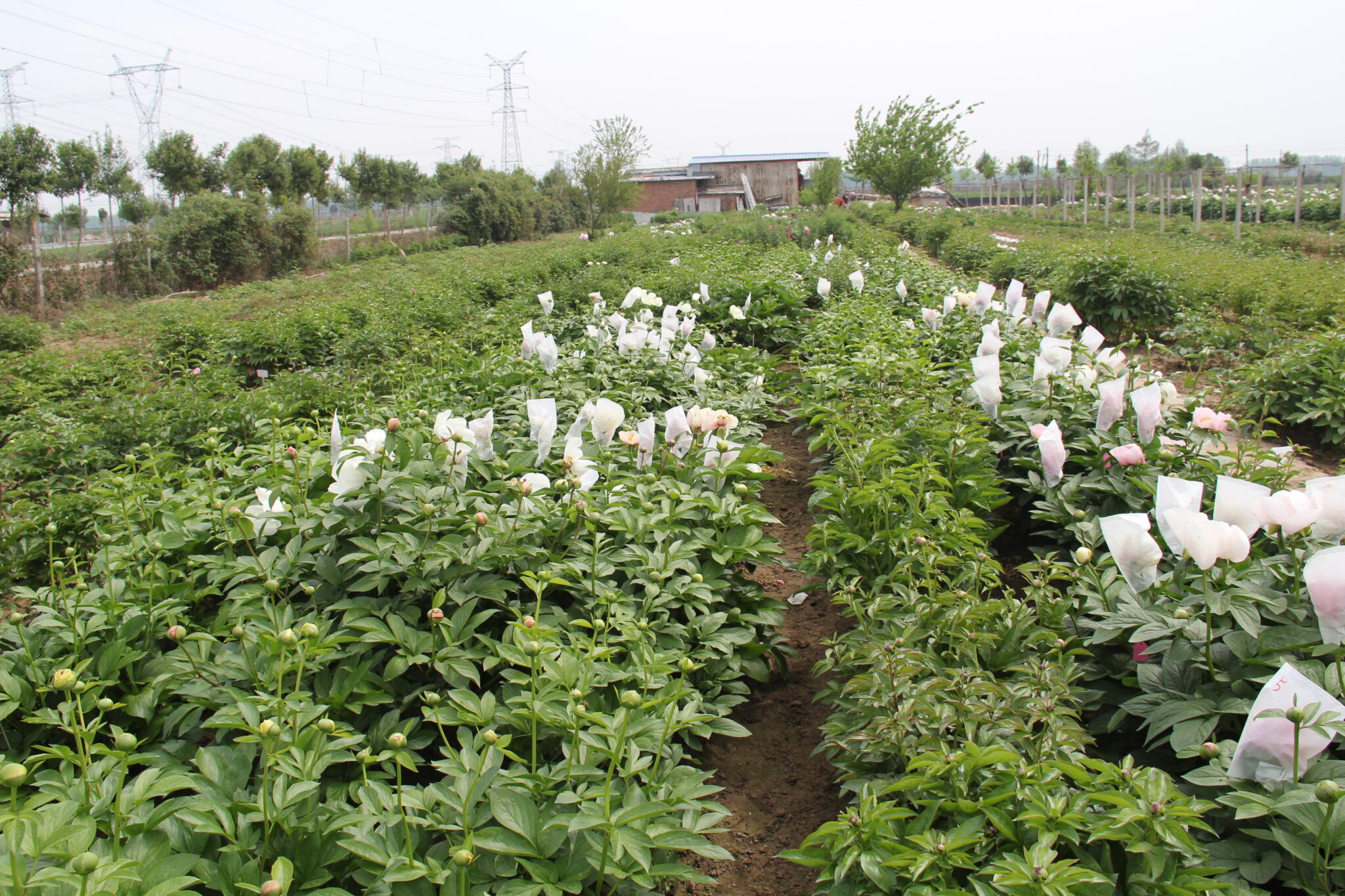
How did you first get involved in peony hybridizing?
I first became involved in peony hybridization during my undergraduate studies. At that time, I began learning about tree peonies and participated in surveys of wild tree peony resources under the guidance of my mentor, Professor Guangli Liu.
In 2013, I started my master’s degree in Crop Genetics and Breeding. During my master’s program, I continued my research on wild tree peonies in Southwest China. My supervisor, Professor Xiuxin Zhang, specialized in tree peony breeding, and under her guidance, I began to carry out hybridization breeding of tree peonies during each flowering season. Initially, my work focused on crosses among different cultivars of Paeonia × suffruticosa.
Later, I expanded my research to interspecific hybridization between Paeonia delavayi and Paeonia × suffruticosa. In 2016, I began my doctoral studies, which mainly focused on wild herbaceous peony resources in China. During this period, I extensively consulted information on herbaceous peonies through the APS website and other platforms, and I also studied professional literature to gain more systematic knowledge of breeding. At the same time, I started to carry out independent hybridization work on herbaceous peonies.
What was your starting material for your hybridizing?
My starting material for hybridization mainly consists of species plants and some commercial varieties, such as Paeonia x suffuticosa, Paeonia delavayi, ‘Lemon Chiffon’, ‘Salmon Dream’, ‘Blushing Princess’, ‘Old Faithful’, and ‘Sunny Girl’. At the same time, I am also using my own bred varieties for hybridization.
What are your goals in hybridizing peonies?
My research focuses on the breeding of tree peonies, intersectional hybrids, and herbaceous peonies, with different breeding objectives for each group.
For tree peonies, my main goals are to develop cultivars with novel flower colors, fully double flower forms, and excellent disease resistance. For intersectional hybrids, the primary objective is to restore their fertility and to create a broader and richer range of flower colors.
For herbaceous peonies, the breeding goal is to develop cut-flower varieties with soft and elegant flower colors, full flower forms, strong and upright stems, sufficient plant height, and good resistance to diseases.
Do you mostly depend on open pollination or do you mostly make controlled crosses?
| 100% open | 50/50 | 100% controlled |
How large is your hybridizing program?
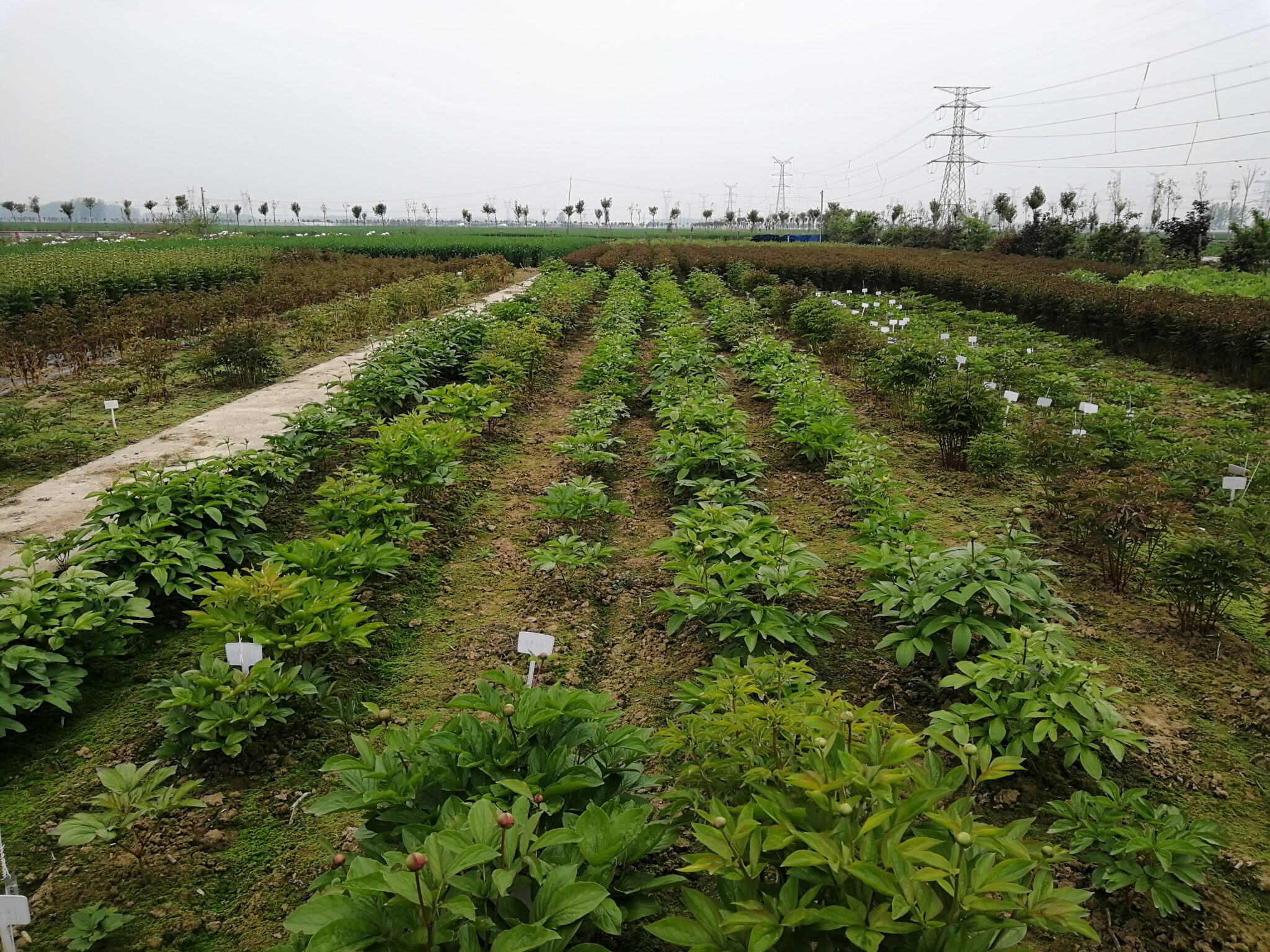
Over the past three years, I have conducted hybridization on thousands of flowers each year, harvested over 5,000 seeds annually, and transplanted more than 2,000 seedlings each year.
Do you have any plants in the market?
This year, we sold several of our self-bred tree peony cultivars for university campus landscaping for the first time.
Do you know the American Peony Society (APS)? Are your plants registered there?
Yes, I have some plants registered there.
Can you describe a few of your plants that you consider the best or most beautiful and which are available now?
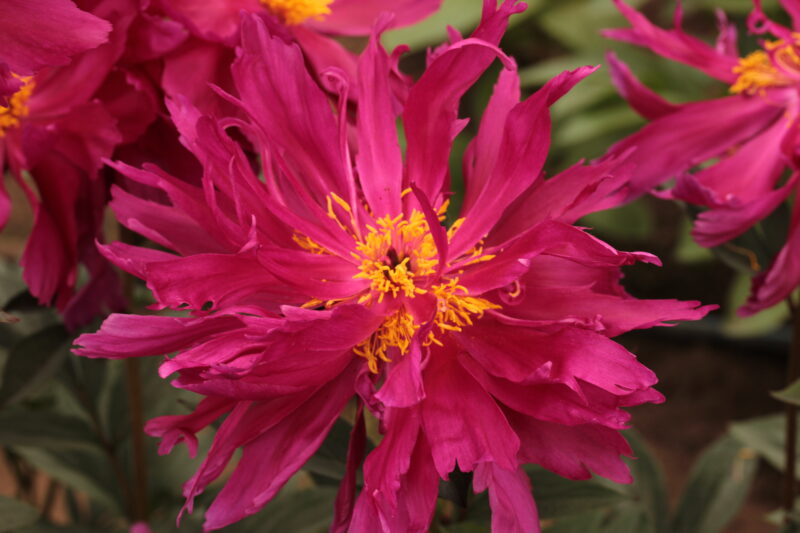
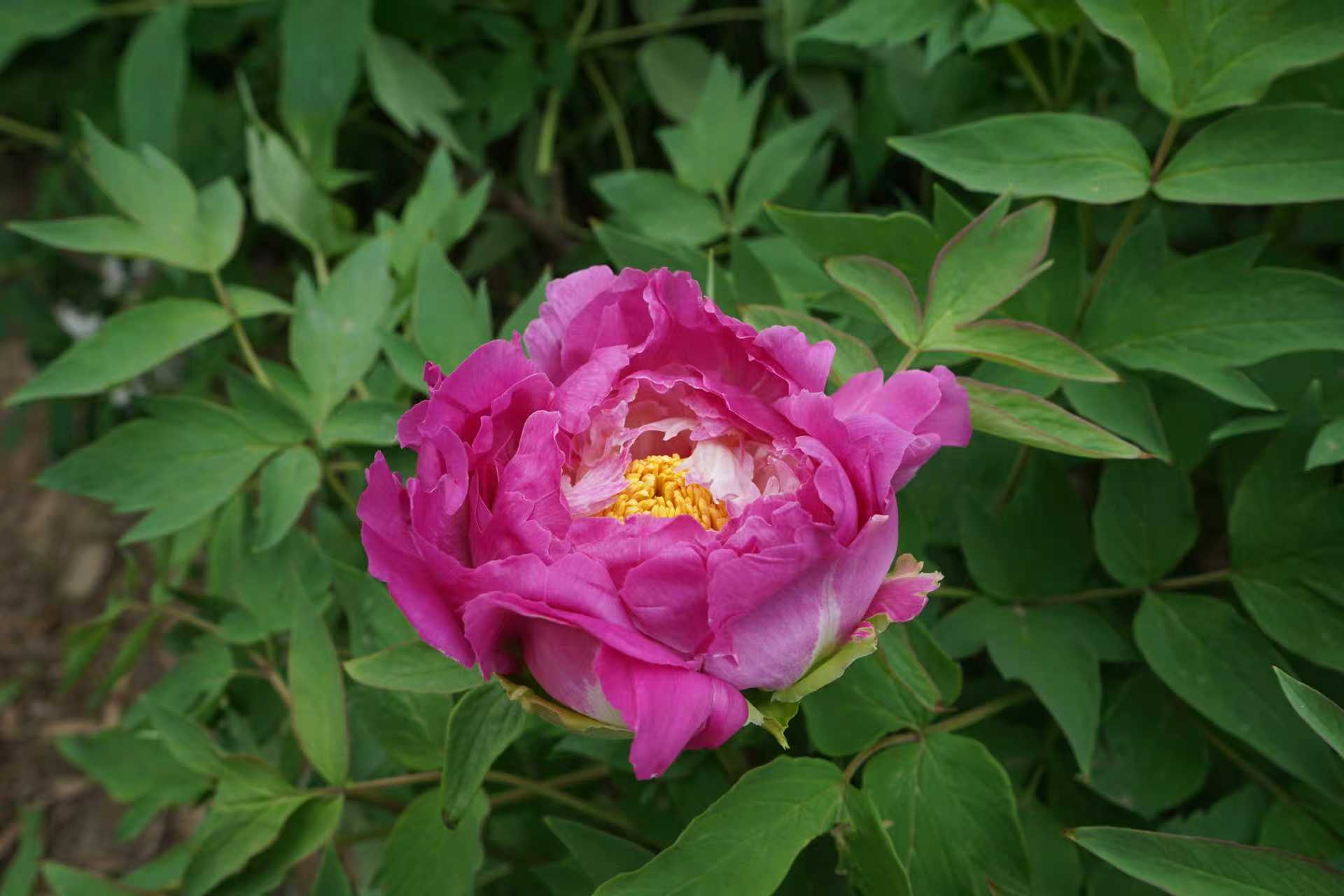
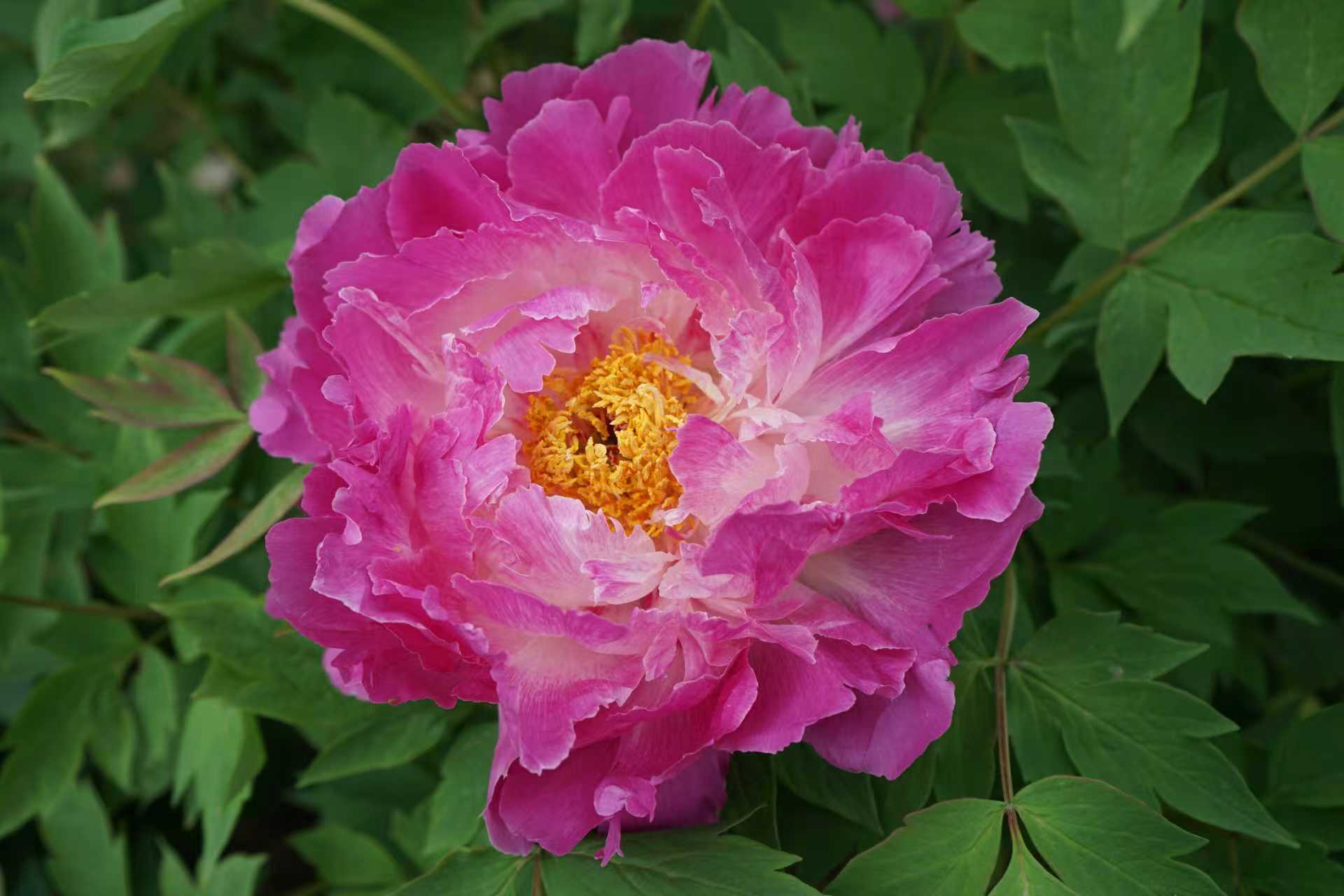
Hua Cai Ni Hong (Liangsheng Wang, Shanshan Li, Yong Yang, Ling Zhang, and Qianyu Wang, 2021)
Seedling number L201908. Parentage: Paeonia rockii ‘Jing Shen Huan Fa’ x Suffruticosa Gp. ‘Godaishū’.
First bloomed in 2018. First year propagated 2019. Mid/Late season bloom. SEMI-DOUBLE, 1 bloom per stem, 6¼ inches in size (16 cm). Vibrant pink with purplish undertones (RHS:67C). Base of petals white. Inner petals becoming mostly white with pink flares extending about 20% of petals’ length and edges of petals variably pink. Guard petals rounded, notched; inner petals becoming increasingly notched. Cupped as it opens, then flattens out as petals unfurl. Pollen-bearing stamens, filaments primarily white. Average of 7 carpels, greenish yellow, very hairy. Stigmas deep purplish-pink with normal anatomy. Sheath partial, purplish pink. Fertile both ways. Fragrant. Flowers carried in upright, well displayed position. Broadly cut foliage washed purplish when young, matures green. Upright growth. Height to 39 inches (100 cm). Named for the brilliant neon-like flower color.
Within your current seedlings, what are the most promising ones?
XiangBin Shengdian (Pastelegance x Lemon Chiffon)
Hongse Xinyang (Old Faithful x Lemon Chiffon)
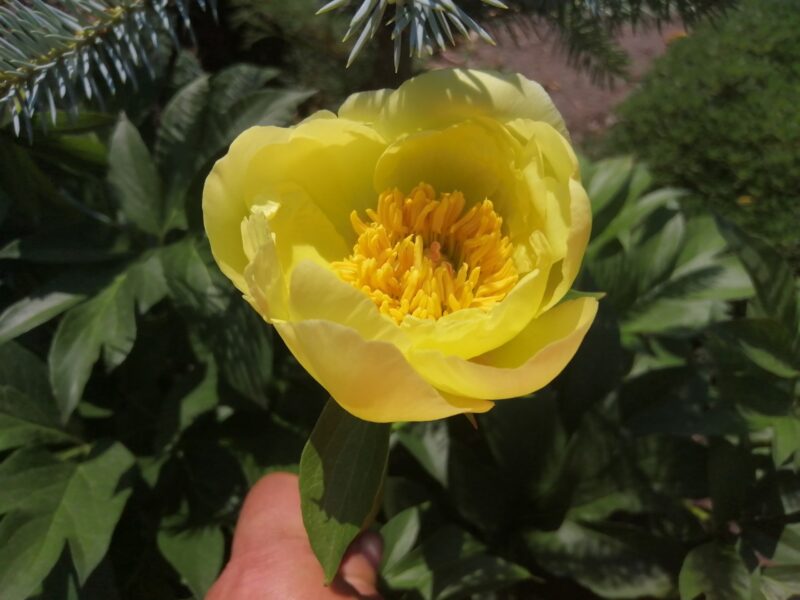
BP22-01(Blushing Princess open pollination)
BPa25-02(Bartzella x Pastelegance)
Y25-134 (Salmon Dream x Lemon Chiffon)
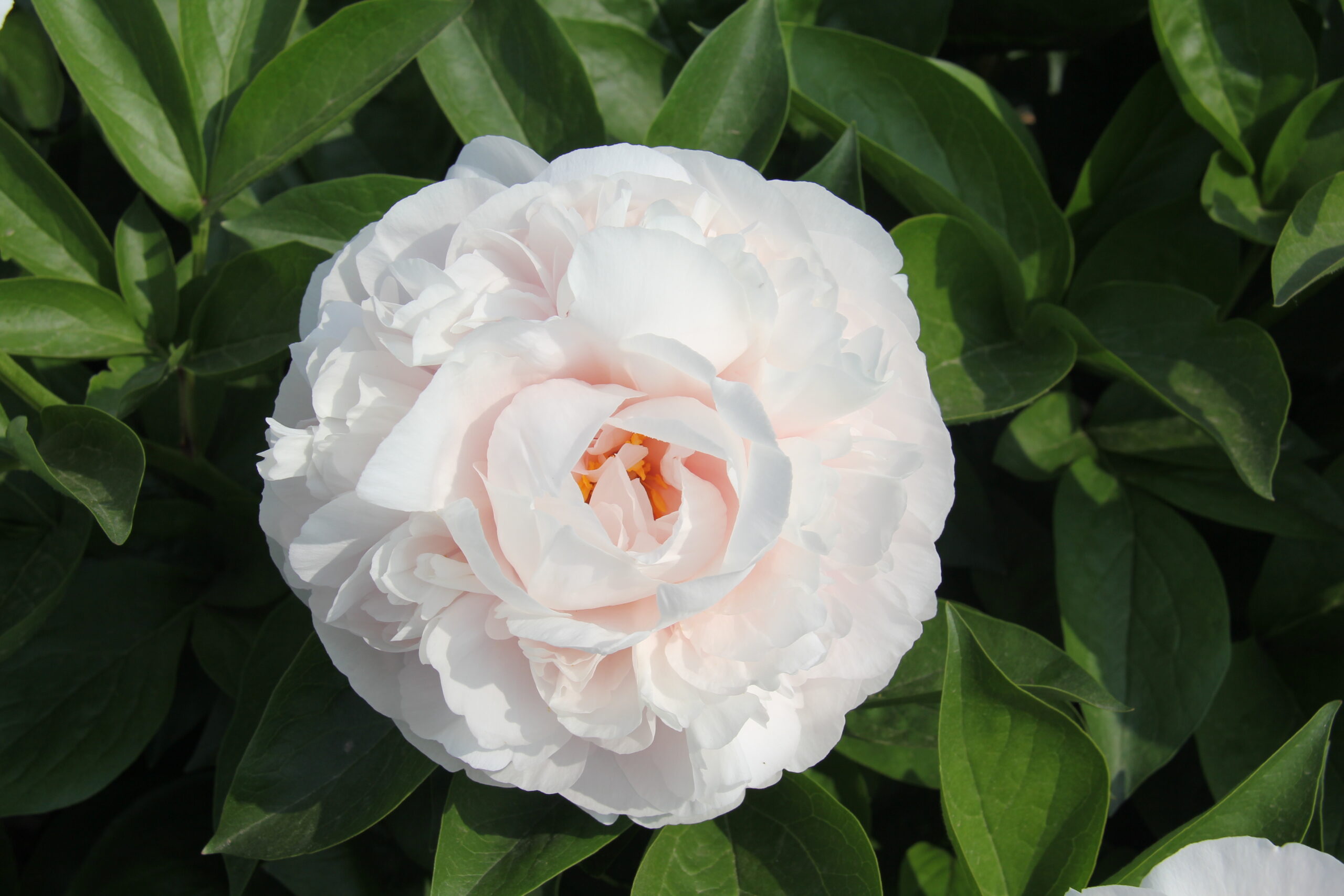
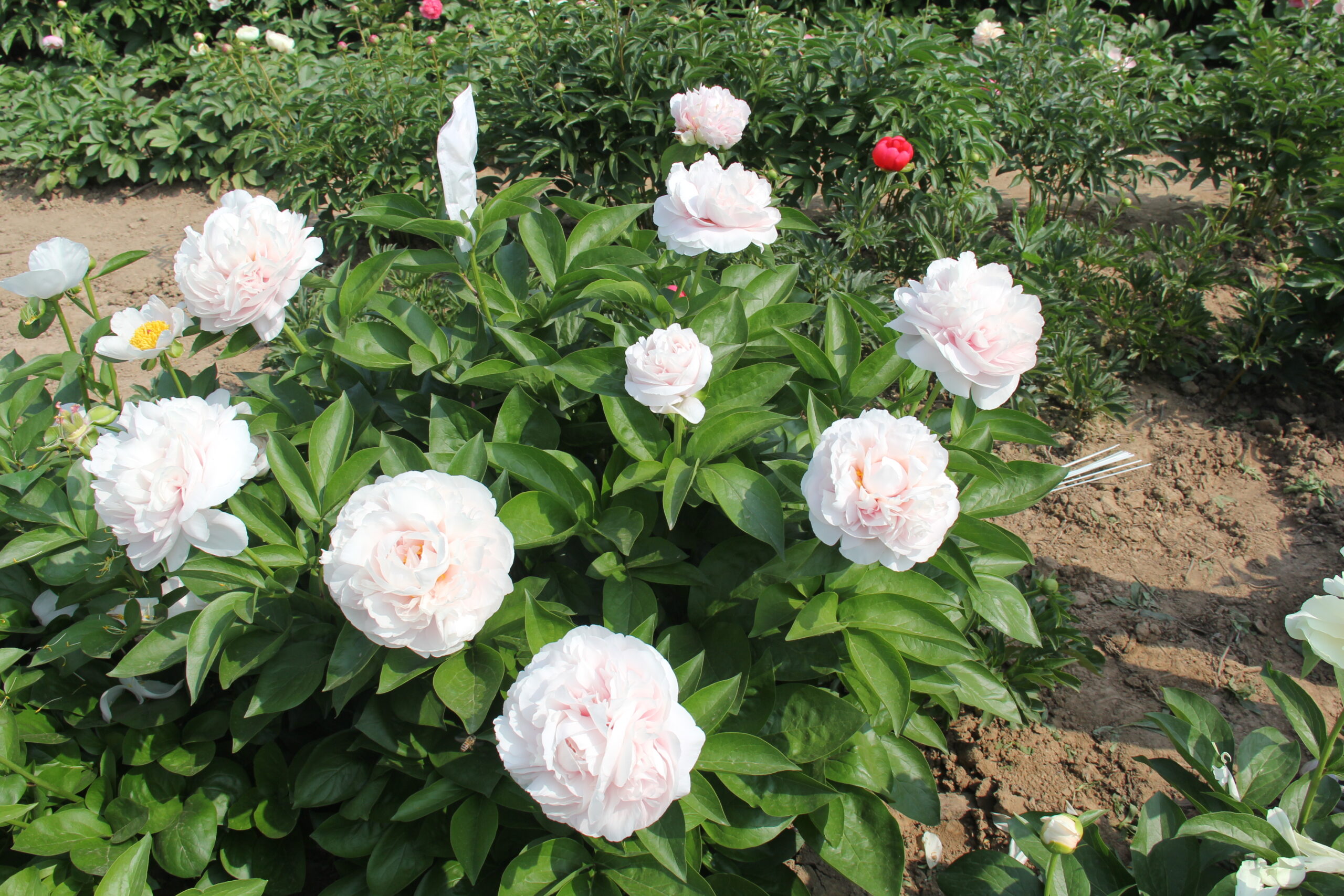
BP22-01(Blushing Princess open pollination)
-

- BPa25-02(Bartzella x Pastelegance)
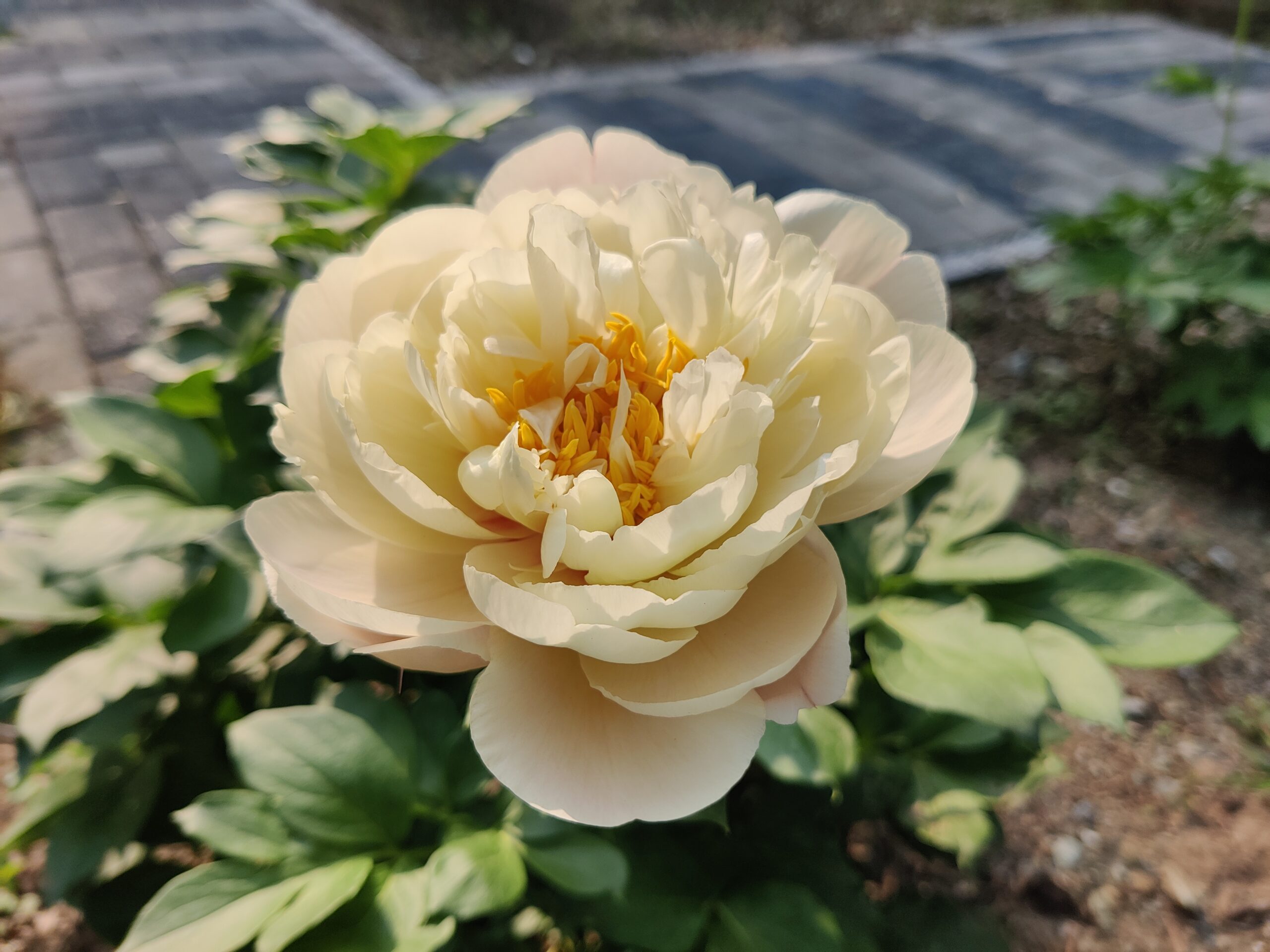
BPa25-02(Bartzella x Pastelegance), an intersectional backcross
-
- XiangBin Shengdian (Pastelegance x Lemon Chiffon)
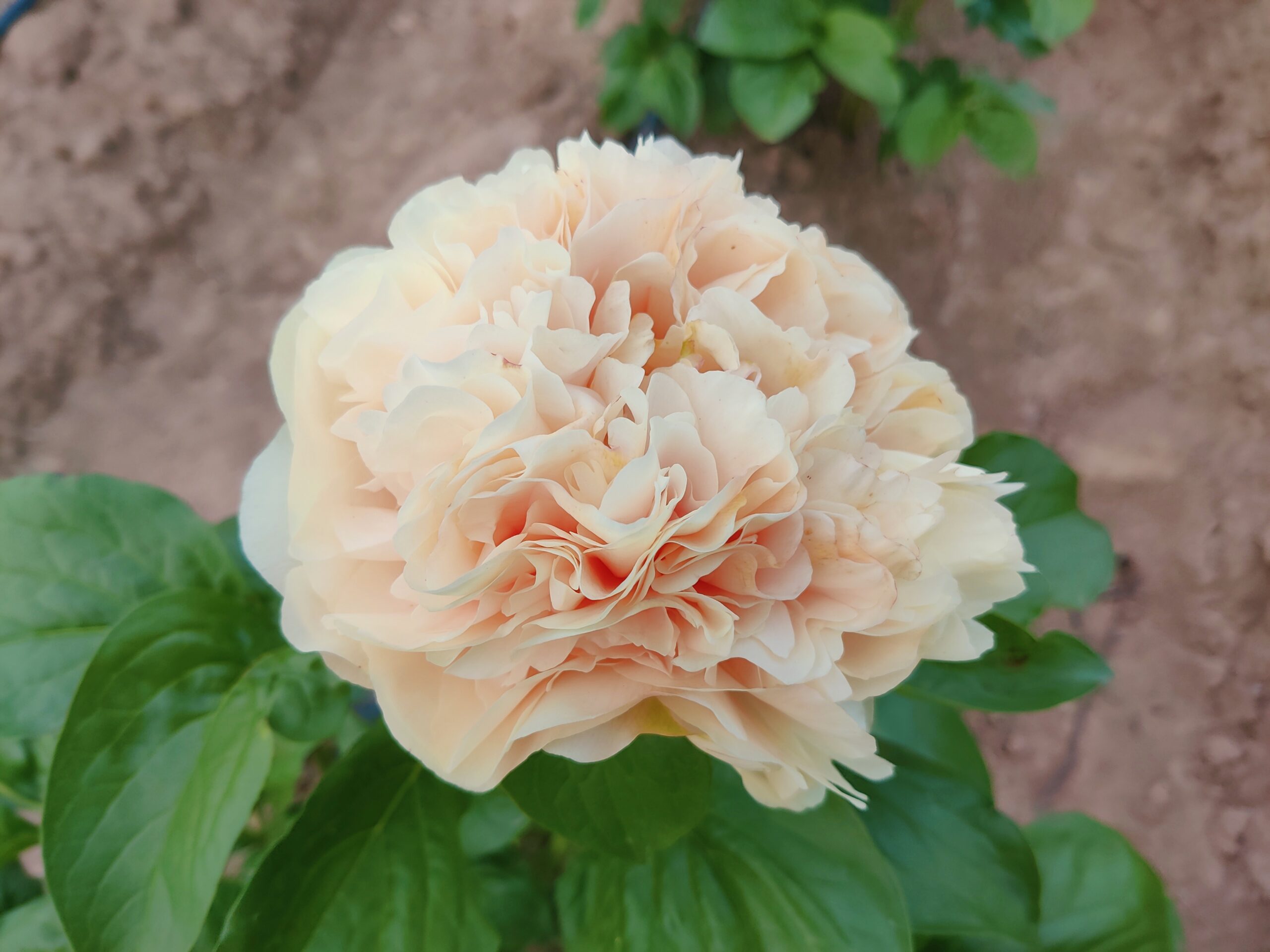
XiangBin Shengdian (Pastelegance x Lemon Chiffon)
-

- Hongse Xinyang (Old Faithful x Lemon Chiffon)
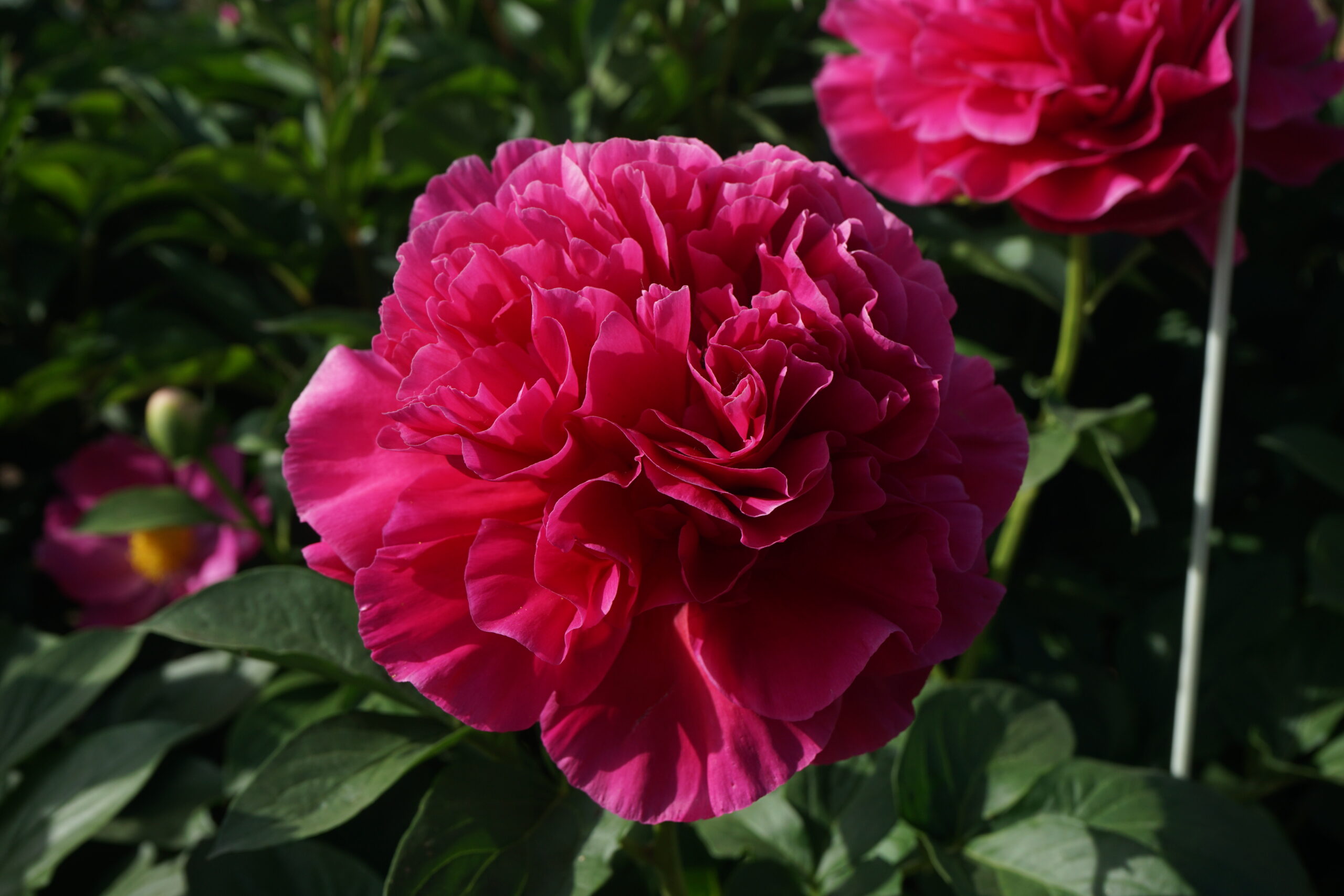
Hongse Xinyang (Old Faithful x Lemon Chiffon)
-

- Y25-134 (Salmon Dream x Lemon Chiffon)
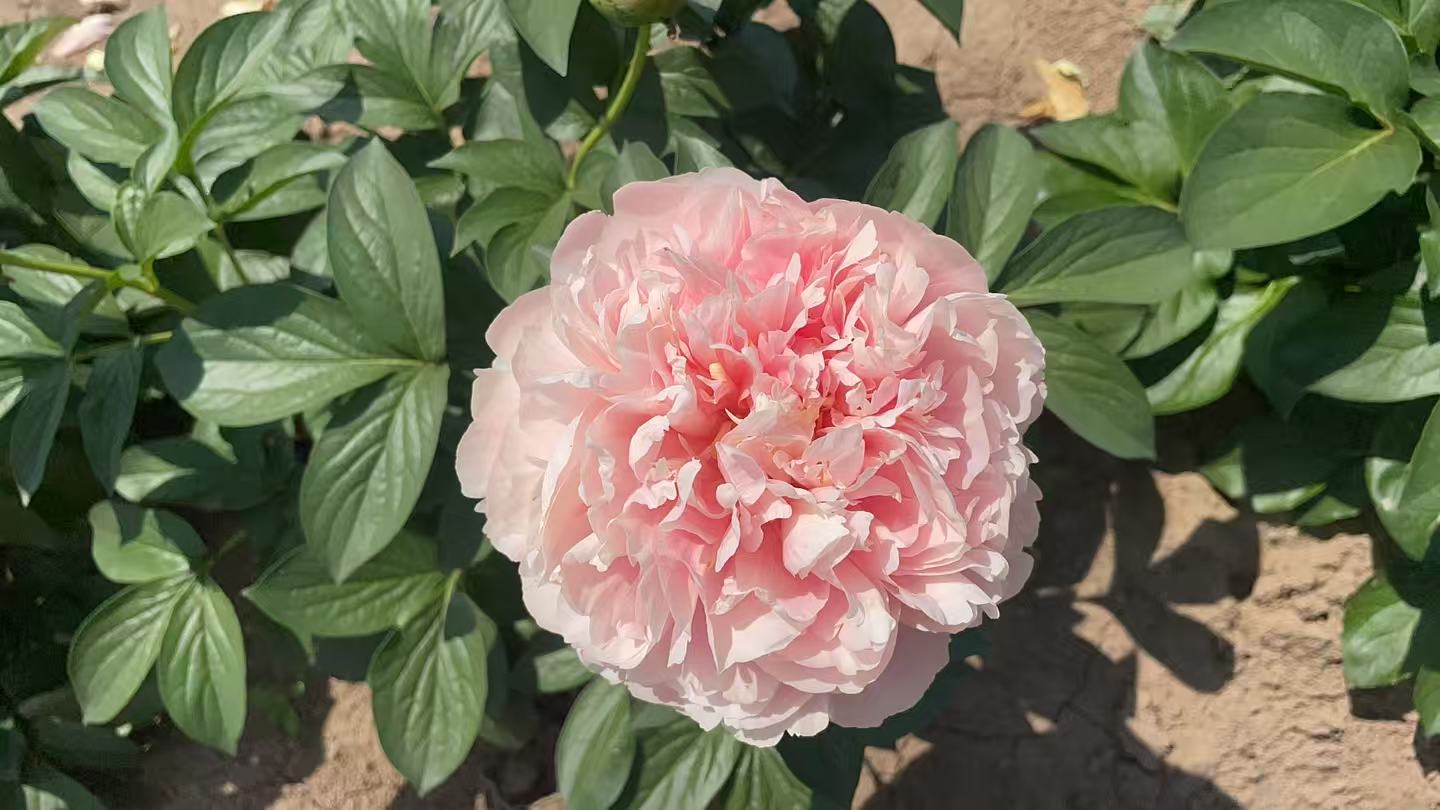
Y25-134 (Salmon Dream x Lemon Chiffon)
Are you in contact or working together with other peony hybridizers?
Yes, I actively collaborate with other peony hybridizers both in China and internationally. In the field of tree peony breeding, I mainly work with Dr. Liangsheng Wang and Dr. Shanshan Li from the Institute of Botany, Chinese Academy of Sciences. I also maintain close cooperation with domestic breeders, including Chunyang Liu, Lingjiang Kuang, and Chunlei Zhao.
In addition, I have frequent academic exchanges with researchers engaged in the breeding of the genus Paeonia in China, such as Professor Xiaonan Yu (Beijing Forestry University), Professor Lixia He (Gansu Provincial Forestry Technology Extension Station), Professor Xianfeng Guo, and Associate Professor Zongda Xu (Shandong Agricultural University).
At the international level, I regularly communicate with Irmtraud and Gottlob Rieck (Germany), Steffen Schulze (Germany), Koen Hurtekant (Belgium), and Ruud Warmerdam (the Netherlands) on breeding research and the exchange of breeding materials. I also share my breeding experiences with other breeders worldwide.
Of course, I would love to connect with more breeders, and I would be happy to exchange information, plants, seeds, or pollen with other breeders.
Do you have unregistered plants that are not good enough to introduce but have something ‘special’?
This year, the offspring of the cross between Paeonia mairei and ‘Blonde Vision’, numbered PMBV25-01, has bloomed. Its leaf shape inherits the characteristics of the beautiful peony, and the flower color is a soft champagne hue. However, the high temperatures in summer can easily cause leaf scorching. Paeonia mairei is a unique tetraploid wild peony species in China, but it has been less utilized in breeding.
I used Paeonia decomposita as the male parent to cross with P. x suffruticosa and obtained a batch of offspring. Most of them have now bloomed. They all inherit the early flowering trait of Paeonia decomposita, and their leaf shapes are also more similar to that of Paeonia decomposita. However, these offspring still need to be further crossed to select offspring with higher ornamental value.
I have also crossed ‘Bartzella’ as the female parent with hybrid herbaceous peonies and obtained a batch of offspring. Most of them are not outstanding enough, but they generally grow rapidly and have good disease resistance. Moreover, they are tetraploid and fertile. I will use them as parents to breed the next generation.
Would you like to exchange such ‘hybridizers plants’ with other hybridizers?
I would be happy to exchange such ‘hybridizer plants’ with other hybridizers.
Name a few peony varieties from other hybridizers which you especially like?
Old Faithful (Glasscock/Falk, 1964) has a plant height of over 90 cm. It has strong stems that never lodge and also has good disease resistance. It is one of the breeding parents that I often use.
Pastelegance (Seidl, 1989) has flower colors and shapes that I really like.
Bartzella (Anderson R F, 1986) is my favorite intersectional hybrid, which is excellent in terms of flower color, flower shape, and growth vigor.
E-mail of this person is known to the author. If you want to contact this hybridizer, we can forward your message.