

![Profile picture of khurtekant]()
khurtekant posted in the group Species Peonies International Network (SPIN)
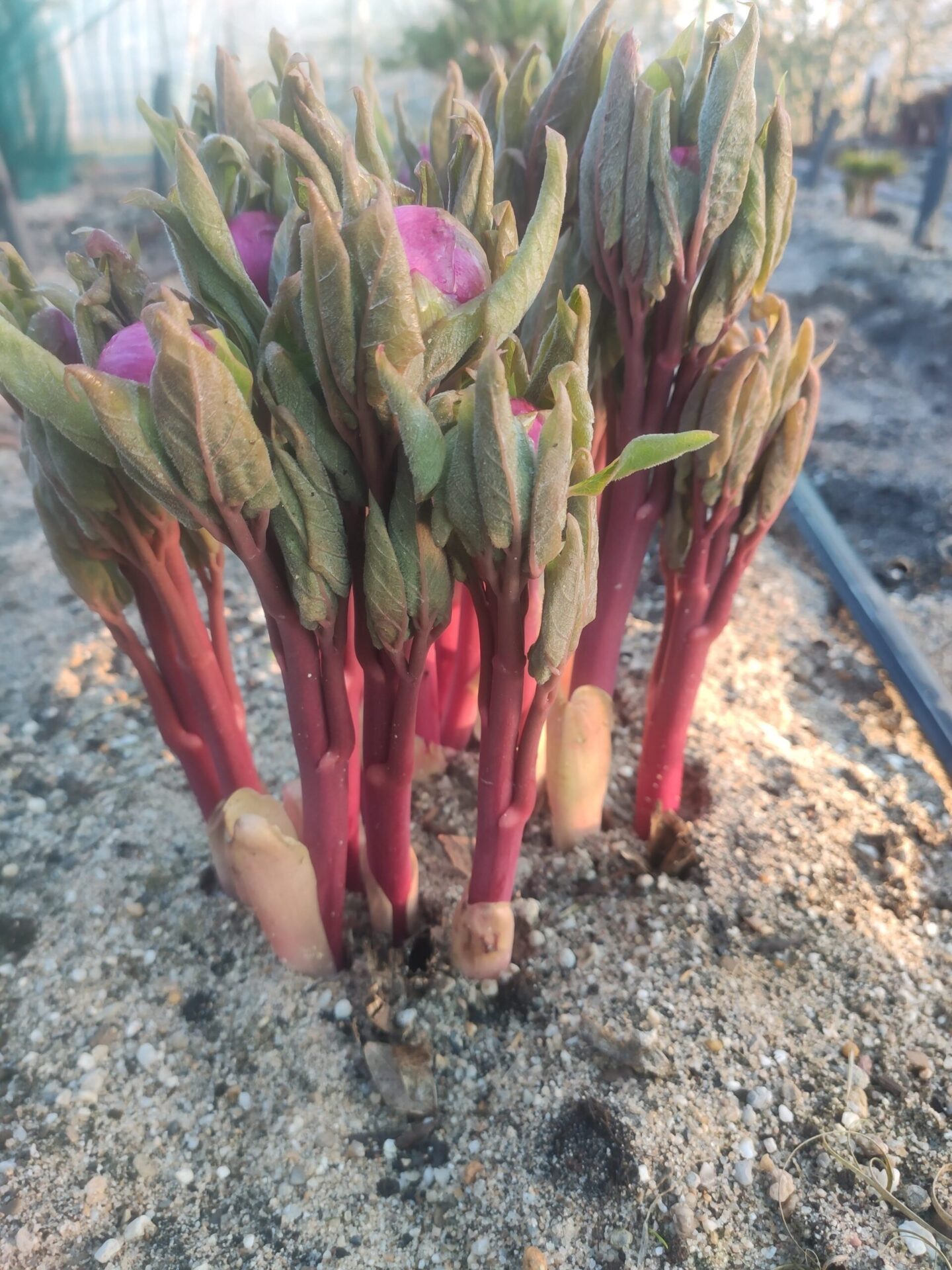
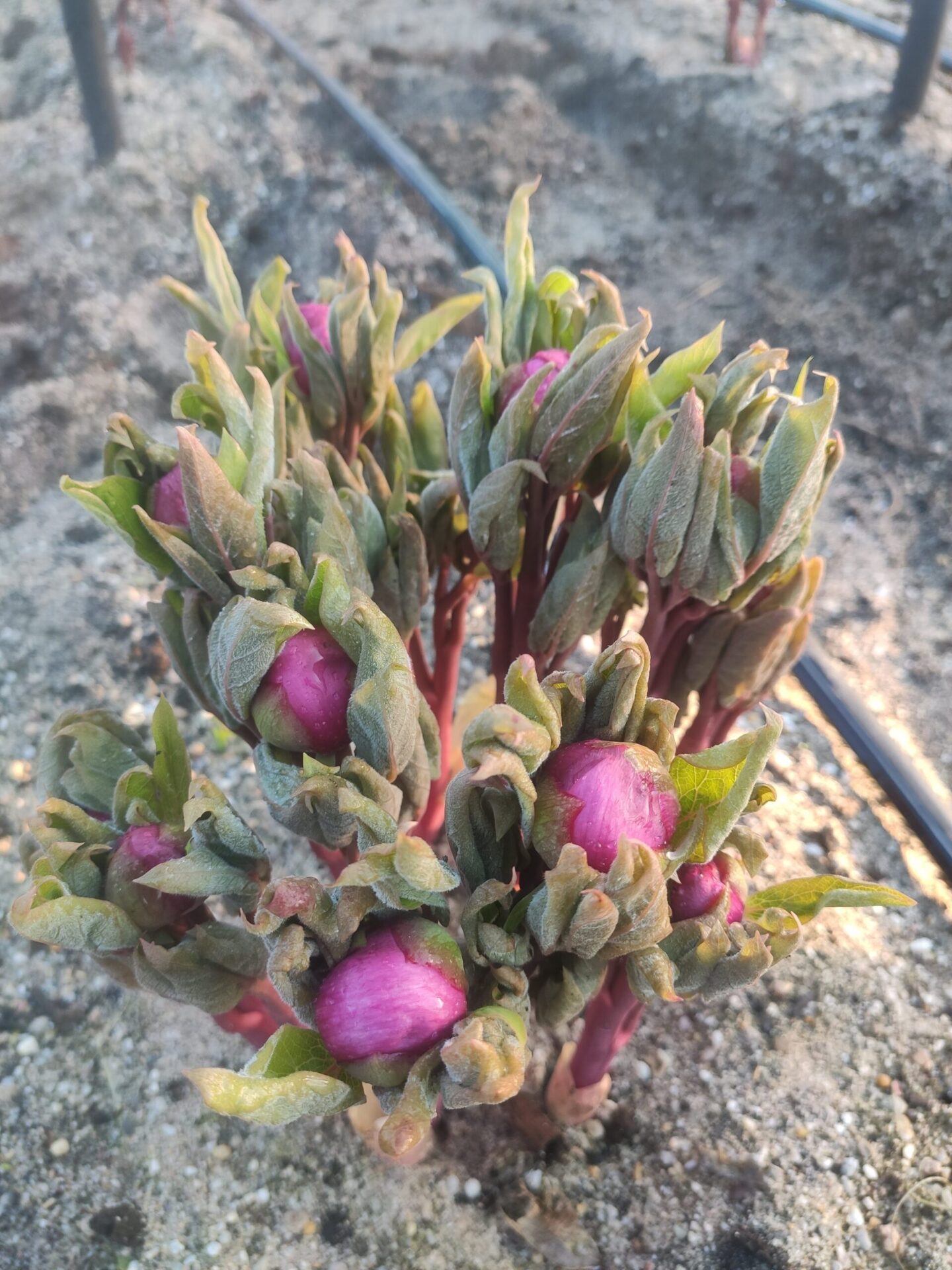
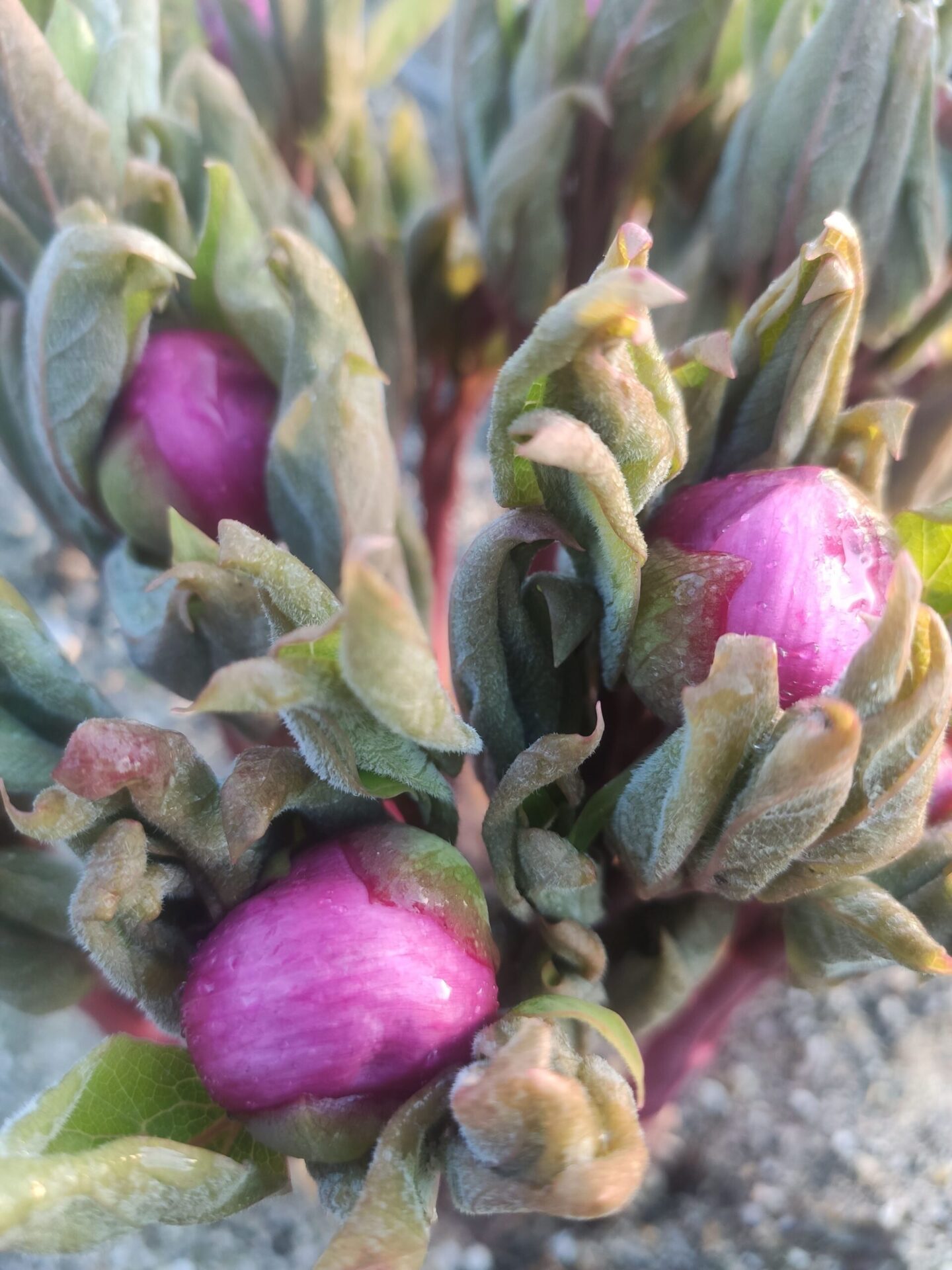
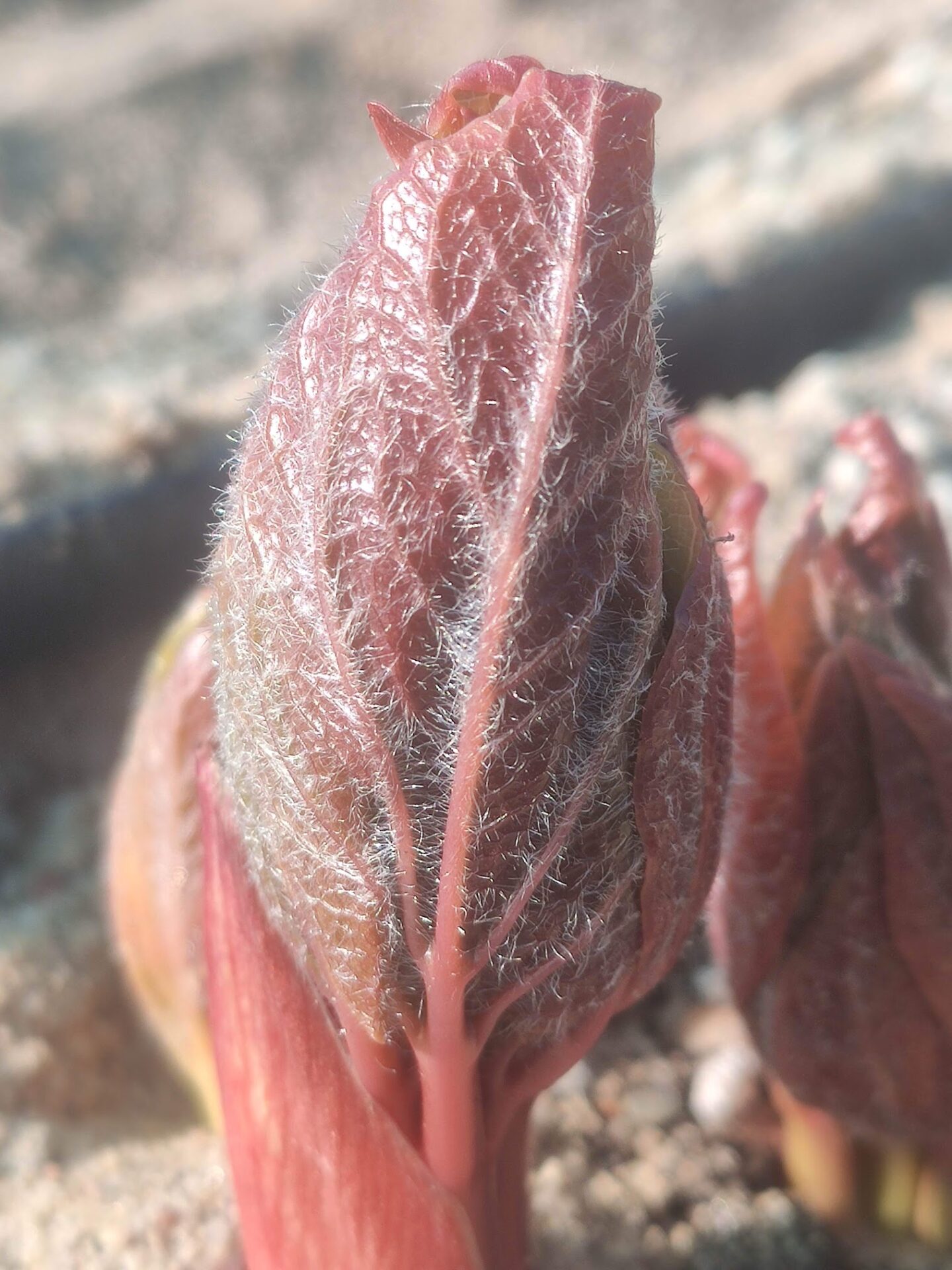
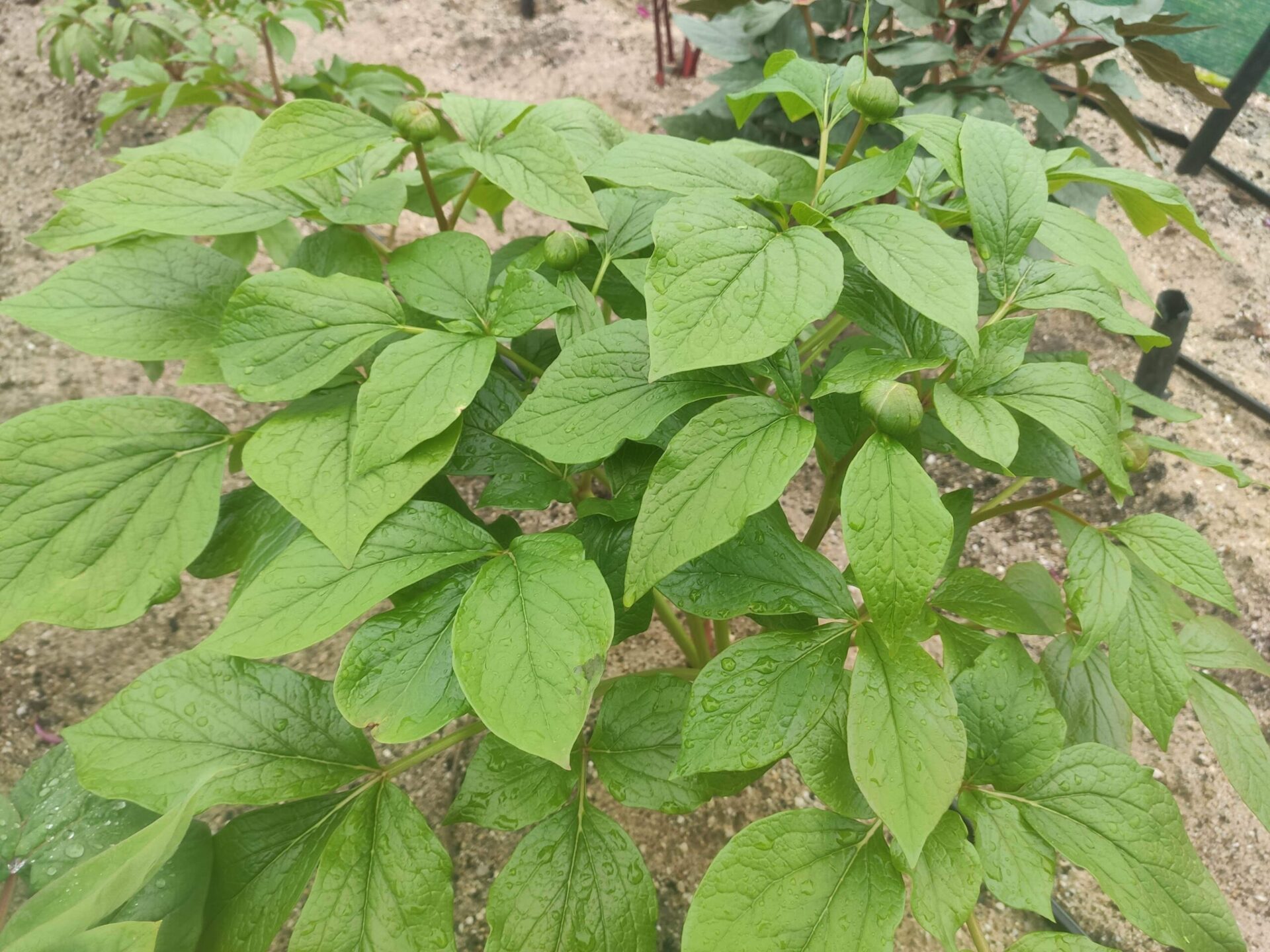
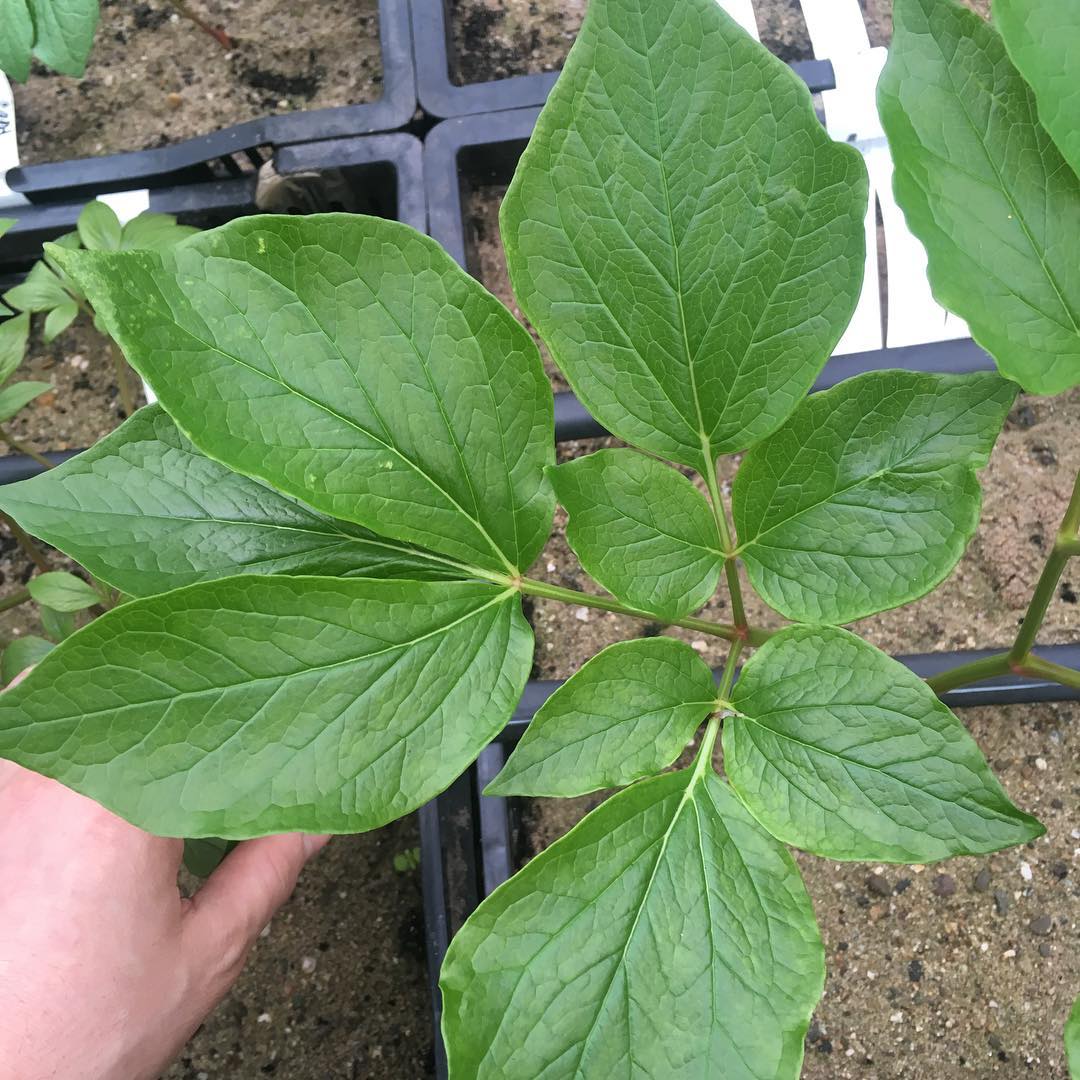
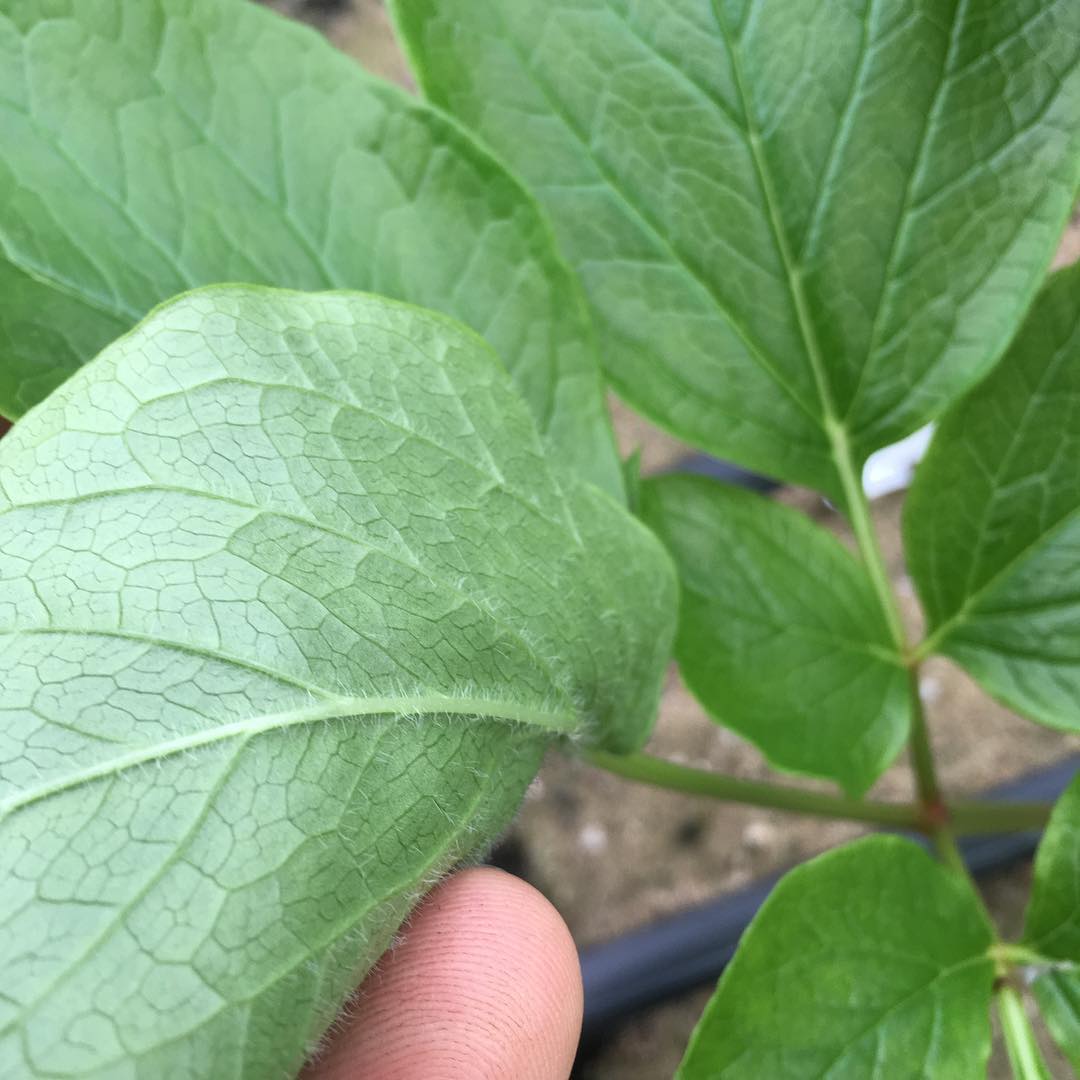
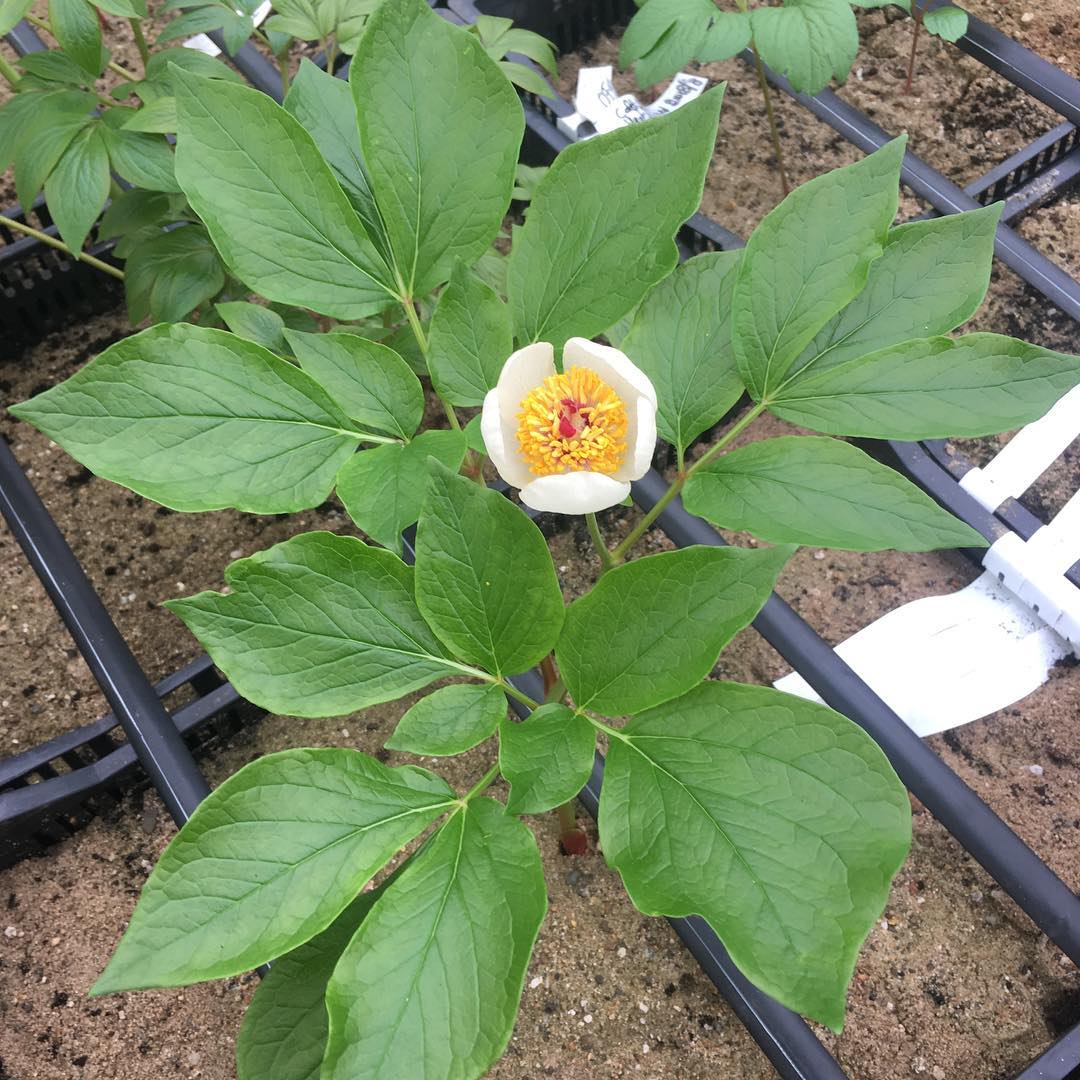
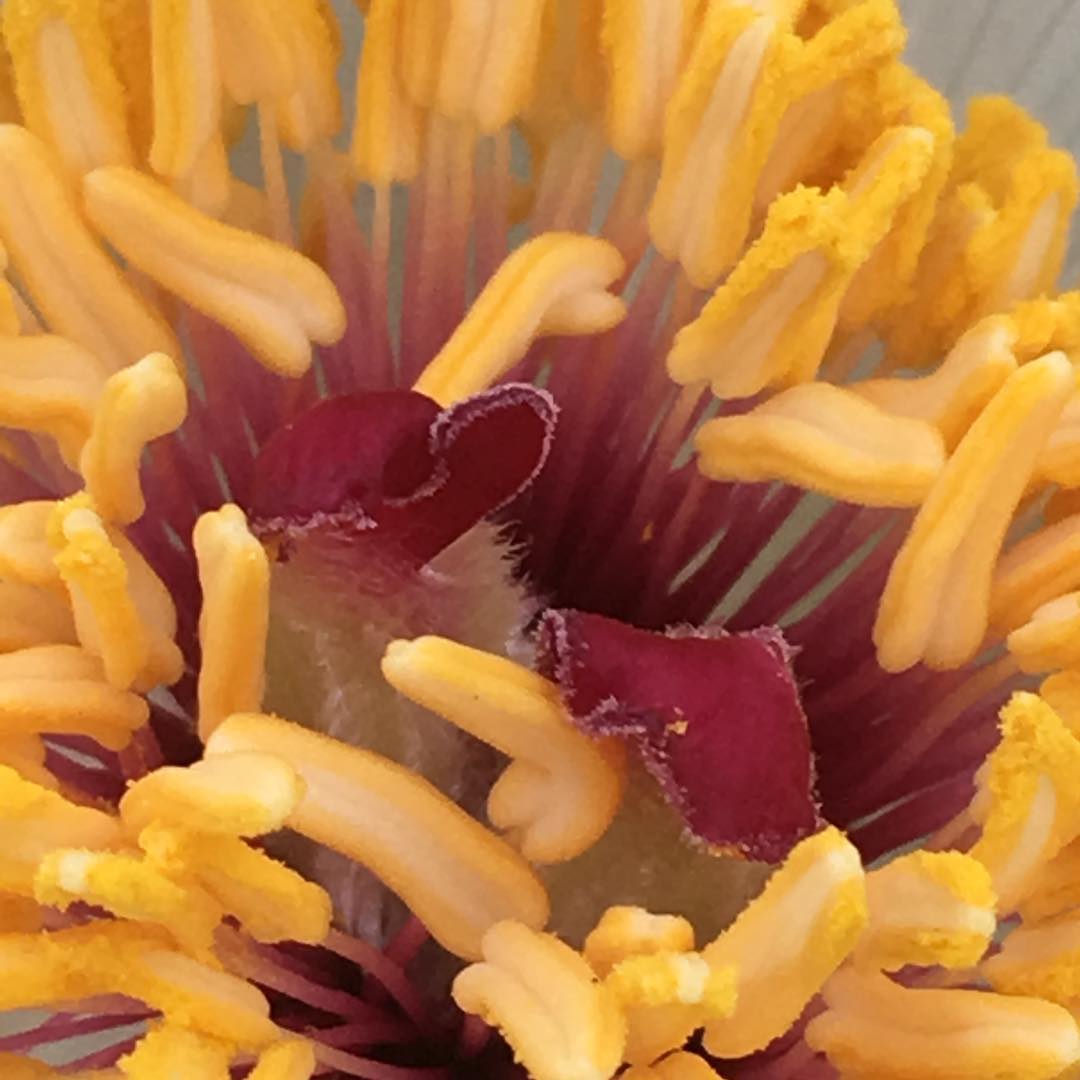
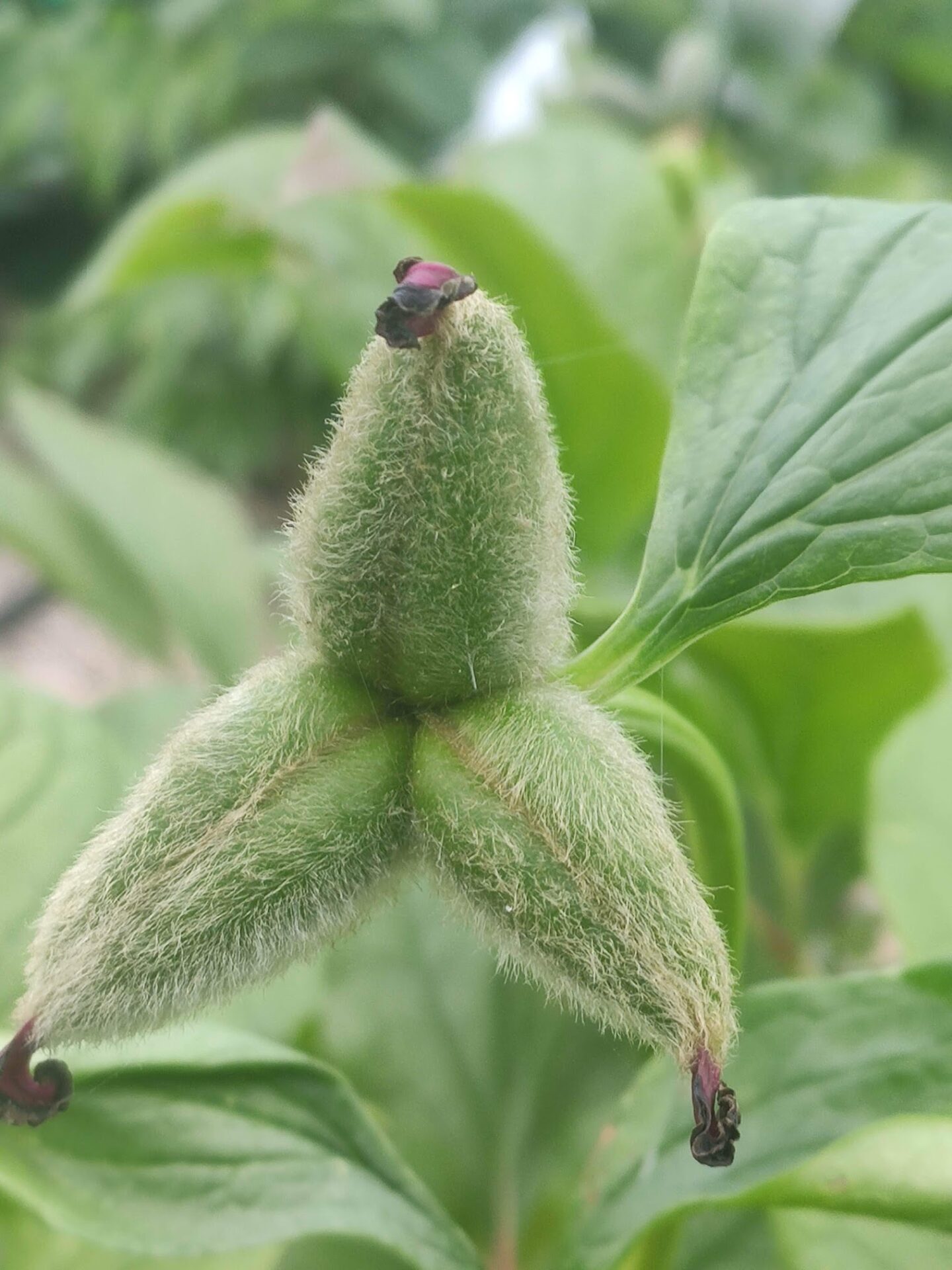
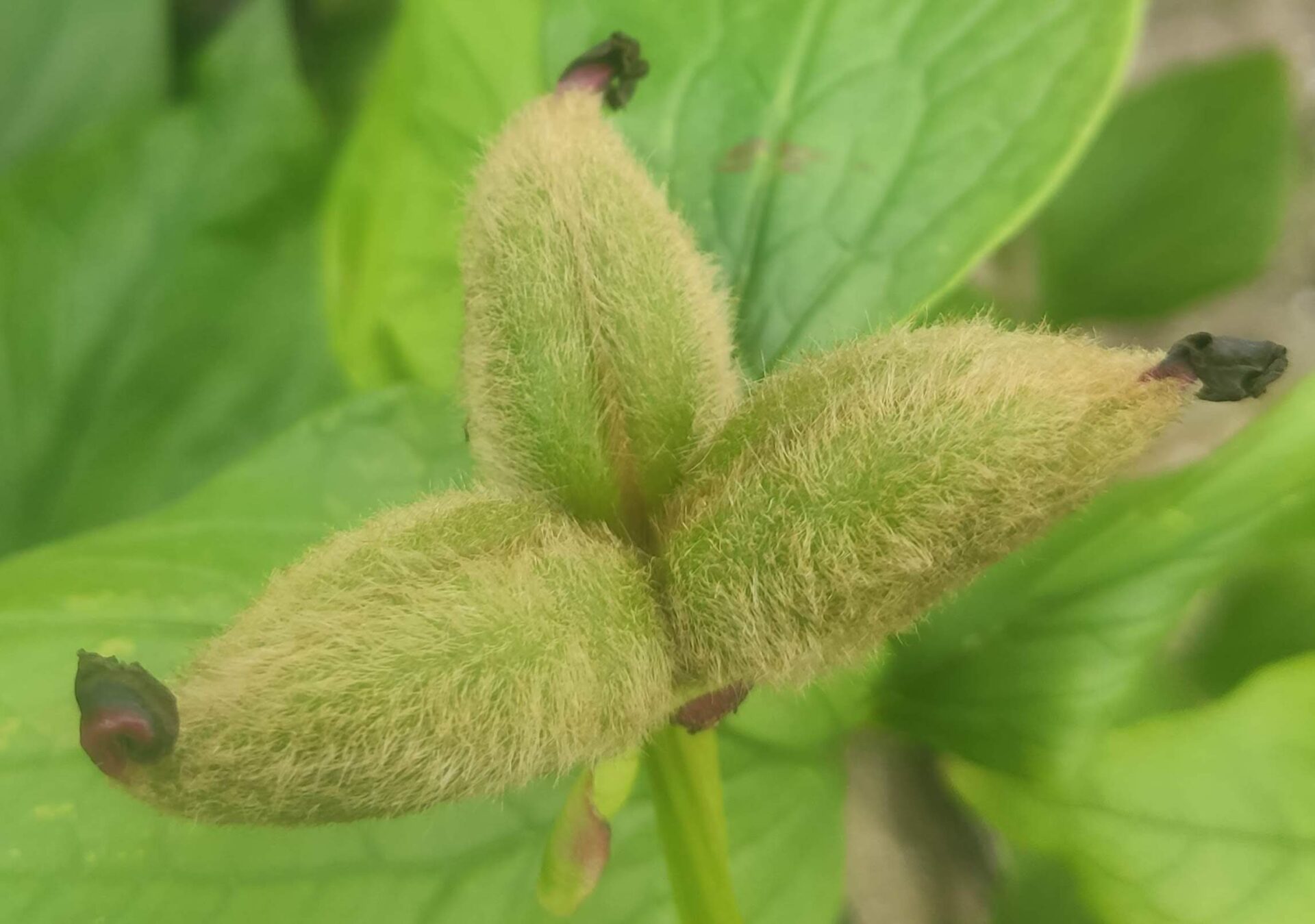
Almost there, the first one to flower here (perhaps P. clusii would be earlier, but that one didn’t survive again): P. kesrouanensis. Blooms well before the leaflets are fully developed, I suppose in very cold weather (or high up the mountains in deeper shade) it may postpone this blooming somewhat until the leaflets are more mature. I did have a…Read More
![]()
![]()
![]()
![Profile picture of khurtekant]()
khurtekant posted in the group Species Peonies International Network (SPIN)
Next to our daily work we have two things we’d like to do soon on this site. First one is to compile a new list of growers of species plants and compare those to the ones that have been requested. Then we can see what is possible or not. One question to ask there is whether it would be wise to send directly from the supplier to the receiver or…Read More
![Profile picture of Carol]()
I am wondering if instead of the temperature being set at 0.3c that you could just slightly increase the temperature and see if the grey spots disappear. Not as drastic as in this report. The grey spots could be from being too cold and be something like freezer burn. BTW I am a complete novice at storing peonies but for some reason this came to my mind as I read the article.
![Profile picture of khurtekant]()
Thank you for your comment. Perhaps you are right, this hadn’t come to my mind. The first year I tried the experiment there were no grey spots and the temperature was slightly higher. The problem however was that the buds developed further and they were thus more ‘open’ at the end of the experiment. If it would solve the problem, that would be worth considering of course. But I decreased the temperature further the last years just to avoid them opening further. The end goal is a cut flower of course and florists want them as closed as possible, although they surely want them to open of course. There have been some experiments with storage at sub zero temperatures even and they claimed to be successful. I do wonder however why then my first box would have been good, they were all stored at the same temperature, the only difference is the duration. But you are probably right, I should try it as well. I guess I can place a box in another cold storage at a higher temperature.
![Profile picture of Dan]()
I’ve really enjoyed reading all of these yearly reports. Thanks both for all of the hard work you’ve put into these experiments, and sharing the results with all of us. I hope you have great success this year. Another thought that goes along with what Carol commented earlier, what about trying a cryoprotectant and keeping the temperature as low, or even lower instead? I wonder what would happen if you fogged the peonies with a cryoprotectant and then stored them below freezing? Or what about if you store them just above freezing and fog them with a mix of cryoprotectant and fungicide?
![Profile picture of khurtekant]()
Thank you for your comment. I didn’t know cryoprotectants existed, I might have a look at that in the future, but fogging them seems like an extra task and is perhaps not very easy to do. The research station has stopped work on this, project money ran out. I’ve filled two boxes this year, but I’ll only know the results in August or September obviously. I couldn’t really fill more of them as there was lots of botrytis in the field this year due to the bad weather this Spring. If peonies go into the boxes with botrytis, you cannot expect them to come out of it healthy… With only two boxes, not too many tests can be done, so I’ve opted for ‘slowly’ decreasing oxygen instead of fast as that could be one of the causes of the ‘grey flecks’. And I also won’t go as deep, I want to keep it around or slightly above 5%. I’ve mostly used Coral Charm this time as this variety was resistant to bud botrytis (most botrytis in the field occurred at the bottom of the buds) and because it is a variety which can be cut tight and still opens fine (and much slower than its sister Coral Sunset). I’ll post a article about it somewhere in the Autumn, I hope I can report some good results this time.-
![Profile picture of Dan]()
Fingers crossed!
The article “Peonies of Turkey” has been updated to include some remarks by two Turkish scientists and several additional images have been added as well. I think it is now a whole lot better. Thank you to Halbay Turumtay and Cemal Sandalli for the extra information.
- Load More Posts
Share Profile






This tugs at my heartstrings, and touches the root of the root of my people.
I always knew my homeland was rich with resources, but this requires a decent, thorough reading session.
Life is taking me in new directions, but I will hold to the course, and make time for this journey.
I intend to undertake a Peony Pilgrimage one day. Go up, see them in the wild, wherever I can find them, be it in Anatolia or the Caucasus.
Oh, and I definitely dream of Luoyang.