Oriental Gold: Legend, Hypothesis, and the Scientific Mystery of a Peony
The history of cultivated plants often holds more questions than answers. Among such enigmas, the herbaceous peony Oriental Gold occupies a special place. For decades, this plant has been the subject of debate regarding its origin and still remains outside a clear phylogenetic interpretation.
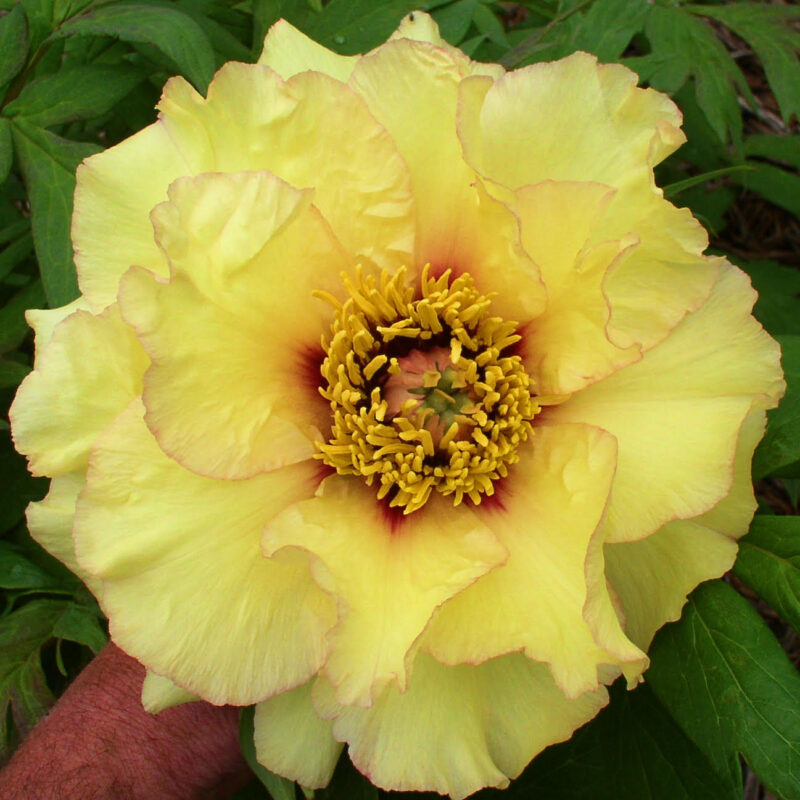
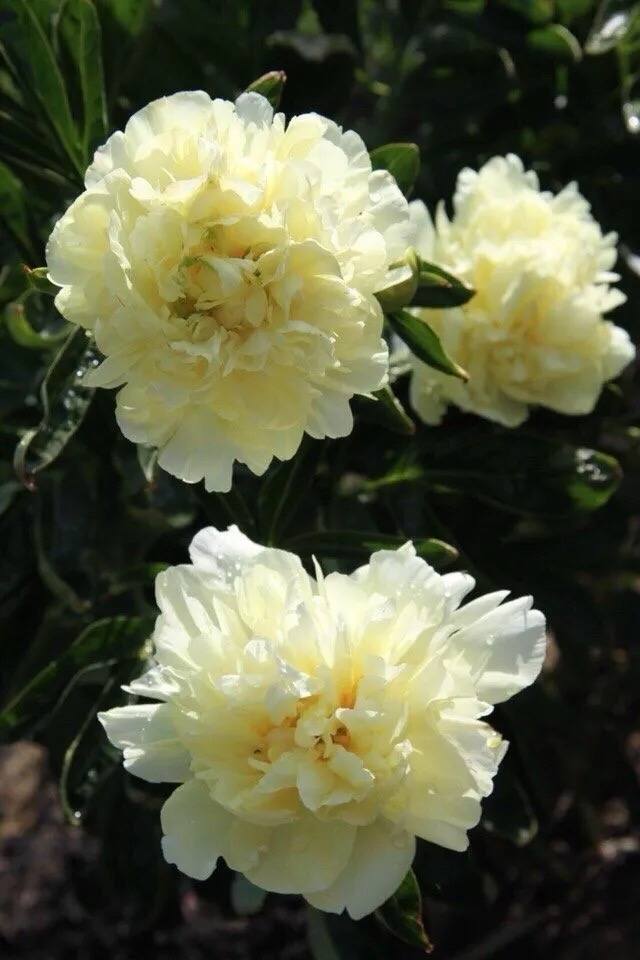
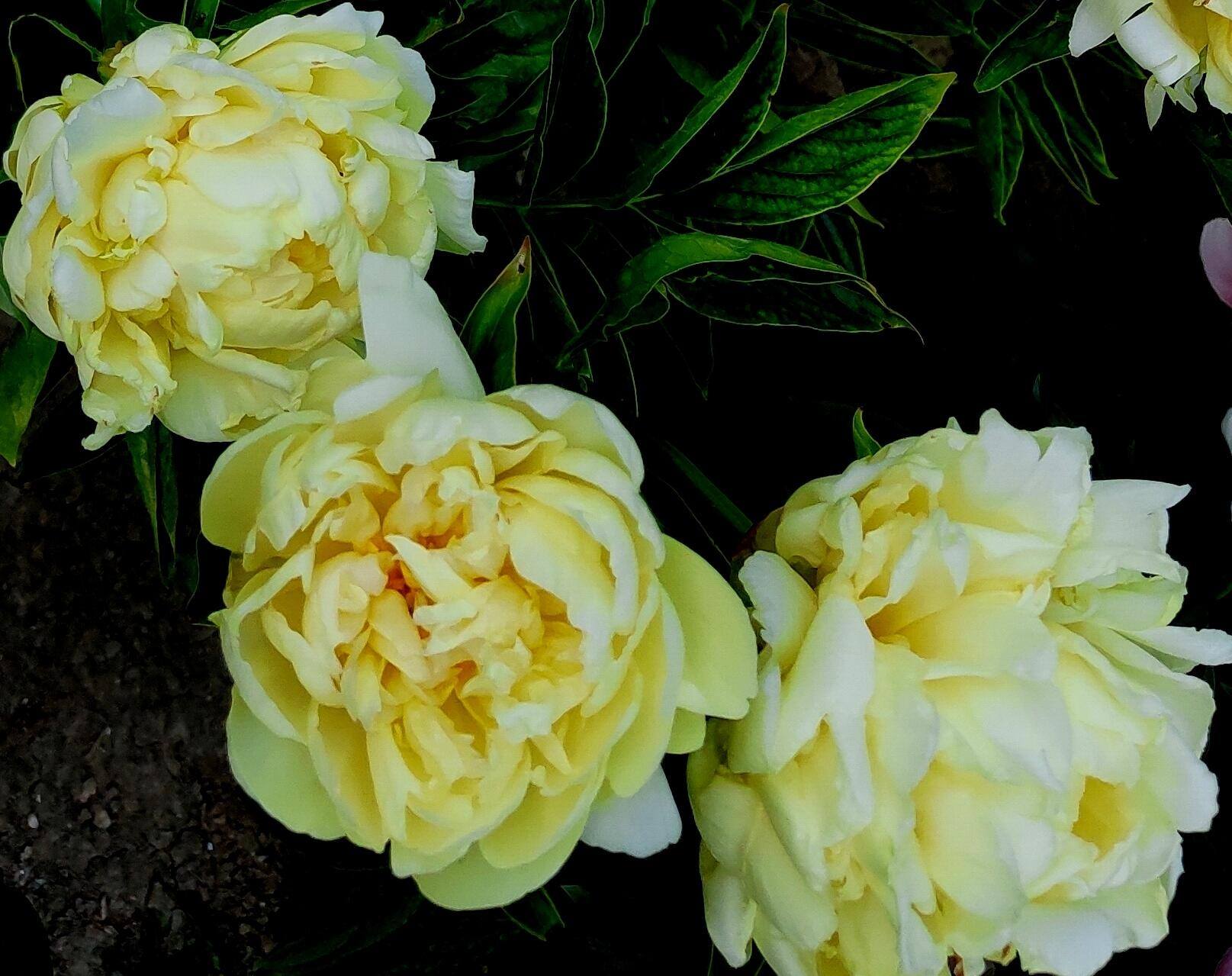
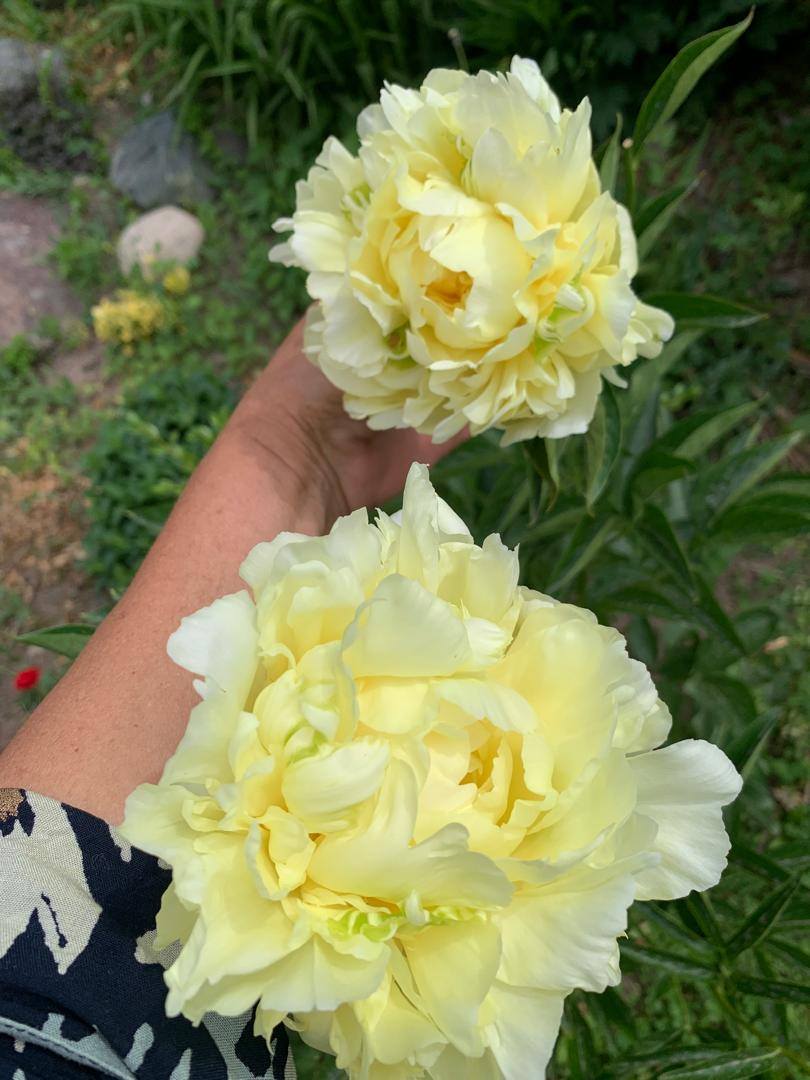
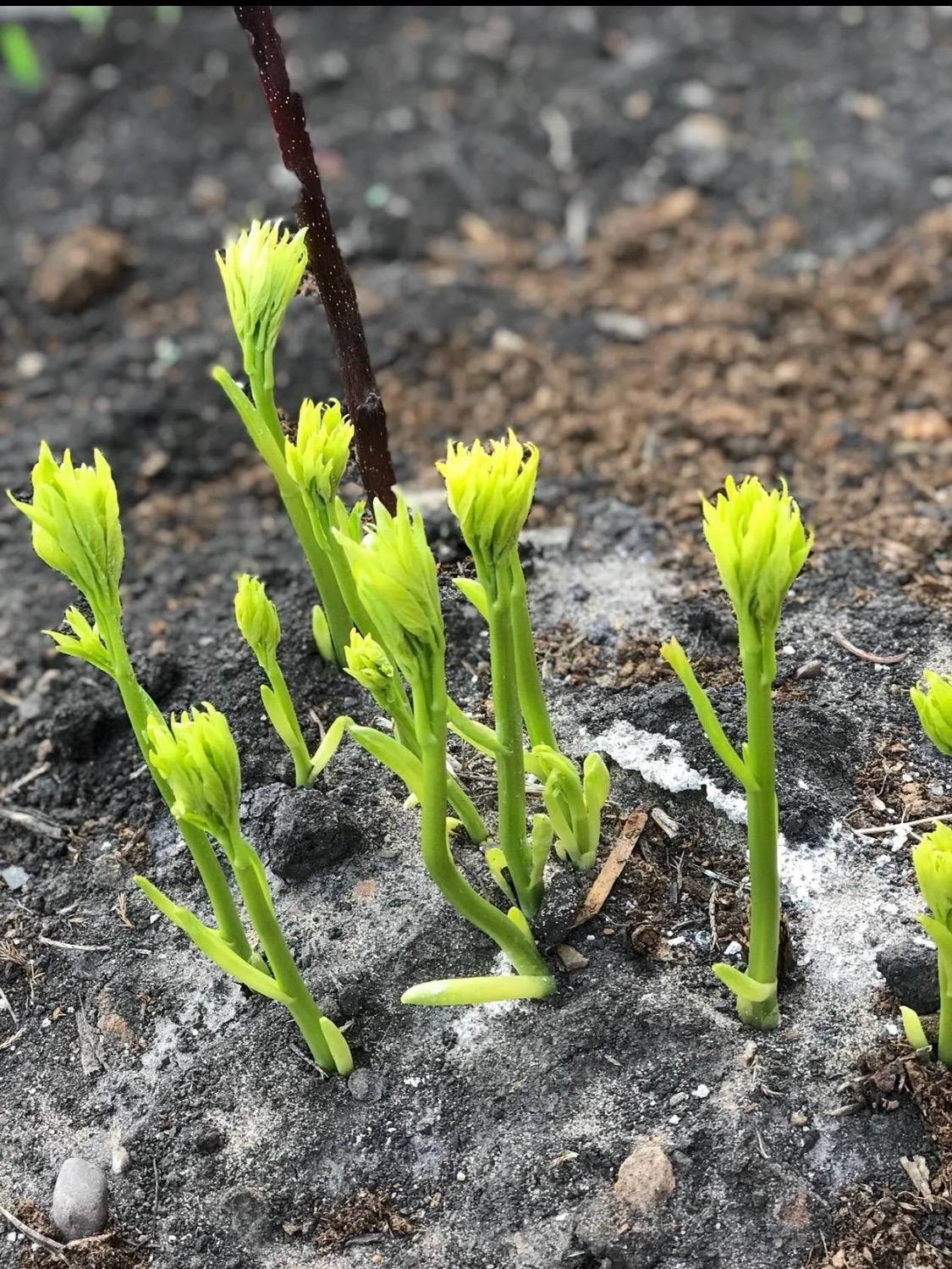
According to a widely circulated version, the peony now known as Oriental Gold was discovered during the Japanese occupation of Manchuria, in the garden of the residence of the last emperor of the Qing dynasty. The plant attracted attention because of its yellow flowers — a trait unknown among herbaceous peonies of that era. Additional interest was raised by its yellow roots and buds, as well as the lemon-colored young shoots emerging in spring. These features had no known analogues among forms of Paeonia lactiflora and immediately called into question its conventional garden origin. After being transferred to Japan and later to the United States, the plant was introduced into cultivation and in 1954 was registered by A. P. Smirnov under the name Oriental Gold. From that point onward, the peony began to spread through private and botanical collections, maintaining its reputation as a botanical anomaly.
The first scientific hypothesis of origin
Phylogenetic context
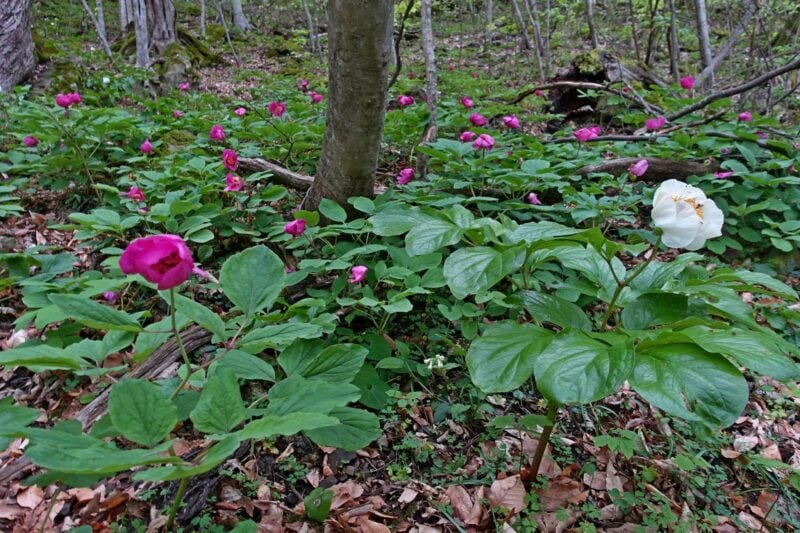
In the 1990s, the Chinese botanist and evolutionary biologist Tao Sang published a series of studies on the phylogeny of the genus Paeonia based on DNA analysis. His research demonstrated that many modern wild peonies are ancient natural hybrids formed through natural hybridization events millions of years ago. One of his most significant discoveries was the identification of traces of extinct evolutionary lineages preserved in the genomes of modern peonies. These lineages were designated ES1, ES2, and ES3. Reconstructions suggested that one of these extinct lineages may have possessed yellow pigmentation of both flowers and underground organs — a trait absent in extant wild species. In this context, the hypothesis of an ancient origin of Oriental Gold gains additional scientific relevance: the plant may represent a cultivated relic preserving genetic traces of extinct forms.
Current state of knowledge
The history of Oriental Gold illustrates how fragile and incomplete our understanding of plant evolution can be. Sometimes a single cultivar, preserved by chance in cultivation, becomes a living carrier of lost biological memory. Plants may preserve history no less faithfully than archives — if we learn how to read it.
Acknowledgements
If you have observations, photographs, old notes, or your own hypotheses related to Oriental Gold or similar forms, I would truly welcome a dialogue.