Paeonia kesrouanensis
Source: Hong, De-Yuan. “Peonies of the World. Taxonomy and phytogeography.” Kew: Royal Botanic Gardens, 2010, p. 195-196.
Perennials. Roots carrot—shaped. Stems 35—80 em tall, glabrous, green, sometimes with purple spots or partially purple at the base, with 4-7 yellow—green scales at the base. Petioles and petiolules glabrous. Lower leaves biternate; leaflets/leaf segments 10—14, rarely up to 17 in number, ovate or elliptic, acute at the apex, 8—l8 cm long, 4—7.5 cm wide, glabrous above, sparsely to rather densely villose beneath. Flowers solitary; involucrate bracts mostly one, rarely 2 in number, leaf-like, or absent; sepals 3-4, less frequently 2 or 5 in number, nearly orbicular, mostly or all rounded but sometimes one acute at the apex, green but often purple at the periphery, usually glabrous, rarely sparsely hirsute outside; petals 5—9 in number, pale pink, pink or red, 4.5-6.3 cm long, 2.5-4.2 cm wide, mostly entire, rarely incised; filaments dark purple; anthers yellow; disk 1 mm high, entire, rarely waved; carpels 1—3, rarely 4 or 5 in number, glabrous; styles 1.5—3.5 mm long, styles and straight part of stigmas together 3.5-7.0 mm long.
Paeonia kesrouanensis in Osmaniye – Turkey, video by Mehmet Celik
Chromosome number: 2n = 20 (tetraploid)
Growing in Fagus orientalis, Pinus nigra or Cedrus libani forests or in Quercus scrubs in areas of limestones or metamorphic rocks at altitudes from 1,000 to 1,800 m. Confined to Lebanon, SW Syria, and SW and S Turkey
Paeonia kesrouanensis is a distinct species. It grows together with P. daurica in Mt Amanos in S Turkey, but we found no hybrids there. It differs from P. daurica not only in morphology (lower leaves with 10-17 leaflets/leaf segments; carpels 1-3, always glabrous in P. kesrouanensis) but also in ploidy (2n = 20 for P. kesrouanensis versus 2n = 10 for P. daurica). Paeonia kesrouanensis also grows together with P. mascula on Ziyaret Hill, above Senkoy, Antakya, Turkey, where we did not find hybrids. The population of P. mascula there, like the populations elsewhere, had carpels that were 3-5 in number and lanate, and sessile stigmas, and was thus distinct from P. kesrouanensis. Paeonia kesrouanensis is similar to two other allopatric species, P. coriacea (S Spain and Morocco)‘and P. cambessedesii (the Baleares, Spain). However, P. coriacea is nearly always glabrous throughout, and P. cambessedessi is always glabrous throughout, with its lower leaves nearly always of 9 entire leaflets and mostly (3—)4—6(—8) carpels.
Paeonia turcica was described as new by Davis and Cullen due to its having styles and stigma that are shorter than those in P. kesrouanensis and curved near the base (rather than curved only at the apex in P. kesrouanensis). The length of style and stigma in P. turcica is, however, in the variation range of those in P. kesrouanensis (4.5—7 mm) and they curve at various positions. Therefore, P. turcica was treated as a synonym of P. kesrouanensis.
Editor’s note: Despite the relegation of P. turcica to synonymity with P. kesrouanensis we think both are distinctly different to remain two different species. P. kesrouanensis can be found in Southern central Turkey (close to the easternmost part of the Mediterranean Sea) and then further downwards in mountains close to the Mediterranean coast in Syria and Lebanon. P. turcica itself can be found in Southern Turkey more westwards (Antalya and regions around it) from P. kesrouanensis. The differences in style between them both may be insufficient but the leaflets at the very least are rather different. When we have seen mature plants of both, we’ll try to describe the differences better, but the images below of both species already show the differences in leaflets.
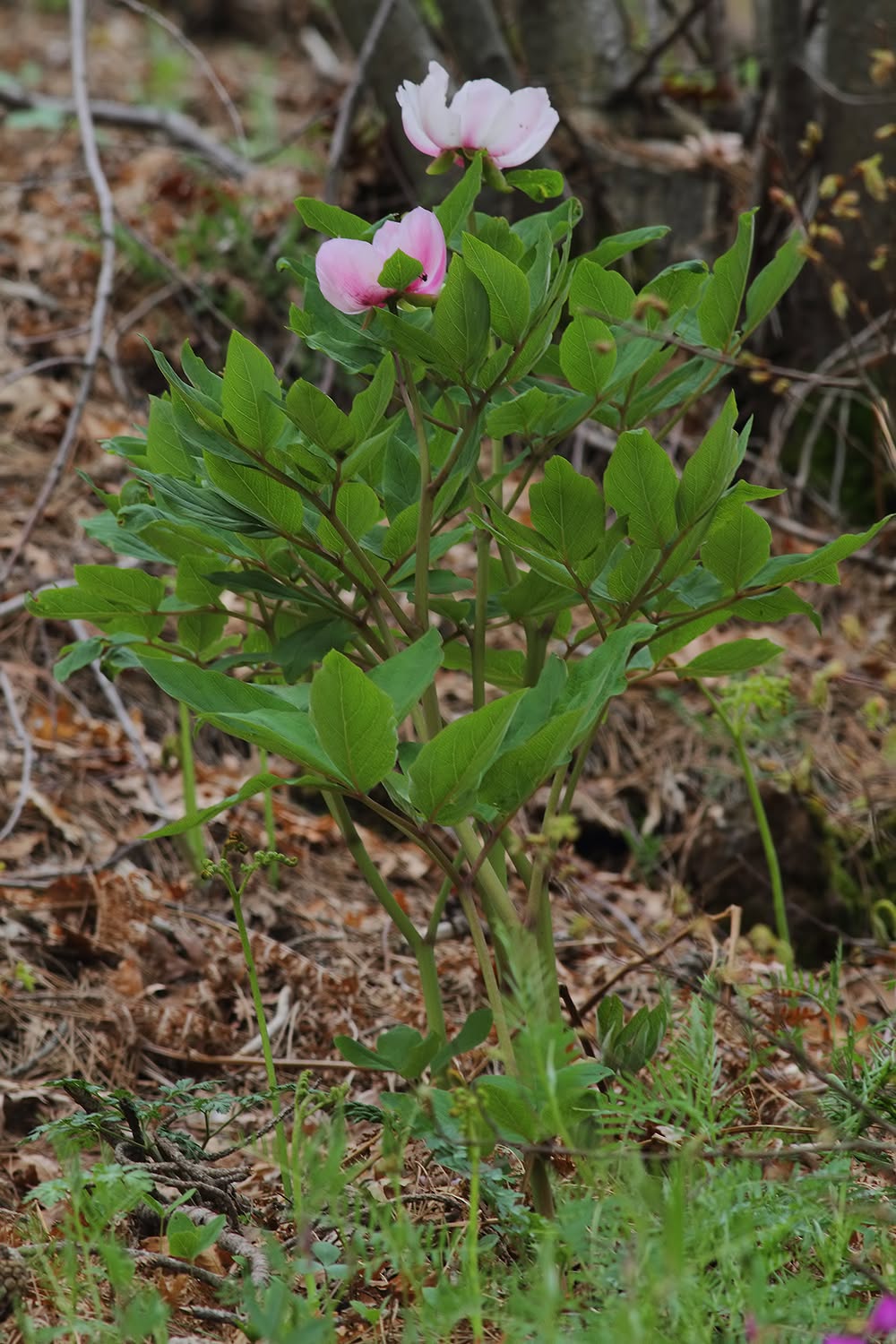
Images below by Bakhos Kamouh
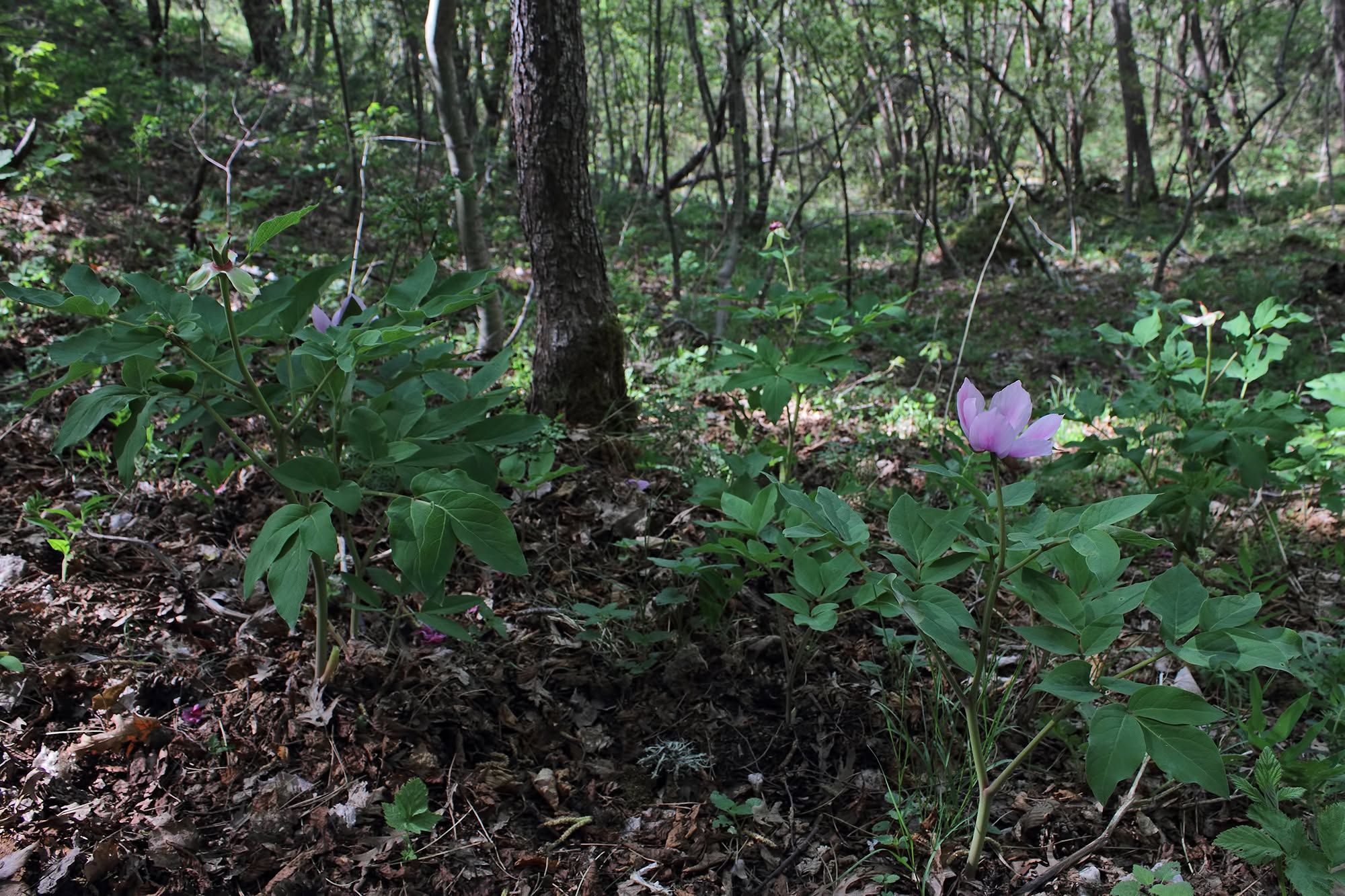
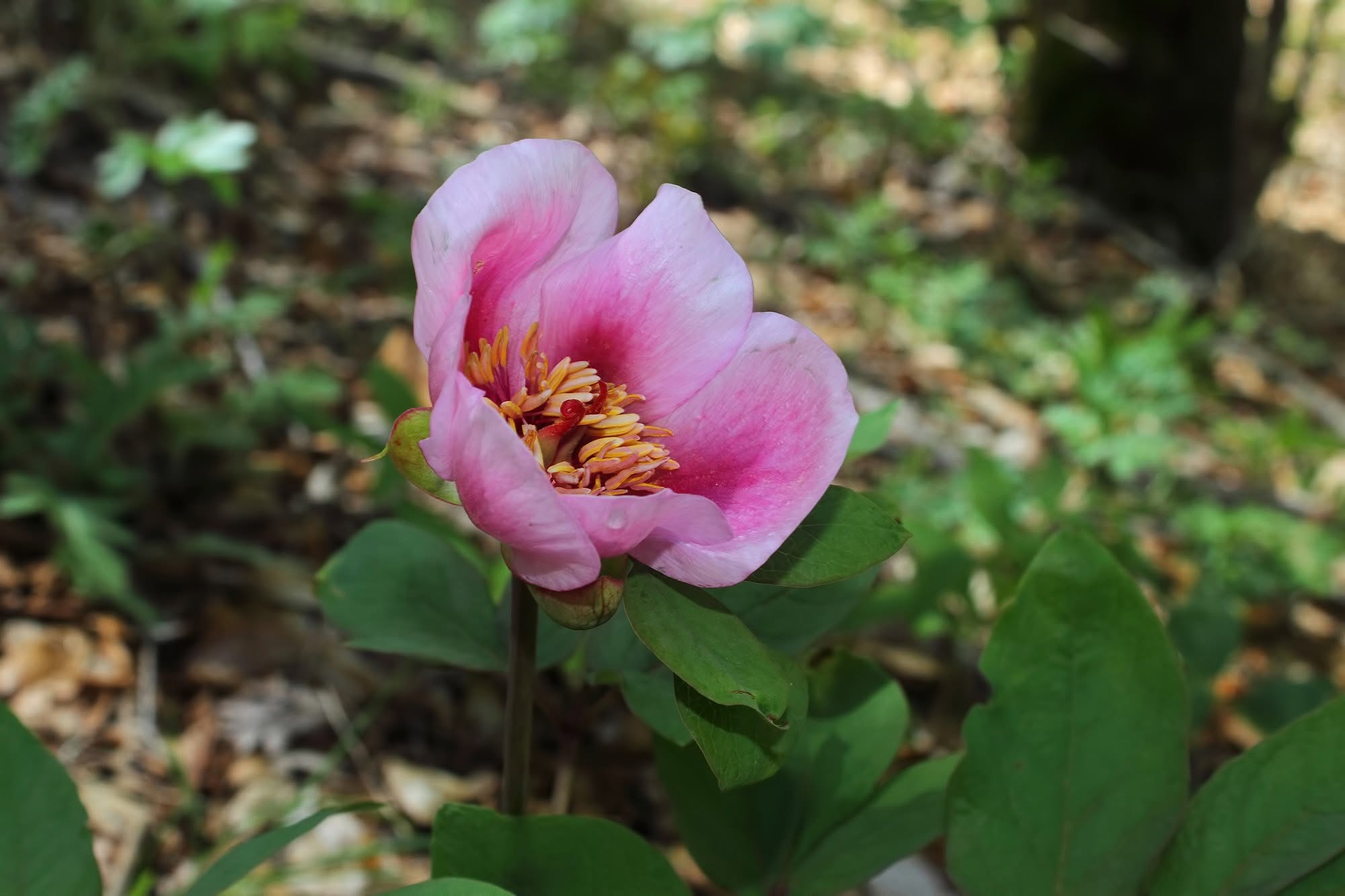
Paeonia kesrouanensis in Lebanon, Raachine (A village situated in Kesrouane district), altitude: 1250 m
“They grow in a forest of Quercus infectoria, in an area not very exposed to the sun where mosses can be noticed next to the peonies.”


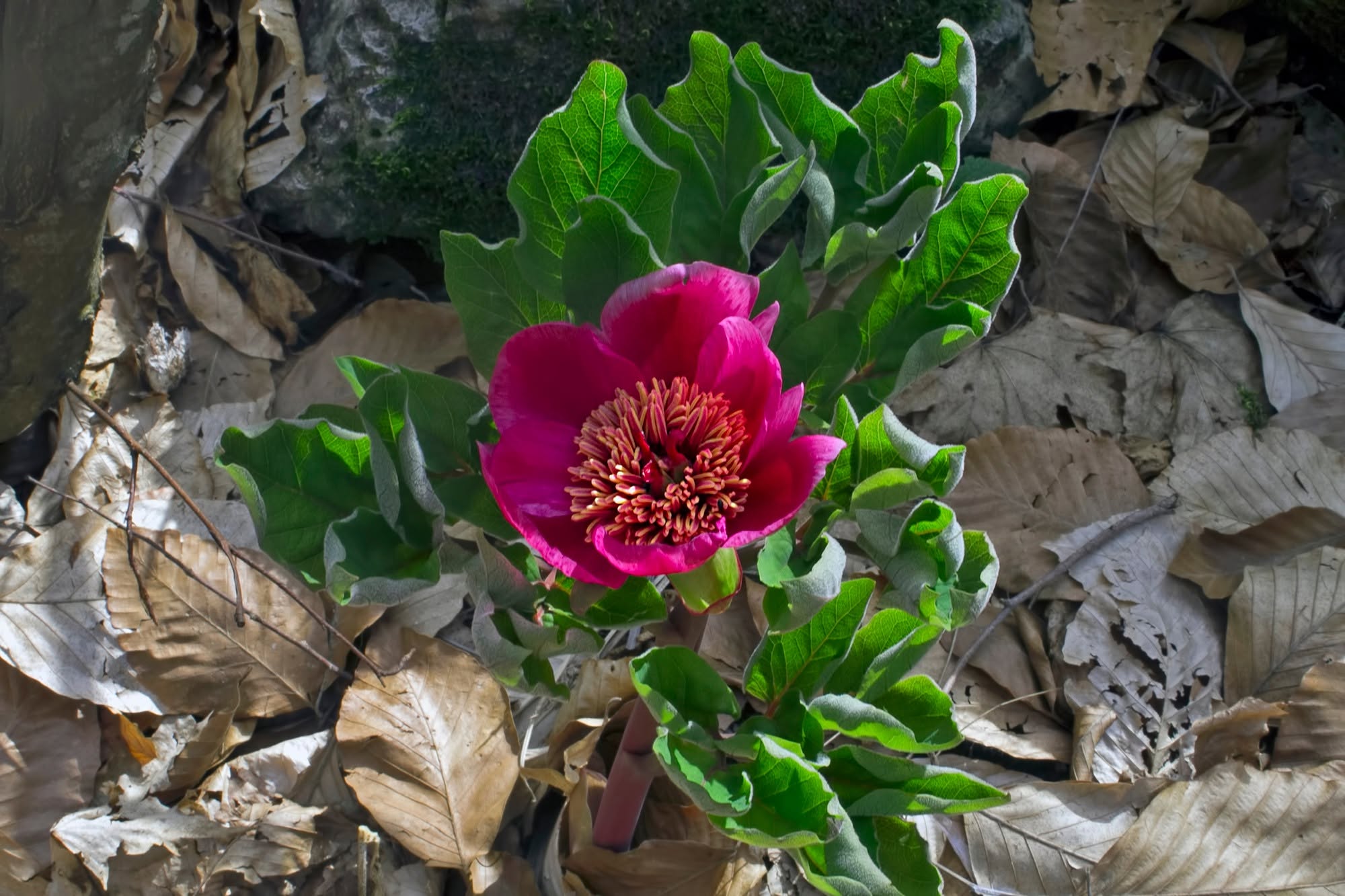
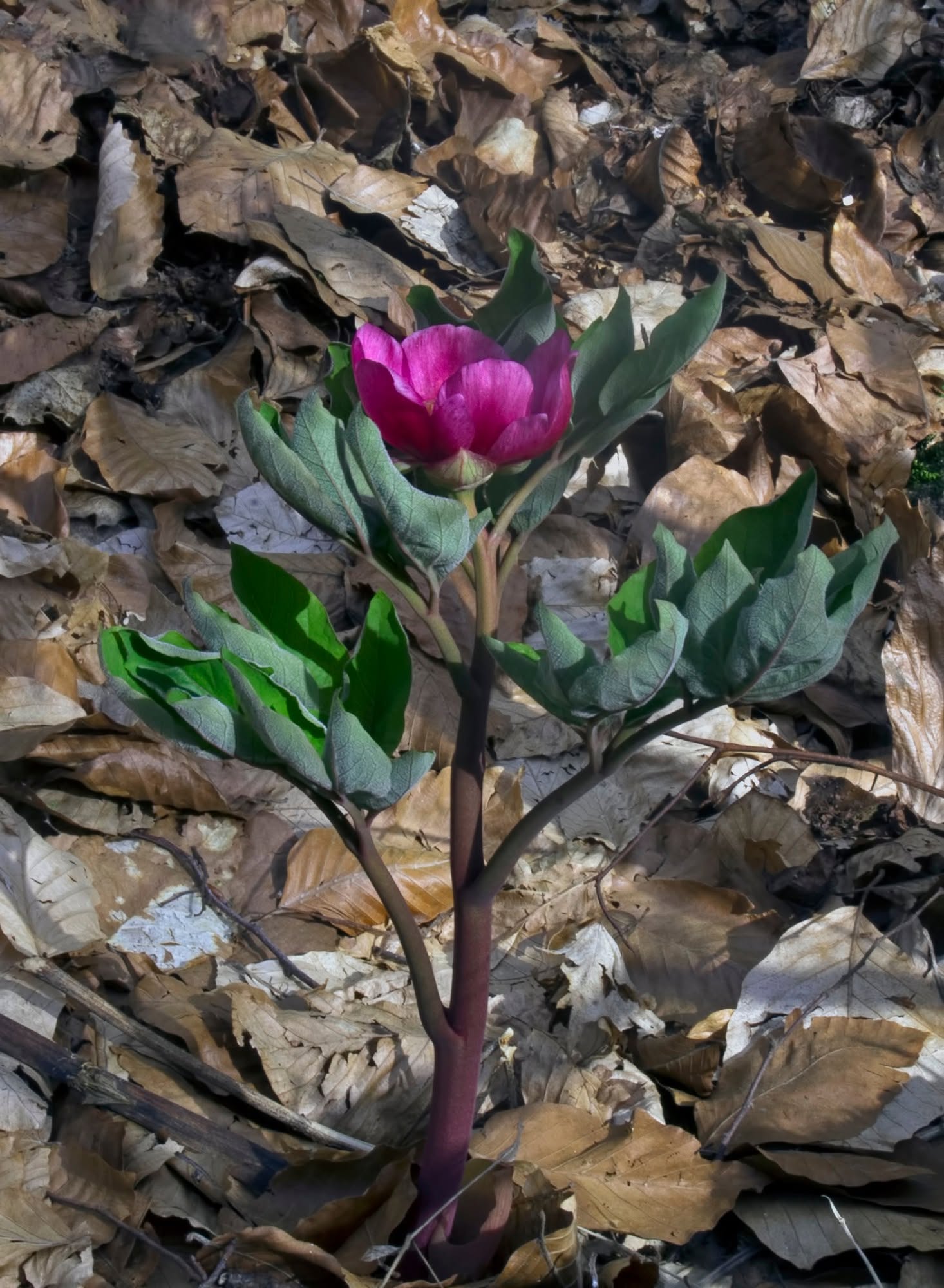
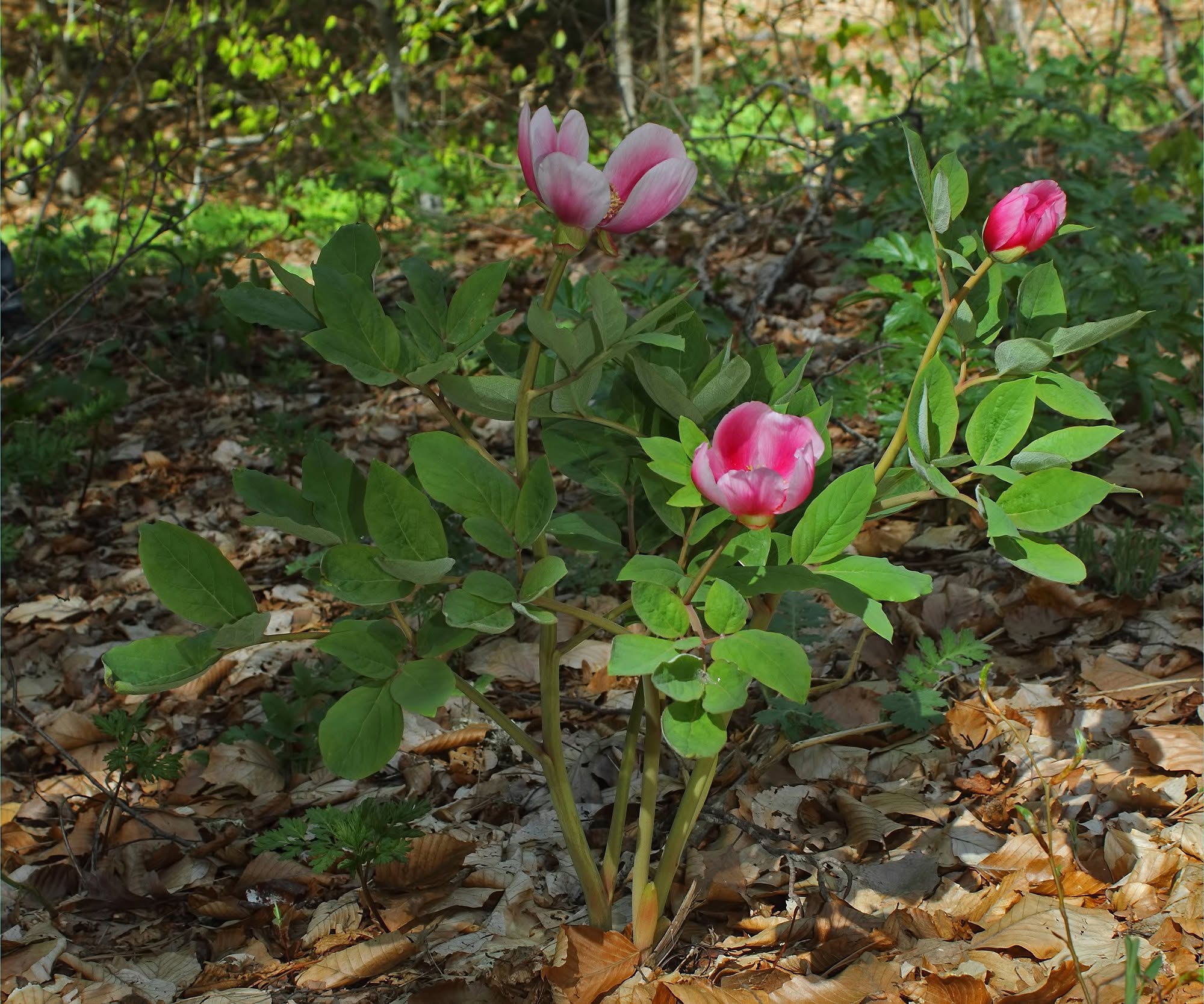
Images below by Mehmet Celik
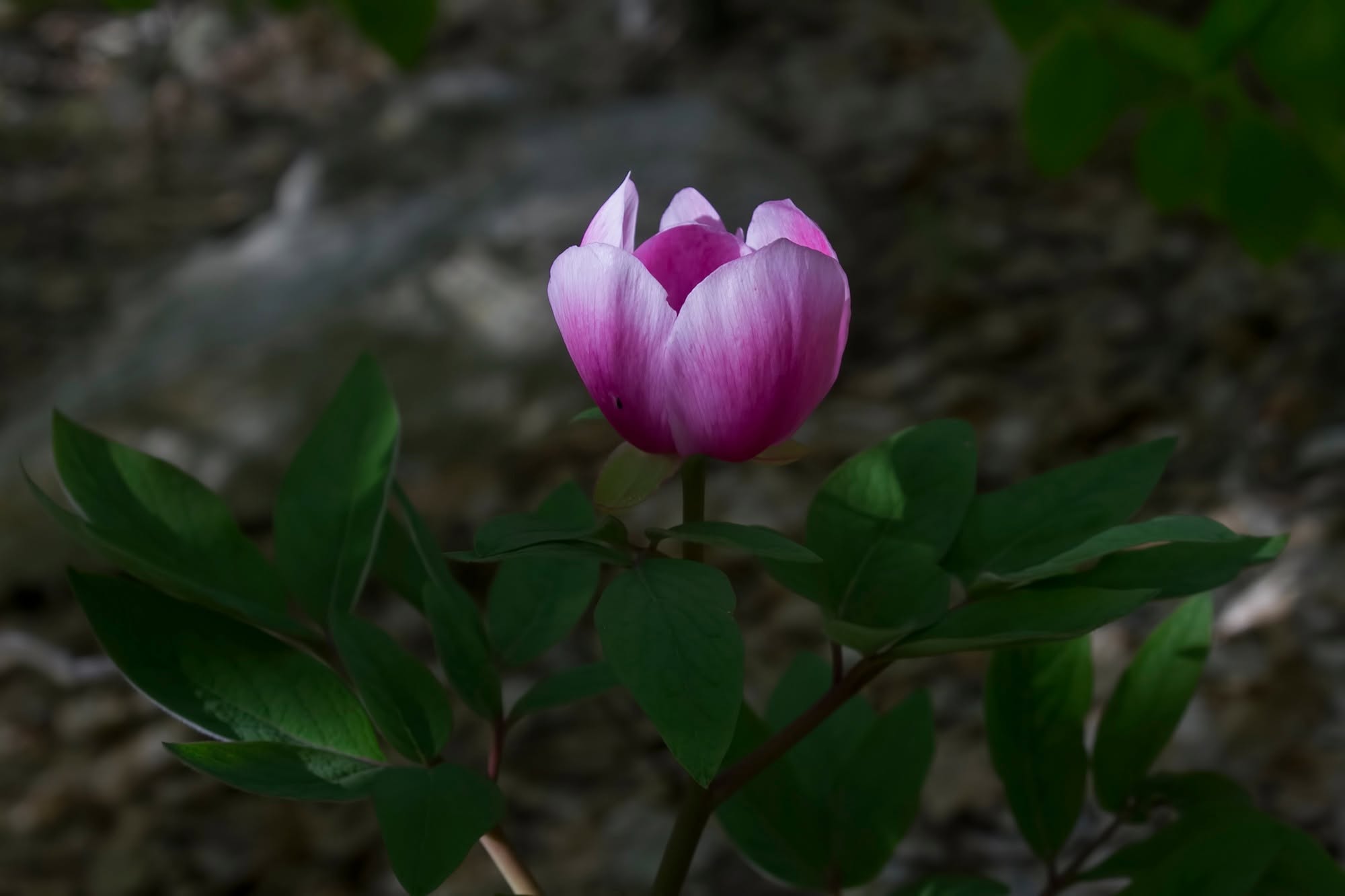
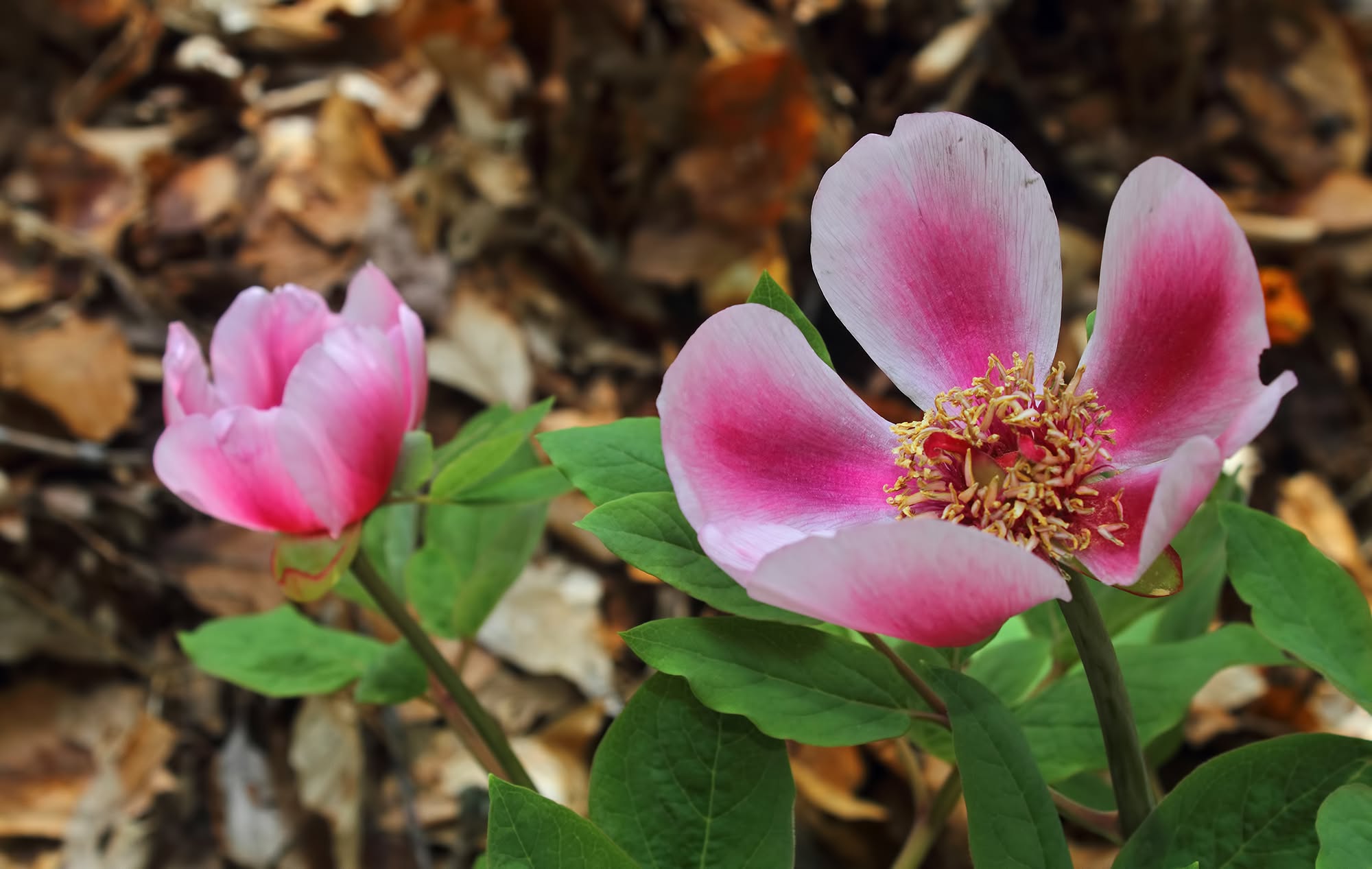
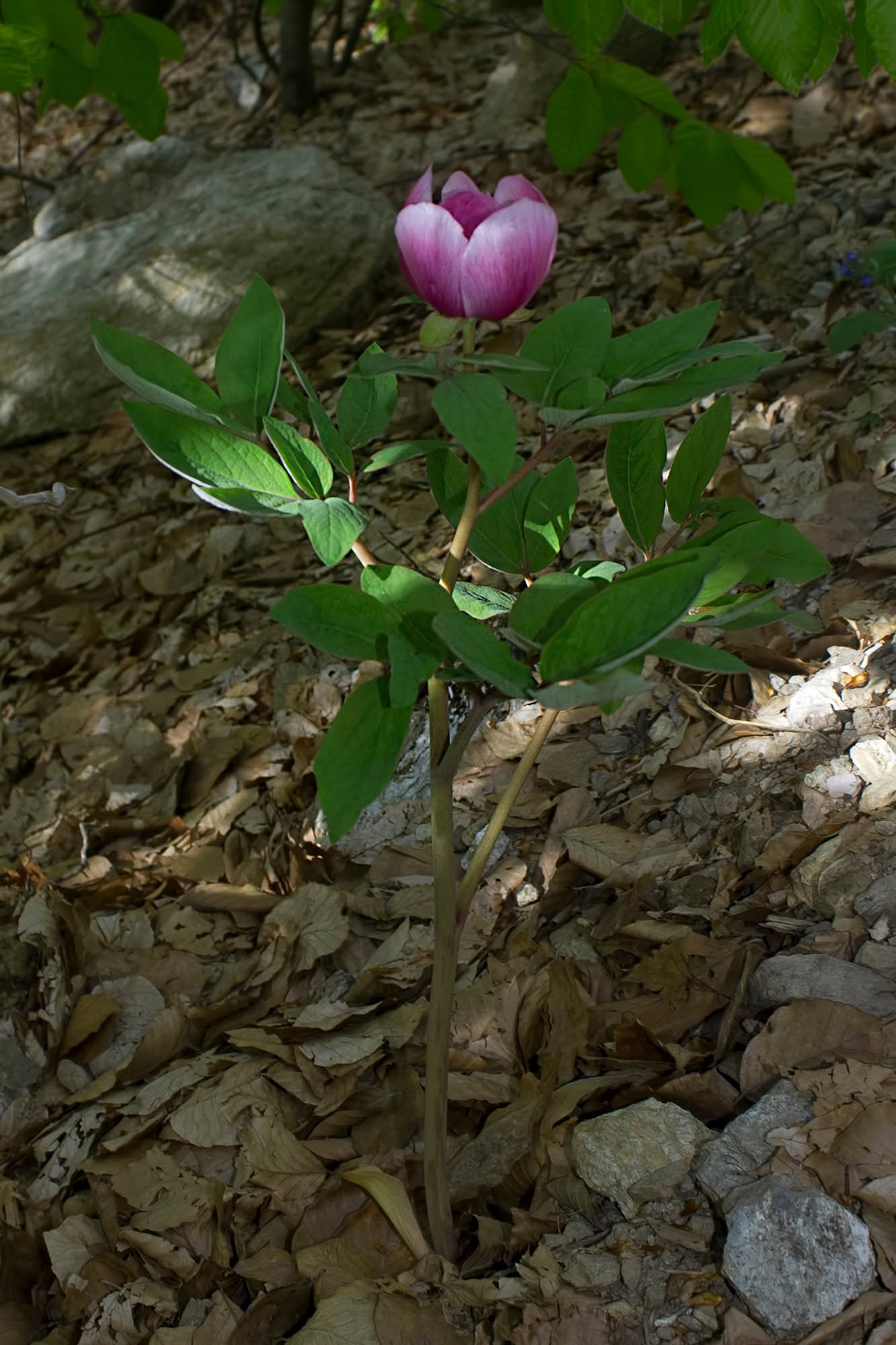
Paeonia kesrouanensis in Amanos Mountains, Turkey.
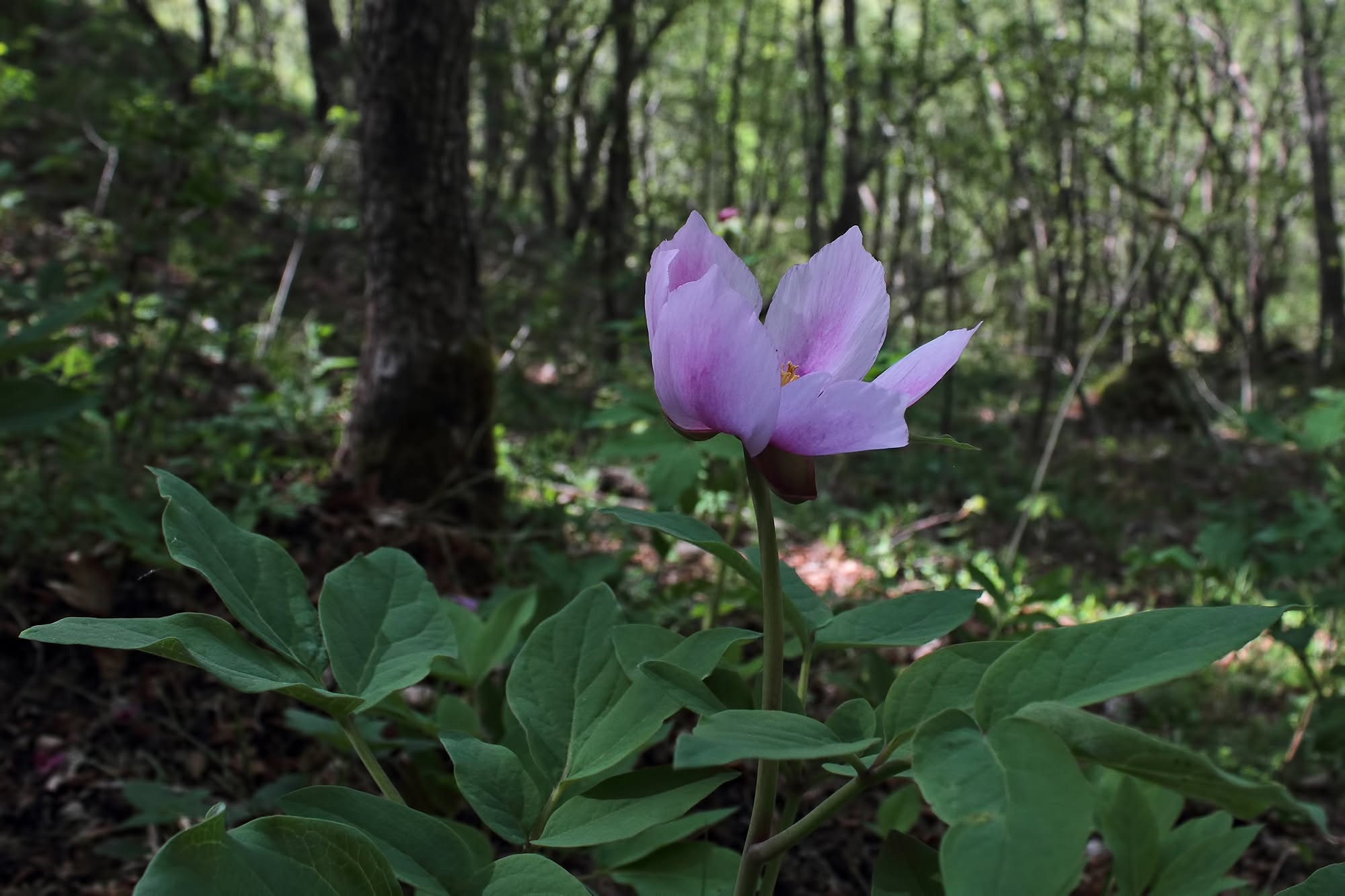
Images below by Ömer Faruk Gülşen
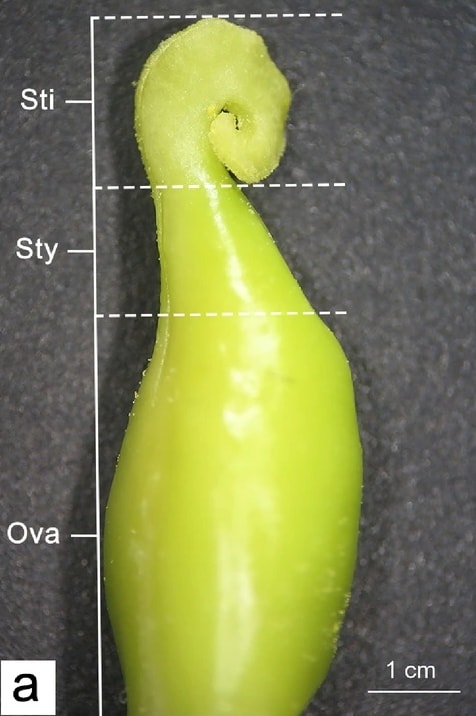
Paeonia turcica in Turkey, Antalya, Beydağları. Locally known as Ayi Gülü (Bear Rose). Within Turkey distributed in Antalya, Denizli and Burdur at altitudes from 1,100 to 1,500 m above sea level (a.s.l.)











From these last series, they've received a long warm period and will now go into cold storage. Here the two…
Worked like a charm this time. Rooted seeds of nearly all 'difficult' samples and almost all of them looking perfectly…
Updated with some more info I received from Aleksej.
OF never makes good carpals at my house, so the method I used was to use OF as a pollen…
I haven't followed up on it and I don't grow any of them myself. You're right to ask for it…
Any further information on Little Erna…it’s been 7 years.
I must say that I grow all my seedlings in potting soil, 24 seeds to a #3 pot. I keep…
I can't speak much about the "stimulating" properties of any of these products, but my sense is that the bacterial…
Danke für den interessanten Artikel. Werde ich auch mal anwenden für Spezies-Sämlinge und Jungpflanzen von Albiflora . Ich hoffe es…
Yes. But I'll have to admit that I haven't done a decent trial comparing seeds treated with GA3 and a…