The Himalayan Region
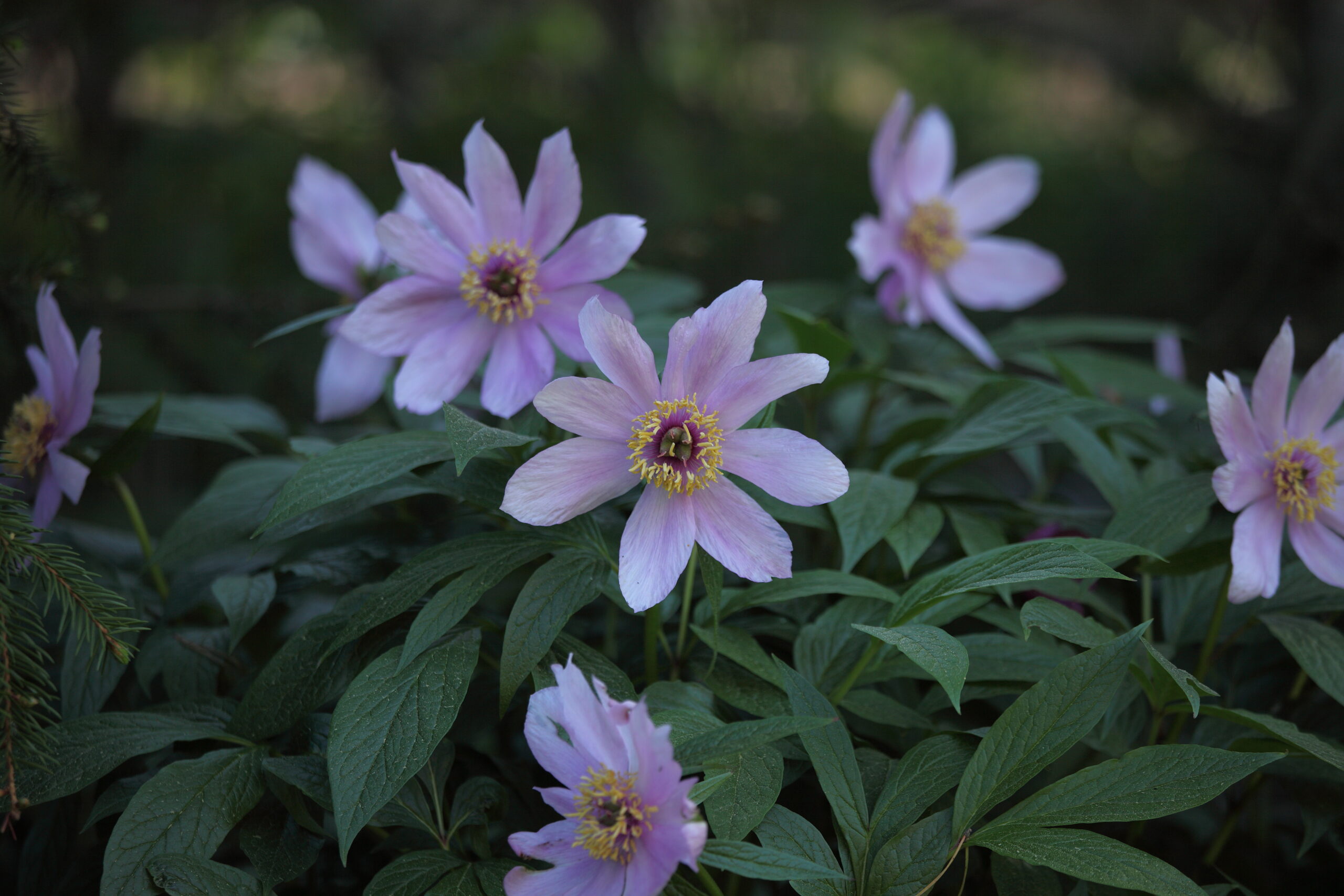
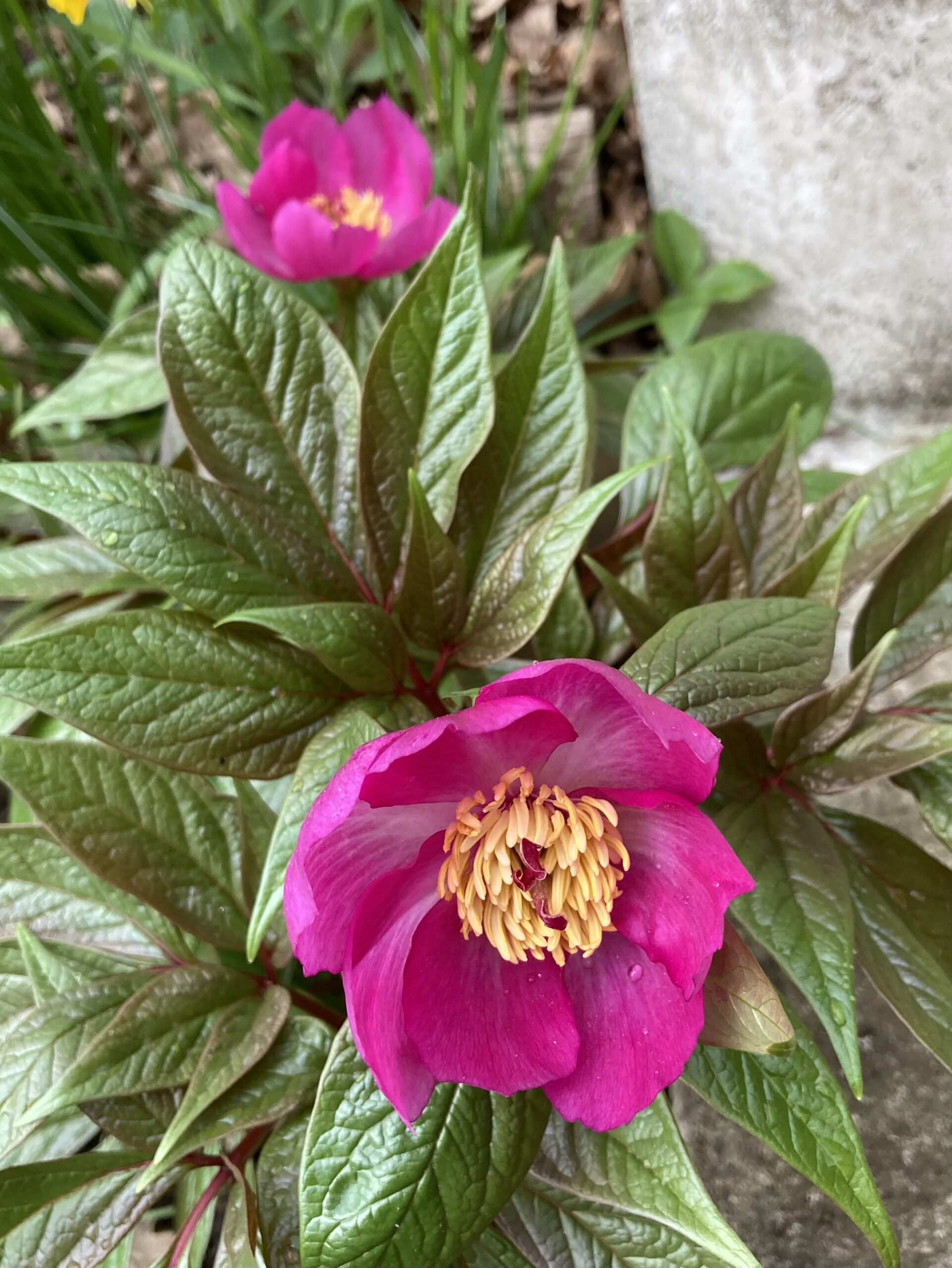
In evolutionary history, the Himalayan region has served as the birthplace of peonies. The divergence into tree and herbaceous peonies is estimated to have occurred around 28 million years ago. All tree peony species are diploid and are endemic to the Himalayas and nearby areas. The Himalayan region has served as a refuge area for peonies, where they were able to speciate and persist — that is, survive — through geological changes. Most peony species are younger than 10 million years. No fossils have been preserved. From the Himalayan region, tree peonies spread into nearby parts of Central and East Asia. Gradually, herbaceous peonies also spread eastward and further from East Asia to northwestern America, but also westward, to the Caucasus region, the Middle East, and Europe. This dispersal occurred gradually over a period from about 22 to 1.1 million years ago.
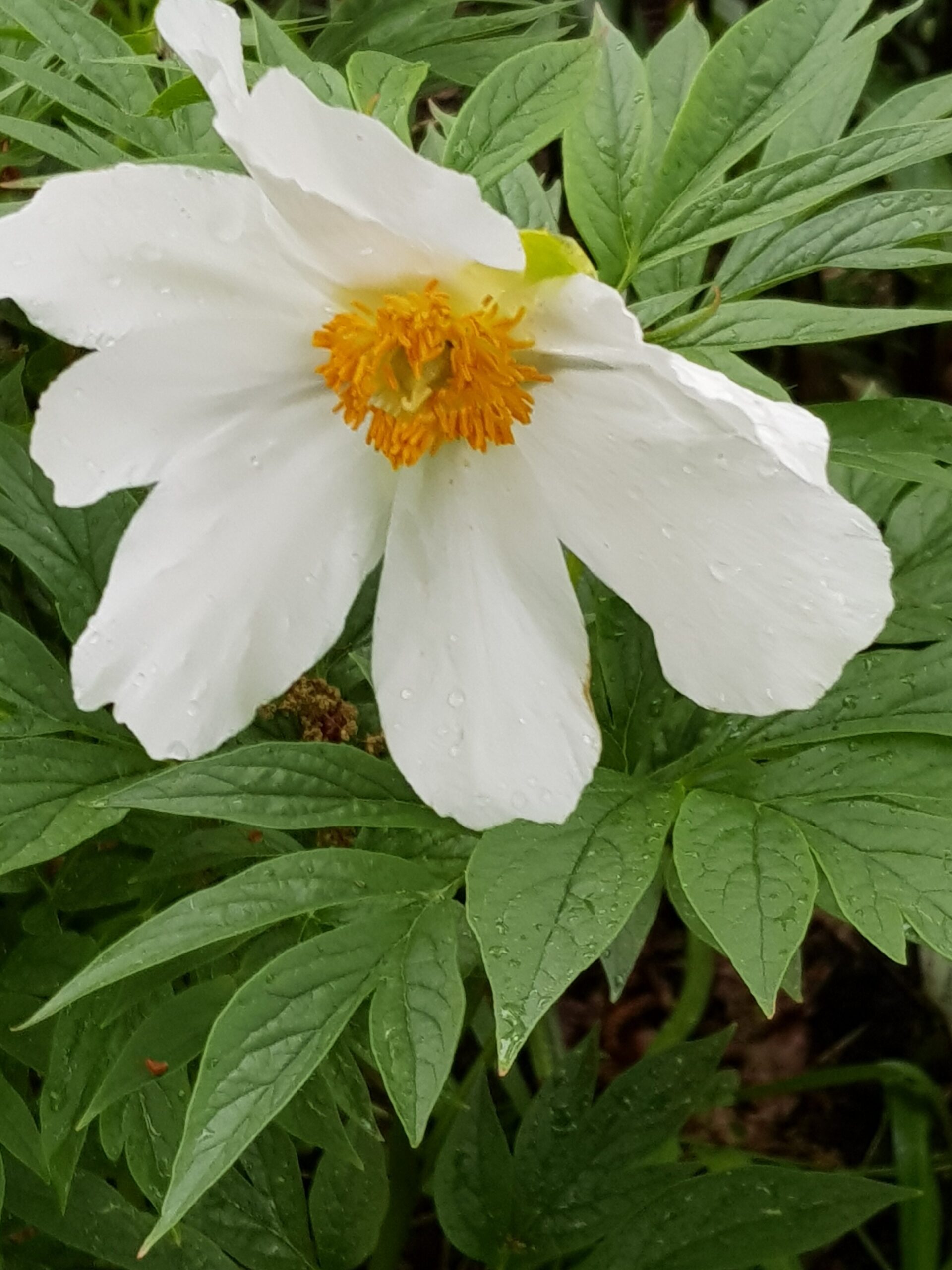
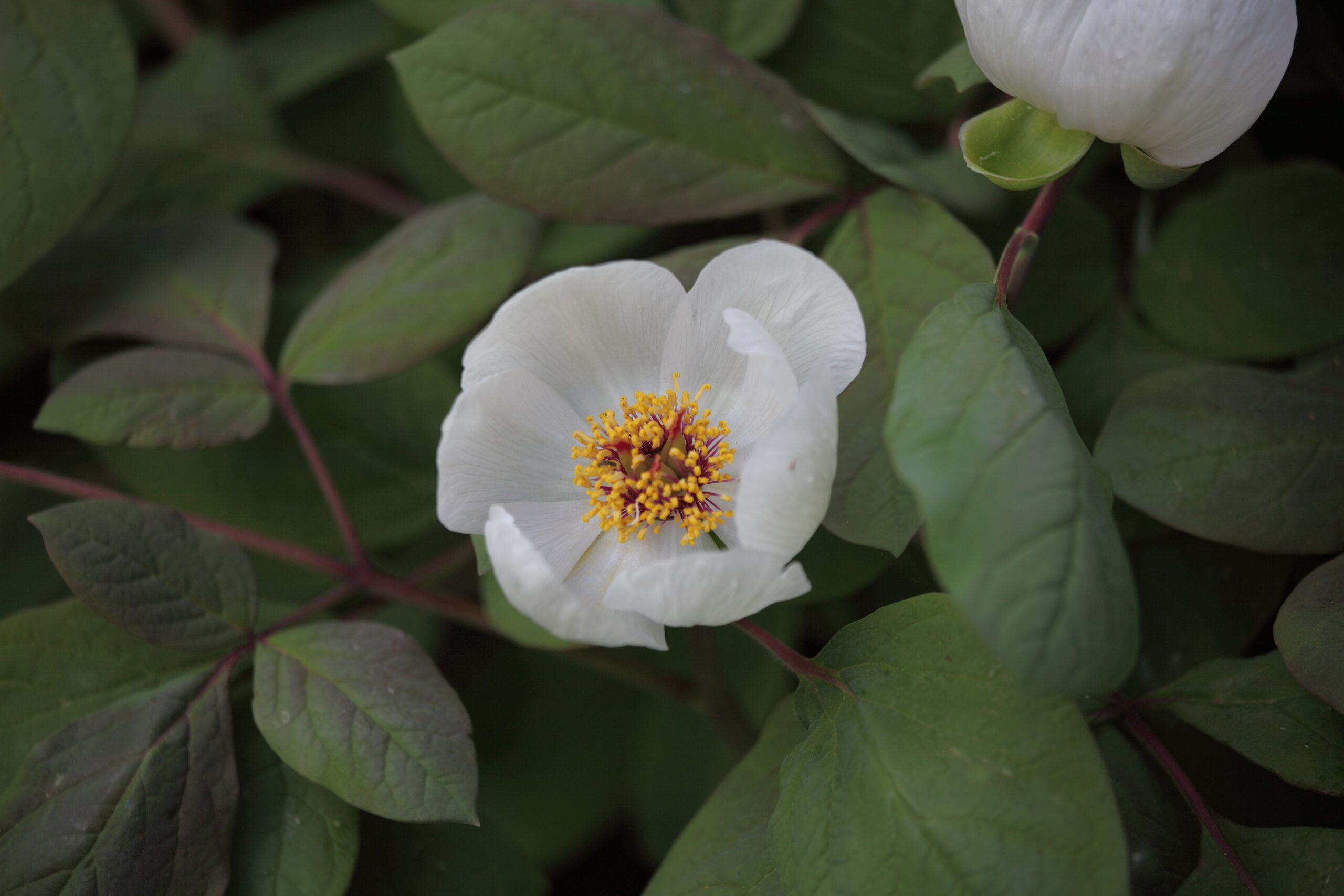
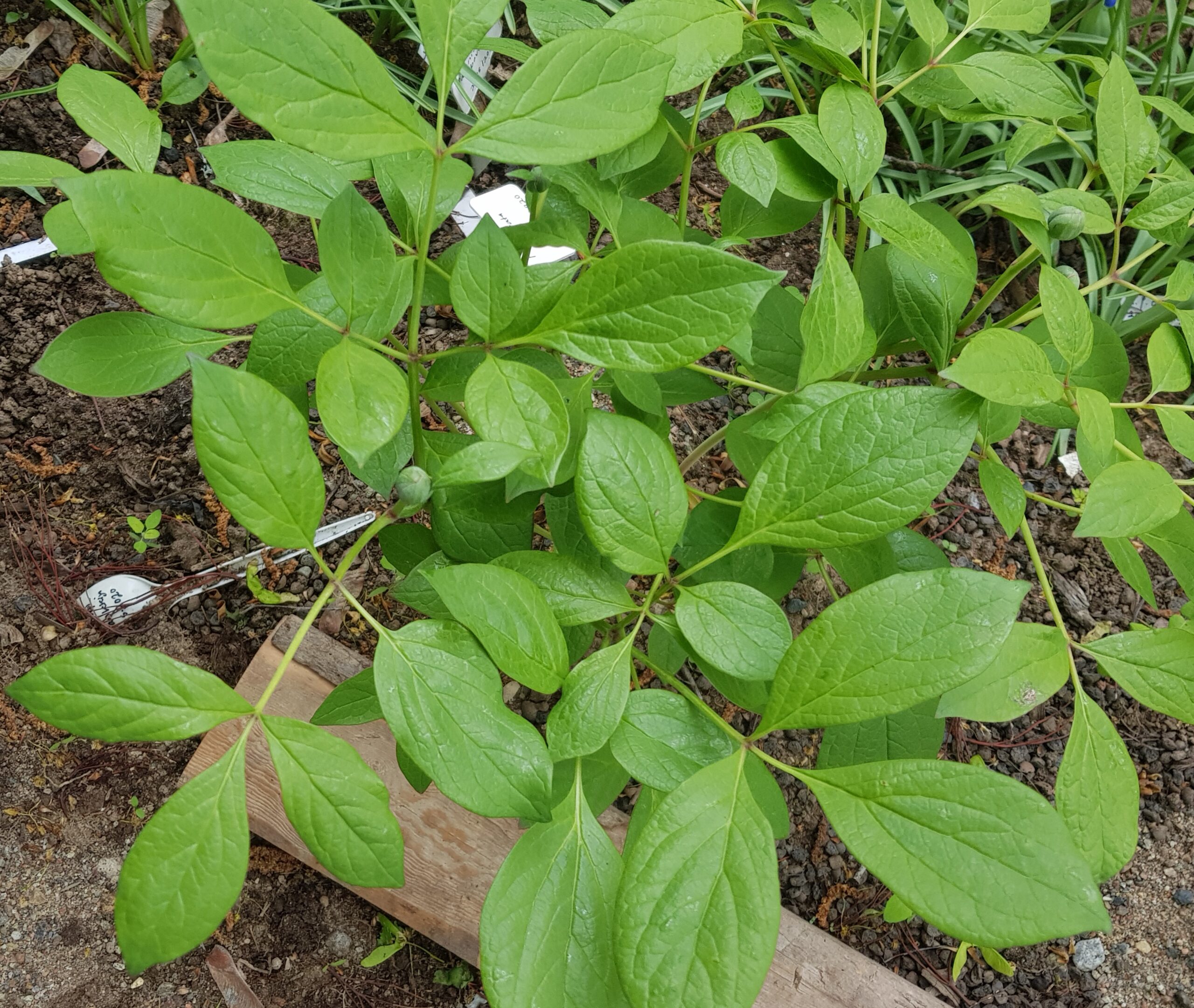
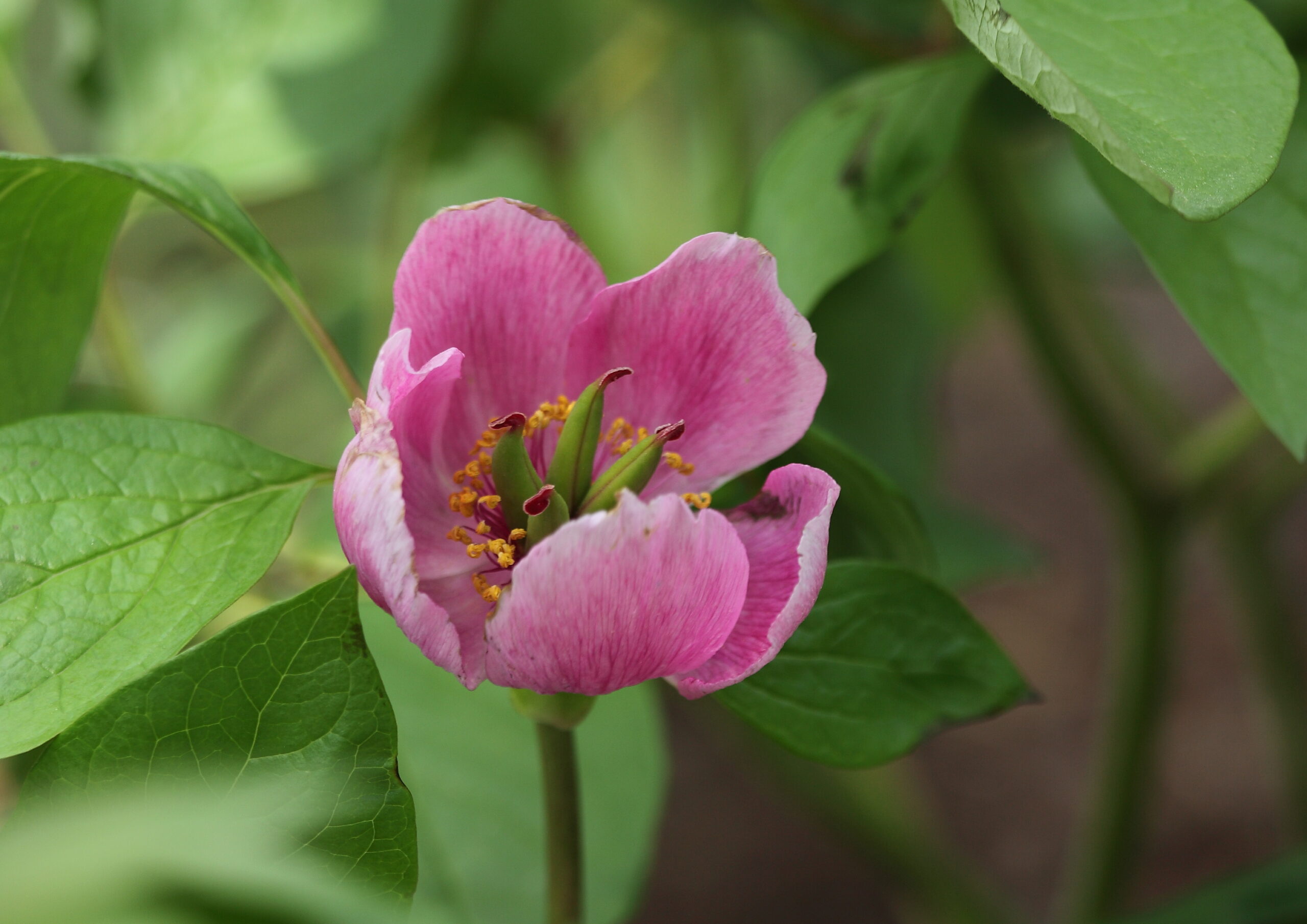
In the Himalayan region and Asia, herbaceous peonies are mostly diploid. There are 7 such diploid species. The Chinese peony (P. lactiflora), Veitch’s peony (P. veitchii), the Siberian peony (P. anomala), and the woodland peony (P. obovata) have wide distribution ranges. Other diploid species include the Himalayan peony (P. emodi), the Central Asian P. intermedia, and the Tibetan P. sterniana. These have more limited distributions. It is remarkable that only one species, the Chinese endemic P. mairei, is tetraploid. It arose from diploid ancestral species: Veitch’s peony (P. veitchii, maternal parent) and the woodland peony (P. obovata, paternal parent). P. mairei is therefore an allotetraploid, a hybrid of two species, whose genome can be denoted VVOO after its parent species. In Asia, peony speciation has thus occurred at the diploid level, with P. mairei as the sole exception. I will return to this later.
The Mediterranean Region
The Mediterranean region is the second center of species diversity for peonies. Notably, of the 14 species, 8 are tetraploid and 5 are diploid. P. clusii is both diploid and tetraploid. Subspecies (ssp.) rhodia, growing on the island of Rhodes is always diploid, whilst ssp. clusii, growing on Crete and Karpathos, can be either. The diploid species of the Mediterranean region have narrow distributions, growing either on islands, such as P. corsica and P. cambessedesii (Mallorcan peony), or along coastlines (P. algeriensis, P. broteri). The tetraploid species, by contrast, have wide distribution ranges.
Speciation in the Mediterranean region (and the Caucasus) has occurred through hybridization and polyploidization. Researchers speak of “reticulate evolution” because there are several diploid ancestral species, forming a network-like pattern instead of a simple branching tree. Many ancestral species have served (based on this study) as both maternal and paternal parents.
However, three key diploid ancestral species can be identified. These are the woodland peony (P. obovata, genome OO, served as both maternal and paternal parent), the Crimean peony (daurica ssp. daurica, genome DD, served as both maternal and paternal parent), and the fernleaf peony P. tenuifolia (genome TT, served only as paternal parent). The fourth ancestral species, the diploid Veitch’s peony (P. veitchii, genome VV) served as the maternal parent in the origin of the Chinese endemic P. mairei, as already mentioned above. In total (in the Zhou et al. study), 8 diploid taxa (species or subspecies) were identified as parents of the tetraploids (table 1). In addition to the taxa mentioned above, the diploids P. algeriensis, P. clusii ssp. rhodia, and P. corsica have all served as both maternal and paternal parents, while P. daurica ssp. coriifolia (P. caucasica) served only as the maternal parent.