

German Medusa (Giessler, 2018). A somewhat different intersectional hybrid peony. Different because the mother is the tree peony and not the lactiflora variety, which is unlike nearly all others. And also because the tree peony is no lutea hybrid peony but rather Paeonia delavayi, the red form, resulting in a dark red intersectional with different…Read More
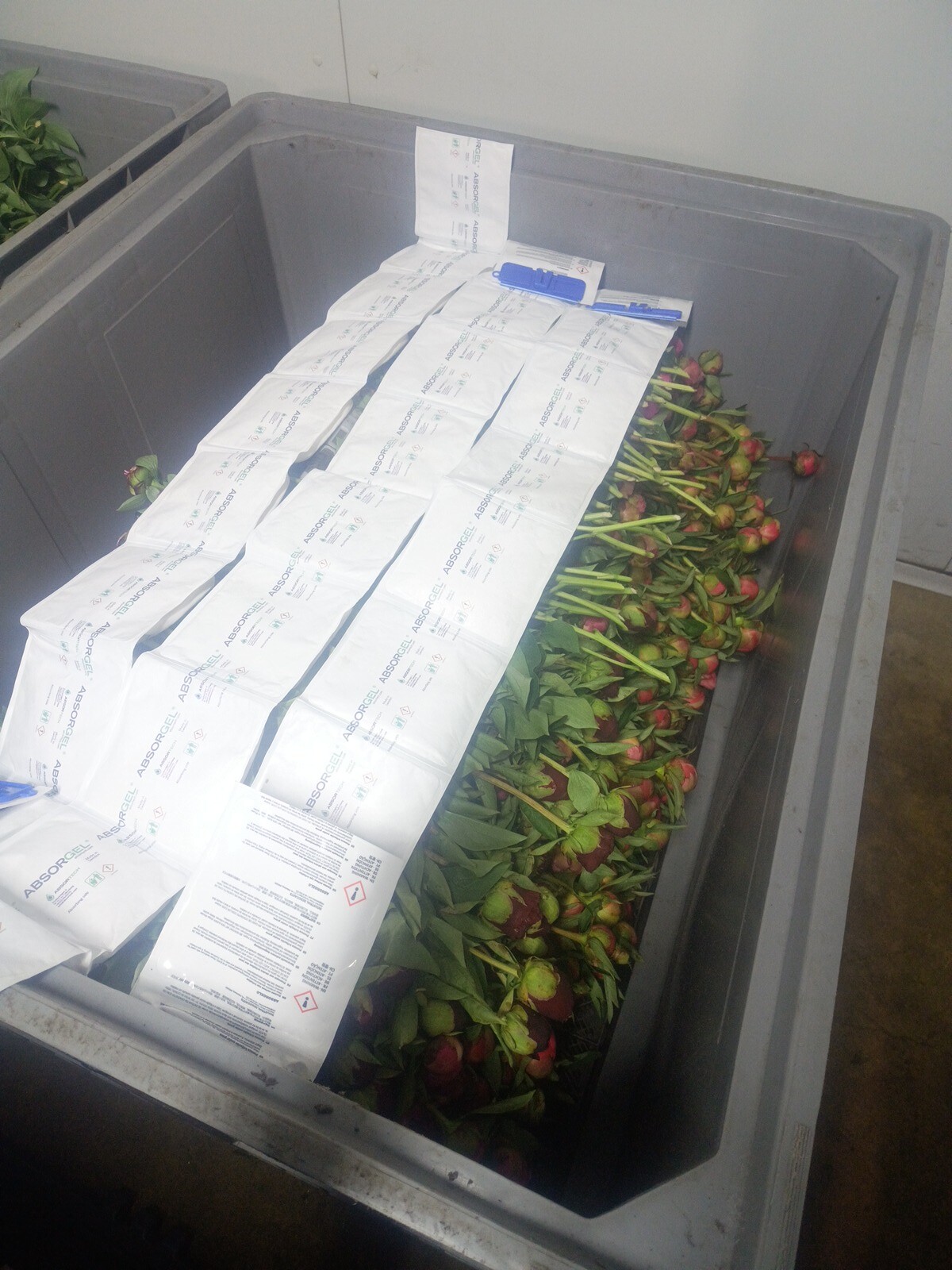
Already at the point of harvesting cut peony stems of Elsa Sass. It’s going fast this year, with quite some difficulties (read: botrytis) due to the wet weather. Filled two boxes again for Ultra Low Oxygen treatment and long storage. The image shows what will hopefully deliver some good flowers in September. 3 kg of calcium chloride active…Read More
![]()
![Profile picture of khurtekant]()
khurtekant posted in the group Species Peonies International Network (SPIN)
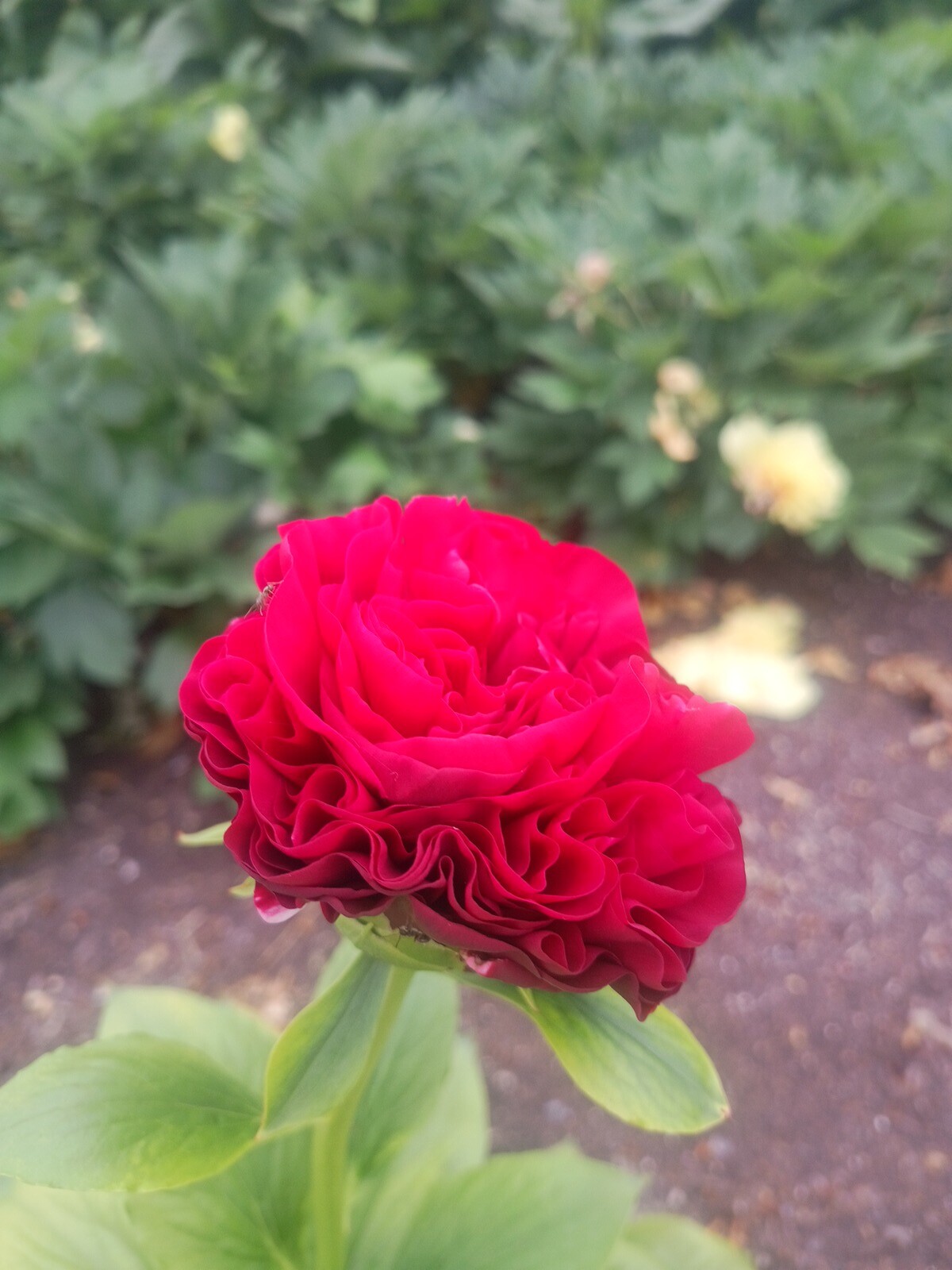
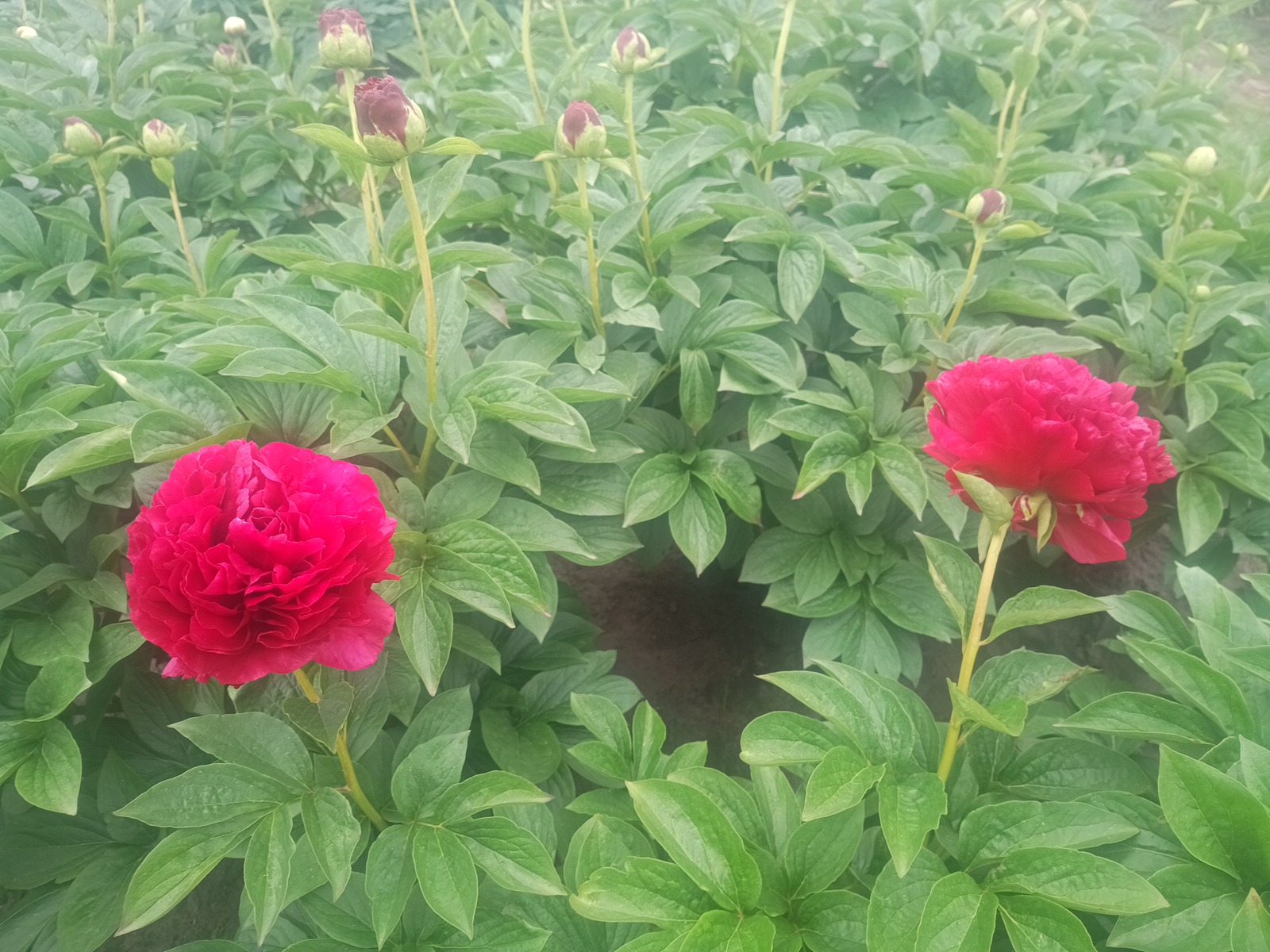
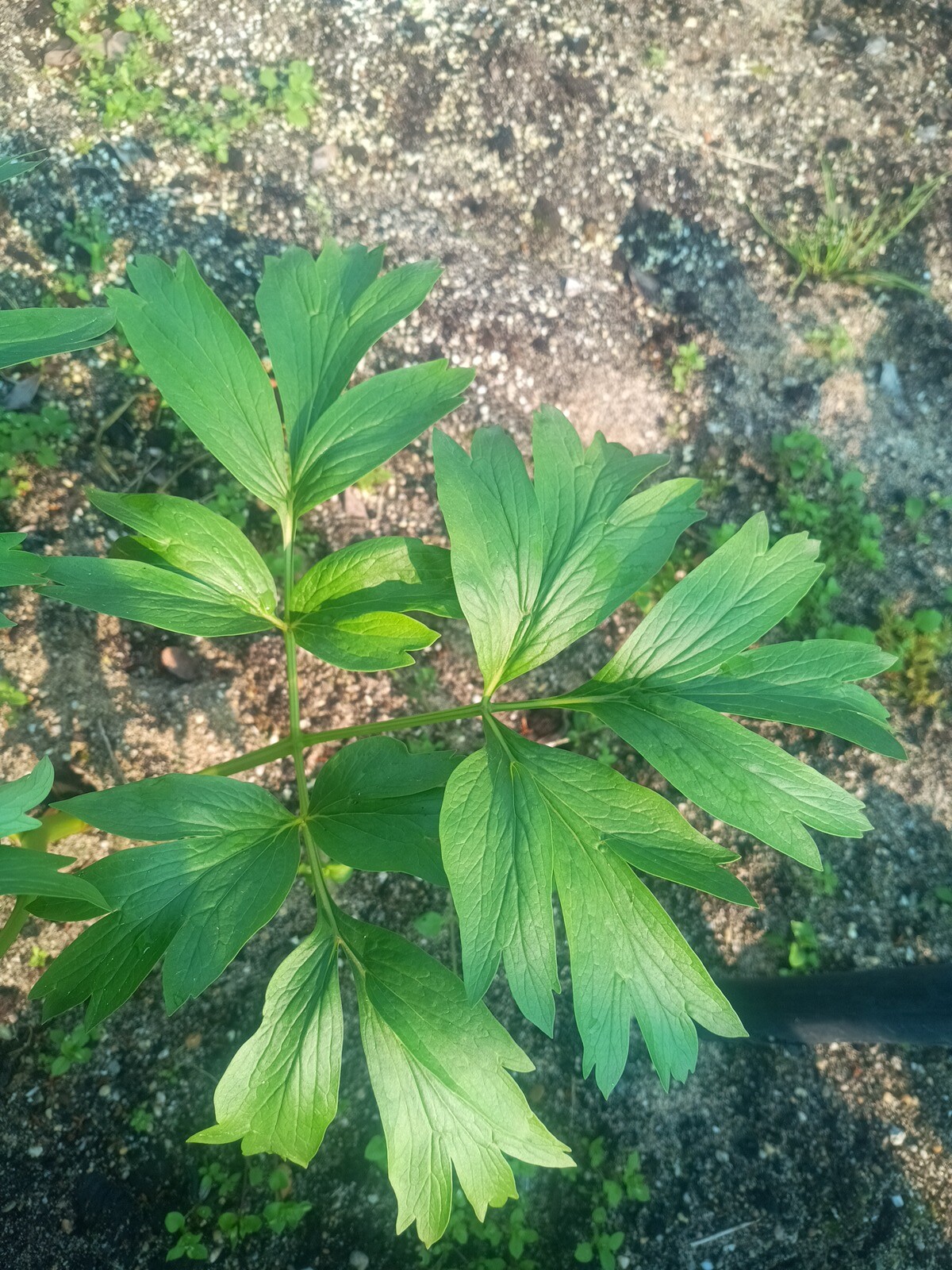
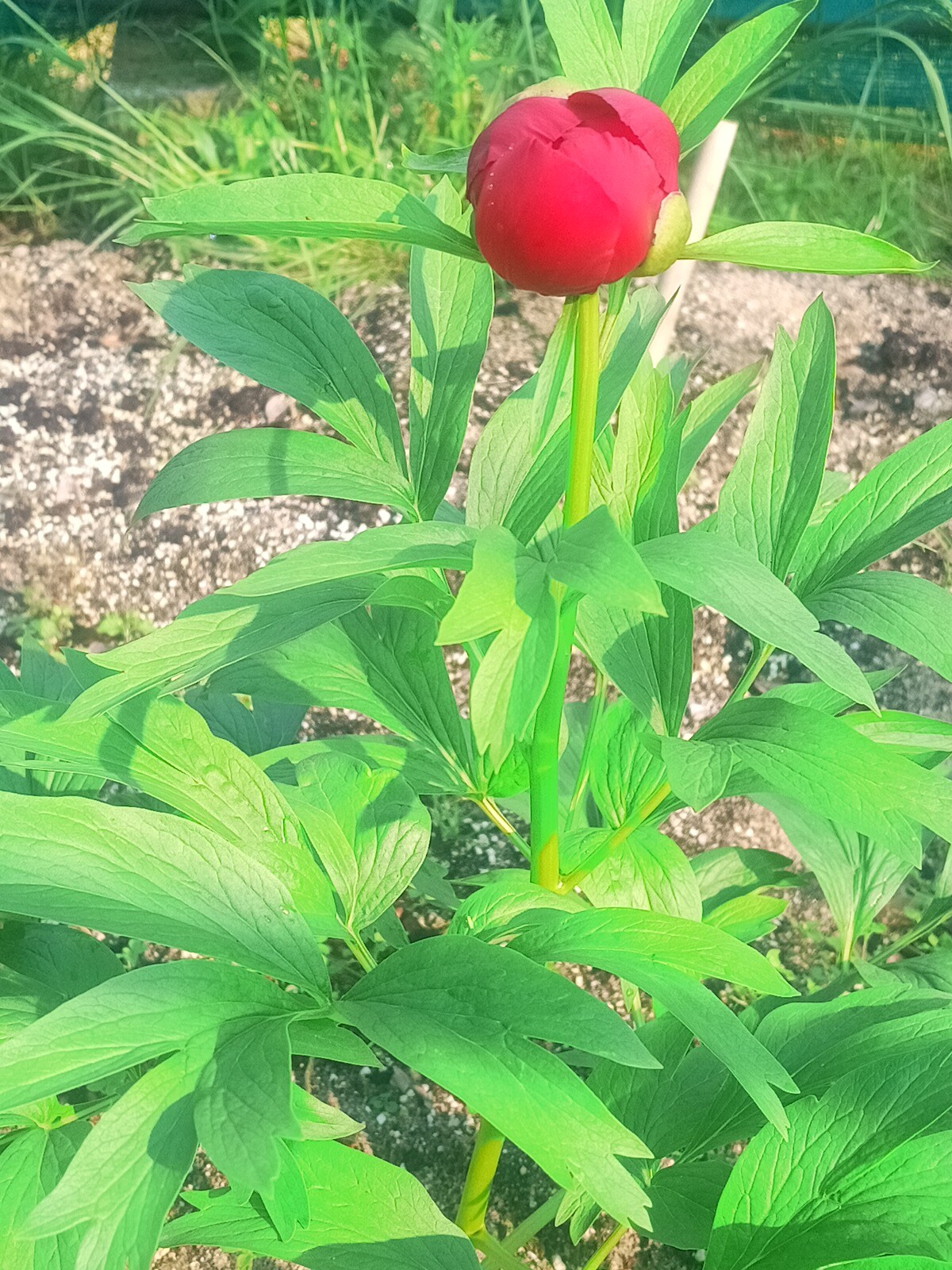
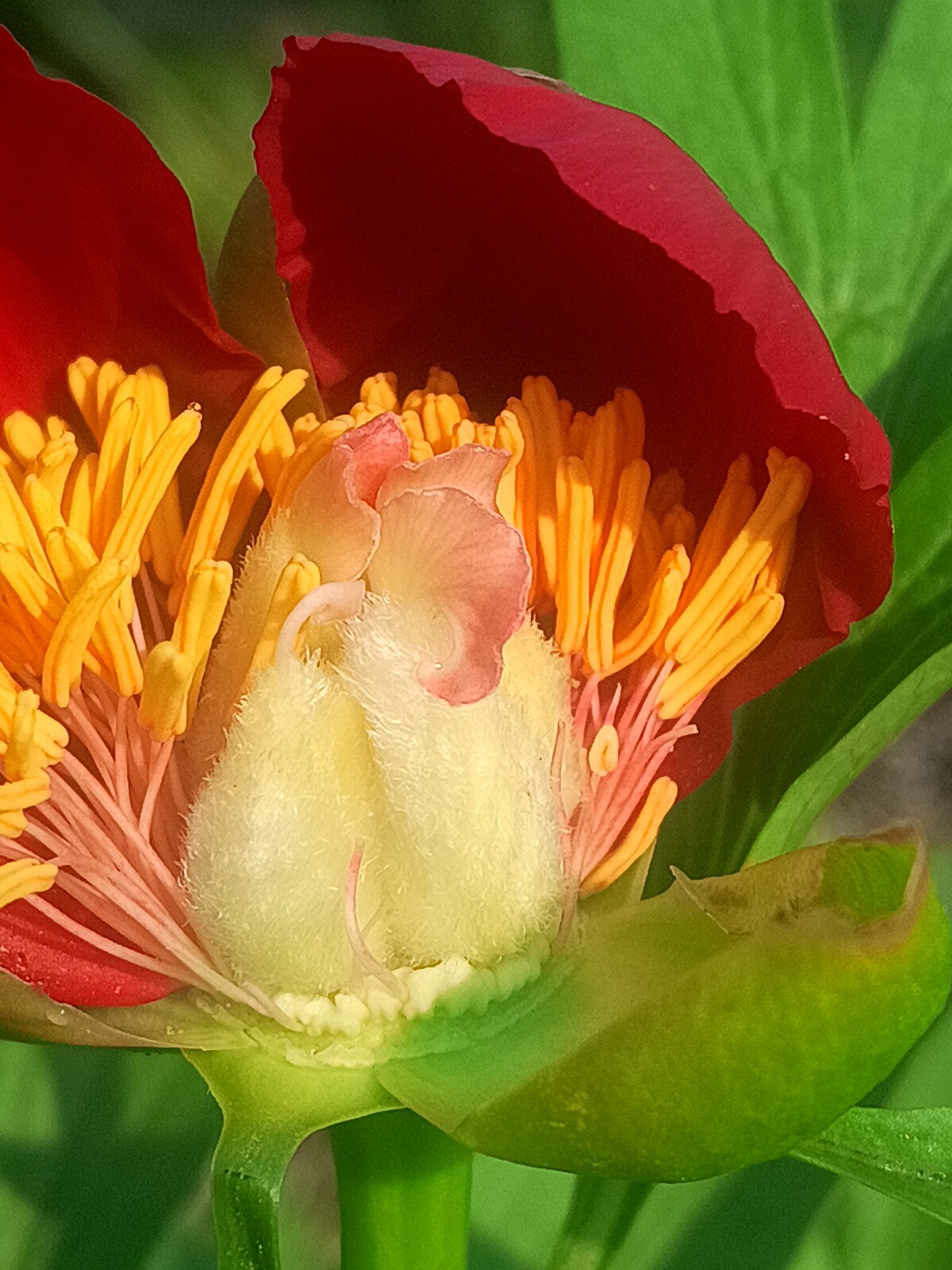
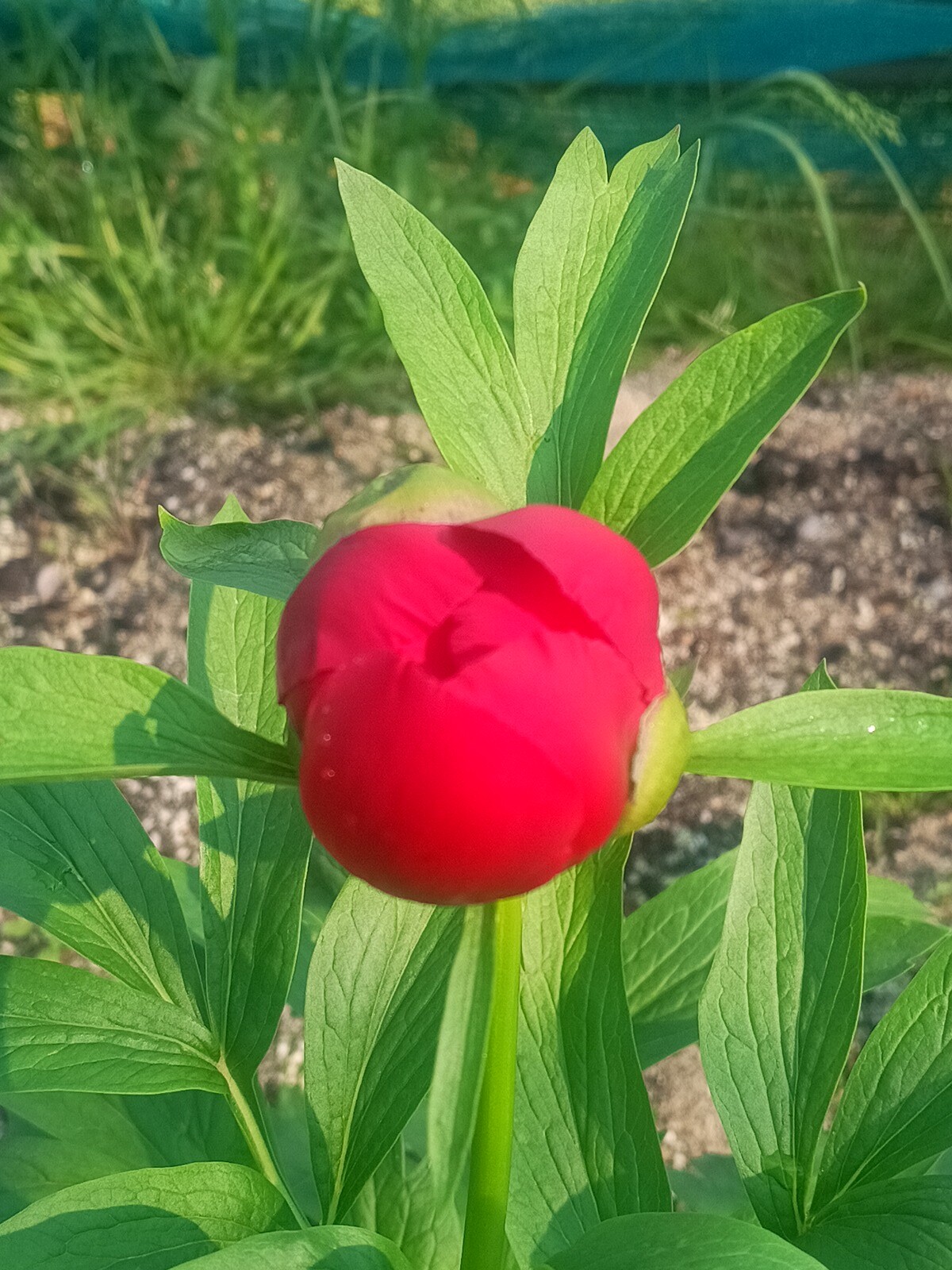
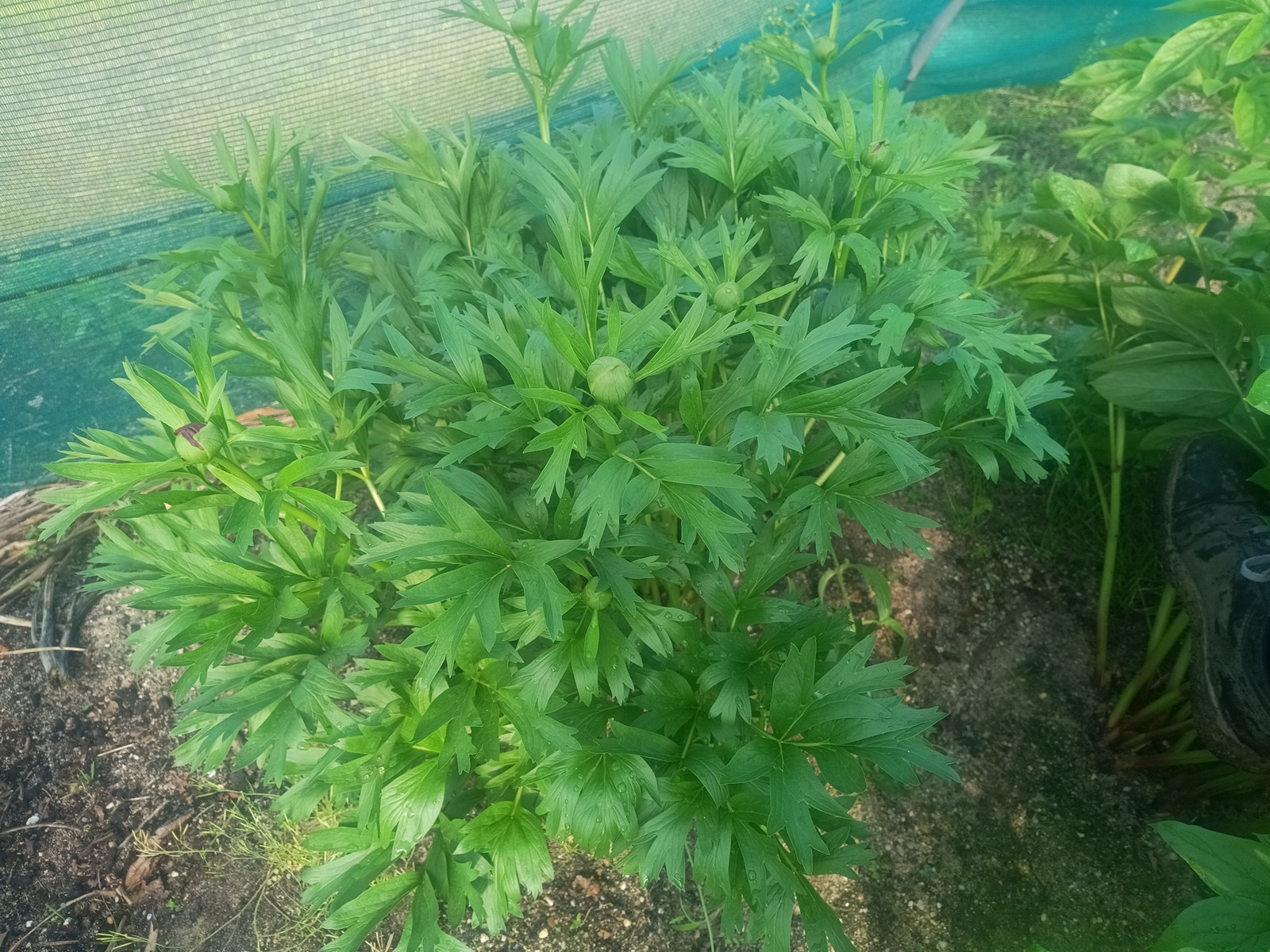
Paeonia peregrina. This one from wild seeds in Serbia. First bloom. I have others of this species from there, but this one seems to be somewhat earlier (see the last image for an older plant which blooms later). It has that attractive glossy red petal colour. Difficult to capture by camera; in the image with the petals take a look at the one…Read More
4 Comments![Profile picture of khurtekant]()
Dividing species peonies is something I have mixed results with. It is very easy to divide and replant lactiflora cultivars and hybrids, I do that every year by the thousands with good results. But species are far more challenging and I’ve lots many many plants after dividing and replanting them. From my experience the safest method is starting…Read More
![Profile picture of khurtekant]()
Growing substrate is probably the most impo rtant factor. It needs to be airy and drain rainwater very easily. When the peony roots have been cut, they receive a hot water treatment to kill leaf and root nematodes. After that treatment
![Profile picture of khurtekant]()
they are disinfected with some organic fungicides (Serenade, a.i. bacillus amyloliquefaciens)., so I don’t leave them to dry or heal on their own Then they are cooled down fast. When I have the time I replant immediately. That is also because they are not stored in dry peat and are thus more prone to drying out. I’ve not tried cutting eyes,…Read More
![Profile picture of The Peony Society]()
The Peony Society posted in the group Species Peonies International Network (SPIN)
Paeonia tenuifolia. From Serbia, wild collected seeds.
![]()
![]()
![]()
- Load More Posts
Share Profile


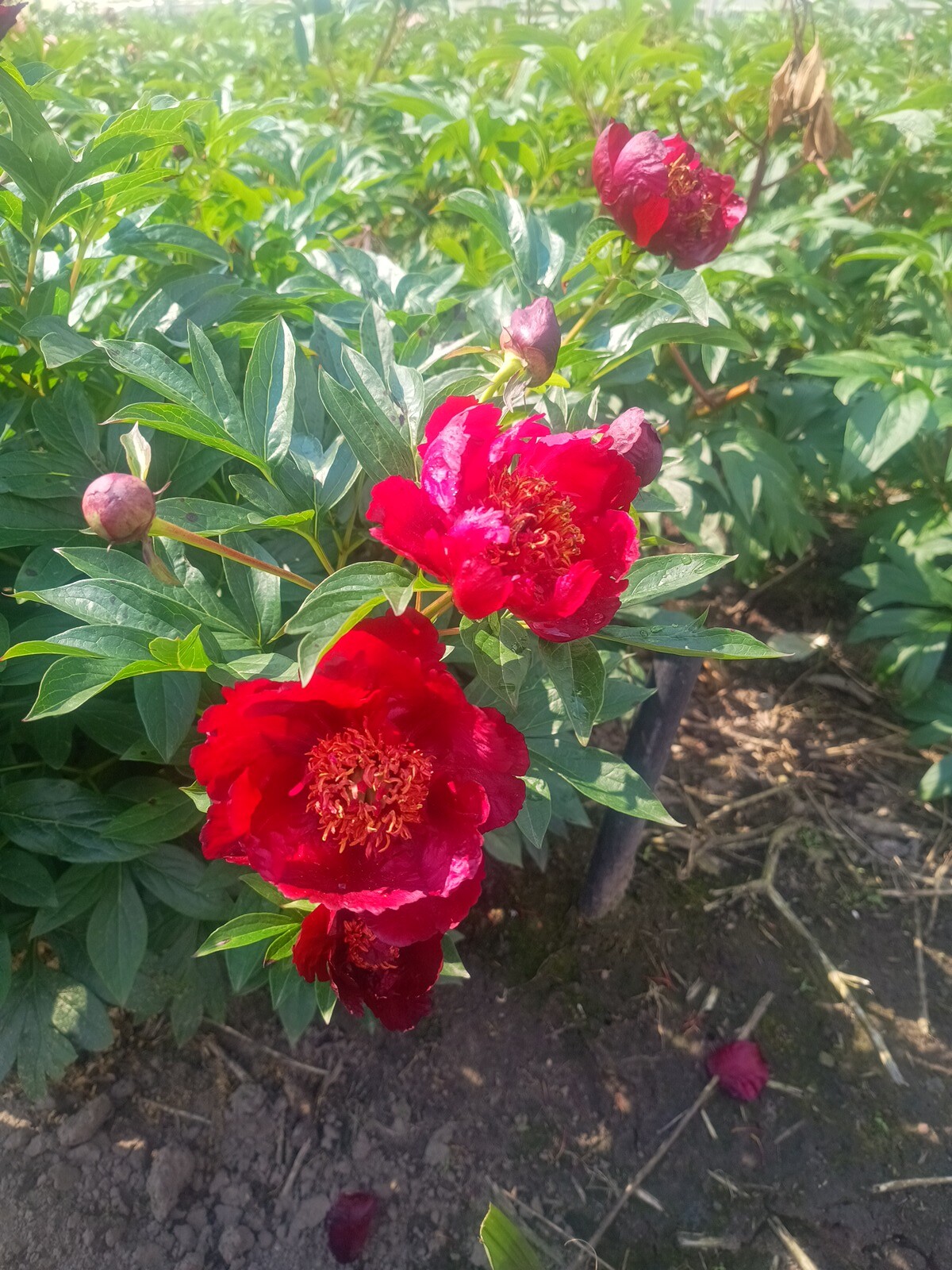


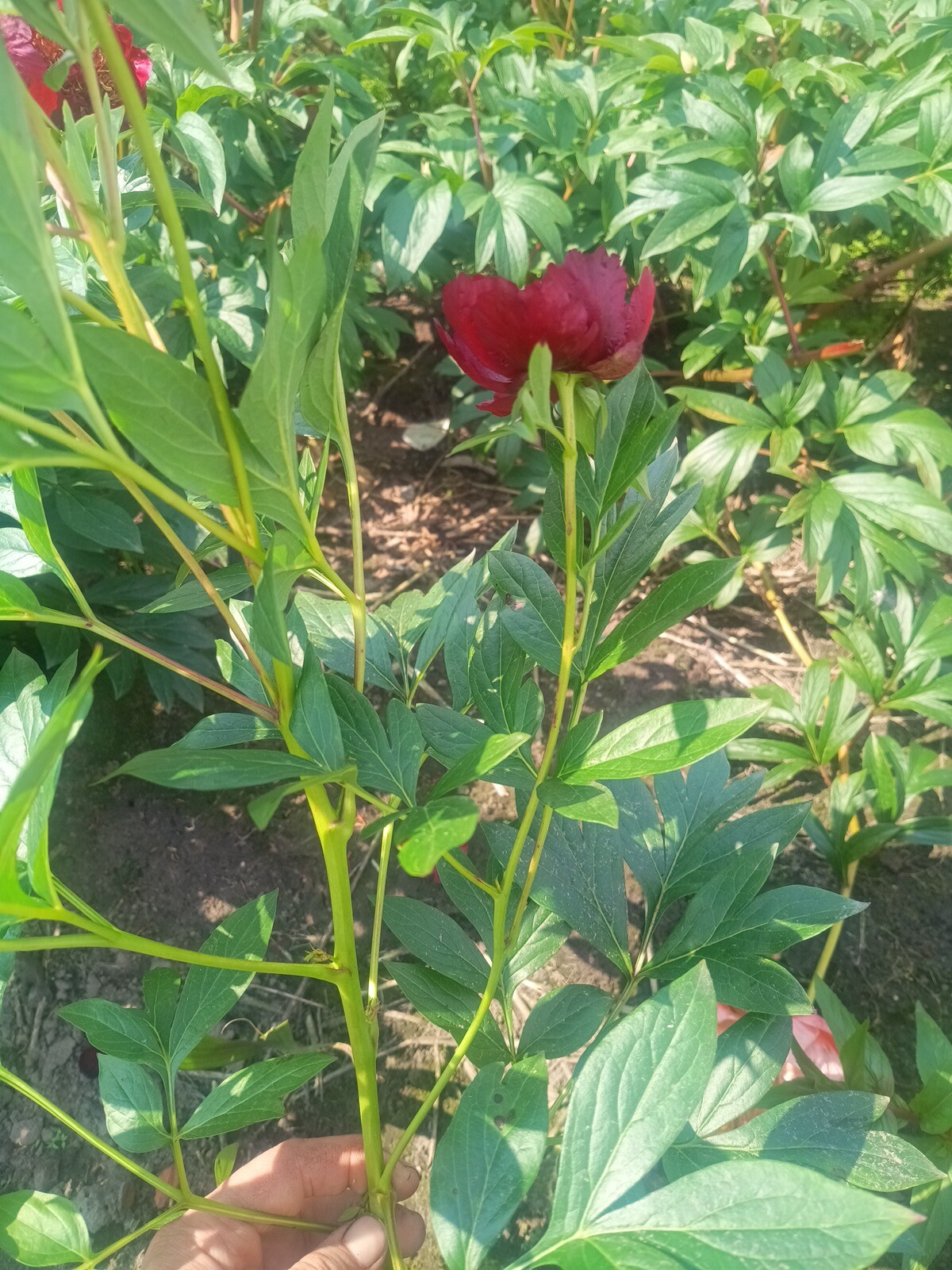

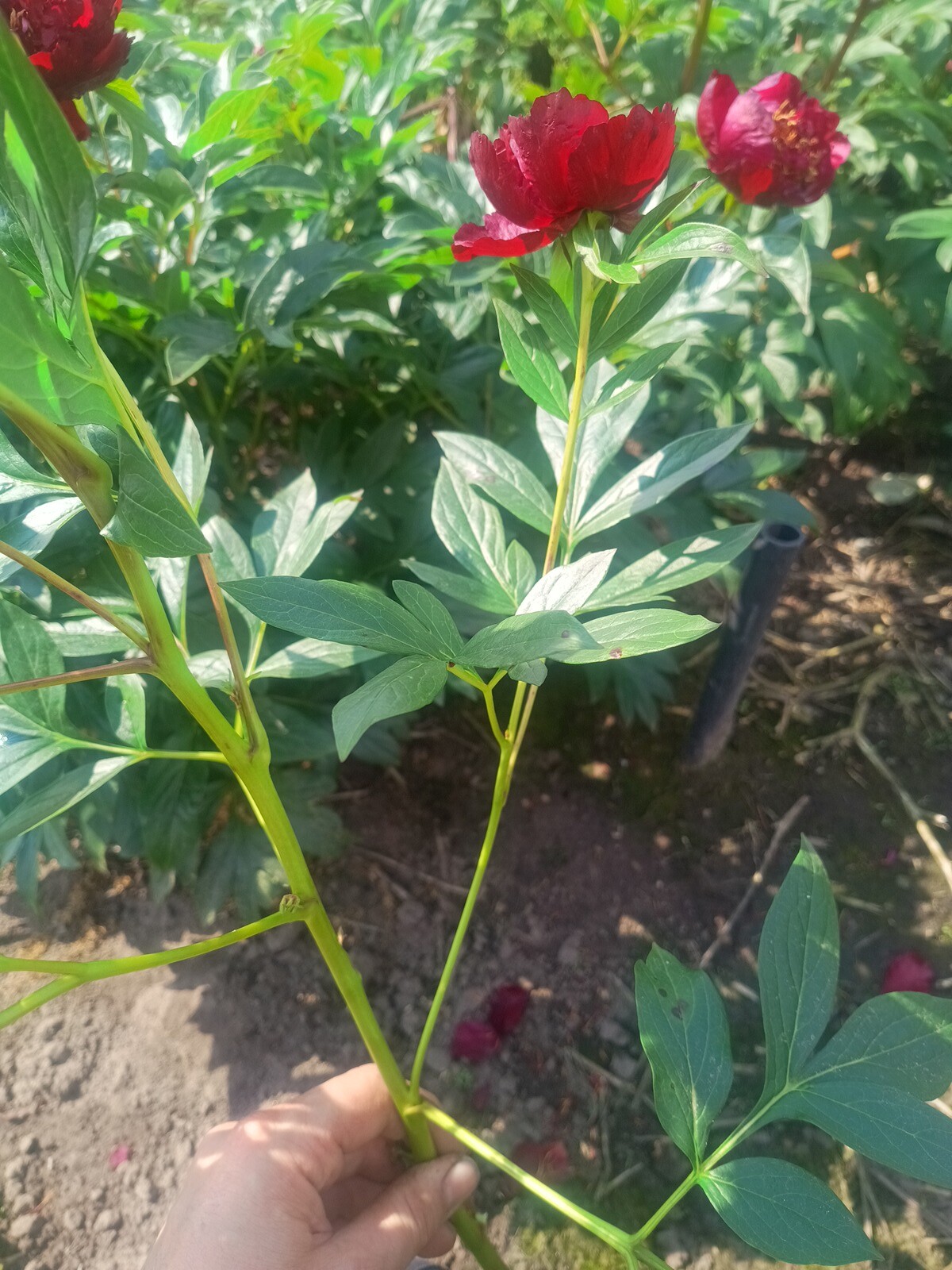
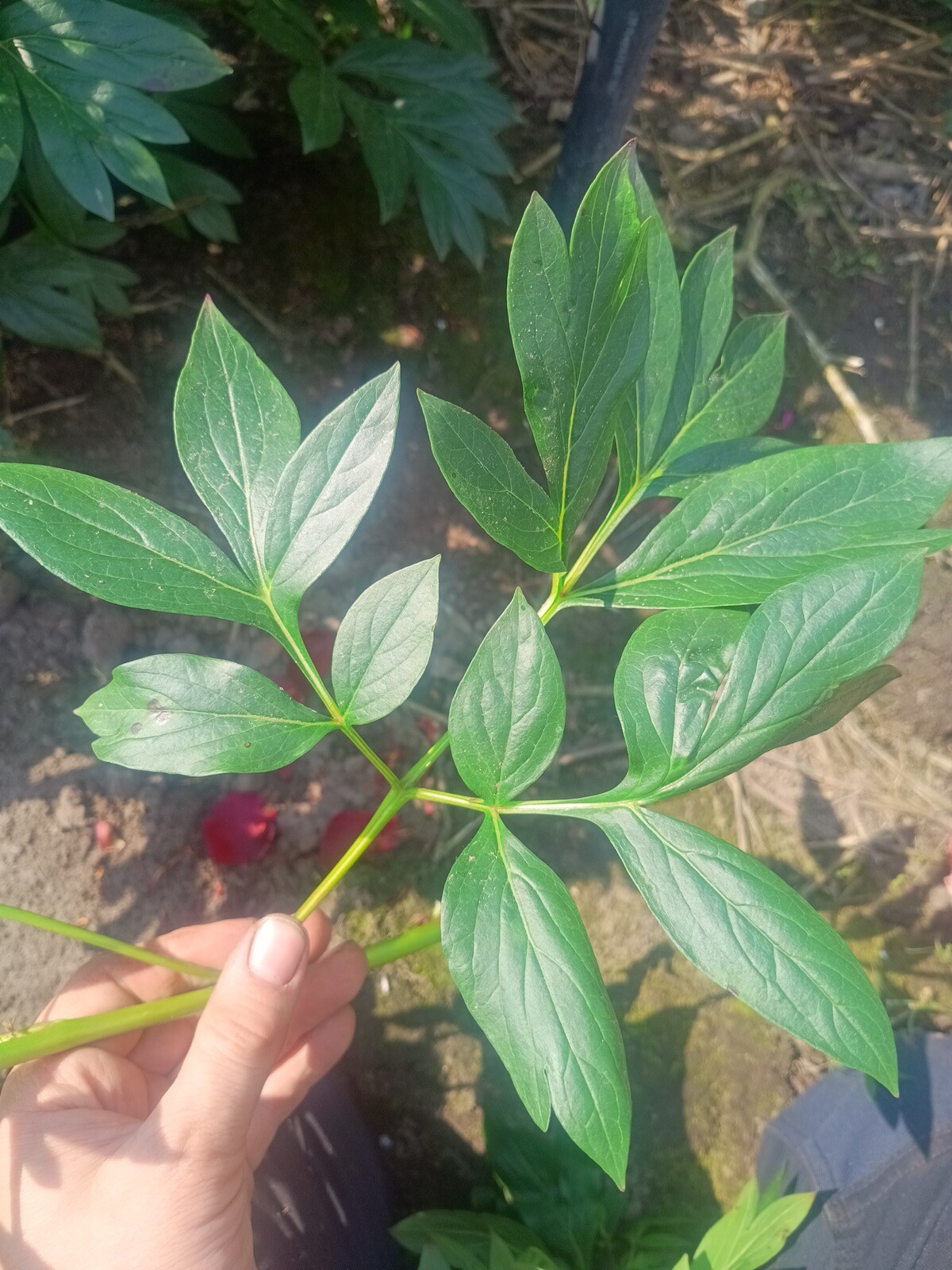
















Hello Koen , I have another question for you not on the subject of P. peregina – how do you go about dividing species ? – Do you allow any cut points on the roots to heal / dry so that callus can form before you put them in the substrate? Have you tried cutting buds / eyes with a piece of rootstock (as you do with Delphinium, for example) and then…Read More