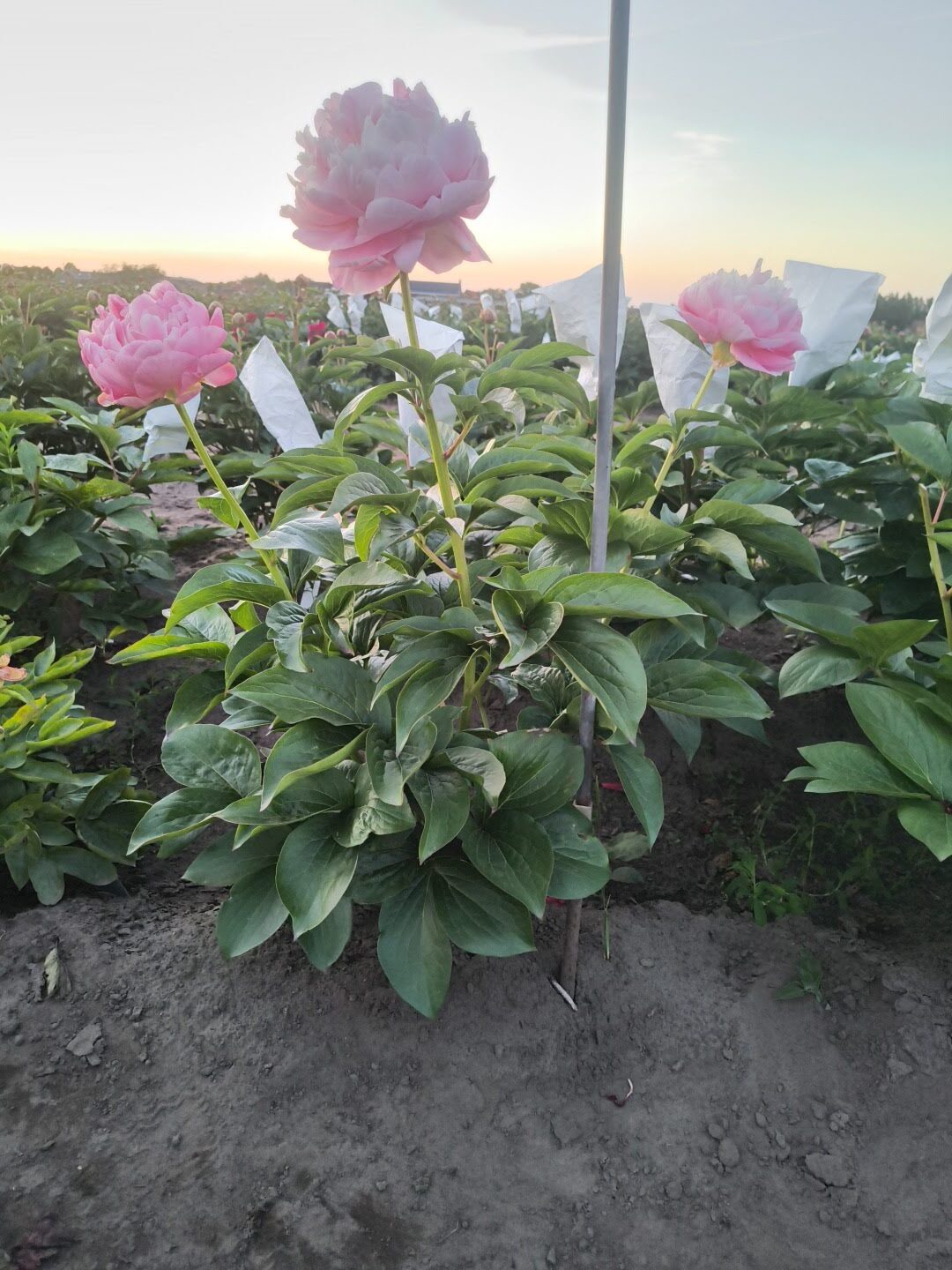
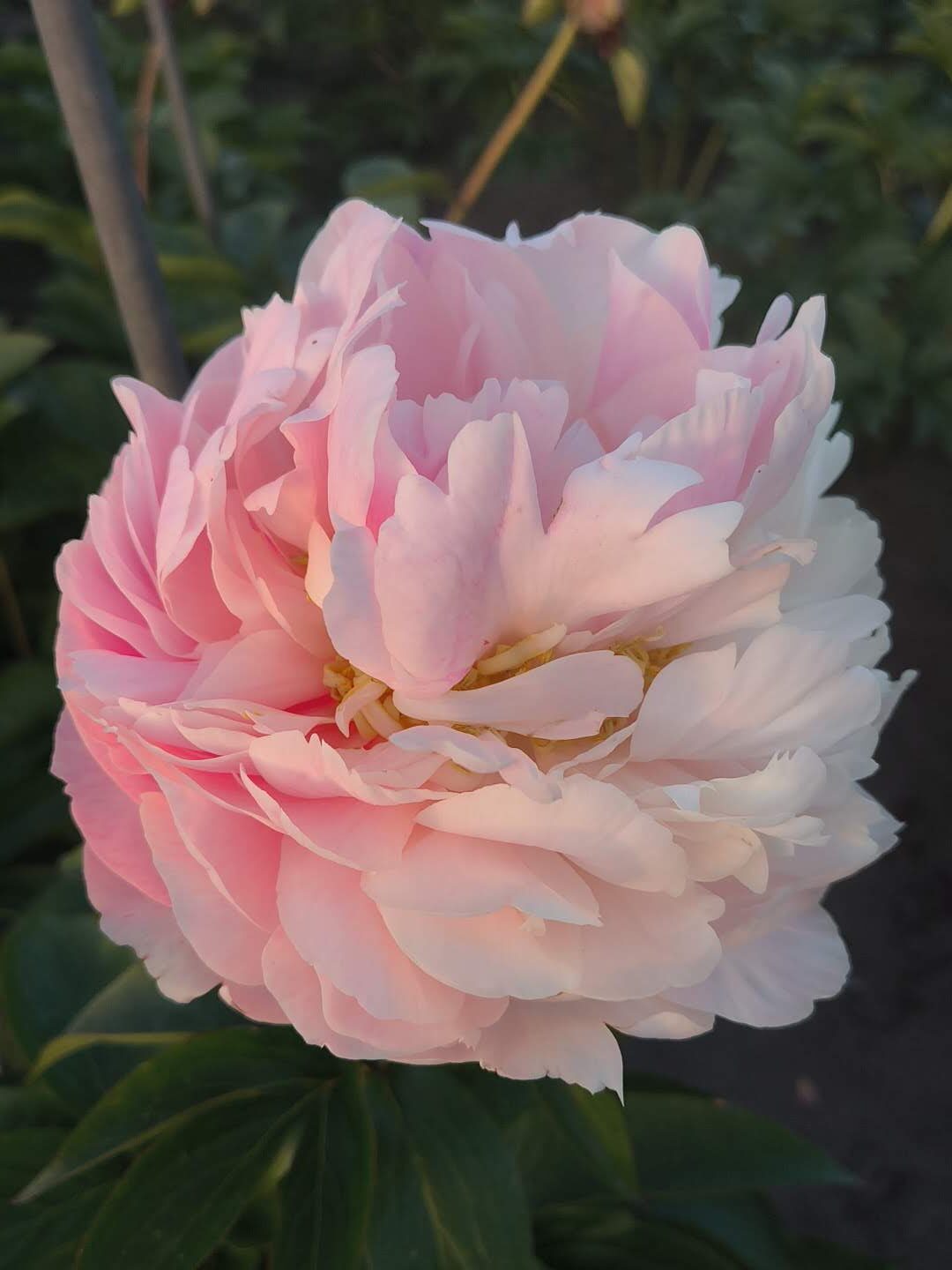
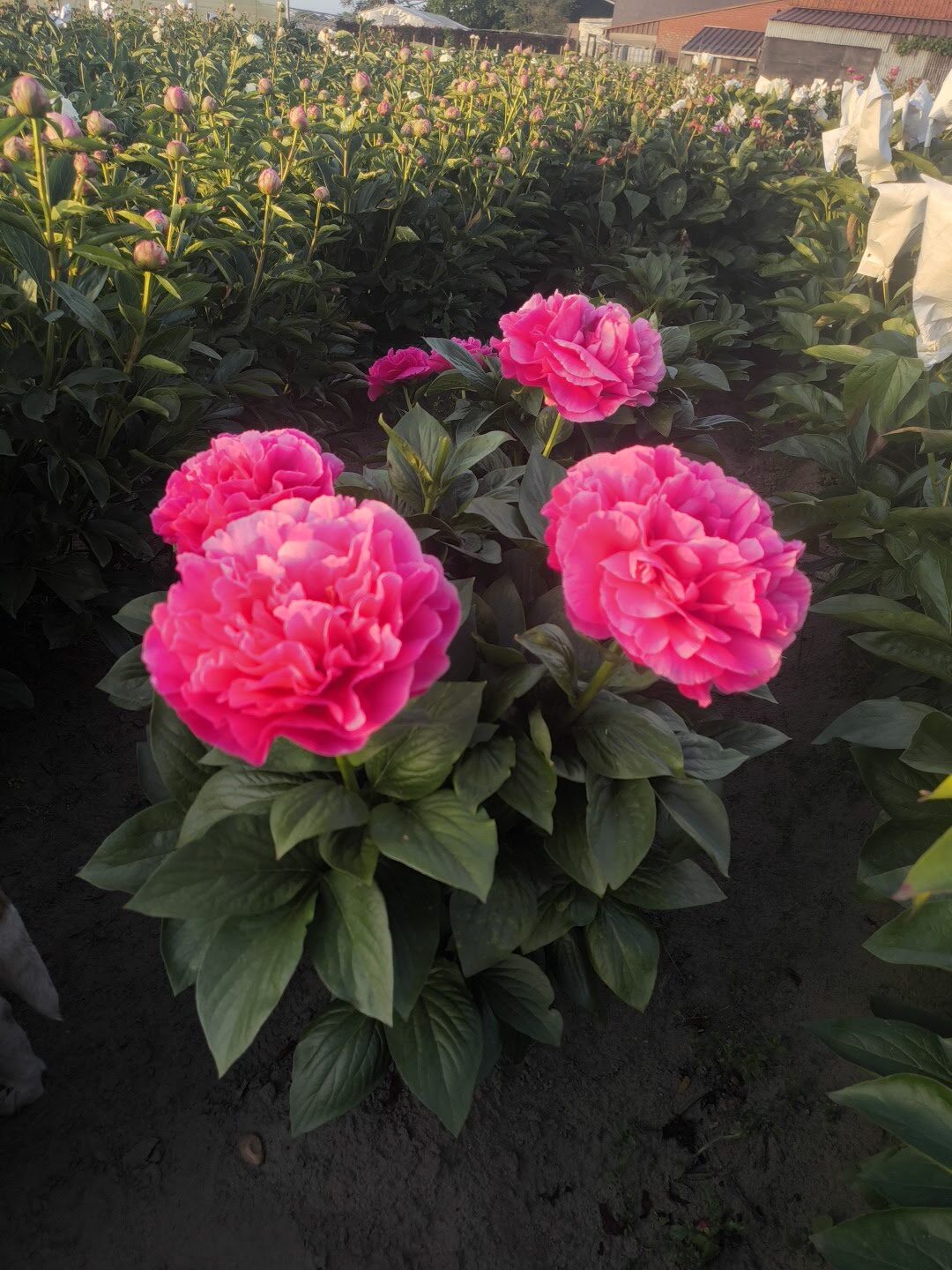
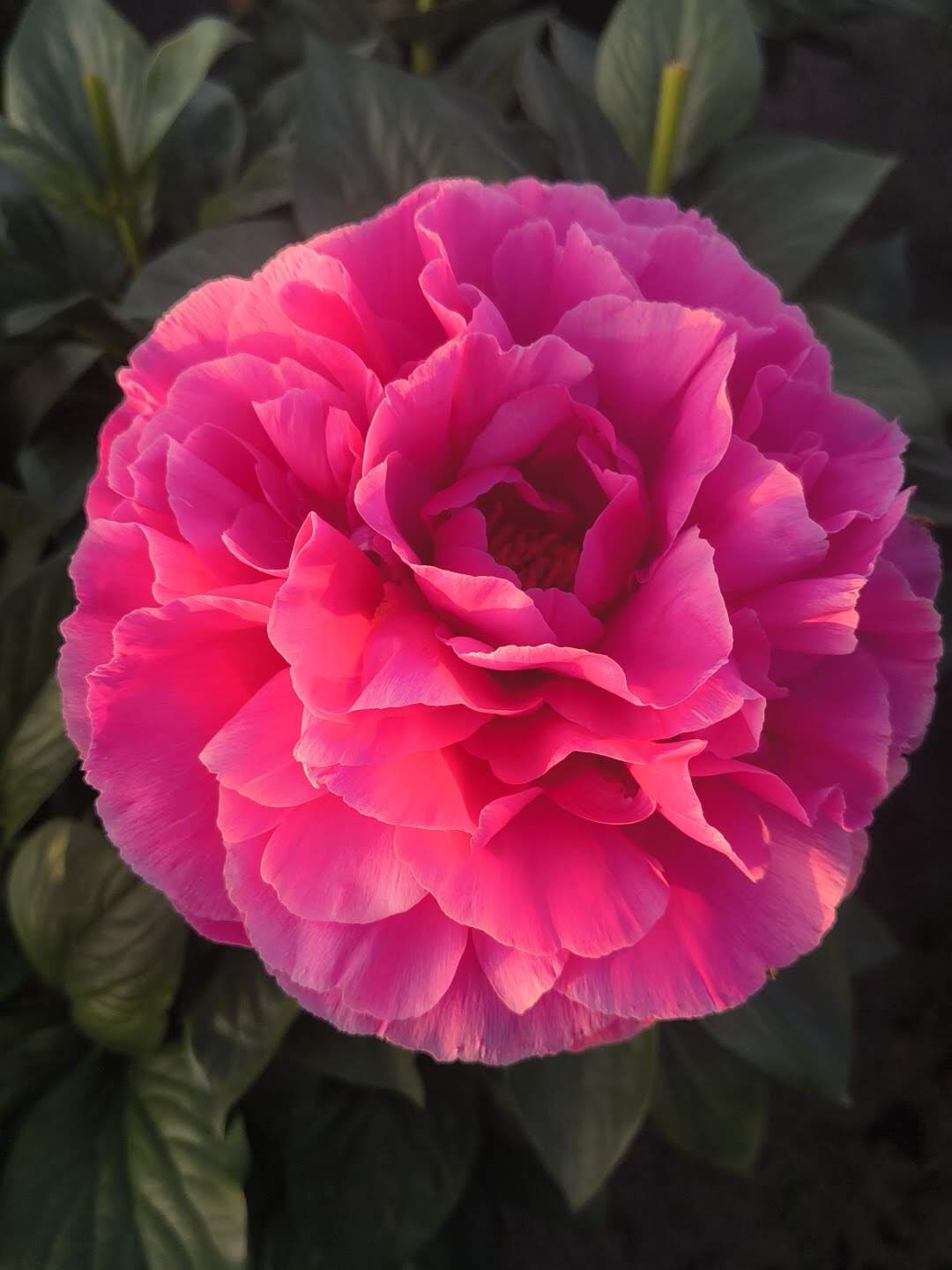
Two years since our last peony hybridizing overview (read it here), I thought it might be interesting to write down our progress. Many people are pursuing this same hobby, although often with different aims. My personal goal in this respect is good herbaceous cut flowers, although I also appreciate good garden plants.
This year I’ve made some 600-700 individual protected crosses within some 80 combinations. Open pollinated seeds are not collected, except in those few rare cases where a plant normally doesn’t give any seeds and previous efforts of crossing with it were in vain. We still follow two broad lines in selecting crosses, first is the species-hybrid line, whilst the other is hybrid-hybrid.
Species-hybrid crosses
I try to make as many crosses with the species plants I’m able to grow, and thus always with one of the parents being an advanced herbaceous hybrid. It has been noted before that this line involves a lot of work with very little results and this year again confirmed it. Below you can see the seed results in the table, but usually the large number of attempts are not registered.
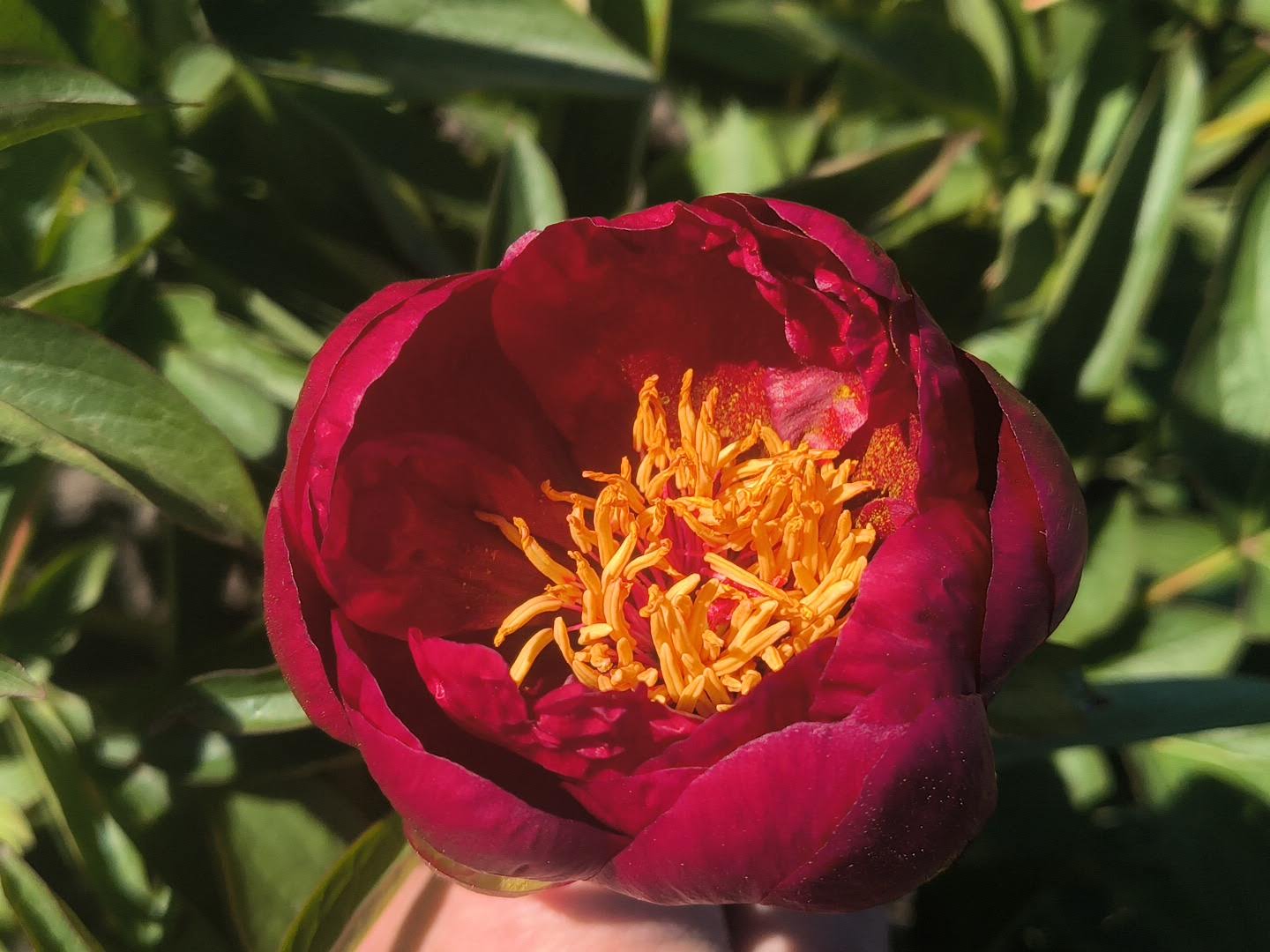
I got many seeds from crosses with P. officinalis ssp banatica (a dark red form), P. wittmanniana and P. x litvinskajae. A good number also from P. arietina ‘kustae’ (a flared selection from Serbia which bloomed for the very first time). I also did get a few seeds with pollen of P. peregrina ‘Vasyl’ (a pink form, also a first-time bloomer), though not very much and it has always surprised me that I’m quite unable to get seeds from crosses with pollen of the usual red P. peregrina despite years of trying with several true plants from nature. And it also has to be noted that P. peregrina is known to be a very fertile companion for P. lactiflora varieties, which I did not expect from a tetraploid species on a diploid mother.
I got few to no seeds from crosses with pollen from P. cambessedesii, P. wendelboi, P. clusii, P. x lagodechiana, P. mairei, P. japonica, P. archibaldii and P. broteri. The poor results from P. clusii, not a single seed, were disappointing for example as I tried pollen of it on nearly 100 flowers and this on different highly fertile plants I’m growing, both tetraploid and diploid. In the comparable case of P. japonica pollen, a single seed was fortunately found.
The reverse crosses with the species as mother also gave a few seeds. Special mention should be made of an apparently very fertile P. obovata alba which bloomed for the second time and the only flower on it gave me seeds yet again (last year the father in the cross was White Sunset). And: I finally got some seeds from crossing with P. mascula ssp mascula, also after many years trying with different plants.
Some species plants were lost this year, as happens almost every year, I regret losing P. sterniana, P. macrophylla and P. saueri this time.
From previous years I have (young) hybrid plants with P. parnassica, P. coriacea (through Lavender Baby), P. morisii, P. obovata alba, P. arietina from Turkey, P. officinalis ssp officinalis and P. wendelboi. I have continued working with plants from the first two since those are the only ones of blooming size.
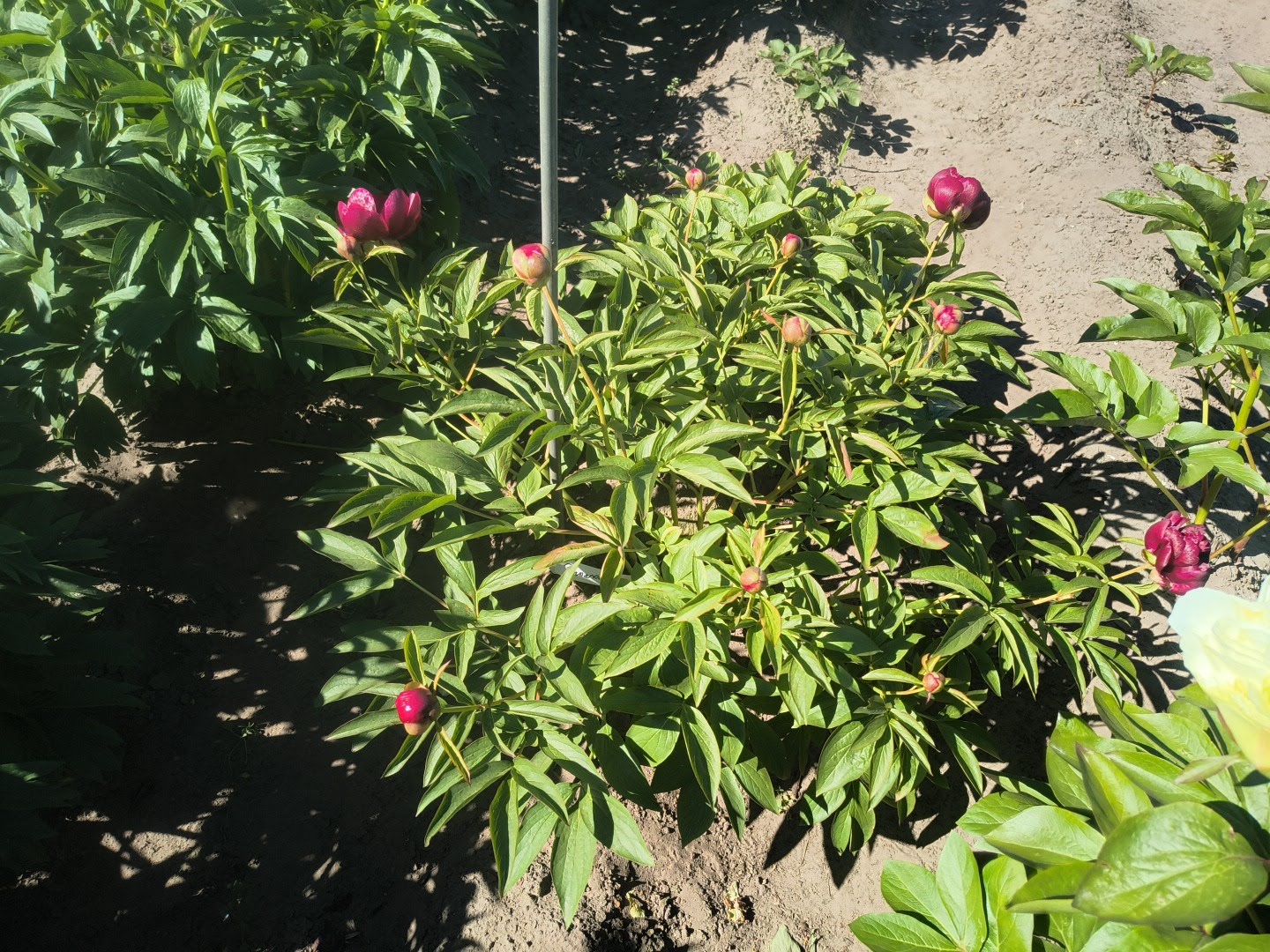
The plants from P. parnassica are not the easiest ones and these are already the very few that survived after all. Only one of them ‘Parnassos001 (PVBM002 x parnassica) can be considered ‘normally’ growing and, as far as I can already see, the seedlings thereof tend to be fast growing, but none of blooming size as yet, although I’m sure next year they will be. A few Dreamtime x P. parnassica finally flowered for the first time as well after some 8 years, it may even be more. All dark reds, but not particularly attractive plant-wise.
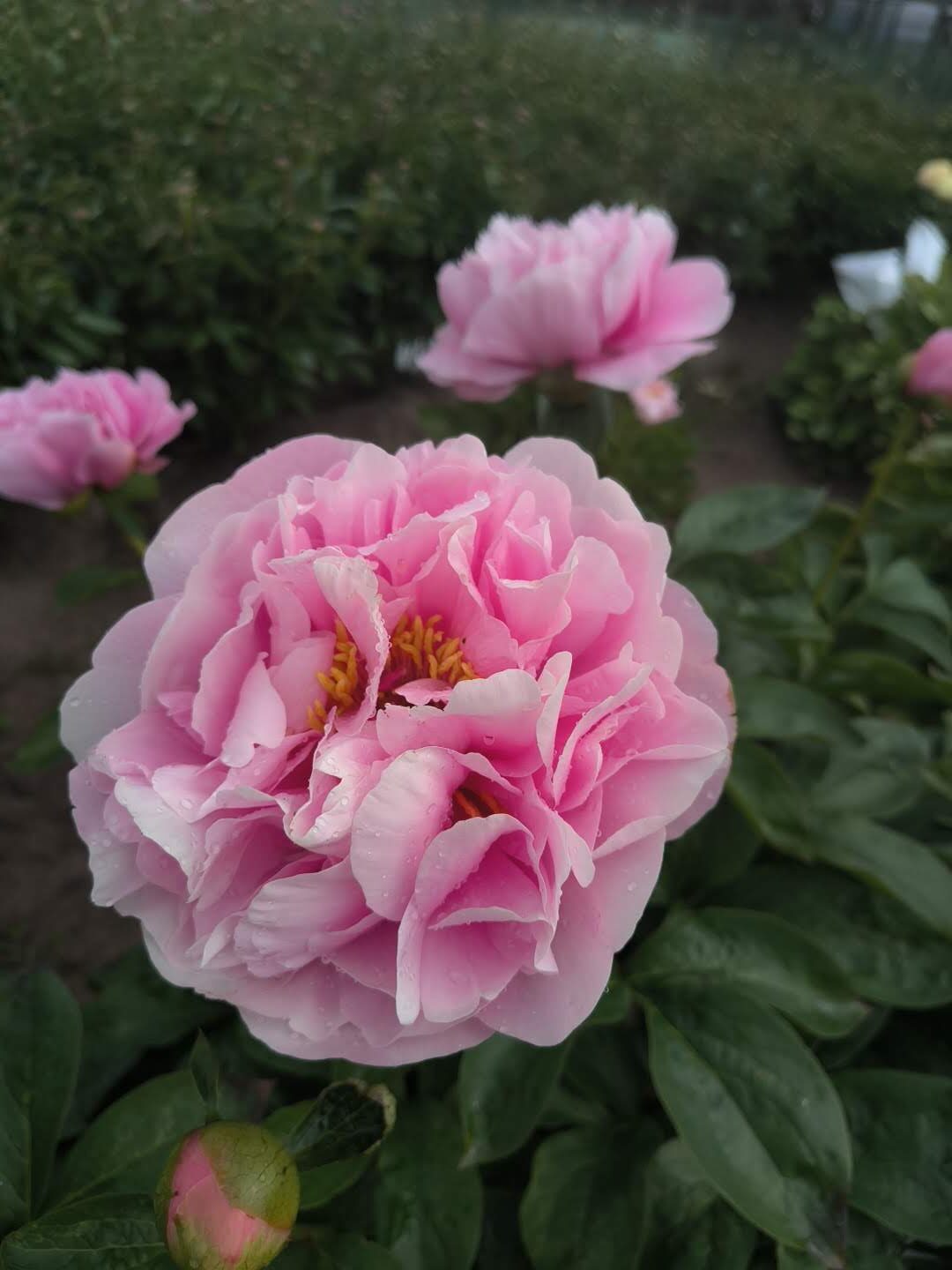
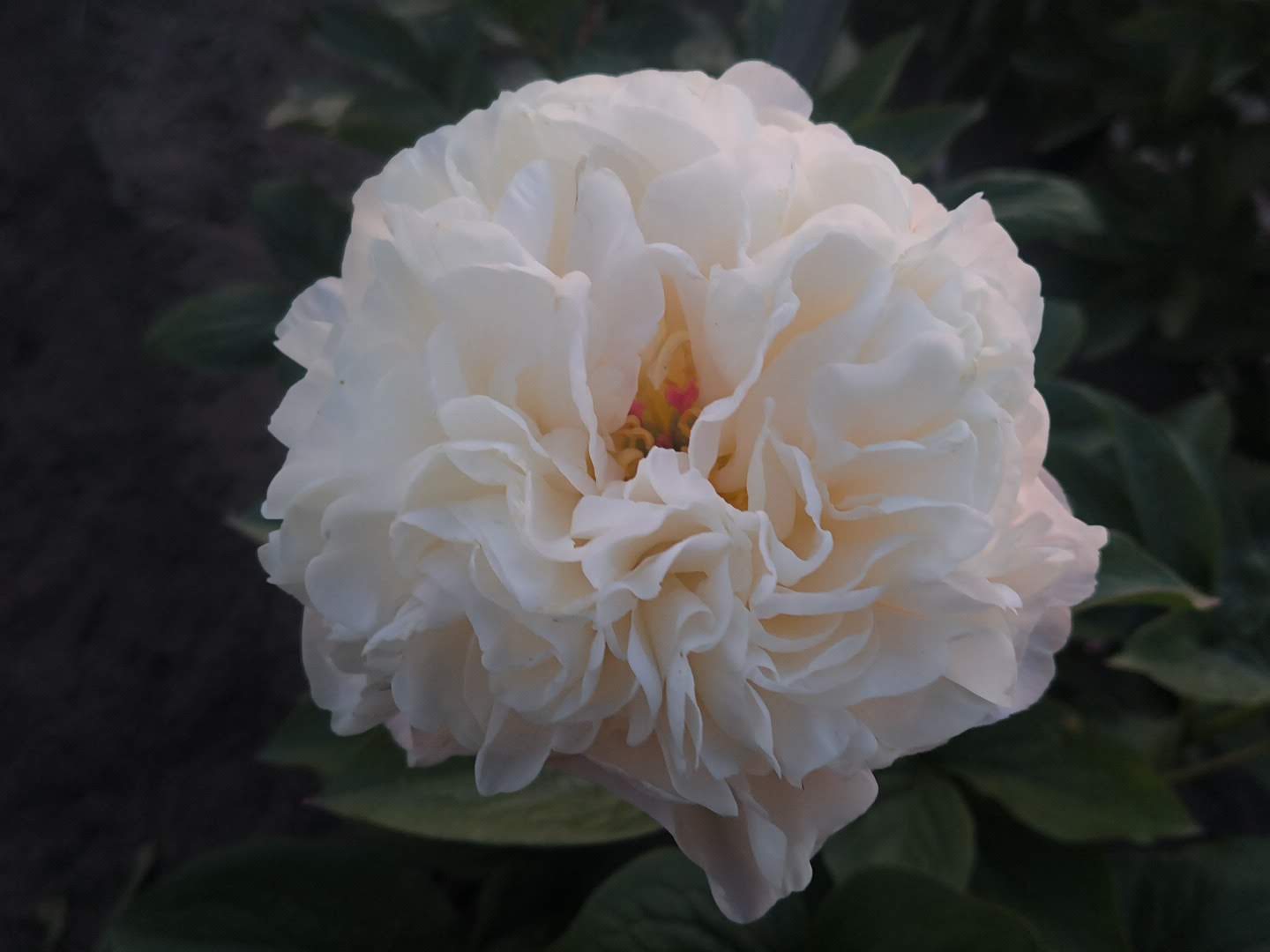
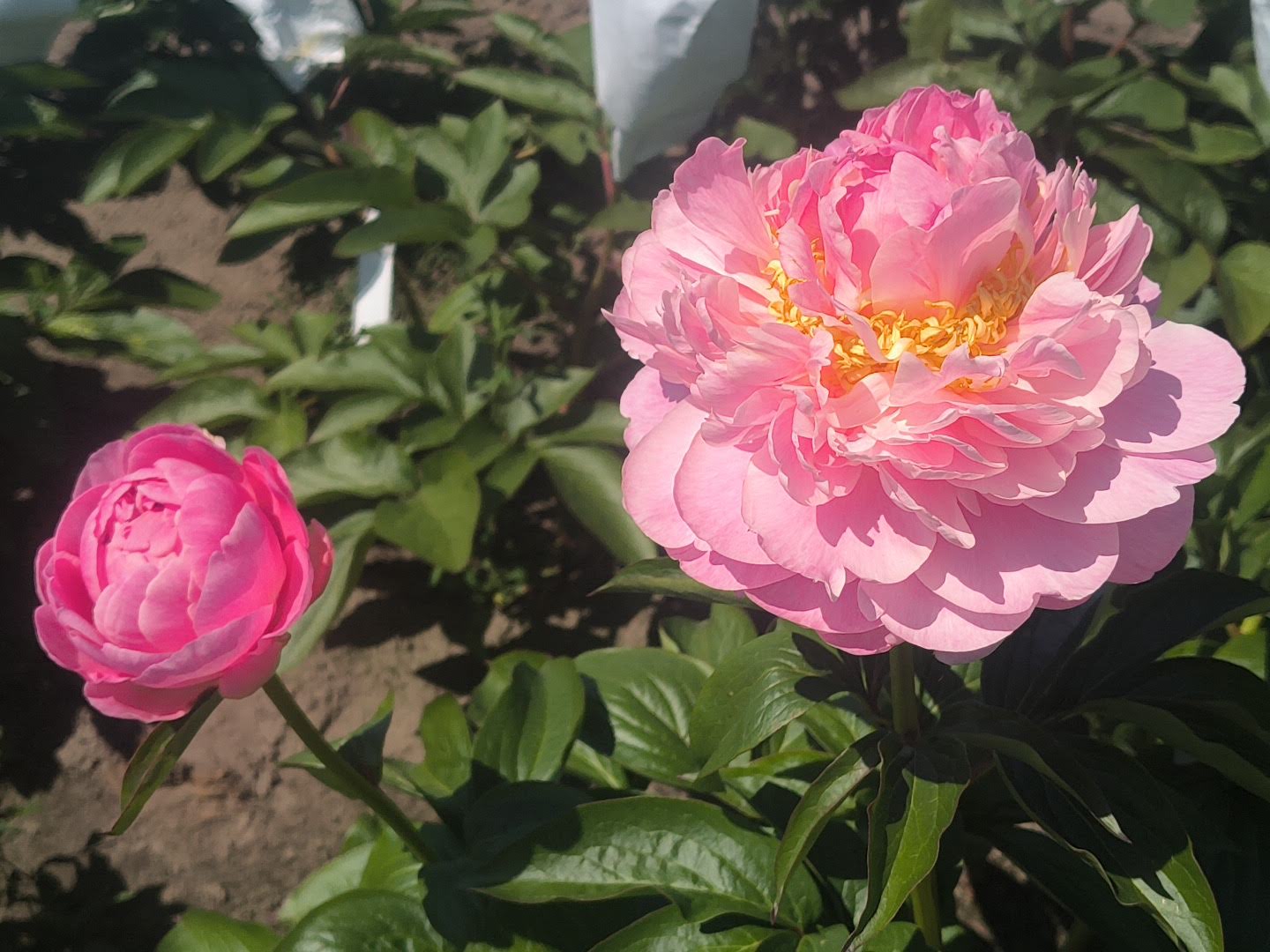
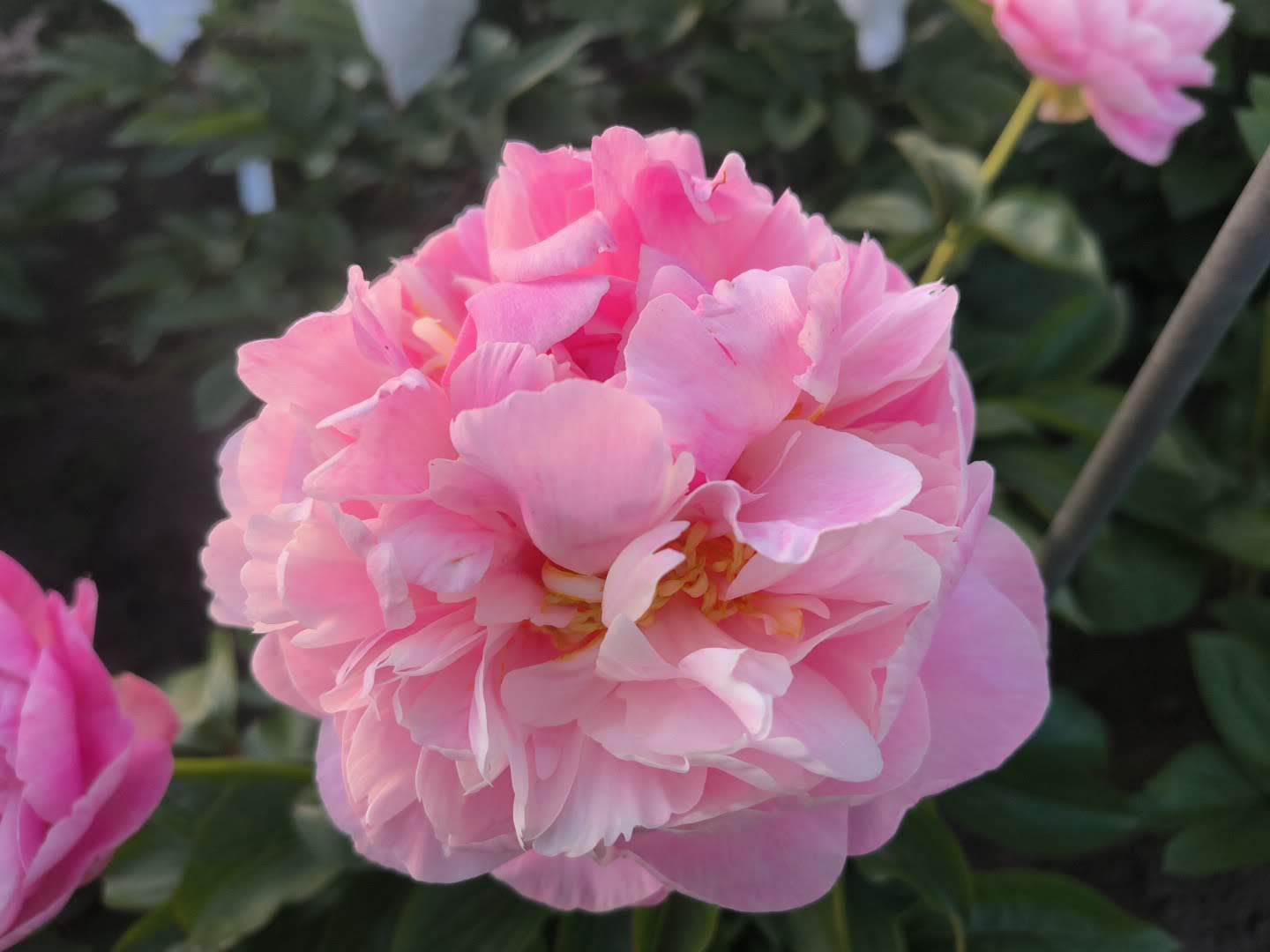
Within the P. coriacea series I’ve worked a lot with CF001 (Pink Vanguard x Lavender Baby) because it has beautiful large double lavender flowers, unfortunately on stems too weak. Very floriferous, it is also very adventitious, so easy to propagate. I already have many seedlings growing of it (one and two years old now, guess the first ones may bloom in 2028) and tried new combinations this year, and you can see that crosses with it tend to easily result in seeds. From these series Forever Yours has been registered in the past. There is another one which may be good enough to bring to market, (BBY x Kato001) 001. BBY is Bill’s Best Yellow, which is nowadays known as Vanilla Schnapp’s. Kato001 is from that same (Pink Vanguard x Lavender Baby) seedling pool. The resultant plant is nearly full double and has average to good stem strength, remaining upright. Buds are well closed and it is of average height. It is also highly fertile, the seed pods are usually so heavy that they often bring down the stems, something the large open flowers don’t even do.