
![Profile picture of khurtekant]()
khurtekant wrote a new post
![]() Read More
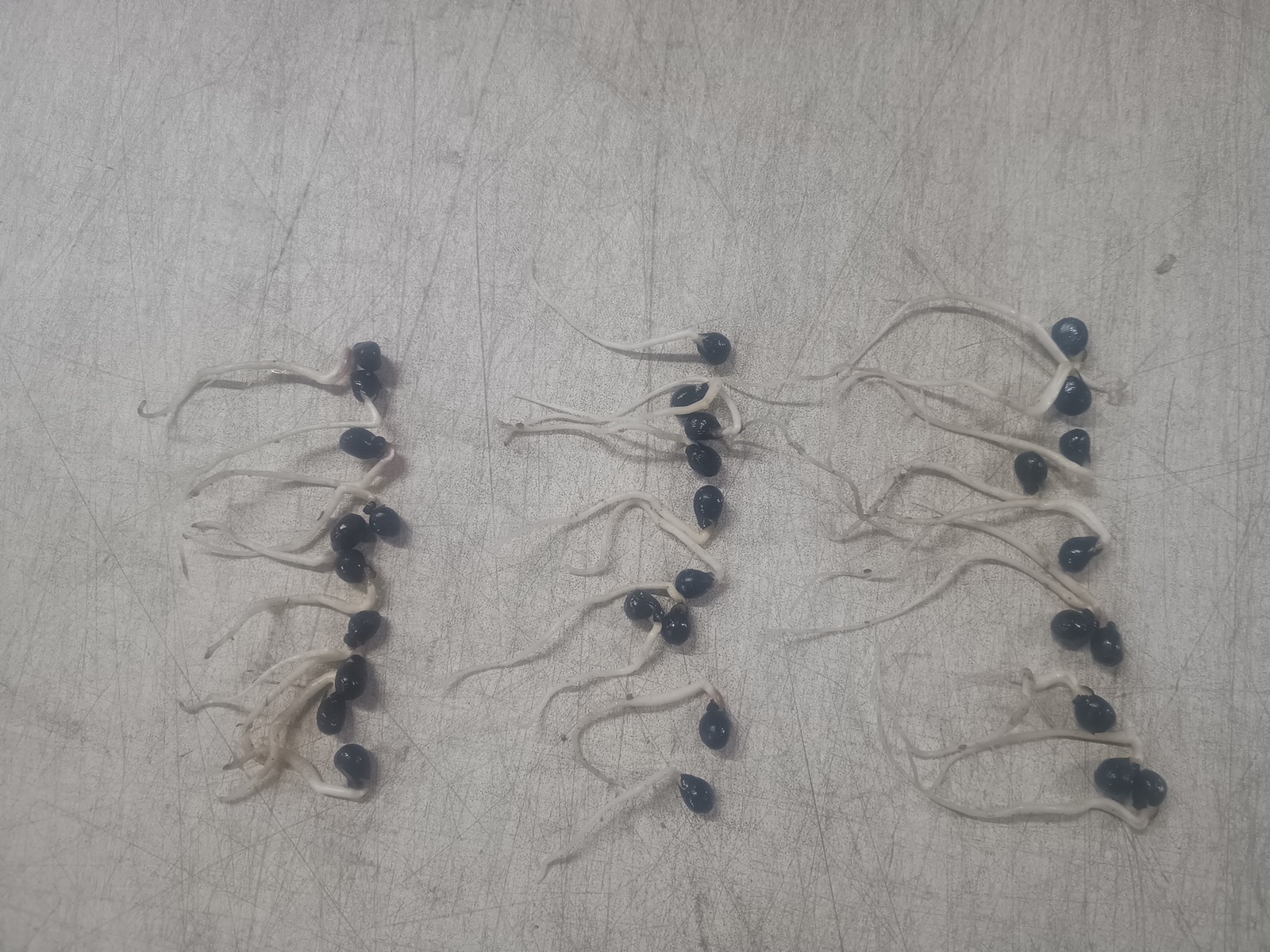
Read MoreIt's a well-known fact that for good peony seed germination there's a sequence of temperatures required. The usual procedure is to give an extended period of warm temperatures as soon as the seeds are harvested in late Summer. This...
5 Comments
Thank you Koen for this usefull information!
I also got better results for the seeds that were placed in a constant warm place for at least 3 months.![Profile picture of Roger]()
Thanks, Koen! Very illustrative photo’s.
![Profile picture of will]()
Thanks Koen, I have also better results when I placed my seeds in constant temprature in my ‘home made’ climate chamber. In the past I did some trials with gibberellin treatments, do you have experience with this treatments?
![Profile picture of khurtekant]()
Yes. But I’ll have to admit that I haven’t done a decent trial comparing seeds treated with GA3 and a control group. When soaking the seeds 24-48 hours prior to the warm treatment in vermiculite, the water has a concentration of 200 ppm (parts per million) GA3. Given the standard weight and concentration of GA3 tablets (10 gr tablets, 10% active ingredient), there is normally 1 gram of pure GA3 in them each time. Thus you need 1 tablet for 5 litres of water. (5 litres = 5 kg = 5,000 grammes and 1 gram GA3 is thus a concentration of 1/5000 or 200/1.000.000 if you convert, thus 200 ppm or mg). I can see you’re a member in the hybridizer’s corner, have a look at the paper: Diversity of Treatments in Overcoming Morphophysiological Dormancy of Paeonia peregrina Mill. Seeds. In it several treatments with differing concentrations of GA3 have been tried and 200 ppm (=mg) seemed to give the best result. Given those results I simply used that concentration and then forgot to make a control to see if it also the best solution for other species/crosses than P. peregrina, but I reckon there won’t be too much of a difference.
An interesting article for commercial growers of peony cut flowers:
Another great article Koen on seed germination. I really enjoy your work with peonies and the fact you share it with all of us. Thank you!
I have also experienced similar results with consistent warm temperatures and better germination. My temperatures fluctuated about 2-3 degrees Celsius between daytime and nighttime, and the results for good…Read More![Profile Photo]() liked this
liked this![Profile picture of Ruud]()
Interesting stuff, Koen!
I’m looking into these kind of things more and more also. Although not so much doing the scientific approach as you are.
Right before last planting (about 6 weeks ago), I dipped all our planters in two products of SoilTech: Root&Shoot (nutrient solution and humid and fulvic acid) and Optima Soil Humi B (humic acid with high Boron). I have followed advice on this from quite spectacular results in other cultures. When planting as late as we usually do on our rather stiff clay soil, the planters sure can use a little extra help settling. I hope to notice some results in spring.![Profile picture of Uwe]()
Danke für den interessanten Artikel. Werde ich auch mal anwenden für Spezies-Sämlinge und Jungpflanzen von Albiflora . Ich hoffe es kräftigt die Wurzeln und macht sie eher auspflanzbar oder auch teilungsfähig

I can’t speak much about the “stimulating” properties of any of these products, but my sense is that the bacterial and fungus based products hold the most promise. My only personal experience is with Actinovate, a strain of streptomices bacteria, which is used to prevent root-rots and damping off. I had had seed-root-tip-rot problems in the past, when planting pre-sprouted peony seeds in potting soil for their months-long cold period. But once I started using this product, it seemed to be quite beneficial, as once used as drench at potting, and once again months later, as the first one-leaf shoots began to emerge in spring , I ended up with pretty much 100% success at brining all these pre-sprouted seeds through the summer. For some reason, this product became hard to come by in the small amounts it was originally sold, so I had to switch over to a fungus-based fungicide product, and didn’t appear to have nearly the same rate of success. Whatever the case, my antidotal impression was that at one year, the weight of the seedlings I got using the bacterial product was better than I got in subsequent years.
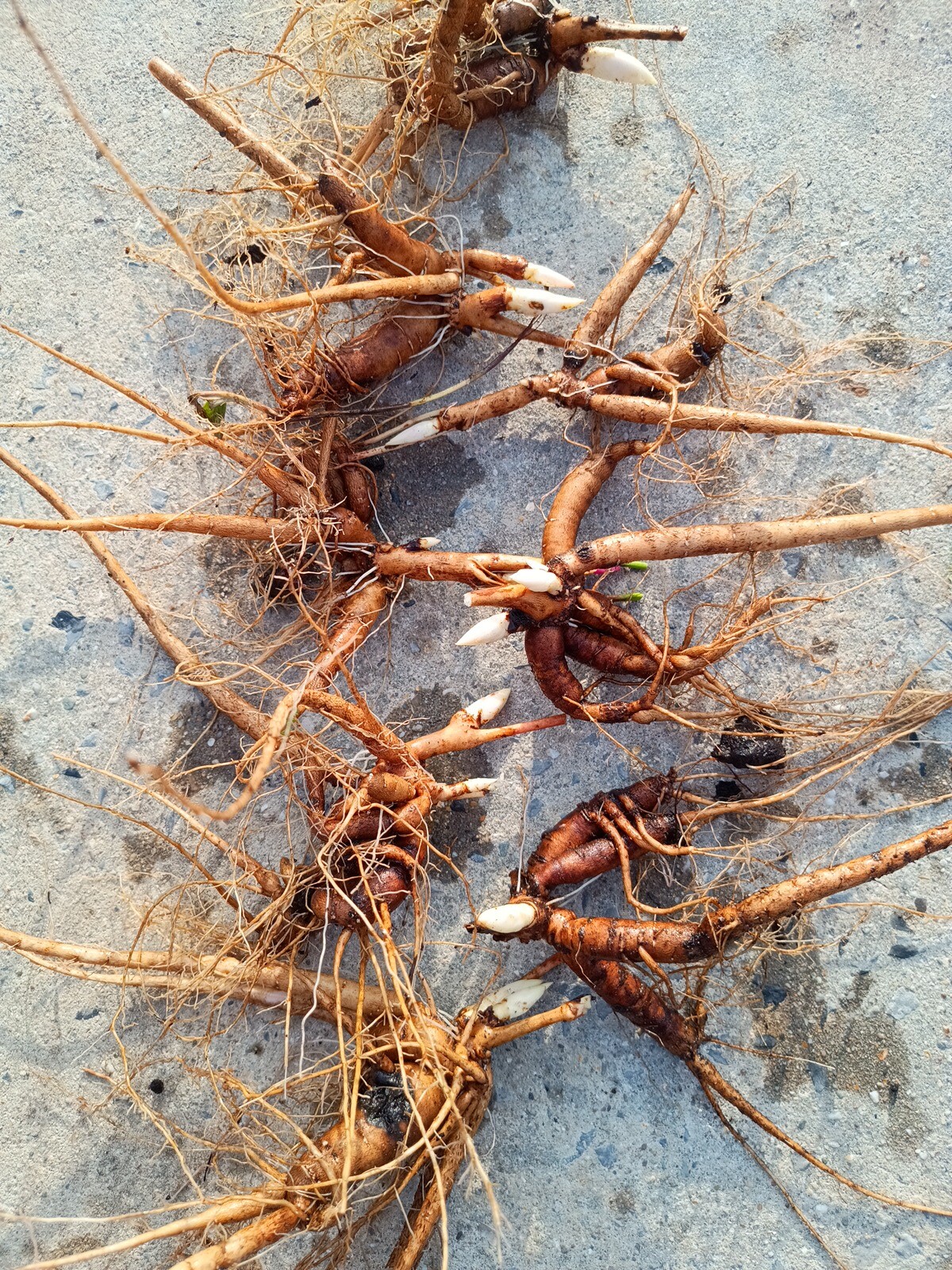
I suspect the mechanism behind these products is still somewhat mysterious, but the pictures you’ve shown from Don Smith are impressive to say the least !
And a fourth video.
- Load More Posts
Share Profile












thanks