
![Profile picture of khurtekant]()
khurtekant posted in the group Species Peonies International Network (SPIN)
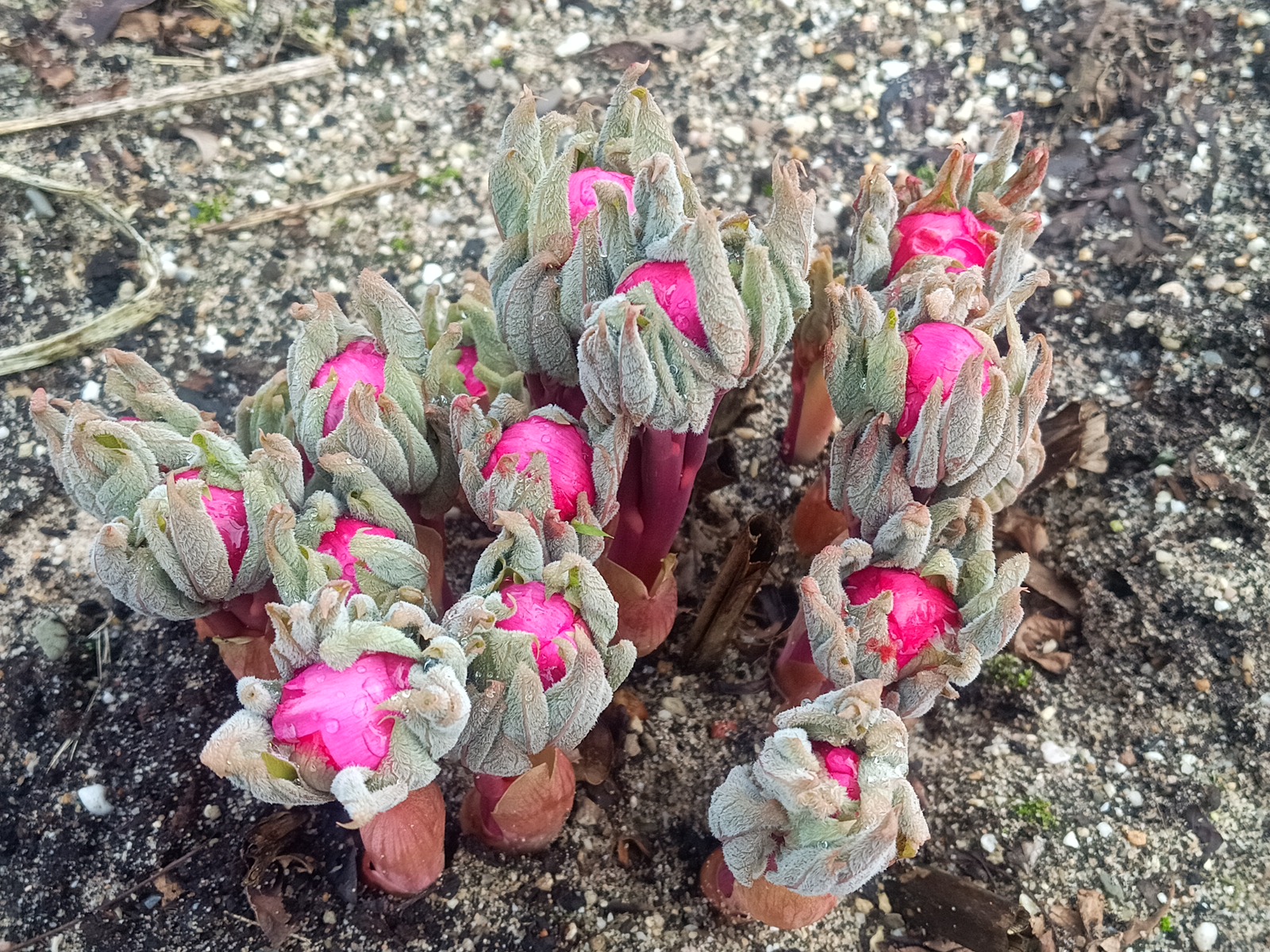
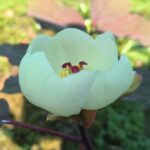
Close to flowering: Paeonia kesrouanensis.
![]()
![]() 4 Comments
4 Comments![Profile picture of khurtekant]()
I don’t think kesrouanensis and turcica are the same. P. turcica will show reddish or rather dark foliage upon emerging, whereas P. kesrouanensis is green from the onset. P. kesrouanensis is also a rather pale pink flower colour, whereas P. turcica is most often reddish, the few pink exceptions notwithstanding of course. P. kesrouanensis flowers…Read More
![]()
![Profile picture of khurtekant]()
Showing the plant from the side, you can see how small it is when it flowers here. Images I’ve seen from Syria also show it flowering before full development, but at least in a more advanced state. I believe the much higher altitude and thus lower ambient temperatures prevailing there are the cause of that.
![]()
![Profile picture of Uwe]()
Thank you for your experiences with a scientific character – it’s fun to read. I am also looking forward a little more to my little P. turcica , which I still have to create a well-drained planting place in partial shade – whether it wants slightly acidic soil because it is a forest dweller (as some pictures of the natural habitat show) . But…Read More
![Profile picture of khurtekant]()
khurtekant posted a new SPIN membership – member
I have a peony species collection which is mostly intended for hybridizing with more recent hybrid cultivars. They are being grown in an elevated bed, under shade cloth, whilst some are being grown in
![Profile picture of khurtekant]()
khurtekant posted in the group Species Peonies International Network (SPIN)
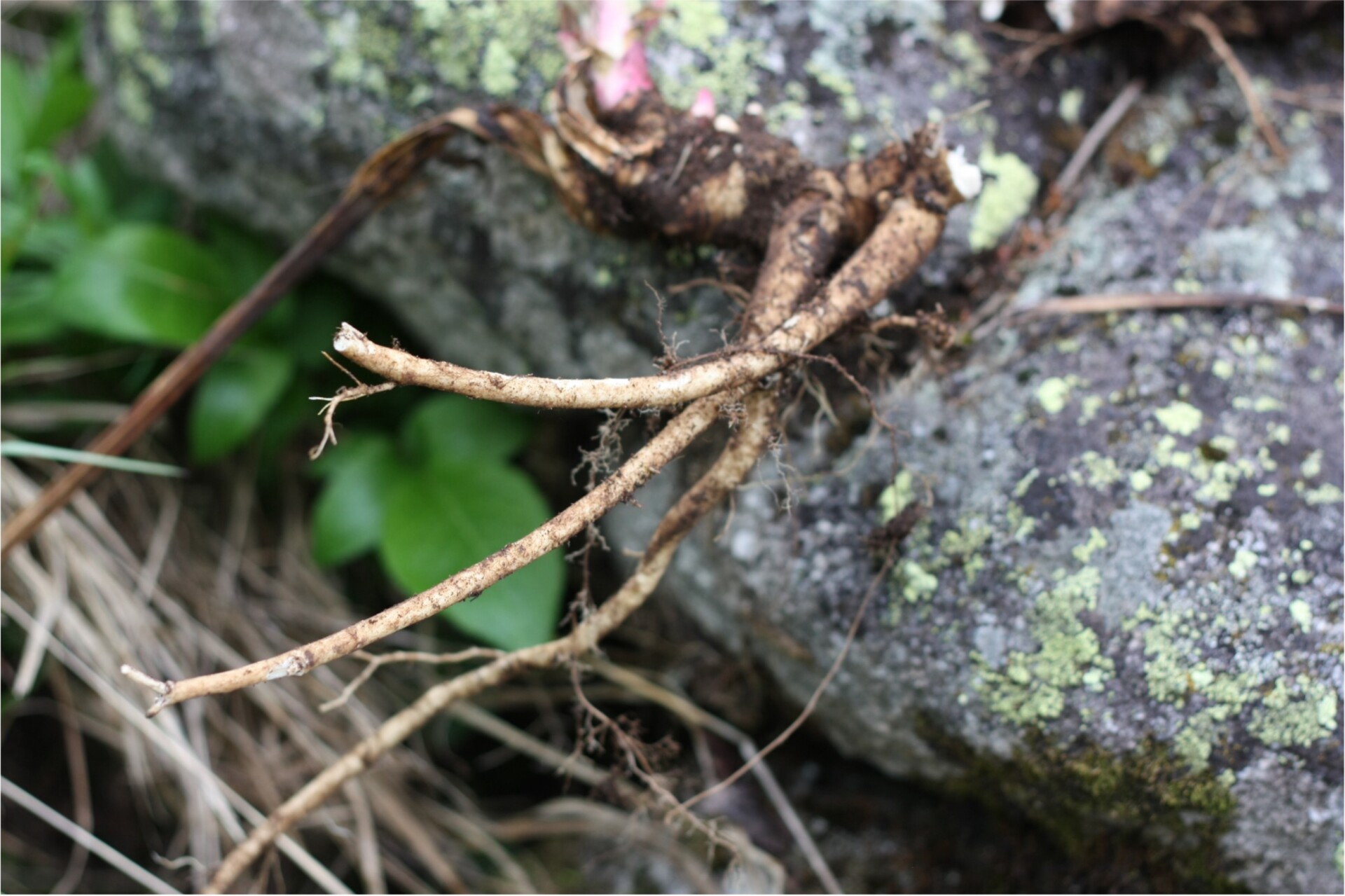
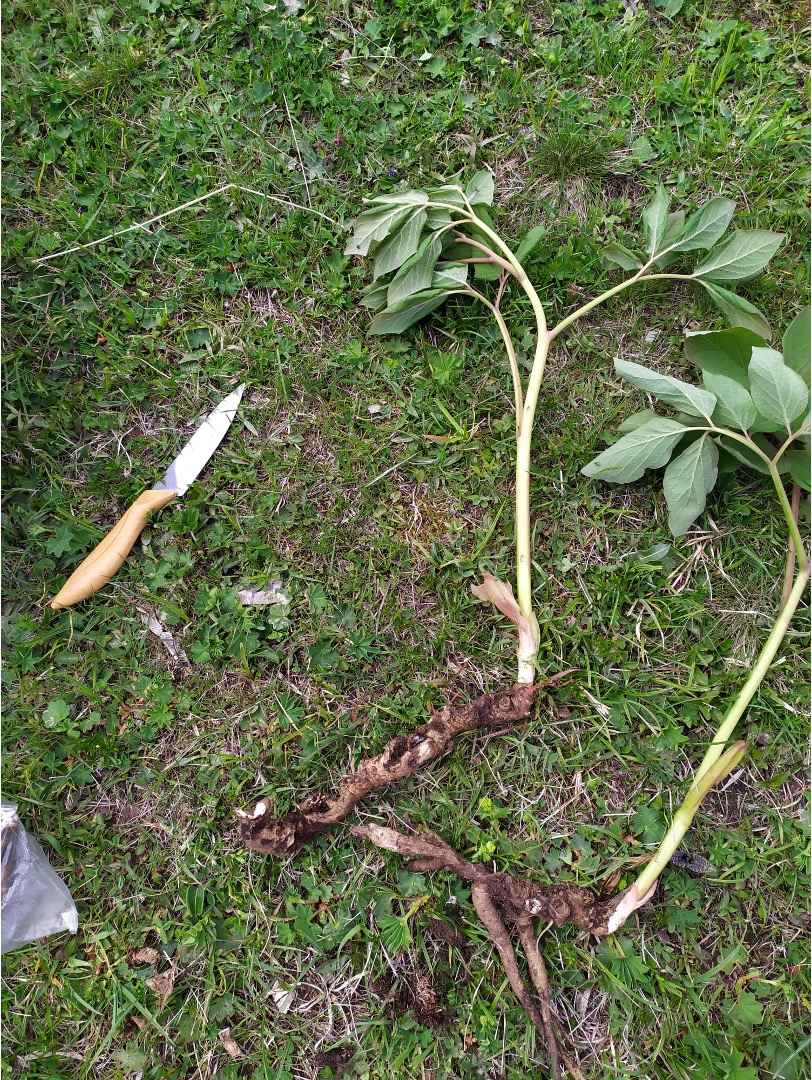
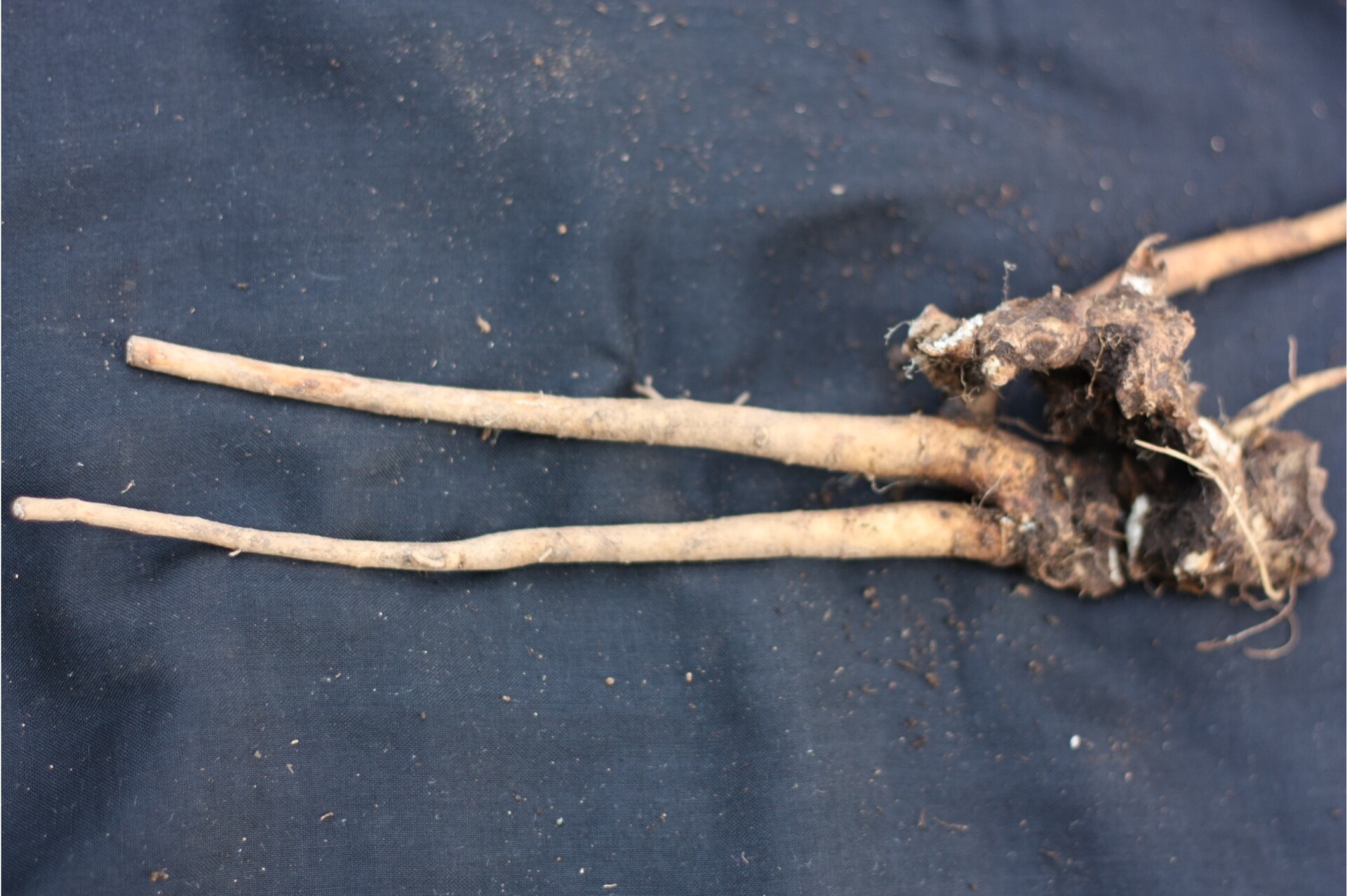
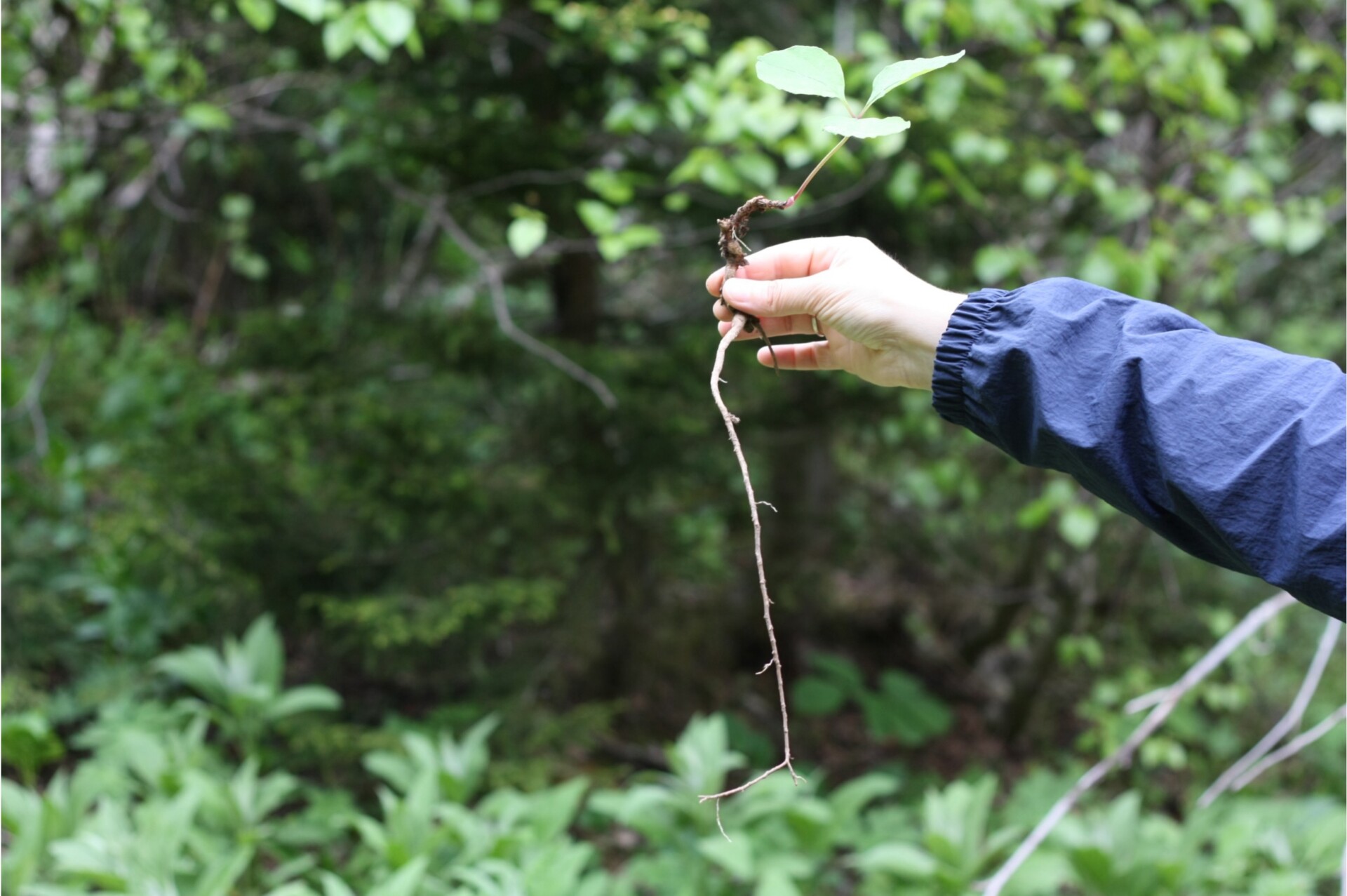
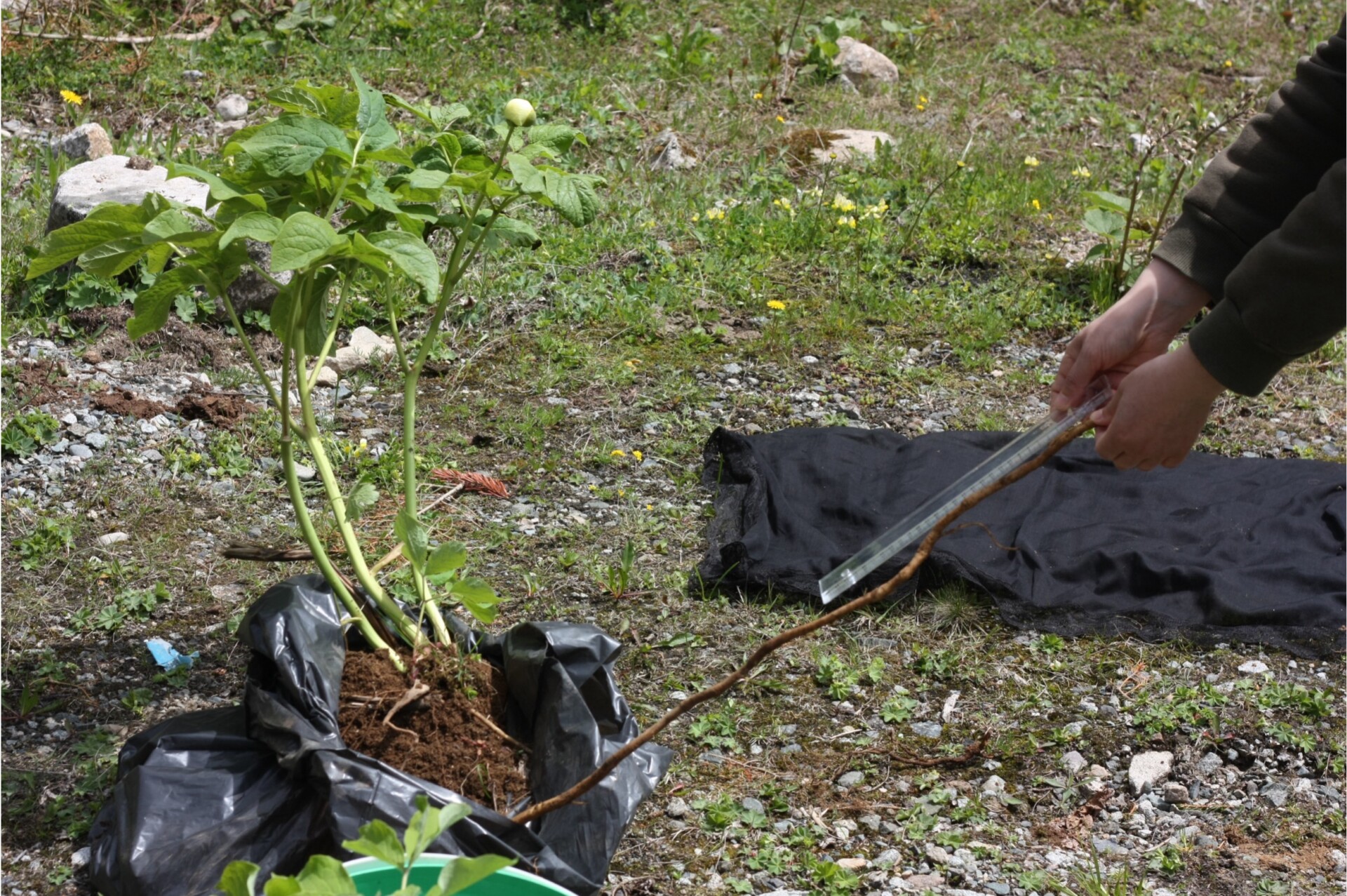
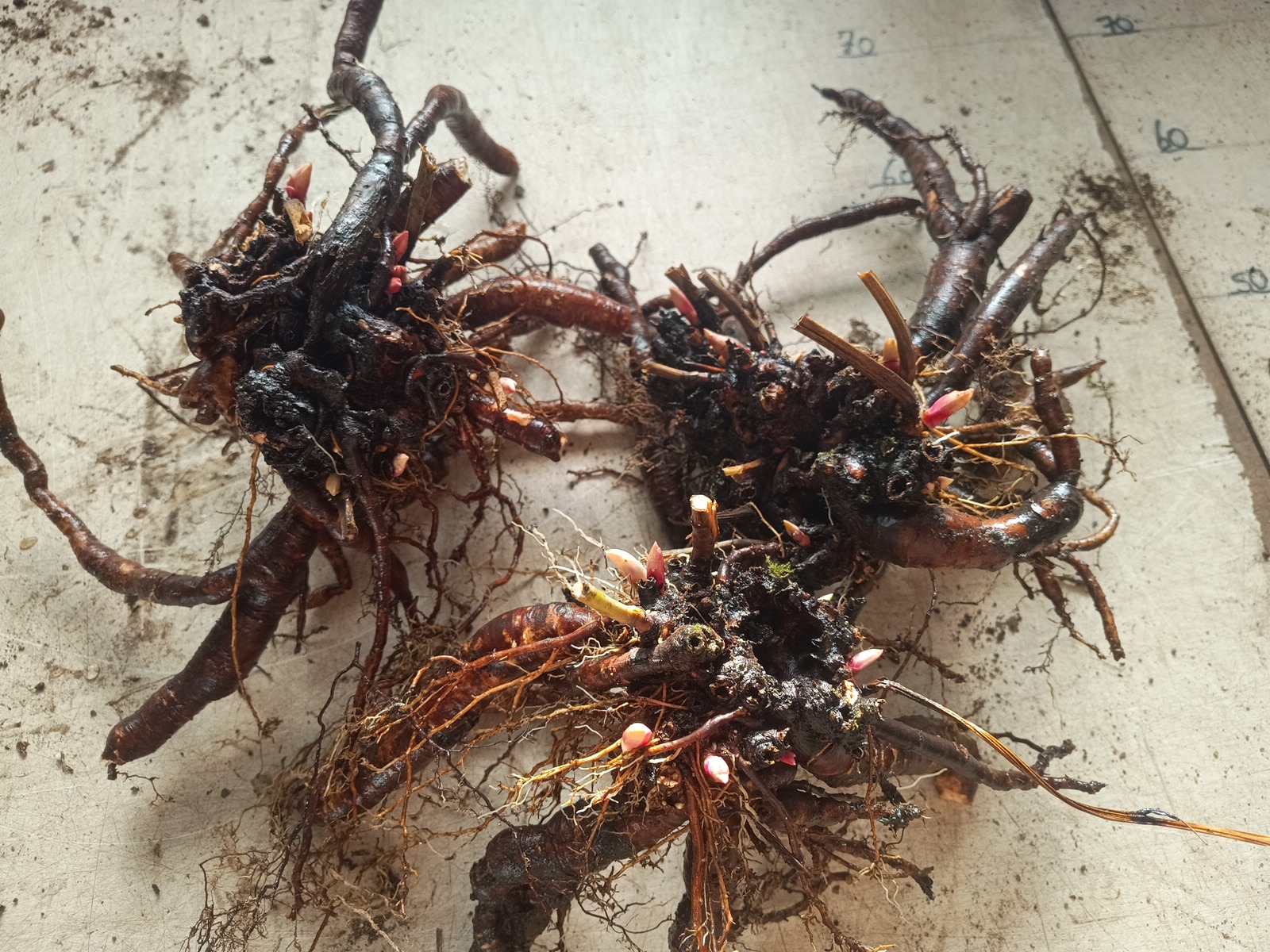
For Uwe @manolito some images of roots of P. macrophylla. From North Eastern Turkey, wild plants. As you can see: carrot shaped roots, (sometimes very) long and rather slender. Images from Cemal Sandalli, Turkish scientist, working on a paper describing this species in more detail. Publication forthcoming.
From an artist I highly admire, Turkish botanical artist Isik Guner.
https://www.instagram.com/p/C0G04jaoOmf/?igshid=MzRlODBiNWFlZA==![Profile picture of khurtekant]()
khurtekant posted in the group Species Peonies International Network (SPIN)
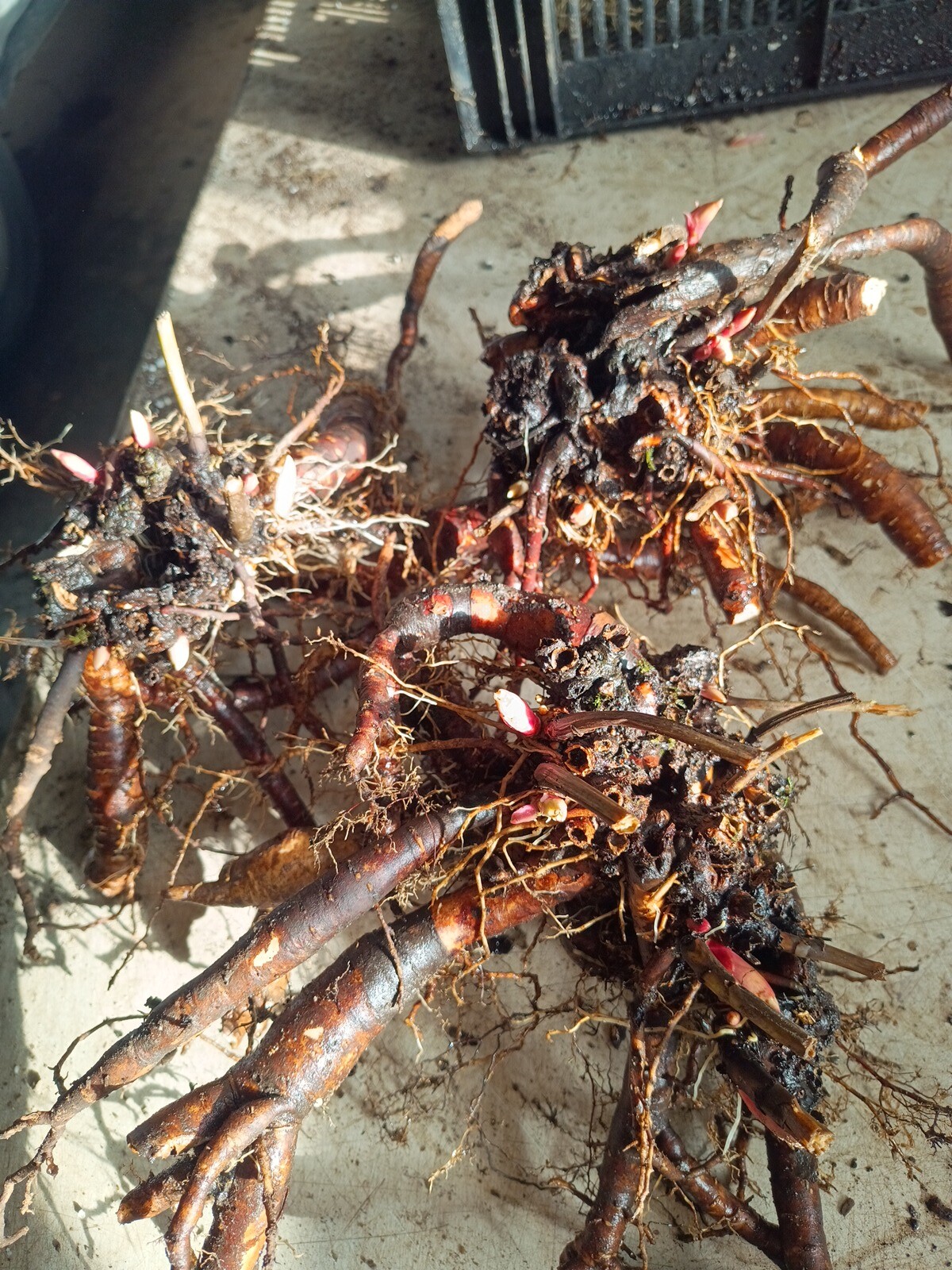
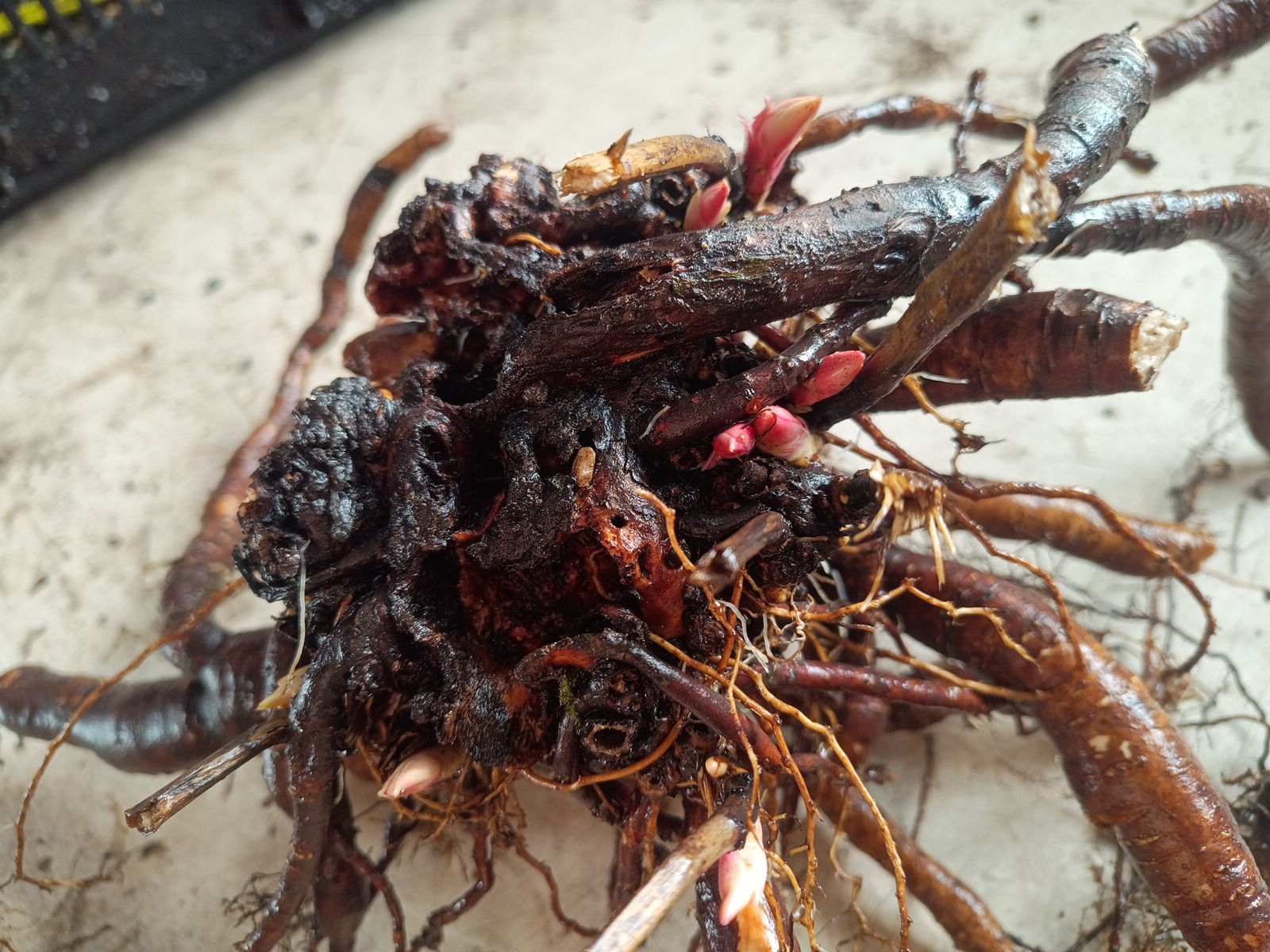
Just a small anecdote about a rare peony species P. sterniana. Last year I lost my only small plantlet of this species, even though I tried my best giving it good growing conditions. It was a small root that I received from the Edinburgh Botanical Garden (in Scotland that is). As far as I knew they had the only true plants of this species outside…Read More
![]()
![]()
![]()
![]() 4 Comments
4 Comments![Profile picture of Uwe]()
good luck pulling the plants and lots of grit under the roots.

A good new. Unfortunalely, as you say, this species is unavailable. In its habitat in South-East Tibet (Xizang), only a few hundreds of plants grow. However if seeds where distributed to growers with the aim to preserve the species, this beautiful peony could be seen in protected collections and maybe, why not, reintroduced in its natural habitat.
![Profile picture of khurtekant]()
@phenix Alain, My aim is twofold here. 1. As with most peony species I grow, I’d like to hybridize them with more recent advanced hybrids. And 2. Make them available to more people. To give that the best of chances I’ve also sent some divisions and seedlings to other (more) experienced peony species growers. It’s best not to put all your eggs in…Read More
-
I hope you have success in growing this rare, desirable but very difficult peony. Good luck Koen!
- Load More Posts
Share Profile















I got 2 in the fall – they are not yet ready to flower and are only just sprouting now – a young kesrouanensis Kemer syn. turcica is also there – it is also only showing tender shoots in the wind-protected cold frame.