[print_posts pdf=”yes” word=”yes” print=”no”]
Paeonia broteri(1)
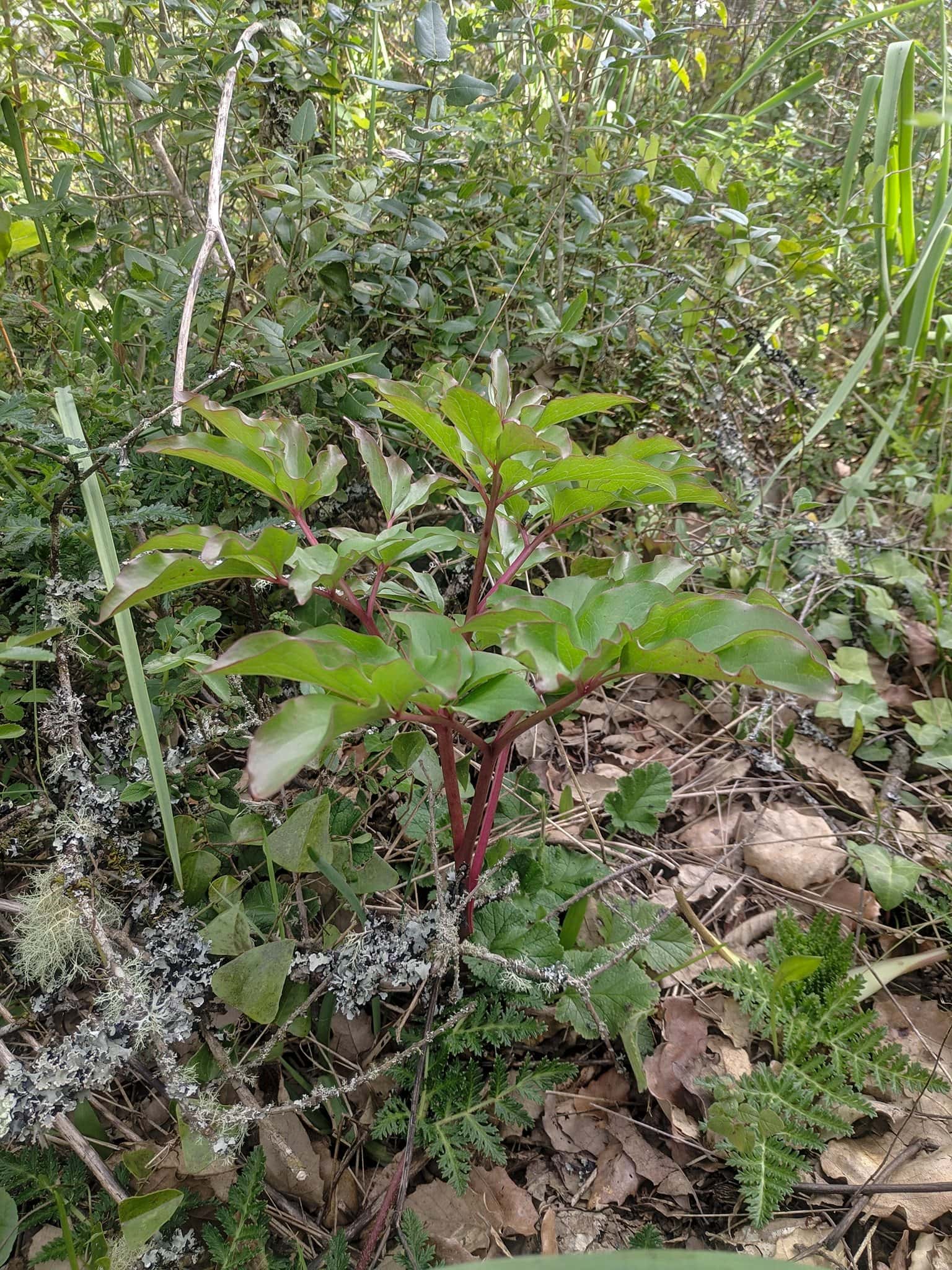
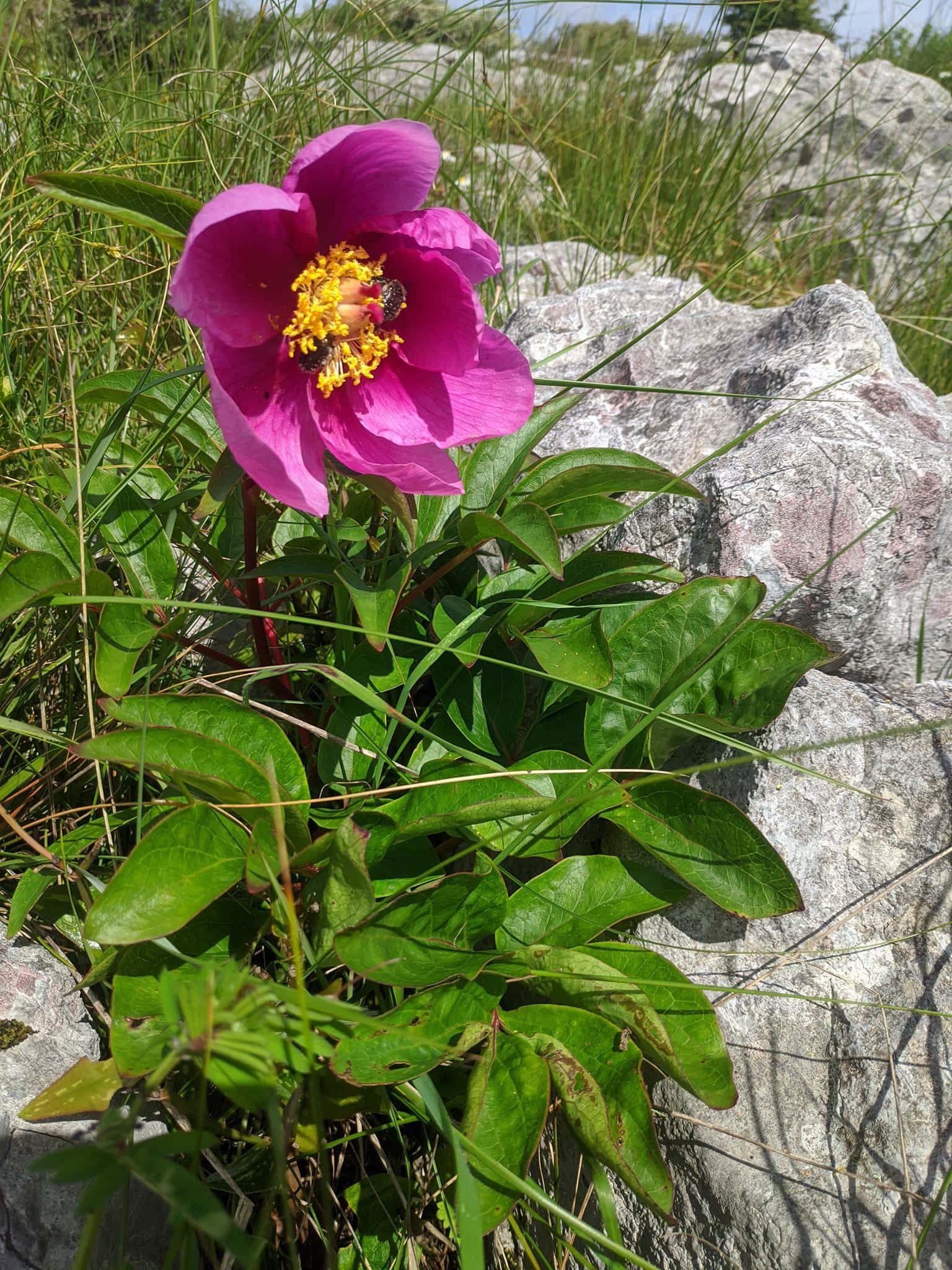
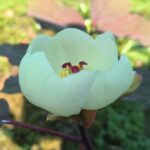
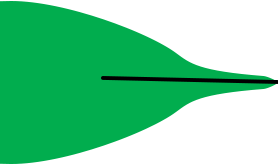
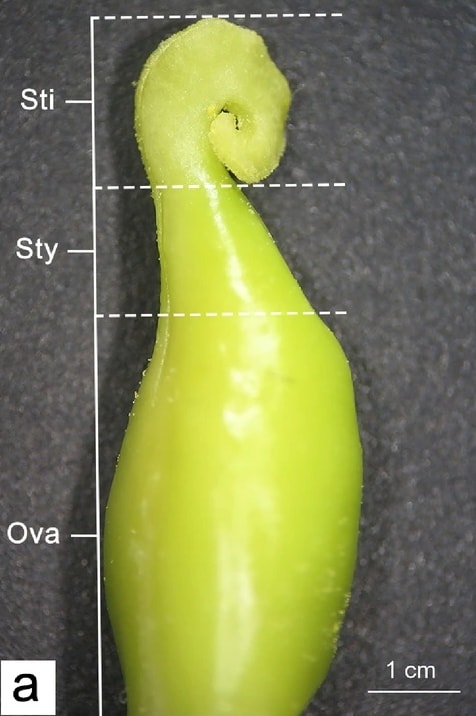
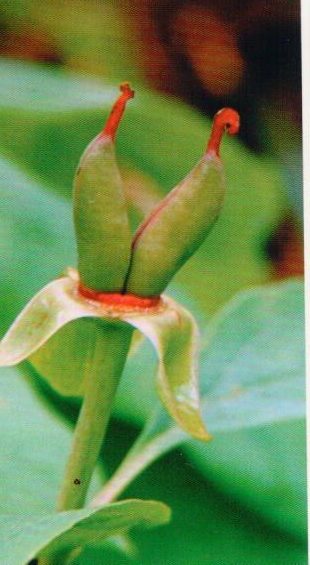
Perennials. Tap roots carrot-shaped, up to 3 cm in diameter, lateral roots thin and basipetally &amp;lt;a class=&amp;quot;wpg-linkify wpg-tooltip&amp;quot; title=&amp;quot;&amp;amp;lt;div class=&amp;amp;quot;wpg-tooltip-content&amp;amp;quot;&amp;amp;gt;&amp;amp;lt;p&amp;amp;gt;Leaf base having leaf tissue taper down the petiole to a narrow base, always having some leaf material on each side of the petiole.&amp;amp;lt;br /&amp;amp;gt; &amp;amp;lt;a href=&amp;amp;quot;https://www.peonysociety.org/wp-content/uploads/2019/07/Leaf_morphology_Attenuate.png&amp;amp;quot;&amp;amp;gt;&amp;amp;lt;img class=&amp;amp;quot;size-full wp-image-25361 alignleft&amp;amp;quot; src=&amp;amp;quot;https://www.peonysociety.org/wp-content/uploads/2019/07/Leaf_morphology_Attenuate.png&amp;amp;quot; alt=&amp;amp;quot;&amp;amp;quot; width=&amp;amp;quot;278&amp;amp;quot; height=&amp;amp;quot;167&amp;amp;quot; /&amp;amp;gt;&amp;amp;lt;/a&amp;amp;gt;&amp;amp;lt;/p&amp;amp;gt; &amp;amp;lt;/div&amp;amp;gt;&amp;quot; href=&amp;quot;https://www.peonysociety.org/registered_peonies/attenuate/&amp;quot; &amp;gt;attenuate&amp;lt;/a&amp;gt;. Stems usually purple, less frequently green, &lt;a class=&quot;wpg-linkify wpg-tooltip&quot; title=&quot;&amp;lt;div class=&amp;quot;wpg-tooltip-content&amp;quot;&amp;gt;&amp;lt;p&amp;gt;Without hairs.&amp;lt;/p&amp;gt; &amp;lt;/div&amp;gt;&quot; href=&quot;https://www.peonysociety.org/registered_peonies/glabrous/&quot; &gt;glabrous&lt;/a&gt;, 30—80 cm tall. Lower leaves &amp;lt;a class=&amp;quot;wpg-linkify wpg-tooltip&amp;quot; title=&amp;quot;&amp;amp;lt;div class=&amp;amp;quot;wpg-tooltip-content&amp;amp;quot;&amp;amp;gt;&amp;amp;lt;p&amp;amp;gt;&amp;amp;lt;span class=&amp;amp;quot;ind&amp;amp;quot;&amp;amp;gt;Having leaflets that are further subdivided in a <a class="wpg-linkify wpg-tooltip" title="&lt;div class=&quot;wpg-tooltip-content&quot;&gt;&lt;p&gt;Arranged in threes, especially (of a compound leaf) having three leaflets.&lt;br /&gt; &lt;a href=&quot;https://www.peonysociety.org/wp-content/uploads/2019/07/Leaf_morphology_trifoliolate.png&quot;&gt;&lt;img class=&quot;size-full wp-image-25426 alignleft&quot; src=&quot;https://www.peonysociety.org/wp-content/uploads/2019/07/Leaf_morphology_trifoliolate.png&quot; alt=&quot;&quot; width=&quot;164&quot; height=&quot;102&quot; /&gt;&lt;/a&gt;&lt;/p&gt; &lt;/div&gt;" href="https://www.peonysociety.org/registered_peonies/ternate/" >ternate</a> arrangement.&amp;amp;lt;/span&amp;amp;gt;&amp;amp;lt;/p&amp;amp;gt; &amp;amp;lt;div class=&amp;amp;quot;examples&amp;amp;quot;&amp;amp;gt; &amp;amp;lt;div class=&amp;amp;quot;exg&amp;amp;quot;&amp;amp;gt; &amp;amp;lt;p&amp;amp;gt;&amp;amp;lt;em&amp;amp;gt;‘It follows that biternate leaves are doubly <a class="wpg-linkify wpg-tooltip" title="&lt;div class=&quot;wpg-tooltip-content&quot;&gt;&lt;p&gt;Arranged in threes, especially (of a compound leaf) having three leaflets.&lt;br /&gt; &lt;a href=&quot;https://www.peonysociety.org/wp-content/uploads/2019/07/Leaf_morphology_trifoliolate.png&quot;&gt;&lt;img class=&quot;size-full wp-image-25426 alignleft&quot; src=&quot;https://www.peonysociety.org/wp-content/uploads/2019/07/Leaf_morphology_trifoliolate.png&quot; alt=&quot;&quot; width=&quot;164&quot; height=&quot;102&quot; /&gt;&lt;/a&gt;&lt;/p&gt; &lt;/div&gt;" href="https://www.peonysociety.org/registered_peonies/ternate/" >ternate</a>, with the <a class="wpg-linkify wpg-tooltip" title="&lt;div class=&quot;wpg-tooltip-content&quot;&gt;&lt;p&gt;Arranged in threes, especially (of a compound leaf) having three leaflets.&lt;br /&gt; &lt;a href=&quot;https://www.peonysociety.org/wp-content/uploads/2019/07/Leaf_morphology_trifoliolate.png&quot;&gt;&lt;img class=&quot;size-full wp-image-25426 alignleft&quot; src=&quot;https://www.peonysociety.org/wp-content/uploads/2019/07/Leaf_morphology_trifoliolate.png&quot; alt=&quot;&quot; width=&quot;164&quot; height=&quot;102&quot; /&gt;&lt;/a&gt;&lt;/p&gt; &lt;/div&gt;" href="https://www.peonysociety.org/registered_peonies/ternate/" >ternate</a> divisions again ternately divided.’&amp;amp;lt;/em&amp;amp;gt;&amp;amp;lt;/p&amp;amp;gt; &amp;amp;lt;p&amp;amp;gt;&amp;amp;lt;a href=&amp;amp;quot;https://www.peonysociety.org/wp-content/uploads/2019/07/Leaf_morphology_Biternate.png&amp;amp;quot;&amp;amp;gt;&amp;amp;lt;img class=&amp;amp;quot;size-medium wp-image-25335 alignleft&amp;amp;quot; src=&amp;amp;quot;https://www.peonysociety.org/wp-content/uploads/2019/07/Leaf_morphology_Biternate-480x402.png&amp;amp;quot; alt=&amp;amp;quot;&amp;amp;quot; width=&amp;amp;quot;480&amp;amp;quot; height=&amp;amp;quot;402&amp;amp;quot; /&amp;amp;gt;&amp;amp;lt;/a&amp;amp;gt;&amp;amp;lt;/p&amp;amp;gt; &amp;amp;lt;/div&amp;amp;gt; &amp;amp;lt;/div&amp;amp;gt; &amp;amp;lt;/div&amp;amp;gt;&amp;quot; href=&amp;quot;https://www.peonysociety.org/registered_peonies/biternate/&amp;quot; &amp;gt;biternate&amp;lt;/a&amp;gt;, usually most or nearly all leaflets &lt;a class=&quot;wpg-linkify wpg-tooltip&quot; title=&quot;&amp;lt;div class=&amp;quot;wpg-tooltip-content&amp;quot;&amp;gt;&amp;lt;p&amp;gt;a leaf is &amp;#039;segmented&amp;#039; when it consists of pieces of various shapes, which are more or less separated from one another&amp;lt;/p&amp;gt; &amp;lt;/div&amp;gt;&quot; href=&quot;https://www.peonysociety.org/registered_peonies/segmented/&quot; &gt;segmented&lt;/a&gt;; leaflets/leaf &lt;a class=&quot;wpg-linkify wpg-tooltip&quot; title=&quot;&amp;lt;div class=&amp;quot;wpg-tooltip-content&amp;quot;&amp;gt;&amp;lt;p&amp;gt;a leaf is &amp;#039;segmented&amp;#039; when it consists of pieces of various shapes, which are more or less separated from one another&amp;lt;/p&amp;gt; &amp;lt;/div&amp;gt;&quot; href=&quot;https://www.peonysociety.org/registered_peonies/segments/&quot; &gt;segments&lt;/a&gt; 11—32, but mostly 15—21 in number, &lt;a class=&quot;wpg-linkify wpg-tooltip&quot; title=&quot;&amp;lt;div class=&amp;quot;wpg-tooltip-content&amp;quot;&amp;gt;&amp;lt;p&amp;gt;Oval, with a short or no point.&amp;lt;br /&amp;gt; &amp;lt;a href=&amp;quot;https://www.peonysociety.org/wp-content/uploads/2019/07/Leaf_morphology_elliptic.png&amp;quot;&amp;gt;&amp;lt;img class=&amp;quot;size-full wp-image-25357 alignleft&amp;quot; src=&amp;quot;https://www.peonysociety.org/wp-content/uploads/2019/07/Leaf_morphology_elliptic.png&amp;quot; alt=&amp;quot;&amp;quot; width=&amp;quot;192&amp;quot; height=&amp;quot;88&amp;quot; /&amp;gt;&amp;lt;/a&amp;gt;&amp;lt;/p&amp;gt; &amp;lt;/div&amp;gt;&quot; href=&quot;https://www.peonysociety.org/registered_peonies/elliptic/&quot; &gt;elliptic&lt;/a&gt; or <a class="wpg-linkify wpg-tooltip" title="<div class="wpg-tooltip-content"><p>Shaped like an egg in two dimensions, and attached by the wider end.<br /> <a href="https://www.peonysociety.org/wp-content/uploads/2019/07/Leaf_morphology_ovale.png"><img class="size-full wp-image-25341 alignleft" src="https://www.peonysociety.org/wp-content/uploads/2019/07/Leaf_morphology_ovale.png" alt="" width="192" height="96" /></a></p> </div>" href="https://www.peonysociety.org/registered_peonies/ovate/" >ovate</a>—&amp;amp;lt;a class=&amp;amp;quot;wpg-linkify wpg-tooltip&amp;amp;quot; title=&amp;amp;quot;&amp;amp;amp;lt;div class=&amp;amp;amp;quot;wpg-tooltip-content&amp;amp;amp;quot;&amp;amp;amp;gt;&amp;amp;amp;lt;p&amp;amp;amp;gt;Lancelike, of a leaf, about four times as long as it is broad, broadest in the lower half and tapering towards the tip.&amp;amp;amp;lt;br /&amp;amp;amp;gt; &amp;amp;amp;lt;a href=&amp;amp;amp;quot;https://www.peonysociety.org/wp-content/uploads/2019/07/Leaf_morphology_lanceolate.png&amp;amp;amp;quot;&amp;amp;amp;gt;&amp;amp;amp;lt;img class=&amp;amp;amp;quot;size-full wp-image-25353 alignleft&amp;amp;amp;quot; src=&amp;amp;amp;quot;https://www.peonysociety.org/wp-content/uploads/2019/07/Leaf_morphology_lanceolate.png&amp;amp;amp;quot; alt=&amp;amp;amp;quot;&amp;amp;amp;quot; width=&amp;amp;amp;quot;192&amp;amp;amp;quot; height=&amp;amp;amp;quot;51&amp;amp;amp;quot; /&amp;amp;amp;gt;&amp;amp;amp;lt;/a&amp;amp;amp;gt;&amp;amp;amp;lt;/p&amp;amp;amp;gt; &amp;amp;amp;lt;/div&amp;amp;amp;gt;&amp;amp;quot; href=&amp;amp;quot;https://www.peonysociety.org/registered_peonies/lanceolate/&amp;amp;quot; &amp;amp;gt;lanceolate&amp;amp;lt;/a&amp;amp;gt;, rarely <a class="wpg-linkify wpg-tooltip" title="&lt;div class=&quot;wpg-tooltip-content&quot;&gt;&lt;p&gt;Inversely <a class="wpg-linkify wpg-tooltip" title="<div class="wpg-tooltip-content"><p>Shaped like an egg in two dimensions, and attached by the wider end.<br /> <a href="https://www.peonysociety.org/wp-content/uploads/2019/07/Leaf_morphology_ovale.png"><img class="size-full wp-image-25341 alignleft" src="https://www.peonysociety.org/wp-content/uploads/2019/07/Leaf_morphology_ovale.png" alt="" width="192" height="96" /></a></p> </div>" href="https://www.peonysociety.org/registered_peonies/ovate/" >ovate</a>; <a class="wpg-linkify wpg-tooltip" title="<div class="wpg-tooltip-content"><p>Shaped like an egg in two dimensions, and attached by the wider end.<br /> <a href="https://www.peonysociety.org/wp-content/uploads/2019/07/Leaf_morphology_ovale.png"><img class="size-full wp-image-25341 alignleft" src="https://www.peonysociety.org/wp-content/uploads/2019/07/Leaf_morphology_ovale.png" alt="" width="192" height="96" /></a></p> </div>" href="https://www.peonysociety.org/registered_peonies/ovate/" >ovate</a> with the narrow end downward; as, an obovate leaf.&lt;br /&gt; &lt;a href=&quot;https://www.peonysociety.org/wp-content/uploads/2019/07/Leaf_morphology_obovate.png&quot;&gt;&lt;img class=&quot;size-full wp-image-25340 alignleft&quot; src=&quot;https://www.peonysociety.org/wp-content/uploads/2019/07/Leaf_morphology_obovate.png&quot; alt=&quot;&quot; width=&quot;192&quot; height=&quot;105&quot; /&gt;&lt;/a&gt;&lt;/p&gt; &lt;/div&gt;" href="https://www.peonysociety.org/registered_peonies/obovate/" >obovate</a>, 4-10 (15) cm long, 1.5—5 (6.5) cm wide, <a class="wpg-linkify wpg-tooltip" title="&lt;div class=&quot;wpg-tooltip-content&quot;&gt;&lt;p&gt;leaf base narrowly triangular, wedge-shaped, stem attaches to point.&lt;br /&gt; &lt;a href=&quot;https://www.peonysociety.org/wp-content/uploads/2019/07/Leaf_morphology_cuneate.png&quot;&gt;&lt;img class=&quot;size-full wp-image-25421 alignleft&quot; src=&quot;https://www.peonysociety.org/wp-content/uploads/2019/07/Leaf_morphology_cuneate.png&quot; alt=&quot;&quot; width=&quot;192&quot; height=&quot;71&quot; /&gt;&lt;/a&gt;&lt;/p&gt; &lt;/div&gt;" href="https://www.peonysociety.org/registered_peonies/cuneate/" >cuneate</a> at the base, <a class="wpg-linkify wpg-tooltip" title="<div class="wpg-tooltip-content"><p>Pointed, having a short sharp apex angled less than 90°.<br /> <a href="https://www.peonysociety.org/wp-content/uploads/2019/07/Leaf_morphology_Acute.png"><img class="size-medium wp-image-25359 alignleft" src="https://www.peonysociety.org/wp-content/uploads/2019/07/Leaf_morphology_Acute-480x160.png" alt="" width="480" height="160" /></a></p> </div>" href="https://www.peonysociety.org/registered_peonies/acute/" >acute</a> or short—&amp;lt;a class=&amp;quot;wpg-linkify wpg-tooltip&amp;quot; title=&amp;quot;&amp;amp;lt;div class=&amp;amp;quot;wpg-tooltip-content&amp;amp;quot;&amp;amp;gt;&amp;amp;lt;p&amp;amp;gt;Leaf tip tapering to a long point in a concave manner.&amp;amp;lt;br /&amp;amp;gt; &amp;amp;lt;a href=&amp;amp;quot;https://www.peonysociety.org/wp-content/uploads/2019/07/Leaf_morphology_acuminate.png&amp;amp;quot;&amp;amp;gt;&amp;amp;lt;img class=&amp;amp;quot;size-full wp-image-25363 alignleft&amp;amp;quot; src=&amp;amp;quot;https://www.peonysociety.org/wp-content/uploads/2019/07/Leaf_morphology_acuminate.png&amp;amp;quot; alt=&amp;amp;quot;&amp;amp;quot; width=&amp;amp;quot;178&amp;amp;quot; height=&amp;amp;quot;55&amp;amp;quot; /&amp;amp;gt;&amp;amp;lt;/a&amp;amp;gt;&amp;amp;lt;/p&amp;amp;gt; &amp;amp;lt;/div&amp;amp;gt;&amp;quot; href=&amp;quot;https://www.peonysociety.org/registered_peonies/acuminate/&amp;quot; &amp;gt;acuminate&amp;lt;/a&amp;gt; at the apex, &lt;a class=&quot;wpg-linkify wpg-tooltip&quot; title=&quot;&amp;lt;div class=&amp;quot;wpg-tooltip-content&amp;quot;&amp;gt;&amp;lt;p&amp;gt;Without hairs.&amp;lt;/p&amp;gt; &amp;lt;/div&amp;gt;&quot; href=&quot;https://www.peonysociety.org/registered_peonies/glabrous/&quot; &gt;glabrous&lt;/a&gt; on both sides, very occasionally sparsely &amp;lt;a class=&amp;quot;wpg-linkify wpg-tooltip&amp;quot; title=&amp;quot;&amp;amp;lt;div class=&amp;amp;quot;wpg-tooltip-content&amp;amp;quot;&amp;amp;gt;&amp;amp;lt;p&amp;amp;gt;short, but curved or twisted&amp;amp;lt;/p&amp;amp;gt; &amp;amp;lt;p&amp;amp;gt;&amp;amp;lt;/p&amp;amp;gt; &amp;amp;lt;/div&amp;amp;gt;&amp;quot; href=&amp;quot;https://www.peonysociety.org/registered_peonies/puberulous/&amp;quot; &amp;gt;puberulous&amp;lt;/a&amp;gt; beneath. Flowers &lt;a class=&quot;wpg-linkify wpg-tooltip&quot; title=&quot;&amp;lt;div class=&amp;quot;wpg-tooltip-content&amp;quot;&amp;gt;&amp;lt;p&amp;gt;A solitary flower is a single bloom that stands alone on a stem, rather than being part of a cluster or inflorescence&amp;lt;/p&amp;gt; &amp;lt;/div&amp;gt;&quot; href=&quot;https://www.peonysociety.org/registered_peonies/solitary/&quot; &gt;solitary&lt;/a&gt; and terminal; &amp;amp;amp;lt;a class=&amp;amp;amp;quot;wpg-linkify wpg-tooltip&amp;amp;amp;quot; title=&amp;amp;amp;quot;&amp;amp;amp;amp;lt;div class=&amp;amp;amp;amp;quot;wpg-tooltip-content&amp;amp;amp;amp;quot;&amp;amp;amp;amp;gt;&amp;amp;amp;amp;lt;p&amp;amp;amp;amp;gt;Having an involucre, a whorl or rosette of <a class="wpg-linkify wpg-tooltip" title="<div class="wpg-tooltip-content"><p>bract: a leaf-like structure, different in form from the foliage leaves and without an axillary bud, associated with an inflorescence or flower,</p> </div>" href="https://www.peonysociety.org/registered_peonies/bracts/" >bracts</a> surrounding an inflorescence&amp;amp;amp;amp;lt;/p&amp;amp;amp;amp;gt; &amp;amp;amp;amp;lt;/div&amp;amp;amp;amp;gt;&amp;amp;amp;quot; href=&amp;amp;amp;quot;https://www.peonysociety.org/registered_peonies/involucrate/&amp;amp;amp;quot; &amp;amp;amp;gt;involucrate&amp;amp;amp;lt;/a&amp;amp;amp;gt; <a class="wpg-linkify wpg-tooltip" title="<div class="wpg-tooltip-content"><p>bract: a leaf-like structure, different in form from the foliage leaves and without an axillary bud, associated with an inflorescence or flower,</p> </div>" href="https://www.peonysociety.org/registered_peonies/bracts/" >bracts</a> 2 or 1 in number, leaf-like, or very rarely absent; <a class="wpg-linkify wpg-tooltip" title="<div class="wpg-tooltip-content"><p>sepal: each of the parts of the calyx of a flower, enclosing the petals and typically green and leaflike</p> </div>" href="https://www.peonysociety.org/registered_peonies/sepals/" >sepals</a> usually 3, rarely 4 in number, mostly <a class="wpg-linkify wpg-tooltip" title="&lt;div class=&quot;wpg-tooltip-content&quot;&gt;&lt;p&gt;Leaf tip or base circular, no distinct point.&lt;br /&gt; &lt;a href=&quot;https://www.peonysociety.org/wp-content/uploads/2019/07/Leaf_morphology_apex_rounded.png&quot;&gt;&lt;img class=&quot;size-full wp-image-25365 alignleft&quot; src=&quot;https://www.peonysociety.org/wp-content/uploads/2019/07/Leaf_morphology_apex_rounded.png&quot; alt=&quot;&quot; width=&quot;159&quot; height=&quot;159&quot; /&gt;&lt;/a&gt;&lt;/p&gt; &lt;/div&gt;" href="https://www.peonysociety.org/registered_peonies/rounded/" >rounded</a> at the apex, up to 3 cm long, 2.6 cm wide, green but purple at the periphery, &lt;a class=&quot;wpg-linkify wpg-tooltip&quot; title=&quot;&amp;lt;div class=&amp;quot;wpg-tooltip-content&amp;quot;&amp;gt;&amp;lt;p&amp;gt;Without hairs.&amp;lt;/p&amp;gt; &amp;lt;/div&amp;gt;&quot; href=&quot;https://www.peonysociety.org/registered_peonies/glabrous/&quot; &gt;glabrous&lt;/a&gt;, very occasionally &amp;lt;a class=&amp;quot;wpg-linkify wpg-tooltip&amp;quot; title=&amp;quot;&amp;amp;lt;div class=&amp;amp;quot;wpg-tooltip-content&amp;amp;quot;&amp;amp;gt;&amp;amp;lt;p&amp;amp;gt;short, but curved or twisted&amp;amp;lt;/p&amp;amp;gt; &amp;amp;lt;p&amp;amp;gt;&amp;amp;lt;/p&amp;amp;gt; &amp;amp;lt;/div&amp;amp;gt;&amp;quot; href=&amp;quot;https://www.peonysociety.org/registered_peonies/puberulous/&amp;quot; &amp;gt;puberulous&amp;lt;/a&amp;gt; on the <a class="wpg-linkify wpg-tooltip" title="&lt;div class=&quot;wpg-tooltip-content&quot;&gt;&lt;p&gt;Facing away from the axis of an organ or organism; the abaxial surface of a leaf is the underside or side facing away from the stem.Pertaining to a leaf surface that is facing away from the stem.&lt;/p&gt; &lt;/div&gt;" href="https://www.peonysociety.org/registered_peonies/abaxial/" >abaxial</a> side; petals 6—7 in number, pink-red, 5—6 cm long, 3—4 cm wide; &amp;lt;a class=&amp;quot;wpg-linkify wpg-tooltip&amp;quot; title=&amp;quot;&amp;amp;lt;div class=&amp;amp;quot;wpg-tooltip-content&amp;amp;quot;&amp;amp;gt;&amp;amp;lt;p&amp;amp;gt;filament: the stalk of a stamen&amp;amp;lt;/p&amp;amp;gt; &amp;amp;lt;/div&amp;amp;gt;&amp;quot; href=&amp;quot;https://www.peonysociety.org/registered_peonies/filaments/&amp;quot; &amp;gt;filaments&amp;lt;/a&amp;gt; yellow or purple; <a class="wpg-linkify wpg-tooltip" title="&lt;div class=&quot;wpg-tooltip-content&quot;&gt;&lt;p&gt;anther: pollen-bearing structure in the stamen (male organ) of the flower usually located on top of the filament of the stamen&lt;/p&gt; &lt;/div&gt;" href="https://www.peonysociety.org/registered_peonies/anthers/" >anthers</a> yellow; disk waved, 2 mm high, &lt;a class=&quot;wpg-linkify wpg-tooltip&quot; title=&quot;&amp;lt;div class=&amp;quot;wpg-tooltip-content&amp;quot;&amp;gt;&amp;lt;p&amp;gt;Without hairs.&amp;lt;/p&amp;gt; &amp;lt;/div&amp;gt;&quot; href=&quot;https://www.peonysociety.org/registered_peonies/glabrous/&quot; &gt;glabrous&lt;/a&gt; or &lt;a class=&quot;wpg-linkify wpg-tooltip&quot; title=&quot;&amp;lt;div class=&amp;quot;wpg-tooltip-content&amp;quot;&amp;gt;&amp;lt;p&amp;gt;Covered with dull colored woolly hairs. Short and entirely covering the ovaries. Found in most peony species.&amp;lt;/p&amp;gt; &amp;lt;/div&amp;gt;&quot; href=&quot;https://www.peonysociety.org/registered_peonies/tomentose/&quot; &gt;tomentose&lt;/a&gt;; <a class="wpg-linkify wpg-tooltip" title="&lt;div class=&quot;wpg-tooltip-content&quot;&gt;&lt;p&gt;carpel: an organ at the centre of a flower, bearing one or more ovules and having its margins fused together or with other carpels to enclose the <a class="wpg-linkify wpg-tooltip" title="<div class="wpg-tooltip-content"><p>a part inside the ovary (= organ that produces eggs) of a plant that contains the female sex cell and develops into a seed when that cell is fertilized</p> </div>" href="https://www.peonysociety.org/registered_peonies/ovule/" >ovule</a> in an <a class="wpg-linkify wpg-tooltip" title="<div class="wpg-tooltip-content"><p>the hollow base of the carpel of a flower, containing one or more ovules</p> </div>" href="https://www.peonysociety.org/registered_peonies/ovary/" >ovary</a>, and consisting also of a <a class="wpg-linkify wpg-tooltip" title="<div class="wpg-tooltip-content"><p>The pollen-receptive surface of a carpel, usually sticky. It sits above the ovary on the style.</p> </div>" href="https://www.peonysociety.org/registered_peonies/stigma/" >stigma</a> and usually a style.&lt;/p&gt; &lt;p&gt;&lt;/p&gt; &lt;/div&gt;" href="https://www.peonysociety.org/registered_peonies/carpels/" >carpels</a> mostly 2 or 3, less frequently 1 or 4, very occasionally 5 in number, &lt;a class=&quot;wpg-linkify wpg-tooltip&quot; title=&quot;&amp;lt;div class=&amp;quot;wpg-tooltip-content&amp;quot;&amp;gt;&amp;lt;p&amp;gt;Covered with dull colored woolly hairs. Short and entirely covering the ovaries. Found in most peony species.&amp;lt;/p&amp;gt; &amp;lt;/div&amp;gt;&quot; href=&quot;https://www.peonysociety.org/registered_peonies/tomentose/&quot; &gt;tomentose&lt;/a&gt;, hairs 2 mm long, rust-brown; <a class="wpg-linkify wpg-tooltip" title="&lt;div class=&quot;wpg-tooltip-content&quot;&gt;&lt;p&gt;<a class="wpg-linkify wpg-tooltip" title="<div class="wpg-tooltip-content"><p>The pollen-receptive surface of a carpel, usually sticky. It sits above the ovary on the style.</p> </div>" href="https://www.peonysociety.org/registered_peonies/stigma/" >Stigma</a>: the pollen-receptive surface of a carpel or group of fused carpels, usually sticky.&lt;/p&gt; &lt;p&gt;&lt;/p&gt; &lt;/div&gt;" href="https://www.peonysociety.org/registered_peonies/stigmas/" >stigmas</a> <a class="wpg-linkify wpg-tooltip" title="&lt;div class=&quot;wpg-tooltip-content&quot;&gt;&lt;p&gt;attached directly by its base without a stalk or peduncle, (of flowers or leaves) having no stalk; growing directly from the stem&lt;/p&gt; &lt;/div&gt;" href="https://www.peonysociety.org/registered_peonies/sessile/" >sessile</a>, red, 2.5 mm wide. &amp;lt;a class=&amp;quot;wpg-linkify wpg-tooltip&amp;quot; title=&amp;quot;&amp;amp;lt;div class=&amp;amp;quot;wpg-tooltip-content&amp;amp;quot;&amp;amp;gt;&amp;amp;lt;p&amp;amp;gt;&lt;a class=&quot;wpg-linkify wpg-tooltip&quot; title=&quot;&amp;lt;div class=&amp;quot;wpg-tooltip-content&amp;quot;&amp;gt;&amp;lt;p&amp;gt;a dry fruit that is derived from a single &amp;lt;span class=&amp;quot;SDZsVb AraNOb&amp;quot; tabindex=&amp;quot;0&amp;quot; role=&amp;quot;link&amp;quot; data-term-for-update=&amp;quot;carpel&amp;quot; data-ved=&amp;quot;2ahUKEwjL1dHAvLGSAxWqNPsDHc1aAUAQyecJegQIHxAc&amp;quot;&amp;gt;carpel&amp;lt;/span&amp;gt; and opens on one side only to release its seeds&amp;lt;/p&amp;gt; &amp;lt;/div&amp;gt;&quot; href=&quot;https://www.peonysociety.org/registered_peonies/follicle/&quot; &gt;follicle&lt;/a&gt;: a dry fruit that is derived from a single carpel and opens on one side only to release its seeds.&amp;amp;lt;/p&amp;amp;gt; &amp;amp;lt;/div&amp;amp;gt;&amp;quot; href=&amp;quot;https://www.peonysociety.org/registered_peonies/&lt;a class=&quot;wpg-linkify wpg-tooltip&quot; title=&quot;&amp;lt;div class=&amp;quot;wpg-tooltip-content&amp;quot;&amp;gt;&amp;lt;p&amp;gt;follicle: a dry fruit that is derived from a single carpel and opens on one side only to release its seeds.&amp;lt;/p&amp;gt; &amp;lt;/div&amp;gt;&quot; href=&quot;https://www.peonysociety.org/registered_peonies/follicles/&quot; &gt;follicles&lt;/a&gt;/&amp;quot; &amp;gt;&lt;a class=&quot;wpg-linkify wpg-tooltip&quot; title=&quot;&amp;lt;div class=&amp;quot;wpg-tooltip-content&amp;quot;&amp;gt;&amp;lt;p&amp;gt;follicle: a dry fruit that is derived from a single carpel and opens on one side only to release its seeds.&amp;lt;/p&amp;gt; &amp;lt;/div&amp;gt;&quot; href=&quot;https://www.peonysociety.org/registered_peonies/follicles/&quot; &gt;Follicles&lt;/a&gt;&amp;lt;/a&amp;gt; 2.5—4 cm long, 1.3-1.6 cm in diameter. Seeds <a class="wpg-linkify wpg-tooltip" title="<div class="wpg-tooltip-content"><p>An object or shape that is longer than it is wide, having an elongated form with slightly parallel sides, roughly rectangular.<br /> <a href="https://www.peonysociety.org/wp-content/uploads/2019/07/Leaf_morphology_oblong.png"><img class="size-full wp-image-25344 alignleft" src="https://www.peonysociety.org/wp-content/uploads/2019/07/Leaf_morphology_oblong.png" alt="" width="192" height="65" /></a></p> </div>" href="https://www.peonysociety.org/registered_peonies/oblong/" >oblong</a>, black, 7-8 mm long, 5—6 mm wide.
Chromosome number: 2n = 10 (diploid)
Growing in shrubs, oak or pine forests, in limestone soils at altitudes from 300 to 1,830 m. Confined to the Iberian Peninsula (Spain and Portugal). (We saw two collections from Morocco on a sheet in the Botanical Museum, University of Lund, Sweden. One is from Mt (Djebel) Hassen, 1910—1911, M. Gandoger s.n. and the other from Mt Onezzan, 1910—1911, M. Gandoger s.n. According to Dr G. Dahlgren (personal communication), the field records of Gandoger’s collections were often mixed up.)
Paeonia broteri is characterised by plants &lt;a class=&quot;wpg-linkify wpg-tooltip&quot; title=&quot;&amp;lt;div class=&amp;quot;wpg-tooltip-content&amp;quot;&amp;gt;&amp;lt;p&amp;gt;Without hairs.&amp;lt;/p&amp;gt; &amp;lt;/div&amp;gt;&quot; href=&quot;https://www.peonysociety.org/registered_peonies/glabrous/&quot; &gt;glabrous&lt;/a&gt; throughout except <a class="wpg-linkify wpg-tooltip" title="&lt;div class=&quot;wpg-tooltip-content&quot;&gt;&lt;p&gt;carpel: an organ at the centre of a flower, bearing one or more ovules and having its margins fused together or with other carpels to enclose the <a class="wpg-linkify wpg-tooltip" title="<div class="wpg-tooltip-content"><p>a part inside the ovary (= organ that produces eggs) of a plant that contains the female sex cell and develops into a seed when that cell is fertilized</p> </div>" href="https://www.peonysociety.org/registered_peonies/ovule/" >ovule</a> in an <a class="wpg-linkify wpg-tooltip" title="<div class="wpg-tooltip-content"><p>the hollow base of the carpel of a flower, containing one or more ovules</p> </div>" href="https://www.peonysociety.org/registered_peonies/ovary/" >ovary</a>, and consisting also of a <a class="wpg-linkify wpg-tooltip" title="<div class="wpg-tooltip-content"><p>The pollen-receptive surface of a carpel, usually sticky. It sits above the ovary on the style.</p> </div>" href="https://www.peonysociety.org/registered_peonies/stigma/" >stigma</a> and usually a style.&lt;/p&gt; &lt;p&gt;&lt;/p&gt; &lt;/div&gt;" href="https://www.peonysociety.org/registered_peonies/carpels/" >carpels</a>, leaflets or &lt;a class=&quot;wpg-linkify wpg-tooltip&quot; title=&quot;&amp;lt;div class=&amp;quot;wpg-tooltip-content&amp;quot;&amp;gt;&amp;lt;p&amp;gt;a leaf is &amp;#039;segmented&amp;#039; when it consists of pieces of various shapes, which are more or less separated from one another&amp;lt;/p&amp;gt; &amp;lt;/div&amp;gt;&quot; href=&quot;https://www.peonysociety.org/registered_peonies/segments/&quot; &gt;segments&lt;/a&gt; relatively narrow with a relatively high number. The species is closely related to P. clusii, and their relationship is discussed under that species. Paeonia broteri also resembles &amp;amp;lt;a class=&amp;amp;quot;wpg-linkify wpg-tooltip&amp;amp;quot; title=&amp;amp;quot;&amp;amp;amp;lt;div class=&amp;amp;amp;quot;wpg-tooltip-content&amp;amp;amp;quot;&amp;amp;amp;gt;&amp;amp;amp;lt;p&amp;amp;amp;gt;Growing in woods of Quercus or Cedrus in limestone areas at an altitude of 600-2,100 m. Confined to S Spain and Morocco.&amp;amp;amp;lt;/p&amp;amp;amp;gt; &amp;amp;amp;lt;p&amp;amp;amp;gt;&amp;amp;amp;lt;a href=&amp;amp;amp;quot;https://www.peonysociety.org/index.php?p=10109&amp;amp;amp;quot;&amp;amp;amp;gt;Read more&amp;amp;amp;lt;/a&amp;amp;amp;gt;&amp;amp;amp;lt;/p&amp;amp;amp;gt; &amp;amp;amp;lt;/div&amp;amp;amp;gt;&amp;amp;quot; href=&amp;amp;quot;https://www.peonysociety.org/registered_peonies/p-coriacea/&amp;amp;quot; &amp;amp;gt;P. coriacea&amp;amp;lt;/a&amp;amp;gt; and &amp;amp;lt;a class=&amp;amp;quot;wpg-linkify wpg-tooltip&amp;amp;quot; title=&amp;amp;quot;&amp;amp;amp;lt;div class=&amp;amp;amp;quot;wpg-tooltip-content&amp;amp;amp;quot;&amp;amp;amp;gt;&amp;amp;amp;lt;p&amp;amp;amp;gt;Relatively widely distributed, from N Spain (Cantabria and Soria) to Iraq via France, Italy, the Balkans, Cyprus and Turkey.&amp;amp;amp;lt;br /&amp;amp;amp;gt; &amp;amp;amp;lt;a href=&amp;amp;amp;quot;https://www.peonysociety.org/species/herbaceous/corallinae/mascula/&amp;amp;amp;quot;&amp;amp;amp;gt;More info&amp;amp;amp;lt;/a&amp;amp;amp;gt;&amp;amp;amp;lt;/p&amp;amp;amp;gt; &amp;amp;amp;lt;/div&amp;amp;amp;gt;&amp;amp;quot; href=&amp;amp;quot;https://www.peonysociety.org/registered_peonies/p-mascula/&amp;amp;quot; &amp;amp;gt;P. mascula&amp;amp;lt;/a&amp;amp;gt; to some extent, but differs from the former in having &lt;a class=&quot;wpg-linkify wpg-tooltip&quot; title=&quot;&amp;lt;div class=&amp;quot;wpg-tooltip-content&amp;quot;&amp;gt;&amp;lt;p&amp;gt;Covered with dull colored woolly hairs. Short and entirely covering the ovaries. Found in most peony species.&amp;lt;/p&amp;gt; &amp;lt;/div&amp;gt;&quot; href=&quot;https://www.peonysociety.org/registered_peonies/tomentose/&quot; &gt;tomentose&lt;/a&gt; <a class="wpg-linkify wpg-tooltip" title="&lt;div class=&quot;wpg-tooltip-content&quot;&gt;&lt;p&gt;carpel: an organ at the centre of a flower, bearing one or more ovules and having its margins fused together or with other carpels to enclose the <a class="wpg-linkify wpg-tooltip" title="<div class="wpg-tooltip-content"><p>a part inside the ovary (= organ that produces eggs) of a plant that contains the female sex cell and develops into a seed when that cell is fertilized</p> </div>" href="https://www.peonysociety.org/registered_peonies/ovule/" >ovule</a> in an <a class="wpg-linkify wpg-tooltip" title="<div class="wpg-tooltip-content"><p>the hollow base of the carpel of a flower, containing one or more ovules</p> </div>" href="https://www.peonysociety.org/registered_peonies/ovary/" >ovary</a>, and consisting also of a <a class="wpg-linkify wpg-tooltip" title="<div class="wpg-tooltip-content"><p>The pollen-receptive surface of a carpel, usually sticky. It sits above the ovary on the style.</p> </div>" href="https://www.peonysociety.org/registered_peonies/stigma/" >stigma</a> and usually a style.&lt;/p&gt; &lt;p&gt;&lt;/p&gt; &lt;/div&gt;" href="https://www.peonysociety.org/registered_peonies/carpels/" >carpels</a> and narrower leaflets/leaf &lt;a class=&quot;wpg-linkify wpg-tooltip&quot; title=&quot;&amp;lt;div class=&amp;quot;wpg-tooltip-content&amp;quot;&amp;gt;&amp;lt;p&amp;gt;a leaf is &amp;#039;segmented&amp;#039; when it consists of pieces of various shapes, which are more or less separated from one another&amp;lt;/p&amp;gt; &amp;lt;/div&amp;gt;&quot; href=&quot;https://www.peonysociety.org/registered_peonies/segments/&quot; &gt;segments&lt;/a&gt; (1.5—5—(6.5) rather than 2—8 cm wide), and from the latter in having more leaflets or &lt;a class=&quot;wpg-linkify wpg-tooltip&quot; title=&quot;&amp;lt;div class=&amp;quot;wpg-tooltip-content&amp;quot;&amp;gt;&amp;lt;p&amp;gt;a leaf is &amp;#039;segmented&amp;#039; when it consists of pieces of various shapes, which are more or less separated from one another&amp;lt;/p&amp;gt; &amp;lt;/div&amp;gt;&quot; href=&quot;https://www.peonysociety.org/registered_peonies/segments/&quot; &gt;segments&lt;/a&gt; (11-32 rather than 10—18—(21)), which are smaller (4—10—(15) x 1.5—5—(6.5) cm rather than 4.5—18 x 3-9 cm) and nearly always &lt;a class=&quot;wpg-linkify wpg-tooltip&quot; title=&quot;&amp;lt;div class=&amp;quot;wpg-tooltip-content&amp;quot;&amp;gt;&amp;lt;p&amp;gt;Without hairs.&amp;lt;/p&amp;gt; &amp;lt;/div&amp;gt;&quot; href=&quot;https://www.peonysociety.org/registered_peonies/glabrous/&quot; &gt;glabrous&lt;/a&gt;, and shorter hairs on <a class="wpg-linkify wpg-tooltip" title="&lt;div class=&quot;wpg-tooltip-content&quot;&gt;&lt;p&gt;carpel: an organ at the centre of a flower, bearing one or more ovules and having its margins fused together or with other carpels to enclose the <a class="wpg-linkify wpg-tooltip" title="<div class="wpg-tooltip-content"><p>a part inside the ovary (= organ that produces eggs) of a plant that contains the female sex cell and develops into a seed when that cell is fertilized</p> </div>" href="https://www.peonysociety.org/registered_peonies/ovule/" >ovule</a> in an <a class="wpg-linkify wpg-tooltip" title="<div class="wpg-tooltip-content"><p>the hollow base of the carpel of a flower, containing one or more ovules</p> </div>" href="https://www.peonysociety.org/registered_peonies/ovary/" >ovary</a>, and consisting also of a <a class="wpg-linkify wpg-tooltip" title="<div class="wpg-tooltip-content"><p>The pollen-receptive surface of a carpel, usually sticky. It sits above the ovary on the style.</p> </div>" href="https://www.peonysociety.org/registered_peonies/stigma/" >stigma</a> and usually a style.&lt;/p&gt; &lt;p&gt;&lt;/p&gt; &lt;/div&gt;" href="https://www.peonysociety.org/registered_peonies/carpels/" >carpels</a> (2 mm rather than 3 mm long). Furthermore, P. broteri is a diploid (2n = 10), whereas &amp;amp;lt;a class=&amp;amp;quot;wpg-linkify wpg-tooltip&amp;amp;quot; title=&amp;amp;quot;&amp;amp;amp;lt;div class=&amp;amp;amp;quot;wpg-tooltip-content&amp;amp;amp;quot;&amp;amp;amp;gt;&amp;amp;amp;lt;p&amp;amp;amp;gt;Growing in woods of Quercus or Cedrus in limestone areas at an altitude of 600-2,100 m. Confined to S Spain and Morocco.&amp;amp;amp;lt;/p&amp;amp;amp;gt; &amp;amp;amp;lt;p&amp;amp;amp;gt;&amp;amp;amp;lt;a href=&amp;amp;amp;quot;https://www.peonysociety.org/index.php?p=10109&amp;amp;amp;quot;&amp;amp;amp;gt;Read more&amp;amp;amp;lt;/a&amp;amp;amp;gt;&amp;amp;amp;lt;/p&amp;amp;amp;gt; &amp;amp;amp;lt;/div&amp;amp;amp;gt;&amp;amp;quot; href=&amp;amp;quot;https://www.peonysociety.org/registered_peonies/p-coriacea/&amp;amp;quot; &amp;amp;gt;P. coriacea&amp;amp;lt;/a&amp;amp;gt; and &amp;amp;lt;a class=&amp;amp;quot;wpg-linkify wpg-tooltip&amp;amp;quot; title=&amp;amp;quot;&amp;amp;amp;lt;div class=&amp;amp;amp;quot;wpg-tooltip-content&amp;amp;amp;quot;&amp;amp;amp;gt;&amp;amp;amp;lt;p&amp;amp;amp;gt;Relatively widely distributed, from N Spain (Cantabria and Soria) to Iraq via France, Italy, the Balkans, Cyprus and Turkey.&amp;amp;amp;lt;br /&amp;amp;amp;gt; &amp;amp;amp;lt;a href=&amp;amp;amp;quot;https://www.peonysociety.org/species/herbaceous/corallinae/mascula/&amp;amp;amp;quot;&amp;amp;amp;gt;More info&amp;amp;amp;lt;/a&amp;amp;amp;gt;&amp;amp;amp;lt;/p&amp;amp;amp;gt; &amp;amp;amp;lt;/div&amp;amp;amp;gt;&amp;amp;quot; href=&amp;amp;quot;https://www.peonysociety.org/registered_peonies/p-mascula/&amp;amp;quot; &amp;amp;gt;P. mascula&amp;amp;lt;/a&amp;amp;gt; are tetraploid (2n = 20). We found P. broteri and &amp;amp;lt;a class=&amp;amp;quot;wpg-linkify wpg-tooltip&amp;amp;quot; title=&amp;amp;quot;&amp;amp;amp;lt;div class=&amp;amp;amp;quot;wpg-tooltip-content&amp;amp;amp;quot;&amp;amp;amp;gt;&amp;amp;amp;lt;p&amp;amp;amp;gt;Growing in woods of Quercus or Cedrus in limestone areas at an altitude of 600-2,100 m. Confined to S Spain and Morocco.&amp;amp;amp;lt;/p&amp;amp;amp;gt; &amp;amp;amp;lt;p&amp;amp;amp;gt;&amp;amp;amp;lt;a href=&amp;amp;amp;quot;https://www.peonysociety.org/index.php?p=10109&amp;amp;amp;quot;&amp;amp;amp;gt;Read more&amp;amp;amp;lt;/a&amp;amp;amp;gt;&amp;amp;amp;lt;/p&amp;amp;amp;gt; &amp;amp;amp;lt;/div&amp;amp;amp;gt;&amp;amp;quot; href=&amp;amp;quot;https://www.peonysociety.org/registered_peonies/p-coriacea/&amp;amp;quot; &amp;amp;gt;P. coriacea&amp;amp;lt;/a&amp;amp;gt; coexisting in the Alfacar Mountains, NE of Granada, but they appeared distinct.
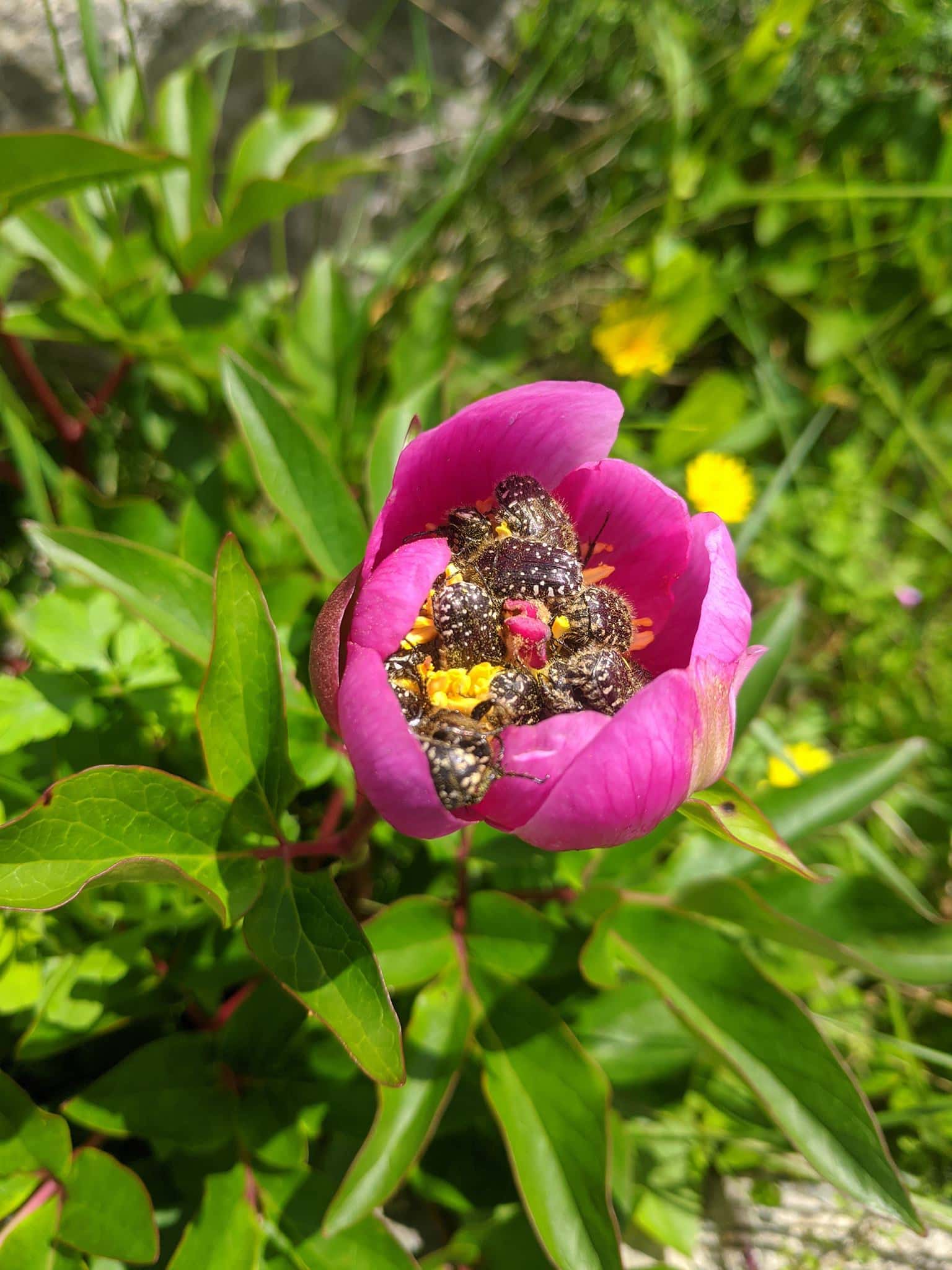
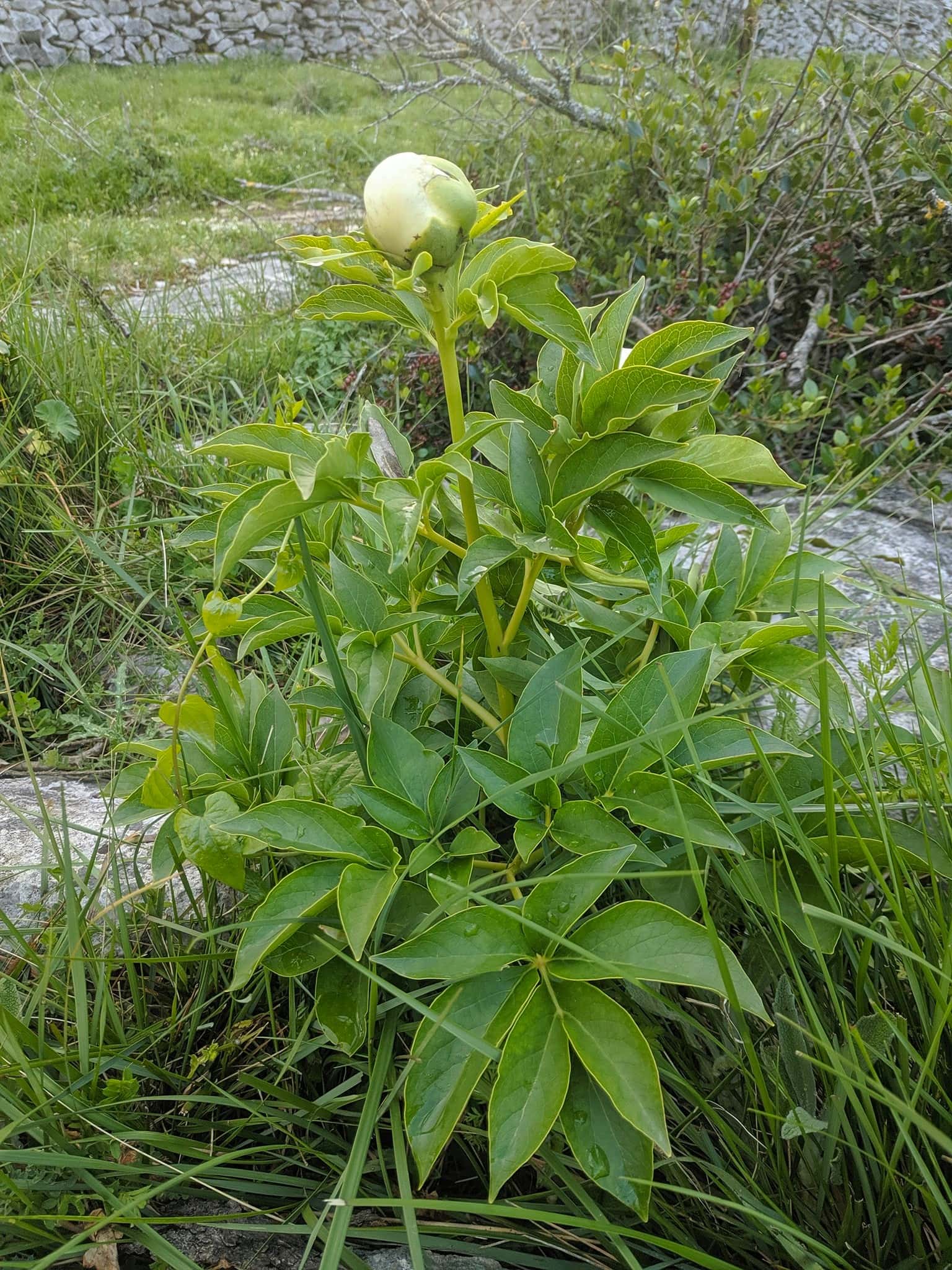
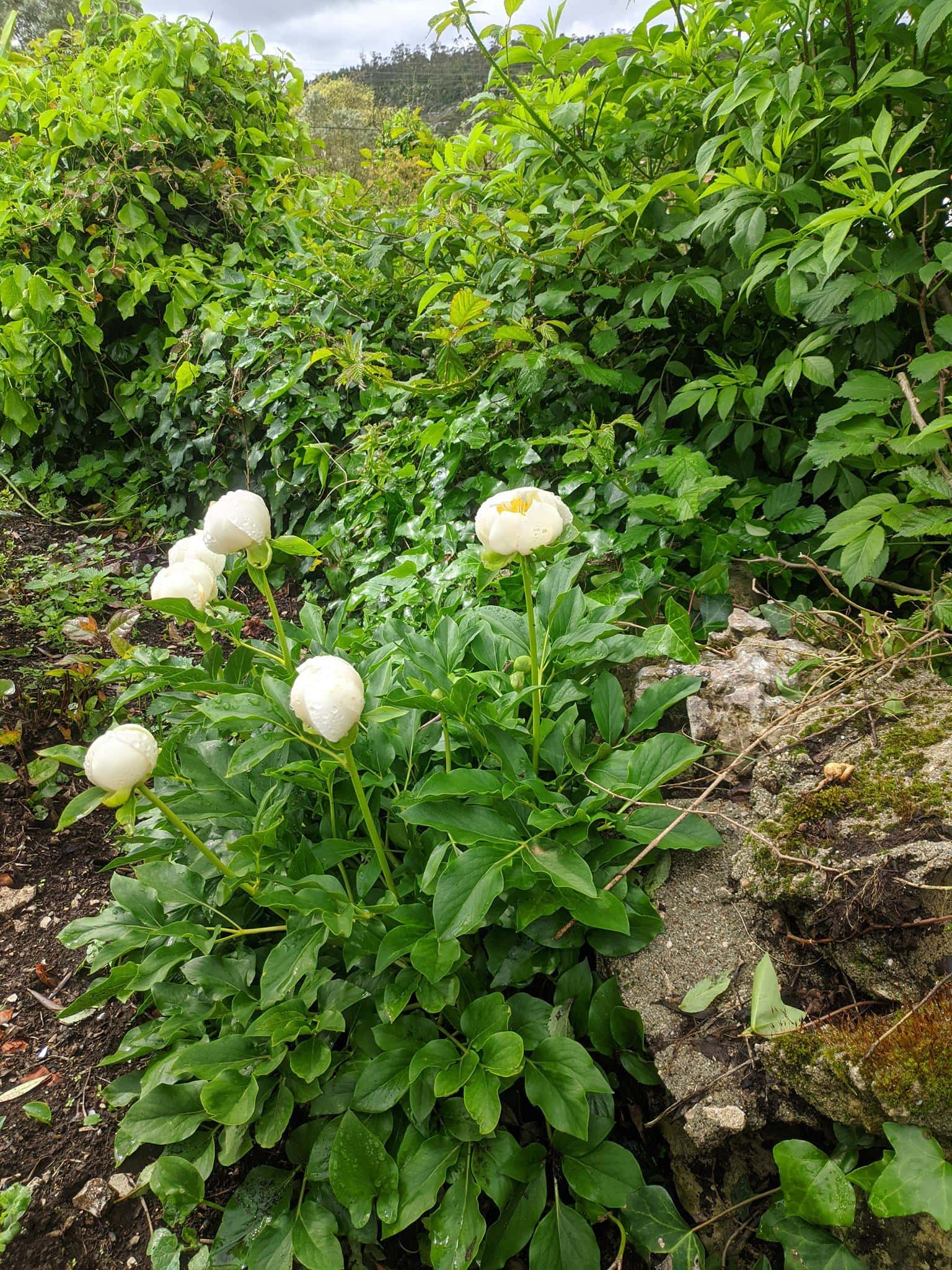
Images below: Paeonia broteri in Portugal. Copyright Samuel da Costa
The white form is rare and lacks all red pigment (including the stems)
- Hong, De-Yuan. “Peonies of the World. Taxonomy and phytogeography.” Kew: Royal Botanic Gardens, 2010, p. 160.[back to text]


From these last series, they've received a long warm period and will now go into cold storage. Here the two…
Worked like a <a class="wpg-linkify wpg-tooltip" title="<div class="wpg-tooltip-content"><p>Very dark red Jap. Good upright grower, vigorous, late, 34 inches. An improvement on Fuyajo. Seedling # JE-3.</p>
<p>Award of Landscape Merit (ALM) description: 'Charm' (Franklin, 1931) Lactiflora Group, Late mid-season, 38? — A lustrous and satiny, dark red Japanese form bloom with a center of the same red petaloids, etched yellow. Stiff and relatively straight stems angle outward gracefully to form a very large, harmoniously mounded, fountain of blooms. An eight-year-old plant matures to 40 or so stems that emerge from a relatively compact area. Although individual blooms are at their peak for a shorter duration than those of other lactifloras, plenty of side buds help 'Charm' maintain its striking presence in the landscape. One of the later Japanese form peonies to bloom.</p>
</div>" href="https://www.peonysociety.org/registered_peonies/charm/" >charm</a> this time. Rooted seeds of nearly all 'difficult' samples and almost all of them looking perfectly…
Updated with some more info I received from Aleksej.
OF never makes good carpals at my house, so the method I used was to use OF as a pollen…
I haven't followed up on it and I don't grow any of them myself. You're right to ask for it…
Any further information on &amp;amp;amp;lt;a class=&amp;amp;amp;quot;wpg-linkify wpg-tooltip&amp;amp;amp;quot; title=&amp;amp;amp;quot;&amp;amp;amp;amp;lt;div class=&amp;amp;amp;amp;quot;wpg-tooltip-content&amp;amp;amp;amp;quot;&amp;amp;amp;amp;gt;&amp;amp;amp;amp;lt;p&amp;amp;amp;amp;gt;Seedling TF-8. Parentage: (P. tenuifolia &amp;amp;amp;amp;#039;Plena&amp;amp;amp;amp;#039; x P. tenuifolia &amp;amp;amp;amp;#039;Rosea&amp;amp;amp;amp;#039;)F2. First bloomed 2012, first propagated 2013. Fully double BOMB form. Baby pink flowers are borne 1 to a stem, 3¼ inches (8 cm) in size, up facing to slightly out facing. Two to three <a class="wpg-linkify wpg-tooltip" title="&lt;div class=&quot;wpg-tooltip-content&quot;&gt;&lt;p&gt;carpel: an organ at the centre of a flower, bearing one or more ovules and having its margins fused together or with other carpels to enclose the <a class="wpg-linkify wpg-tooltip" title="<div class="wpg-tooltip-content"><p>a part inside the ovary (= organ that produces eggs) of a plant that contains the female sex cell and develops into a seed when that cell is fertilized</p>
</div>" href="https://www.peonysociety.org/registered_peonies/ovule/" >ovule</a> in an <a class="wpg-linkify wpg-tooltip" title="<div class="wpg-tooltip-content"><p>the hollow base of the carpel of a flower, containing one or more ovules</p>
</div>" href="https://www.peonysociety.org/registered_peonies/ovary/" >ovary</a>, and consisting also of a <a class="wpg-linkify wpg-tooltip" title="<div class="wpg-tooltip-content"><p>The pollen-receptive surface of a carpel, usually sticky. It sits above the ovary on the style.</p>
</div>" href="https://www.peonysociety.org/registered_peonies/stigma/" >stigma</a> and usually a style.&lt;/p&gt;
&lt;p&gt;&lt;/p&gt;
&lt;/div&gt;" href="https://www.peonysociety.org/registered_peonies/carpels/" >carpels</a> on average which are &lt;a class=&quot;wpg-linkify wpg-tooltip&quot; title=&quot;&amp;lt;div class=&amp;quot;wpg-tooltip-content&amp;quot;&amp;gt;&amp;lt;p&amp;gt;Without hairs.&amp;lt;/p&amp;gt;
&amp;lt;/div&amp;gt;&quot; href=&quot;https://www.peonysociety.org/registered_peonies/glabrous/&quot; &gt;glabrous&lt;/a&gt; to slightly &lt;a class=&quot;wpg-linkify wpg-tooltip&quot; title=&quot;&amp;lt;div class=&amp;quot;wpg-tooltip-content&amp;quot;&amp;gt;&amp;lt;p&amp;gt;Covered with dull colored woolly hairs. Short and entirely covering the ovaries. Found in most peony species.&amp;lt;/p&amp;gt;
&amp;lt;/div&amp;gt;&quot; href=&quot;https://www.peonysociety.org/registered_peonies/tomentose/&quot; &gt;tomentose&lt;/a&gt;, green and topped with whitish <a class="wpg-linkify wpg-tooltip" title="&lt;div class=&quot;wpg-tooltip-content&quot;&gt;&lt;p&gt;<a class="wpg-linkify wpg-tooltip" title="<div class="wpg-tooltip-content"><p>The pollen-receptive surface of a carpel, usually sticky. It sits above the ovary on the style.</p>
</div>" href="https://www.peonysociety.org/registered_peonies/stigma/" >Stigma</a>: the pollen-receptive surface of a carpel or group of fused carpels, usually sticky.&lt;/p&gt;
&lt;p&gt;&lt;/p&gt;
&lt;/div&gt;" href="https://www.peonysociety.org/registered_peonies/stigmas/" >stigmas</a>, the latter sometimes deformed. Disc poorly developed. No pollen, but as a pod parent normally fertile but not with other pink P. tenuifolia, so far. Not fragrant. Blooming time very early, together with or slightly ahead of P. tenuifolia &amp;amp;amp;amp;#039;Plena&amp;amp;amp;amp;#039;. Finely cut foliage, pale green on emergence, is typical of the species. Average height to 15 inches (38 cm); support not needed. Named after originator&amp;amp;amp;amp;#039;s mother who was not the tallest person but the best mother one can imagine.&amp;amp;amp;amp;lt;/p&amp;amp;amp;amp;gt;
&amp;amp;amp;amp;lt;/div&amp;amp;amp;amp;gt;&amp;amp;amp;quot; href=&amp;amp;amp;quot;https://www.peonysociety.org/registered_peonies/little-erna/&amp;amp;amp;quot; &amp;amp;amp;gt;Little Erna&amp;amp;amp;lt;/a&amp;amp;amp;gt;…it’s been 7 years.
I must say that I grow all my seedlings in potting soil, 24 seeds to a #3 pot. I keep…
I can't speak much about the &amp;amp;amp;amp;amp;amp;amp;amp;amp;quot;stimulating&amp;amp;amp;amp;amp;amp;amp;amp;amp;quot; properties of any of these products, but my sense is that the bacterial…
Danke für den interessanten Artikel. Werde ich auch mal anwenden für Spezies-Sämlinge und Jungpflanzen von Albiflora . Ich hoffe es…
Yes. But I'll have to admit that I haven't done a decent trial comparing seeds treated with GA3 and a…